
How Do You Iron Silk, Linen Blends, and Delicate Fabrics Without Damage?
You hold a beautiful garment and worry the iron will ruin it. I understand that fear completely from years in the textile lab.
Let me give you the clear, safe steps I use. We will cover how heat affects different fibers, setting your iron correctly every time, and the simple tools that prevent shiny marks and burns.
The Delicate Truth: How Heat Changes Silk, Linen, and Blends
Think of silk protein fibers like raw egg whites. At room temperature, they’re fluid and strong. Apply high, dry heat directly, and they permanently change. They scorch, turn a dull yellow, and lose their luminous sheen. You are literally cooking the fiber, and just like an egg, you can’t uncook it. I keep my iron’s silk setting low and always use a protective cloth barrier.
Linen, made from plant cellulose, behaves differently. These fibers love steam and can handle higher heat. But press them while they’re too dry, and you risk two problems. First, the fibers can become brittle and weak over time. Second, you might create a permanent, shiny patch called a “glass.” Linen needs moisture to relax its crisp wrinkles without damage. A steam press iron for linen fabric can help deliver that moisture evenly as you work. Use moderate heat and avoid pressing dry spots.
Blended fabrics require you to care for their most sensitive component. A linen-rayon blend might feel sturdy, but the rayon (a regenerated cellulose) is vulnerable. Under a hot, dry iron, it can melt, glaze over, or scorch long before the linen is affected. In any blend, the weakest fiber sets the iron’s maximum safe temperature. Always default to the care instructions for the most delicate fiber listed, especially when handling synthetic blended fabrics.
You should not iron velvet, full stop. Whether it’s silk, cotton, or synthetic, the plush pile will crush under the weight and heat of an iron, leaving a permanent flat spot. For all velvet, steaming is the only safe method to relax wrinkles and revive the pile. Hold a steamer a few inches away, let the vapor penetrate, then gently brush the nap with your hand.
Handling Pro Tip
How you move the iron matters as much as the temperature. For a silk blouse or dress, iron on the diagonal (the bias). This follows the natural drape of the fabric and preserves its liquid, flowing movement. For a structured linen-blend jacket, iron straight along the lengthwise or crosswise grain. This reinforces the garment’s shape and intended structure.
Pre Ironing Care: Washing and Drying to Prevent Wrinkles
Proper ironing starts in the wash. For silk, use a gentle, pH-neutral detergent in lukewarm water. Hot water can set protein stains and weaken fibers. For linen, cool water helps minimize its initial shrinkage (which can be 3-5% on a first wash). A gentle cycle for both is non negotiable. That same care extends to washing, drying, and ironing linen to prevent shrinkage. This approach helps keep fabrics true to size.
Drying is where wrinkles set. Always lay silk flat on a clean towel, reshaping it gently. Hanging it wet can cause stretching and distorted shoulders. You can tumble dry linen on low if you’re certain it’s pre shrunk, but I prefer air drying for longevity. For any blend, air drying is the safest bet to prevent the heat stress that sets deep wrinkles in cotton or wool.
Before your iron touches the fabric, do a colorfastness test. Dab a hidden seam allowance or inside hem with a white cloth dampened with warm water. Press for 10 seconds. If any dye transfers to the cloth, you must use a pressing cloth during ironing to prevent dye migration onto your iron or other fabric sections.
Ironing is the final step. Never iron a soiled garment, as heat can bake stains in permanently. Ensure the item is completely clean, fully dry, and ready to wear. This way, you apply heat only once, doing the job perfectly the first time.
Building Your Ironing Station: Essential Tools and Settings
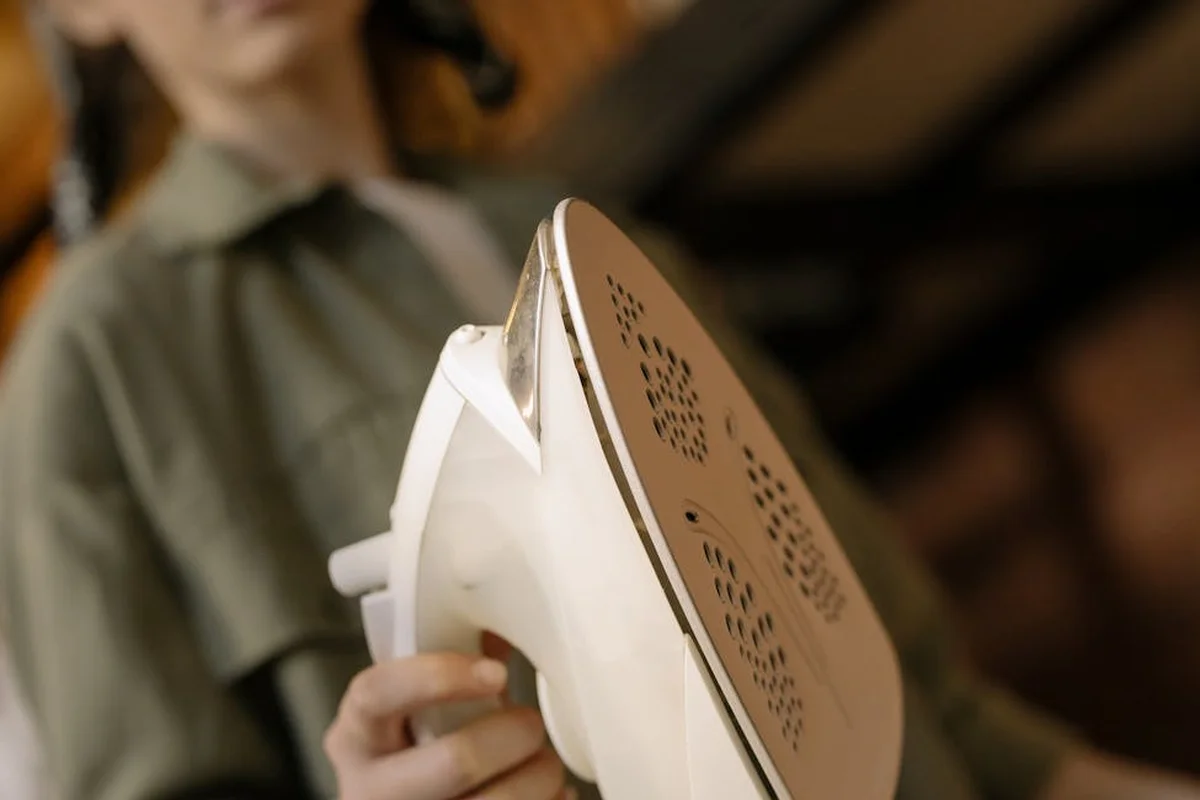
Your success starts before you plug in the iron. Think of it like a science experiment where controlling your variables prevents a disaster. You need the right tools.
- A clean iron with precise temperature control.
- A pure cotton pressing cloth (an old pillowcase works).
- A well-padded ironing board.
That last one is critical. A thin, hard board cover transfers every seam and button impression directly into your delicate fabric. A good, plush pad gives you a forgiving surface. Your iron’s soleplate must be spotless to avoid transferring old starch or scorch marks onto light-colored silk or linen.
Now, let’s decode the thermostat. Most irons use a dot system. One dot is low heat, two dots is medium, and three dots is high. Here’s how I match them to fibers:
- One Dot (Low): This is for silk, wool, and delicate synthetics like nylon. Protein fibers (silk, wool) scorch easily.
- Two Dots (Medium): Use this for polyester, rayon, or blends containing these fibers.
- Three Dots (High): This is for plant-based cellulose fibers: linen and cotton. They can take the heat.
Steam is a powerful tool, but it’s not for every fabric. Use steam freely on thirsty cellulose fibers like linen and cotton to relax wrinkles deeply. On delicate silks, especially dupioni or taffeta, steam can leave permanent water rings or spots. I always start dry.
Can you iron a silk tie? Yes, but with extreme caution. Use the absolute lowest setting (one dot). Never iron it directly. Instead, lay the tie flat and use its own tail end as a built-in pressing cloth over the area you’re working on. This provides just enough barrier to protect the sensitive outer silk.
Step by Step Ironing Protocol for Each Fabric Type
How to Iron Silk Without Damage
Silk is a protein fiber, much like hair. Apply too much heat and it will fry, leaving a shiny scar or even a hole. Patience is your best tool here.
- Always turn the garment inside out. This protects the right side’s luster. Set your iron to the lowest heat setting, marked for silk or wool.
- Place a dry, pure cotton pressing cloth over the silk. This cloth is your non-negotiable shield between the hot metal and your delicate fabric.
- Use a pressing motion. Lift the iron and place it down. Do not slide it back and forth, as this can stretch the silk weave while it’s warm.
- For a stubborn crease, slightly dampen the pressing cloth, not the silk itself. The gentle steam generated through the cloth will help release the wrinkle without water spotting.
How to Iron Linen Blends (Cotton, Rayon, Polyester) Safely
Linen is famously wrinkly, but blending it with other fibers changes its ironing needs completely. Your first step is always to check the care label for the blend percentage. We’ll also cover how to prevent and remove wrinkles, and how to iron linen effectively.
- Identify the blend. Iron these fabrics while they are still slightly damp from washing for the best, easiest results. It saves you from fighting set-in wrinkles.
- For a linen-cotton blend, you can use high heat and plenty of steam, just like pure linen. For a linen-rayon blend, rayon is more sensitive. Use a medium heat setting, no steam, and always use a pressing cloth to prevent scorching the rayon fibers.
- Iron on the right side for that classic crisp finish. If the fabric has a special finish, glaze, or a printed pattern, use a pressing cloth on the right side too, to prevent flattening or melting the design.
- Hang the garment up immediately after ironing. Letting it cool in its proper shape sets the fibers and minimizes new wrinkles from forming.
Handling Other Delicates: Velvet, Chiffon, and Synthetics
Some fabrics require a completely different approach. The direct pressure of an iron is their enemy.
Do not iron velvet. The weight of the iron will crush the pile permanently, leaving a flat, shiny patch. Instead, use a garment steamer. Hold the steamer vertical and let the steam billow up through the fabric from the wrong side. Gently brush the pile with your hand to revive it as it dries.
For delicate synthetics like nylon or thin polyester, use the lowest synthetic setting (usually one dot). Always test the iron’s heat on an inside seam or hem first. These fibers can melt surprisingly fast.
For sheer chiffon, follow the silk protocol but with even lighter pressure. The weave is incredibly fine and can snag or distort easily. Let the heat of the iron held behind the pressing cloth do most of the work.
Steaming Versus Ironing: Choosing the Gentler Method
Think of an iron as a heated press and a steamer as a hot mist. An iron uses direct heat from a plate, combined with downward pressure, to flatten fibers. A steamer uses hot vapor to relax fibers from the inside out, with no pressing at all.
Steaming is almost always the safer choice for delicate fabrics like silk, velvet, and most lined garments because it minimizes direct heat contact and prevents crushing the fibers. I reach for my steamer nine times out of ten for anything I’m nervous about.
Here’s my quick guide for choosing your weapon:
- Use an iron when you need a crisp, sharp crease. Think linen trousers, a cotton shirt collar, or flat seams.
- Use a steamer for overall wrinkle removal and gentle freshening. This is perfect for silk blouses, chiffon dresses, wool jackets, or any garment with texture or a lining.
Don’t have a steamer? You can use your iron as one. Set it to a high steam setting, fill the reservoir, and hold the iron about an inch above the fabric. Blast the steam button and let the vapor do the work, never letting the plate touch the material.
Troubleshooting and Professional Care Advice
Fixing Common Ironing Mistakes
We’ve all been there. A mistake doesn’t have to be permanent. Here’s how I fix common issues in my studio.
To remove shiny spots on linen or wool, you need to lift the flattened fibers back up. Hold a steam iron just above the shiny area to introduce moisture. Then, using a soft clothes brush or even a clean toothbrush, gently brush the fabric’s nap in its natural direction. The fibers will fluff back up.
Scorched silk is a panic moment, but act fast. Immediately mix one part white vinegar with two parts cool water. Lightly dab (do not rub) the scorched area with a cloth soaked in this solution. The mild acid can help lift the burnt residue. Let it air dry completely.
Water spots on silk after ironing happen when moisture beads up. The fix is simple. Just gently re-steam the entire panel of fabric-the sleeve, the front, etc.-to evenly redistribute the moisture and make the spots vanish. It’s a delicate but effective silk water spot removal technique.
Dry Cleaning vs. Home Laundry: When to Seek Help
Knowing when to handle care at home and when to call a professional saves money and your clothes.
Take structured silk items to a professional dry cleaner. This includes suits, tailored blazers, heavily lined dresses, or any garment with intricate beading or glued elements. Always follow a “dry clean only” label, especially on blends you can’t identify, as certain silk fabrics require special care that dry cleaning professionals can provide.
You can confidently wash many items at home. Washable silk charmeuse, most linen-cotton blends, and everyday delicates do well with a gentle, cool wash in a mesh bag. For silk fabric care washing, use a delicate cycle with cool water and a silk-friendly detergent. This helps maintain sheen and softness between cleanings. Proper home washing and steaming often means you can drastically reduce how often something needs dry cleaning.
My final pro tip is about storage. Use padded hangers for silk dresses and linen shirts to prevent sharp shoulder wrinkles. For heavy linen-blend sweaters or knits, fold them instead of hanging to avoid stretching out of shape.
Ironing as Textile Stewardship
Your most reliable tool is a cautious hand and the understanding that heat permanently alters fiber structure. I always iron silk and blends while slightly damp, using a steady, gliding motion to smooth wrinkles without friction burns on the surface.
Owning clothes thoughtfully means respecting the science in every thread-from a cotton’s shrinkage potential to a wool’s felting tendency-which guides how you wash, dye, and apply heat. I keep learning how polyester’s melt point or silk’s protein sensitivity shapes care, making choices that extend a garment’s life and reduce waste.
Research and Related Sources
- How to Iron Different Fabrics: Settings & Tips Guide
- How to Select the Right Iron Settings for Any Fabric
- How to Wash Silk Linen Blends: Essential Care Tips
- Our Top Tips and Tricks for Ironing Linen Clothes Like a Pro
Florian Ventura
Florian is a high fashion blog writer, fashion and fabric expert and a keen expert in fabric, clothing and materials. She has worked in large textile and fashion houses for over 10+ years, engineering and working with various fabric types and blends. She is an expert when it comes to questions on any and all kinds of fabrics like linen, cotton, silk, jute and many more. She has also traveled around the world studying traditional fabrics and aims to bring them into the modern fashion use.