
What Exactly is Silk Fabric? A Guide to Types, Properties, and Care
Silk feels luxurious but often comes with care instructions that seem daunting. I’ve worked with silk for years in the lab and at home, and I can tell you it’s more resilient than you think when you know its secrets.
This guide will walk you through the main types you’ll encounter, their unique properties and how to use them, and a straightforward guide to washing, drying, and storing each type.
Silk Fabric: A Quick Executive Summary
Run your fingers over a piece of pure silk. You can feel its cool smoothness, a sign of its tightly packed protein structure. This isn’t a fragile novelty, it’s one of nature’s strongest fibers for its weight, but it has a distinct personality. It lacks the springy stretch of wool, drapes with heavy fluidity, and demands a bit of know-how to keep it looking luxurious for years.
Pros:
- Breathable and Temperature Regulating: Silk proteins manage moisture, keeping you cool in summer and warm in winter.
- Hypoallergenic and gentle on sensitive skin, resisting dust mites and mold.
- Takes dye with incredible depth and brilliance, creating colors that seem to glow from within.
- Remarkably strong and durable for its delicate feel, with a tensile strength similar to some steel wires of the same diameter.
Cons:
- Prone to permanent water-spotting from minerals in tap water.
- Weakened by prolonged exposure to sunlight, which breaks down its protein structure.
- Can shrink or distort if washed improperly; often requires hand-washing or professional cleaning.
- Traditional Bombyx mori silk production raises animal welfare concerns, making ethical sourcing a key consideration.
Best Uses: Silk excels where its drape, luster, and skin feel are paramount. Think delicate lingerie and pajamas, flowing evening gowns and blouses, lightweight structured blazers, the linings of premium coats, and luxury bedding that feels cool against the skin. (And for our readers searching in Spanish, silk is “seda“).
What Is Silk Actually Made Of? (The Science of the Strand)
At its core, silk is a natural protein fiber. It’s in the same family as wool and your own hair, but its chemistry is uniquely refined. Silkworms (caterpillars of the Bombyx mori moth) spin this fiber to form their cocoons. The two main proteins are fibroin, the strong, shiny core filament, and sericin, the gummy glue that holds the cocoon together. In processing, the sericin is removed through a gentle boiling process called degumming, leaving behind the pure, sleek fibroin fibers we know as silk.
Hold a strand of polyester under a microscope. It looks like a smooth, round tube. Now look at silk. Its cross-section is a rounded triangle. This triangular shape is everything. It acts like a prism, refracting light to create silk’s signature shimmer and soft luster. It also gives the fiber that crisp, smooth “hand” or feel against your skin, unlike the sometimes plastic-like touch of round synthetic fibers.
So, is silk a fiber? Absolutely. It’s a continuous filament protein fiber. When we talk about silk proteins, we mean fibroin (for strength and beauty) and sericin (the natural gum). For those concerned with animal welfare, “Peace Silk” or “Ahimsa Silk” is a vital alternative. In this process, the moth is allowed to emerge naturally from the cocoon before the longer, continuous filaments are collected, resulting in a shorter-staple, often textured yarn that aligns with a cruelty-free ethos.
Understanding Silk Types: From Chiffon to Dupioni
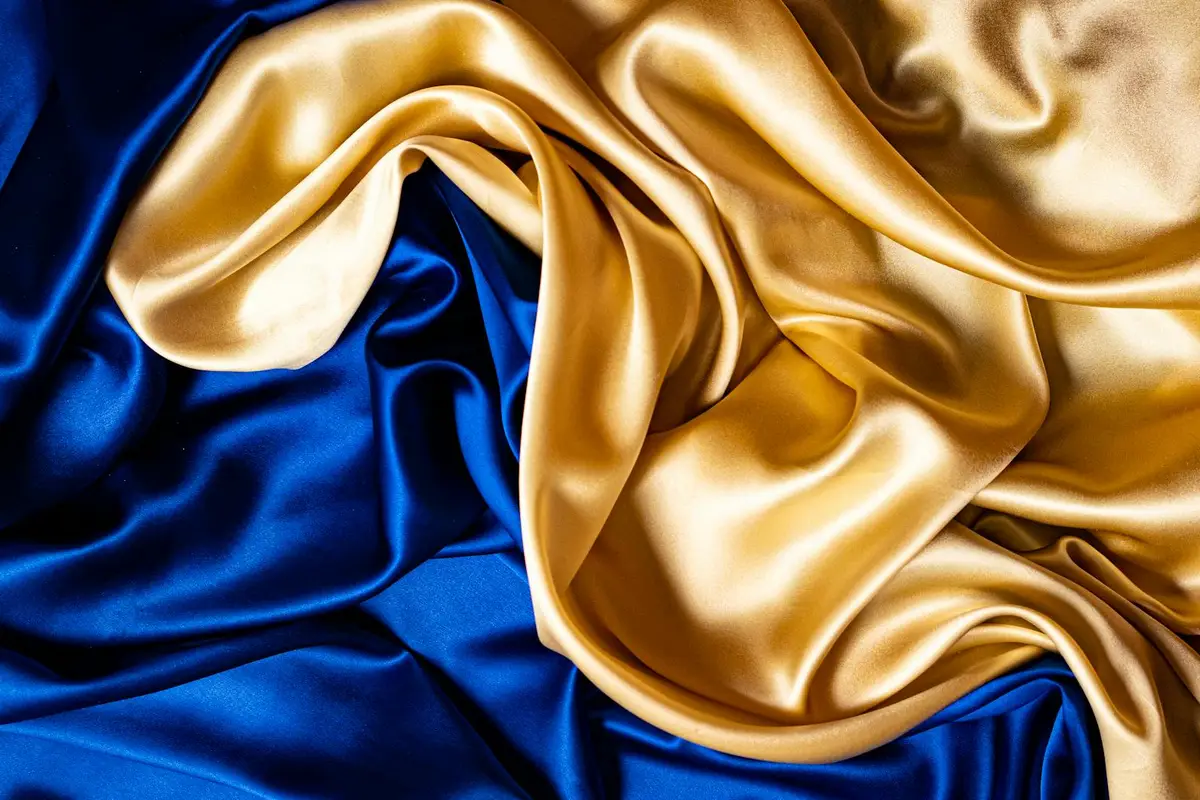
Not all silk is created equal. The magic happens in the weave. I organize silk fabrics by their structure, which dictates their personality. Let’s start with the airy ones.
Lightweight Weaves: Sheer and Flowing
These silks use a plain, gauzy weave with very fine yarns. They are light-as-air but require a gentle hand.
Chiffon
Silk chiffon is the quintessential sheer fabric. It has a slightly crepe-like, gritty texture that gives it a faint rasp when you rub it between your fingers. The drape is ethereal and fluid, but the fabric is notoriously slippery to sew. It is almost completely sheer. You’ll find silk chiffon used for overlays, scarves, and blouses where a soft, floating effect is desired. Expect minimal shrinkage (1-3%) but handle with care-it snags easily.
Georgette
Think of georgette as chiffon’s more substantial cousin. It’s also sheer and uses a crepe weave, but the yarns are more twisted, giving it a springier, bouncier hand and a distinctive pebbled surface. It’s less slippery than chiffon and has more body while still draping beautifully. This added texture and resilience make georgette a popular choice for flowing dresses, skirts, and sleeves that need a bit more shape.
Satin Weaves: Liquid and Lustrous
Satin weaves create that iconic, glossy silk surface by floating yarns over multiple threads. This hides the weave structure, giving a smooth face.
Charmeuse
This is the silk you imagine for luxury lingerie or a sleek evening gown. Charmeuse has a brilliantly shiny, slippery face and a soft, dull matte back. The drape is exquisite, clinging and fluid like liquid. It has a moderate opacity; lighter colors will be more revealing. The slippery nature makes it challenging for beginners to sew, but the result is unmatched for elegant nightwear, linings, and draped garments. It wrinkles easily and can develop water spots.
Silk Satin
Silk satin is a broader category. It uses the same float weave as charmeuse but is often woven with a heavier yarn or with more fibers per inch. The result is a fabric with a stiffer, more structured hand than charmeuse. It’s less likely to cling and holds shapes like corsets or structured bodices well. The sheen is bright but the fabric feels more substantial. I recommend silk satin for formal wear, bridal gowns, and accessories where you need shine with more architectural support. Understanding the satin silk fabric difference can help you pick the ideal weight and weave for any silhouette. It also explains why satin can feel both luxurious and structured, depending on fiber content and construction.
Textured Weaves: Natural and Rustic
This group celebrates silk’s natural irregularities. These weaves are generally easier to handle and more forgiving.
Dupioni and Shantung
These are the workhorses of textured silk. Dupioni is woven from irregular, slubbed yarns from two intertwined cocoons, creating a pronounced nubby texture and a crisp, dry hand with a subtle, uneven sheen. Shantung is similar but uses finer yarns, resulting in a smoother, softer fabric with smaller, more regular slubs. Both have excellent body and minimal stretch. Their crispness makes them ideal for structured pieces like suits, wedding dresses, home decor, and dresses that hold their shape without interfacing. They are relatively easy to sew despite their sheen.
Noil (or Raw Silk)
Silk noil is made from the shorter fibers and knots left over from spinning smoother silk yarns. It has a soft, cottony feel with a matte, nubby texture. There is no shine. It drapes softly and has a wonderful, breathable quality. If you love the benefits of silk but prefer a casual, rumpled linen-like look, noil is your fabric. It is durable, resists wrinkling, and is one of the easiest silks to care for, often tolerating gentle machine washing.
What Does Momme Mean?
When shopping for silk, you’ll see terms like “19mm” or “22 momme silk.” This is not thread count. Momme (mm) is a Japanese unit of weight for fabric. One momme equals 3.75 grams per square meter. Think of it as a measure of density and substance.
- A higher momme number means a heavier, denser, and more durable fabric. An 8mm chiffon will be gossamer-thin and delicate. A 22mm charmeuse will be substantial, opaque, and far less prone to tearing.
- For clothing, 12-16mm is light to mid-weight, 19-22mm is medium to heavy (great for quality bedding or structured garments), and anything above 22mm is very heavy.
- Momme directly relates to opacity, durability, and often, price. A 22 momme silk will drape with more weight and feel more luxurious than a 12 momme version of the same weave.
The Physical Properties of Silk: What Makes It Behave This Way?
Silk’s reputation for luxury isn’t just about its sheen. Its unique physical properties come directly from its structure. A single silk filament is a continuous protein fiber called fibroin, secreted by the silkworm to spin its cocoon. This natural engineering gives silk a combination of traits you won’t find in any other fiber.
Strength Versus Wear: A Delicate Balance
People are often surprised when I tell them this in the lab: a silk thread has a higher tensile strength than a steel wire of the same diameter. This incredible strength along its length is why a delicate silk blouse can feel surprisingly robust when you pull on it. That fibroin protein chain is highly aligned and crystalline, creating a molecule that resists breaking under tension.
But that strength has a major caveat. Silk has very low abrasion resistance. Rubbing it repeatedly against a rough surface, like a belt buckle, table edge, or even itself in a tight fold, will cause the fibers to wear thin and eventually break. You’ll often see this wear first on collar points, cuffs, and hem edges, where friction is constant. Think of it like a strong but smooth rope; it can hold great weight, but sandpaper will fray it quickly.
Your Personal Climate Control: Moisture and Heat
Silk’s legendary comfort comes from its smart interaction with moisture. The fiber is a hygroscopic protein, meaning it actively absorbs water vapor from your skin (up to 30% of its weight without feeling damp). As that moisture evaporates, it pulls heat away, creating a cooling effect. This built-in moisture-wicking is why a silk garment feels blissfully cool against your skin on a hot day.
In cooler weather, that same process works in reverse. The fiber’s structure traps a thin layer of air next to your skin. Silk itself is not an insulator like wool, but this buffered air space, combined with the fiber’s dryness, helps maintain a warm microclimate. It’s a natural thermoregulator.
Silk’s Chemical Reactions: Light, Water, and Alkalies
How silk reacts to its environment dictates how you must care for it. Ignoring these reactions is how beautiful pieces get ruined.
- Light (UV Degradation): Sunlight is one of silk’s worst enemies. Ultraviolet radiation breaks down the protein polymer chains. You’ll see this as a loss of strength-the fabric becomes brittle and can tear easily-and severe fading of dyes. I always advise keeping silk out of direct, prolonged sunlight.
- Water: Water can cause two issues. First, localized splashes can leave permanent “water marks” or rings. This is because the water dissolves some of the natural sericin gum remaining in the fiber, and when it dries, it alters the light reflection in that spot. Second, silk can shrink, typically between 4-8%, when washed in water, especially warm water. The fibers relax and contract.
- Alkalies: This is the big one for washing. Silk is a protein fiber, similar to your hair. Alkaline substances (like standard laundry detergents, baking soda, or soap) disrupt the protein bonds and saponify the fibers, literally eating them away. You’ll feel this damage as a loss of softness, a coarse texture, and a serious weakening of the fabric’s integrity. Always use a neutral, pH-balanced detergent meant for delicates.
So, Is Silk Fabric Durable?
The answer is both yes and no, and it depends entirely on what you mean by “durable.” Silk is durably strong against pulling forces but is highly vulnerable to abrasion, light, and chemical attack. A well-cared-for silk garment-washed gently by hand, protected from friction and sun, and stored properly-can last for decades, even generations. I’ve handled vintage pieces that are still exquisite.
But silk is not “hard-wearing” in the way denim or canvas is. It’s a performance fiber for comfort and elegance, not for rugged use. Its durability is a direct result of your care. Treat it as the delicate, protein-based textile it is, and it will reward you with long-lasting wear.
Practical Care Summary
| Issue | Cause | Preventive Action |
| Worn edges & thinning | Low abrasion resistance | Avoid friction with rough surfaces; store folded smoothly. |
| Yellowing & brittleness | UV degradation from light | Store in dark, cool places; never dry in direct sun. |
| Water marks & rings | Dissolved sericin redepositing | Wet the entire garment evenly; avoid spot cleaning with water. |
| Shrinkage | Fiber relaxation in warm water | Always wash in cool water (below 30°C/86°F) and air dry flat. |
| Harsh, weak fibers | Alkali damage from detergents | Use only neutral pH detergents for delicates or silk. |
Your Hands-On Silk Care Protocol: Step-by-Step
Silk needs a gentle touch, but that doesn’t mean it’s fragile. It’s strong, just sensitive to harsh treatment. Think of caring for it like handling a precious heirloom photograph-you clean it with care, support it fully, and never use extreme heat.
Here is the method I’ve used for years in my own studio. Follow these steps, and your silk will keep its beautiful hand and color for a very long time.
Step 1: The Gentle Hand Wash
Always check the care label first. If it says “dry clean only,” there’s usually a reason related to the fabric’s construction (like a glued lining) or dye stability. For washable silks, this is your process. Use cold water, a mild detergent, and opt for a gentle cycle or hand wash. Avoid wringing; lay flat to dry away from direct heat.
- Fill a clean basin or sink with cold to lukewarm water. Hot water can permanently set stains and damage the protein structure of the silk fibers.
- Add a small amount of a pH-neutral soap or a detergent made specifically for silk or wool. I avoid standard laundry detergents; their alkaline pH and brighteners are too harsh. A few drops of a gentle hair shampoo can work in a pinch.
- Submerge the garment and gently swish it through the water for 2-3 minutes. The key is a gentle swishing motion-never twist, scrub, or wring the fabric. This prevents the fibers from stretching or developing a rough texture.
Step 2: The Rinse & pH Trick
After washing, drain the soapy water and refill the basin with fresh cold water of the same temperature. Swish the silk to rinse. Repeat until the water runs completely clear.
For the final rinse, here’s my workshop secret: add one tablespoon of plain white vinegar to a basin of cool water. Adding a spoonful of white vinegar to the final rinse restores the silk’s natural, slightly acidic pH, which closes the fiber scales and brings back its luminous shine. It also helps remove any last traces of soap. Swish, then remove the garment.
Step 3: Drying Without Water Spots
Never twist silk to remove water. Instead, lay a clean, thick, absorbent towel flat. Place the wet silk garment on top and roll the towel up from one end, like a jelly roll. Press gently along the roll to let the towel absorb the moisture.
Unroll the towel and immediately lay the silk flat on a fresh, dry towel or a drying rack, away from direct heat and sun. Reshape it to its original dimensions while it’s still damp. Let it air dry completely. This method prevents water rings and maintains the garment’s shape.
Step 4: Ironing for a Crisp Finish
Ironing is easiest when the silk is still slightly damp. If it’s fully dry, mist it lightly with water.
Always set your iron to a low heat setting-the “silk” or “wool” setting is perfect. Too much heat will scorch and yellow the fibers instantly. For safety, I always iron on the reverse side of the fabric. If ironing the right side is necessary, always use a clean cotton pressing cloth between the iron and the silk. Glide the iron; don’t press down heavily in one spot.
This routine respects the delicate science of the silk fiber while being completely practical for home care.
Dry Cleaning vs. Hand Washing Silk: How to Choose
Seeing the “dry clean only” tag on a silk blouse can feel like a final verdict. It doesn’t have to be. With a bit of knowledge, you can confidently decide when to hand-wash and when to trust a professional. Here’s a simple, text-based flowchart to guide you.
Start by asking: Is the garment’s construction simple? Think blouses, scarves, camisoles, or simple skirts in plain weaves like charmeuse or habotai. If yes, hand-washing is often a safe bet. If no-meaning it’s a structured jacket, suit, dress with boning, or a complex fabric like silk velvet-head straight for professional dry cleaning.
Next, check for stability. Does the garment have interfacing, shoulder pads, or a fused lining? These components can react unpredictably to water, shrinking or warping at different rates than the silk. Any internal structure is a clear signal to opt for dry cleaning.
Finally, consider the stain and your history with the item. A fresh coffee spill on a simple scarf? Hand-wash immediately. An old, set-in stain or a garment you’ve successfully dry-cleaned ten times before? Stick with the known method. When the care label insists, it’s usually for a good reason related to dyes or construction.
When to Confidently Hand-Wash Silk
Hand-washing is gentler than machine agitation and lets you control every part of the process. I do it for most of my simple silk pieces. It preserves the natural luster better than repeated chemical baths.
- Simple Weaves: Charmeuse, habotai, chiffon, and georgette respond well to careful hand-washing.
- Simple Garments: Blouses, scarves, pillowcases, and unstructured dresses.
- Proven Items: If you’ve successfully washed a similar item before, you can likely do it again.
Use cool to lukewarm water and a dedicated detergent for delicates or wool. Never use regular alkaline detergent; it’s too harsh. Gently swish the garment for no more than 3-5 minutes, then rinse thoroughly in water of the same temperature. The key is to avoid wringing or twisting, which can permanently distort the fibers. Instead, roll the item in a clean, dry towel to press out moisture.
When to Opt for Professional Dry Cleaning
Dry cleaning uses solvent, not water, to clean. This is vital for items that water would ruin.
- Complex Constructions: Tailored suits, blazers, and wedding gowns. The seams, padding, and linings need the stability of solvent cleaning.
- Structured Fabrics: Silk dupioni, shantung, and brocade often have a crisp finish that water would dissolve.
- Delicate Pile: Silk velvet or burn-out velvet. Water can crush the pile irrevocably.
- Uncertain Stains or Dyes: If you don’t know the origin of a stain or suspect the dye might run, a professional can assess it.
- Care Label Directive: Always respect a “dry clean only” label on silk blends or garments with unknown treatment histories.
What is the Problem with Dry Cleaning Silk?
This is a common and smart question. Modern, professional dry cleaning using perchloroethylene or hydrocarbon solvents is generally very safe for silk. The real “problem” isn’t a single catastrophic event, but cumulative, slow wear.
Think of the silk fiber as a slender protein rod. Each dry cleaning cycle exposes it to a chemical bath and mechanical agitation. Over many cycles, this can cause gradual fiber degradation, slightly reducing strength and that glorious natural hand feel. The process can also slowly strip away natural sericin proteins left in the fiber, affecting texture.
More noticeable is the potential effect on dyes. Some dyed or printed silks, especially older ones or those using certain pigments, can experience gradual fading or color shift with repeated solvent exposure. A good cleaner will do a spot test, but the effect can be cumulative. For a cherished heirloom piece you wear rarely, dry cleaning is perfect. For a favorite silk shirt worn weekly, gentle hand-washing may prolong its vibrant life.
Troubleshooting Silk: Shrinkage, Stains, and Fading

Even with the best care, silk can present challenges. I’ve seen many beautiful pieces ruined by simple mistakes. Here’s how to handle the most common issues, based on how the fiber itself behaves.
Why Silk Shrinks (And How to Stop It)
Silk shrinkage isn’t like cotton’s. A cotton fiber swells with water. A silk fiber, a protein, reacts to heat and force. When you apply warm water and agitation, the protein chains in the silk filament relax, contract, and then re-bond in a tighter formation. This process is called “relaxation shrinkage” and it’s largely permanent. You cannot reliably “un-shrink” silk, so your strategy must be prevention first.
In the lab, we see typical shrinkage of 3-8% in improperly washed habutai or chiffon. Heavier silks like dupioni shrink less, but can still pull at seams. The fix is always in your wash routine:
- Always use cold or lukewarm water (never above 30°C or 85°F).
- Hand wash with minimal agitation or use a machine’s delicate/wool cycle.
- Never wring silk. Roll it in a clean towel to press out water gently.
- If you must iron, do so while the fabric is still slightly damp, using a low heat setting.
A Practical Stain Guide for Silk
Panic is the real enemy here. Rubbing a stain grinds it deeper into the fiber’s delicate scales. Your first move is always to blot-don’t scrub. Here’s my quick-reference guide, tested on everything from spilled pinot noir to salad dressing.
For water-based stains (wine, juice, coffee, food sauces):
- Blot immediately with a clean, absorbent cloth to lift liquid.
- Rinse the back of the stain under a gentle, cool tap to push it out, not in.
- Apply a few drops of mild, clear soap (like castile or a dedicated silk wash) to the area.
- Gently work it in with your fingertips and rinse thoroughly with cool water.
For oil-based stains (butter, makeup, dressing):
- Sprinkle a generous amount of talcum powder, cornstarch, or chalk dust over the stain.
- Let it sit for an hour to absorb the oil.
- Brush the powder away completely.
- If a ghost of the stain remains, treat it with a drop of dish soap (the kind for hand-washing) before a full, gentle wash.
For any stubborn, old, or unknown stain, take the garment to a professional cleaner experienced with silk. It’s cheaper than replacing the piece.
Preventing Color Fade in Silk
Silk dyes are brilliant but vulnerable, especially to ultraviolet light. Fading is a chemical breakdown of the dye molecules, and sunlight is the main culprit. I keep my silk pieces out of rooms with strong, direct sun. UV exposure causes cumulative, irreversible fading, so think about storage as much as washing.
Washing also contributes. Always turn silk garments inside out before washing. This protects the outer surface from friction. Use a pH-neutral, color-safe detergent specifically formulated for delicates. These lack the harsh alkalis and optical brighteners found in regular detergents, which can strip and dull colors over time.
Your Silk Storage Questions, Answered
“How do I store silk fabric?” is one of the most common questions I get. Proper storage prevents a host of problems, including those that can affect vintage silk.
First, never store silk dirty. Invisible residues can attract pests or oxidize and weaken the fibers over years. Always clean it first. Second, avoid plastic bags or vinyl garment covers at all costs. Plastic traps moisture and can promote mildew, a death sentence for protein fibers.
Instead, store your silk in a breathable cotton pillowcase or a specialty garment bag made from natural fiber. For long-term storage of special items, I loosely fold them with acid-free tissue paper stuffed in the folds to prevent sharp crease lines. A cool, dark, dry closet is the perfect environment. This method protects silk from light, dust, moisture, and permanent creasing, keeping it ready to wear for decades. These practices translate well to other fabrics too, including cotton and wool. Whether you’re storing cotton, wool, or silk, these steps help keep fibers pristine.
Working With Silk: Dyeing and Common Blends
Once you understand pure silk, the real fun begins. You can transform its color or blend it with other fibers to change its behavior. This is where textile science gets hands-on.
The Joy of Dyeing Silk
Silk is a dream to dye. Its protein structure readily accepts color, often yielding results that are richer and more vibrant than on cotton or linen. I’ve spent countless hours in the dye lab watching silk take on incredible depth.
For reliable, colorfast results, acid dyes are your best bet-they work on silk just as they do on wool. You’ll need heat, a mildly acidic environment (vinegar or citric acid works), and patience. Some natural dyes, like madder or cochineal, also bond beautifully with silk’s protein.
My number one rule for home dyers: safety first. Always use a pot you will never use for food again. Wear gloves and a mask when handling dye powders. Work in a well-ventilated area and follow the dye manufacturer’s instructions to the letter.
Common Silk Blends and What They Do
We rarely wear 100% silk. Blends are engineered to balance cost, performance, and feel. Knowing the blend tells you exactly how the fabric will act, especially in terms of durability and softness.
Silk & Wool
This is a luxury pairing. The silk adds a fluid, luminous drape and softens the fabric’s hand, while the wool provides warmth and a springy resilience that pure silk lacks. You often see this in high-end suiting and winter scarves. It drapes beautifully but retains more shape than silk alone.
Silk & Cotton
This blend aims to make silk more accessible and everyday. The cotton brings down the cost, increases breathability, and adds a casual, slightly matte texture. The downside is that you inherit cotton’s tendency to wrinkle easily, so don’t expect the smooth luxury of pure silk. However, cotton blends can offer other quality benefits that make them worthwhile. It’s a popular choice for blouses and summer dresses where a breezy feel is key.
Silk & Polyester
This is all about practicality and durability. The polyester adds significant strength, reduces wrinkling, and makes the fabric far less prone to water-spotting. However, it fundamentally changes the character. The blend will lose much of silk’s sublime breathability and distinctive dry, sleek hand, often feeling more synthetic. It’s a trade-off: easy care for a less luxurious experience.
The Golden Rule for Caring for Any Silk Blend
This is non-negotiable: you must always care for a blend according to the needs of the most delicate fiber in the mix. If a fabric is 95% cotton and 5% silk, you treat it like 100% silk. The silk is the weak link. Aggressive washing or high heat that the cotton could tolerate will degrade, shrink, or yellow the silk component, ruining the fabric. Always check the label, but when in doubt, hand-wash in cool water with a gentle detergent and lay flat to dry.
| Fiber | Primary Feel & Look | Key Care Consideration | Best Use For |
|---|---|---|---|
| Silk | Luxurious, smooth, luminous sheen. | Hand-wash cold or dry clean. Avoid heat and sun. | Special occasion wear, luxury linens, warm-weather suiting. |
| Cotton | Soft, matte, crisply woven or brushed. | Machine-washable; can handle high heat but may shrink. | Everyday clothing, bedding, towels. |
| Polyester | Can feel slick or soft; often retains wrinkles. | Very easy-care; machine wash/dry low. Holds body oils. | Activewear, durable casual wear, linings. |
| Wool | Cozy, warm, can be soft or coarse. | Hand-wash cold, lay flat to dry. Aggression causes felting. | Cold-weather sweaters, suits, blankets. |
Silk vs. Cotton: The Breathability Battle
Both silk and cotton are champions of breathability. They absorb moisture and let air pass through, which is why they feel so comfortable against your skin. The similarities stop there. When we consider cotton fabric characteristics and materials, its softness, durability, and absorbency stand out. That combination is why cotton remains a staple in textiles.
Silk is surprisingly strong when wet, gaining about 15-20% in tensile strength, while cotton fibers become about 20% weaker. This is a crucial fact for washing. You can gently handle wet silk without fear of it tearing instantly, but you must support the weight of soaked cotton fabric to prevent stress on the seams.
Silk’s smooth filament structure is its weakness when it comes to water. A single drop can leave a dark spot or “ring” because the water disperses differently along the filament, altering how light reflects. Cotton’s matte, rougher surface absorbs water more evenly, so spots are less noticeable.
For care, cotton forgives machine washing. Silk demands a gentler touch.
- Always test for colorfastness on a hidden seam before washing any silk.
- Wash silk in cold water with a pH-neutral soap. I use a dedicated wool wash.
- Never wring silk. Roll it in a towel to press out water.
- Cotton can handle a hot dryer but expect 5-10% shrinkage. Always dry silk flat, away from direct heat or sunlight.
Silk vs. Polyester: Natural Luxury vs. Synthetic Ease
Polyester is silk’s synthetic mimic, but their performance is worlds apart. Polyester wins on durability and easy care. It resists wrinkles, dries quickly, and hardly shrinks. But it fails at breathability. Polyester traps heat and moisture against your skin, which can feel clammy.
Silk breathes and regulates temperature, while polyester simply acts as a barrier. The feel is different, too. Even the finest polyester has a subtle synthetic hand-it can feel slightly slick or plastic-like. Silk has a deep, organic luster and a uniquely smooth drag against the skin.
Dyeing highlights another key difference. Silk, a protein fiber, bonds beautifully with acid dyes and some natural dyes, producing rich, permanent colors. Polyester requires disperse dyes and high heat to force dye into the fiber, a process best left to industrial settings.
For care, polyester is simple. Silk requires protocol.
- Polyester pills more than silk. Use a fabric shaver gently on pills.
- Body oils and stains cling to polyester. Pre-treat collars and cuffs.
- Never use bleach or stain removers containing chlorine on silk. It will dissolve the fibers.
- Iron silk on a low/cool setting while slightly damp. Use a press cloth. Polyester needs a very low heat to avoid melting.
Silk vs. Wool: A Family Conversation
Silk and wool are both protein fibers, which means they come from animals. They share some chemical traits, like a preference for similar dyes, but their physical structures create different behaviors.
Wool’s scales make it warm, elastic, and prone to felting. Agitation, heat, and moisture cause those scales to lock together permanently. Silk’s smooth, long filament has no scales. Wool is a spring that stretches and bounces back; silk is a strong, inelastic thread. This is why wool is ideal for winter knits and silk for flowing summer fabrics.
Wool provides insulation by trapping air. Silk provides a lightweight, cooling layer. In my lab tests, a plain weave silk fabric has minimal inherent stretch, typically less than 2%, while a wool knit can easily offer 20-30% recovery stretch.
Their shared protein nature means care similarities exist, but the risks differ.
- Both should be washed in cold water with a mild, neutral soap. Never use enzymatic “bio” detergents, as they digest protein fibers.
- Wool felts with agitation; silk can abrade and lose its luster. Always handle both gently.
- Wool can often be blocked back into shape when wet. Silk should be carefully smoothed and laid flat to dry in its intended shape.
- For dyeing, both work with acid dyes. Silk usually takes less dye and a slightly lower temperature than wool for vibrant results.
Your Silk, Your Responsibility
The single most important rule for silk is this: treat water and high heat as its primary adversaries. You can manage almost any silk care challenge by using cool water, a gentle detergent, and always allowing the fabric to air dry flat away from direct heat.
Caring for your silk thoughtfully extends its life dramatically, which is the most sustainable choice you can make. I encourage you to apply this same curious, science-based approach to all the fibers in your home, from bouncy wool to sturdy polyester blends, becoming a more informed and responsible steward of your textiles.
Related Guides and Information
- Discovering 15 Types of Silk Fabric: Your Ultimate Guide
- Types of Silk Fabrics: A Complete Guide – MANITO
- Fabric Guide: What Is Silk? How to Use and Care for Silk Fabric – 2026 – MasterClass
Florian is a high fashion blog writer, fashion and fabric expert and a keen expert in fabric, clothing and materials. She has worked in large textile and fashion houses for over 10+ years, engineering and working with various fabric types and blends. She is an expert when it comes to questions on any and all kinds of fabrics like linen, cotton, silk, jute and many more. She has also traveled around the world studying traditional fabrics and aims to bring them into the modern fashion use.