
What Is Spandex Fabric?
You might think of spandex as the clingy, sometimes unforgiving fabric in cheap activewear, but that’s a story of misuse, not the fiber itself.
In this guide, we will cover its unique molecular properties that create stretch, the surprising history of its invention, and its critical uses from medical supports to haute couture.
Executive Summary: Your Quick Guide to Spandex
Think of spandex as the secret ingredient in your wardrobe. On its own, it’s a thin, rubbery filament. Its magic happens when it’s wrapped with another fiber like cotton or nylon. Spandex’s core job is to add controlled stretch and reliable recovery to fabrics that would otherwise be rigid. It lets your jeans move with you and your workout leggings snap back into shape.
Its advantages are specific and powerful. Spandex offers extremely high elasticity, incredible strength for its weight, and a lightweight feel. It also resists pilling and abrasion remarkably well.
But it has clear weaknesses. The material is sensitive to high heat, chlorine bleach, and oils (including body oils and some sunscreens). A fabric made from 100% spandex would trap heat and sweat. It’s also a type of plastic, a polyurethane, which is useful to know for care and environmental consideration.
You will almost never find a garment made purely from spandex. Instead, look for it as a minor component in a blend, typically between 2% and 20%. A small percentage of spandex blended with cotton, polyester, or nylon creates the foundation for modern activewear, comfortable underwear, and form-fitting fashion, such as cotton-spandex blends.
Material Data Table: Spandex at a Glance
| Property | Rating / Value | What This Means for You |
| Breathability | Low | In a pure form, it acts like a plastic film, trapping heat and moisture against the skin. In a blend, breathability depends on the main fiber (e.g., cotton-spandex breathes; polyester-spandex less so). |
| Shrinkage Rate | Low | The fiber itself doesn’t shrink like cotton. What looks like shrinkage is usually permanent heat damage from a high-heat dryer, which melts and degrades the spandex filaments. |
| Heat Tolerance | Max 150°F (65°C) | Exceeding this temperature, especially in a dryer, breaks the polymer chains. The fabric loses its stretch, becomes brittle, and may develop a permanent, puckered texture. |
| Stretch Factor | Very High (500-700% recovery) | It can stretch to several times its original length and spring back. Compare this to a woven cotton shirt, which might give only 5-10% before the yarns distort. |
What is Spandex, and How Does It Work?
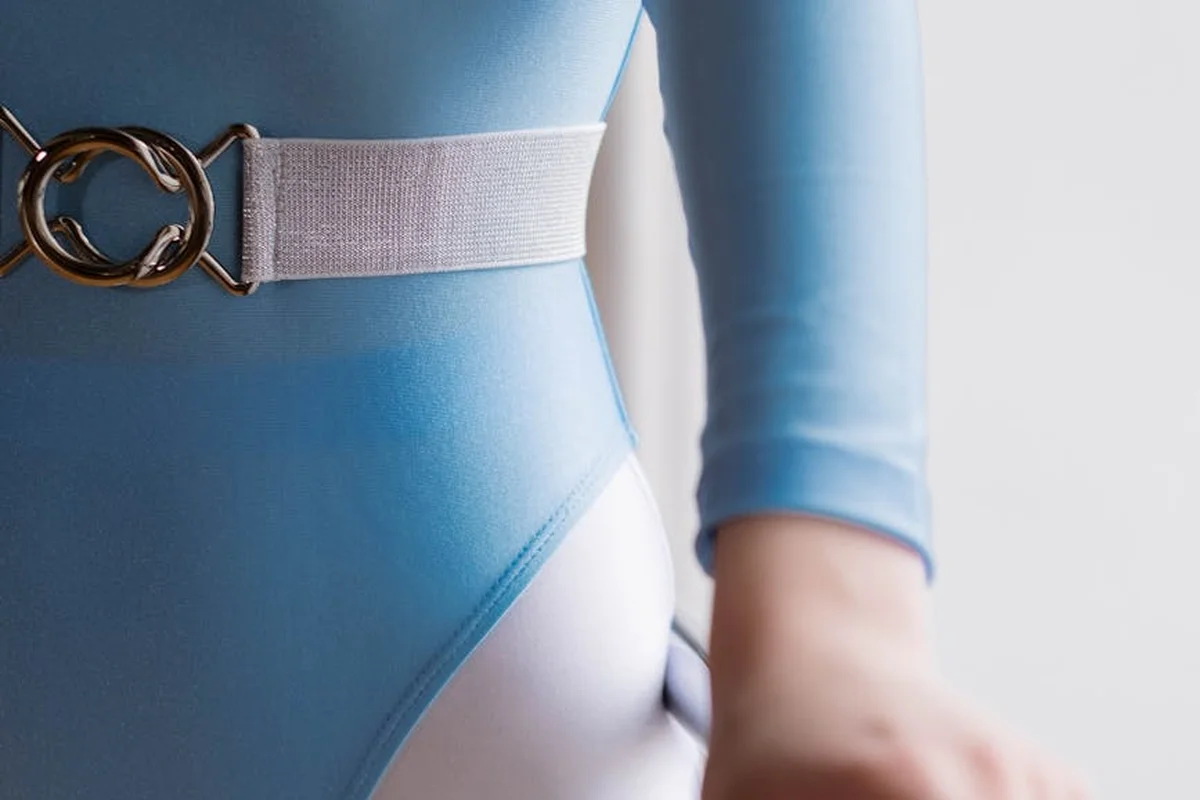
Let’s clear up a common mix-up first. Spandex itself is not a fabric. It’s a man-made fiber, a type of synthetic elastane. You’ll find it woven or knitted into fabrics, almost always as a small percentage blend with fibers like cotton, polyester, or nylon.
So, what are spandex fibers made of? They start as a long-chain synthetic polymer called polyurethane. Think of the raw material as a very specific type of plastic designed to be elastic.
How does spandex work? Picture its molecular structure as a pile of tiny, tangled Slinkys or springs. At rest, these coils are bunched up. When you stretch the fiber, the coils straighten out. The magic is in the release: as soon as the pulling force stops, the molecular springs instantly snap back to their coiled, relaxed state. This gives spandex its incredible recovery, the ability to return to its original shape.
The fiber is made through a dry-spinning process. A polyurethane solution is forced through a spinneret (a showerhead with tiny holes) into a heated chamber. The solvent evaporates, leaving behind a solid, continuous filament fiber that can be miles long.
It’s often compared to natural rubber (latex), but spandex is superior for most apparel. It’s stronger by weight, starts as a bright white fiber (easy to dye), and, critically, resists degradation from body oils, lotions, and sweat much better than rubber does. Rubber can become brittle and crack; spandex holds up.
The Core Properties of Spandex: A Textile Science View
Understanding these properties explains why a little spandex changes everything in a garment and how you should care for it.
Elasticity & Recovery
This is the defining trait. Spandex can stretch 500-600% of its length and bounce back. In a lab, we measure its “modulus” – the force needed to stretch it – and its recovery percentage. In your clothes, this means movement without bagging; a garment hugs and moves with you, then returns to its intended silhouette. A 5% spandex blend in a woven cotton trouser prevents knee bags. In a swimsuit or athletic legging, it provides compressive support without permanently deforming.
Strength & Durability
Pound for pound, spandex is stronger than rubber. Its smooth, monolithic filament structure also makes it highly resistant to pilling and abrasion from the inside. You won’t see spandex pills. The durability challenge isn’t from abrasion, but from chemical attack and heat, which break the polymer chains. When a pair of leggings finally fails, it’s usually because the spandex fibers have lost their elasticity, not because they’ve frayed apart.
Lightweight & Smooth Hand
Spandex fibers are very fine and add negligible weight or bulk. This is why a 95% cotton / 5% spandex t-shirt feels and looks almost identical to 100% cotton, but moves completely differently. It integrates seamlessly, providing function without altering the fabric’s fundamental “hand” or drape.
Heat & Chemical Sensitivity: The Critical Weakness
This is the care information you need. Spandex is a thermoplastic; heat makes it soft and vulnerable. High heat from dryers or irons can permanently melt, weaken, or set wrinkles into the fiber. Proper washing techniques are essential to maintain its elasticity and appearance. Chlorine is spandex’s arch-nil. The bleach in swimming pools actively attacks the polyurethane chains, causing irreversible damage that shows up as yellowing, brittleness, and a loss of stretch. Always rinse swimwear in fresh water immediately after use. For washing, stick to cool or lukewarm water (under 30°C/86°F) and air dry. Never iron a fabric containing spandex directly.
Dyeability
For the best colorfastness, especially in activewear and swimwear, spandex is usually “solution dyed” or “dope dyed.” This means the color pigment is added to the polymer solution before it’s spun into a fiber, locking the color in deeply. This method resists fading from sweat, sun, and chlorine.
You can piece-dye fabrics containing spandex at home, but with caution. Use acid dyes or all-purpose dyes, as they work in the same warm (not boiling), mildly acidic bath needed for nylon, which often accompanies spandex in blends. Spandex itself accepts dye moderately well, as RIT dye works for spandex to some extent, but the final color will be a composite of how the other fibers in the blend take the dye. Always test first. Avoid chlorine bleach at all costs; it will damage the fiber and strip color.
A Brief History: From Lab to Leggings
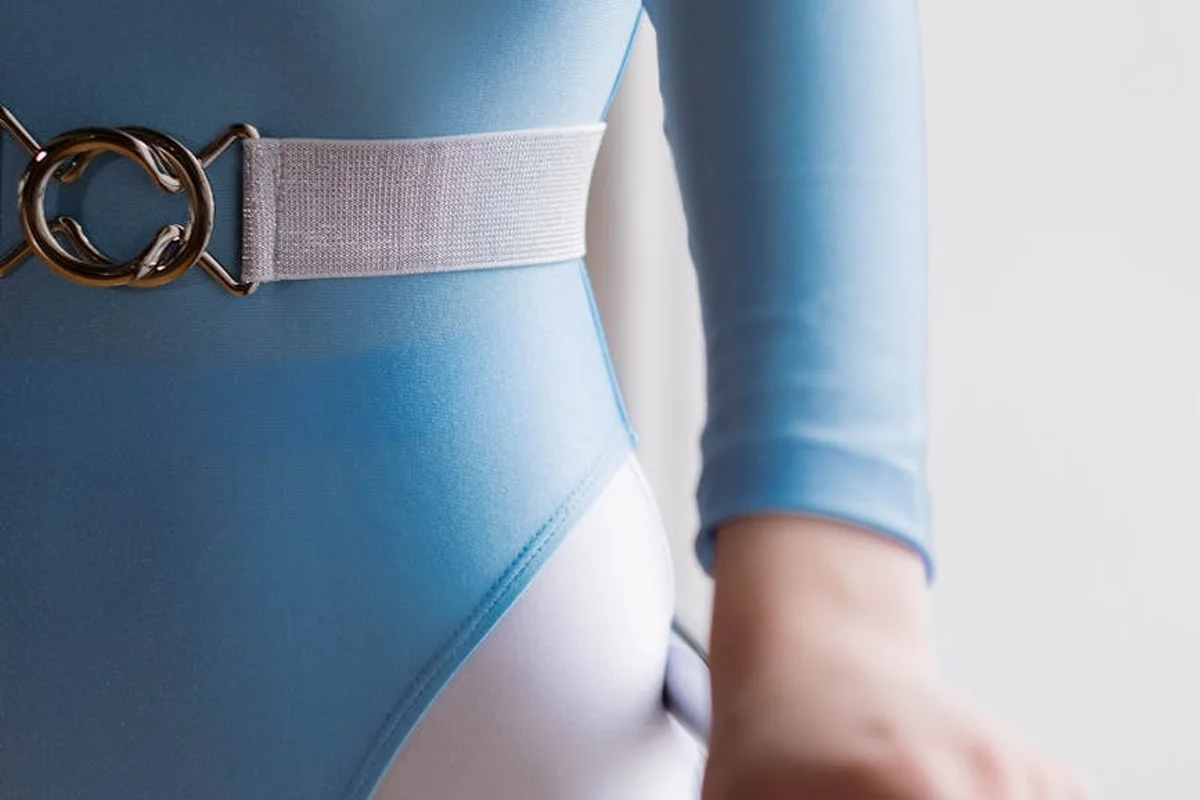
People often ask me, “What is the history of spandex?” Its story begins with a practical problem. For decades, clothing that needed to stretch, like girdles and swimsuits, used rubber threads. I’ve handled old garments with these threads, and they have a big flaw. Rubber rots over time, loses its snap, and can be damaged by sweat, oils, and heat. The quest was on for a synthetic replacement that could stretch and recover reliably.
In the 1950s, chemist Joseph Shivers at DuPont cracked the code. He invented a new polymer fiber, and DuPont introduced it under the brand name Lycra. This wasn’t just a new thread, it was a revolution in how clothes could move with the body. Spandex offered unprecedented stretch and recovery without the decay issues of rubber.
By the 1960s and 70s, you started seeing it everywhere it made sense. It gave girdles and foundation garments a more comfortable hold. Swimsuit designers loved it for creating sleek, form-fitting suits that kept their shape in water. Athletic gear began to incorporate it for better freedom of movement. This mirrored cultural shifts toward more active lifestyles and body-conscious fashion.
The 1980s aerobicwear boom, with all those vibrant leotards and leggings, put spandex blends center stage in popular culture. Today, its use is utterly normalized. That little bit of spandex in your jeans or t-shirt is a direct result of this decades-long evolution from a specialty fiber to a daily essential. It solved a durability problem and quietly reshaped our wardrobe.
How Spandex is Used: Blends are Everything
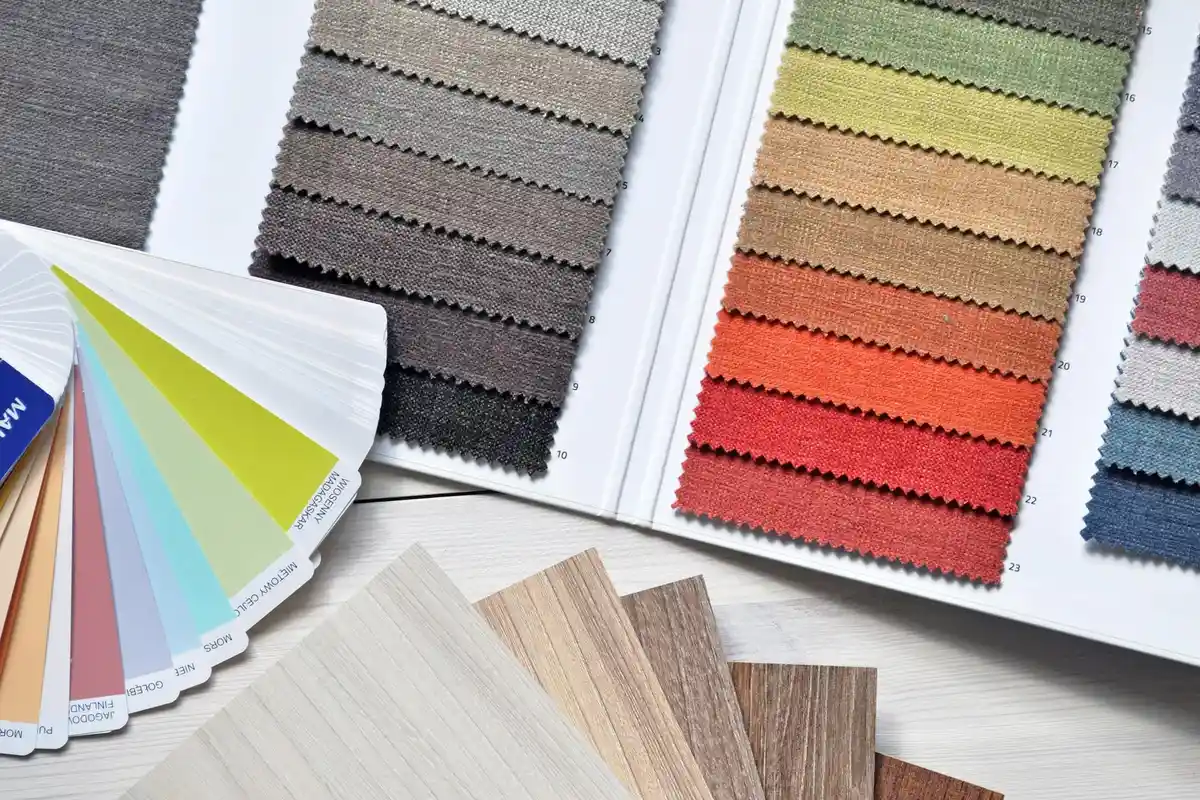
So, what are spandex used for? The honest answer is, almost never alone. In my work, I always tell people spandex is the ultimate team player in fabric. It’s almost always blended with other fibers to give them a forgiving stretch while letting them handle the main job. Here are the most common partnerships you’ll find.
Cotton-Spandex blends are for comfort and recovery. You get the soft, breathable feel of cotton with just enough spandex (usually 2-5%) to prevent bagging. This is why your favorite t-shirts and jeans move with you. I recommend washing these in cool water to protect the spandex’s elasticity.
Polyester-Spandex is the workhorse for performance. Polyester brings durability and quick-drying power, while spandex adds stretch. This blend dominates activewear, swimwear, and dance costumes. The fabric can handle frequent washing, but use a gentle cycle to prevent snags. For wash and dry care, choose a gentle cycle and low heat to preserve elasticity. Air-drying or tumble-drying on low helps keep the fabric smooth and durable.
Nylon-Spandex creates sleek, strong fabrics. Nylon has a smooth hand and great strength, making it perfect for leggings, hosiery, and lingerie when combined with spandex. This blend often has a higher spandex content for a second-skin fit. Avoid high heat, as it can damage the spandex.
Wool-Spandex adds modern shape retention to a classic fiber. A small percentage of spandex in wool trousers or skirts helps them keep their tailored silhouette throughout the day, resisting knee bagging and seat sagging. Always follow wool’s gentle care rules to maintain this blend.
Beyond clothing, spandex’s reliable compression makes it ideal for medical supports, compression garments, and upholstery fabrics that require a tight, fitted look. Remember, the care for any spandex blend depends heavily on its partner fiber, so always check the label first.
Spandex Care & Handling Protocol: Step-by-Step

Think of spandex as a bundle of microscopic springs. Heat, harsh chemicals, and agitation can permanently damage those springs. This protocol keeps them bouncy for years.
Washing: The Cold Water Rule
Always use cold water, never warmer than 30°C (86°F). Heat is the number one enemy of spandex elasticity.
- Use the gentle or delicate cycle on your machine.
- Choose a mild, liquid detergent. Avoid heavy powders that might not rinse clean from the stretchy fibers.
- Chlorine bleach will destroy spandex fibers on a molecular level, so never use it.
- Turn garments inside out before washing. This protects the outer surface from friction that can cause pilling or a worn look.
- For new, dark-colored items, wash them alone the first time. This prevents any excess dye from transferring to other clothes.
For delicate items like swimsuits or lingerie, I hand wash in a sink with cool water and a drop of detergent. Gently squeeze the suds through the fabric, don’t wring or twist.
Drying: Patience Pays Off
Air drying is non-negotiable for long-lasting spandex. The heat from a dryer is simply too intense.
- Lay garments flat on a clean towel or drying rack. Hanging heavy, wet spandex items (like leggings) on a line can cause them to stretch out permanently under their own weight.
- Keep them away from direct sunlight and heat sources like radiators to prevent yellowing.
- If you must use a dryer, select the no-heat or air fluff setting only, and remove items while they are still slightly damp.
Ironing: Just Don’t Do It
You should never need to iron a spandex blend. If wrinkles appear from storage, use a handheld steamer on its lowest setting, holding it a few inches from the fabric. If you must use an iron, set it to the absolute coolest setting and always use a thick pressing cloth (like a cotton tea towel) between the iron and the garment. Glide the iron quickly; never let it sit. For fabrics like polyester, rayon, and spandex, the right technique makes wrinkle removal easier. This approach helps you smooth out wrinkles without harming the fabric.
Storage: Avoid the Permanent Crease
Store spandex garments folded or laid flat. Do not hang them on thin wire hangers for long periods, as this can create permanent “shoulder horns” in tops. Keep your closet dark, as prolonged exposure to light can degrade the fibers and cause discoloration over time.
Troubleshooting Common Spandex Problems
Even with perfect care, issues can pop up. Here’s what’s happening inside the fiber and what you can try.
Yellowing
That dingy yellow tint is often a combination of oxidation, body oils, sweat, and residual detergent. Unfortunately, it’s frequently permanent because it’s a chemical change in the fiber itself. You can try soaking the yellowed area in a solution of 1 part white vinegar to 4 parts cool water for 30 minutes before a gentle wash, but temper your expectations. Prevention-immediate washing after sweating and avoiding heat-is your best tool.
Loss of Stretch (Bagging Out)
When leggings or swimsuits get loose and saggy, the damage is done. This happens when heat (from a dryer, hot wash, or even a hot car) or chlorine breaks the long polymer chains that give spandex its stretch. Think of a spring that’s been pulled too far and won’t snap back. These chains cannot be repaired.
Greasy Stains
Oil-based stains, like sunscreen or cooking grease, can cling to spandex. More critically, oils can slowly degrade the fiber. Pre-treat the stain by making a paste with a few drops of clear dish soap (like Dawn) and water. Gently work it into the stain and let it sit for 15 minutes before washing as usual. The dish soap helps break up the oil so the detergent can wash it away.
Heat-Set Creases
A sharp crease from a dryer vent or a folded edge that’s been stored in a hot attic can become permanent. The heat essentially “melts” the fiber shape into that new form. You can try gently steaming the crease to see if the fibers relax. Often, the damage is permanent, serving as a tough lesson in why we avoid heat.
Chlorine Damage
Pool chlorine is brutally corrosive to spandex. It causes the fiber to become brittle, lose elasticity, and discolor. Always rinse your swimwear in fresh, cool water immediately after getting out of the pool. Follow up with a hand wash using a mild detergent. Never let a chlorine-soaked suit sit in a gym bag. This routine dramatically extends the life of your performance wear.
Caring for Your Stretch Fabrics
When you work with spandex, your single most important rule is to protect it from high heat. Always use cool or lukewarm water for washing and a low-heat or air-dry setting to maintain its stretch and prevent permanent damage. Washing spandex-blend garments inside out in a gentle cycle significantly reduces surface friction and pilling.
Being a thoughtful textile user means extending the life of every garment you own, which is the most sustainable choice you can make. I encourage you to apply this same curious, careful approach to all your fabrics, from the resilient bounce of wool to the delicate drape of silk, learning how their unique structures respond to washing, dyeing, and daily wear.
Sources and Additional Information
- What is Spandex Fabric: Properties, How its Made and Where | Sewport
- Spandex – Wikipedia
- What is Spandex Fabric, Its Properties, and Uses
- What is Spandex Fabric? Characteristics and Applications of Spandex Fabric in the Fashion Industry – Tbond Textile
Florian Ventura
Florian is a high fashion blog writer, fashion and fabric expert and a keen expert in fabric, clothing and materials. She has worked in large textile and fashion houses for over 10+ years, engineering and working with various fabric types and blends. She is an expert when it comes to questions on any and all kinds of fabrics like linen, cotton, silk, jute and many more. She has also traveled around the world studying traditional fabrics and aims to bring them into the modern fashion use.