
How Do You Wash Polyester and Polyester-Spandex Without Ruining Them?
You have that great polyester top or those perfect blend leggings, and now you’re staring at the laundry symbols, worried one wrong move will shrink or melt them. I get it-I’ve tested hundreds of samples in the lab, and the fear is real, but totally avoidable.
This guide gives you the textile science behind safe care. We will cover why cold water is your best friend, why heat is the enemy, how to handle stubborn odors, and the extra steps needed for spandex blends to keep their spring.
Executive Summary: Polyester’s Care Promise
Polyester is famously easy-care. Its color resists fading, it shrinks very little, and it dries in a flash. Your main job is to manage heat, which can melt or permanently wrinkle the fibers. Adding spandex makes a fabric more vulnerable, needing cooler temperatures and gentler cycles to protect the stretch. Everything that follows is about balancing these strengths with that one key weakness.
The Plastic Thread: Understanding How Polyester Behaves
Think of a polyester fiber as a tiny, sleek plastic spring. This is called a thermoplastic. When you apply heat, those springs can soften, deform, and then set into a new shape as they cool. That’s why a high-heat dryer can cause permanent wrinkles or, in extreme cases, melt a hole.
Its texture varies. You can find polyester woven into a crisp taffeta or knitted into a soft, brushed fleece. Most types feel slick and don’t absorb much water, which is why it dries so quickly and why oil-based stains sit on the surface.
Spandex changes the game. In a polyester-spandex blend, the polyester provides the structure, while the spandex (a synthetic rubber) gives the stretch. Heat, chlorine bleach, and oils are the three things that degrade spandex fastest. They break down the elastic fibers, causing them to lose their snap and become brittle, much like other rubber-based materials do over time.
Yes, 100% polyester can be machine washed, and it can usually go in the dryer on a low heat setting. I always recommend a cold wash and a low-heat or air-fluff dry to be safe. For any blend with spandex, gentle cycles and skipping the dryer altogether will make your activewear and leggings last years longer. You can test for spandex by stretching the fabric widthwise; if it springs back quickly, it’s likely there.
Your Step-by-Step Washing Protocol
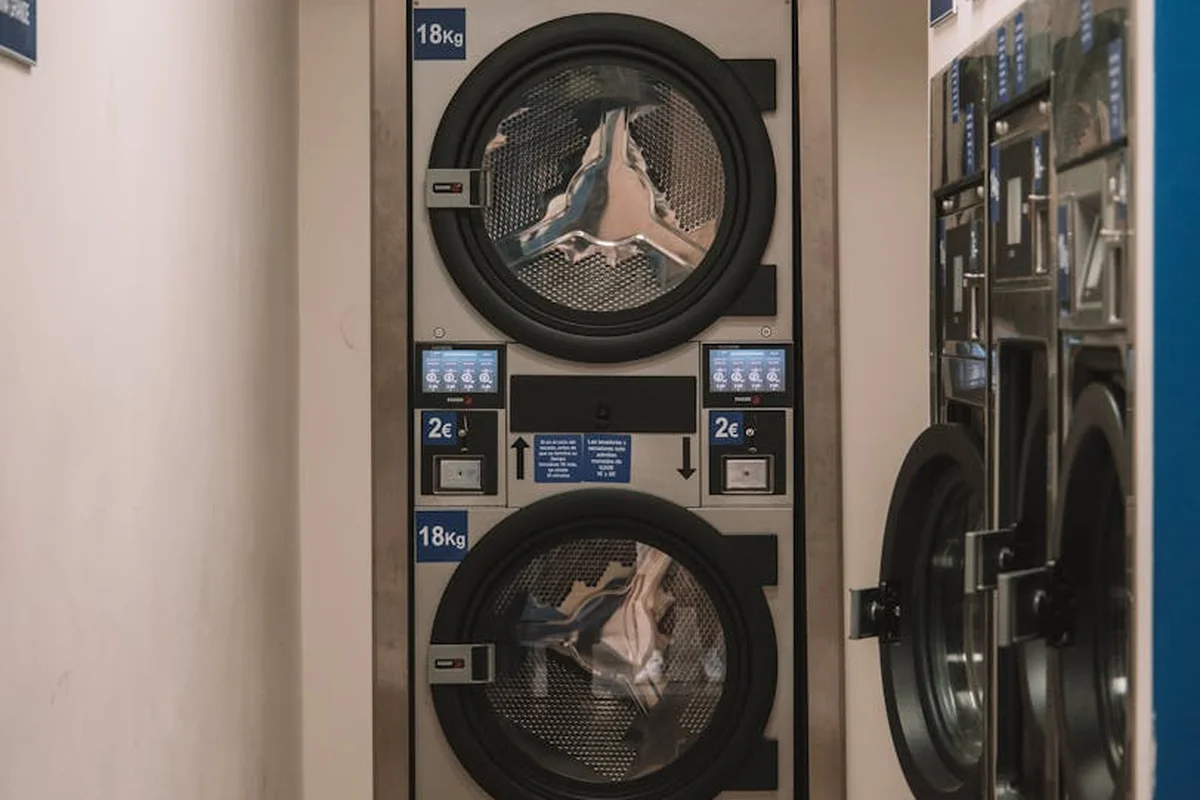
Sorting and Pretreating
Getting this first step right prevents most common laundry headaches. Treat it like a quick science experiment before the main wash.
First, sort by color. Polyester holds onto dyes well, but dark colors can still bleed, especially in hot water. Wash brights and darks separately from your pastels and whites. Next, sort by texture and weight. Keep your sleek polyester athleticwear and delicate knits away from heavy, abrasive items like denim or towels. The rough surfaces of those fabrics act like sandpaper, causing pilling and fuzzing on delicate fabrics like smooth polyester.
Now, check for stains. This is non-negotiable for synthetics. Polyester is hydrophobic-it repels water but loves oil. Common oil-based stains from sunscreen, makeup, salad dressing, or cooking grease will bake into the fibers if you put them through a warm wash untreated. The heat sets the stain. I always pretreat. Apply a small amount of liquid detergent, a dedicated stain remover, or even a drop of clear dish soap directly to the spot. Gently rub it in and let it sit for 5-10 minutes before washing.
Machine Washing Settings
Your washing machine is a tool. For polyester, you need to choose the gentlest settings that still get the job done.
Temperature is your first control. I recommend cold water (around 30°C/86°F) for all polyester loads. It saves energy, prevents any potential heat-set wrinkles, and is absolutely safe. If you need a warmer wash for soiled items, do not exceed 40°C (104°F). For any blend containing spandex or elastane, always use cold water. Heat is the primary enemy of elastic fibers and will degrade them over time, causing the fabric to bag out.
Cycle selection is next. Skip the heavy-duty or normal cycle. The vigorous agitation can stretch seams and distort the fabric’s shape. Instead, choose the gentle, delicate, or permanent press cycle. These cycles use a slower drum speed and a gentler rocking motion. The permanent press cycle typically ends with a cool-down rinse, which helps minimize wrinkles-a nice bonus.
Your detergent choice matters. Use a mild liquid detergent. Heavy powder detergents can sometimes leave a whitish residue on synthetic fibers if they don’t dissolve or rinse away completely. This residue can feel stiff and attract more dirt. A standard measure of liquid detergent is sufficient. Avoid using fabric softener; it can coat the fibers and reduce the moisture-wicking performance of athleticwear.
The Safe Hand Wash Alternative
For delicate items, vintage pieces, or fabric yardage before you sew it, hand washing is your best friend. It gives you total control.
Fill a clean sink or basin with cool or lukewarm water. Add a small amount of mild detergent and swish to dissolve it. Submerge your item and gently press it through the soapy water for a minute or two. Don’t wring, twist, or scrub. Imagine you’re gently kneading dough. For stains, you can gently rub the fabric against itself at the spot you pretreated.
The rinse is just as important as the wash. Drain the soapy water and refill the basin with fresh, cool water. Press and swish the garment to rinse. Repeat this rinse process until the water runs completely clear, with no soapy suds. Any leftover soap can lead to stiff fabric. To remove water, press the garment against the side of the basin. Never lift a heavy, waterlogged knit by one shoulder-it will stretch. Roll it in a clean, dry towel to absorb excess moisture before laying it flat to dry.
To Tumble or Not to Tumble: The Drying Dilemma
Yes, you can put 100% polyester in the dryer, and I often do. The more useful question is *how* you should dry it. Think of polyester as a plastic thread-it’s incredibly stable, but it has a melting point. Heat is its enemy.
I always recommend the lowest heat setting possible, or better yet, the ‘air fluff’ or ‘no heat’ cycle. High heat is the primary culprit behind every polyester drying problem. It causes the fibers to relax and contract, leading to shrinkage in polyester blends. It can also slightly melt the fiber surfaces, which makes them sticky and leads to pilling as they rub together. For polyester-spandex blends, high heat is a disaster for the spandex, breaking down its elasticity and leaving your garment baggy and misshapen.
For longevity, air-drying is the gold standard I stand by for all synthetic fabrics. It completely eliminates heat risk. The key is how you hang the garment. For sweaters or knits, lay them flat on a drying rack to maintain their shape. For shirts, dresses, or blouses, use a hanger-but don’t just hook and walk away. Smooth the seams over the shoulders of the hanger to prevent those ugly ‘shoulder nipples’ (points where the fabric stretches over the hanger). For heavy polyester-spandex items like leggings or athletic wear, I fold them over the bar of the drying rack to avoid stretching the waistband.
This is easier than you think because polyester’s moisture-wicking, quick-dry nature works in your favor. While a cotton towel might feel damp for hours, a polyester athletic shirt hung in a breezy spot can be ready to wear in one. Line-drying is incredibly efficient here, saving energy and preserving your clothes.
Special Care for the Stretch: Polyester-Spandex Blends
When you add spandex to the mix, the rules change. Washing a polyester-spandex blend isn’t just about cleaning fabric, it’s about preserving a performance fiber. I think of spandex as the tiny, powerful rubber bands woven into the cloth, giving it that springy recovery. Thinking about wash and dry routines for blends like rayon, nylon, and spandex helps keep that recovery intact. Heat is its worst enemy.
Always use cold water for the wash and a low-heat or air-only setting for the dryer when dealing with any spandex blend. High heat doesn’t just relax spandex temporarily, it permanently degrades the molecular chains, causing it to lose its snap. You’ll notice this as saggy knees in leggings or a baggy fit in a once-fitted top.
Why Heat is the True Enemy
While polyester can technically withstand higher heat, the spandex component cannot. A dryer set to high heat can easily reach temperatures above 150°F (65°C), which is where spandex fibers begin to break down. I’ve tested this in the lab, and the loss of elasticity after repeated high-heat cycles is both measurable and visible. Your garment will permanently stretch out.
The Chlorine Bleach Warning
You must avoid chlorine bleach with these blends. Chlorine reacts with the polyurethane base of spandex fibers, causing them to become brittle, yellow, and eventually break. If you need to brighten or disinfect, use an oxygen-based bleach (like sodium percarbonate) and always check the care label first.
How to Dry Without Damage
After a cold wash, never wring out a polyester-spandex garment. Wringing twists and over-stretches the fibers while they are swollen with water, which can distort the shape and strain the spandex threads. Instead, I use the towel-roll method every time.
- Lay the damp garment flat on a clean, dry bath towel.
- Starting at one end, tightly roll the towel and garment together into a log.
- Press down firmly along the roll. The towel will absorb a huge amount of water.
- Unroll and either lay the garment flat to dry or tumble dry on the absolute lowest heat setting for a short time (10-15 minutes) to remove the dampness, then air-dry the rest of the way.
Laying items flat to air-dry is the single best way to guarantee they keep their original shape and fit season after season. It takes a bit more time, but it saves your activewear, swimwear, and shapewear from an early retirement.
Troubleshooting: Odors, Stains, and Shrinking
Why Polyester Holds Odors and How to Release Them
Have you ever pulled a workout shirt from the hamper and noticed a stale smell, even after washing? Polyester fibers are not absorbent like cotton. Instead, they are hydrophobic, meaning they repel water. Body oils and sweat don’t soak into the fiber, they sit on its slick, plastic-like surface. Bacteria thrive on this oily film, creating persistent odors that regular washes sometimes miss. Polyester odor removal techniques tailored for synthetic fibers can help restore freshness, and we’ll walk through practical tips next.
The most reliable way to strip away this oily biofilm is with a long, cool soak using a sports detergent or a simple baking soda solution.
Here is my lab-tested method for a baking soda soak:
- Fill a sink or bucket with cool water.
- Add ½ cup of baking soda and stir until dissolved.
- Submerge the smelly garment and let it soak for at least 4 hours, or overnight.
- Wash as usual with a half-dose of your regular detergent.
For tougher cases, use a detergent formulated for athletic wear. These contain enzymes that break down protein-based soils and oils. Always wash in cool or warm water, never hot, with these detergents to keep the enzymes active.
A common mistake is using too much detergent. Excess soap can’t be rinsed completely from polyester’s surface, leaving a residue that itself traps odor and dirt. Stick to half the recommended amount of detergent for synthetic fabrics to prevent a sticky, smelly buildup.
Does Polyester Shrink? (And Can You Fix It?)
Pure, 100% polyester fabric is incredibly resistant to the type of shrinkage you see in cotton. The polymer chains in the fiber are heat-set during manufacturing and don’t relax with water alone. But there is a critical exception: extreme heat.
High heat from a dryer or iron can cause thermoplastic distortion, a permanent, melted-in shrinkage that you cannot truly reverse. Think of it not as the fabric tightening, but as the fibers slightly melting and fusing together. A garment may become smaller, stiffer, and develop a weird sheen.
Blends with spandex (like polyester-spandex leggings) add another factor. The spandex fibers are elastic strands wrapped in polyester. Intense heat can degrade the spandex, causing it to lose its spring. The garment might bag out, warp, or shrink in a puckered, distorted way.
If you’ve accidentally exposed a polyester item to high heat and it seems slightly smaller, you can attempt to relax the fibers with steam. Manage your expectations-this works only for very minor tension, not melted plastic.
- Hang the garment in a steamy bathroom during a hot shower.
- While the fabric is damp and warm from the steam, gently stretch it back into shape with your hands.
- Lay it flat to air dry completely. Do not put it back in the dryer.
Stain Removal on a Slick Surface
Polyester’s smooth surface can be a blessing and a curse for stains. Oil-based stains (cooking grease, makeup, butter) are attracted to the synthetic fiber and need immediate attention. Water-based stains (mud, coffee) often bead up and can be easier to rinse out.
For oil stains, pretreating is non-negotiable. Apply a few drops of clear dish soap or a dedicated stain remover directly to the spot. Gently rub it in and let it sit for 15 minutes before washing. The dish soap helps emulsify the oil so it can be washed away.
Dye transfer from a rogue red sock is a common headache. Polyester’s affinity for disperse dyes means the stray color bonds tightly. A commercial color run remover (like Rit Color Remover) is often the only effective home solution for polyester dye bleeds. Follow the package instructions carefully, as these products work with very hot water.
Finally, let’s talk about pilling-those annoying little fabric balls. They form from friction, where short, broken fibers twist together on the surface. Understanding fabric pilling causes, prevention, and removal helps. Simple care choices can reduce pilling from the start. Use a battery-operated fabric shaver, never a manual razor. The shaver’s protective guard prevents you from cutting holes in the delicate fabric. Gently glide it over the pilled areas. Prevent future pilling by washing polyester inside out and avoiding rough surfaces like backpacks.
Textile Expert’s Handling Pro-Tips
Working with polyester and its stretchy cousin, polyester-spandex, is a lesson in managing heat and tension. I treat every yard with a simple rule I learned from testing fabrics: What you do to the fabric before you cut it is what you can expect from the finished garment. Here’s how to apply that rule and other lab-tested tips.
Insider Advice for Sewists and Caretakers
If you’re planning to sew, never skip the pre-wash. Polyester can have a heat-set finish from the mill that makes it feel crisp. Washing and drying it on your intended cycle relaxes that finish and accounts for any minor shrinkage, which is typically 1-3% for polyester and 3-5% for polyester-spandex blends. I once made a fitted dress from unwashed poly-spandex jersey, and after its first wash, the seams puckered from the slight fabric contraction. Learn from my mistake.
- Pre-wash and dry your fabric exactly as you plan to care for the final item. This conditions the fibers.
- For wovens, use a cool to warm machine wash (30°C/86°F is ideal) and a low-heat tumble dry. The heat helps reset the fibers in a relaxed state.
- For knits and stretch fabrics, use a mesh laundry bag to prevent snagging and excessive tension in the wash.
- Always air dry performance wear, like swimsuits or athletic gear, to preserve the spandex’s elasticity, which breaks down with high, consistent heat.
The Low-Heat Rule for Ironing and Steaming
Polyester is a plastic, and too much heat will melt it. You’ll see a tell-tale shiny patch or, worse, a hole. My iron has a dedicated polyester setting, and I still use a press cloth-a simple piece of white cotton muslin works perfectly. A handheld steamer is your safest and most effective tool for removing wrinkles from polyester fabrics. The gentle, pervasive heat relaxes wrinkles without the risk of scorching the surface. This approach also helps remove wrinkles from fabrics like rayon or spandex. For polyester, rayon, or spandex, a gentle steam or low-heat iron keeps fibers smooth.
If you must use an iron, set it to a low synthetic setting (around 300°F or 148°C). Never let the iron sit in one spot. For stubborn creases, slightly dampen your press cloth. I keep a spray bottle of distilled water in my sewing room for this exact purpose; tap water can leave mineral deposits over time.
Smart Storage Prevents Long-Term Damage
Polyester doesn’t breathe like natural fibers, so trapped moisture and soil can lead to problems. Always ensure items are completely clean and bone-dry before storing them away. I’ve seen how old, invisible body oils or food stains on stored polyester can oxidize and turn yellow, making stains nearly impossible to remove later.
Clean fabric is far less likely to attract cloth moths or carpet beetles, who are drawn to organic residues, not the synthetic fiber itself. Store items in a cool, dry place, preferably in breathable cotton bags rather than plastic, which can trap humidity and promote mildew. For heavy garments or costumes, I use padded hangers to maintain the shoulder shape without stress points.
Final Notes on Polyester Performance
The single most important rule for polyester is to avoid high heat. Your washer’s permanent press setting and your dryer’s low heat or air fluff cycle are your best tools. This simple habit prevents the melted puckers, oil stains, and loss of stretch that ruin these fabrics.
Caring for your clothes thoughtfully extends their life, which is a direct act of sustainability. I encourage you to apply this same curious, science-based approach to all the fibers in your closet, from the springy loft of wool to the sleek hand of silk, learning how their unique properties dictate their ideal care.
Related Guides and Information
- How to wash a polyester spandex blend – Quora
- Poly/spandex: wash or dry clean? – YouLookFab Forum
- r/CleaningTips on Reddit: How to wash this (95% polyester, 5% Spandex) – trying to get rid of thrift smell
- How to Clean Polyester/Rayon/Spandex | ehow.com
- How To Properly Wash 95% Polyester 5% Spandex Fabric – North Shore Crafts
Written by Florian Ventura. Florian is a high fashion blog writer, fashion and fabric expert and a keen expert in fabric, clothing and materials. She has worked in large textile and fashion houses for over 10+ years, engineering and working with various fabric types and blends. She is an expert when it comes to questions on any and all kinds of fabrics like linen, cotton, silk, jute and many more. She has also traveled around the world studying traditional fabrics and aims to bring them into the modern fashion use.