
How Stretchy Is Nylon Fabric? The Science of Nylon and Spandex Blends
You’re probably holding a sleek nylon garment, wondering if it will keep its shape or lose its stretch over time. I test fabrics like this in the lab, and the answer isn’t as simple as you might think.
Here, I’ll explain the stretch mechanics behind your favorite clothes. We will cover nylon’s inherent fiber properties, the critical role of spandex in construction, how knitting and weaving affect flexibility, and the best methods for washing and caring for these durable blends.
Executive Summary: The Quick Answer on Nylon Stretch
Think of pure nylon’s stretch like a stiff metal spring. You can pull it, but it fights back and wants to snap right back to its original shape. Spandex, on the other hand, stretches like a thick rubber band with powerful, easy elasticity.
Pure nylon has limited, recovery-focused stretch, while spandex provides extreme elasticity; the magic for activewear happens in blends that combine nylon’s tough strength with spandex’s forgiving stretch.
This leads to three big things you need to know:
- This combination makes nylon-spandex fabric ideal for activewear, swimwear, and shapewear where motion and fit are critical.
- Nylon’s strong recovery helps the fabric resist bagging out and losing its shape over time, but only with proper care.
- You must wash these blends in cold water; heat is the enemy of elasticity and will permanently damage the spandex fibers.
Compared to another common synthetic, polyester has even less natural stretch than nylon. Polyester fibers are more rigid, so a 100% polyester jacket will feel stiffer. For stretch, polyester also relies on blends with spandex.
Nylon vs. Spandex: Breaking Down the Fiber Science
Nylon is a synthetic polymer, a type of plastic made from petroleum. At a molecular level, it’s formed from long, straight chains of molecules called polyamides. These chains are strong and lined up neatly, which gives nylon its famous durability. They can slide past each other just a little, which is where that slight, springy give comes from.
Spandex (you might see it called elastane or Lycra, which is a brand name) has a completely different build. It’s a polyurethane-based fiber engineered as a block copolymer. Imagine its structure like a chain of hard plastic beads linked by soft, coiled springs. Those coils are what allow it to stretch over 500% its length and bounce back.
Their jobs in a fabric are distinct: nylon provides the tough, abrasion-resistant body of the material, while spandex provides the pure, powerful stretch. One isn’t better than the other; they are a team. Understanding the differences among nylon, spandex, and polyester helps you pick the right blend for performance and comfort. This sets the stage for a closer look at how each component behaves in common fabrics.
If you looked at them under a microscope, the difference in construction is clear. A nylon filament looks like a smooth, solid rod. A spandex fiber looks like a bundle of tiny elastic threads all wrapped together in a thinner, non-stretch sheath. This sheath protects the delicate elastic cores and helps control the stretch.
As synthetic, petroleum-derived fibers, both have environmental impacts regarding production and microfiber shedding. Care is paramount-gentle, cold washing and air-drying dramatically extend the life of garments made from these materials and reduce microfiber pollution.
What Nylon Fibers Are Made Of
The chemistry is simpler than it sounds. Those long polyamide chains are linked by a specific type of bond. When force is applied, these straight chains can temporarily align and slide, allowing the fiber to elongate. When the force is released, the bonds pull the chains back into place. This is why nylon has good recovery from stretching.
Not all nylon is made the same way. Filament nylon is extruded as one continuous, smooth thread. It’s very strong and has a characteristic sleek feel, often used in parachutes, stockings, and outer shells. Spun nylon is made by cutting filaments into short staples and then spinning them like cotton. This creates a softer, more cotton-like fabric with more give but less of that specific, resilient stretch.
What Spandex Fibers Are Made Of
Picture a bungee cord. It has a stretchy rubber core wrapped in a tough, woven nylon jacket. A spandex fiber is built on a similar micro-scale. Its core is made of those elastic polyurethane segments that want to coil and uncoil. This core is almost always surrounded by a sheath of another polymer, like nylon, to protect it and make it easier to weave or knit with other fibers.
Spandex is highly sensitive to heat and chlorine. This is the most critical care fact to remember. Exposing spandex to high heat in the washer or dryer, or to bleach, breaks down the polyurethane chains. Once broken, they cannot reform-the elasticity is gone forever, leaving your leggings or swimsuit saggy and baggy. Always opt for cold water washes and air drying to preserve the stretch. For polyester-spandex blends, knowing how to wash and dry polyester spandex fabric properly helps preserve the stretch. Keep it gentle and air-dried to maintain fit and longevity.
The Stretch Factor: How Much Can Nylon Really Stretch?
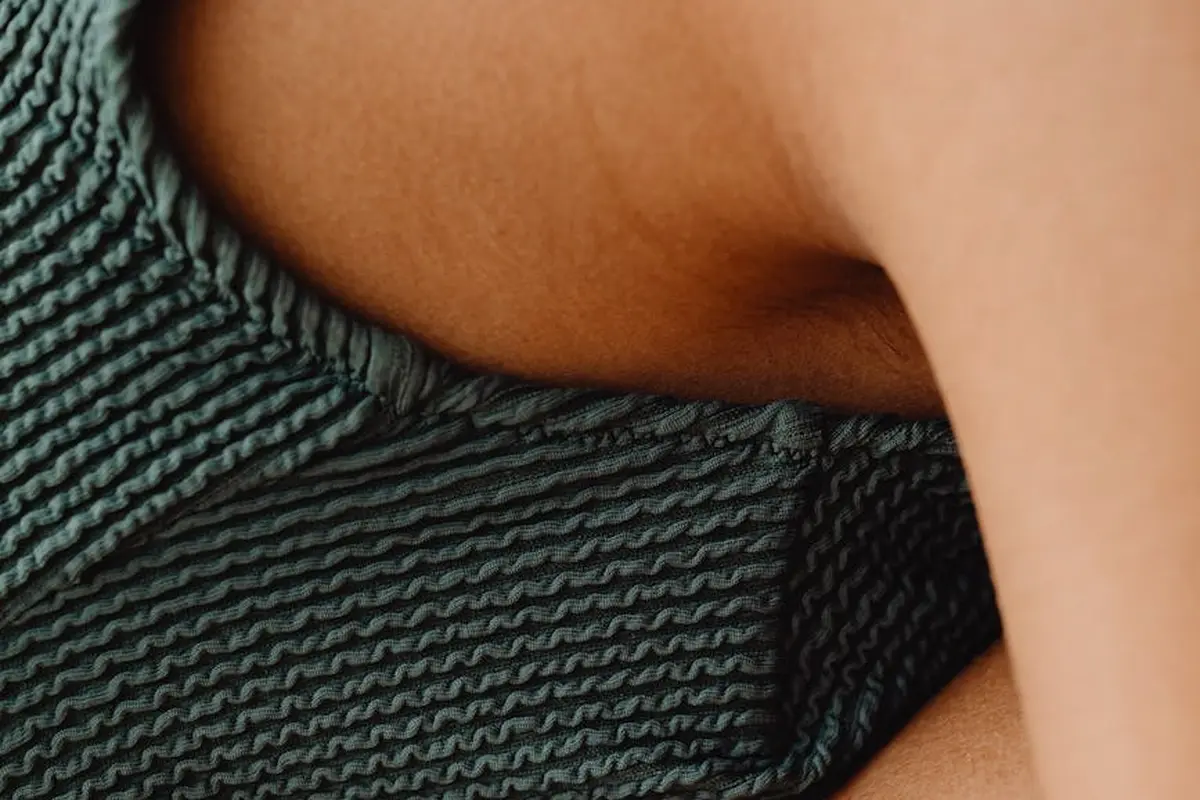
Let’s get straight to the numbers. Pure nylon has limited, but useful, stretch. A tightly woven nylon fabric, like a windbreaker shell, might give you 15% to 25% when you pull on it. A nylon knit, where the loops have more room to move, can stretch up to about 30%. The key word here is “recovery.” Nylon springs back beautifully to its original shape. This isn’t the high-stretch, yoga-pants elasticity you might be thinking of. Pure nylon provides resilience and give, not the extreme elasticity we associate with activewear.
This leads to common questions about rope and cord. Does braided nylon rope stretch? Yes, but not because the nylon filaments themselves are stretching a lot. The stretch comes from the mechanical structure. When you load a braided rope, the braids tighten and the fibers align, creating slack that lets the rope elongate. It’s a design feature for absorbing shock. The same principle applies to nylon cord. This mechanical stretch is different from the inherent stretch of the fiber.
People often ask, “does 100 percent polyester stretch?” for comparison. The answer is similar to nylon-very little inherent fiber stretch. But the feel is different. Polyester is generally stiffer and more rigid than nylon, so while both resist stretching, nylon has a springier, more forgiving hand.
To understand modern stretch fabrics, you need to separate two ideas: mechanical stretch and fiber stretch. Mechanical stretch comes from how the yarn is made into fabric. A knitted structure, with its interlocking loops, has natural stretch and recovery. Fiber stretch comes from the inclusion of an elastomeric fiber, like spandex (also called Lycra or elastane). Spandex fibers can stretch over 500% and snap back. In most “stretchy” nylon fabrics, like leggings or swimsuits, the nylon provides the durability and strength, while just 5-20% spandex provides the true elasticity.
Testing Nylon’s Inherent Recovery
You can understand nylon’s character with a simple thought experiment. Picture a single filament of nylon thread. In your mind, pinch it between your fingers and gently pull. It resists initially, then gives a little-a firm, taut feeling. When you release, it contracts instantly back to its starting length. That springy resistance is nylon’s high tensile strength and excellent recovery in action.
This isn’t a loose, lazy stretch. It’s a controlled give. This built-in memory is precisely why pure nylon garments, like a classic windbreaker or a woven travel bag, resist sagging and bagging out over years of use. The fibers are constantly trying to return to their original, orderly state. When you add spandex, you’re essentially giving that springy nylon a much longer, elastic partner to dance with, creating the flexible comfort we expect from performance gear.
Why Blends Rule: The Magic of Nylon-Spandex Construction
Pure nylon has excellent strength, but its stretch is limited. Spandex can stretch over 500%, but it’s weak and degrades quickly. Together, they create a performance fabric that’s greater than the sum of its parts. The real genius is in how the fibers are physically combined, which is typically done in one of two ways.
The most common method is creating a core-spun yarn. Imagine a tiny, elastic spandex filament as the core. This core is then tightly wrapped or covered with nylon fibers. The nylon sheath does the hard work of facing abrasion, sunlight, and friction, while the hidden spandex core provides the elastic recovery. It’s a perfect protective partnership.
Another method is used in knits, called plating. Here, two different yarns-nylon and spandex-are fed into the knitting machine simultaneously. One forms the visible face of the fabric, and the other forms the hidden back. This creates a fabric with distinct interior and exterior properties from the get-go.
So, how does nylon spandex fabric work? The synergy is clear. Nylon acts as a durable shield, protecting the delicate spandex from UV rays, chlorine, oils, and abrasion that would otherwise cause it to crumble. In return, spandex gives nylon the consistent, powerful stretch and snap-back it fundamentally lacks. This is the core answer to what the properties of a nylon spandex blend are: high durability meets high elasticity.
The blend ratio is your key to predicting the fabric’s hand and performance. A small change in spandex percentage makes a big difference.
- 85% Nylon, 15% Spandex: This is a workhorse blend for activewear and swimwear. It offers strong, compressive stretch with excellent recovery. The hand feels substantial and supportive.
- 90% Nylon, 10% Spandex: Common in leggings and dancewear. It provides significant stretch but with a slightly softer, less compressive feel than an 85/15 blend.
- 95% Nylon, 5% Spandex: Often found in lighter support garments or woven blends where just a hint of “give” is needed. The fabric will feel more like traditional nylon but with added comfort.
More spandex means more stretch and more compression, but it can also mean a shorter overall fabric lifespan if not cared for properly.
The Construction Process: From Polymers to Performance Fabric
It starts with the raw materials. Nylon and spandex both begin as synthetic polymers, forced through a spinneret to form long filaments. For nylon, these filaments are often texturized-heated and crimped to add bulk, loft, and a softer, more cotton-like feel. This is why your nylon leggings aren’t slick like a nylon jacket; the yarn has been engineered for comfort.
The prepared yarns are then combined using the core-spun or plating methods we discussed. The next critical step is how they are constructed into fabric.
- Knitting: This is the most common method for stretch fabrics. A knit structure is inherently flexible. The distinction between a 2-way and 4-way knit is crucial. A 2-way knit stretches mostly across the width (from side to side). A 4-way knit stretches both widthwise and lengthwise, offering that all-direction mobility you want in high-performance gear.
- Weaving: Woven nylon-spandex blends (like in some travel pants or jackets) use spandex to create a “stretch-woven.” The stretch here is more subtle, offering comfort and ease of movement rather than the high elasticity of a knit.
The construction method-whether knitted or woven, and the specific type of knit-ultimately dictates the direction, degree, and feel of the stretch more than the fiber blend alone. A tightly knitted 85/15 blend will feel very different from a loosely knitted one, even with the exact same fibers.
Finally, the greige fabric is dyed, finished, and treated. Nylon dyes readily with acid dyes at a simmer, but the presence of spandex means you must avoid high heat. I always recommend dyeing these blends at a lower temperature (around 160-180°F) to protect the spandex’s elasticity.
Your Hands-On Stretch Test: How to Check Fabric at Home

You don’t need a lab to understand your fabric’s stretch. I keep a small ruler and a fabric marker in my sewing kit for this exact reason. Here’s how you can test any fabric yourself.
Step 1: Measuring Percent Stretch
This tells you how much “give” the fabric has, which is crucial for pattern fitting. Find a flat, non-seamed area of the garment.
- Lay the fabric flat without pulling it.
- Use a washable fabric marker or a pin to mark a 4-inch section.
- Gently hold the fabric at one mark and pull steadily from the other mark. Stretch it in the direction you need (like across the body for a shirt). Don’t yank it.
- When the fabric resists further stretching, measure the new length between your marks.
Now, calculate the stretch percentage: [(Stretched Length – 4) / 4] x 100. For example, if your 4-inch section stretches to 6 inches, that’s a 50% stretch. Most activewear needs at least 25-50% stretch.
Step 2: Testing for Recovery
This is the real test of quality and fabric health. Recovery is the spandex’s ability to snap back.
- Perform the stretch test again.
- Hold the fabric at its fully stretched length for 30 seconds.
- Release it completely and let it sit for another 30 seconds.
- Now, measure the distance between your original marks again.
Good recovery means it returns to within 1/4 inch of the original 4-inch mark. If it stays longer, like at 4.5 inches, the recovery is poor.
What Your Results Mean
Poor recovery isn’t a manufacturing flaw you can fix. It’s a symptom of damage. If your fabric doesn’t snap back, the spandex fibers are likely degraded. The most common culprit is heat. High dryer temperatures, ironing directly on the fabric, or even hot wash cycles can permanently melt or cripple the spandex’s elastic memory. It can also mean the spandex is simply worn out from age and use.
Feel the Difference: Pure Nylon vs. Nylon-Spandex Blend
Try this test on two items. Find an old pure nylon windbreaker and a pair of modern leggings (check the tag, they’re almost always a nylon-spandex blend).
Stretch the pure nylon fabric. You’ll feel a slight, crisp give, like pulling a tightly woven net. It will distort a little but offers very little true stretch, maybe 5-10%. Its recovery is mechanical, coming from the yarns sliding in the weave. These behaviors connect to the broader topic of stretch properties in synthetic woven fabrics. In such materials, weave structure and yarn elasticity govern the amount of give and how well the fabric recovers.
Now, stretch the leggings. The feel is immediately different-a smooth, springy, and substantial pull. You can achieve that 50% stretch or more. When you release, the blend should powerfully contract back toward its original shape, like a relaxed spring. That forceful snap-back is the spandex at work. The nylon provides the strong, abrasion-resistant framework, while the spandex provides the elastic energy.
Material Data Table: Nylon & Spandex at a Glance
This table compares the core traits of these materials. I use an 85% nylon / 15% spandex blend as the typical example, as it’s one of the most common formulas for activewear and swimwear.
Interpreting the Data for Care
This table isn’t just a list of facts. It’s your care instruction decoder. Let’s translate it into action.
The “Heat Tolerance” column is your most critical guide. Because spandex has such low heat tolerance, it dictates the care for any blend it’s in. I treat every garment with spandex as if it’s 100% spandex for washing and drying. That means cold water washes and always, always air drying. A hot dryer will fry the spandex’s elastic memory long before the nylon shows damage.
Think of shrinkage here not as cotton-like felting, but as permanent damage to the spring. A 85/15 blend won’t necessarily get smaller, but it will get baggy, limp, and never hold you the same way again. The damage is cumulative with each hot wash or dry.
For washing, use a gentle detergent and avoid fabric softeners or bleach. Fabric softener coats the fibers, reducing their wicking ability and can break down spandex over time. Chlorine bleach is catastrophic for elastane. For swimwear, rinse immediately in cold fresh water after use to remove chlorine or salt.
Turn garments with spandex inside out and wash them in a mesh lingerie bag. This protects the elastic fibers from snagging and abrasion against other items, which is a major cause of pilling and early failure. The nylon face fabric is tough, but the spandex threads inside are delicate.
When dyeing, if you must refresh a faded nylon-spandex blend, use an acid dye and understand the spandex may not take the color. The result will be a muted, heathered version of your dye color. It’s a salvage operation, not a precision craft. For predictable results, stick to dyeing 100% nylon items.
Care & Handling Protocol: Washing, Drying, and Ironing Stretchy Fabrics

Your stretchy nylon garment’s lifespan depends entirely on how you treat the spandex within it. Remember this rule: heat is the enemy. Spandex’s elastic recovery is a chemical property weakened by high heat, and while nylon has a higher melting point, excessive heat can still permanently damage its structure. This protocol is built on that core fiber physics.
Step-by-Step Washing Guide
Follow these steps to clean your fabric without sacrificing its snap-back stretch. I treat my activewear and swimwear this way, and it keeps them fitting like new for years.
- Turn the garment inside out. This simple step protects the outer surface from abrasion against the washer drum or other items, reducing pilling and keeping prints bright.
- Use cold water, always. Keep the temperature below 30°C (85°F). Cold water prevents the spandex fibers from overheating and relaxes the dye molecules in the nylon, locking color in. Pair this with a gentle, neutral pH detergent. Harsh detergents or bleach will degrade the fibers over time.
- Select the gentle or delicate cycle on your machine. You want a cycle with a slow agitation speed and a slow, final spin. The high-speed spin of a regular cycle can violently stretch and misshape the fabric while it’s wet and vulnerable.
- Avoid fabric softener completely. It leaves a waxy coating on the fibers that smothers their natural ability to move and rebound. This coating traps odors and is a common reason people think their leggings have “lost their stretch.”
- For dyeing notes: You can dye 100% nylon at home using acid dyes (the same type used for wool and silk) with a vinegar bath and gentle simmer. The nylon takes the dye beautifully. However, never dye a nylon-spandex blend and expect even color. The spandex, being a different polymer, will not accept the dye the same way, leading to a streaky, disappointing result.
Step-by-Step Drying and Ironing Guide
This is where most damage occurs. Patience here pays off in long-term fit and performance.
- Always air dry flat on a clean, dry towel or a mesh drying rack. Hanging a heavy, wet knit or stretch fabric pulls on the loops of spandex, causing them to over-extend and not fully recover. The garment will become longer and baggier.
- If you must use a dryer, select a no-heat or air fluff setting only. Limit this to 10 minutes maximum to simply reduce dampness and wrinkles before laying flat to finish. Any more risks exposing the fibers to incidental heat.
- If ironing is necessary, use the lowest possible synthetic setting (sometimes called “cool iron”). Always use a press cloth, like a thin cotton handkerchief, between the iron and the fabric. Never hold the iron in one spot. Use a quick, gliding motion. Direct, stationary heat can melt the nylon, giving it a shiny, hardened scar, or permanently weaken the spandex.
I keep a small mesh rack near my laundry just for these items. Laying them flat takes an extra minute, but it saves the fit of a favorite piece. That’s a trade I’ll make every time.
When Stretch Fails: Troubleshooting Sagging and Damage

You’ve asked me a question I hear constantly in my work: does nylon and spandex stretch over time? The direct answer is yes, but with a critical caveat. The nylon itself doesn’t permanently lengthen. The problem is the spandex. Its amazing elasticity comes from long, coiled polymer chains that snap back like springs.
Heat, chlorine, and constant overstretching physically break those bonds. Think of a spring that’s been pulled too far, too many times. It gets tired and won’t bounce back. This loss of resilience is permanent. Once those spandex fibers are fatigued, the fabric will sag and bag in areas of high stress.
Common Problems and Their Causes
Let’s break down the specific issues you’ll encounter.
- Permanent Bagging: This happens at knees, elbows, and seats. It’s the spandex giving up after being held in a stretched position for long periods, often combined with body heat weakening the fibers.
- Yellowing: A grimy yellow tint, especially under the arms or on lighter colors, is usually a chemical reaction. It’s caused by a mix of body oils, sweat, aluminum-based antiperspirants, and heat setting the stain during dryer cycles.
- Snags and Pulls: While strong, nylon’s smooth filament yarns can catch on rough surfaces, jewelry, or pet claws. A single pulled thread can create an obvious “run” or ladder, ruining the sleek look.
Practical Fixes You Can Try at Home
Not all damage is the end of the road. Here are my lab-tested methods for mitigation.
For minor bagging in leggings or tops, try this reshape method. Wash the garment on a cold, gentle cycle with a mild detergent. While it is still uniformly damp-not dripping wet-lay it flat on a towel. Gently massage and stretch the fabric back to its original shape and dimensions. Let it air-dry flat. The moisture helps relax the polymer chains, giving you a window to manually reset the fabric’s memory. Do not wring it out, as that adds more stress.
For a small snag, turn the garment inside out. You’ll often see the pulled thread forming a loose loop on the underside. Using a blunt tapestry needle or a fine crochet hook, gently coax the snagged thread back through to the wrong side of the fabric. Work it a little at a time until the snag disappears from the right side.
A Note on Pilling
Pure nylon fabric is very resistant to pilling. But in a blend-say, with cotton or rayon-the weaker fiber will break, tangle, and form pills at friction points like inner thighs or under arms. Never use a razor blade; it’s too easy to slice the good nylon filaments. Use a battery-operated fabric shaver with a gentle touch, gliding it over the fabric surface to shear off the pills without damaging the base cloth. Understanding fabric pilling causes, prevention, and removal—such as from fiber blends, abrasion, and friction—helps with prevention. Prompt removal keeps the fabric looking smooth and lasting longer.
Beyond Activewear: Smart Uses for Nylon-Spandex Blends
While yoga pants put this fabric on the map, nylon-spandex is a workhorse in many other areas. Its unique balance of strength, stretch, and chemical resistance makes it a smart choice for demanding applications.
In swimwear, the chlorine resistance of nylon is key. Polyester can also handle chlorine, but nylon-spandex often has a softer, more forgiving hand against the skin. I always look for fabrics labeled as “chlorine-resistant” or “PBT-free” for longer-lasting suits. For lingerie and shapewear, the blend offers soft recovery. This means it holds you comfortably without feeling restrictive or digging in, unlike some firmer power mesh. You’ll even find it in performance upholstery for outdoor cushions and boat seats, where it needs to resist sunlight, mildew, and constant flexing without breaking down.
You might ask, can you stretch polyester spandex? Absolutely. Both blends stretch, but they feel and behave differently. Think of polyester-spandex as more crisp and efficient; it’s highly hydrophobic (water-repellent), dries fast, and holds a sharp shape well. Nylon-spandex feels softer from the start, drapes more fluidly, and generally withstands abrasion better, meaning it resists pilling and scuffing over many uses.
Nylon-Spandex vs. Polyester-Spandex: A Quick Guide
| Feature | Nylon-Spandex | Polyester-Spandex |
|---|---|---|
| Hand Feel | Softer, more supple | Crisper, can feel slightly slicker |
| Moisture Management | Wicks well, but absorbs some moisture | Highly hydrophobic, dries very quickly |
| Abrasion Resistance | Excellent | Good |
| Common Uses | Leggings, swimwear, lingerie, hosiery | Sportswear, lining, athletic jerseys, costumes |
Choosing the Right Stretch for Your Project
If you’re sewing at home, understanding stretch direction will change your results. Four-way stretch fabric expands both crosswise and lengthwise. This is what you need for activewear, swimsuits, or anything requiring total mobility. Two-way stretch only gives in one direction, usually across the width. It’s perfect for fitted sleeves, skirt bands, or situations where you want snugness without overall compression.
Test fabric stretch by holding a 4-inch section and gently pulling it to its comfortable limit; if it stretches to 6-8 inches, it has adequate give for most fitted garments. Always pre-wash your fabric as you plan to wash the final item, using cool water and a gentle cycle, then tumble dry low or hang to dry. This prevents surprise shrinkage later.
The Sensory Signature of Nylon-Spandex
Close your eyes and feel it. A quality nylon-spandex blend has a sleek, almost cool hand. It should feel supportive and smooth, not stiff or rubbery. When you release a stretched section, it springs back immediately without sagging. That cool, sleek touch and instant recovery are the hallmarks of a well-constructed blend, telling you it’s built to move with you and last.
Practical Takeaways for Nylon-Spandex Fabrics
To maintain the engineered stretch in your nylon garments, always launder them in cool water and air-dry or use a no-heat setting. This routine protects the spandex fibers from heat degradation and ensures your pieces retain their intended shape and rebound.
Thoughtful care of your textiles is a direct step toward reducing waste and respecting resources. I encourage you to build your fabric science knowledge-seeing how fibers like cotton, wool, and polyester react to washing, dyeing, and wear informs smarter, longer-lasting care for everything in your closet.
Deep Dive: Further Reading
- Nylon Vs Spandex: Key Differences Between Nylon and Spandex
- Nylon Spandex for Swimwear: Stretch, Sheen & Strength – Spandexbyyard
- Nylon Spandex Fabric: A Perfect Blend of Flexibility & Durability – My Textile Fabric
- Nylon Spandex Solids for Activewear & Swimwear – Spandexbyyard
- How Nylon Spandex Elasticity Impacts Performance? | FinancialContent
Florian is a high fashion blog writer, fashion and fabric expert and a keen expert in fabric, clothing and materials. She has worked in large textile and fashion houses for over 10+ years, engineering and working with various fabric types and blends. She is an expert when it comes to questions on any and all kinds of fabrics like linen, cotton, silk, jute and many more. She has also traveled around the world studying traditional fabrics and aims to bring them into the modern fashion use.