
How Do You Test and Verify 100% Cotton Fabric?
You’ve bought something labeled 100% cotton, but the feel or performance seems wrong. I handle fabrics daily, and verifying content is a fundamental skill I can teach you.
I will guide you through reliable, at-home methods I use in my own workshop. We will cover the simple burn test, a water absorption check, how to read shrinkage, and interpreting care label clues.
Executive Summary: The Quick Cotton Check
Pure cotton is a natural, plant-based fiber. It feels dry and soft to the touch, breathes beautifully, and absorbs moisture like a sponge. It also wrinkles easily and will shrink on its first warm wash.
You can spot fakes by how they differ. Polyester is a plastic fiber; it feels slick, traps heat, and melts instead of burns. Rayon, while made from plants, is chemically processed and often has a shinier, cooler hand than matte cotton.
Your testing strategy should always start gently. Look at the fabric, feel it, and read its label. Only then, if you have a swatch to spare, move to tests that change the material, like burning it or soaking it.
The most reliable home method is a controlled burn test combined with a shrinkage check. Together, they reveal the fiber’s true chemical nature and its natural behavior.
Cotton Material Data Table
| Property | 100% Cotton Characteristic |
| Breathability | High |
| Typical Shrinkage Rate | 3-5% on first warm machine wash & dry |
| Heat Tolerance | Chars at ~400°F (204°C); will burn with a steady flame. |
| Stretch Factor | Minimal inherent stretch. Woven cotton has almost none. Knitted cotton jersey gets its stretch from the looped structure, not the fiber. |
| Key Authenticator Tests | 1. Burn to a fine, gray ash. 2. Absorbs water droplets in under 2 seconds. 3. Has a dry, soft hand, not a slick or plasticky feel. |
Step-by-Step: The Sacrificial Swatch Tests
When you need certainty and have a bit of fabric to spare (like a hem or seam allowance), these tests are definitive.
The Burn Test: Reading the Ashes
This is my go-to lab method, adapted for home use. Always work over a fire-safe sink or metal bowl with water nearby, and use tweezers to hold the swatch.
- Cut a small swatch, about the size of a postage stamp.
- Hold it with tweezers and carefully ignite one corner with a lighter.
- Observe how it burns and smells, then extinguish it in your safe dish.
- Examine the cool ash.
Pure cotton burns with a steady, yellow flame. It smells like burning paper or leaves. The key is the residue: it leaves behind a fine, fluffy, gray ash you can crush between your fingers.
Compare that to a blend or fake. Polyester melts and drips while burning, smells acrid like plastic, and leaves a hard, dark bead. Rayon burns quickly like cotton but may leave less ash or a darker smear.
The Shrinkage & Absorption Check
Cotton behaves in predictable ways when it meets water and heat. This two-part test confirms it.
First, the water drop test. Lay your fabric flat. Place a single drop of water on it. Genuine cotton will absorb the droplet completely, usually within two seconds, leaving a dark patch. Polyester or polyester blends will often bead the water on the surface for much longer.
Second, measure for shrinkage. Cut a perfect 4-inch square from an inner seam. Trace this square onto paper to keep a permanent record. Wash and dry this swatch using the warm/hot cycle you’d normally use for cottons. Let it cool, then measure again.
A 3-5% reduction in size (so your 4″ square becomes about 3.8″) is classic for untreated cotton. If it doesn’t shrink at all, be suspicious. If it melts or distorts wildly, you’ve likely got a synthetic.
Caring for the Real Thing
Once you’ve verified your pure cotton, treat it right. It’s a robust fiber but has its quirks.
To manage shrinkage, pre-wash your fabric or garment in warm water before you sew or wear it for the first time. This gets the shrinkage out upfront. For dyeing, fiber-reactive dyes (like Procion MX) are perfect for cotton-they form a permanent chemical bond in a soda ash solution.
Wash cotton in warm water for good cleaning. Use cool water to preserve dark colors. It can handle high heat in the dryer, but that increases wrinkling and wears the fabric faster. For a crisp finish and longevity, I often tumble dry on medium and remove while slightly damp to iron, or just line dry.
Step One: The Non-Destructive Investigation
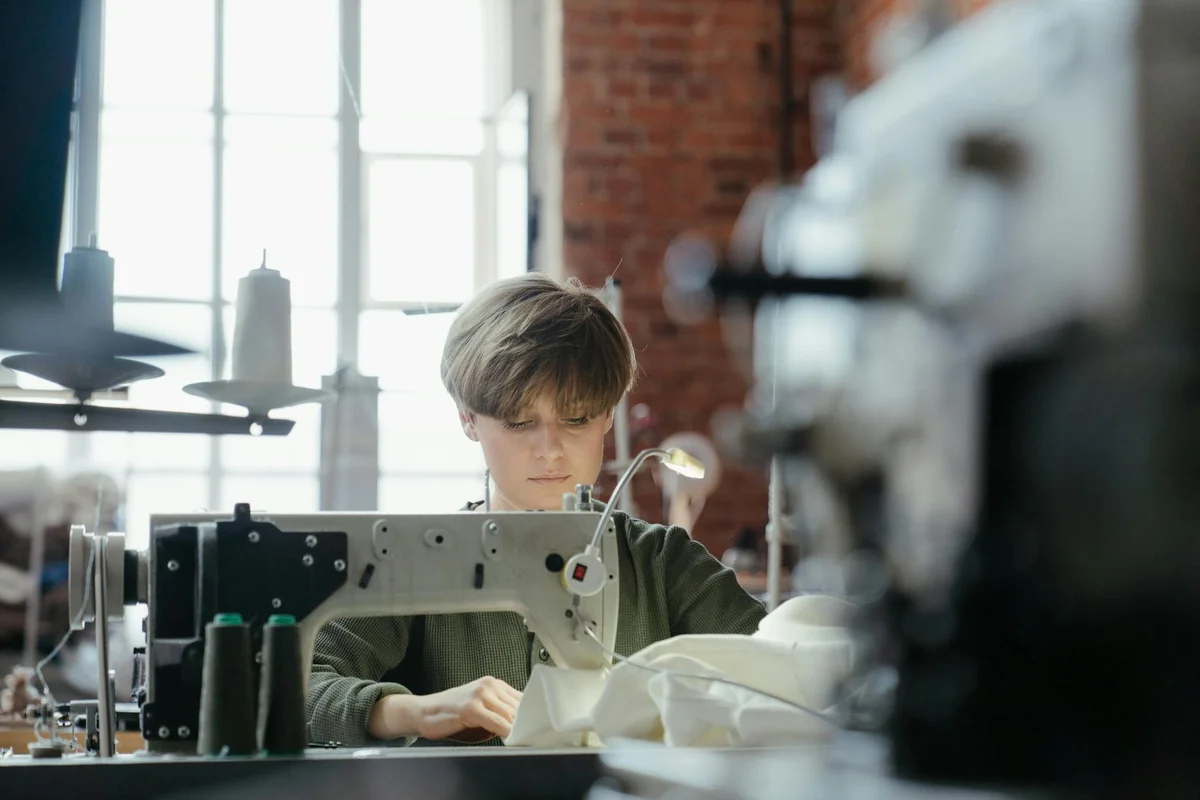
Before you cut or burn anything, use your senses. A thorough inspection can often tell you everything you need to know.
The most reliable initial check happens with your eyes and fingertips, not with fire.
- Read the label like a detective. Only the phrase “100% Cotton” guarantees purity. Terms like “Cotton,” “Cotton Rich,” or “95% Cotton/5% Elastane” explicitly signal a blend. Trust the precise wording, not the implication.
- Learn the feel of true cotton. High-quality cotton has a dry, soft, matte hand. Run the fabric between your fingers. A persistent slick, cool, or plasticky feel is a red flag, often indicating a polyurethane coating or a synthetic blend meant to mimic softness.
- Examine the fabric’s edge, the selvage. Find a raw edge or a small fray. Pure cotton threads will fray into a fluffy, fuzzy tuft. If the edge looks stiff, melted, or forms hard little beads where threads are cut, it’s a clear sign of synthetic fibers, which melt from the heat of cutting tools.
I often get asked about shirts and vests that feel stiff at first. A true 100% cotton denim or twill is breathable and, with each wear and wash, breaks into a softness that molds to you. A poly-blend might feel soft off the rack but retains a static, impersonal hand that doesn’t evolve. If you’re curious about methods to soften stiff fabrics or to stiffen fabrics for more structure, we’ll dive into that next. These tweaks can make a big difference in comfort and fit.
The Label is Your First Clue
Labels communicate more than just fiber content. They hint at treatments.
Phrases like “Easy Care,” “No-Iron,” or “Wrinkle-Resistant” almost always mean a chemical resin finish or a synthetic blend. These treatments alter cotton’s natural behavior, affecting absorbency and how it takes dye.
Also, note the label’s construction. A woven label, where the text is part of the fabric, is generally more permanent and reliable. A printed tag can fade or be inaccurate. If the care instructions warn against high heat, it’s another clue that synthetics or delicate finishes are present.
Step Two: The Controlled Burn Test (The Fiber Autopsy)
When visual inspection leaves doubt, the burn test gives a definitive answer. I treat this with the seriousness of a lab procedure. Safety is non-negotiable.
Always conduct this test in a well-ventilated area, over a metal sink or bowl with water, using long metal tweezers, and have a lid or plate ready to smother the flame.
- Snip a small bundle of threads (about 1-2 inches long) from an inconspicuous area, like an inside seam allowance.
- Hold the threads securely with tweezers. Ignite them carefully with a lighter.
- Observe the flame, smell the smoke, and examine the cool ash.
Here’s what you’re looking for:
- Pure Cotton: Burns with a steady, yellow flame. It smells like burning paper, leaves, or wood. The ash is fine, gray, and feathery, crumbling to dust easily.
- Polyester (a common blend): Melts and shrinks away from the flame, often dripping. It smells sweet, chemical, or like plastic. The residue forms a hard, dark, melted bead.
- Wool/Silk (animal fibers): Burns slowly and may self-extinguish. It smells distinctly of burning hair or feathers. The ash is a brittle, black crushable bead.
The presence of any hard, melted bead after burning is an instant fail for 100% cotton purity.
Reading the Ashes
The residue tells the final story. Let the ash cool completely on a non-flammable surface.
Gently rub the ash between your thumb and forefinger. Pure cotton ash will disintegrate into a soft, dark powder without any grit. If you feel a single tiny, hard speck that won’t crush, you’ve likely found a hidden synthetic component, sometimes as low as 3-5%. That speck is the melted polyester or nylon that was blended in, and it changes the fabric’s entire care and performance profile.
Step Three: The Water and Shrinkage Stress Test
Think of a cotton fiber like a dried-out sponge. When it gets wet, it swells up. In fabric, millions of these swollen fibers push the yarns thicker, which makes the whole cloth want to contract. This is fundamental cotton science.
To see this in action, you need a sacrificial swatch. Cut a piece from a seam allowance or hidden area.
- Use a ruler and a water-soluble pen or tailor’s chalk to mark a precise 4-inch by 4-inch square on the fabric.
- Wash this swatch in warm water (40°C or 105°F) with a mild detergent. This mimics a typical first wash.
- Tumble dry it on a medium heat setting. The heat and agitation complete the shrinkage process.
- Let it cool, then measure your square again. Be exact.
True, untreated cotton will almost always shrink, typically between 3% and 5% on that first warm wash and dry. If your square is now 3.8 inches, that’s a 5% shrinkage-a strong sign of pure cotton. No shrinkage at all sends a mixed signal. It could mean the fabric was professionally pre-shrunk (sanforized), or it’s hinting at a synthetic blend that resists contraction.
This test is practical for specific uses. For tea towels, absorption is the goal. A drop of water should vanish into pure cotton, spreading a damp patch immediately. If it beads up and sits on the surface, you’re likely dealing with a polyester blend or a water-resistant finish. For something like a canvas tent, significant shrinkage isn’t just an inconvenience; it can warp seams and alter fit, so verifying stability with this test is critical before you rely on it in the field.
The Absorption Check
This is the simplest, fastest test you can do. Place a single drop of water on a flat section of the fabric and watch.
Pure cotton is hydrophilic-it loves water. The drop will soak in rapidly, spreading out and leaving a clear, damp mark behind. The fabric will feel cooler where the water was absorbed. Polyester, nylon, or fabrics treated with durable water repellent (DWR) finishes are hydrophobic. The water will bead up like mercury on a tabletop, rolling around and absorbing very slowly, if at all.
Step Four: The Sensory and Visual Exam
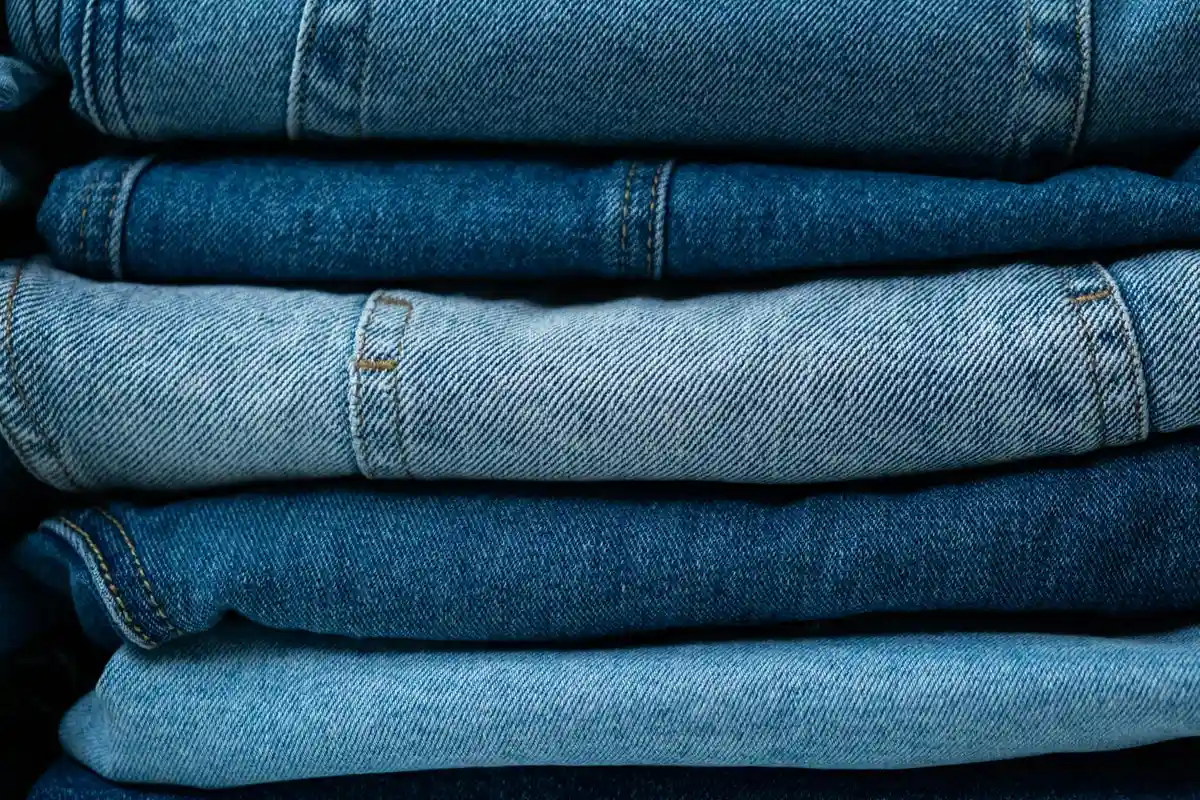
Your senses are powerful tools. Start with a close look. Use a strong magnifying glass or the macro lens on your smartphone. Get the light right.
Under magnification, cotton fibers look natural and irregular. They are twisted, ribbon-like, and have a gentle fuzziness. You might see small seed fragments or knots-this is normal. Now, compare that to a synthetic. Polyester or nylon fibers under magnification look like smooth, uniform, rod-like plastic straws. They are consistent and shiny.
That fuzzy, irregular texture under magnification is a classic fingerprint of a natural plant fiber like cotton.
Next, feel the drape and listen to the sound. Pick up a yard of the fabric. High-quality cotton has a soft, substantial hand. It drapes with a gentle weight and folds quietly. Synthetics can feel slick or stiff. A fabric that stands away from your hand, feels unnaturally crisp, and makes a pronounced rustling or scraping sound often has a resin finish (like some cheap “non-iron” cottons) or is a blended fabric. The sound of pure cotton is a quiet, soft rustle, not a loud crinkle.
How to Spot the Most Common Imposter: The Poly-Cotton Blend
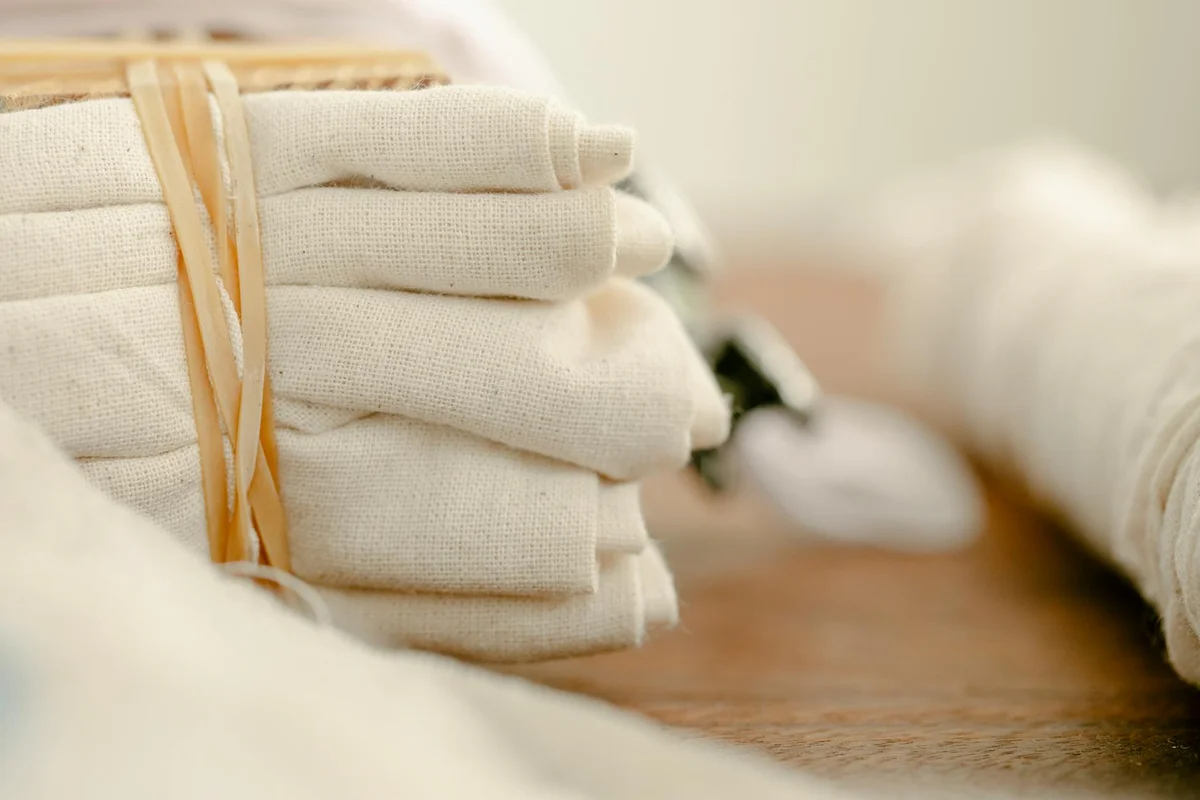
If you feel something is off with a fabric labeled “100% cotton,” you’re probably right. Polyester-cotton blends are everywhere because they solve problems for manufacturers. Adding polyester makes fabric cheaper to produce, dramatically reduces wrinkles, and minimizes shrinkage. For a fast-fashion shirt, that’s a win. But for you, it changes everything about how the fabric feels, wears, and breathes. Cotton-blend fabrics can offer quality benefits, balancing comfort with durability. They also tend to be easier to care for and resist wrinkles better.
Your senses are the first line of defense. Learn these tell-tale signs of a blend pretending to be pure cotton.
- Too Crisp or Slick: Pure cotton, even when tightly woven, has a matte, soft hand. A blend often has a subtle synthetic sheen or a crisper, papery feel straight off the bolt.
- Retains Heat and Moisture: Cotton is famously breathable. If you hold the fabric against your cheek or the back of your hand and it feels trapping or immediately warm, suspect polyester.
- Pills Minimally (At First): This one is tricky. A high-quality pure cotton may not pill much, but a cheap poly-blend will develop those tiny little balls over time, especially at friction points. A brand-new item that shows zero pilling after several wears might be a clue.
- Smells “Off” When Wet: Wet pure cotton has a neutral, almost earthy smell. Wet polyester or a blend can have a faintly chemical or plasticky odor.
- Shows Little to No Shrinkage: This is a major red flag. All untreated, pure cotton fabric will shrink, typically between 3-5% on the first wash. If you pre-wash a suspect fabric and it comes out exactly the same dimensions, it’s almost certainly not 100% cotton.
For definitive proof, nothing beats the burn test. It’s the textile scientist’s ultimate tool. I keep a small pair of tweezers and a metal bowl in my studio just for this. Here’s how to do it safely.
- Snip a small swatch (a few threads are enough) from a hidden area like a seam allowance.
- Hold it with tweezers over a metal sink or bowl.
- Ignite it with a lighter. Observe the flame, smoke, and ash.
- Pure Cotton: Burns quickly with a yellow flame, smells like burning paper or leaves, and leaves behind fine, gray, soft ash.
- Polyester Blend: Burns with a sputtering, smoky yellow flame, often melts and drips like plastic, and smells distinctly sweet or chemical. The bead left behind is hard and black.
You can immediately tell the difference-cotton turns to dust, polyester turns to plastic. A common question I get is about workwear, like western shirts or vests. People want the rugged look of cotton but find their shirt feels clammy. That’s the blend. A poly-cotton shirt will trap sweat against your skin during activity and hold body odors more stubbornly than true, breathable cotton fabric.
When “95% Cotton” Isn’t Good Enough
Labeling laws are strict for a reason. In most countries, only fabric composed entirely of one fiber can be labeled “100% Cotton” or “Pure Cotton.” A label that reads “95% Cotton, 5% Polyester” is being honest, but you need to know what that 5% does.
That small synthetic percentage isn’t neutral. It’s added for function: to reduce shrinkage and wrinkles. This means a 95/5 blend will behave more like polyester than cotton in key areas. It will shrink less (maybe 1-2%), wrinkle less, but also breathe less and feel different over time. For a project where true cotton character-like softening with age and absorbing moisture-is the goal, even 5% synthetic changes the game. Quality cotton-polyester blend sheets reflect this.
Handling Pro-Tip: After You Verify It’s Real
Congratulations, you’ve found the real thing. Now, treat it right. Pure cotton is a natural, living material that responds beautifully to proper care.
Your first and most non-negotiable step is to pre-wash and pre-shrink your fabric. Always, always wash and dry your yardage exactly as you plan to care for the finished garment before you cut a single pattern piece. I pre-wash everything on a warm cycle and tumble dry on medium. This gets all the shrinkage, which can be up to 5% in length and width, out of the way first.
For ongoing washing wisdom, think gentle. Use warm water (not hot) and a mild, liquid detergent. Hot water accelerates wear and can set stains. Avoid high-heat drying; instead, use a medium heat setting or line dry. High heat is the main culprit behind excessive shrinkage over time and that stiff, crunchy feel.
If you’re looking to dye, pure cotton is your perfect canvas. It accepts fiber-reactive dyes beautifully, resulting in vibrant, wash-fast colors you can achieve at home. These dyes form a covalent bond with the cellulose in cotton, unlike all-purpose dyes that simply stain the surface. The colors are richer and last through countless washes. If you’re exploring other fabrics, wool and synthetics require different dye methods. For dye fabrics cotton wool synthetics, understanding these distinctions is crucial.
Finally, know this: pure cotton gets better with age. With proper care, it softens into a comfortable, lived-in character that synthetic blends simply cannot replicate. That softness, that breathability, that unique hand—it’s the reward for seeking out and caring for the authentic cotton fabric.
Putting Your Fabric Knowledge to Work
The most reliable way to verify cotton is to combine the simple burn test with a practical wash test. Seeing how a fabric behaves over time, through washing and wear, tells you more than any label ever could.
Understanding a fabric’s true nature lets you care for it properly, whether it’s the gentle cool wash silk needs or the hot wash cotton can often tolerate. This knowledge turns you into a responsible owner, choosing quality that lasts and reducing waste, which is the true foundation of sustainable textile practice.
Relevant Resources for Further Exploration
- Ways to Tell if Your Fabric is 100% Cotton
- How to check if fabric is 100% cotton | iFabric
- How to Tell If Fabric Is 100 Cotton? – PROJECT SOCIAL T
- How To Tell If Fabric Is 100 Cotton?
- An Expert Guide To Identifying Pure Cotton Fabric – Silai Studio
- Can you tell if fabric is 100% cotton? – Quiltingboard Forums
Florian Ventura
Florian is a high fashion blog writer, fashion and fabric expert and a keen expert in fabric, clothing and materials. She has worked in large textile and fashion houses for over 10+ years, engineering and working with various fabric types and blends. She is an expert when it comes to questions on any and all kinds of fabrics like linen, cotton, silk, jute and many more. She has also traveled around the world studying traditional fabrics and aims to bring them into the modern fashion use.