
How Do You Properly Press and Care for Linen?
You love how linen looks when it’s fresh and crisp, but you’re afraid your iron will scorch it or turn those chic wrinkles into permanent creases.
This guide will walk you through the fabric science and hands-on techniques I use, covering why linen wrinkles, the crucial difference between steaming and ironing, the right heat settings and tools for perfect results, and how to care for your pressed linen so it stays smooth longer.
Why Linen Wrinkles: A Quick Fiber Science Lesson
To understand linen’s wrinkles, you need to picture its fibers. Flax fibers, which become linen, have a highly crystalline molecular structure. Think of it as a bundle of tiny, rigid rods packed tightly together. This makes them incredibly strong but gives them almost no natural elasticity.
Compare this to cotton. Cotton fibers are more pliable and coiled. If cotton is like a spring that can bounce back after being bent, linen is like a dry sponge. Bend the sponge, and it creases sharply. Bend it back, and the crease remains. That’s linen.
This stiff, inelastic nature is why linen gets those characteristic crisp wrinkles at every bend. They aren’t soft folds. They are sharp, geometric creases in the fiber itself. This crisp texture is a defining feature of linen, not a flaw in the fabric. It’s the source of its beautiful drape and cool, textured hand.
The good news is you can reset those fibers. Applying heat and moisture temporarily relaxes the rigid crystalline bonds in the flax. This gives you a window to smooth the fabric into a new shape before it cools and dries, locking the fibers back into place.
Linen Material Data Table
| Property | Linen’s Profile | What It Means for You |
| Breathability | Exceptionally High | Linen’s hollow fibers and loose typical weaves let air flow through like a basket. This is why it feels so cool in summer. |
| Shrinkage Rate | Low (2-5%) | Pure, untreated linen may shrink this much on its first wash. It shrinks less than cotton, but aggressive heat and agitation can still cause it. Pre-washing is your best defense. |
| Heat Tolerance | Very High (up to 230°C / 445°F) | Linen can handle a very hot iron, which is why you have the power to press out stubborn creases. You often don’t need max heat, especially with steam, but it’s good to know the fiber won’t scorch easily. |
| Stretch Factor | Negligible | Linen has fluid drape but virtually no mechanical stretch. This lack of stretch means you must support the fabric’s full weight on the ironing board to avoid pulling it out of shape. Never let sections hang off the edge. |
Setting the Stage: Washing and Drying for Easier Ironing
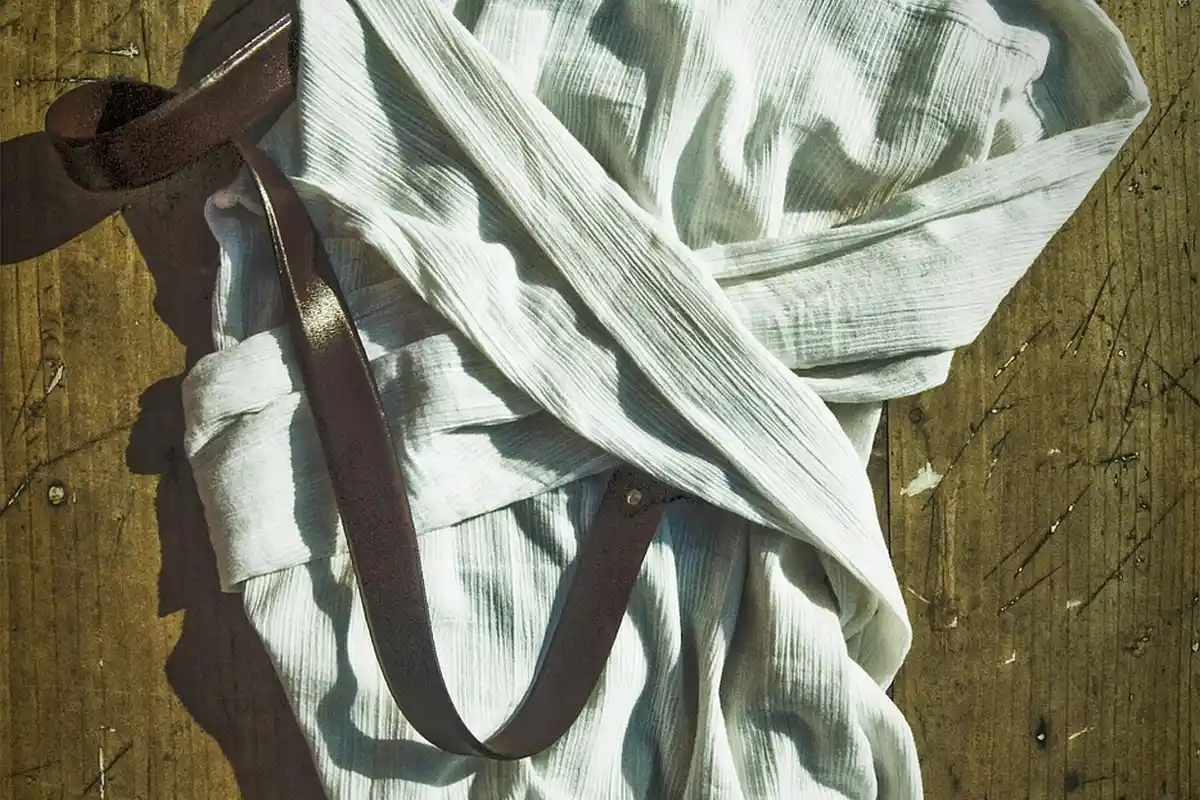
Let’s start where all good linen care begins: in the wash. Many people are hesitant, but I can tell you from years of testing that most modern linen is absolutely machine washable. The trick isn’t *if* you can wash it, but *how*. Doing it right sets you up for ironing success.
Is Linen Machine Washable?
Yes, for the vast majority of linen garments and home textiles, the answer is a confident yes. The sturdy flax fibers can handle it. The goal of washing linen is to clean it without setting in a network of hard, bone-dry wrinkles that fight your iron later. Wash linen with a gentle cycle and mild detergent. This helps soften the fabric and protect its fibers over time.
Follow these steps for a wash that makes pressing easier:
- Temperature: Use cool or warm water (up to 40°C / 104°F). Hot water can cause more shrinkage and set stains.
- Detergent: A mild, liquid detergent is best. Avoid heavy powders or bleach, which can degrade fibers over time.
- Cycle: Always choose the gentle or delicate cycle. The agitation is slower and gentler on the fabric.
- Load Size: Do not overload the machine. Linen needs room to move freely in the water to get clean without excessive crumpling.
The Spin Cycle Secret
This is your first major tool for wrinkle control. Your washing machine’s spin speed has a huge impact.
A high-speed spin (like 1200+ RPM) forces water out with great force, but it also mashes the fabric into hard, compact creases. It’s like wringing out a towel tightly-the wrinkles get locked in. A medium spin speed (around 600-800 RPM) leaves the fabric pleasantly damp, not sopping wet. This moisture content is perfect for ironing, as the heat will turn it to steam, relaxing the fibers from within.
Choosing a medium spin cycle leaves your linen in an ideal, damp state for pressing, saving you time and effort.
Drying: Your Ironing Ally
How you dry linen directly determines your ironing workload. You have two excellent paths, both leveraging moisture.
Method 1: Tumble Dry (Low Heat)
Remove the linen from the washer while it’s still damp. Tumble dry on the lowest heat setting until it is just slightly damp to the touch-what I call “ironing-ready damp.” Over-drying to a crisp state is the enemy here. Check it often.
Method 2: Line Dry & Misting
Hang your linen to dry completely. Once dry, don’t iron it yet. Use a clean spray bottle to mist it lightly with water until it feels evenly dampened. Let it sit for 10-15 minutes so the moisture can penetrate the fibers. Introducing this controlled moisture back into dry linen is the single best way to make ironing effective and smooth. Regular wash, dry, and iron routines can further prevent shrinkage and help linen stay true to size.
Can You Wash Linen and Cotton Together?
You can, and I often do. They have similar care needs-cool/warm water, gentle cycles. Just be sure to wash similar colors together, as you normally would.
One note: linen is inherently less flexible than cotton. In a mixed load, if everything is tumble-dried completely, the linen items might feel marginally rougher or stiffer than the cotton ones. To keep everything feeling its best, dry the load only until slightly damp, then finish with a steam iron or press. This refreshes the fibers perfectly, especially compared to cotton fabrics used in summer.
How to Steam Linen: The Gentle Relaxation Method
Steaming is the process of using hot water vapor to relax fabric fibers. The moisture and heat soften the natural polymer chains in the linen, allowing them to shift and release their crumpled shape. Because the tool doesn’t touch the fabric, it’s perfect for delicate, textured weaves or garments with finished details like topstitching or structured interfacing.
Can I steam a linen suit? Absolutely. Can I use a steamer on linen? A strong yes. For a tailored blazer or trousers, steaming is often the superior choice. The direct heat and pressure of an iron can crush the fabric’s natural loft and may even distort the careful shaping of the padding and canvas. Steaming preserves that crisp, airy structure while banishing travel wrinkles.
Using a garment steamer is my go-to method for refreshing most linen pieces. Here’s how I do it in my studio.
- Hang the garment on a sturdy hanger. Ensure it’s not bunched up.
- Fill your steamer with distilled water to prevent mineral buildup. Let it heat fully.
- Hold the steamer head 1-2 inches from the fabric. Use slow, steady up-and-down motions, following the garment’s weave.
- As you steam, gently tug on seams, hems, and cuffs with your free hand. This helps the fibers relax into a smooth line.
- Let the garment air dry for a minute before wearing or moving it. The linen will finish relaxing as it cools.
Don’t own a steamer? You can use your iron’s steam function. Set the iron to its highest steam setting and hold it about an inch above the linen. Do not let the plate touch the fabric. Use a continuous burst of steam while gently pulling the fabric flat with your other hand. It takes a bit more patience, but it works.
Steaming works beautifully on medium-weight linen, releasing those soft, characteristic crinkles. For deep-set wrinkles from long storage, you might need to follow up with a light press. The steam alone may not have enough energy to fully reset fibers that have been tightly folded for months. Think of it like a gentle stretch versus a deep tissue massage; sometimes you need the latter for stubborn knots.
How to Press Linen: For Seams, Cuffs, and Sharp Creases
In the workshop, we make a clear distinction between ironing and pressing. Ironing is what you do to a finished shirt; it’s a sliding motion to smooth out wrinkles. Pressing is a precision technique used during sewing and tailoring. Pressing means applying the heat and weight of the iron in a deliberate lift-and-lower motion, holding it in place without sliding. This sets stitches, molds fabric around curves, and creates those professional, sharp edges without distorting the grain of the cloth.
The Right Tools for the Job
You can’t press properly with just any iron on a wobbly board. Here is your core toolkit:
- A Reliable Iron: Steam is helpful, but consistent, high heat is non-negotiable for linen. I set my iron to the “Linen” or maximum cotton setting.
- A Pressing Cloth: This is your secret weapon. A layer of thin, natural fabric like muslin or silk organza placed between the iron and your linen prevents scorching and that shiny, over-pressed look. It diffuses the direct heat, allowing you to use higher temperatures safely for a crisp finish.
- A Firm, Shaped Surface: A flat ironing board is fine for seams. For curved areas like sleeve caps or darts, you need a tailor’s ham-a firmly stuffed, ham-shaped pillow. It provides the rounded resistance needed to press a shape into the fabric, not flatten it.
Step-by-Step: Pressing a Linen Seam Professionally
Follow this sequence every time for perfect seams. Let’s say you’ve just stitched a side seam.
- Set the Stitches First. Lay the fabric wrong-side up, with the seam allowances flat. Press the seam exactly as it was sewn, applying heat directly to the stitches. This “melts” the thread tension into the fibers, locking everything in place.
- Press the Allowances Open. Use your fingers to open the seam allowances apart. Now, press them flat against the fabric. I often use the tip of my iron to get right into the seam line. This reduces bulk and creates a smooth foundation.
- Finish from the Right Side. Flip your fabric over to the right side. Place your pressing cloth over the seam line. Press firmly. This final step from the right side eliminates any seam allowance “ridge” and gives you a perfectly flat, clean finish. Never skip the pressing cloth here.
Why Pressing Beats Sliding
Linen, especially looser weaves, can be prone to bias stretching. When you slide a hot iron across it, you’re essentially combining heat with a dragging force. This can pull the fabric out of shape, warping your carefully cut pieces. Think of the warp and weft threads as a grid. The lift-and-lower action of pressing applies vertical pressure, compacting the fibers without dragging them diagonally and distorting that grid. You’re setting the fabric, not stretching it.
A Quick DIY: Make Your Own Pressing Cloth
You don’t need special supplies. For a perfect “linen ironing tips diy” solution, find an old, clean cotton pillowcase or a scrap of plain, lightweight cotton fabric. Wash and dry it to remove any finishes. Cut a piece about 12 by 18 inches. This simple cotton square makes an excellent pressing cloth-it’s pure, heat-resistant fiber that will protect your linen from direct iron contact. Keep it with your sewing tools.
How to Iron Linen: The Classic Smooth Finish
Are you supposed to iron linen? Strictly speaking, no. The natural, relaxed creases are part of its charm. But for a crisp, polished look, ironing is your tool. I iron linen tablecloths for a formal dinner, linen shirts for a sharp office appearance, and linen napkins to elevate everyday meals. It’s about choosing the finish that fits your moment.
The Core Ironing Protocol for Linen
Linen comes from the sturdy stalks of the flax plant. Its fibers are dense and need significant heat to relax and reshape. A lukewarm iron will just skate over the surface, leaving wrinkles untouched. You must meet linen with high heat and steam to be effective.
- Set Your Iron to the Highest Heat Setting. This is always the linen/cotton setting. Ensure the steam function is on and the water tank is filled, preferably with distilled water to prevent mineral spotting.
- Iron While the Fabric is Slightly Damp. The best time to iron linen is when it’s just pulled from the dryer while still faintly damp, or after you’ve lightly misted it with water. The moisture turns to steam under the iron, helping the fibers relax completely.
- Work in Manageable Sections, Following the Grain. Don’t iron haphazardly. Lay the fabric flat and iron in the direction of the weave (parallel to the selvage or seams). This prevents the garment from twisting or becoming misshapen.
- For Double Thickness, Iron the Inside First. Collars, cuffs, and plackets have layers. Iron the underside first to set the shape, then give the top side a final pass for a sleek finish.
- Use Steady, Gliding Pressure. Press down and move the iron slowly. You are not scrubbing. If a stubborn crease remains, hover the iron over it and release a burst of steam, then press.
High heat is non-negotiable because the bonds in the flax polymer need that energy to loosen and re-form into a smooth plane.
Ironing a Linen Shirt or Dress
For garments, the goal is a smooth drape without introducing new unwanted creases. Start by buttoning the shirt or fastening the dress to maintain its structure.
- Begin with the collar. Iron the underside, then the top, working from the points toward the center.
- Move to the cuffs and sleeves. Lay the sleeve flat on the board, ironing from the shoulder seam down to the cuff. Avoid ironing in a sharp crease on the sleeve unless you want one.
- For the body, place it so the side seam is aligned with the edge of your ironing board. Iron from the yoke (the back shoulder area) downward, moving across the fabric in sections. Pay extra attention to the button placket.
Hang the item immediately after ironing. If you let it sit folded, you’ll create new wrinkles.
Ironing Linen Tablecloths and Napkins
This is where a large, clean surface is key. If you don’t have a large pressing table, use a clean kitchen table protected with a cotton sheet.
- Fold the tablecloth into a manageable width, but only along existing fold lines if possible.
- Iron one section at a time, carefully shifting the fabric as you go. Always follow the straight grain of the fabric to keep it square.
- For napkins, iron them fully open to get rid of all creases, then fold them neatly. A light spray of starch on napkins can give a wonderfully crisp finish that lasts through a meal.
Ironing Linen Curtains
Ironing long curtains can be daunting, but it makes them hang beautifully. Use the full length of your ironing board.
- Hang the curtain panel over the board, working from the top heading down.
- Concentrate on the front-facing surface. The back side is less critical.
- The trick is to avoid creating hard horizontal creases from the edge of the ironing board. Gently pull the fabric over the curved end of the board as you work downward.
Can I Iron a Linen Suit?
Proceed with extreme caution. The outer fabric of a suit is often treated or blended for drape, and direct ironing can create shine or flatten the texture.
For trousers, you can carefully iron them, using a press cloth (a thin cotton handkerchief works). For the jacket, I strongly prefer steaming. If you must iron, turn it inside out. Only iron the inner facings and linings, using a press cloth on the lowest effective heat for any outer fabric touch-ups. The risk of creating an unwanted flat, shiny patch on the lapel or sleeve is high. When in doubt, take it to a professional.
Steam vs. Press vs. Iron: Choosing Your Weapon
Think of your linen as needing different levels of attention. Picking the right tool isn’t about being fancy, it’s about getting the best result with the least risk of damage. I keep all three in my studio because each has a superpower.
Here’s a quick guide to match the job to the tool:
| Tool | Best For | Key Characteristic |
|---|---|---|
| Steamer | Finished garments, delicate details (embroidery, ruffles), removing light wrinkles from suits or dresses, freshening up. | Steaming is the fastest and gentlest method, as the fabric never bears the weight of the tool. It relaxes fibers with heat and moisture alone. |
| Iron (Used to Press) | Sewing projects, creating sharp creases (pleats, hems), setting seams, tailoring areas like darts and collars. | Pressing is the most precise method, using controlled weight and steam to shape the fabric without sliding. You lift and lower the iron vertically. |
| Iron (Used to Iron) | Large, flat items like table linens, napkins, or fabric yardage before cutting. Achieving a perfectly smooth, flat finish. | Ironing is the most thorough method, using a gliding motion with heat and steam to erase wrinkles across a broad surface. |
The Gentle Power of Steam
My garment steamer is my first reach for linen clothes already hanging in my closet. Steam works by relaxing the hydrogen bonds in the plant fibers with heat and moisture, allowing the wrinkles to fall out without any abrasion. It’s perfect for lightweight linen blouses or a suit you don’t want to flatten completely. Hold the steamer head about an inch from the fabric and work from top to bottom, letting the weight of the water-saturated fabric help pull wrinkles out. For stubborn creases, use your free hand to gently pull the fabric taut behind the steam flow. Always use distilled water in your steamer to prevent mineral spray onto your clean linen.
The Precision of Pressing
When I’m sewing with linen, pressing is non-negotiable. This isn’t about sliding an iron around. Pressing uses focused heat, steam, and weight to “set” the fibers into a new shape, like sharpening a crease or flattening a seam allowance. You need a good iron and a firm surface. For curved areas like darts or sleeve caps, use a tailor’s ham. For delicate surfaces or to prevent a “shine,” use a pressing cloth-a simple piece of muslin works. The motion is “down, hold for a few seconds (count to 5-7), and lift.” That pressure is what gives you those crisp, professional results.
The Thoroughness of Ironing
For my linen tablecloth or a big piece of fabric fresh from the wash, only full ironing will do. Ironing applies the consistent heat and steam of the iron’s soleplate in a gliding motion, which is the only way to efficiently smooth large, flat areas. Set your iron to the high linen/cotton setting with plenty of steam. I often iron linen while it’s still slightly damp from the wash for the easiest finish. Work in sections, and for heavyweight linen, don’t be afraid to use some pressure. For a flawless finish on dark linens, iron on the wrong side to prevent creating a shiny patina on the right side.
In practice, you’ll often mix methods. I might steam a linen shirt to remove overall wrinkles, then press the collar and cuffs for sharpness. Mastering all three techniques gives you complete control over your linen’s final look, from casually relaxed to impeccably crisp.
Troubleshooting: Shine, Stubborn Creases, and Water Spots
Even with the right tools, linen can throw a few curveballs. Here’s how to handle the most common issues.
Problem: Shine or Scorch Marks
You’ve finished ironing and notice a strange, glossy patch on your dark linen trousers. That’s called “shine,” and it’s a form of heat damage. This shine occurs when the intense heat of the iron literally melts the very tips of the linen fibers, flattening them to reflect light. It’s permanent, so prevention is your only real tool. A scorch mark is the more severe version, where fibers are burned and turn brown or yellow.
The fix is simple but non-negotiable. Always use a pressing cloth, like a clean cotton tea towel or muslin, between the iron and the right side of your linen fabric. I keep one dedicated to this purpose. This barrier diffuses the direct heat, protecting those delicate fiber ends while still allowing the steam and pressure to work.
Problem: Old, Set-In Creases
Sometimes a crease gets pressed into a garment while folded in storage, and it just won’t budge with normal ironing. This happens because the hydrogen bonds in the cellulose fibers have locked into a new, unwanted shape. You need to gently persuade them to break and reform.
My lab-tested method is a mild acid solution. In a spray bottle, mix equal parts white vinegar and water. Lightly mist the stubborn crease. The mild acetic acid in the vinegar helps to temporarily soften and break the molecular bonds holding the crease, making the fibers more pliable. Let it sit for a minute, then press with your iron and pressing cloth. The vinegar scent will vanish as the fabric dries. Note: only use this on natural fibers like linen, cotton, or rayon.
Problem: Water Spots from the Iron
Those white, crusty rings or spots left behind after steaming are mineral deposits from your tap water. As the steam hits the cool fabric, the water evaporates, leaving the calcium and magnesium behind.
The best practice is to use distilled or demineralized water in your steam iron’s reservoir. This is pure H2O with no minerals to deposit. If you’re searching for linen ironing tips in Australia or any region with notoriously hard water, using distilled water isn’t just a suggestion-it’s critical to prevent spotty results.
If you already have spots, don’t re-iron them. Take a clean, damp cloth and gently buff the area. You may need to lightly re-wet the spot with distilled water and let it air dry to redistribute and dissolve the deposit.
Problem: Wrinkles Returning Immediately
You press a section perfectly, only to see tiny wrinkles reappear as you move the fabric. This is a sign you’re fighting a dry fiber. Linen must be ironed while it is still slightly damp for the heat to permanently set the fibers into a smooth position. Think of it like setting hair with heat while it’s wet versus trying to straighten dry hair.
If your item is bone dry from the closet, don’t just crank up the heat. Re-dampen it evenly with a fine mist from a spray bottle filled with water. I often iron my linen shirts straight from the washing machine, after a vigorous shake, when they are in that perfect, humid state.
Textile Expert’s Pro-Tip: The “Live-In” Look and Fabric Handling
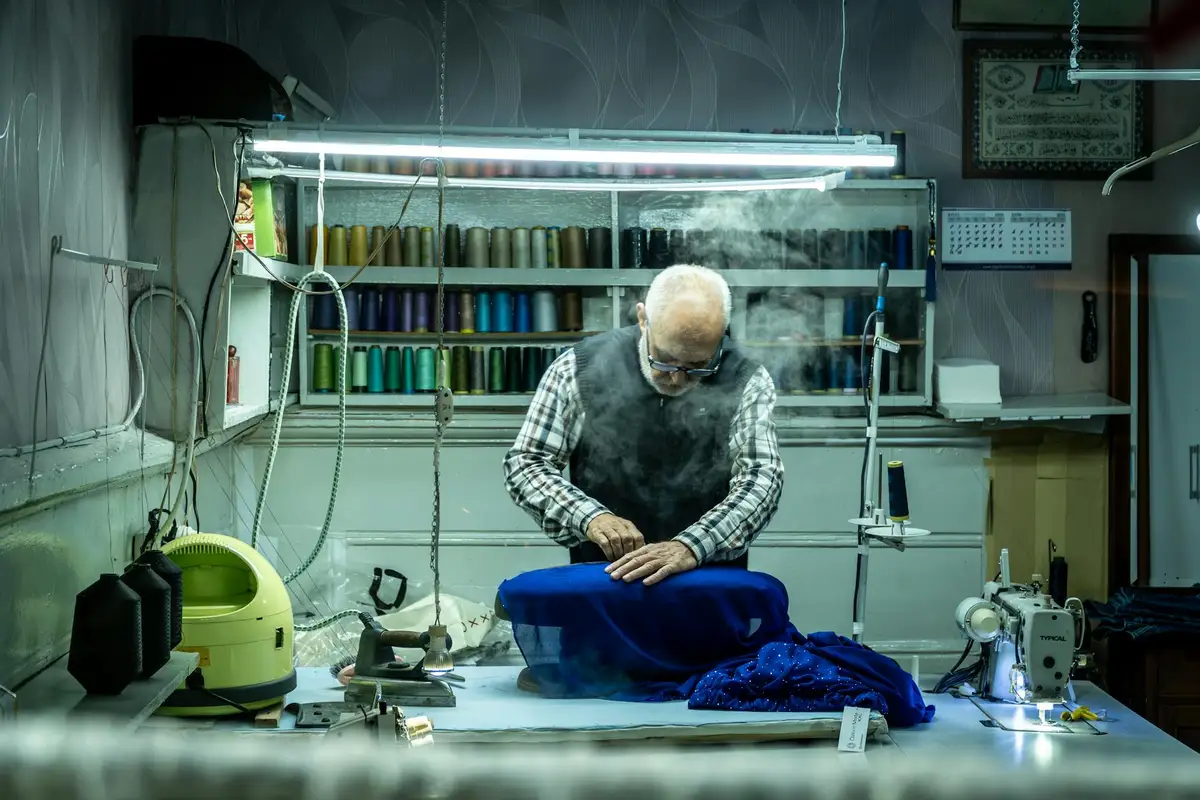
Let’s start with a fundamental truth. Linen wrinkles. It’s not a flaw; it’s a feature of the fiber’s structure. Those charming crinkles are a sign of authenticity. Chasing a perfectly crisp, wrinkle-free finish on linen works against its natural character and often requires damaging levels of heat and pressure. I think of a well-worn linen shirt or dress as having a “live-in” look-it’s relaxed, comfortable, and tells a story of use. That reputation is a myth we’ll debunk with simple care tips. We’ll unpack common linen maintenance myths and show practical, low-effort ways to keep linen looking effortless.
For Makers: The Critical Cut
If you sew with linen, your pressing results are decided before you even touch the iron. Linen yarns have very little inherent stretch or elasticity. Cutting linen fabric off its true grain will create a garment that twists and distorts permanently, and no amount of pressing can fix a biased cut. It’s like building a house on a crooked foundation.
Always find the true grain before cutting. Here’s my method:
- Find a straight thread parallel to the selvage (the finished edge).
- Clip into the fabric with scissors and gently tear a strip. It will tear along the straight grain.
- Use this torn edge as your guide to square up your fabric piece before cutting your pattern.
Understanding Drape and Weight
Not all linen is the same. The weight of the fabric-measured in ounces per square yard (oz/yd²) or grams per square meter (gsm)-dictates how it will behave when you wear it and press it.
- Heavyweight Linen (7oz+): Think of structured blazers, tailored trousers, or durable home decor. It drapes with a beautiful, fluid weight I call “structured fluidity.” It holds a sharp crease well but requires a robust steam iron or press.
- Lightweight Linen (4-6oz): This is for airy shirts, summer dresses, and loose pants. It has a gorgeous, breezy drape but can cling to the body and wrinkles more readily. Press it carefully; too much heat can scorch it or make it overly flat.
Choosing the right weight for your project is the first step to managing expectations for drape and required care.
The Simplest Refresh
You don’t always need an iron. For day-to-day wear, the easiest way to de-wrinkle linen is with steam and time. Hang your linen garment in the bathroom while you take a hot shower; the ambient steam will relax about 80% of the wrinkles effortlessly. For those stubborn wrinkles, use a gentle method to prevent and remove iron wrinkles from linen. This method is gentle, preserves the fabric’s natural hand, and is perfect for between washes. It honors the linen’s need to breathe and move.
Linen Care & Handling Quick-Reference Protocol
Think of this as your linen care lab notebook. I’ve condensed years of testing and mistakes into one clear sequence. Follow these steps, and your linen will stay beautiful for years.
Step 1: Wash with Intent
Linen is a strong natural fiber, but its initial washes are critical for setting its long-term behavior. I always treat new linen fabric or a garment with extra care for the first few cycles.
- Use cool or lukewarm water (30°C/86°F or below). Hot water is the primary driver of shrinkage and can set stains.
- Choose a mild, neutral pH detergent. Avoid heavy enzymes or optical brighteners unless the linen is pure white.
- Always select the gentle or delicate cycle. This minimizes abrasion and fiber distortion.
- Do not overfill the machine. Linen needs room to move freely in the water to get clean and rinse thoroughly.
- For colored linen, do a quick colorfastness test first. Dampen a hidden seam, press with a white cloth, and check for dye transfer.
This gentle wash approach preps the fibers perfectly for the next stage: drying.
Step 2: Dry with Control
How you remove water sets the stage for wrinkle severity. Your goal is to avoid letting the linen bake dry into a crumpled state.
- Tumble dry on the lowest heat setting, but only until the item is just damp to the touch. This usually takes 10-15 minutes. Over-drying makes wrinkles set like concrete.
- Alternatively, line dry indoors or in the shade. Direct sun can fade dyes and make fibers brittle over time.
- Whether line drying or tumble drying, remove the linen promptly. Give it a firm snap to shake out some wrinkles before moving to the final, most important step.
Perfectly damp linen is your canvas for creating a smooth, crisp finish.
Step 3: De-wrinkle with Precision
This is where technique matters most. Linen fibers are like tiny, coiled ropes. Heat and moisture relax them, and pressure sets them straight. Your tool depends on the item.
- For finished garments (shirts, dresses, trousers): Steam. Use a handheld steamer or the steam function on your iron. Hang the garment and pass the steamer head close to the fabric, gently pulling the garment taut with your other hand. The wrinkles will melt away. This preserves the garment’s soft, lived-in texture.
- For sewing and construction: Press. This means you press the iron down, hold it for a few seconds, then lift it straight up. You do not slide or scrub the iron. Always press on the wrong side of the fabric or use a press cloth to prevent shine. I press every seam after sewing to set the stitches and create professional-looking flatness.
- For table linens or a crisp finish: Iron on high heat with steam. Ensure the linen is still slightly damp. Iron on the right side, moving systematically with the grain of the fabric. For stubborn wrinkles, I sometimes mist the area lightly with a spray bottle of water. The combination of internal dampness and external steam from the iron is unbeatable.
The Universal Linen Rule
Every successful interaction with linen comes back to a simple formula. Heat + Moisture + Correct Technique = Happy Linen.
Heat relaxes the fibers. Moisture helps that heat penetrate deeply and allows the cellulose fibers to temporarily reshape. The correct technique-whether steaming, pressing, or ironing-sets them in their new, smooth position as they cool. Skip one element, and you’re fighting the fabric. Combine all three, and you work with its natural properties.
Final Press: Caring for Your Linen Long-Term
The single most reliable rule is to test a hidden seam first. Always let the fabric guide your iron’s heat and moisture settings, not the other way around. Master the balance between heat and moisture for crisp, smooth results without damage.
Treating your linen with this knowledge makes it a lasting part of your wardrobe, honoring the resources used to create it. Learning how each fiber-from wool to polyester-reacts to heat, water, and pressure is the foundation of true textile care.
Expert Resources and Citations
- Can linen clothing be dry cleaned? – 120percento Lino USA
- How to Wash Linen the Right Way: Tips for Long-Lasting Fabric
- Mastering the Art of Linen: A Guide to Perfectly Pressed Perfection | Casual Tropical Wear
Florian is a high fashion blog writer, fashion and fabric expert and a keen expert in fabric, clothing and materials. She has worked in large textile and fashion houses for over 10+ years, engineering and working with various fabric types and blends. She is an expert when it comes to questions on any and all kinds of fabrics like linen, cotton, silk, jute and many more. She has also traveled around the world studying traditional fabrics and aims to bring them into the modern fashion use.