
How to Prevent Linen from Shedding and Wrinkling?
That puff of lint in your dryer and those deep creases in your linen pants? I see this all the time in my work, and I can tell you these issues are rooted in linen’s natural structure-but you can control them completely.
Drawing from my experience in textile testing, this article will give you practical, science-backed methods. We will cover the simple fiber science behind shedding, a step-by-step washing routine to reduce lint, and smart ironing and storage habits to keep wrinkles at bay.
Executive Summary: The Nature of Linen
Linen wrinkles and sheds because of its fiber structure, not because it is flawed. This is its character. Think of it as a personality trait, not a defect.
Linen is a bast fiber, which means it comes from the stem of the flax plant. The fibers are long, smooth, and incredibly strong, but they have very little natural elasticity or crimp. Different linen fabric types, properties, and blends vary in texture, weight, and drape, with blends modifying these characteristics. Blends with cotton, viscose, or silk can soften the feel and improve flexibility while retaining linen’s strength.
Its strengths are significant. Linen is one of the most breathable fabrics you can own, pulling moisture away from your skin to keep you cool. It is remarkably durable, often outlasting cotton, and it gets softer and more lustrous with every wash. The stiffness you feel in a new garment will melt away into a beautiful, lived-in drape.
Its challenges are direct. It is prone to deep, sharp creasing. It can shed short fibers (lint), especially when new. That initial feel can be crisp and rigid.
You will find linen used where breathability is prized: in warm-weather clothing like shirts and dresses, in crisp bed sheets for hot sleepers, in classic tablecloths, and in light-filtering drapery.
Why Does Linen Shed and Wrinkle? (The Fabric Science)
Let’s look at what happens inside the cloth.
Shedding comes from short fibers, often called pulp or tow. During processing, some shorter flax fibers get spun in with the long, premium ones. These little guys have less hold. When you first wear or wash the fabric, these short fibers work themselves loose. This is exactly like a new cotton towel shedding lint in your dryer; it’s a sign of initial fiber release, not poor quality. Higher-quality linen made from long-staple fibers will have less of this pulp to begin with, so it sheds less and for a shorter time.
Wrinkling is a story of molecular structure. Flax fibers are like smooth, straight rods. They lack the coiled, spring-like structure of wool or the natural kinks in cotton. When you bend them, they want to stay bent. Imagine folding a piece of paper; it holds the crease sharply. Now imagine folding a rubber band; it springs back. Linen is the paper. This lack of elasticity is why wrinkles form easily and can be stubborn.
The weave changes how we see this behavior. A tight plain weave shows every crease, giving that classic, crisp linen look. A looser weave or a crepe texture can help disguise minor wrinkles, making the fabric appear more rumpled than sharply creased.
This is why pre-washing is so often recommended. A warm initial wash helps remove that excess shedding pulp and allows the fibers to relax and shrink naturally, which sets the stage for all future care. You are essentially getting the shedding and some shrinkage out of the way on your terms. I typically see linen shrink between 3% to 5% on that first wash, depending on how it was originally finished.
The Proactive Care Protocol: Washing, Drying, Storing
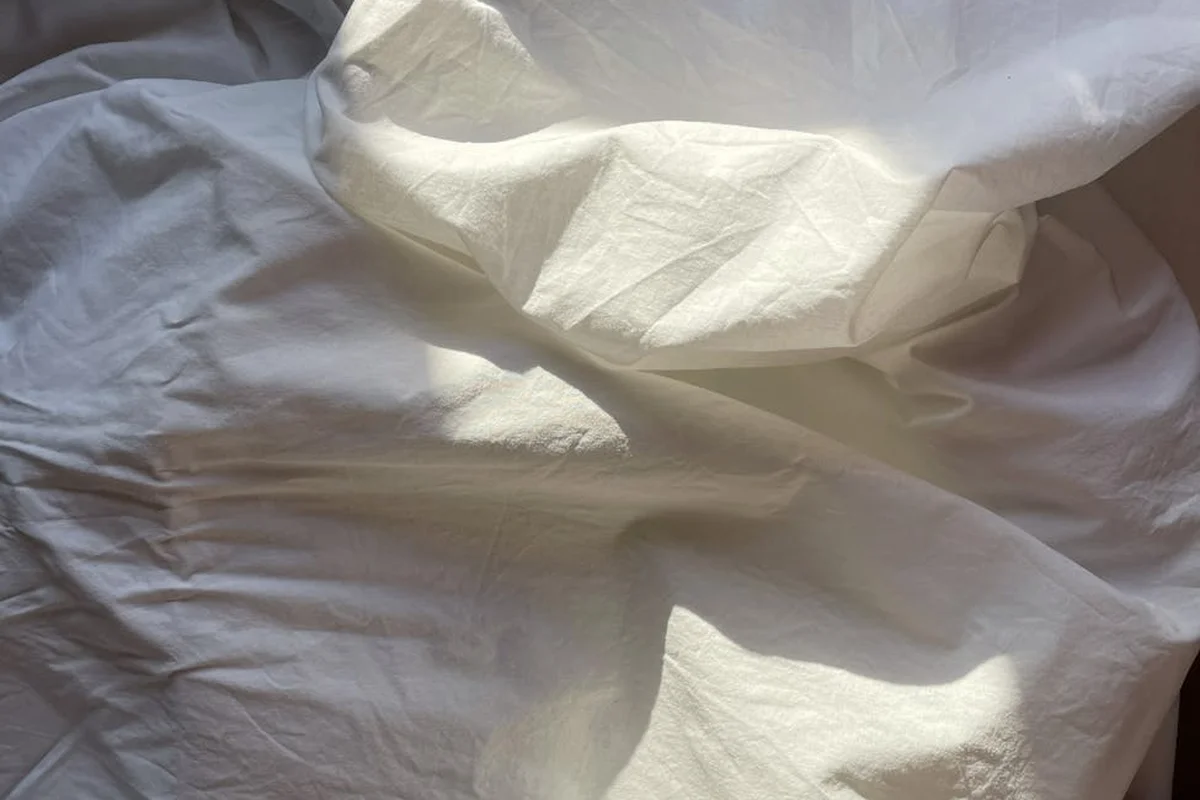
Think of new linen like a shy guest. It needs a gentle introduction to your home routine. A proper first wash sets the stage for everything that follows.
Step 1: The Crucial First Wash
Always wash new linen by itself. Those first washes release excess dye and the tiny, broken fiber particles we call “shedding” or lint. You don’t want that lint transferring to your dark jeans.
Use cool or cold water. Hot water can shock the fibers, potentially setting wrinkles and encouraging more initial shedding.
Your detergent choice matters more than you think. Reach for a gentle, liquid detergent with a neutral pH. Avoid powders with optical brighteners (they can yellow linen over time) and skip heavy fragrances that leave a residue. I keep a simple, clear detergent just for my natural fibers.
Use your machine’s gentle or delicate cycle. For a cherished, finely woven linen item, I handwash it in the bathtub with plenty of water to reduce fiber friction.
After the cycle, you will see lint in the drum or basin. This is completely normal. It’s the fabric releasing its “fuzz” and will lessen significantly after a few washes. Don’t panic.
Step 2: Drying for Minimal Wrinkles and Damage
Air-drying is the gold standard for linen. A dryer’s tumbling action creates constant fiber-on-fiber friction, which can pull more loose fibers free (shedding) and beat deep-set wrinkles into the fabric.
Here is my air-dry method. As soon as the wash cycle ends, take the garment and give it a few firm shakes. This helps align the fibers and disrupts crumpled spots. Hang it on a padded hanger or a clothesline. Smooth the seams, collars, and hems with your hands as you hang it. This simple step prevents bizarre, permanent creases.
If you must use a dryer, follow two strict rules: use the lowest heat setting and remove items while they are still slightly damp. This “semi-dry” state is your secret weapon. The remaining moisture makes ironing easier and prevents the fibers from becoming bone-dry and brittle.
Over-drying is a top cause of future shedding. When linen fibers lose all their moisture under heat, they become fragile and more prone to breaking, which shows up as lint in your next wash.
Step 3: Ironing (If You Must) and Storing
Linen loves steam and moisture. Iron it while it’s still slightly damp from the wash or semi-dry cycle. Use a hot iron with the steam function on. Glide the iron along the yarn’s length for a sleek finish. If you have a steam press, it can help smooth linen with even pressure. Steam-pressing linen fabric gives a crisp, professional finish.
Prefer linen’s natural, relaxed wrinkles? Simply spritz the dry, hung garment with water from a spray bottle and use your hands to smooth out the major wrinkles. Let it air dry the rest of the way. This technique is often used for other fabrics like cotton and wool.
For storage, fold heavyweight items neatly in a drawer. Hang lighter pieces loosely, giving them room to breathe. Never cram linen into an overcrowded closet. Persistent pressure creates sharp, stubborn creases that are hard to remove.
Never use fabric softener or dryer sheets on linen. They leave a waxy coating that clogs the fibers, reducing linen’s prized absorbency and breathability. This coating can also attract dirt, making your linen look dingy faster.
How Linen Compares to Other Fabrics
Understanding linen’s personality is easier when you see it side-by-side with familiar fabrics.
Linen vs. Cotton
Both come from plants, but their fibers behave differently. Under a microscope, linen fibers are long, smooth tubes. Cotton fibers are shorter and twisted.
Those long, smooth linen fibers are why it can feel stiffer than cotton but also outlasts it by decades. There are fewer fiber ends to work loose and create fuzz.
They both wrinkle, but the character of the crease differs. Cotton gets rumpled. Linen develops sharp, intentional-looking pleats and creases. It’s a feature, not a bug.
Initial shedding is common for both. With high-quality linen, this shedding drops off quickly as the loose fibers are washed away. Lower-quality cotton, however, may start to pill after washes as those short, twisted fibers ball up on the surface.
Linen vs. Polyester Blends
Many “linen-look” items are actually blends. A common one is 55% linen and 45% polyester.
The synthetic polyester fibers are added for one main reason: wrinkle resistance. They act like a little scaffolding, helping the fabric spring back to shape. You will see far fewer sharp creases.
This comes at a cost. That polyester reduces the fabric’s breathability and alters the dry, crisp hand-feel of pure linen. It often feels softer right away, but in a more generic way. This comes from the polyester linen fabric composition—the blend ratio shapes breathability and hand-feel. Understanding the composition helps explain these differences.
A linen-polyester blend will likely shed less lint initially, but over time, the polyester component can curl and form tiny pills on the surface. You trade one type of fiber loss (initial shedding) for another (eventual pilling). Pure linen, once its initial loose fibers are gone, typically won’t pill at all.
Troubleshooting: If Your Linen is Already Shedding or Wrinkled
Don’t worry if your linen is showing its character a little too enthusiastically. These are fixable issues. Think of it like a garden-it might need some specific tending, but the plant itself is hardy and good.
Managing Persistent Shedding
If you’re still finding little fibers after the first few washes, take a systematic approach. Start gentle and move to more involved solutions only if needed.
- Start with surface removal. A simple lint roller or a piece of packing tape wrapped around your hand can lift away loose fibers. For small pills that form from friction, use a fabric shaver with a very light touch.
- Re-wash using a gentle, cool-water cycle with a mild detergent. I find that sometimes shedding persists because a starchy “sizing” applied at the mill isn’t fully washed out. A proper wash can release these last bits of fiber and finish the process.
- Set realistic expectations based on fiber quality. Long, premium flax fibers shed very little. If extreme shedding continues after 3-4 washes, the fabric likely contains shorter, less expensive fibers. They will eventually settle, but they will always be more prone to shedding and pilling.
Dealing with Deep Set Wrinkles
Linen wrinkles because its crisp cellulose fibers have a great memory for wherever they last bent. Your goal is to reset that memory with moisture and heat.
- Re-dampen the fabric thoroughly. Hang the item in a steamy bathroom after a shower, or use a garment steamer. The steam penetrates the fibers, relaxing the hydrogen bonds that hold the creases.
- When ironing, use lots of steam and the linen/cotton setting. Always press on the reverse side of the fabric or use a pressing cloth. This prevents the iron from creating a shiny, polished spot on the surface, which is very hard to remove.
- For a stubborn wrinkle as a last resort, try a fiber relaxant spray. Mix one cup of water with a single drop of hair conditioner. Lightly mist the crease, let it sit for a minute, then steam or iron. The conditioner acts as a temporary lubricant. You must wash the item later to remove any residue.
- Embrace the wrinkle. This isn’t a cop-out. A perfectly pressed linen tablecloth has one beauty. A softly rumpled linen shirt has another. The wrinkle is part of its natural, breathable, lived-in charm.
Handling Pro-Tip: The Textile Expert’s Mindset
Working with linen is a partnership. When you understand its nature, you can make it do exactly what you want, whether you’re sewing a garment or just caring for one.
- Drape and Sewing: Linen has almost no mechanical stretch. When sewing, choose patterns designed for wovens that include wearing ease. It also frays incredibly easily. Finish your seams. My favorite method is a French seam-it completely encases the raw edge for a clean, professional look that lasts.
- Always cut your fabric on the grainline. If you cut linen on the bias (at a 45-degree angle), it will gain a dramatic, often unwanted, drape and stretch out of shape permanently.
- Love it by washing it. Linen gains about 20% of its strength when wet. Frequent gentle washing softens the fibers, smooths the texture, and gives linen its beloved, broken-in feel over years. Its beauty is in this evolution.
- Shedding and wrinkling are not flaws in linen; they are proof of its natural origin. Your care routine isn’t about fighting these properties. It’s about managing them to help your fabric look and feel its best for a very long time.
Final Notes on Linen’s Nature
To stop linen from shedding, wash it gently inside out in cool water and let it air dry flat. For wrinkles, a light steam or ironing while the cloth is just damp relaxes the fibers back into place without damage.
Caring for linen this way teaches you the core principles that apply to all fabrics, whether you’re handling wool’s loft or polyester’s resilience. I treat my entire wardrobe as a living lab, and I encourage you to see each wash cycle as a chance to practice responsible, knowledgeable fabric care. That same approach applies to linen care: wash gently, soften mindfully, and protect its natural texture.
Citations and Authoritative Sources
- How to Keep Linen from Wrinkling: Tips and Tricks – Rough Linen
- How to Keep Linen from Wrinkling: Easy and Effective Ways | MagicLinen
- Can You Actually Keep Linen From Wrinkling When Wearing It? | He Spoke Style
- 6 Anti-Wrinkle Hacks You Need to Try This Summer (Linen Lovers Swear By Them)
- Why does linen wrinkle? The answer may surprise you! – de Linum
- How Can I Keep My Linen Clothing From Wrinkling?
Florian is a high fashion blog writer, fashion and fabric expert and a keen expert in fabric, clothing and materials. She has worked in large textile and fashion houses for over 10+ years, engineering and working with various fabric types and blends. She is an expert when it comes to questions on any and all kinds of fabrics like linen, cotton, silk, jute and many more. She has also traveled around the world studying traditional fabrics and aims to bring them into the modern fashion use.