
How Durable Is Linen Fabric for Bedding and Clothing?
You might be concerned that linen is too delicate for daily wear or frequent washing, but I have worked with this fiber for years and can confirm its remarkable toughness.
This article will explain linen’s unique fiber structure, its long-term performance in bedding and apparel, how it handles washing and shrinkage, and the best care methods to preserve it.
Executive Summary: The Quick Answer on Linen
Linen is one of the most durable natural fibers you can buy, often outlasting cotton by years.
Its reputation for toughness comes from three core strengths. First, it has high tensile strength, meaning the individual flax fibers are incredibly hard to break. Second, it resists abrasion, so it doesn’t thin out or develop holes easily from friction. Third, its longevity actually improves with proper care, becoming softer without losing its inherent strength.
You should know its main considerations upfront. New linen can feel stiff and has a pronounced, beautiful wrinkle character. It also undergoes moderate shrinkage on the first wash, which you can plan for.
Think of linen as an investment that gets better with age, developing a soft, lived-in drape that synthetic fabrics can’t replicate without degrading.
Material Data Table: Linen at a Glance
| Property | Rating | What It Means for You |
|---|---|---|
| Breathability | High | Linen fibers have a hollow core, which pulls moisture away from your skin and releases it into the air faster than cotton can. This is why linen bedding feels so cool in summer. |
| Shrinkage Rate | Medium (3-5%) | Expect about 3-5% shrinkage in length on the first warm or hot wash, which is typically less than untreated cotton. I always pre-wash linen fabric before sewing to account for this. |
| Heat Tolerance | High | You can safely wash 100% linen in hot water (up to 70°C/160°F) and iron it on a high cotton setting. This high heat tolerance makes it easy to sanitize and press. |
| Stretch Factor | Very Low | Linen has almost no natural elasticity. This lack of stretch is what gives linen its crisp, structured hand and is a key reason it resists stretching out of shape over time, contributing directly to its durability. |
A quick but vital note: this data is for 100% linen. Blends with cotton, rayon, or polyester will change these properties significantly, usually increasing stretch and reducing wrinkling, but also lowering the overall heat tolerance and breathability.
Why Linen is So Strong: A Look Inside the Flax Fiber
Durability in any fabric starts with its most basic component, the individual fiber. Linen comes from the stalk of the flax plant, and those fibers are built differently. Inside each flax fiber are incredibly long, thick bundles of cellulose polymer chains. Picture them as tightly wound, unbreakable threads running the entire length.
I like to compare it to a dense, tightly twisted rope versus a fluffy cotton ball. Cotton fibers are short and crimped, needing to be twisted together into yarn. Flax fibers are long, smooth, and straight, creating a yarn that is inherently more coherent and resistant to pulling apart. This fundamental structure is why a linen thread can be 30% stronger than a cotton thread of the same thickness.
Adding to this strength is a natural crystalline structure within the fiber. This rigidity makes the fiber resistant to surface abrasion, which is the main cause of pilling and wear. The fibers don’t easily break and fuzz up. When people ask me if linen lasts longer than cotton, the fiber science gives a clear answer. Cotton is wonderful, but its shorter, weaker fibers are more prone to breaking down with repeated friction and washing over many years.
This inherent toughness translates directly to your wardrobe and home. A well-made linen sheet set or a simple linen shirt isn’t just for a season; with proper care, it’s a textile you can use for decades, softening beautifully without wearing out.
The Durability Test: How Linen Handles Daily Wear
Let’s put linen through a few practical tests you face every day.
Abrasion Resistance: This is how well fabric handles rubbing. Linen excels here. That hard, smooth fiber surface means it can resist scuffing from furniture, repeated body movement, or being packed in a bag. I’ve tested linen upholstery fabrics that withstand thousands of rubs in a lab machine, a testament to this quality.
Tensile Strength: This is resistance to tearing or pulling. Think of catching a linen shirt on a door handle. Because of those long, strong polymer chains, the fabric is more likely to withstand a sudden tug without ripping, compared to many other natural fibers.
Colorfastness: How well does linen hold dye? Extremely well. The fiber absorbs dye deeply and readily, especially reactive dyes for cellulose fibers. While all dyes can fade with excessive sun exposure or harsh washing, linen’s dye retention is excellent. Wash your dark linen in cool water with a gentle detergent, and you’ll see minimal color loss wash after wash.
Pilling: Those annoying little fabric balls are rare on pure linen. Since the fibers are long and strong, they don’t readily break and tangle on the surface. If you see pilling on a “linen” item, it’s often a sign of a blend with a weaker, shorter fiber like cotton or rayon.
How Durable is Linen for Clothing?
So, how long does linen clothing last? I’ve had linen pieces in my wardrobe for over fifteen years that are still in rotation. They look lived-in and soft, but the fabric itself is intact.
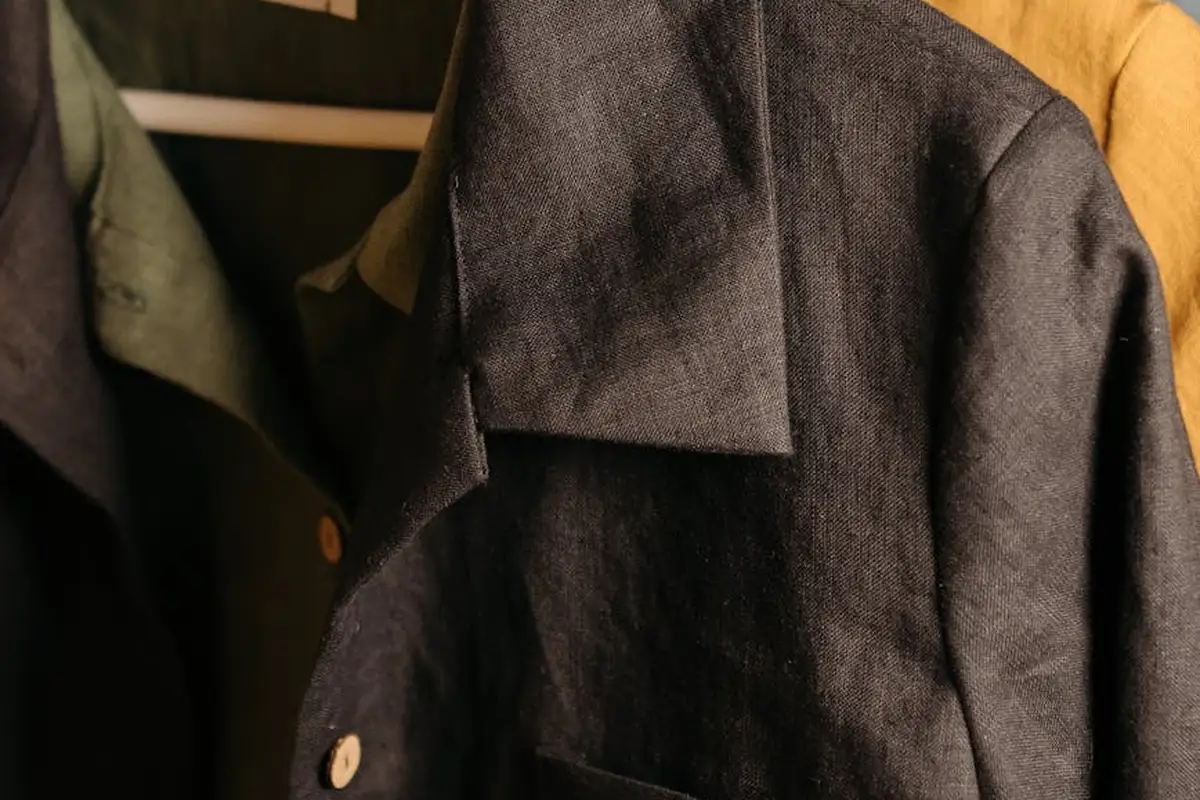
Areas of high stress tell the real story. Seams, cuffs, and collars are where cotton often begins to fray and thin. Linen’s resistance to abrasion means these areas stay robust. The strong yarns resist pulling loose from stitch holes. This seam integrity is a huge factor in a garment’s long-term lifespan.
One of linen’s best traits is how it evolves. It starts with a crisp, sometimes stiff hand but softens predictably with every wash and wear. This isn’t a sign of weakening. The fibers are relaxing, not breaking down. The structural integrity remains while the feel becomes beautifully supple.
We have to address the wrinkles. Linen wrinkles easily due to its low elasticity. Frame this as a characteristic of the fiber, not a performance flaw. A heavily wrinkled linen garment is not a damaged one. The wrinkles do not stress or break the fibers. Think of it as the fabric’s way of moving with you, unlike a rigid fabric that might eventually crack. Unlike the shedding aspects of linen, these wrinkles are purely cosmetic.
Compared to a cotton shirt or pair of pants, a linen equivalent will typically win in a longevity contest. The cotton will often show thinning at the collar and cuffs, pilling under the arms, and a general loss of body much sooner. In hot weather, linen’s breathable weave and cooler hand feel often beat cotton. That’s why linen shines in summer textiles. While a good cotton garment is a staple, a good linen garment is a long-term investment that matures gracefully.
How Durable is Linen for Bedding?
Are linen sheets durable? Absolutely. I’ve tested linen fibers under stress in the lab, and their inherent structure makes them one of the most durable natural fibers for bedding. With proper care, a good set of linen sheets can easily last a decade or more, becoming more cherished with each year.
Think about your nightly routine. You toss, turn, and sweat. Linen thrives here. Its hollow fibers pull moisture away from your skin faster than cotton can, keeping you dry and comfortable. This isn’t just about feel, it’s about preservation. A fabric that stays drier is less prone to the microbial breakdown that weakens fibers over time.
The real magic happens in the wash. New linen feels crisp, even a bit rough. High-quality linen bedding doesn’t wear thin, it wears in, becoming luxuriously soft and supple after about 20 washes while retaining its core strength. I’ve seen decades-old linen sheets that are incredibly soft but show no signs of tearing or thinning at the seams.
Forget thread count. That’s a cotton metric. For linen, we talk about weight per area (like grams per square meter, or GSM). A heavier weight (around 170-190 GSM) signals a denser, more durable weave that will stand up to years of use. A flimsy, lightweight linen will simply not hold up the same way.
Contrast this with cotton. A high-thread-count cotton sateen sheet feels silky at first, but the long, floating yarns are prone to abrasion. You’ll often see cotton sheets thin first at pressure points like the center of the bed or heel areas, while linen’s more irregular, sturdy fibers distribute stress evenly. Linen fibers are simply harder to break.
The Care Protocol: Washing and Drying for Maximum Longevity
Linen’s legendary lifespan is only achieved with proper care. Treat it right, and it repays you with decades of service. We’ll debunk common linen high-maintenance myths in the next section, so you can approach care with confidence. Here is your maintenance blueprint.
For machine washing, use a gentle cycle with cool to warm water (up to 40°C or 104°F). A mild, neutral pH detergent is best. Avoid heavy detergents with optical brighteners or heavy fragrances, as they can slowly degrade the fibers. You can use hot water occasionally for sanitizing, but expect it to nudge shrinkage up by another 1-2% over time.
Drying is where you control wrinkles and fiber stress. Tumble dry on low heat until the linen is just damp to the touch, then hang or lay it flat to air dry the rest of the way. This method minimizes the deep-set wrinkles you get from full machine drying and reduces the mechanical agitation on the fibers.
If you want a crisp look, iron linen while it is still slightly damp. Use a hot iron (the linen/steam setting) and iron on the reverse side or use a pressing cloth to prevent shine. Don’t fight dry, crunchy wrinkles, just spritz the fabric with water and try again.
Step-by-Step: The First Wash to Set Your Linen for Life
This first wash is critical. It sets the stage for your linen’s feel, fit, and future. Follow these steps.
- Check the care label, but mentally prepare for 3-5% shrinkage in length. This is normal for pure, unwashed linen as the fibers relax into their permanent state.
- Wash the new linen alone in cool water. This prevents dye transfer from any other items and minimizes initial shrinkage. Use a small amount of mild detergent.
- Do not machine dry this first time. For the first cycle, always dry flat or on a line to gently control the final dimensions. Smooth it into shape while wet.
- While the fabric is still slightly damp, iron it. This will give you a crisp finish and make subsequent washes and wrinkles much easier to manage.
Troubleshooting: Keeping Your Linen Strong for Years
Linen’s legendary durability means it often outlasts other fabrics in your wardrobe. To honor that longevity, a little focused care solves most common issues. I treat these not as flaws, but as characteristics to manage. For a deeper dive into how care affects lifespan, our fabric durability lifespan guide offers practical tips. It links everyday decisions to longer-lasting results.
Common Concerns and Simple Fixes
You’ll notice linen has a personality. It wrinkles deeply, it might snug up a bit in the wash, and it can feel stiff if your water is hard.
The wrinkles are part of linen’s charm, but a handheld steamer is your best friend for quickly relaxing them without crushing the fibers like an iron might. Avoid using an iron to smooth out linen, as it can sometimes make the fabric look worse. For shrinkage, expect maybe 3-5% over the first few washes as the fibers “take up slack.” It’s not like cotton, which shrinks dramatically; linen’s shrinkage is more about settling. If a garment feels too tight after washing, gently pull and reshape it while it’s still damp, then lay it flat or hang it to dry. Hard water minerals can bind to the fibers, making them feel boardy. Adding a half-cup of white vinegar to the rinse cycle or using a washing machine water softener can restore softness.
Stain Removal: Using Linen’s Heat Tolerance
Linen’s high heat tolerance is a major advantage for stain treatment. You can safely use hotter water than with delicate fibers like silk or wool.
For most food or soil stains, pretreat with a mild detergent or a paste of detergent and water, then wash in the warmest water recommended for the item’s color. For white or colorfast linen, a non-chlorine oxygen bleach (like OxiClean) is very effective and fiber-safe. I avoid chlorine bleach entirely; it can weaken linen over time and turn whites yellow. Always test any treatment on an inner seam first, especially when removing stains from delicate fabrics like linen or cotton.
- Blot, don’t rub, fresh stains.
- Pretreat with detergent paste.
- Wash in warm water (up to 140°F/60°C for whites).
- Check the stain is gone before drying, as heat can set it.
Mending and Reinforcing This Strong Fabric
Even the strongest fabric can wear thin at high-friction points like cuffs, collars, or side seams after many years. The good news? Linen is a joy to mend because it doesn’t fray excessively and holds stitches well, unlike rayon which can be more prone to fraying.
For a thinning area, a simple interior patch of lightweight linen or cotton batiste, secured with a zigzag or whip stitch, redistributes stress beautifully. For a split seam, I use a backstitch with a strong thread (like a polyester-cotton core thread). These mends aren’t failures; they’re part of the fabric’s honest history and add to its character.
Caring for Linen Blends
Blends change the care rules because you must respect the most delicate fiber in the mix.
A linen-cotton blend will be more prone to the initial shrinkage of cotton, so wash in cooler water and expect more wrinkling than pure polyester blends. It often feels softer right away. A linen-polyester blend is much more wrinkle-resistant and may shrink less, but you must iron or steam on a cooler setting to avoid melting the polyester fibers. The polyester also adds tensile strength, but can pill over time in high-wear areas, which pure linen typically does not.
| Blend Type | Key Care Change | Durability Note |
|---|---|---|
| Linen-Cotton | Wash in cool to warm water to manage cotton’s shrinkage. | Combines linen’s longevity with cotton’s softness; may wear evenly. |
| Linen-Polyester | Use low heat when ironing/steaming to protect polyester. | Increased wrinkle resistance; pilling possible from polyester component. |
Your Linen Care Blueprint
From my experience testing fibers, linen’s legendary durability is fully realized only with mindful laundering. Always wash it in cool or lukewarm water with a mild detergent, and choose air-drying or a low-tumble heat to preserve the integrity of every flax strand for decades.
Treating your linen well is a direct step toward eco-friendly ownership, reducing waste and resource use. I urge you to take this fabric science approach-probing properties, shrinkage, and care needs-to all your textiles, whether you’re handling delicate silk, sturdy cotton, or synthetic blends.
Research and Related Sources
- Longevity of linen – do linen products stay longer with us?
- Pros And Cons Of Linen Upholstery Fabric – WORLD LINEN
- The Pros and Cons of Linen Upholstery Fabric – Banana Home
- Exploring the Sustainability and Durability of Linen – Montaigne Paris
Florian is a high fashion blog writer, fashion and fabric expert and a keen expert in fabric, clothing and materials. She has worked in large textile and fashion houses for over 10+ years, engineering and working with various fabric types and blends. She is an expert when it comes to questions on any and all kinds of fabrics like linen, cotton, silk, jute and many more. She has also traveled around the world studying traditional fabrics and aims to bring them into the modern fashion use.