
Polyester vs Linen: What’s the Real Difference in Fabric Composition?
Struggling to choose between a crisp linen dress and a durable polyester jacket? The answer isn’t just about style-it’s rooted in the science of what each fabric is made from.
We will cover their fundamental chemical versus plant-based origins, how this composition dictates properties like breathability and shrinkage, and practical care for washing and dyeing each fabric.
Executive Summary: Your Quick Fabric Comparison
Think of linen as a gift from a plant and polyester as an engineered creation from a lab. That’s the core difference: linen is a natural cellulose fiber spun from the stems of flax plants, while polyester is a synthetic polymer made from petroleum. This fundamental origin story dictates everything about how they feel, behave, and last.
Linen’s natural heritage gives it standout benefits. It’s incredibly breathable, pulling moisture away from your skin to keep you cool. It’s also one of the strongest natural fibers, gaining strength when wet. Over time, high-quality linen gets softer and more beautiful, and at the end of its long life, it will biodegrade naturally. The trade-offs? It wrinkles with what I call “elegant ease,” it can shrink notably on its first wash, and it often asks for a bit more careful handling, like cooler water and gentler drying.
Polyester, born from chemistry, excels in consistency and convenience. It’s highly wrinkle-resistant, incredibly durable against abrasion, and dries in a flash. Its synthetic structure makes it very resistant to shrinking and stretching, holding its shape wash after wash. The downsides stem from that same structure: it can feel clammy against the skin in heat, lacks natural breathability, and is essentially a woven plastic, which raises questions about microplastics and environmental persistence.
A quick note on a common mix-up: while linen and cotton are both beloved natural fibers, they are not the same. Cotton comes from the fluffy bolls around a plant’s seeds, while linen comes from the tough, long fibers in the stem of the flax plant. This is why linen feels crisper and is more textured than the generally softer cotton.
From Flax Plant to Petrochemical: The Birth of Two Fabrics
Let’s trace their journeys from source to fabric. Linen’s path is ancient and agricultural. It starts with harvesting the tall flax plant. The stalks undergo “retting,” where they’re soaked in water or dew to rot away the pith, freeing the long, strong bast fibers inside. These are then scutched, hackled, and spun into a yarn with a distinctive, slightly irregular texture. You can always spot true linen by its natural slubs-those tiny, thick spots in the yarn that give it character. Finally, it’s woven or knitted, often into a crisp, breathable cloth.
Polyester’s creation is a feat of modern industrial chemistry. It begins with petroleum derivatives that are chemically reacted to form a polymer called polyethylene terephthalate (PET). This polymer is melted and forced through a spinneret-a tool like a showerhead with tiny holes-to create endless, smooth filaments. These filaments can be left shiny and sleek or mechanically texturized to mimic the loft and feel of natural fibers. They are then wound, spun into yarn, and woven into fabric that is remarkably uniform.
In your hands, the difference is immediate. Linen has a dry, textured hand, a natural luster, and visual variation. Polyester feels uniformly smooth, sometimes slick. A simple analogy: linen is like solid wood with a visible grain, while polyester is like molded plastic-both useful, but fundamentally different in origin and soul.
Linen: The Science of a Stem Fiber
At a microscopic level, linen fibers are made of cellulose, a natural polymer. These cellulose chains are highly crystalline and packed tightly along the length of the fiber. This alignment is what gives linen its renowned strength. But that same rigid, crystalline structure has little inherent elasticity, which is why linen fabrics crease so easily when bent. The fibers simply don’t spring back like a coiled synthetic would.
This brings us to a key distinction. People often ask if linen and cotton are the same because they’re both plant-based. They are not. Cotton fibers are seed hairs-short, fluffy, and twisted-while linen fibers are stem fibers-long, straight, and incredibly smooth. This is why linen is stronger, more lustrous, and less prone to pilling than cotton. Treating them as identical can lead to laundry mishaps, as linen generally requires cooler temperatures to prevent excessive shrinkage.
Polyester: The Chemistry of a Synthetic
Polyester’s magic lies in its chemical design. Its full name is polyethylene terephthalate (PET), the same material used for plastic bottles. Its molecules form long, linear, and very stable chains. During manufacturing, these chains are heated and stretched, then “heat-set” to lock them in place, which is why polyester resists wrinkles and holds its shape so well.
This man-made process allows for incredible control. Chemists can adjust the thickness, length, and cross-section of each filament. They can create fibers that wick moisture, repel stains, or stretch. Unlike linen, whose properties are a gift of nature, every characteristic of polyester is a deliberate engineering choice. This makes it versatile and predictable, but it also means it doesn’t “breathe” or biodegrade like its natural counterpart.
The Material Data Table: At-a-Glance Properties
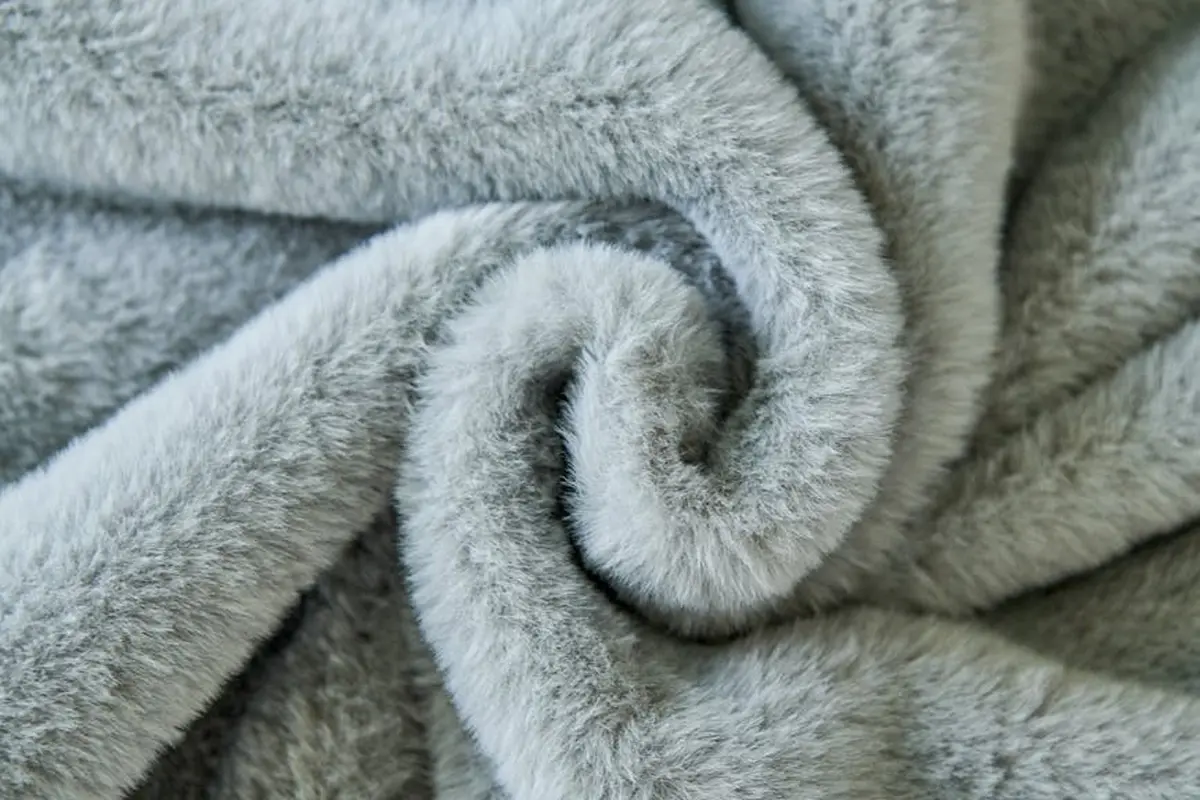
When you hold linen and polyester side-by-side, their differences are more than skin-deep. The core science of their composition dictates everything from how they feel on a hot day to how they behave in your laundry room. This table breaks down the essential metrics you need to know.
| Property | Linen | Polyester |
|---|---|---|
| Breathability | High | Low |
| Shrinkage Rate | 3-5% (first wash) | 1-2% (if any) |
| Heat Tolerance | Very High | Low |
| Stretch Factor | Minimal | Low stretch, high recovery |
Breathability: Why Linen Feels Cool and Polyester Can Feel Clingy
This is the most noticeable difference in wear. Linen fibers come from the flax plant. Under a microscope, they look like long, jointed tubes. This hollow structure allows for exceptional air circulation. Linen doesn’t just absorb moisture, it actively promotes ventilation, moving heat and vapor away from your skin. It’s why a linen shirt feels blissfully cool in summer humidity. That same breathability carries over to linen bedding, a cooler option for hot sleepers. When comparing linen to cotton bedding, linen typically wicks moisture and promotes airflow more effectively.
Polyester, a synthetic polymer, is spun from plastic pellets into continuous, solid filaments. These smooth fibers have no natural pores. While modern polyester is often engineered with microscopic channels for “wicking,” it primarily moves moisture across its surface rather than absorbing it, which can leave a damp, clingy sensation if you’re perspiring heavily.
Shrinkage Rate: Planning for the First Wash
Linen’s shrinkage is a one-time event, a relaxation of the fibers from their stretched, woven state. Think of it like a sponge finally compressing to its natural size after being held open. That 3-5% happens almost entirely in the first hot wash or two. I always pre-wash fabric in the same way I plan to launder the finished garment. It’s a predictable step, not a flaw.
Polyester is remarkably stable. Any minimal shrinkage (1-2%) is usually due to the relaxation of the fabric’s construction, not the fiber itself melting or changing. You can wash polyester repeatedly without expecting significant size changes, which is a key reason it’s favored for performance wear and uniforms.
Heat Tolerance: The Ironing Board Reality Check
This is a critical safety and care difference. Linen is famously heat-resistant. You can use a hot steam iron to smooth out its characteristic crinkles because the plant cellulose can withstand high temperatures. I often iron linen while it’s still slightly damp for the crispiest, smoothest finish.
Polyester requires a cool head. Applying high, direct heat from an iron, dryer, or even a hair dryer can cause the thermoplastic fibers to melt, glaze, or shrink permanently. Always use a low-heat setting or a pressing cloth. If you’ve ever seen a weird, shiny patch on a synthetic blend shirt, that’s melted polyester.
Stretch Factor: Movement and Memory
Woven linen has almost no inherent stretch. It’s strong but inelastic. If you pull it, it may give slightly along the bias (the diagonal), but it won’t snap back like cotton, wool, or polyester. This is why well-designed linen clothing has generous ease or is cut on the bias for drape.
Polyester fibers themselves aren’t very stretchy, but they have excellent elastic recovery. When woven or knitted into fabric, polyester blends can be engineered to spring back to their original shape after being stretched, resisting wrinkles and bagging at the knees or elbows. This ties into the broader topic of stretch properties in synthetic woven fabrics. The following sections explore how different blends optimize stretch and recovery.
A Vital Note on Moisture Control
Their approaches to moisture are opposites. Linen is hygroscopic; it eagerly absorbs liquid (up to 20% of its weight without feeling wet) and releases it quickly through evaporation, which creates that cooling effect. Polyester is hydrophobic; it repels water, causing it to bead up on the surface. Through texturing and chemical treatments, it can be made to “wick” moisture by pushing it along the fiber’s surface to a place where it can evaporate.
Why Linen Shrinks and Polyester Resists: The Science of Care
Think of a linen fiber like a microscopic, twisted sponge. It’s made of plant cellulose, which loves water. When you wash it, the fiber swells and absorbs moisture, relaxing the tight weave. Then, as it dries, it contracts. It squeezes itself tighter than it was before. That’s your shrinkage.
Polyester is a synthetic polymer, a plastic. During manufacturing, its long molecular chains are heated and set into a stable shape. Water doesn’t affect its structure. It might wrinkle temporarily in the wash, but it has no inherent desire to swell or contract.
You can see this difference yourself with a simple home swatch test. Cut a 10-inch square from a fabric scrap or seam allowance. Mark a precise 8-inch square in the center with a permanent marker. Wash and dry the swatch using the method you plan for the final garment (warm wash, medium tumble dry is a good standard test). Measure the inner square again. Linen can shrink 3-8% on the first wash, while polyester will typically show 0-2% change.
Caring for them means respecting their fundamental natures. For linen, use cool or lukewarm water, a gentle machine cycle, and a mild, neutral pH detergent. This minimizes the swelling and agitation that lead to shrinkage and fuzz. Polyester is far more robust. It handles warm water and standard cycles well, and most detergents won’t harm it. Its main enemy is heat in the dryer.
This science answers a common question: polyester vs linen pants. With linen pants, I always suggest buying for your post-wash size, as they will shrink and become more personal to you. Polyester pants, like many performance wear items, are chosen because they will look the same on the hundredth wear as they did on the first.
Step-by-Step: Pre-Washing Linen to Control Shrinkage
If you’re sewing with linen or have a new linen garment, pre-washing is non-negotiable. Do this before you cut a single pattern piece.
- Wash the uncut fabric by itself in cool water (30°C or 85°F is ideal). Use the gentle or delicate cycle on your machine.
- After washing, use the machine’s gentle spin cycle. For very delicate linens, skip the spin and roll the wet fabric in a clean towel to absorb excess water instead.
- Air dry the fabric flat, or tumble dry on the lowest heat setting. I never use high heat on linen, as it can set in wrinkles and weaken the fibers.
- Once bone dry, measure your fabric. Compare it to your original dimensions to know exactly how much shrinkage to account for in your project. Now it’s stable and ready to use.
This process gets most of the shrinkage out upfront, so your finished project won’t change size dramatically later.
Preventing Heat Damage on Polyester
While polyester resists water, it has a low melting point. High heat from a dryer or iron can literally melt the fibers. You’ll see this as a shiny, glazed patch, a harsh stiffness, or in the worst case, a hole.
Always check the care label first. When in doubt, air drying is the safest choice for polyester. If you need to use a dryer, select the permanent press or low heat setting. Remove items while they are still slightly damp to minimize wrinkles.
Ironing requires caution. Use the lowest temperature setting on your iron (often marked with one dot or the word “synthetic”). Always place a thin cotton pressing cloth between the iron and the polyester fabric. This creates a buffer that disperses the direct heat and prevents that tell-tale shine or melt. Never let a hot iron sit in one spot.
Dyeing Deeply vs. Surface Color: How Each Fabric Accepts Color
Think of dye molecules as tiny hooks. The fabric fiber needs to have a compatible latch for those hooks to grab onto. Linen and polyester have completely different locking mechanisms, which affects dye permanence.
Linen, spun from flax plant cellulose, has a chemical structure that welcomes water and forms strong bonds with certain dyes. I get the best, most permanent results on linen using fiber-reactive dyes, which create a covalent bond-that’s like a microscopic weld. Natural dyes from plants also latch on well, especially with a mordant like alum to help them stick. The color soaks right into the fiber’s core, just like other plant-based fibers such as cotton and hemp.
Polyester is a different beast. It’s a synthetic polymer, essentially a type of plastic, and it’s hydrophobic-it repels water. The dyes that work, called disperse dyes, are essentially fine pigment particles that must be forced into the fiber under high heat. The process is more like embedding color within the plastic matrix than forming a chemical bond.
This fundamental difference means you cannot use the same dye pots or methods for both fabrics if you want lasting color.
Colorfastness: The Battle Against Fade and Bleed
Once dyed, these fabrics behave differently over time. Polyester has a major advantage here. Those disperse dyes, locked in with heat, are incredibly stubborn. They resist fading from sunlight (UV radiation) and almost never bleed in the wash. A polyester garment’s color is often the last thing to fail.
Linen’s vibrant colors can be stunning, but they require more care. The dyes, while bonded, can gradually break down with prolonged exposure to strong sunlight. Washing, especially with harsh detergents or in very hot water, can cause some color loss or bleeding over many cycles.
Polyester’s color is famously locked in, while linen’s beautiful hues may mellow and soften with age and use, which some makers and wearers actually cherish.
A Simple Home Test for Colorfastness
Worried a new linen item might bleed? Don’t guess. Test it. Here’s what I do before any first wash:
- Find a hidden seam or hem inside the garment.
- Wet a clean, white cotton cloth with cool water and wring it out.
- Firmly rub the damp white cloth on the linen for about 10 seconds.
- Check the white cloth for any dye transfer.
If you see color on the white cloth, you know the dye is unstable. Wash the item separately in cold water to minimize bleeding risks.
A Note for Home Dyers
If you’re inspired to dye your own fabrics, please know the safety protocols. Dyeing linen with fiber-reactive dyes is very accessible-it works at warm temperatures and the chemicals, while requiring care, are manageable.
Dyeing polyester at home is a serious undertaking. Disperse dyes require water temperatures near boiling (200-212°F / 93-100°C) for an extended time to work properly. This creates significant steam. You must work with excellent ventilation, as inhaling dye particles is a real health risk, and use pots dedicated solely to dyeing-never kitchen cookware. For most hobbyists, I recommend enjoying the vast colors of pre-dyed polyester and saving your home dye projects for natural fibers like linen.
Matching Fabric to Function: Best Uses for Linen, Polyester, and Blends
Choosing the right fabric isn’t just about looks. It’s about matching the fiber’s inherent personality to the job it needs to do. Think of it like casting for a play; you need the right actor for the role. Let’s break down where each fabric truly shines.
For your wardrobe, linen is the undisputed champion of hot weather. I reach for it every summer for breathable shirts, airy dresses, and lightweight pants. Polyester, on the other hand, excels in performance. Its moisture-wicking and durable nature makes it ideal for athletic wear, while its wrinkle resistance is perfect for uniform shirts or travel-friendly jackets.
Around the home, the choice often comes down to aesthetic versus practicality. For tablecloths, napkins, or curtains where you want a natural, rustic look that softens with age, linen is my go-to. For upholstery on a busy family couch, outdoor cushion covers that face the elements, or easy-care bed sheets, polyester’s strength and simple wash-and-wear care win out. This is the core of the “polyester vs linen curtains” debate: linen offers a beautiful, textural drape and light filtration, while polyester curtains often provide better sun resistance and are easier to keep clean.
Blends exist to bridge these worlds. A common mix like 55% linen and 45% polyester gives you the relaxed, natural look of linen with significantly less wrinkling and easier machine care. You’ll see this smart compromise often in modern shirting and ready-to-wear table linens.
When Your Project Calls for 100% Linen
Commit to pure linen when the project demands heritage, breathability, or a specific tactile quality. I use it for heirloom-quality table runners, tailored summer suiting that needs to let air circulate, and breathable bed linens for warm sleepers. Its high absorbency and quick drying also make it the best choice for dishtowels that really work.
Choosing linen means making peace with its nature. The wrinkles are part of its character, so plan to iron while slightly damp for a crisp finish, or simply embrace the beautifully textured, lived-in look it develops.
When Your Project Calls for 100% Polyester
Select 100% polyester when performance, durability, and easy maintenance are non-negotiable. This is the fabric for high-intensity performance activewear, water-resistant or windproof outer layers, and long-lasting upholstery fabric that must withstand pets and kids. Its ability to hold delicate, consistent drape also makes it excellent for sheer curtains.
A common question is “polyester vs linen antimicrobial” properties. Polyester fibers themselves are resistant to mildew, which is great for damp environments, but linen’s superior breathability allows moisture to evaporate quickly, which can help inhibit the bacterial growth that causes odor.
The Blend Breakdown: Linen-Polyester in Action
A linen-polyester blend is a practical workhorse. The polyester content reduces the initial cost compared to pure linen, makes ironing much easier, and gives the fabric better wrinkle recovery. You get a garment or home textile that looks like linen but lives in your daily routine with less fuss. It’s one of the many linen blends available in the market.
Care for these blends is usually straightforward. They are often machine washable and can be tumble dried on low, but always check the label first, as a high linen percentage might still require gentler handling to minimize shrinkage. I treat my 55/45 blend shirt like cotton, but I still air dry it to be safe and extend its life.
The Hands-On Care Guide: Washing, Drying, and Ironing Step-by-Step
Treating linen and polyester correctly is not just about keeping them clean. It’s about respecting their fundamental chemistry. These fibers behave so differently that using one method for both will damage one of them. Follow these separate protocols, and your garments will look and feel better for years longer.
Care Protocol for Linen
Linen is strong plant fiber, but it’s prone to relaxing and contracting with heat and agitation. Your goal is to clean it gently while managing its natural, rustic texture.
Washing
I always wash new linen separately the first time. It allows any excess dye to release and lets you see its true shrinkage, which can be 3-5% on a first warm wash. For subsequent washes, use cool or lukewarm water, not hot, to minimize shrinkage. Hot water shocks the fibers, causing them to tighten up more aggressively.
Select a gentle or delicate cycle on your machine. The vigorous spinning of a heavy-duty cycle can distort the weave and create unnecessary stress. Use a mild, neutral pH detergent. Avoid chlorine bleach which weakens fibers by breaking down the cellulose chains. If you need to brighten whites, oxygen-based bleach (like sodium percarbonate) is a safer choice.
The cooler and gentler the wash, the less your linen will shrink and the softer it will become over time.
Drying
Air drying is best: lay flat or hang to preserve shape. Linen dries quickly, and you’ll avoid any thermal shock from a dryer. If you must use a dryer, choose the lowest heat setting and remove the item while it is still slightly damp. This prevents over-drying, which makes linen stiff and brittle.
I often take linen out when it’s just past damp, smooth out the seams, and let it finish drying on a hanger. This drastically cuts down on ironing time.
Ironing
Iron while the fabric is still slightly damp for easiest wrinkle removal. The steam from the damp cloth, combined with your iron’s steam, relaxes the fibers completely. Use a hot iron with steam, especially when handling linen fabric. Linen, being a plant fiber, can handle the heat. In fact, a cooler iron can sometimes set wrinkles rather than remove them.
For the sharpest press, spritz stubborn areas with water and use the highest steam setting your iron has-linen thrives on heat and moisture.
Care Protocol for Polyester
Polyester is a tough synthetic polymer, but heat is its enemy. High temperatures can melt, glaze, or permanently set wrinkles into the fabric. Care is about avoiding those thermal pitfalls.
Washing
Warm water is generally safe and helps remove body oils and grease that polyester tends to hold onto. A standard wash cycle is fine due to its durability-it won’t wear out from agitation like delicate fibers. Most detergents work.
Avoid excessive fabric softener which can coat fibers and reduce breathability. That coating also traps odors and makes the fabric feel slick instead of clean. For athletic wear, use a detergent formulated for synthetics to fully remove sweat and oils.
Drying
Tumble dry on a low or permanent press setting. The “cool down” period at the end of a permanent press cycle is key. Remove polyester items promptly once dry to avoid heat-set wrinkles. If left sitting in a warm dryer, the creases become baked in.
Air drying is the safest method and eliminates all heat risk; it’s my go-to for any polyester item I love.
Ironing
If you must iron polyester, use a low, cool iron setting (the synthetic setting, usually one or two dots). The danger here is not fire, but the fiber’s glass transition temperature-the point where it softens and can be permanently deformed.
Always use a pressing cloth (a clean cotton handkerchief works) between the iron and the fabric. This acts as a heat barrier to prevent melting or creating an ugly, shiny glaze on the fabric surface. If you see a slight sheen, you’ve already applied too much direct heat.
A quicker fix for wrinkles is to toss a slightly damp polyester item back into the dryer on low heat for 10 minutes. The tumbling and gentle steam often relax the wrinkles without direct iron contact.
Final Fabric Insights: Polyester vs. Linen
Your choice ultimately hinges on matching the fiber’s innate behavior to your garment’s purpose. For reliable, everyday durability with minimal fuss, trust polyester; for projects where cool, airy comfort and a lived-in look are paramount, linen is your natural ally.
Every fabric in your care, from sturdy nylon blends to delicate silk, benefits from a mindful approach to washing and dyeing based on its science. I find that treating textiles with this knowledge not only extends their life but deepens your connection to the making and maintaining of what you wear.
Citations and Authoritative Sources
- Linen Vs Polyester Which Is the Better Choice –
- Cotton vs. Linen vs. Polyester: Which is the Best Fabric for Shirts? – LCX
- r/malefashionadvice on Reddit: Linen + Polyester vs Linen + VIiscose in T-shirts, Polos etc? Any actual users/ experiences?
- What are the differences between curtain fabrics? linen vs polyester – Loft Curtains
Written by Florian Ventura. Florian is a high fashion blog writer, fashion and fabric expert and a keen expert in fabric, clothing and materials. She has worked in large textile and fashion houses for over 10+ years, engineering and working with various fabric types and blends. She is an expert when it comes to questions on any and all kinds of fabrics like linen, cotton, silk, jute and many more. She has also traveled around the world studying traditional fabrics and aims to bring them into the modern fashion use.