
How Do You Stop and Remove Fabric Pilling?
You just pulled your favorite sweater or cozy fleece from the wash and noticed those annoying little fuzzy balls. Don’t worry-pilling is a normal sign of wear, not a sign you’ve ruined your clothes.
As a textile scientist, I’ll show you why it happens and how to fix it. We will cover what pilling really is, how to prevent it from the first wash, the best tools for safe removal, and special care for blended fabrics.
What Are These Little Fuzz Balls? The Simple Science of Pilling
You pull a favorite sweater from the drawer and find it speckled with tiny fuzz balls. What causes fabric pilling? The main culprits are abrasion, fiber strength, and fabric construction.
Pilling is a three-step mechanical process. First, friction from movement, bags, or furniture abrades the surface, loosening short fibers from their yarns. These loose fibers then migrate and tangle together into a tiny ball or “pill.” Finally, if the fiber is strong enough, it doesn’t break away cleanly but instead anchors the pill firmly to the fabric surface, where it continues to collect more fuzz. Researchers compare micromodal and standard modal fibers to assess pilling resistance under standardized tests. These assessments guide fabric selection and fiber development to improve durability and comfort.
Fiber strength is the key to why some materials pill terribly and others don’t. A fiber like cotton or wool is relatively weak. When it abrades and forms a little tangle, the fiber itself often breaks, letting the pill fall off. A synthetic fiber like polyester or nylon is incredibly strong. It refuses to break, so it tenaciously holds onto that pill, making it a permanent fixture. This is why a 100% cotton tee might feel fuzzy but rarely pills, while a cotton-polyester blend becomes a pill magnet.
So, which fabrics pill most? Look for these characteristics: short-staple fibers (like many affordable cottons), loosely spun yarns, and soft, brushed surfaces (like fleece). Tightly woven gabardine or finely knitted merino wool made from long fibers are more resistant. Blends, especially cotton-polyester, are often the worst offenders because they combine short, weak fibers that break loose with strong synthetic fibers that latch onto them.
Do all fabrics pill? Technically, given enough abrasion, most can. But fabrics designed with long, strong fibers in a tight, smooth construction-think a crisp linen shirt or a sleek nylon windbreaker-will show wear long before they show pills.
Your Toolkit: How to De-Pill Fabric Without Damage
You have a pilly sweater. What tools are effective for de-pilling? The right tool depends entirely on your fabric. And yes, a fabric shaver can damage your clothes if used incorrectly on the wrong material, especially delicate ones like merino wool.
Here’s a head-to-head comparison of your main options.
- Battery Fabric Shaver: This is your power tool. A rotating blade behind a guard slices pills off cleanly. I use mine on flat, sturdy knits like polyester fleece jackets or cotton-blend sweaters. The pro tip is to hold the fabric taut and glide the shaver in one direction. Never press down or go over the same spot repeatedly-you can shave the actual fabric threads thin.
- Manual Fabric Comb (De-pilling Comb): This is your precision instrument. It has fine, sharp teeth that catch and cut pills when you brush it across the fabric. This is my go-to for delicate wools, nubby textures like bouclé, or any fabric where a motorized shaver might grab and snag. It requires more elbow grease but offers superior control.
- Sweater Stone (Pumice Stone): A simple block of porous volcanic rock. You gently rub it over the fabric, and the abrasive surface rolls pills away. It works wonders on thick fleece, flannel, and felted wools because it doesn’t have blades that can catch. The motion is more about rolling than cutting.
- Safety Razor: A classic, low-tech method. Hold the fabric very taut and carefully *stroke* the razor (don’t scrape) to lift pills off. This works in a pinch on flat knits but requires a very steady hand to avoid nicking the yarns. I rarely recommend it over a dedicated comb.
No matter which tool you choose, always perform a quick safety test. Turn the garment inside out and test your de-pilling method on an inside seam or hidden area first. Check for snagging, thread pulling, or an unwanted change in the fabric’s texture or color, especially if you’re working with delicate materials like Shetland wool. Only proceed to the visible areas once you’re confident the tool is safe for your specific fabric.
The Gentle Art of Removal: A Step-by-Step Guide for Any Garment

Think of pilling as a loose thread that got tangled instead of pulled free. Your goal is to lift those knots away without stressing the good, anchored fibers underneath. This method works on everything from a chunky wool sweater to a polyester fleece jacket.
Step 1: Preparation is Everything
Start with a clean, completely dry garment. Any moisture weakens fibers and makes them more prone to snapping. Lay it perfectly flat on a hard, smooth surface like a table. A soft bed or couch lets the fabric dip, which can lead to uneven pressure and potential fabric damage.
For most sweaters and fleece, I work with the right side out. For very delicate knits or fabrics with a raised surface, like cashmere or a textured blend, turning the garment inside-out provides a flatter, more stable plane to work on and protects the outer nap. Simply put, if you can feel the pills more than see them, inside-out is your friend.
Step 2: The Right Technique Saves the Fabric
Whether you’re using a battery-powered fabric shaver, a manual comb, or even a clean safety razor, the principle is the same. Hold the tool lightly, like a pen, not a scrub brush. You want to skim the surface. Pressing down creates friction and heat, which can felt wool or melt synthetic fibers.
Always work in one direction, following the grain of the knit or weave, using smooth, light strokes. This directional motion cleanly slices off the pill instead of yanking on the surrounding yarn, which would create more pills later. Go over the same area only once or twice; if a pill remains, it’s likely still anchored and should be carefully snipped with small scissors.
Step 3: The Essential Clean-Up
After each section, pause to empty your tool. A full shaver or comb is inefficient and can redeposit fuzz. For battery shavers, pop the lid and tap it out. For manual tools, use a small brush or your fingers. Finally, gently shake the garment over a trash can to dislodge any leftover lint. I often give it a quick pass with a lint roller to catch any strays.
Step 4: Simple Aftercare
Once all visible pills are gone, you can help the fibers relax. Hold a garment steamer or the iron on a steam setting a few inches above the fabric. Don’t press it onto the surface. This light burst of moisture and heat helps the cut fiber ends blend back into the fabric’s body. Then let it air dry flat. This gentle method can also help soften stiff fabrics, improving their texture and drape. It’s a straightforward step you can apply to many materials when softening fabrics is the goal.
How often should you do this? There’s no fixed schedule. De-pill your garments at the first consistent sign of fuzz, as catching it early is faster and puts less overall stress on the fabric. A well-cared-for sweater might need it once a season, while an active-wear fleece might need a quick pass every few wears.
Stop Pills Before They Start: Smart Prevention Habits
Prevention isn’t a mystery; it’s physics. Pilling is caused by abrasion, which is just fibers rubbing against something else. Your strategy is to minimize that friction at every stage: in the wash, while wearing, and in storage.
Start in the Laundry
Always turn knits, fleece, and blended fabrics inside-out before washing. This simple act places the vulnerable outer surface against itself, which is much gentler than having it rub against the hard drum of your machine or other zippers and buttons. Use a gentle or delicate cycle with cold water to reduce agitation.
Your detergent choice matters, too. I recommend a liquid detergent over powder for these fabrics. Powder granules can sometimes not fully dissolve in cold water and act as abrasives. Liquid detergents formulated for “darks” or “delicates” often contain smoother surfactants and lack harsh optical brighteners, creating a gentler bath for your fibers. That same care applies to rayon, nylon, and spandex blends when you wash and dry them. Use a gentle cycle and cool water to keep their shape and softness.
Mind How You Wear It
Notice where pills form first: often under bag straps, where a backpack sits, or on the sides from seatbelts. This is direct, repetitive abrasion. Be mindful of rough surfaces. If you’re wearing a favorite merino wool sweater, maybe choose a smoother leather bag instead of a coarse canvas one. For daily commutes, a soft scarf can protect a coat’s collar from backpack wear.
Store for Longevity
Never hang a knit sweater or a heavy fleece. The weight of the garment will pull on the shoulders, distorting the shape and continually stressing those fibers, making them more likely to break and pill. Always fold knits and pile fabrics neatly and store them in a drawer or on a shelf. For extra protection against dust and moths, use a breathable cotton bag instead of a plastic one, which can trap moisture.
Fabric-by-Fabric Care: Wool, Cotton, Polyester, and Blends
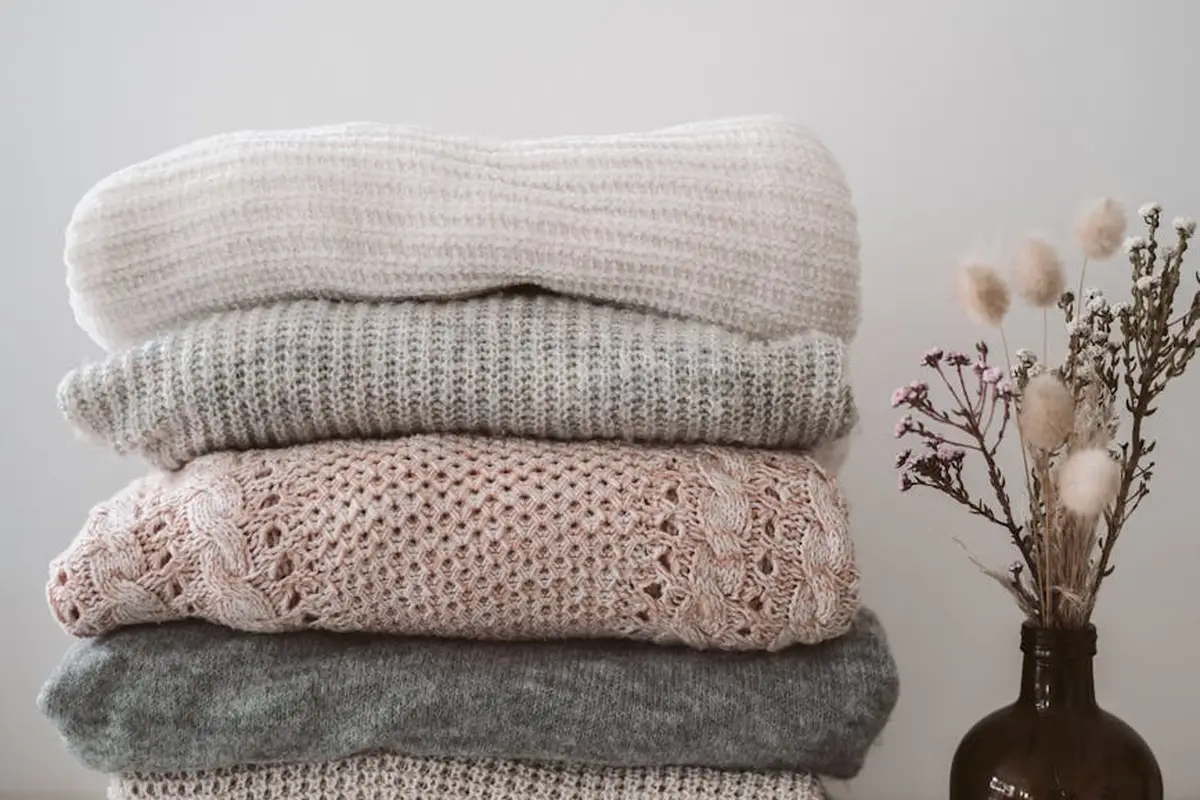
Pilling behaves differently depending on what your garment is made of. A one-size-fits-all approach can do more harm than good. Here is how to care for each fiber type to minimize those pesky bobbles.
Wool & Cashmere
With wool and cashmere, your main enemy is felting, not just pilling. Felting is when the scales on the wool fiber latch together permanently from heat and agitation, shrinking the fabric and trapping pills into a dense, matted mess.
Your primary goal is to prevent the fibers from moving against each other aggressively. This means cold water is non-negotiable, as warm water causes the scales to open up. Always use a detergent formulated for wool, which is neutral pH and free of harsh enzymes that damage protein fibers.
Hand-washing is safest. My pro-tip is to avoid any swishing or rubbing. Submerge the garment in cool water with detergent, let it soak for 15-20 minutes, then gently press the water through the fabric without wringing. Rinse by pressing in cool, clean water. Never lift a heavy, wet sweater by its shoulders-it will stretch.
Lay it flat on a clean towel to dry, reshaping it to its original dimensions. This prevents distortion and reduces stress on the yarns that leads to pilling.
Cotton & Fleece
High-quality, densely woven cotton pills very little because its fibers break off cleanly. You are more likely to see a general fuzz or lint on the surface, which is different from anchored pills. Fleece, however, is a pilling magnet by design.
Fleece is made by brushing polyester or cotton to create a soft, fuzzy nap. Those loose, brushed fibers are just waiting to tangle. Every wash cycle agitates this brushed surface, encouraging the loose fibers to roll up into pills.
To prevent this, always wash fleece items alone or with similar textures (never with denim or towels). Avoid fabric softener and dryer sheets entirely. They coat the fibers with a waxy residue, making them slip out of the yarn structure more easily and pill faster. A gentle, liquid detergent is best.
Polyester, Nylon & Synthetic Blends
These are the champion pillers in most modern wardrobes. The reason is strength. A cotton fiber may wear and break away, but a polyester fiber is incredibly resilient. When it does loosen, it doesn’t snap off. Instead, it holds on, tangling with its neighbors into a tight, stubborn pill that refuses to fall off.
Prevention is your only real defense against pilling on synthetics and blends. Heat is a major accelerator, as it can relax the fabric structure and make fibers more mobile. Always opt for cold wash cycles. Use the gentlest setting available to reduce mechanical abrasion.
How can you stop blended fabrics from pilling? Turn them inside out before washing. This protects the outer surface. Place them in a zippered mesh laundry bag for an extra layer of defense against the drum and other items. Most critically, never over-dry them. High heat from the dryer literally melts the tiny synthetic fibrils, setting pills in place. Remove items while slightly damp and air dry, especially for delicate materials like flannel that have been brushed or napped for extra warmth.
The Care Label Decoder: Your Washing and Drying Protocol
Does washing cause pilling? Absolutely. The washing machine is often the primary site of the friction that creates pills. Your care label holds the map to a gentler journey.
That symbol for “Gentle Cycle” is not a suggestion. It means the machine will use a slower drum speed and more water to cushion your clothes. This drastically reduces the harsh tumbling action that grinds fibers together. The “Hand Wash” symbol means just that-trust it.
Here is your precise anti-pilling laundry protocol:
- Sort with intent. Wash lint-shedders (like towels) separately from lint-grabbers (like fleece). Wash heavy items (jeans) separately from delicate ones (sweaters).
- Turn garments inside out. This simple act shields the visible face of the fabric.
- Use a mesh laundry bag for any item prone to pilling, especially blends and knits.
- Choose cold water. Cold water cleans effectively with modern detergents and minimizes fiber stress and dye bleed.
- Do not overcrowd the drum. Clothes need room to move freely. A crammed machine increases friction.
- Select a gentle, neutral pH liquid detergent. Avoid powders that may not fully dissolve and can act as abrasives.
Drying is where many people undo their careful washing. Air-drying flat is the gold standard for preventing pilling. It applies zero mechanical stress and no damaging heat. If you must use a dryer, choose the lowest heat setting or an “Air Fluff” cycle with no heat. Remove items the moment they are dry. That extra tumbling in a hot, empty drum is pure punishment for your fabrics and a guaranteed way to see more pills.
When Pilling Happens: Troubleshooting and Mindset
You pull a favorite sweater from the wash and see those tiny, tangled balls. Your first thought is often, “Is this ruined?” Let me be clear: in almost every case, the answer is no. Pilling is a surface event, not a structural failure of the fabric. Think of it like dust gathering on a shelf; it needs cleaning, but the shelf is still solid. Your sweater’s core integrity is almost certainly intact.
So when does pilling signal poor quality versus normal wear? It comes down to fiber length and twist. A low-quality sweater uses short, weak fibers spun loosely into yarn. These fibers break and tangle with minimal friction. A high-quality, cozy fabric-like a soft merino wool or a brushed cotton fleece-often uses finer, more delicate fibers on the surface to create that lovely hand-feel. These can pill too, but from gentle use, not from fragility. In cashmere grading, pilling factors are among the criteria used to judge quality, alongside fiber length and fineness. Pilling propensity thus becomes a practical gauge of how well a cashmere garment will wear over time. Judge quality by how the fabric feels and recovers after de-pilling, not by pilling alone. A cheap sweater will look thin and worn after pills are removed; a good one will regain its original appearance.
Many people ask about those rubbery “pilling guard” sheets you toss in the dryer. Do they work? They function primarily as anti-static agents. By reducing static cling, they minimize the abrasive friction between items, which can indirectly slow pilling. They won’t remove existing pills. I find wool dryer balls achieve a similar anti-static effect more naturally.
This is the mindset shift I encourage: see pilling as routine maintenance. We don’t throw away a car when the windshield gets dirty. We clean it. Regular, gentle care combined with occasional de-pilling will keep your favorite textiles looking their best for many seasons. Your cozy fleece or soft wool sweater is designed to be lived in, and a little upkeep is part of its long, comfortable life.
Long-Term Care for Pill-Resistant Fabrics
From my work with fibers, the single best step is to wash sweaters and fleece inside out in cold water, which drastically reduces surface friction on vulnerable yarns. For blended fabrics, a manual fabric comb used gently along the nap removes pills effectively without harming the fiber structure.
View each garment as a lesson in textile science, where knowing how cotton shrinks, wool felts, or polyester holds dye guides smarter washing and storage choices. This mindful practice not only honors the material but also reduces waste, aligning good care with environmental stewardship.
Related Guides and Information
- How to Remove Pilling from Fabric and Prevent it From Happening
- What Is Fabric Pilling & How to Prevent It | Whirlpool
- How to Prevent & Remove Fabric Pilling | Maytag
Florian Ventura
Florian is a high fashion blog writer, fashion and fabric expert and a keen expert in fabric, clothing and materials. She has worked in large textile and fashion houses for over 10+ years, engineering and working with various fabric types and blends. She is an expert when it comes to questions on any and all kinds of fabrics like linen, cotton, silk, jute and many more. She has also traveled around the world studying traditional fabrics and aims to bring them into the modern fashion use.