
How Do You Attach Rhinestones and Gems to Fabric Securely?
Worried your sparkling additions will fall off or damage the fabric? I have tested adhesives and methods on everything from delicate silk to sturdy denim to find reliable solutions.
This article will guide you through fabric compatibility checks, choosing between glue, heat, or sew-on methods, step-by-step application for a strong bond, and care instructions to keep your project looking new.
What Happens to Your Fabric When You Add Embellishments?
Attaching gems isn’t just about sticking them on. You are introducing heat, moisture, and chemicals to a delicate fiber structure. How that structure reacts determines your success or a ruined project.
Natural fibers like cotton and wool are hydrophilic. They love water and can swell when wet with glue, then shrink as they dry. If you don’t pre-shrink these fabrics, the first wash will tighten the weave and pop your stones right off. Silk is more delicate; many glues and high heat can stain or scorch its fine filaments.
Synthetics like polyester and nylon have a different worry: heat sensitivity. They don’t absorb moisture like cotton, but their man-made fibers can melt or glaze under a too-hot applicator tip. Spandex (Lycra) is the most vulnerable, as its elasticity comes from heat-sensitive polymers. For heat transfers on polyester and nylon fabrics, temperature and pressure must be carefully controlled to prevent damage.
Your first defense is fabric preparation. Always pre-wash and dry your fabric using the method you plan for the final garment. This removes sizing and allows shrinkage to happen upfront. Iron the fabric smooth. A flat, stable surface is key for a clean bond.
Fabric weight and weave are your guide for choosing gems. A fine, sheer chiffon or silk charmeuse lacks the backbone for a heavy, large rhinestone. The weight will distort the drape and can tear the weave. On these delicate fabrics, use tiny stones or consider a sew-on method for security. A dense, tightly woven fabric like denim or wool coating can handle larger, heavier embellishments without issue.
The Science of Stick: Choosing Your Adhesive and Method
Can you use fabric glue for rhinestones? Yes, but not all fabric glues are equal. A basic white craft glue will remain brittle and crack off. You need a flexible fabric glue or a specialized jewel adhesive designed to move with the cloth, especially when attaching fabric like nylon.
Can you hot glue rhinestones to fabric? I don’t recommend it for any garment you plan to wear or wash. Hot glue from a standard gun creates a thick, rigid bond that cracks and peels, unlike fabric glue which is designed for flexibility and durability. It’s a temporary fix for costumes, not a permanent solution.
For a lasting hold, you have three main options.
- Fabric Glue: A flexible, clear-drying adhesive you apply with a fine tip. Best for flat-back crystals and irregular gems. It’s permanent after a full cure but can be messy.
- Hot-Fix Adhesive: This uses rhinestones with a heat-activated glue backing. A special applicator tool melts the glue for a fast, strong, and precise bond. It’s the professional standard for consistency.
- Sewing: Physically stitching stones on with thread. This is the most secure and durable method, especially for heavy stones or items that will undergo heavy wear and frequent washing. It’s also the most time-consuming.
Gather the right tools. You’ll need precision tweezers, a well-lit workspace, and for hot-fix stones, the correct applicator wand. For sewing, a beading or sharp needle and strong thread like nylon or polyester are essential.
Always work in a well-ventilated area when using any adhesive, and be extra cautious with heat tools to prevent burns or fabric scorching. Place a heat-resistant pad under your work.
A Step-by-Step Guide to Three Attachment Methods
Method 1: How to Glue Crystals to Fabric
Use a flexible, washable fabric glue or a dedicated jewel glue. For natural fibers, a water-based glue is fine. For synthetics, check the label for compatibility, especially when you apply patches fabric glue.
- Place a small dot of glue on the fabric where the stone will sit, or directly on the stone’s flat back.
- Use tweezers to position the stone firmly. Press down for a few seconds.
- Allow the glue to dry completely according to the manufacturer’s time, often 24 hours for a full cure. Do not wash the item until the glue is fully set.
This method works for gluing beads to fabric as well, using the same careful adhesive selection.
Method 2: The Hot-Fix Applicator Process
This method requires hot-fix rhinestones and a wand tool. Temperature control is critical.
- Plug in your applicator and let it heat fully. For delicate synthetics (polyester, nylon) or silk, use a lower setting (around 250-300°F). For sturdy cottons and wools, you can use a higher setting (up to 350°F).
- Use the wax-tip pen or tweezers to pick up a stone and place it glue-side down on the fabric.
- Firmly press the hot applicator tip onto the stone. Hold for 8-12 seconds. Do not slide the tool.
- Lift the tool straight up. Allow the stone and glue to cool completely before touching or moving the fabric.
The glue should be clear and the stone should feel firmly attached. If it’s cloudy or the stone is loose, you needed more heat or more time.
Method 3: How to Sew Rhinestones onto Fabric
This is the most secure technique. Use a strong, thin thread like nylon beading thread or polyester upholstery thread. A beading needle is helpful for small stone holes.
- Thread your needle and knot the end. Bring the needle up from the back of the fabric through one of the stone’s setting holes.
- Pass the needle down through the opposite hole, or through an adjacent hole if there are more than two. Repeat this several times, creating a tight “X” or box pattern over the stone.
- To secure, take a final small stitch on the fabric’s backside. Make a knot close to the fabric, then pass the needle through the loop of the knot twice before pulling tight. Trim the thread.
This same basic stitching technique is exactly how you attach sequins to fabric, often overlapping them like fish scales for full coverage, rather than gluing sequins and beads to fabric.
Making It Last: The Care and Washing Protocol
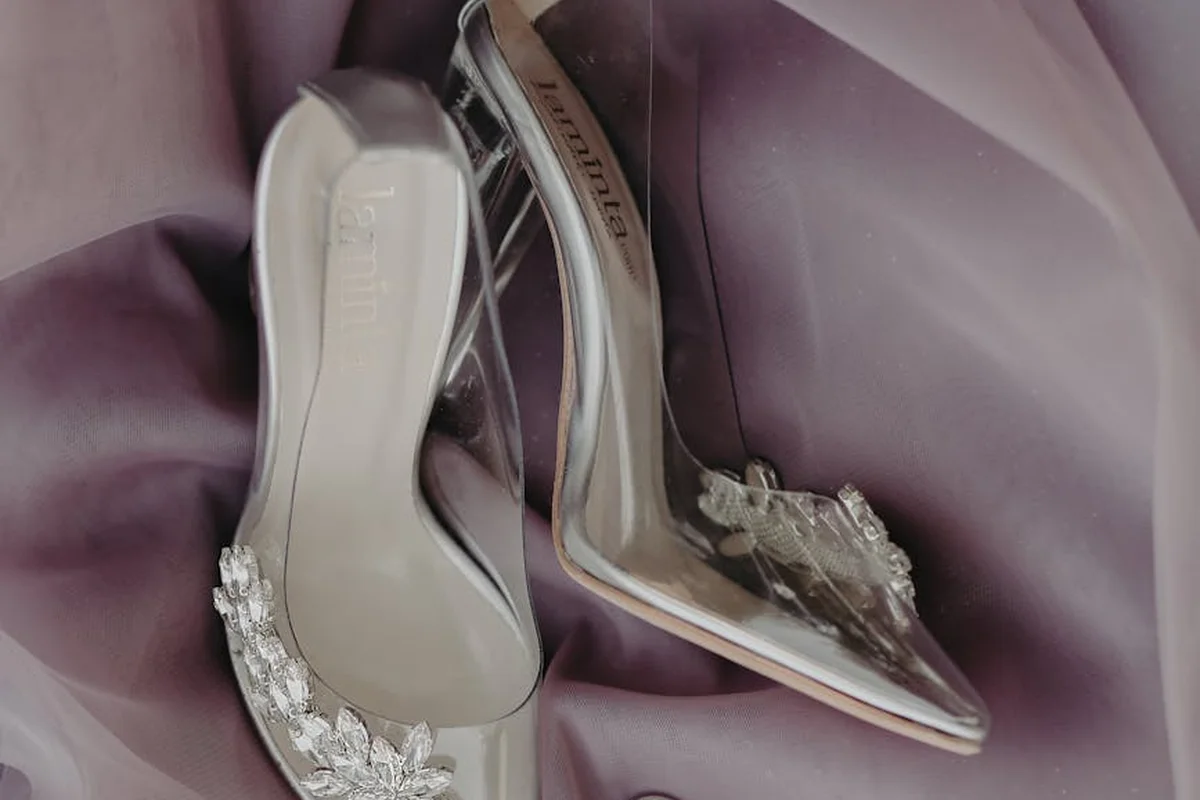
You’ve put in the work to attach those gems. Now, let’s keep them there. Treating these items like any other garment is the fastest way to lose stones and ruin fabric.
My protocol is non-negotiable for longevity. Always turn the garment inside out before any care, especially for delicate fabrics like rayon blends used in office attire. This creates a protective pocket for the embellishments against friction.
- Use a mild liquid detergent formulated for delicates. Avoid powders (they can cake), bleach, and stain removers, which can degrade adhesives and dye.
- Set your machine to a cold water wash and the gentlest cycle available (often called “hand wash” or “delicate”).
- Wash the item alone or with other delicate, non-abrasive items of similar color.
- After washing, never wring it out. Gently press the water from the fabric, supporting the embellished area.
- Lay the garment flat on a clean towel to air dry, reshaping it as needed.
Heat and mechanical agitation are the twin enemies of any fabric embellishment. Inside a dryer, the tumbling action beats stones against the drum and each other, popping them loose. The heat softens thermoplastic adhesives and glues, turning a firm bond into a gooey, weak one. For synthetic fabrics like polyester or nylon, high heat from an iron or dryer can also melt or distort the actual fibers around a stone, leaving a permanent shiny scar.
When should you skip the home wash? I recommend professional dry cleaning for items with a structured base (like a suit jacket), luxury fabrics (silk, fine wool), or exceptionally dense, heavy stonework. A good cleaner will protect the embellishments during their solvent process. Always point out the beaded areas and discuss your concerns with them first.
Textile Expert’s Note: Handling Pro-Tip
Storage is half the battle. Never hang a heavily embellished garment on a thin wire hanger; the weight can distort the shoulders and the stones can snag other clothes. Fold it carefully with the decorated side out, and place tissue paper between folds. Store it in a cotton bag or a dedicated drawer space.
Before you commit glue or thread to your main fabric, you must test a hidden spot first. I use the inside of a seam or hem. Apply a dab of your chosen adhesive and place a spare stone or two. Let it cure fully, then perform your own “stress test”: try to pick at it with your fingernail and run it through your gentle wash cycle. This tells you everything about the bond’s strength and the fabric’s colorfastness to moisture and chemicals. This is especially important when using fabric glue, as not all adhesives hold up well in water.
Troubleshooting: Fixing Mistakes and Weak Bonds
Mistakes happen. A stone is crooked, or one comes loose after a wash. Here’s how to fix it without damaging your fabric.
To remove a rhinestone, you must first identify the adhesive. For most craft glues and hot-fix adhesive, gentle heat is your best tool. Turn the fabric inside out and place the flawed area face-down on a towel. Using a household iron on a low, synthetic-friendly setting (or a hair dryer), apply heat to the back of the fabric for 10-15 seconds. This should soften the adhesive enough for you to carefully pry the stone off from the front with a thin tool, like a craft knife blade. Always test this heat on a fabric scrap first, especially with polyester, which can melt instantly.
For solvent-based adhesives or residues, you need a solvent. Rubbing alcohol (isopropyl) is a good start for many synthetics. For a more stubborn bond on natural fibers, a non-oily nail polish remover (acetone) can work, but this is risky. You must test any solvent on a hidden seam first to check for dye bleeding or fabric damage, especially when trying to remove glue or adhesives from fabric. Apply a small amount with a cotton swab, wait a minute, then blot. If the color transfers to the swab, stop.
To reapply a stone, you must have a clean surface. Any old adhesive residue will prevent a new, strong bond. Gently scrape or pick away residue after softening it with heat or a tiny amount of solvent. Once the spot is clean and dry, apply a tiny, precise drop of fresh adhesive and reset the stone. Use a toothpick for control.
Specific fabric issues need a gentle touch. Adhesive residue on wool can sometimes be gently rolled away with your fingers once it’s fully dried and brittle. If a hot applicator touched polyester directly, the melted spot is permanent. Your only fix is to cover it with a new stone or accept the flaw. The lesson is always to work from the fabric’s back when using heat, especially when using a hot glue gun on sensitive fabrics.
Your Decorated Fabric’s Long-Term Care
The most reliable way to keep gems secure is to match your adhesive to your fabric’s fiber. For a permanent bond on synthetic fabrics like polyester or nylon, a hot-fix applicator provides the most wash-resistant hold, while fabric glue offers more flexibility for natural fibers like cotton or silk that you’ll hand-wash. Always test your chosen method on a hidden seam allowance first to check for fabric distortion or adhesive bleed-through.
Learning how your fabric behaves with heat, moisture, and chemicals is the key to responsible making. Before decorating a cherished garment, practice on a spare scrap of the same material to see how it handles the process and plan for its future care, whether that’s a gentle hand-wash or a spot clean.
Relevant Resources for Further Exploration
- How to Attach Rhinestones – Best Glue for Rhinestones | TREASURIE
- Introduction to Rhinestone Mounting Techniques
- Ultimate Guide: How to attach rhinestones to clothing fabric
- Can You Glue Rhinestones to Fabric? A Brief Guide to Applying Rhinestones-SUNMEI BUTTON
- How do you apply rhinestones to fabric? – Rhinestones Unlimited
- How To Fix Rhinestones On Clothes – Sew & No Sew Methods – SewGuide
Written by Florian Ventura. Florian is a high fashion blog writer, fashion and fabric expert and a keen expert in fabric, clothing and materials. She has worked in large textile and fashion houses for over 10+ years, engineering and working with various fabric types and blends. She is an expert when it comes to questions on any and all kinds of fabrics like linen, cotton, silk, jute and many more. She has also traveled around the world studying traditional fabrics and aims to bring them into the modern fashion use.