
Should You Pre-Wash Fabric Before Sewing to Prevent Shrinkage?
That beautiful new fabric feels perfect now, but will it stay that way after its first wash? As a textile scientist, I’ve tested hundreds of swatches to give you a clear, practical answer.
We will cover how fiber science dictates shrinkage, my tested method for pre-washing cottons and linens, and the specific fabrics where you can safely skip this step.
Executive Summary: Your Pre-Wash Cheat Sheet
Let’s settle this. Pre-washing is not a suggestion. It is insurance for your sewing project.
Think of it like seasoning a cast-iron pan before you cook. You’re preparing the material for its final, useful life. You wouldn’t skip that step for a good skillet. Don’t skip it for your fabric.
This single step serves two critical jobs. First, it triggers and removes the majority of shrinkage before you cut a single pattern piece. Second, it tests for color bleeding, so your beautiful red cotton doesn’t turn your white seams pink in the first wash.
You must pre-wash these fabrics every single time.
- Cotton (especially quilting cotton, denim, flannel)
- Linen and Hemp
- Wool (unless it’s a felted, non-woven material)
- Rayon, Viscose, Tencel, Modal, and other cellulosic fibers
You can usually skip pre-washing for these.
- 100% Polyester, Nylon, Acrylic (they are heat-set and very stable)
- Stable, non-woven interfacings and craft felt
- Fabrics you know will only ever be dry-cleaned, like a silk dupioni for a formal jacket
Fabric Shrinkage & Care Data: A Quick-Reference Table
Use this guide to predict how your fabric will behave. I’ve compiled this from years of lab wash tests and hands-on sewing.
Cotton
- Typical Shrinkage Rate: 3-5% on the first wash. Woven fabrics shrink in length; knits shrink in width.
- Breathability: High. It’s the classic summer fiber.
- Heat Tolerance: Iron on a Cotton/Linen setting (high heat, around 400°F/204°C). Use steam liberally.
- Stretch Factor: None in wovens. Medium to High in knits (jersey, rib).
- Pre-Wash Priority: High. Wash and dry it exactly how you plan to care for the final garment.
Linen
- Typical Shrinkage Rate: 4-6% first wash. It can continue to relax and shrink slightly over several washes.
- Breathability: Very High. The most breathable common fabric.
- Heat Tolerance: Iron on a Cotton/Linen setting while slightly damp for best results.
- Stretch Factor: None in wovens. It wrinkles, it doesn’t stretch.
- Pre-Wash Priority: High. Expect a crisper hand to soften beautifully after washing.
Wool
- Typical Shrinkage Rate: 5-8% if agitated in warm water (felting shrinkage, which is permanent). Minimal if handled gently.
- Breathability: High. It regulates temperature wonderfully.
- Heat Tolerance: Low. Use a wool setting or steam iron; never apply a hot iron directly.
- Stretch Factor: Low to Medium. It has memory and springiness (loft).
- Pre-Wash Priority: High, but method is key. Hand-wash in cool water with wool soap, lay flat to dry. This pre-shrinks safely without felting.
Silk
- Typical Shrinkage Rate: 2-4%. It’s a protein fiber like wool, but more delicate.
- Breathability: High. It feels luxurious because it is.
- Heat Tolerance: Medium. Use a silk/low setting. Test on a scrap first, as high heat can scorch.
- Stretch Factor: None in most wovens (charmeuse, habotai). Low in knit silks.
- Pre-Wash Priority: Medium to High. For garments you’ll wash, pre-wash gently. For dry-clean-only items, you may skip, but test for colorfastness with a damp cloth.
Polyester
- Typical Shrinkage Rate: Less than 1%. It is heat-set during manufacturing.
- Breathability: Low. It traps heat and moisture.
- Heat Tolerance: High. Use a synthetic setting (low to medium heat, around 300°F/149°C). Too hot can melt or glaze the fiber.
- Stretch Factor: None in wovens. Can be engineered to have High stretch in knits.
- Pre-Wash Priority: Low. Pre-wash mainly to remove manufacturing finishes or test for dye bleeding in dark colors.
Nylon
- Typical Shrinkage Rate: Less than 1%. Very stable like polyester.
- Breathability: Low.
- Heat Tolerance: Low to Medium. Use a very cool iron. It melts at a lower temperature than polyester.
- Stretch Factor: Often High, especially in knit forms (activewear, hosiery).
- Pre-Wash Priority: Low. The same rules as polyester apply here.
Rayon / Viscose
- Typical Shrinkage Rate: 5-8% or more. This is the biggest shrinker of the bunch. It weakens when wet.
- Breathability: High. It’s made from plants, so it behaves like cotton.
- Heat Tolerance: Medium. Use a synthetic/rayon setting. Never wring it out when wet.
- Stretch Factor: None in wovens.
- Pre-Wash Priority: Very High. Always pre-wash rayon. Handle it gently in the wash, and air dry or tumble dry on low.
For fabric blends, the fibers negotiate. A 50/50 cotton-polyester will have moderate shrinkage (around 2-3%), borrowing a little unpredictability from the cotton and a lot of stability from the polyester. When in doubt, pre-wash the blend. You’re buying predictability for the cost of one laundry cycle.
Why Fabric Shrinks: The Textile Science Simplified
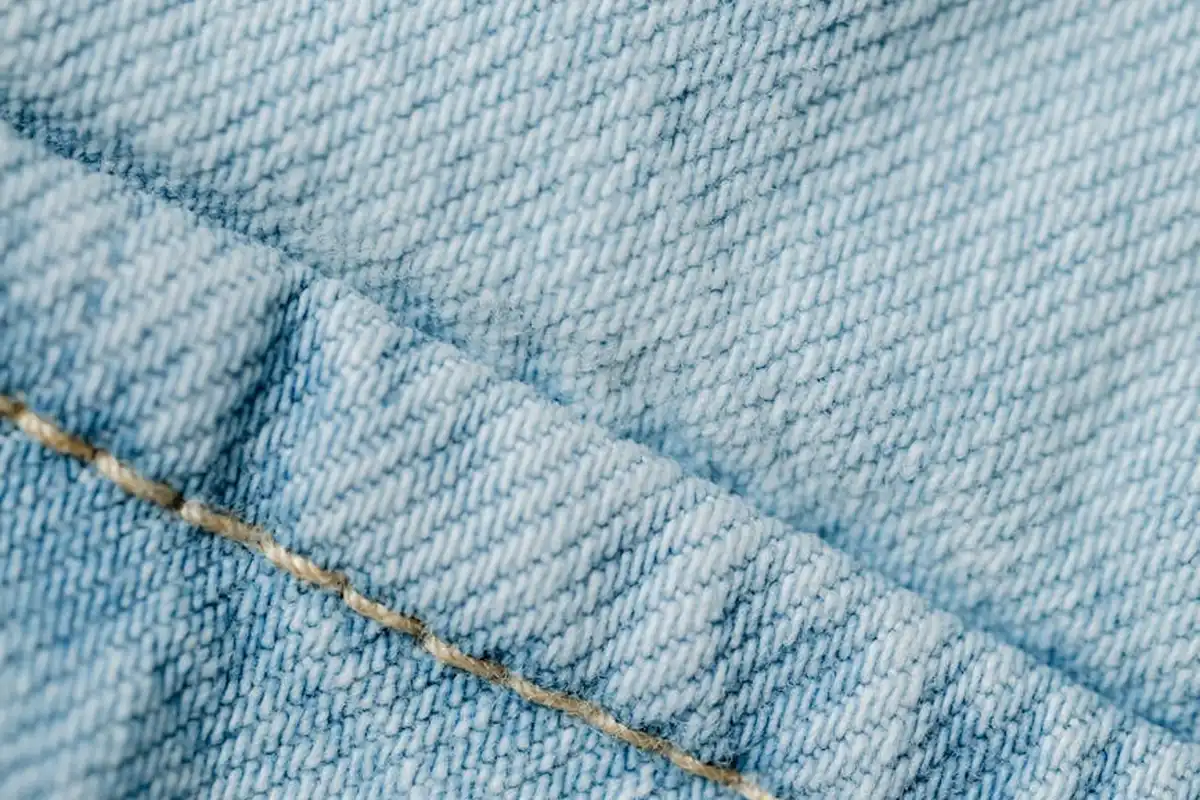
Think of fabric as a living, breathing material, not a static sheet. It reacts to water and heat. Shrinkage happens for two main reasons: relaxation and felting.
Relaxation shrinkage is most common in woven cottons and linens. Imagine stretching a spring and holding it tight. That’s what happens during weaving and finishing; the fibers are under constant tension. When you wash the fabric, the water relaxes the fibers, letting that spring coil back to its natural, shorter state. This “spring back” is why a crisp new cotton often shrinks noticeably on its first wash.
Wool shrinks through felting, a different and permanent process. Animal fibers like wool have microscopic scales. Heat, moisture, and agitation make these scales latch together like Velcro, tangling the fibers into a dense, shrunken mat. This is irreversible, unlike woven fabrics created from wool.
Synthetic fibers like polyester and nylon are heat-set during production, making them very stable. They rarely shrink from washing. But in a blend, like a 60% cotton and 40% polyester shirt, the cotton portion will still relax and shrink, pulling the stable polyester with it.
How Does Pre-Washing Actually Prevent Shrinkage?
Pre-washing doesn’t make fabric immune to shrinking. It makes the shrinkage happen *before* you cut and sew. You are triggering that “spring back” or potential felting event on the flat yardage.
Consider it like getting a haircut a week before a big event, not the morning of. You give the hair (or fabric) time to settle into its final form. If you skip this, you risk sewing a perfect garment that becomes too small or misshapen after its first clean.
Beyond shrinkage, pre-washing removes factory finishes like starch or sizing, which can make fabric feel stiff and affect how it absorbs dye or presses with an iron. You get to work with the fabric’s true character.
The Universal Pre-Wash Rule: Always, Sometimes, or Never?
So, do you have to wash cotton fabric before sewing every single time? The short answer is no, pre-washing is not a universal law, but it is a critical strategy. Here is your decision tree.
Always Pre-Wash. This rule is for high-shrinkage natural fibers. I pre-wash 100% cotton, linen, and rayon (viscose) every time. Linen can shrink noticeably in the first wash, which is a common concern for shrink linen fabric clothing. That’s why I treat linen with the same pre-wash caution as the other fibers. Rayon can shrink dramatically, up to 10% or more. For wool, you must pre-shrink it, but method matters. For garment sewing, I often use the steam method: hover a hot iron over the wool and blast it with steam until damp, then air dry. This relaxes fibers without the agitation that causes felting.
It Depends (The Blend Rule). For fabric blends, let the natural fiber content guide you. A 50/50 cotton-polyester blend will shrink, but less than pure cotton. I always pre-wash it. An 80/20 polyester-cotton blend might shrink very little. I might skip it for a project like a tote bag, but always pre-wash for clothing. When in doubt, pre-wash. In a blend, the natural fiber calls the shots on shrinkage behavior.
Usually Skip. You can typically skip pre-washing 100% stable synthetics like polyester or nylon for sewing. Also skip fabrics that water would ruin: oilcloth, vinyl, pleather, or fabrics with delicate glued-on trims like some sequins or laces. For these, spot cleaning is the only safe care method later, so pre-washing defeats the purpose.
Fabric-by-Fabric Pre-Wash Guide: From Cotton to Polyester
Not all fabrics shrink the same way. Think of a sponge versus a spring. A sponge, like cotton, compresses and stays smaller. A spring, like wool, can bounce back if treated right. Your pre-wash method must match the fiber.
Cotton and Linen: The Pre-Wash Essentials
Do you need to wash linen before sewing? Absolutely. The same goes for cotton. I treat pre-washing these plant-based fibers as a non-negotiable step for any garment meant to be laundered.
They shrink primarily in the first wash, and it can be significant-anywhere from 3% to 10% in length. If you skip this, your perfectly fitted shirt will become a crop top.
Wash cotton or linen on a warm setting and tumble dry on low or medium heat. This mimics the most aggressive care it will likely get, so any future shrinkage is minimal. A happy side effect? The process softens the fabric’s hand, giving you a better, more fluid drape when you sew.
Wool: Handling a Delicate Protein Fiber
Wool requires a gentle touch. Its scales can lock together with agitation and heat, causing irreversible felting (shrinkage that doesn’t bounce back). Your goal is to relax the fibers without matting them.
I always hand wash in cold water or use a dedicated machine wool cycle. Use a no-rinse wool wash detergent; it cleans without harsh sulfates that strip lanolin. Never wring it out. Instead, press water out gently between towels.
Lay the wool fabric flat on a drying rack, reshaping it to its original dimensions as it dries. This respectful care honors the animal’s fiber and extends your garment’s life for years.
Silk: Managing Luxurious Shrinkage
Silk can be unpredictable. Some silks, like habotai, can shrink 5-8%. Others, especially heavier dupionis, are often more stable. I always test a corner first.
Snip a small swatch, mark a 4-inch square, then hand wash it in cool water with a mild detergent. Measure after it dries flat. If it shrinks, pre-wash your whole yardage the same way. Handle the wet silk delicately-never wring or twist.
Pre-washing silk before you dye it is critical, as it removes manufacturing sericin and finishes that block dye molecules. You get far more vibrant, even color on a pre-washed silk.
Polyester, Nylon, and Synthetics: When You Can Breathe Easy
Pure polyester or nylon fibers barely shrink in a normal wash. The polymer chains are stable. Heat is the real culprit here. A high-heat dryer can cause thermal contraction.
You can often skip a full pre-wash. I do a quick warm machine cycle anyway if the fabric feels stiff with chemical finishes, or to check for any color bleed from prints.
If you plan to dye polyester or nylon, pre-washing is mandatory to remove invisible spinning oils that repel dye. For regular sewing, a press with a steamy iron usually suffices to remove creases.
Blends (Cotton-Polyester, Wool-Acrylic): The Hybrid Equation
Blends shrink according to the weakest link-the natural fiber. A 65% cotton, 35% polyester blend will still shrink, but the polyester threads will restrain the cotton, reducing total shrinkage. In polyester-cotton-spandex blends, the spandex adds stretch and can limit shrinkage, improving shape retention. This makes care and washing practices important to maintain fit.
Treat the blend as you would the dominant natural fiber. For a cotton-polyester shirt fabric, pre-wash and dry it as you would for cotton. For a wool-acrylic blend coating, use the gentle cold wash method for wool.
Always pre-wash garment fabric blends. The natural component’s shrinkage can still cause puckering at seams and a misshapen fit, even if the change seems small.
How to Pre-Wash Fabric Correctly: A Step-by-Step Protocol
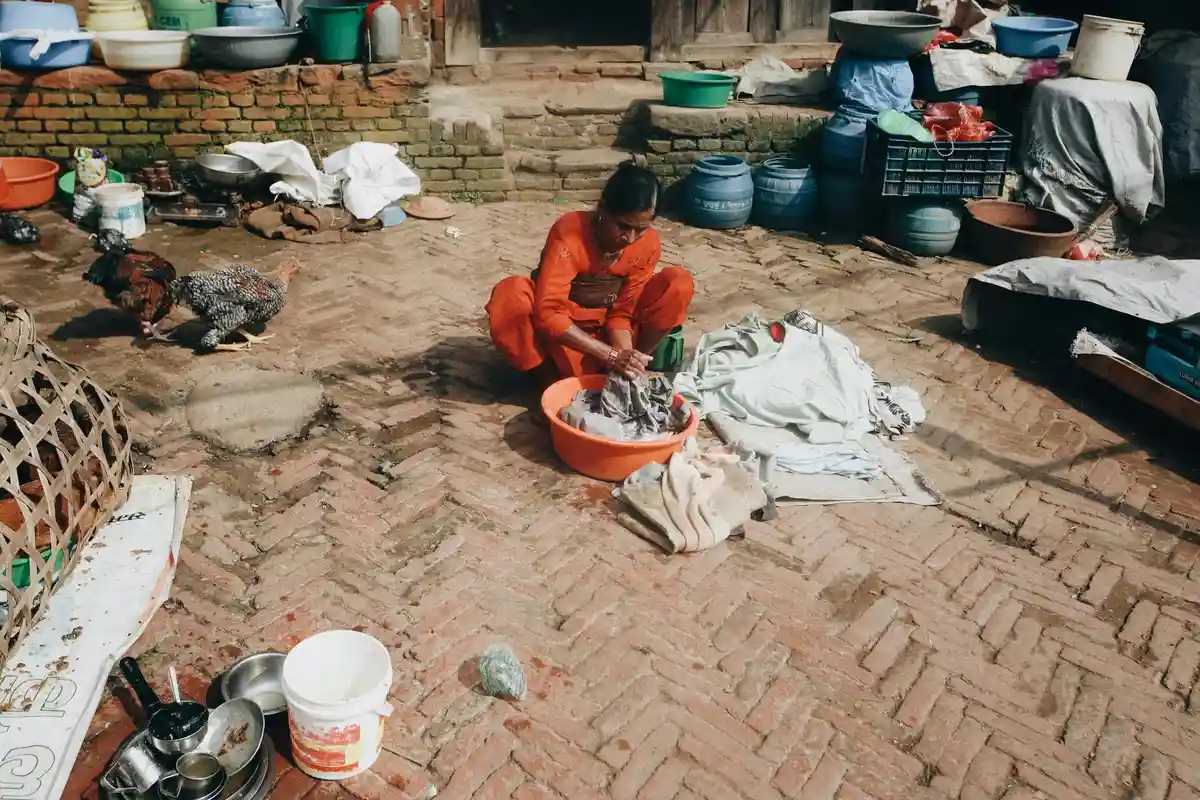
This is my lab-tested method. It removes variables and gives you predictable fabric to work with every time.
Step 1: Test for Colorfastness
This two-minute test saves hours of heartache. Cut a small swatch from a corner. Submerge it in a cup of hot water for a minute.
Press it firmly onto a white paper towel. Look for any color transfer. Reds, navies, and blacks are common bleeders.
If the dye bleeds, you must wash the yardage alone in cold water with a color-catching sheet, or use a commercial dye fixative before the first wash.
Step 2: Prepare the Fabric Yardage
Your fabric’s raw edges will fray. A lot. To prevent a tangled mess, finish the edges first.
Run a serger along the cut edges. If you don’t have one, a tight zig-zag stitch on your sewing machine works. Fold the fabric loosely before putting it in the machine. Don’t roll it into a tight ball.
Step 3: Choose Your Wash Settings
My general rule is simple. Match water temperature to fiber content.
- Warm water for: Cotton, linen, stable blends.
- Cold water for: Wool, silk, rayon, dark colors, any fabric that bled in your test.
Use a gentle or permanent press cycle. For detergent, choose a mild, liquid formula with a neutral pH. Avoid optical brighteners on natural fibers, especially if you plan to dye later, as they can affect color.
Step 4: Dry and Finish
How you dry sets the fabric’s final state.
- Tumble dry low/medium: For cotton, linen, and their blends (if you plan to machine dry the garment).
- Air dry flat: For wool, silk, and delicate fibers. Reshape while damp.
- Line dry: A good middle ground for many fabrics to avoid heat stress.
Once dry, press everything. Iron the fabric while it’s slightly damp on the appropriate heat setting. This removes wrinkles and gives you a perfectly smooth surface for accurate cutting. This final prep step is also the answer to a common dyeing question: do you wash fabric after dyeing? You always pre-wash *before* dyeing to prepare the fiber. After dyeing, you give the item a final cool wash to set the color and remove excess dye, following the same careful principles.
Oops, I Didn’t Pre-Wash: Salvaging Your Sewing Project
First, take a deep breath. I have been there, staring at a freshly sewn piece that just came out of the dryer, feeling that sinking heart. It happens to everyone. The key now is not panic, but a calm assessment.
So, how does pre-washing actually work to prevent this? Pre-washing forces the fabric to shrink and release excess dye *before* you cut and sew, so your final garment’s size and color are stable from the first wear. When you skip this step, the fabric will still try to shrink and bleed, but now it’s fighting against your seams and the garment’s finished shape. This creates distortion, puckering, or that disappointing “it used to fit” feeling.
If the Finished Garment Shrank
Your first move is to identify the fiber. The recovery plan depends entirely on what the fabric is made from.
For cotton, linen, or rayon, the major shrinkage event has likely already happened. These plant-based fibers shrink primarily from the initial relaxation of tension from weaving and washing. You cannot un-shrink these fibers back to their original size, but you can often gently coax them to relax a bit more. Try soaking the garment in lukewarm water with a bit of hair conditioner, then laying it flat on a towel. While it’s damp, gently and evenly stretch it back toward its original dimensions. This works best for minor shrinkage.
For wool that has felted, the game has changed completely. Felting is irreversible. The fibers have permanently locked together, making the fabric thicker, smaller, and less flexible. Do not try to stretch felted wool; you will only tear it. You cannot restore felted wool. I see this as a chance to repurpose. That felted wool makes fantastic coasters, mittens, or patches for other projects.
For synthetic blends like polyester-cotton, you have a better chance. Synthetics resist shrinkage, so any change is mostly from the natural fibers in the blend. Use the damp stretching method, applying steady pressure. A garment steamer can also help relax the fibers without getting them soaking wet.
If the Colors Bleed After Sewing
Time is critical. Act immediately to prevent the migrated dye from setting permanently into lighter sections of your project.
Fill a sink or basin with *cold* water. Add a gentle detergent and a color-trapping sheet, like a Shout Color Catcher. These sheets work by grabbing loose dye molecules in the water. Submerge the garment and let it soak for 30 minutes to an hour, gently agitating it now and then. An immediate cold wash with a color-trapping product is your best defense to lift fugitive dye before it becomes a stain.
If the dye has already set, your options narrow. Home remedies like vinegar soaks work for some acid dyes on wool or silk, but can be unpredictable on blends. For a valuable piece, consult a professional cleaner experienced with textile restoration. They may use a controlled dye-stripping process. I must warn you, this is a last resort. Stripping dye can damage fiber strength and will almost certainly alter the fabric’s hand, making it feel harsher.
The “Fake” Pre-Wash for Delicate Items
Sometimes you simply cannot pre-wash-think of a beaded chiffon or a fabric with delicate glued-on sequins. For these, we use risk management.
Start with a thorough steam. Hang the fabric and use a powerful steam iron or a garment steamer, passing the steam over the entire surface until it is lightly damp. The heat and moisture help relax the fibers, mimicking a small part of the relaxation that happens in a wash. Steam ironing delicate fabrics before cutting is a form of risk management; it relaxes fibers minimally but cannot prevent shrinkage from a full wash later.
Next, spot clean. Mix a drop of mild detergent in cool water. Using a clean white cloth, dab a small, hidden area to test for colorfastness. If it’s stable, you can carefully spot clean any visible soils on the fabric yardage. Always air dry flat. This process doesn’t prevent shrinkage, but it reduces the need for a vigorous wash later, protecting those delicate trims.
Fabric Science Insights for Pre-Washing
Always pre-wash cotton and wool to manage their natural shrinkage, and test polyester or nylon blends for stability. This habit preserves the fit and finish of your handmade garments from the first laundry cycle.
I encourage you to choose gentle, plant-based detergents and cold water washes to care for all textiles responsibly, with extra consideration for animal fibers. Keep building your knowledge of fiber properties and care-it empowers you to create durable, beautiful work while respecting materials and the environment.
Sources and Additional Information
- Pre Washing, How to Prewash Fabric Before Sewing | TREASURIE
- The Ultimate Guide to Pre-washing Fabric | Kokka Fabrics
- Tips on how and why to pre wash fabric
Florian is a high fashion blog writer, fashion and fabric expert and a keen expert in fabric, clothing and materials. She has worked in large textile and fashion houses for over 10+ years, engineering and working with various fabric types and blends. She is an expert when it comes to questions on any and all kinds of fabrics like linen, cotton, silk, jute and many more. She has also traveled around the world studying traditional fabrics and aims to bring them into the modern fashion use.