
Intentional Felting vs. Accidental Shrinking: How Can Crafters Master Wool?
That sickening feeling when a favorite wool piece shrinks in the wash is a common fear. I am here to show you that wool’s behavior is not a mystery to dread, but a property you can learn to command.
This guide will walk you through the fiber science behind why wool shrinks and felts, the controlled steps for successful intentional felting, and the precise care methods to prevent accidental felting forever.
Executive Summary: The Wool Felting & Shrinkage Cheat Sheet
Felting is the intentional, permanent matting of wool fibers to create a dense, non-woven fabric. Shrinking is the unwanted reduction in a knitted or woven wool garment’s dimensions.
Both processes are triggered by the same four factors: heat, moisture, mechanical agitation, and sudden changes in temperature. The key difference lies in control: you aggressively apply these variables for crafting, but carefully prevent them for garment care.
This table shows the direct comparison:
| Aspect | Intentional Felting (Crafting) | Accidental Shrinking (Mishap) |
|---|---|---|
| Intent | To transform loose fibers or knit fabric into a solid, matted material. | To clean a garment while preserving its original size, drape, and stitch definition. |
| Process | Apply high heat (hot water), ample moisture (soapy water), and intense, direct agitation (rubbing, rolling). | Exposure to even mild heat (warm water), moisture, and indirect agitation (machine tumbling) triggers the reaction unintentionally. |
| Outcome | A thickened, stiffened, and shrunken fabric where individual stitches are no longer visible. The change is desired and irreversible. | A smaller, often thicker, and distorted garment. The stitch structure is compromised, and the change is almost always irreversible. |
The Textile Science: Why Wool Binds and Shrinks
To master wool, you need to picture a single fiber. Imagine a pine cone. The sturdy core is the cortex, giving wool its strength and elasticity. Wrapped around it is the cuticle, a layer of microscopic, overlapping scales that point outward, like shingles on a roof or fish scales.
These scales are wool’s superpower and its vulnerability. When you add warm water and a bit of soap, the scales soften and open. Agitation-whether from your hands, a washing machine, or even just sloshing in a sink-pushes the fibers against each other. The open scales catch and lock, like countless tiny Velcro hooks. This directional locking is felting, and as the fibers migrate and bind, the entire fabric area contracts, which we see as shrinkage.
Cotton shrinks for a different reason. Its smooth fibers swell with water and then relax, causing the yarns to tighten and the fabric to compact. Wool’s process is mechanical, not just absorptive. This is why cotton cannot felt into a solid mat, while wool can.
Not all wools behave the same. Fine, soft wools like Merino have many small, subtle scales, making them incredibly soft but also quick to felt. Coarser wools have larger, more pronounced scales but are often spun more tightly, which can slow initial felting. A loosely spun or knitted fabric will felt much faster than a tight, crisp weave because the fibers have more room to move and entangle.
Handling Pro-Tip: Before washing a whole garment, test a hidden scrap or swatch. Snip a small piece from a seam allowance. Submerge it in warm, soapy water and gently rub it between your fingers for a minute. Rinse and let it dry. If the fibers have started to bind and the fabric has stiffened, your garment is highly prone to felting and requires cold-water, hand-washing with zero agitation—unlike some fabrics that show least shrinkage when washed.
Mastering Intentional Felting: A Crafter’s Guide
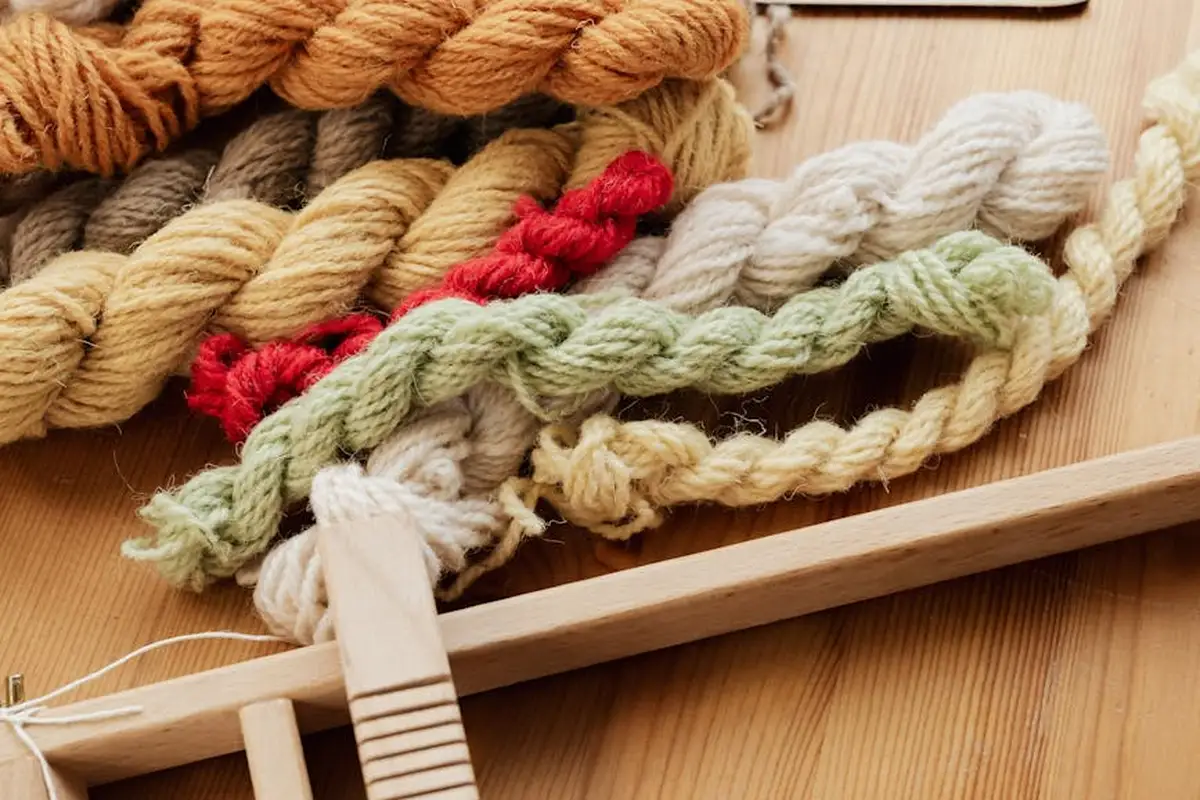
Intentional felting is the controlled, artistic version of what happens accidentally in a hot wash. You are guiding the wool fibers to permanently tangle and lock together into a dense, non-woven fabric. It starts with understanding your two main tools: water and friction, or a barbed needle.
The Two Core Methods
Wet felting uses warm, soapy water to relax the wool’s scales and manual friction to tangle them. Think of it as giving thousands of tiny fibers a warm bath and then encouraging them to hug each other tightly and never let go. The result is a supple, solid piece of fabric.
Needle felting uses special barbed needles to physically push and hook fibers together. You stab loose wool (roving) repeatedly to sculpt shapes or attach details. It’s a dry process, perfect for 3D objects like ornaments or adding precise designs to a wet-felted background.
Your Wet Felting Starter Kit: Supplies
- Wool Roving or Batt: This is your raw material. Merino is soft for wearables, while coarser wools like Corriedale felt faster and are great for bags.
- Soap: A liquid olive oil soap or a pH-neutral detergent. The soap reduces surface tension, helping water penetrate, but isn’t harsh.
- Work Surface: A sheet of bubble wrap (bubble side up) provides texture and helps with rolling friction.
- Netting or Tulle: A piece to lay over your wool. It lets you apply pressure without pulling the delicate fibers apart.
- Rolling Tool: A bamboo blind, pool noodle, or PVC pipe. This is your main friction engine.
Basic Wet Felting: A Step-by-Step Walkthrough
Let’s make a simple flat piece. I lay out my supplies like a surgeon before starting-it makes the process smooth.
- Layer Your Wool: Pull thin wisps of roving and lay them in a cross-hatch pattern (one layer horizontal, the next vertical). This builds strength.
- Add Warm, Soapy Water: I use water just warmer than my skin. Sprinkle it evenly over the wool and gently press to saturate. You’ll see the fibers start to cling.
- Cover and Rub: Place your netting over the wool. With flat hands, rub in small circles to begin the felting process. You’ll feel the fibers start to grab.
- The Roll: Roll the bubble wrap, wool, and netting tightly around your rolling tool. Roll it back and forth 100 times. Unroll, turn the piece 90 degrees, and roll 100 more times. This even, multi-directional friction is the key.
- Test and Full: Gently pinch the surface. If fibers don’t pull up, it’s “pre-felted.” Now you can agitate it more vigorously in your hands (this is called “fulling”) to shrink and harden it to your desired thickness.
- Rinse and Dry: Rinse in cool water to remove soap, press out moisture in a towel, and dry flat.
This process is a dance between your hands and the material-you learn to feel when the fibers have locked for good.
Dyeing Wool for Felting
You always dye the loose wool before you felt it. Wool is a protein fiber, so you use acid dyes, which require heat, an acidic environment (vinegar or citric acid), and simmering water to bond permanently. The vibrant dyed roving is then laid out and felted as described. Different fibers dye differently—cotton fabrics take fiber-reactive dyes, wool uses acid dyes, and synthetics often need disperse dyes. Trying to dye a finished felted piece will result in uneven, splotchy color.
Feeling the Science
The best felters work with both intuition and knowledge. Your hands tell you when the fibers are tangled enough. But knowing why it works-the scales on the fiber swelling with heat and locking with friction-lets you troubleshoot. Is your piece not firming up? You might need hotter water or more vigorous rolling. Is it felting too quickly and unevenly? Your water might be too hot.
I never use a washing machine for intentional felting projects. The violent, uncontrolled agitation is perfect for turning a sweater into a doll’s coat, but it will utterly destroy the nuanced control you need for crafting. Felting is a hand-made art.
The Care Protocol: How to Wash Wool Without Shrinking It
Caring for wool is the reverse engineering of felting. Your goal is to clean the fibers while keeping their scales smooth and preventing them from interlocking. The enemy is the combination of heat, agitation, and sudden temperature change, which can damage even boiled wool.
The Safe Hand-Wash Method
This is my non-negotiable standard for beloved sweaters, scarves, and any delicate woolens.
- Fill a clean basin or sink with cold or lukewarm water-never hot.
- Add a capful of detergent made for wool or fine washables. These are pH-balanced and lack harsh enzymes.
- Submerge the garment. Gently press it to saturate. Let it soak for 10-15 minutes. Do not agitate, twist, or scrub.
- Drain the soapy water. Refill with clean water of the same temperature to rinse. Press gently to release soap.
- To remove water, lift the garment, support its weight, and press it against the side of the basin. Never wring. Roll it in a clean, absorbent towel to blot more moisture.
- Lay the garment flat on a drying rack, reshaping it to its original dimensions. Let it air dry.
Flat drying is essential-the weight of water can stretch wet wool irreparably.
The Only Safe Machine Method
If you must use a machine, the rules are strict. First, check your garment’s care label. If it says “hand wash only,” listen to it.
- Use the wool, handwash, or delicate cycle.
- Set the temperature to cold.
- Set the spin cycle to the lowest possible speed or, ideally, no spin.
- Place the wool item inside a zipped mesh laundry bag for extra protection.
- Use wool-specific detergent.
Even with these settings, machine washing is always a higher risk than hand washing.
Why Accidents Happen: Heat Shock & Agitation
Accidental felting in the wash isn’t usually caused by water temperature alone. The disaster often occurs when a wool garment, washed in warm water, gets hit with a cold rinse (or vice versa). This sudden thermal shock causes the fiber scales to snap open and shut violently, tangling with their neighbors. Combine that with the mechanical agitation of a wash cycle, and you have a perfect felting storm.
100% Wool vs. Wool Blends
A 100% wool sweater can felt completely into a thick, stiff mat. A wool/acrylic blend might not achieve that same dense felt, but it will still shrink and distort. The synthetic fibers won’t bond like wool, but the wool content within the yarn will still tighten and pull the whole fabric out of shape. Treat blends with the same gentle care as pure wool, especially when washing wool synthetic blends.
The Absolute No-Nos
- Standard Laundry Detergent: The enzymes designed to break down protein stains (food, grass) will attack the protein structure of the wool itself, weakening it.
- Warm or Hot Machine Washes: Heat opens the fiber scales, inviting tangles.
- Tumble Drying: The heat and tumbling action guarantee shrinkage and felting.
- Wringing or Twisting: This stretches the fibers while they are weak and wet, damaging their structure.
- Hanging to Dry: This causes the garment to stretch under its own weight, often permanently.
Wool care is about patience and gentle handling-it rewards a slow, considered approach.
Troubleshooting: Rescuing Shrunken Wool and Refining Felt
So, you’ve had an accident. The sweater is now child-sized, or your felted project feels lumpy. Don’t panic. Here’s how to assess the damage and what you can realistically do about it.
Can You Actually Unshrink Wool?
The honest answer is maybe, but with a big caveat. True felting-where the wool’s microscopic scales have permanently locked together-is a one-way street. You cannot unfelt wool once its fibers have permanently matted. What you can sometimes reverse is mild, relaxed shrinkage where the fibers have just tightened up. Think of it like a sponge that’s been squeezed versus one that’s been glued shut. The sponge you can re-expand; the glued one is set. That same principle also applies to removing wrinkles from everyday fabrics like cotton and wool. When fibers can relax, wrinkles ease; when they’re set, they stay.
This recovery works best on loosely knitted or woven items that saw a brief, gentle heat shock, not a long, hot, agitated wash. If the fabric still looks like fabric and not a solid mat, it’s worth a try.
The Gentle Recovery Method
This technique uses moisture and lubrication to coax fibers back to their original shape. You’ll need lukewarm water, a generous amount of hair conditioner (the creamy, silicone-free kind is best), and towels.
- Fill a clean sink or basin with lukewarm water-not hot, around 85°F (30°C). Stir in a capful of conditioner until the water feels slick.
- Submerge the shrunken item. Let it soak for 25-30 minutes. The conditioner acts as a fiber softener, relaxing the scales.
- Without rinsing, gently press the water out. Do not wring, twist, or agitate. Lay the item flat on a thick, absorbent towel, roll it up, and press to remove more moisture.
- This is the critical step: blocking. Lay the damp garment on a dry towel on a flat surface. Gently, patiently stretch it back to its original dimensions, working from the center outward. Use your hands to smooth and shape it. You may need to pin the edges with rust-proof pins if it’s curling.
- Let it air-dry completely, which can take a full day. Do not apply heat. If it snaps back a little, you can re-dampen and re-block just that section.
Fixing Mistakes in Intentional Felting
When you’re making felt on purpose, uneven thickness or a hole can feel like a disaster. It’s usually fixable because the process is additive. For a thin spot, take a small tuft of matching wool roving, fluff it out, and lay it over the weak area. Add a little soapy water and gently rub in a circular motion to integrate the new fibers into the existing felt matrix. For a lump, you can sometimes carefully re-wet the area and, with light pressure, roll or pat it to redistribute the fibers and even it out.
Shrink-Proofing Your Finished Felt
After you’ve finished fulling your handmade felt (the step where you agitate it to tighten and shrink it to its final density), you need to “set” it. This final step closes the wool’s scales so they are less likely to react to future temperature changes. These finishing touches echo classic wool fabric production techniques, where finishing processes shape texture and hand feel. Understanding this helps you compare handwork with mill-produced wool fabrics. Give your felted item a thorough, final rinse in cold water. The sudden temperature shock helps lock the scales down. I like to do a final rinse in water with a splash of white vinegar (about 1/4 cup per gallon) to neutralize any soap residue and help the fibers lay flat.
When to Troubleshoot and When to Let Go
Know when to fold. If your sweater is a solid, stiff mat with no visible stitch definition, it’s felted. Recovery attempts will only stretch it out of shape like taffy. Instead, consider crafting with it-it’s now a durable fabric perfect for cutting into mittens, shoe inserts, or cat toys.
In intentional felting, a “mistake” is often just a design opportunity you didn’t plan for. A slightly wavy edge can become a decorative feature. An extra-thick section might be the perfect place to add embellishment. If your project is structurally sound but not perfect, it’s okay to call it done and apply the lesson to your next piece. The line between an error and a unique character trait is often just your perspective.
Final Stitches in Fabric Mastery
Always pre-shrink your wool with a cool, gentle wash before you cut or sew. This one habit transforms uncertainty into control, preventing accidental shrinking and creating a stable foundation for intentional felting.
Great fabric care, like washing wool gently and drying polyester on low, is a direct path to reducing waste and building a sustainable wardrobe. I learn from every fabric test I run, and I encourage you to stay curious about how cotton breathes, why silk dyes vibrantly, and how nylon blends behave-this knowledge makes you a more empowered and eco-conscious maker.
Related Guides and Information
- r/knitting on Reddit: felting question
- How to Calculate Wool Shrinkage – Acorns & Twigs Blog
- Does Wool Shrink? A Practical Guide – Sino Silk
- Wool Felting (Fulling): How It Differs From Regular Shrinkage
- Can Felting Be Reversed? Testing Unshrinkit – Knitter’s Review
Florian is a high fashion blog writer, fashion and fabric expert and a keen expert in fabric, clothing and materials. She has worked in large textile and fashion houses for over 10+ years, engineering and working with various fabric types and blends. She is an expert when it comes to questions on any and all kinds of fabrics like linen, cotton, silk, jute and many more. She has also traveled around the world studying traditional fabrics and aims to bring them into the modern fashion use.