Why Do Designers Always Choose Muslin for Draping and Pattern Making?
If you’ve ever been frustrated by a final garment that doesn’t drape like your initial sketch, I understand. I use muslin because its straightforward, forgiving nature lets me test ideas without risking expensive silk or wool.
We will cover muslin’s unique open weave and how it mimics other fabrics, why its predictable shrinkage is a designer’s secret tool, and the simple washing and handling that keeps it perfect for prototyping.
Muslin Decoded: Your Quick-Reference Fabric Sheet
Reach for a length of common muslin. You see an unbleached, cream-colored cloth. Its plain weave is visibly loose, and it has a dry, papery hand-feel that rustles softly when you handle it.
Here is what you need to know right away.
- Definition: Muslin is a loosely woven, affordable cotton cloth used primarily as a prototyping fabric for garments.
- Pros: It is cost-effective, dimensionally stable for its weave, and easy to sew through and mark with pencils or chalk.
- Cons: The fabric can be coarse against the skin and is prone to shrinkage when first washed.
| Breathability | High |
| Shrinkage Rate | 3-5% on first wash |
| Heat Tolerance | Medium-High (can handle a hot iron) |
| Stretch Factor | Low (minimal mechanical give) |
For accurate draping, always pre-wash and iron your muslin. That initial shrinkage matters more than you think for final pattern fit. I treat every new bolt with a warm machine wash and a hot iron before it touches my dress form.
What is Muslin, Really? Fiber, Weave, and Common Confusions
‘Muslin’ names a weave style and a weight, not a specific fiber. Most muslin you buy is 100% cotton, but cotton-polyester blends exist to reduce that characteristic shrinkage of cotton fabrics. The defining feature is its open, plain construction.
Compare it to standard quilting cotton. Quilting cotton is densely woven and often has a smooth finish. Muslin is lighter, airier, and usually still has more sizing (a starch-like treatment) from the mill. Think of drape: quilting cotton is like cardboard, holding a shape. Muslin is like a damp sponge, flexible and willing to fold and hang.
You can identify muslin by touch and sight. Hold it up to a light source, and you will see the grid of the open weave clearly. Gently rub two layers together; it makes a faint, crisp rustling sound. It has a matte, minimal sheen, unlike fabrics with a mercerized or polished finish.
Muslin comes in grades. Rough “utility” or “pattern” weight is thick and sturdy, perfect for mocking up structured jackets or coats. Finer “dressmaker” muslin is lighter and softer, ideal for draping flowing skirts or delicate blouses. For reference, cotton fabric classification, weave tightness, and weight influence how closely muslin will mimic your final fabric. Choose the weight that best matches the hand and drape of your final fashion fabric.
The Science of the Perfect Prototype: Why Muslin Wins for Draping and Pattern Making
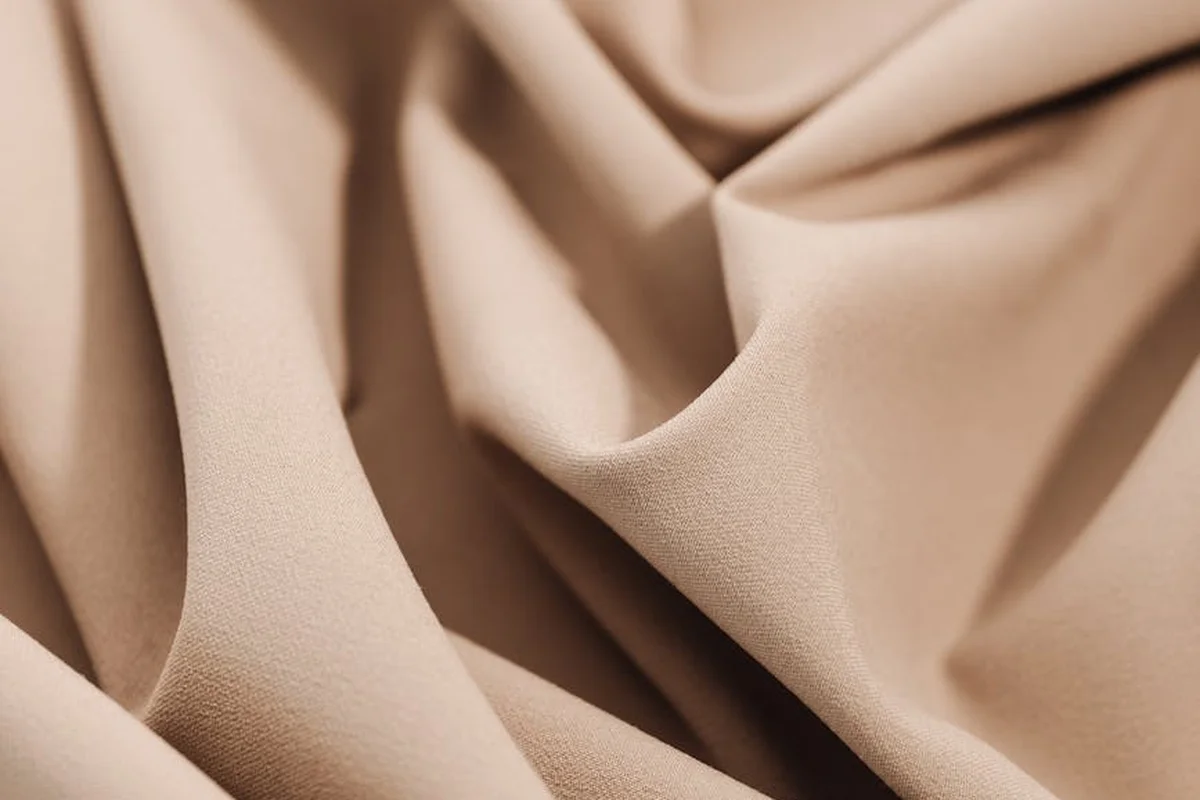
Designers reach for muslin for pattern making because it behaves predictably. Its crisp, stable weave has very little stretch. This stability is everything. When you pin a flat piece to a dress form, you need it to hold the shape you create without sagging or pulling out of position. A stretchy knit or a slippery satin will distort, giving you a false read of your design. Muslin acts as a truthful, three-dimensional blueprint, capturing every dart, seam, and fold without adding its own opinion.
This truthfulness comes from three key properties working together:
- Drape: Muslin has a neutral, mid-weight drape. It falls softly but isn’t flimsy. It mimics the behavior of many common garment fabrics (like cotton poplin or linen) without being too heavy or too light, giving you an honest preview of how your final design will move.
- Pinnability: The open, plain weave grips pins firmly. You can make dozens of adjustments, and the pins will stay put, holding precise folds and seams exactly where you place them. The fabric doesn’t fight you.
- Markability: You can draw all over it. Tailor’s chalk, pencils, even fine-tip pens show up clearly on its pale surface. This lets you trace seam lines, mark notches, and note changes directly onto the fabric itself.
Beyond its physical traits, muslin fosters the right creative mindset. It’s inexpensive. That cheap yardage removes the fear of making a costly mistake. You can slash, pin, and experiment freely, treating the fabric as a true practice space where problems are solved before your precious silk or wool is ever cut.
A common question I get is, ‘How much muslin do I need for a pattern?’ My rule is simple. Buy 1.5 times the yardage your final garment pattern requires. This extra amount accounts for the full-scale prototype, major adjustments like adding gores or lengthening sleeves, and even cutting a second revised version.
People sometimes try substitutes. Calico is heavier and more textured, which can mask the true drape of a delicate design. Old bedsheets are a tempting recycle, but their weight and fiber content (often poly-cotton blends) are inconsistent. Muslin remains the industry standard because it is affordable, consistently weighted, and universally understood, creating a common language between designers and pattern makers.
Muslin Care and Handling: From First Wash to Final Dye Bath
All cotton fabrics shrink, and muslin is no exception. If you skip this step, your perfect pattern will be too small after its first wash. You must pre-shrink it. Think of it like getting the sneeze out before you start.
Here is my lab-tested method for pre-washing muslin:
- Wash the uncut yardage in the hottest water your machine allows.
- Tumble dry on the highest heat setting. This heat and agitation force the 3-5% shrinkage to happen now.
- Press it smooth with a hot, steamy iron. Your muslin is now stable and ready for accurate cutting.
For washing a finished muslin toile or a garment made from muslin, use gentler settings. Wash in warm water with a mild detergent. Tumble dry on low or line dry to minimize any further minimal shrinkage. Ironing is straightforward. A hot steam iron easily presses out wrinkles and creases from pinning.
Can You Dye Muslin Fabric?
Yes, you can dye muslin brilliantly. Most muslin is 100% cotton, which is one of the easiest fibers to dye at home.
The key is using the right dye for the fiber. Cotton requires fiber-reactive dyes (like Procion MX) or all-purpose dyes (like Rit). Do not use acid dyes, which are for protein fibers like wool and silk. For safety, always wear gloves and work in a well-ventilated area.
Basic steps for dyeing cotton muslin:
- Scour: Wash the fabric thoroughly to remove any sizing or finishes so the dye can penetrate evenly.
- Dye Bath: Dissolve the dye according to package instructions. For fiber-reactive dyes, you will add salt and later soda ash to fix the color to the fibers.
- Rinse: After dyeing, rinse the fabric in cool water until it runs clear, then wash it alone with mild soap.
Always test your dye color on a muslin swatch first. Colors can look different on the final fabric than in the pot. For the first few washes, launder your dyed muslin separately to check for colorfastness and avoid any dye bleed onto other items.
Before you cut, you must straighten the fabric’s grain. The threads must run perfectly perpendicular. You can do this by finding a weft thread, snipping into the selvage, and tearing across the width. For finer muslins, carefully pull a thread and cut along the line it creates. A straight grain is non-negotiable for accurate draping, as a skewed grain will make your garment twist on the body.
Your Muslin Workshop: Practical Pro-Tips and Next Steps
Ready for your first draping session? Gather these tools: sharp fabric shears, pattern weights, colored pencils or chalk for marking, and a dress form (a willing friend works for basic fittings).
Muslin loves to fray. To keep your work area tidy and prevent unraveling as you handle the piece, finish the raw edges immediately after cutting. Run pinking shears along the edge or use a quick zig-zag stitch on your sewing machine.
One of muslin’s best traits is its reusability. You can carefully unpick the stitches, press the pieces flat with a steam iron, and use the same fabric for another prototype. This maximizes your investment and is a sustainable practice. Just be sure to clip away any heavily marked or perforated sections.
Don’t relegate muslin to just pattern making. It’s a versatile workshop staple. Use it as a test cloth to check your embroidery machine’s tension. It makes a perfect lining for structured bags, adding body without weight. Its natural cotton fibers make it an ideal pressing cloth for delicate fabrics like wool or silk, protecting them from direct iron heat. The cotton fabric itself is breathable and sturdy, making it a reliable choice for various sewing projects.
If you feel overwhelmed by choices at the fabric store, here is my final tip. When in doubt, select a medium-weight “dressmaker” muslin. It’s the most versatile starting point, providing enough body for structured skirts and enough softness for blouses, making it the ideal partner for learning both draping and flat pattern making.
Building on a Muslin Base
I always pre-wash my muslin to lock in its shrinkage before I drape or cut a single pattern piece. This one habit ensures your mock-up faithfully predicts how your final fabric, whether cotton, silk, or a blend, will behave after care. It’s especially important when working with fabrics that tend to shrink more than others, unlike those with the least shrinkage when washed.
Treat your muslin with the same respect you’d give a luxury textile, washing it mindfully and finding new uses for old pieces to reduce waste. Every bit of knowledge you gain about cotton’s shrinkage or polyester’s dye affinity strengthens your foundation in fabric science. Similarly, wool-polyester blends benefit from mindful laundering—gentle cycles and appropriate temperatures. This practical facet shows how fabric science translates to everyday blended fabrics.
Sources and Additional Information
- 1 – Intro to Draping: Dress Form & Muslin Basics – Mood Sewciety
- Draping Basics – Muslin, Blocking, Marking & Pressing
- How to Block and Prepare Muslin Before Draping! – YouTube
- How to Create a Pattern from a Muslin Drape – YouTube
- How to Choose Your Muslin for Draping – Draping Society
- Light-Weight Cotton Muslin Sew-In Interfacing 48″ x 5 yds. Natural | WAWAK
Written by Florian Ventura. Florian is a high fashion blog writer, fashion and fabric expert and a keen expert in fabric, clothing and materials. She has worked in large textile and fashion houses for over 10+ years, engineering and working with various fabric types and blends. She is an expert when it comes to questions on any and all kinds of fabrics like linen, cotton, silk, jute and many more. She has also traveled around the world studying traditional fabrics and aims to bring them into the modern fashion use.