
Which Flannel Is Warmer: Brushed Cotton or Wool?
You love the cozy feel of flannel, but you’re not sure which type truly delivers lasting warmth and easy care.
We will cover how cotton and wool fibers are spun and woven into flannel, why their brushing techniques differ, and how to clean and maintain each type for years of soft warmth.
Flannel Isn’t a Fiber, It’s a Feeling: The Brushing Process
Let’s clear this up first. Flannel is not a fiber like cotton or wool. It’s a textile finish. You can have flannel made from cotton, wool, or a blend. That soft, fuzzy texture we all love is created entirely by a mechanical process called brushing or napping.
Imagine a firmly woven basecloth running through a machine fitted with rollers covered in fine, hooked wires. These wires gently tease up tiny fibers from the yarns, pulling them to the surface. This creates a soft, insulating nap. It’s the difference between the smooth, cool surface of a river pebble and the fuzzy, warm feel of a piece of suede. That transformation is the heart of flannel.
People often ask, “Are flannel and brushed cotton the same thing?” The answer is nuanced. All brushed cotton is a type of flannel, but not all flannel is made from cotton. A “brushed cotton” shirt is indeed a cotton flannel. True wool flannel undergoes a similar, though often more meticulous, napping process to achieve its distinct, lofty hand.
This brushed surface is wonderful, but it defines how you care for the fabric. That nap can trap lint and pet hair. It can also be worn down or abraded over time with rough handling. Understanding this helps you keep it at its best.
Cotton Flannel: The Cozy Workhorse
This is the flannel you know from pajamas and classic shirts. It’s usually woven in a simple plain or twill weave. Manufacturers often use carded cotton fibers, which are shorter and produce a fuzzier, more rustic yarn perfect for that signature brushed finish.
Its properties make it a household staple. Cotton flannel is breathable, excellent at absorbing moisture, and has an inviting, initial softness that improves with washes. Remember, cotton has no natural stretch. A dense cotton flannel can also feel damp and cool if it gets fully saturated, unlike wool. Beyond everyday cotton, specialized cotton fabrics offer different types and properties for specific uses. Understanding these options can help guide your fabric choices for any project.
Shrinkage is your primary consideration. Cotton fibers swell with water and relax with heat and agitation. When you wash and dry it, the fabric contracts. I always measure and record shrinkage in my lab tests. For cotton flannel, expect 3% to 5% shrinkage in length and width after a warm wash and dry cycle. However, it tends to shrink less than cotton-linen blends.
For sewers, this means pre-washing your yardage is non-negotiable. If you skip it, your finished garment will shrink, and seams will pucker. Always buy extra fabric to account for this loss.
When handling it, cotton flannel is a dream to cut. It’s stable, with a clear grainline, and doesn’t slip around. Its drape is relaxed and fluid, making it ideal for comfortable shirts, nightgowns, and lightweight blankets. This stable yet soft construction is why brands like Woolrich build durable cotton flannel sheet sets-the tight weave provides strength, and the brushed finish adds warmth without weight.
Cotton Flannel Care Protocol: Keeping it Soft and Sized
Follow these steps to maintain the softness and size of your cotton flannel projects.
Step 1 – The Critical Pre-Wash: Before you cut a single pattern piece, pre-wash the fabric to prevent shrinkage and dry it exactly as you plan to care for the finished item. Use warm water and a gentle or normal cycle. This removes sizing and allows all the shrinkage to happen upfront.
Step 2 – Washing: Use a mild detergent. Wash in warm or cool water on a gentle cycle to protect the delicate nap from excessive abrasion. Avoid washing with very heavy, soiled items that can grind lint into the fabric.
Step 3 – Drying: Tumble dry on a medium heat setting. Remove the items promptly while still slightly warm to minimize deep wrinkles. High heat will drive further shrinkage and can weaken the cotton fibers over time, leading to premature thinning.
Step 4 – Ironing: For a crisp finish, iron cotton flannel while it is still slightly damp. Use a hot iron with plenty of steam. The heat and moisture help smooth the brushed fibers and set the fabric beautifully. For linen fabric, a steam press iron can deliver an extra-crisp finish with less effort.
Wool Flannel: The Structured Classic
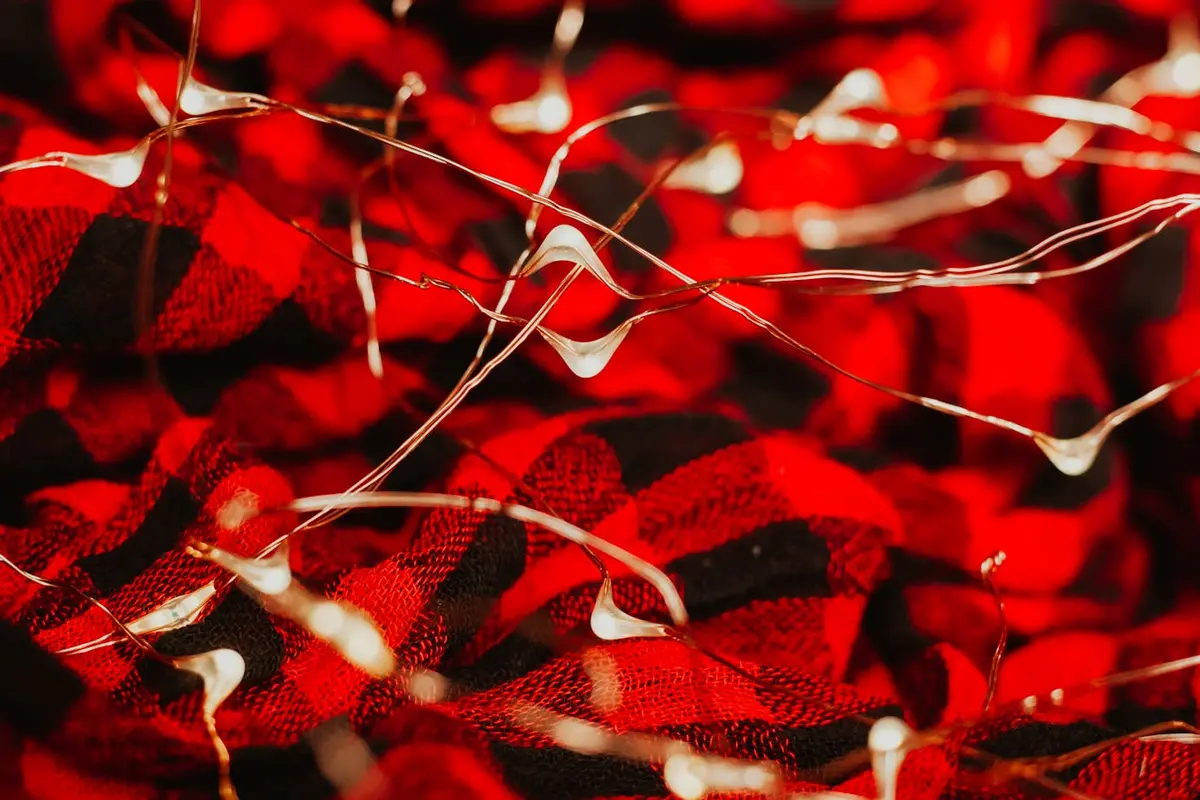
Wool flannel starts with a different philosophy. It’s often a tighter, finer twill weave. The yarns themselves are key. Worsted-spun yarns, made from long, combed fibers, create a smooth, crisp flannel with a subtle nap. Woolen-spun yarns, using shorter fibers, give a loftier, softer hand. The brushing process for wool is typically lighter. It teases up just enough fibers to create warmth and a soft finish while preserving the fabric’s inherent structure.
You get a fabric that feels denser and springier under your fingers, with a drier hand than the sometimes-clingy softness of cotton. This comes from wool’s natural resilience. The fibers have a crimp that lets them bounce back from wrinkles. They also manage temperature beautifully, trapping warm air without overheating you.
Understanding shrinkage here is everything. Wool experiences two kinds. Relaxation shrinkage happens when the tension from weaving releases in the first wash; the fabric just settles into its relaxed state. You can often gently block it back to shape. Felting is permanent. It’s caused by a combination of heat, agitation, and drastic pH changes (like harsh alkaline detergents). The microscopic scales on wool fibers lock together irreversibly, shrinking and thickening the fabric into a dense mat.
This structure is what makes wool flannel a dream for tailored garments. It has a fluid, heavy drape that hangs cleanly from the shoulders or hips. It holds a sharp press from an iron, creating crisp creases and smooth seams that last. While warmer than cotton, its breathability prevents that stifling feeling.
When choosing wool, I look for transparency. I advocate for sourcing from suppliers who can detail their animal husbandry practices-think responsible shearing, healthy livestock, and land management. For those who prefer alternatives, high-performance fabrics like brushed technical fleeces can mimic some of wool’s warmth without using animal fibers. Understanding wool fabric production techniques—from scouring and carding to spinning and weaving—can reveal how texture, weight, and warmth are achieved. This knowledge helps you compare fabrics beyond the fiber alone and choose responsibly produced wool products.
Wool Flannel Care Protocol: Preventing the Point of No Return (Felting)
Treating wool flannel right keeps it beautiful for decades. This protocol is your defense against felting.
- Read the Label: Your first clue is the “superwash” designation. Superwash wool has been treated to smooth the fiber scales, drastically reducing the risk of felting in the wash.
- Washing (Non-Superwash): Hand wash in cool, lukewarm water. Use a pH-neutral detergent made for wool or cashmere. Never agitate, wring, or rub the fabric. Let it soak, then press the water through it gently.
- Washing (Superwash): You can usually use a washing machine on a gentle or wool cycle with cold water and wool-specific detergent. Avoid the regular cycle’s harsh agitation.
- Drying: Never use a machine dryer unless the care label explicitly permits it. Roll the garment in a clean towel to absorb excess water. Then, lay it flat on a drying rack, reshaping it to its original dimensions as it dries.
- Ironing: Use a steam iron on the wool setting. Always place a damp pressing cloth between the iron and the fabric. The direct heat of an iron can scorch and shine the fibers.
The Brushing Breakdown: How the Fuzz is Made
That signature soft nap is created industrially by passing the woven cloth over large cylinders covered in fine, bent wires. These wires scratch the surface, pulling tiny fiber ends from the yarn to create the fluffy layer. A cylinder brush treats one side. For a double-sided nap, like on many cotton flannels, the fabric goes through a double-raised brushing process, hitting wires on both the top and bottom.
Can you re-brush flannel at home? Not truly, but you can revive it. For a nap that’s gone flat from wear or washing, try a clean pet slicker brush (the kind for long-haired dogs) on its lowest setting. Gently brush with the nap’s direction in an inconspicuous spot first. A fine-tooth fabric shaver can also lift some fibers while removing pills. Be gentle-you’re grooming it, not re-manufacturing it. For ongoing care, you can learn how to remove pills effectively. You might also consider fabrics and care methods that help prevent pilling in the future.
That brushed surface affects care directly: the lofty nap traps dust and skin cells, so it may need more frequent gentle washing. You’ll also see pilling initially, as the shortest, weakest fibers work loose. The first wash often removes these, leaving a more stable surface.
The texture of the nap isn’t random. It’s engineered. Brushing machines use pins of different shapes and densities. Grooved pins can create a heavier, airier fleece. Fine, round pins produce a delicate, peach-skin finish. The machinery dictates whether you get a light frost or a deep plush.
Choosing Your Flannel: Project by Project
Your project decides the winner. Use this direct comparison as your guide.
| Property | Cotton Flannel | Wool Flannel |
|---|---|---|
| Warmth | Good insulator, traps air in the nap. | Excellent, natural temperature regulation. |
| Moisture Management | Absorbent, can feel damp when wet. | Wicks moisture, feels drier. |
| Durability | Strong, softens with age, can thin. | Resilient, resists wrinkles and abrasion. |
| Drape | Soft, casual, can be limp. | Crisp, structured, fluid. |
| Ease of Care | Machine wash and dry, easy shrinkage control. | Hand/machine delicate wash, air dry, felting risk. |
For Bedding & Sleepwear (Cotton’s Domain): Cotton’s breathability and easy, hot-water washability make it the default for sheets and pajamas. It handles body oils and frequent laundering. For a therapeutic application like a castor oil pack, cotton flannel is the typical choice because it’s highly absorbent and simple to clean thoroughly after use. Its uses extend into specialized cotton fabrics like medical wraps and filtration textiles. These applications show cotton’s broader versatility beyond bedding.
For Shirts & Tailoring (Wool’s Strength): A wool flannel shirt has a dignified, crisp drape that holds its shape all day. A cotton flannel shirt is softer, more casual, and relaxes with wear. Think of the wool version for a office-appropriate shirt or tailored trousers, and the cotton for a weekend in the woods.
For Crafting & Quilting: Cotton flannel is a quilting staple. It’s stable, easy to sew, and doesn’t fray excessively. Wool flannel is gorgeous for appliqué or winter crafts but requires sharp needles, careful pressing, and an understanding that it may felt if handled roughly. Unlike other cotton fabrics, it offers a soft, napped texture that adds warmth and comfort to projects.
Blends like cotton/polyester are common. The synthetic fiber reduces shrinkage and increases tensile strength, but it changes the hand. The nap might feel less soft, and the fabric loses some of the breathability of pure cotton. It’s a trade-off for durability and easy care.
The Final Touch: Flannel Longevity
Your flannel’s lifespan depends entirely on how you treat its foundational fiber. Handle cotton flannels with robust washing and controlled heat to maintain their nap, but treat wool flannels with a gentler, cooler touch to preserve their springy loft and shape. This simple rule protects the unique texture you worked to create or chose in the first place.
Great fabric care is a form of respect for the material and the resources used to make it. I encourage you to repair a frayed edge, wash with a thoughtful detergent, and keep learning about how fibers like cotton, wool, silk, and synthetics behave-this knowledge turns a simple garment into a lasting companion.
Industry References
- What is Flannel Fabric
- Light Blue Cotton and Wool Blend Flannel Shirts by Proper Cloth
- Wool vs. Cotton: When and Where – Orvis News
- Men’s cotton/wool flannel shirt – Free shipping – Dilling
- Flannel Fabric vs. Cotton Material: A Comparison – SRP Craft
- r/malefashionadvice on Reddit: Wool vs Cotton flannels
Written by Florian Ventura. Florian is a high fashion blog writer, fashion and fabric expert and a keen expert in fabric, clothing and materials. She has worked in large textile and fashion houses for over 10+ years, engineering and working with various fabric types and blends. She is an expert when it comes to questions on any and all kinds of fabrics like linen, cotton, silk, jute and many more. She has also traveled around the world studying traditional fabrics and aims to bring them into the modern fashion use.