What Are Regenerated Fibers and How Do They Fit Your Eco-Friendly Wardrobe?
If you’re unsure whether that silky-smooth “lyocell” dress will survive your washing machine, I’ve been there-testing fiber strength and shrinkage in the lab gives me the answers you need.
We will cover how regenerated fibers like Tencel and cupro are made from plants, which major brands are using them to replace conventional fabrics, the latest innovations in closed-loop production, and the essential care, washing, and dyeing tips to keep these garments looking new.
Executive Summary: The Quick Facts on Regenerated Fibers
Regenerated fibers are made by dissolving natural materials and forcing the solution through tiny holes to create new, continuous filaments.
Their core tactile properties are distinct. They often feel silky smooth and have a beautiful, fluid drape. They are generally breathable, moving moisture vapor well. On the downside, they are prone to stubborn wrinkles and can be surprisingly weak when wet, leading to damage if handled roughly.
A key advantage is their potential to biodegrade under the right industrial composting conditions, returning to the earth unlike plastics. They originate from plants, not petroleum. Their versatile feel allows them to mimic the luxurious hand of silk or the softness of cotton, which is a major draw for designers.
The significant trade-off is the chemical processing required to break down the plant pulp, which can be intensive if not managed in a closed-loop system. They almost always require delicate care, and their shrinkage can be unpredictable, often needing to be washed in cold water and laid flat to dry.
You will find them used best in flowy dresses, elegant blouses, and smooth linings. In blends with spandex or robust synthetics, they are also building a niche in sustainable activewear, adding moisture management and softness.
What Are Regenerated Fibers? The Science in Simple Terms
These fibers begin with wood pulp or plant waste like cotton scraps, not crude oil or an animal’s fleece. Think of it like taking celery, blending it into a liquid smoothie, and then somehow spinning that liquid back out into long, uniform celery strings. The original plant material is broken down to its molecular building blocks and rebuilt.
This is fundamentally different from making a polyester filament (which is extruded from melted plastic pellets) or scouring and spinning a natural fiber like wool (which keeps its essential scaled structure). What are regenerated fibers? They are a human-made bridge, using nature’s chemistry to engineer a new textile thread.
Common source materials include fast-growing trees like beech and eucalyptus, bamboo grass, and even recycled cotton clothing that is broken back down to cellulose. The specific plant affects the final fiber’s subtle character, much like different grape varieties affect wine.
How Fiber Structure Dictates Behavior
Under a microscope, a regenerated fiber like lyocell looks incredibly smooth and uniform, like a glass rod. Compare this to cotton’s twisted ribbon shape or wool’s scaly surface. This smoothness is why they feel so sleek and cool against your skin.
This lack of texture and a more open internal structure has direct consequences. The fibers absorb a tremendous amount of water, swelling significantly, which is why they lose up to 40% of their strength when wet. This is the number one reason for garment failure; a heavy, water-logged dress can tear under its own weight if not supported.
Their shrinkage pattern is unique. They don’t felt like wool. Instead, the swollen fibers can relax and contract as they dry, often shrinking lengthwise. I always pre-wash any fabric of this type in cold water and air dry it flat before I cut a pattern. Their high moisture absorption also makes them dye beautifully, producing deep, vibrant colors, but it can lead to color bleeding in the first few washes if the dye wasn’t properly set. That same care also applies to shrink linen fabric clothing, since linen can shrink lengthwise. Pre-washing linen and air-drying before cutting helps maintain the intended fit.
Environmental Impact: The Real Story on Sustainability
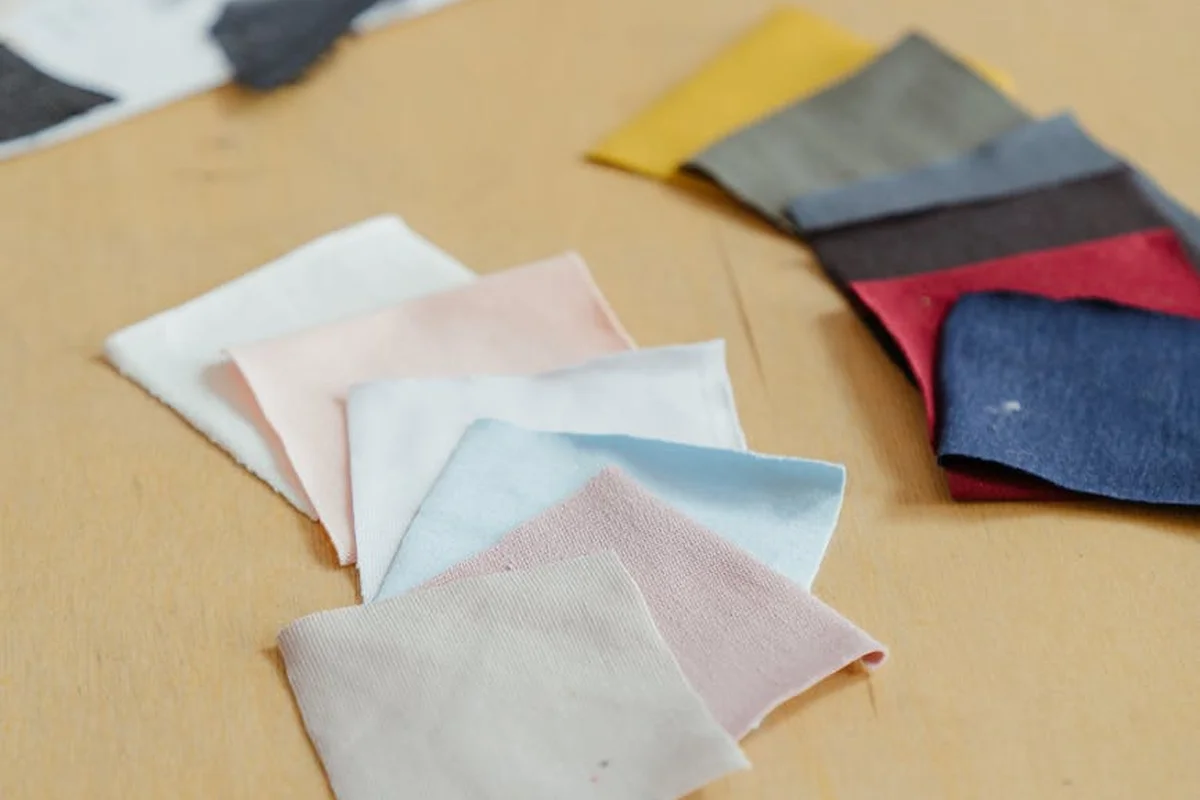
What are the environmental benefits of regenerated fibers compared to synthetic and natural fibers? The answer isn’t simple, but the potential is huge. Let’s break it down by the numbers I’ve seen in lab reports and life cycle assessments.
Compared to conventional cotton, fibers like lyocell and modal from certified forests use drastically less water. I’m talking about a difference of thousands of liters per kilogram of fiber. They also typically avoid the heavy pesticide use associated with traditional cotton farming. Compared to polyester, their production generally requires less fossil fuel energy.
The biggest win is what happens after you’re done with the garment: biodegradability. In soil or commercial composting, these plant-based fibers will break down over months, not centuries. This avoids the persistent microplastic pollution that plagues synthetic fabrics every time you wash them.
The Chemical Processing Question
This is the part that worries many people. To turn wood pulp into soft fiber, you need solvents. The environmental footprint hinges on how a mill manages those chemicals.
In an open-loop process, used chemicals are treated as wastewater. If not managed well, this can pollute. In a closed-loop system, over 99% of the solvent is captured, purified, and reused continuously. Lyocell (Tencel) is famous for this, and newer modal production often uses it too.
You can’t tell the process from the fabric tag, so look for trustworthy certifications instead. The FSC label ensures the wood comes from responsibly managed forests. OEKO-TEX Standard 100 certifies the final fabric is free from harmful levels of toxic substances, a good proxy for clean chemical handling.
How They Fit in a Circular Economy
How do regenerated fibers impact the overall sustainability of the fashion industry? They are a crucial bridge. The most exciting innovations use waste as a starting point. I’ve handled fabrics made from cotton offcuts from garment factories and sawdust from furniture makers, all diverted from landfills and regenerated into new fiber.
Using pre-consumer waste as feedstock is a powerful step toward a circular system. The challenge comes at the garment’s true end-of-life. While the fiber itself is biodegradable, most clothing today is a blend of materials. A viscose-polyester blend, for instance, is not easily recyclable or compostable. The industry is still working on solutions for these complex blends.
A Closer Look at Common Types: Properties and Pitfalls
What are some common types of regenerated fibers used in fashion? Each has a distinct personality in your hand and its own care needs. Knowing these quirks will save your favorite clothes.
Viscose Rayon: The Everyday Drape
Viscose is the classic. It has a beautiful, fluid drape and a soft, often silky hand. But it has a fragile side.
It loses about 30-50% of its strength when wet. I always tell people to handle wet viscose gently, never wring it out. Expect significant shrinkage, up to 10% or more, especially in hot water or a tumble dryer. Always wash cool and air dry.
Viscose dyes brilliantly and deeply, but that color can bleed fiercely in the first few washes if the dye wasn’t fixed properly. Wash new, brightly colored viscose items alone in cool water. Its beauty is its undoing-it feels luxurious but lacks the durable protein structure of real silk.
Modal: The Softened Relative
Think of modal as viscose’s more easygoing cousin. It’s a type of rayon, but the process is tweaked. The fibers are more aligned, which changes its behavior in your wardrobe.
You get that incredible softness-often softer than cotton-with much better dimensional stability. Shrinkage is minimal, usually under 5%, if you follow cool wash instructions. That’s why it’s a hero fiber for underwear, pajamas, and premium t-shirts.
Modal resists pilling far better than standard viscose, making it a smarter choice for everyday garments that get a lot of friction. It’s still a cellulose fiber, so treat it with care when wet, but you’ll find it forgives more mistakes than its older sibling.
Lyocell (Tencel): The High-Performance Star
Lyocell, often branded as Tencel, is in a league of its own. The closed-loop production is a major innovation, but the fiber’s performance is what amazes me in the lab.
It’s remarkably strong, even when soaking wet. This translates to minimal shrinkage, often just 2-3% with proper care. The fiber has a naturally smooth surface that wicks moisture away from the skin beautifully, which is why you see it in high-end sustainable activewear and denim.
The combination of closed-loop manufacturing, inherent strength, and low shrinkage makes lyocell a benchmark for modern regenerated fibers. It feels cool and sleek, and it holds its shape wash after wash.
Cupro and Acetate: The Specialists
These are niche players with specific talents. Cupro is made from cotton linter waste (the tiny fuzz left on cotton seeds). It has a gorgeous, silky smoothness and fluid drape that rivals real silk. Handle it like the delicate it is-hand wash or gentle dry clean only.
Acetate is a different chemical family, often used for slippery linings in jackets and for the crisp drape of certain dresses. Its critical weakness is solvents. Heat from an iron can melt it, and common acetone-based nail polish remover will dissolve it on contact. Always check fabric content before treating a stain.
The Care and Handling Protocol: Step-by-Step Guide
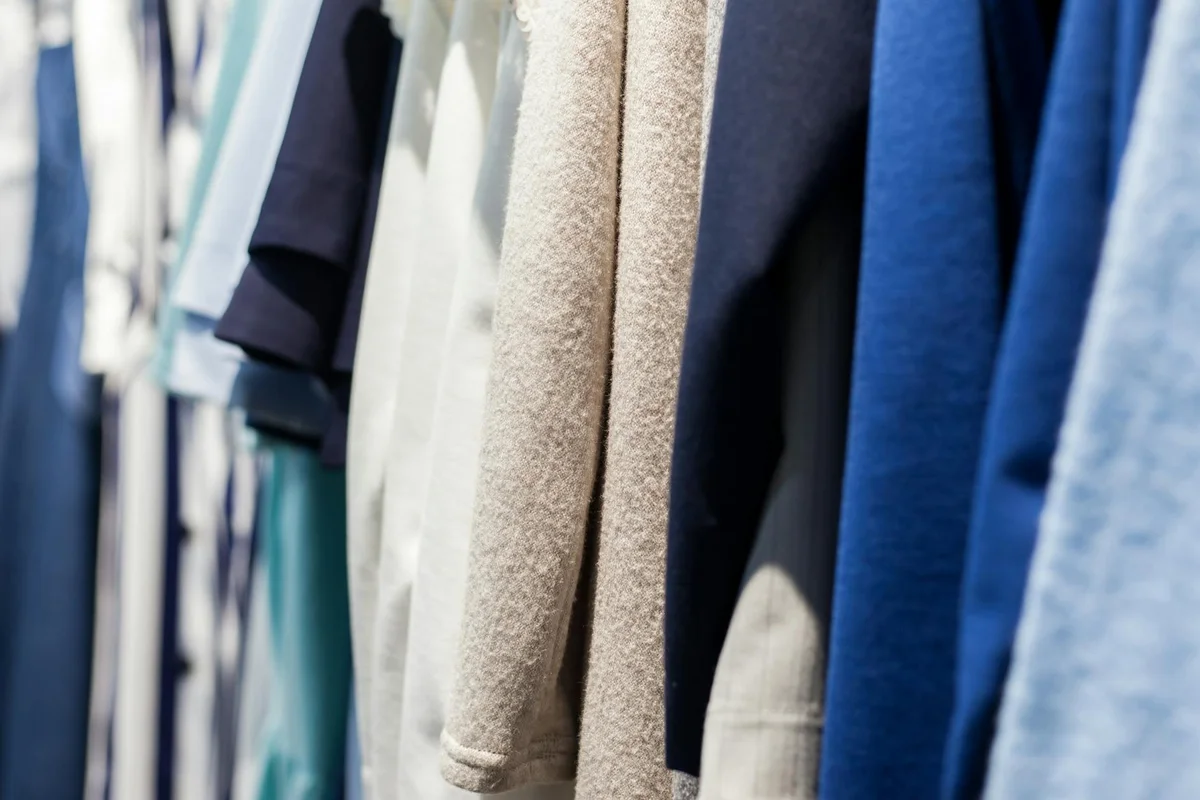
Your care label is the first and best guide. Follow it. What I offer here is the textile science behind those instructions, a cautious framework for when a tag is missing or unclear. For all regenerated fibers, start here: treat them as you would delicate silk. They are stronger when dry than wet, and heat is their biggest enemy.
How to Wash Regenerated Fibers Safely
Hand-washing is the gold standard. Use cool water and a mild, neutral pH detergent. This protects the fibers and any dyes. Agitate gently with your hands, don’t twist or wring.
If you must machine wash, three rules are non-negotiable. Use a gentle or delicate cycle with cold water. Place the item inside a zippered mesh laundry bag. This reduces friction and stress on the wet fibers.
Avoid bleach and enzymatic cleaners completely, as they attack and degrade the molecular structure of regenerated cellulose.
Always test for colorfastness first. Dab a hidden spot, like an inner seam, with a damp white cloth. If color transfers, wash the item separately and quickly to limit dye bleed.
Drying and Ironing Without Damage
Always air dry flat, never tumble dry. The heat and tumbling action of a dryer cause two problems. First, it drives rapid, irreversible shrinkage. Second, it weakens the fibers from the inside out, making them brittle.
For ironing, a low heat setting is essential. I use the “silk” setting. Iron the garment while it is still slightly damp. Use the steam function generously. The combination of moisture and moderate heat relaxes wrinkles without scorching or glossing the fabric. It’s especially important when working with delicate fabrics like silk and linen.
Troubleshooting Common Issues
If a viscose item shrinks a little, you can often coax it back. While the garment is still damp from washing, lay it flat on a towel. Gently stretch it back to its original shape and dimensions, working section by section. Let it dry completely in this position.
No iron? Hang the wrinkled linen item in your bathroom while you take a hot shower. The steam will relax most wrinkles. Just smooth it with your hands afterwards.
Pure regenerated fibers like lyocell rarely pill. But in blends with polyester or cotton, pilling can happen on friction points. Use a battery-operated fabric shaver gently. Hold the fabric taut and don’t press too hard to avoid snagging the more delicate base fabric.
Dyeing Regenerated Fabrics: Home Studio Notes
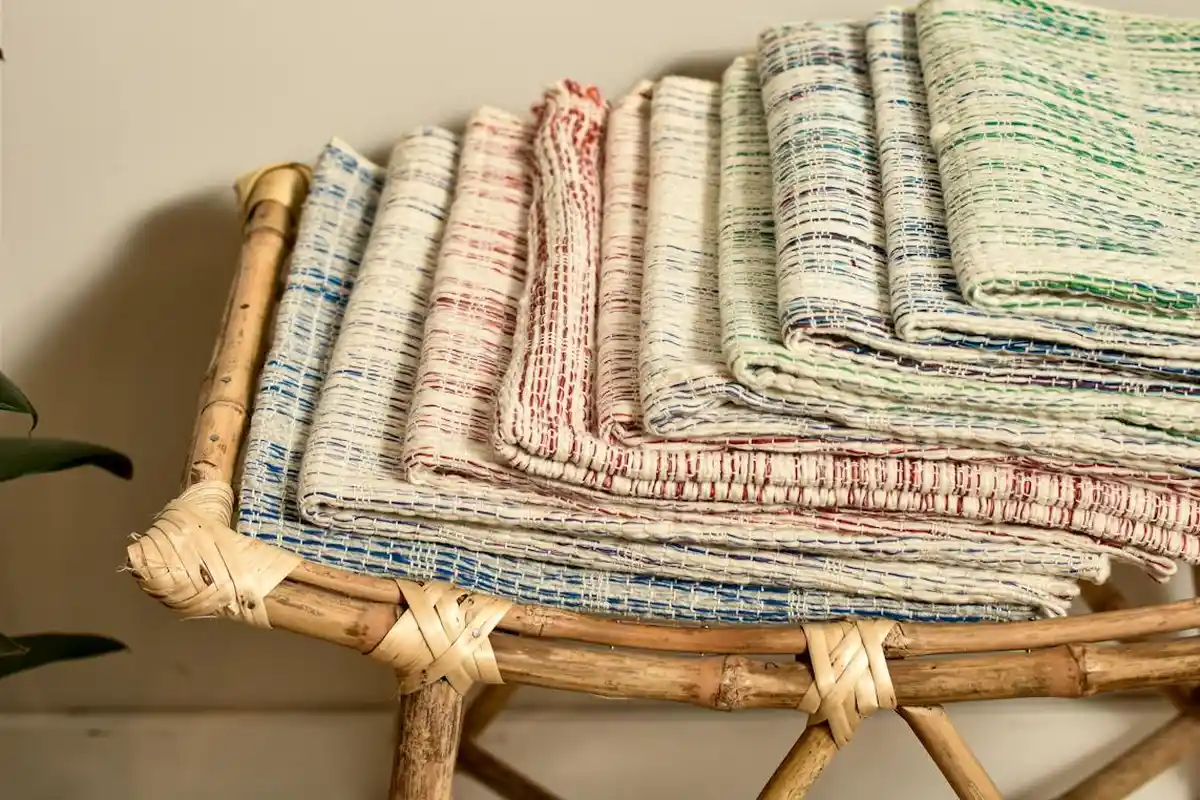
Innovations in regenerated fibers aren’t just about the fiber source. New dye technologies aim for lower water use, less pollution, and better biodegradability. Home dyeing can be wonderfully creative, but start with a warning. Factory finishes like water repellents or wrinkle-resistance can block dye uptake, leading to unpredictable, splotchy results.
Choosing the Right Dye
For cellulose-based fibers like viscose, modal, and lyocell, you need dyes that bond to plant cellulose. Fiber-reactive dyes (like Procion MX) are the professional choice for the brightest, most wash-fast colors. All-purpose dyes (like Rit All-Purpose) work but may be less vibrant and fade faster.
Do not use acid dyes, which are for protein fibers like wool and silk; they will simply wash right out of your regenerated cellulose.
Acetate is a different beast. It’s made from cellulose but is chemically changed. You must use special disperse dyes, the same type used for polyester.
The Basic Dyeing Process
Start with a scouring wash. Use a little detergent in hot water to remove any finishes, then rinse thoroughly. This gives the dye a clean surface to bond to.
For fiber-reactive dyes, the chemistry matters. You need salt to push the dye onto the fiber and soda ash (sodium carbonate) to create the high-pH environment needed for a permanent chemical bond. Maintain a simmer, not a rolling boil, for the time specified by your dye.
Work with excellent ventilation. Stir the pot slowly and constantly to prevent uneven color. This is especially important for the sleek surface of lyocell, which can take dye so evenly it results in shockingly vibrant, clear colors.
How to Spot and Select Quality Regenerated Fiber Products
You see “eco-friendly rayon” on a tag, but what does that really mean for how the fabric feels, wears, and lasts? I get this question constantly. The challenge is that “regenerated fiber” is a broad category, and performance varies wildly from one type to another. Your goal is to move from a vague term to specific, predictable qualities.
The key is to treat the label as a starting point for investigation, not the final answer.
Reading the Label and Beyond
Start with the fiber content. “Rayon” is a generic term. You want the specific name. If it says “viscose,” expect a silky hand, a beautiful drape, and a fabric that can be prone to shrinking and weakening when wet. If it says “lyocell” (often branded as Tencel™), expect a stronger fiber that handles moisture better and resists wrinkling more than viscose. This single word tells you a lot about care and longevity.
Next, look at the blend. A pure viscose gauze will be delicate, while a viscose blended with 30% organic cotton gains strength and reduces that extreme wet sensitivity. Lyocell blended with a small amount of recycled polyester can dramatically improve abrasion resistance for items like pants. For drapey tops, a touch of elastane (like 2-5%) helps the garment recover its shape.
Finally, assess the fabric construction with your hands. Hold it up to the light. A very loose, open weave will snag easily and may distort with washing. For everyday durability, I recommend seeking out tighter weaves like twills or poplins, which resist pulls and maintain their structure. Run your finger along a seam; puckering can be a sign of lower-quality manufacturing that may not withstand repeated laundering.
Assessing Sustainability Claims
A brand saying a garment is made from “bamboo” is a red flag for greenwashing. Bamboo fabric is almost always viscose rayon. The plant source is fast-growing, but the chemical process to turn it into fiber is identical to making viscose from wood pulp. The sustainability lies in how the factory manages those chemicals, not the original plant.
Look for transparency on the “closed-loop” process. For lyocell, brands like Tencel™ publish detailed reports on solvent recovery. For viscose, initiatives like the “EcoVero” label indicate responsibly sourced wood and better chemical stewardship. If this information isn’t readily available on the brand’s website, their sustainability claim is surface-level.
Remember, the most sustainable garment is the one you wear for years. A well-made lyocell twill dress that survives hundreds of wears is often a better ecological choice than a fragile, “natural” fiber item that falls apart in a season. For a deeper look, our fabric durability lifespan guide can show how long fabrics are likely to last. It helps translate seam quality into real-world longevity. Prioritize quality construction-tight stitching, secure buttons, finished seams-over a single fiber story. Durability is an unsung hero of true sustainability.
Your Fiber Future: Care and Questions
My simplest advice for these new materials is this: always treat them as the cellulose fibers they are. Before you wash a whole garment, test a hidden seam for shrinkage and colorfastness in cold water. Hand-wash or use a gentle machine cycle with a mild, neutral pH detergent to preserve the fiber’s strength and luster over time.
True eco-friendly fashion lives in your laundry room and mending kit as much as in the mill. I encourage you to keep asking how your clothes are made and, more importantly, how they live-learning the specific care needs for cotton, wool, silk, and synthetics builds a wardrobe that lasts.
Research and Related Sources
- 44 Sustainable Fabrics and Materials for Clothing & Fashion
- Sustainable Fabrics • Guide on the most ethical materials [2020] – SustainYourStyle
- Recent progress in regenerated fibers for “green” textile products – ScienceDirect
Florian is a high fashion blog writer, fashion and fabric expert and a keen expert in fabric, clothing and materials. She has worked in large textile and fashion houses for over 10+ years, engineering and working with various fabric types and blends. She is an expert when it comes to questions on any and all kinds of fabrics like linen, cotton, silk, jute and many more. She has also traveled around the world studying traditional fabrics and aims to bring them into the modern fashion use.