
Can Triacetate Fabric Keep Your Packed Clothes Wrinkle-Free?
You want to arrive looking polished, not like you slept in your suitcase. I’ve tested triacetate in the lab and on the road, and its science-backed smoothness is a game-changer for travelers.
This guide will show you how to use this fabric to its full advantage, covering triacetate’s unique structure that resists creasing, the correct way to wash and dry it without causing shrinkage, and my proven, layer-by-layer packing method for a crisp unpack.
Triacetate Unspun: The Science of a Smooth Traveler
Let’s break down what triacetate actually is. Think of it as a cousin to rayon. Both start with cellulose from wood pulp, but triacetate gets a more intensive chemical makeover. This extra processing changes its personality entirely, giving it powers regular acetate and rayon just don’t have.
The magic for travel is in its molecules. The polymers in triacetate are packed tightly and have a high degree of chemical substitution. In simple terms, this structure leaves them less room to bend and kink permanently when you sit on a plane or cram clothes in a bag. This molecular rigidity is the secret behind its impressive ability to shed wrinkles and bounce back to a smooth state.
For a traveler, this science translates into some very useful properties.
- Drape and Hand: It has a beautifully fluid, heavy drape and a sleek, almost silky hand feel. It doesn’t look stiff or synthetic.
- Color Retention: It holds dye exceptionally well, so your travel wardrobe stays vibrant through many washes without fading.
- Low Moisture Absorption: This fiber absorbs very little water from the air or your skin. While this affects breathability, it’s a packing win-a triacetate garment washed in a sink will air-dry remarkably fast, often overnight.
Now, to the big question: “Is triacetate breathable?” You need a practical answer. Compared to a standard polyester, it can feel slightly less clammy because of its different fiber surface. But it cannot compete with the natural air permeability of cotton or linen. In hot, humid climates, triacetate will not be as cooling as a natural fiber; it’s better suited for temperate travel, city breaks, or layered looks.
Textile Expert’s Note on Drape: In my studio, I love triacetate for blouses and flowing skirts-it hangs with the elegant weight of a heavy silk. But sewers, be warned: that silky drape comes with a plastic’s heat sensitivity. Always use a low-temperature iron (synthetic setting) with a press cloth. Too much direct heat can glaze, shrink, or even melt the fabric. Test on a scrap first.
How Triacetate Stacks Up Against Other Travel Fabrics
Choosing a travel fabric is about balancing priorities. Here’s how triacetate measures up across key factors.
| Fabric | Wrinkle Recovery | Packability & Weight | Care & Drying | Hand Feel |
|---|---|---|---|---|
| Triacetate | Excellent | Moderate weight, packs well | Easy care, dries very fast | Sleek, fluid, substantial |
| Polyester | Excellent | Lightweight, very packable | Easy care, dries fast | Can feel plastic-like or soft depending on finish |
| Cotton | Poor (wrinkles easily) | Can be heavy, bulky | Often requires ironing, dries slowly | Natural, soft, breathable |
| Merino Wool | Very Good | Lightweight, packs well | Hand-wash recommended, dries medium-fast | Soft, warm, natural |
| Nylon | Good | Very lightweight, supremely packable | Easy care, dries incredibly fast | Slick, often lighter and less fluid |
Triacetate vs. Polyester: This is a feel and heat story. Polyester often wins on pure packability and durability. But triacetate typically has a softer, more luxurious hand-it feels less like “activewear.” The crucial difference is heat tolerance. Triacetate has a lower melting point, so you must be more careful with irons, dryers, and even hot car trunks. That contrast also leads into how polyester compares with nylon performance fabrics in athletic and outdoor wear. In practice, nylon often wins on stretch and abrasion in rugged conditions, while polyester shines for quick-dry comfort and color retention.
Triacetate vs. Natural Fibers (Cotton, Linen, Wool): Here, it’s about care versus climate. A cotton shirt will breathe beautifully but emerge from a suitcase a crumpled mess. A triacetate blouse stays smooth and dries in a flash. Cotton fabric characteristics and materials explain why it breathes and handles moisture so well. You trade the innate temperature regulation of cotton or wool for supreme easy-care convenience and a consistently polished look.
Triacetate vs. Nylon: Nylon is the champion of strength and lightweight packability, making it ideal for rugged travel or ultralight packing. Triacetate is less about durability and more about elegance. Nylon is stronger and more abrasion-resistant, but triacetate offers a much more sophisticated, fluid drape for citywear.
So, how does triacetate compare to other wrinkle-resistant fabrics? It occupies a unique middle ground. It offers better aesthetic appeal than many synthetics while providing much easier care than most naturals. It’s for the traveler who prioritizes looking crisp with minimal effort, without wanting their clothing to feel purely technical.
The Packing Protocol: Keeping Triacetate Smooth
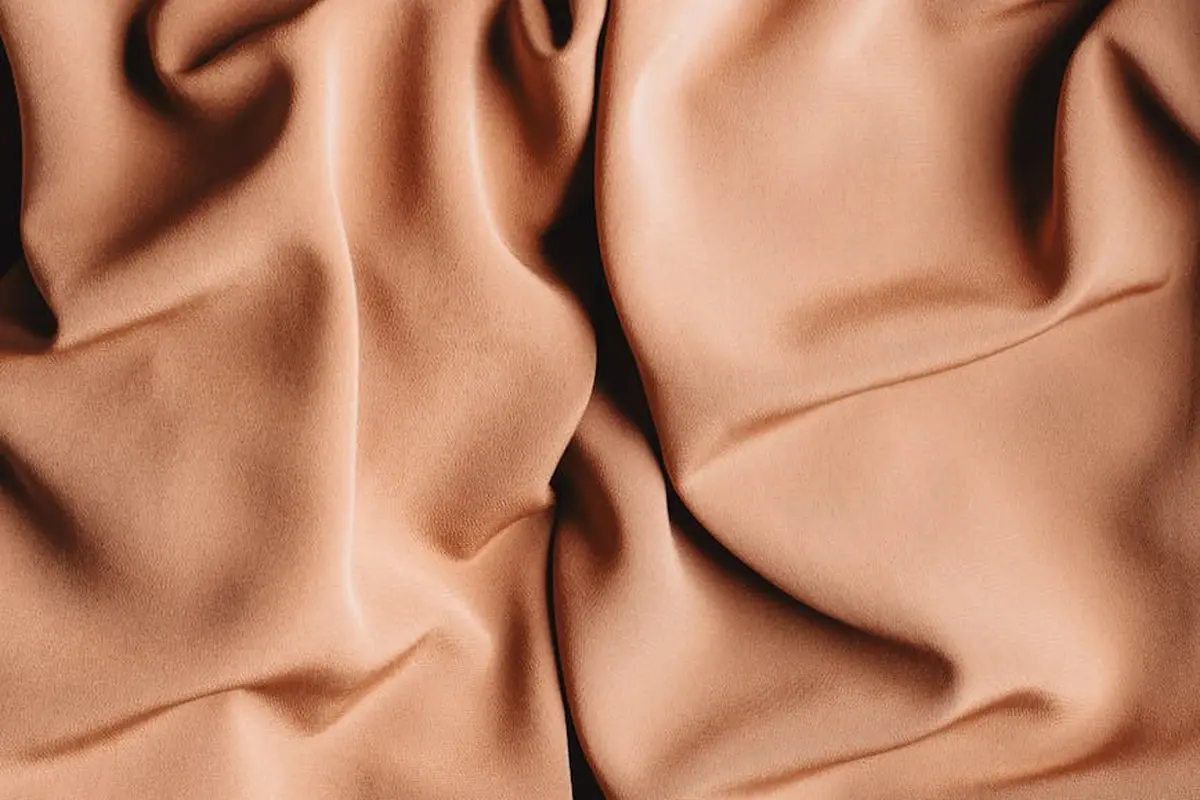
You want to know how to pack triacetate to avoid wrinkles. The good news is, this fiber is on your side. It has a natural resilience that fights creasing, but you still need to pack with intention.
I always pack triacetate knits separately from wovens. For sweaters and jersey dresses, use the roll method. Lay the item flat, fold sleeves in, and roll it tightly from the bottom up. This creates a firm cylinder that resists deep folds. Rolling works because it distributes stress evenly, which plays well with triacetate’s springy fiber structure and grain of the fabric.
For a woven blazer or a crisp dress, try the bundle method. Start by placing a soft core, like a bundle of socks, in the center of your suitcase. Layer your sturdiest garment (like trousers) around it, then place your triacetate blazer on top, smoothing it out. Finish with softer items. This technique keeps the tailored pieces supported and largely flat.
No matter your method, do not overpack the bag. Overstuffing creates permanent compression creases that can be stubborn to remove, defeating the purpose of a wrinkle-resistant fabric. Leave a little room for things to settle.
Your choice of packing cube matters. Use ones with a smooth, silky interior. Textured or mesh cubes can imprint a subtle, all-over pattern on the fabric’s surface. A smooth liner lets everything slide without friction.
Upon arrival, if you find a minor crease, don’t reach for the iron. Hang the garment in the bathroom while you take a hot shower. The ambient steam will relax the fibers. I’ve found that ten minutes of steam does what five minutes of risky ironing might, but safely. Especially for delicate fabrics like linen, it’s best to avoid direct heat.
Triacetate Care: Washing, Drying, and the Iron Question
Think of this as your non-negotiable care protocol. Following these steps protects the fabric’s drape and sheen for years, especially with delicate materials like modal fabric.
Washing
Use cold or warm water, never hot. Hot water can weaken the fibers and set stains. Choose a gentle, neutral pH detergent. Turn garments inside out to protect the outer surface during the wash cycle. While many triacetate blends can survive a machine’s gentle cycle, hand-washing in cool water is the absolute safest method for long-term garment health.
Drying
Yes, triacetate dries quickly. It absorbs very little moisture, so water tends to sit on its surface and evaporate fast. Always air-dry. Lay knits flat on a drying rack to maintain their shape. Hang woven items on a padded hanger.
This is the firm warning: do not use a machine dryer. Heat is triacetate’s primary enemy, and the dryer’s high heat can cause irreversible thermal damage, shrinkage, and distortion in minutes.
Ironing & Steaming
Can you iron triacetate? Yes, but with extreme caution. If you must, use the lowest possible heat setting on your iron-often labeled “Synthetic” or “Acetate.” Always place a clean, damp pressing cloth between the iron and the fabric. Press gently; do not slide the iron back and forth.
A handheld garment steamer is a much safer and highly effective alternative. The steam relaxes wrinkles without direct heat contact. I use a steamer for all my triacetate pieces.
With too much direct heat, you risk creating shiny, glazed spots or, in the worst case, actually melting the fibers. This damage cannot be repaired. Shrinkage is minimal if you avoid heat, but thermal scarring is forever.
Building Your Travel Capsule: Best Triacetate Garments
What are the best clothing items made from triacetate for travel? Look for pieces where a beautiful drape and serious wrinkle resistance are non-negotiable. Triacetate’s fluidity and sleek finish make it a star for structured yet soft silhouettes.
My top picks are tailored pants, elegant blouses, shift dresses, and suit separates like blazers and skirts. A pair of triacetate trousers won’t cling or bag at the knees after a long flight, and they hang cleanly in your suitcase. A blouse retains its crisp collar or graceful gathers without demanding constant steaming. This fabric’s magic is in offering a polished, luxurious look with a fraction of the maintenance required by silk or linen. For rayon-blend office attire care, mindful washing and air-drying help keep the look crisp. With that care, these fabrics stay polished longer.
You’ll often find triacetate in smart blends that tweak its performance. A common one is triacetate with wool. Here, the wool adds warmth and a richer, more matte texture, while the triacetate tames wool’s tendency to wroggle and significantly reduces shrinkage. I’ve tested 70/30 wool/triacetate suiting that emerges from a suitcase looking fresher than pure wool. It’s a great example of acetate-wool blends in suit fabric that balances natural fiber comfort with synthetic durability.
Another key blend partners triacetate with a small percentage of elastane (like Lycra). This gives your tailored pants or fitted dress just enough mechanical stretch for comfort on a train ride or during a long dinner, while the triacetate base ensures the garment snaps back to its original shape instead of growing baggy.
Handling Pro-Tip for Makers
If you’re sewing with triacetate, your tools and technique need attention. The fabric can be slippery. Use sharp dressmaker’s shears and pattern weights instead of pins when you can to prevent shifting. When pressing seams, a cool iron is mandatory-too much heat can cause triacetate to glaze or even melt. I keep a tailor’s clapper nearby; pressing the seam and then placing the wooden clapper on top while the fabric cools sets a perfectly flat, professional seam.
Always check the care label for “triacetate” content. Seeing it listed is your cue to avoid high heat and harsh chemicals, which protects the fabric’s drape and finish for the long term. This simple step ensures you apply the gentle, cooler-temperature rules this semi-synthetic fiber prefers, keeping your travel wardrobe looking impeccable trip after trip.
Final Thoughts on Triacetate’s Performance
Treat triacetate’s wrinkle-resistance as a performance feature you maintain, not a magic trait you can abuse. Always let a triacetate garment cool completely on a hanger after steaming or a very brief, cool tumble dry to let its polymer chains set smoothly. Heat setting is a key part of maintaining triacetate’s wrinkle resistance. Used correctly, it reinforces the fabric’s smooth, crease-resistant drape. A quick pass with a cool iron on the reverse side will handle any stubborn folds without risking the fabric’s signature drape.
Choosing a semi-synthetic like triacetate is a step toward more considered travel, so honor that choice by caring for it properly to extend its life. I encourage you to apply this same mindful approach-learning about heat thresholds, fiber blends, and gentle cleaning-to every fabric in your wardrobe, from resilient nylon to delicate silk.
Further Reading & Sources
- The Ultimate Guide to Triacetate Fabric: Properties, Benefits, and Garment Ideas – Yardblox Fabrics
- How to Wash and Care for Acetate and Triacetate Clothes
- Triacetate: Sustainability in Synthetics – Fabric Sight
- Triacetate: Eco & High function fabric- Can it be both? | ApparelX News
- Triacetate fiber – CAMEO
- Triacetate – Cleaning Synthetic Fabrics: Tips and Guidelines | HowStuffWorks
Florian is a high fashion blog writer, fashion and fabric expert and a keen expert in fabric, clothing and materials. She has worked in large textile and fashion houses for over 10+ years, engineering and working with various fabric types and blends. She is an expert when it comes to questions on any and all kinds of fabrics like linen, cotton, silk, jute and many more. She has also traveled around the world studying traditional fabrics and aims to bring them into the modern fashion use.