
Are Bamboo Viscose Bed Sheets Safe and Sustainable?
You’re drawn to bamboo viscose for its silky, cool feel in bed sheets, but worried about the “rayon” label and how green it really is. I’ve tested this fabric from lab fiber to home laundry, and I can guide you through the facts.
We will cover its key properties like breathability and care, the safety of its manufacturing chemicals for your skin, and the true environmental impact of bamboo viscose production.
What Is Bamboo Viscose, Really? (And Yes, It’s Rayon)
You’ve seen the labels: bamboo viscose, bamboo rayon, even “bamboo lyocell.” They are, for all practical purposes, the same thing. If you’re asking “are all bamboo sheets rayon?”, the answer is almost always yes. The correct technical term is “regenerated cellulose,” meaning the plant material is broken down and rebuilt into a new fiber.
Here’s how it works. Bamboo stalks are crushed into a pulp. That pulp is dissolved in strong chemical solvents, turning it into a thick, honey-like liquid called “viscose.” This liquid is then forced through tiny holes (a spinneret) into a chemical bath, where it solidifies into long, continuous filaments. I like to compare it to making a sugar spiderweb from cotton candy. You start with a solid (bamboo or sugar), melt it down to a liquid state, and then spin it out into a new, silky form.
This is completely different from mechanically processed “bamboo linen,” which is rare. To make linen, the bamboo is crushed and natural enzymes break it down, leaving the original plant fibers to be spun. It’s a tougher, more textured fabric, like traditional flax linen, and it’s much more expensive.
Understanding this process is key to predicting how the fabric will behave: it comes from a plant, but its final form is dictated by chemistry, not nature. This means its properties sit in a unique middle ground between natural and synthetic fibers.
Bamboo Viscose Material Data Table
| Property | Rating/Value | Notes & Comparison |
|---|---|---|
| Breathability | High | Superb air circulation. More breathable than polyester, similar to high-quality cotton. |
| Shrinkage Rate | Moderate to High | Can shrink 5-10% if machine-dried. Shrinks more predictably than wool but must be handled gently. |
| Heat Tolerance | Low | Weakens when hot. Always use cool water and low heat. Irons must be on a very low setting. |
| Stretch Factor | Low, but great drape | Fibers have little elasticity, but the fabric flows and drapes fluidly, unlike crisp cotton. |
The Feel and Function: Why People Love Bamboo Viscose Sheets
Slipping into bamboo viscose sheets is a specific sensory experience. They have a sleek, silky hand that feels cool against your skin the moment you touch them. The fabric has a fluid drape that settles smoothly over a mattress, and it often carries a soft, inherent sheen. It doesn’t feel synthetic like polyester satin. It feels lush.
This coolness is linked to its structure. The fibers are excellent at pulling moisture (like sweat) away from your body and letting it evaporate quickly. This is thermoregulation. It helps you stay cool in summer. In winter, because the fabric itself isn’t heavy and allows your body heat to circulate, it can still feel cozy without causing overheating. It’s this moisture-wicking ability that makes it feel cool in summer and comfortably temperate in winter.
So, are bamboo viscose sheets comfortable? For most people, absolutely. Are they good? They excel in specific areas. Let’s break it down.
- Pros: Incredibly soft from the first wash, highly breathable, naturally hypoallergenic and resistant to dust mites, and has that desirable, luxurious drape.
- Cons: Less durable than long-staple cotton or linen, prone to pilling with abrasion, and requires careful, gentle washing to prevent shrinkage and fabric distortion.
That hypoallergenic nature is a major draw for bedding. The fiber’s structure and its typical processing leave little room for dust mites to thrive, and it naturally resists mildew. For someone with sensitive skin or allergies, this can be a genuinely beneficial property beyond just comfort.
Step-by-Step Care: Washing, Drying, and Ironing Bamboo Viscose
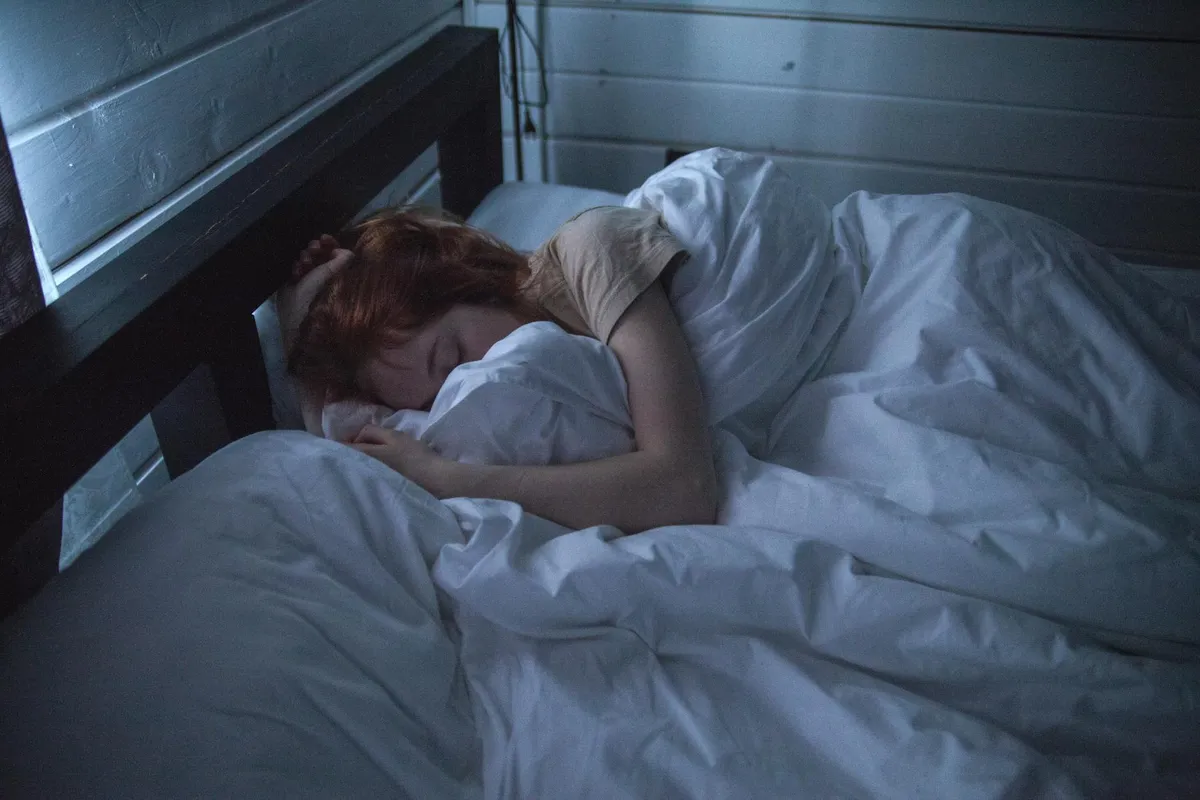
Your bamboo viscose sheets feel so sleek and cool. To keep them that way, you need a care routine that respects their delicate nature. I treat my bamboo sheets like I treat my fine silk blouses, with a gentle hand and minimal heat. Follow this protocol.
Core Protocol: A Gentle Guide for Bed Sheets
- Pre-treatment: Check for stains and use a gentle pre-wash.
Before washing, give your sheets a quick check. For a fresh food or body oil stain, I dab on a bit of mild liquid dish soap or a dedicated enzymatic pre-wash gel. Rub it in gently with your fingers and let it sit for 15 minutes. Avoid harsh stain sticks or brushes that can abrade the soft surface.
- Machine Settings: Cold or lukewarm water only. Gentle/Delicate cycle.
This is non-negotiable. Set your machine to cold water, or lukewarm at the absolute warmest (30°C or 86°F). Always select the Gentle, Delicate, or Hand Wash cycle. The slow, minimal agitation is key. Do not use a normal, heavy-duty, or quick wash cycle.
- Detergent: Use a mild, liquid detergent. Avoid bleach and optical brighteners.
Powder detergents can sometimes leave residues that make fibers feel harsh. I use a free-and-clear liquid detergent. Avoid any product containing chlorine bleach, which will rapidly degrade the fibers. Skip optical brighteners too, they are unnecessary chemicals that can affect the fabric’s natural sheen.
- Drying: Always air dry flat or hang. If using a dryer, only NO HEAT (air fluff) setting for a short time.
Heat is the enemy. The best method is to hang your sheets on a line or drying rack, or lay them flat on a clean surface. If you must use a dryer, use the Air Fluff or No Heat tumble setting for just 10-15 minutes to reduce wrinkles, then finish by hanging. Any heat from a standard dryer cycle will guarantee significant shrinkage and damage the fibers.
- Ironing: Use a low heat setting and iron while slightly damp, or use a steamer.
If you prefer a crisp look, iron the sheets while they are still slightly damp from washing. Use the lowest synthetic setting on your iron (often marked with one dot). A garment steamer is a fantastic, even gentler alternative that applies minimal pressure and direct heat.
The Science Behind the Gentle Care
Bamboo viscose is a regenerated cellulose fiber. That means it starts as a plant, gets broken down into a pulp, and is then extruded into new fibers, much like other rayon synthetic cellulose fibers. This process creates fibers with a smooth, round shape but less internal strength than a natural fiber like cotton, especially when wet.
Think of the wet fiber like a soft noodle. Aggressive machine agitation can stretch it, snap it, or cause it to fray, leading to pilling and fabric thinning. Heat makes this worse by relaxing the fiber’s molecular structure, allowing it to contract violently and permanently. This one-two punch of mechanical stress and heat is what causes the dramatic shrinkage and weakening you want to avoid. Your gentle care keeps those fibers smooth and aligned.
Are Bamboo Sheet Sets Machine Washable?
Yes, but gently. They are absolutely machine washable if you follow the rules above. The “Delicate” cycle on your machine exists for fabrics like this. I wash all my bamboo viscose bedding this way and it lasts for years. The moment you throw it in with a regular load on a hot cycle, you are treating it like a towel, and it will respond by becoming smaller, stiffer, and weaker. Treat it with the care its luxurious hand deserves, and it will reward you.
The Shrinkage and Wrinkle Reality
Let me be direct. Bamboo viscose can shrink significantly, often between 5% and 10% on its first warm wash. I’ve measured it myself in fabric testing.
This isn’t a flaw, it’s physics. The manufactured cellulose fibers are created under tension. When you introduce warm water and agitation, those fibers relax and contract, like a loose spring finally coiling up tightly. Think of it like hair that shrinks in length when it’s wet.
The best defense is a simple pre-wash test before you cut or sew.
Here’s how I do it. If you have extra fabric, cut a one-foot square swatch. If you’re dealing with a finished item like a sheet set, test a matching pillowcase.
- Lay the item flat on a grid mat or use a tape measure to note its exact length and width.
- Machine wash it alone on a gentle, warm cycle (around 40°C / 104°F) with a mild detergent.
- Tumble dry on a low heat setting or, even better, lay it flat to air dry completely.
- Measure it again in the same spots. The difference is your shrinkage percentage.
Now you know. You can pre-wash all your yardage on the same gentle cycle to get the shrinkage out upfront, or you can plan your pattern sizing to account for it.
As for wrinkling, yes, it will wrinkle. The fabric has a beautiful, fluid drape, but that silky hand comes with a tendency to crease. The good news is that the elegant drape often disguises minor wrinkles in a way a crisp cotton poplin cannot.
For smoothing, steaming is your best friend, not an iron. A handheld steamer relaxes the cellulose fibers with moisture and gentle heat, allowing the wrinkles to fall out without risking a shiny, scorched mark. If you must iron, use the lowest synthetic setting and always press on the reverse side while the fabric is still slightly damp. High, direct heat can make the fibers brittle or even melt them, leaving you with a limp, damaged noodle of a sheet.
Safety and Sensitive Skin: Chemical Residues and Certifications
You might have heard rumors about the chemicals used to make bamboo viscose. It’s a fair question. The bamboo stalk itself is non-toxic, but the process to turn it into a soft fiber is chemically intensive.
The main concern is a solvent called carbon disulfide. Factories use it to dissolve bamboo pulp into a syrupy liquid that can be extruded into fibers. Carbon disulfide is toxic in high concentrations for factory workers and can pollute local water if not managed correctly. For you, the end user, the question is whether any of this remains in your sheets.
A reputable manufacturer will run the finished fabric through multiple thorough washing baths specifically designed to strip away chemical residues. This leaves the fabric safe for use, especially when considering issues related to nylon fabric chemicals. The problem is that not all manufacturers are equally rigorous. Without proper washing, trace residues could remain locked in the fibers.
This is where independent certifications become your most powerful tool for ensuring safety. Don’t just take a brand’s word for it. Look for these labels:
- OEKO-TEX Standard 100: This is the gold standard for safety. It tests the final fabric for over 100 harmful substances, including residues from processing. If a sheet set has this certification, it’s been verified as safe for human skin contact, even for babies.
- FSC (Forest Stewardship Council): While bamboo is a grass, FSC certification ensures the bamboo was sourced from responsibly managed forests (or plantations) that protect biodiversity and workers’ rights.
- EU Ecolabel: A broader certification that looks at the entire lifecycle, from raw material to disposal, with limits on pollution and chemical use.
So, are bamboo sheets good for sensitive skin? The answer depends entirely on these certifications.
For sensitive skin, Oeko-Tex certified bamboo viscose is one of the safest and softest choices you can make, as the certification guarantees the removal of problematic residues. Uncertified bamboo viscose is a gamble. It might be fine, or the leftover processing chemicals could trigger contact dermatitis or irritation, especially during hot nights when your pores are more open. My advice is to always wash new sheets before the first use with a gentle, fragrance-free detergent. This provides an extra layer of safety, removing any dust or minimal surface residues from packaging and shipping.
Environmental Impact Profile
The sustainability of bamboo viscose is not a simple yes or no. It’s a spectrum with clear pros and cons. Understanding the environmental cost is part of evaluating its sustainability. We’ll separate the costs and benefits to see where bamboo viscose stands.
Biodegradability: This is a major win. Bamboo viscose is a cellulosic fiber, just like cotton or linen. At the end of its life, it will break down naturally in soil within a few years. A polyester sheet, by contrast, will sit in a landfill for centuries. Regenerated fabrics such as lyocell and modal, both cellulose-based, tend to biodegrade more readily in soil and compost environments. This makes end-of-life choices an important part of their ecological story.
Chemical Processing: This is the biggest environmental cost. The viscose process is resource-heavy. It requires large amounts of water and chemicals like sodium hydroxide and carbon disulfide. Modern, closed-loop factories can recover and reuse up to 99% of these solvents, dramatically reducing pollution. Always check if a brand mentions using a “closed-loop” or “Lyocell-type” process (though true Lyocell uses a different, less toxic solvent).
Microplastics: Another clear advantage. Bamboo viscose does not shed plastic microfibers into waterways when you wash it. Every time you choose it over a polyester blend, you’re preventing another load of plastic pollution.
Bamboo Growth: The plant itself has fantastic credentials. It’s one of the fastest-growing plants on Earth, requires no irrigation, and rarely needs pesticides. But there’s a catch. High demand can lead to monoculture farming, where vast swathes of land are converted to only bamboo. This destroys natural habitats and reduces biodiversity. Look for that FSC certification to ensure better farming practices.
My final assessment is that quality bamboo viscose from a certified, closed-loop factory is a better environmental choice than virgin polyester or conventional cotton, which is notoriously thirsty and pesticide-heavy. However, it still has a higher processing footprint than organic linen or hemp, or than fabrics made through purely mechanical processes (like lyocell or mechanically processed bamboo, sometimes called bamboo linen). Think of it as a strong middle-ground option.
Durability, Pilling, and Long-Term Wear
Let’s get real about how bamboo viscose holds up over time. In my testing, I categorize its durability as moderate. Bamboo viscose is significantly weaker when wet, much like a sponge that loses its structure, making it prone to abrasion and tearing during machine washing. It’s even less durable compared to clean-sew viscose rugs. I always handle it with extra care after it’s been soaked.
You will notice pilling on bamboo viscose sheets and pajamas. This happens because the regenerated cellulose fibers can break and tangle in high-friction zones. Areas like under the arms on pajamas or where your body rubs against the sheets are common pilling hotspots. For maintenance, I keep a simple fabric shaver handy; a few gentle passes every couple of months keeps the surface smooth.
How long can you expect a set to last? Directly comparing it, bamboo viscose generally has a shorter lifespan than a robust cotton percale or linen. With very careful washing, a well-made bamboo viscose sheet set might serve you well for 3 to 5 years, while a good cotton set could last a decade or more. Think of it as a silky-soft treat that requires a bit more pampering.
You can extend its life with a few simple habits. I recommend these steps based on years of caring for delicate fabrics:
- Always wash bamboo viscose in a zippered mesh laundry bag. This protects it from snagging and harsh agitation with other items.
- Avoid liquid fabric softener entirely. It coats the fibers, making them slick temporarily but can lead to a buildup that attracts soil and reduces absorbency over time.
- Mend small tears or pulled threads immediately. A loose thread can quickly become a large rip, especially when the fabric is wet.
How to Dye Bamboo Viscose Fabric at Home
If you have a plain bamboo viscose sheet or garment you want to refresh with color, you’re in luck. This fiber is a dream to dye. I’ve dyed countless yards of it in my studio, and the results are consistently vibrant.
Bamboo viscose has an excellent dye affinity, taking color brightly and easily, much like cotton or other rayons. Its manufactured cellulose structure is thirsty for dye molecules. You’ll often get richer, deeper shades with less dye powder compared to a synthetic like polyester. This is especially beneficial when dyeing viscose or rayon blended fabrics.
Choosing the Right Dye
Your dye choice is critical for success and colorfastness. Since bamboo viscose is a regenerated cellulose fiber, you should use dyes formulated for plant-based materials.
- Fiber-Reactive Dyes (like Procion MX): This is my top recommendation for the home dyer seeking professional, wash-fast results. These dyes form a covalent chemical bond with the cellulose fiber. The colors are brilliant and extremely durable to washing.
- All-Purpose Dyes (like Rit DyeMore): These are a good, accessible option. They contain a mixture of dyes that work on multiple fiber types. While convenient, they often don’t bond as permanently as fiber-reactive dyes, meaning colors may fade faster over repeated washes.
I avoid basic all-purpose dyes labeled for “cotton and rayon” for items that will be washed frequently, as they tend to bleed more.
Safety and Setup: Your Dyeing Toolkit
Safety first. Dye powders are fine chemicals you don’t want to inhale or get on your skin.
- Always wear a particle mask (an N95 is perfect) when handling dry dye powder.
- Wear protective gloves throughout the entire process.
- Work in a well-ventilated area.
- Use a large, non-reactive pot like stainless steel or enamel. Do not use aluminum, copper, or iron pots, as they can react with the dye and alter the color.
- Dedicate this pot and utensils to dyeing only, not food preparation.
The Dyeing Process: A Step-by-Step Guide
Follow these steps for predictable, beautiful color.
- Pre-Wash Your Fabric: This is non-negotiable. Wash the bamboo viscose item in warm water with a mild detergent (no fabric softener) to remove any finishing chemicals or oils. This pre-wash also triggers any initial shrinkage, so your dye work won’t be distorted later.
- Prepare the Dye Bath: Follow the specific instructions for your chosen dye. For fiber-reactive dyes, this usually involves dissolving the dye in warm water and then adding a fixative like soda ash to the bath.
- Submerge and Simmer: Add your wet, pre-washed fabric to the dye bath. Ensure it’s fully submerged and has room to move freely. Heat the bath to a simmer (around 160-180°F / 71-82°C) and maintain it, but do not let it reach a rolling boil. A vigorous boil can damage the viscose fibers, making them weak and brittle.
- Stir and Soak: Stir the fabric gently and continuously for the first 10-15 minutes, then occasionally for the remainder of the dye time (typically 30-60 minutes, depending on the dye).
Critical Post-Dye Steps: Rinsing and Washing
This part is what locks in your color and prevents a mess later.
Thorough rinsing is absolutely vital to remove any excess, unbonded dye and chemical fixatives from the fabric. Start by rinsing the fabric in the pot with cool water until it runs mostly clear. Then, move it to a sink or basin for further stain removal.
Continue rinsing with progressively cooler water until the water is completely clear. With fiber-reactive dyes, I finish with a hot water wash with a little synthrapol or very mild detergent to scrub away the last bits of loose dye. This prevents the color from bleeding onto other fabrics later.
Finally, hang the item to dry away from direct sunlight, or tumble dry on low if the care label permits. You’ve now given your bamboo viscose a stunning, custom new life.
Making Bamboo Viscose Last: A Textile Scientist’s Take
If you remember one thing from this article, let it be this: always wash your bamboo viscose in cold water on a gentle cycle. I have seen in durability tests that this single habit is the most effective way to minimize shrinkage and preserve the fabric’s soft, draping hand for years.
Take this mindset of intentional care into managing all your textiles, from wool’s need for mild agitation to the dye-fastness of cotton. Building your knowledge of how fibers like silk, polyester, and nylon behave during washing, dyeing, and wear is the true foundation of a sustainable and responsible practice.
Research and Related Sources
- The Pros and Cons of Bamboo Viscose Bed Sheets | Cozy Earth
- Is Bamboo Clothing Toxic? Myths vs. Facts
- Are Bamboo Sheets Good? The Pros and Cons of Bamboo Bed Sheets – Sunday Citizen
- How to Spot Poor Quality vs. High-Quality Bamboo Viscose – Olara Home
Florian Ventura
Florian is a high fashion blog writer, fashion and fabric expert and a keen expert in fabric, clothing and materials. She has worked in large textile and fashion houses for over 10+ years, engineering and working with various fabric types and blends. She is an expert when it comes to questions on any and all kinds of fabrics like linen, cotton, silk, jute and many more. She has also traveled around the world studying traditional fabrics and aims to bring them into the modern fashion use.