
How Does Moisture-Wicking Fabric Actually Work?
You’ve felt it: that clammy, cold sweat trapped against your skin in a synthetic shirt. Let’s fix that.
I’ll explain the simple science that moves moisture away from you. We will cover capillary action in yarns, the role of knit structures like jersey and mesh, how fiber cross-sections pull sweat, and the best ways to care for these technical fabrics.
Executive Summary: Your Quick-Reference Guide to Wicking Fabrics
The core function of a moisture-wicking fabric is simple on the surface. It moves liquid sweat away from your skin to the fabric’s outer surface where it can evaporate. This keeps you from feeling that clammy, wet grip. The real magic happens through a combination of engineered fiber shapes and the spaces within the knit structure.
Synthetic fibers like polyester and nylon are the most common players because we can engineer their shape. You will also find specific natural fibers, like merino wool, which wicks due to its unique protein structure. Some cottons receive a chemical treatment to mimic this ability, often called “performance cotton.”
Knit structures are the heroes here, especially jersey and mesh. Their looping construction creates inherent stretch and, more importantly, consistent capillary channels. Woven fabrics can wick, but their tighter, grid-like structure is less efficient at creating the continuous pathways liquid needs to travel quickly.
Your top care rule is non-negotiable. Avoid high heat from dryers and hot water, and never use liquid fabric softener or dryer sheets. Heat can melt or distort the microscopic grooves on synthetic fibers, while softeners coat the fibers, clogging the tiny wicking channels you paid for. Cold washes and air drying preserve the technology.
You will find these fabrics primarily in activewear, base layers, and socks. Their use has expanded into modern everyday comfort wear, like t-shirts and underwear, for anyone who values staying dry.
Material Data Table: Wicking Fabric Properties at a Glance
This table compares common wicking fabrics. Remember, “performance” versions of these materials have special finishes or constructions for enhanced wicking.
| Fabric Type | Breathability | Shrinkage Rate | Heat Tolerance | Stretch Factor |
|---|---|---|---|---|
| Performance Polyester | High | Low | Low (High heat ruins finish) | Medium-High |
| Nylon | High | Low | Low | High |
| Merino Wool | Medium-High | Medium | Low (Air dry only) | Low-Medium |
| Cotton (Knitted) | Medium | High | Medium | Medium |
| Polyester/Cotton Blend | Medium-High | Medium | Low-Medium | Medium |
A “Low” shrinkage rate often depends entirely on proper cold washing and air drying; throwing these items in a hot dryer can still cause shrinkage or damage.
The Core Physics: Hydrophobic vs. Hydrophilic Fibers and Capillary Action
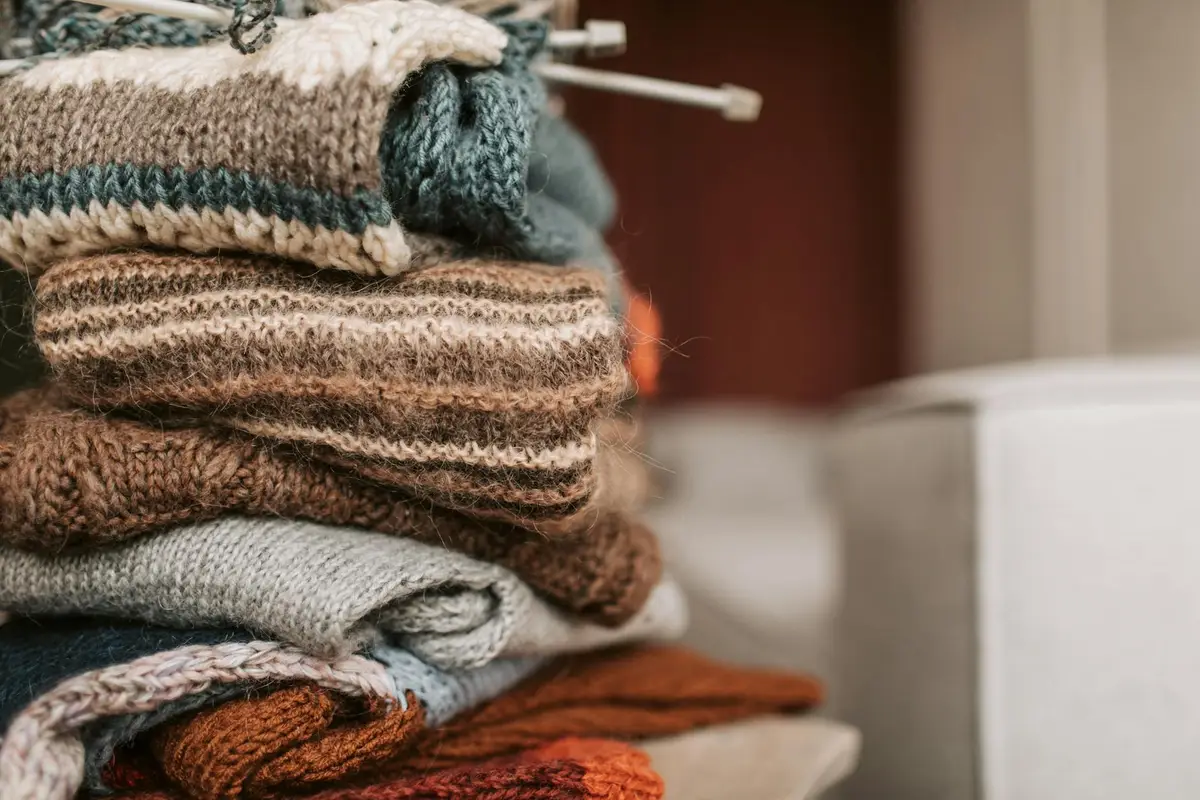
Let’s break down the core science. All fibers have a natural relationship with water, falling into one of two camps: hydrophobic or hydrophilic.
Think of a hydrophobic fiber as a waxed car. Water hits the surface and beads up, rolling right off. It wants nothing to do with the material. Polyester and nylon are classic hydrophobic fibers. A hydrophilic fiber acts like a sponge. It welcomes water, pulling it in and holding it within its structure. Cotton is the most familiar example; it gets soaked and stays damp. It’s these differences in fabric physics that determine how each fiber interacts with water.
Most high-performance moisture-wicking relies on hydrophobic fibers because they don’t absorb liquid sweat; they transport it. When sweat hits a polyester fiber, it doesn’t soak in. Instead, it beads on the surface, ready to be moved away.
This movement happens through capillary action. You see this when you dip the corner of a paper towel into water. The liquid defies gravity, climbing up the tiny channels between the paper’s fibers. In fabric, these channels are the microscopic spaces between individual fibers in a yarn, and between the yarns themselves.
Yarn engineers design fibers to maximize this effect. Instead of being round, many performance fibers are shaped like plus-signs, stars, or channels. These shapes create more surface area and consistent grooves-think of them as built-in microscopic aqueducts. The smooth surface of synthetic fibers also reduces friction, letting the water droplets travel faster along these pathways.
Merino wool operates on a different, brilliant principle. It’s hydrophilic, but in a smart way. Instead of absorbing liquid sweat, it absorbs moisture vapor from your skin directly into the hollow core of the fiber. This keeps the surface of the fabric feeling drier. I find it manages humidity rather than moving liquid, which is why it feels so different and comfortable across a range of temperatures.
How Knit Structure Builds the Wicking Highway
The fiber is the engine, but the knit structure is the road system. Woven fabrics are a tight grid of threads-great for structure, but often too dense for rapid moisture movement. Knits are built from interlocking loops, which naturally create the spaces needed for wicking and breathability.
Look at a basic jersey knit, the stuff of most t-shirts. See the vertical lines? Those are called wales. The horizontal rows are courses. This looped structure forms a connected network of tiny tubes. Capillary action pulls moisture along the yarns, and the knit’s architecture spreads it horizontally across the fabric’s inner surface, away from your skin.
Athletic and mesh knits take this further. They are engineered with larger, consistent openings. This does two key things: it dramatically increases surface area for evaporation (like turning a garden hose into a misting spray), and it boosts airflow for cooling. You’re not just moving moisture; you’re speeding up its journey from liquid to vapor.
The knit’s tightness also dictates feel and function. A tighter knit, like in a compression base layer, may wick slightly slower but provides muscle support and maintains closer contact with the skin to grab moisture. A looser, more open knit prioritizes rapid evaporation and maximum air circulation.
You can see this engineering at home. Take a piece of performance athletic wear. Lay it flat and gently stretch it in all directions. Watch how the tiny holes between the loops open up into clear windows. Those openings are your primary evaporation zones, and their design is no accident. When you move, this dynamic stretching constantly pumps air through this network, pulling vapor away from your body.
Fiber Deep Dive: How Cotton, Wool, Silk, Polyester, Nylon & Blends Handle Sweat
Every fiber interacts with water differently. Think of sweat as a two-part problem: liquid you can feel, and vapor you can’t. A fabric’s job is to manage both to keep you comfortable. Let’s look at how the major players work.
Polyester
Polyester is the synthetic king of moving liquid sweat. The fiber itself is hydrophobic, meaning it repels water. Wicking happens because of the yarn’s shape and the spaces created in the knit, not because the fiber absorbs moisture. You’ll find it in two main forms: smooth filament for a sleek feel, and textured or micro-channel fibers engineered to create tiny grooves that pull liquid along their surface.
Care is critical for performance. High heat is polyester’s enemy. A hot dryer can actually melt the very tips of these micro-grooves, creating a glazed surface that ruins wicking ability. Always wash performance polyester in cool water and tumble dry on low or no heat. I recommend powdered detergent over liquid gels, as some gels can leave a filmy residue that blocks those moisture channels.
Nylon
Nylon behaves much like polyester but is often spun into finer, softer yarns. It’s incredibly durable and dries very quickly. Its wicking ability is also engineered through fiber shape and fabric construction. You’ll commonly see it blended with other synthetics or elastane for activewear. In activewear, these properties translate to lightweight, quick-drying garments that move with you. The durability and moisture-management of nylon make it a staple in performance fabrics.
Nylon’s Achilles’ heel is chlorine bleach, which can severely weaken the fibers and destroy any applied wicking treatments. For care, follow similar cool-wash, low-heat-dry rules as polyester. Its strength means it handles gentle machine washing well, but avoid fabric softeners that coat the fibers.
Cotton
Standard cotton is a moisture absorber, not a wicker. It acts like a sponge, pulling liquid in and holding it close to your skin, which leaves you feeling wet and cool. For cotton to wick, it needs a chemical or mechanical treatment. Mercerization is a common process that swells the fiber, giving it a slight sheen and making it more receptive to wicking finishes. “Performance” cottons are usually treated this way.
The biggest care issue is shrinkage. Cotton fibers swell with water and can permanently contract with high heat. If you have a performance-treated cotton item, wash in cool water to protect the finish and minimize shrinkage, and avoid high-temperature drying.
Wool (Merino)
Wool, especially fine Merino, is a master of vapor management. The fiber’s core absorbs water vapor (the *feeling* of dampness) and moves it to the outer surface to evaporate. Wool manages humidity next to your skin, which is why it feels warm when it’s cold and cool when it’s hot, without ever feeling wet. It’s also naturally odor-resistant.
Care is non-negotiable. Agitation, heat, and rapid temperature changes cause the scales on the wool fiber to lock together, leading to felting (severe, irreversible shrinkage). Wash Merino wool by hand or on a dedicated wool cycle in cold water, and always reshape and lay it flat to dry. Never wring it out. When sourcing wool, I look for transparency from brands about animal husbandry. For those who prefer alternatives, high-tech synthetics or advanced plant-based fibers like Tencel can offer similar vapor management.
Silk
Silk has moderate natural wicking properties. It can absorb a fair amount of moisture vapor without feeling damp, contributing to its legendary comfort across seasons. It’s often used in lightweight base layers for this reason.
Silk is a protein fiber, delicate and prone to damage from harsh treatment. Always use a gentle, pH-neutral detergent and wash by hand or on a delicate cycle with very low agitation. High heat will scorch and weaken the fibers. I recommend avoiding machine drying entirely; instead, roll the garment in a towel to press out water and then lay it flat in the shade. For more tips on silk fabric care and washing techniques, check out this guide.
Blends (e.g., Polyester/Cotton)
The classic 50/50 or 60/40 polyester-cotton blend aims for the best of both worlds: the soft, comfortable hand of cotton with the durability and wicking aid of polyester. The polyester component helps move moisture away, while the cotton offers absorbency and breathability.
Care requires a compromise. You must cater to the most delicate component in the blend. The cotton wants higher heat to dry fully, but that heat can damage the polyester’s wicking ability over time. I treat these blends like polyester: wash in cool to warm water and use a medium or low dryer heat to balance dryness with fiber safety. The cotton may still shrink slightly, but the polyester matrix helps limit it.
Choosing and Using Wicking Fabrics: From Gym to Everyday
Picking the right fabric isn’t just about the fiber. It’s about matching the fabric’s physics to your activity and knowing how to wear and care for it.
Match the Fabric to Your Activity
- High-Sweat, High-Output (Running, Gym Work): Go for synthetics like polyester or nylon. Their job is to move liquid sweat away from your skin as fast as possible to aid evaporation and cooling.
- Variable Temperatures & Multi-Day Wear (Hiking, Travel): Merino wool is a superstar here. Its vapor management and odor resistance mean you stay comfortable as temperatures shift and can wear it longer between washes.
- Comfort-Focused & Everyday (Office Wear, Casual Tees): Treated cotton blends or lightweight Merino are excellent. They provide enough moisture management for daily life while prioritizing softness and a natural feel.
The Importance of Next-to-Skin Layers
For wicking to work, the fabric must be in consistent contact with your skin. A too-loose base layer can’t effectively pull moisture away; it will just pool sweat in the fabric folds. Look for a snug but not restrictive fit. Also, check seam placement. Flatlock or bound seams lie flat and reduce chafing in areas like underarms and shoulders, which is crucial for comfort during movement.
Specific Uses and What to Look For
- Socks: Don’t just buy “wicking” socks. Look for zones of different knitting. A tighter knit under the arch for support, and a highly breathable, often mesh-like, knit over the top of the foot. Many use a synthetic blend in high-sweat areas and Merino in the footbed for cushioning.
- Sleepwear: For night sweats, focus on breathability and vapor movement. Lightweight Merino, Tencel, or moisture-wicking bamboo blends are often more effective than thick cotton, which can become damp and clingy.
- Everyday Tees & Office Wear: Here, wicking is about managing perspiration from commuting or a warm office. Performance-treated pima or combed cotton blends offer a polished look with upgraded function, while fine-gauge Merino works as a sophisticated underlayer. The goal is fabric that breathes and prevents that sticky, clammy feeling.
When considering any animal fiber, I advocate for informed choices. Seek out brands committed to ethical sourcing, like those supporting ZQ Merino (which certifies responsible farming practices) or similar standards. For a high-performance, plant-based option, fabrics like Tencel Lyocell, made from sustainably sourced wood pulp, offer exceptional moisture absorption and a beautifully soft drape.
Textile Expert’s Note: Handling Pro-Tip for Sewers and Makers
If you’re cutting into a moisture-wicking knit, your first touch tells you everything. That fluid, stretchy drape feels slippery compared to a stable woven. It will want to slide on your cutting table. I always weigh it down with pattern weights or use fine pins within the seam allowance to keep it from shifting.
Sewing this fabric demands the right tools. A universal needle will likely push threads aside or create little holes and snags. You need a ballpoint or stretch needle, which slides between the knit loops instead of piercing them. For your stitch, a narrow zigzag is your best friend. It allows the seam to stretch with the fabric, while a straight stitch will pop the first time you move.
Grainline in knits is different. The greatest stretch typically runs horizontally, which is the cross-grain or weft direction. Before you cut a single piece, gently pull the fabric widthwise and lengthwise. The direction with the most give is the one you want to go around your body. Always test this.
A nice bonus is that these knits rarely fray. You can often leave seam allowances unfinished for comfort. For hems, a twin needle on a domestic machine gives a professional stretch stitch. Ready-to-wear athletic gear uses a coverstitch, which lays flat and is very durable, replicating that look at home is a bit trickier.
The Care Protocol: Washing, Drying, and Reviving Wicking Performance
Washing these garments correctly is non-negotiable for their lifespan. Follow these steps to maintain their science-built function.
- Turn the garment inside out. This protects the outer surface.
- Use cold or warm water (not hot) on a gentle cycle.
- Skip fabric softener entirely. It leaves a waxy coating that clogs the fibers’ ability to wick.
- Choose your detergent wisely. A small amount of liquid castile soap or a detergent made for technical athletic wear works best. These clean effectively without heavy residues.
Heat is the enemy of performance. High heat in the dryer can permanently tighten the knit structure, shrinking the garment and crushing the engineered channels in the fibers. Tumble dry on the lowest heat setting or, ideally, lay the garment flat or hang it to air dry. This preserves the fabric’s shape and its technical capabilities.
Synthetic fabrics like polyester and nylon can hold onto body odor. Oils from your skin bind to the fibers, and bacteria feast on them. To fix this, soak the garment for 30 minutes in a solution of one part white vinegar to four parts cool water. You can also use a enzymatic sports wash designed to break down those oily soils.
If your older gear feels less effective, its wicking may be hindered by a buildup of detergent, oils, and minerals. To restore wicking performance, run a gentle wash cycle with a tablespoon of clear, dye-free dish soap. Its degreasing action can help strip away the residue without damaging the fibers. Rinse thoroughly afterwards.
Dyeing and Color: How Color Affects (and is Affected by) Wicking
You might wonder if the dye process clogs up those clever channels in the fabric. For most performance synthetics, the answer is no. The color is usually part of the fiber itself from the start, as is the case with synthetic fabrics used in activewear.
The dyes used for polyester and nylon are typically “disperse” dyes, which bond inside the polymer chains of the fiber under high heat, leaving the surface relatively clear for moisture to travel. Nylon-specific dyeing techniques often rely on diffusion under controlled heat to ensure uniform color throughout the fiber. Some fabrics are even “solution-dyed,” where pigment is mixed into the liquid plastic before it’s ever spun into a filament. This creates exceptional colorfastness without hindering function.
Natural fibers tell a different story. Cotton and wool require different dye classes, like reactive or acid dyes. These dyes form chemical bonds with the fiber molecules. When done well in a professional mill, the dye is secure and the fabric’s hand remains open. However, a poor dye job can leave excess dye sitting on the fiber surface. This can slightly alter the fabric’s feel and, in rare cases, create a subtle barrier to wicking. You might notice this as a shirt that feels a bit stiffer or less “dry” than an un-dyed version of the same fabric. Understanding how dye interacts with different fabrics—cotton, wool, and synthetics—helps explain these variations. It also underscores why dye projects are tailored to each fiber family.
Thinking of dyeing a wicking garment at home? I strongly advise against it for finished polyester or nylon items. The dye process requires near-boiling temperatures (often 200°F or more) for an extended time to force the dye into the fiber. This intense heat will almost certainly degrade or melt any delicate wicking finish applied to the yarn or fabric. That high-tech treatment is more fragile than the fiber itself.
On colorfastness: these performance fabrics are champions at holding color, but always wash dark or bright new items separately in cool water for the first few cycles to be safe. Any loose dye that wasn’t fully fixed will release in that first wash, not during your workout.
Troubleshooting: When Wicking Fails and How to Fix It
Even the best gear can lose its magic. Here’s how to diagnose common problems and what you can do.
Problem: The fabric feels “slimy” or holds a persistent odor.
This is almost always caused by a buildup of fabric softener, detergent residue, or body oils trapped in the fibers. These coatings clog the microscopic spaces that pull moisture away. The fix is a strip wash. Run the garment through a hot wash cycle (check the care label first) with no detergent. Instead, add one cup of white vinegar to the drum. For a heavy buildup, a soak in a sink with a tablespoon of clear dish soap (like Dawn) and warm water for an hour before the vinegar wash can help break up oils.
Problem: The fabric no longer feels dry; moisture seems to sit on it.
If you’ve ruled out detergent buildup, heat damage is the likely culprit. Tumbling polyester or nylon on high heat can actually cause the very tips of the fibers to melt slightly, a process called “glazing.” This seals the capillary channels. This damage is permanent; you cannot restore a melted fiber. Prevention is everything. Always use low or no-heat dryer settings, or better yet, air dry your technical gear.
Problem: The garment shrank.
True wicking synthetics (polyester, nylon) are very resistant to shrinkage from washing. If shrinkage occurs, you’re likely dealing with a natural fiber blend. Cotton is the usual suspect. A typical cotton-polyester blend might shrink 2-5% on its first warm wash. You can sometimes gently stretch the garment back to shape while it’s still damp. For wool or wool blends, shrinkage is usually due to felting from heat and agitation. Felting is a permanent, irreversible process where the scales on the wool fibers lock together for good.
Problem: Set-in sweat stains.
Sweat contains salts and proteins that can bind to fibers. Treat stains promptly. Make a thick paste of baking soda and a little water, gently rub it into the stain, and let it sit for an hour before washing. For older stains, use an enzyme-based laundry pretreatment designed for protein stains. Always wash stained items in cool or warm water, as hot water can set the protein stain permanently.
Putting Theory Into Practice
The most effective moisture-wicking gear starts with its label. For high sweat activities, look for a knit made from a synthetic like polyester in a structure called a jersey, and pair it with a looser outer layer of natural fiber like cotton or wool to complete the system. Your body’s cooling mechanism works best when the fabric physics are chosen for the job.
Caring for these technical fabrics gently preserves their engineered performance. Washing in cold water and avoiding high heat drying not only saves energy but protects the precise knit structures and fiber shapes that move sweat. Learning to read and follow care labels is the first, most responsible step toward making your wardrobe last.
Further Reading & Sources
- What Does Moisture-Wicking Mean? | REI Expert Advice
- Moisture management – Wikipedia
- r/explainlikeimfive on Reddit: ELI5 how moisture-wicking fabric amd clothing works and what the promised benefits translate to in real life
- What Is Moisture Wicking and How Does It Work?. Nike.com
Florian is a high fashion blog writer, fashion and fabric expert and a keen expert in fabric, clothing and materials. She has worked in large textile and fashion houses for over 10+ years, engineering and working with various fabric types and blends. She is an expert when it comes to questions on any and all kinds of fabrics like linen, cotton, silk, jute and many more. She has also traveled around the world studying traditional fabrics and aims to bring them into the modern fashion use.