
Why Does My Workout Shirt Stay Wet While My Rain Jacket Stays Dry?
That frustrating clamminess or that disappointing soggy spot isn’t a flaw in your gear-it’s physics, and I can show you how to use it. As a textile scientist, I test these properties in the lab to give you clear answers for your closet.
This article explains the simple science behind water and fabric. We will cover the molecular reason fabrics attract or repel water, how true wicking actually works, the care that keeps these functions intact, and how to choose the right fabric for running, rain, or everyday comfort.
Executive Summary: Your Quick Fabric Physics Guide
In textile science, hydrophobic fibers are water-fearing and repel moisture, while hydrophilic fibers are water-loving and absorb it. This fundamental difference dictates how a fabric interacts with your skin and your laundry routine.
The core practical takeaway is this: hydrophobic fabrics push liquid water to the surface where it can spread and evaporate, a process called wicking. Hydrophilic fabrics pull water *into* the fiber structure itself, which can leave a damp, heavy feeling.
You’ll typically find these fibers in two main camps:
- Hydrophilic (Absorbent): Cotton, wool, silk, rayon, linen, and bamboo.
- Hydrophobic (Water-Repellent): Polyester, nylon, acrylic, and polypropylene.
Modern performance wear rarely uses just one fiber type. Engineers create smart blends, like a polyester core with a cotton sheath, or apply durable chemical treatments to a fabric’s surface to manipulate moisture movement for a specific activity.
This property is the root of many other fabric behaviors. A hydrophilic fiber like cotton is breathable but shrinks dramatically when its swollen fibers constrict. A hydrophobic polyester won’t shrink from water but can feel clammy and traps body oils, which is why stains are tricky. Your care starts with knowing which camp your fabric is in.

Material Data Table: Moisture & Care at a Glance
| Fiber | Fiber Type | Hydrophobic/Hydrophilic | Breathability | Typical Shrinkage Risk | Ideal Washing Temp | Special Care Note |
|---|---|---|---|---|---|---|
| Cotton | Natural | Hydrophilic | High | High (3-5% is common) | Cold to Warm (30°C/85°F) | Absorbs dye beautifully but can bleed; high heat drying is the main cause of shrinkage. For minimal shrinkage, air dry. |
| Wool | Natural (Animal Fiber) | Hydrophilic | High | Very High (Felts if agitated) | Cold (Hand Wash Recommended) | Hydrophilic but can feel dry due to waxes; extreme shrinkage (felting) risk with heat and agitation. Use a wool-specific detergent. |
| Polyester | Synthetic | Hydrophobic | Low to Medium | Very Low | Cold to Warm (Up to 40°C/105°F) | Hydrophobic; low shrinkage risk but holds oily stains. Pre-treat body soil with a stain remover before washing. Dyes require high heat and pressure. |
| Nylon | Synthetic | Hydrophobic | Low | Low | Cold to Warm (Up to 40°C/105°F) | Similar to polyester but more prone to static and can be weakened by chlorine bleach. Washes easily but can pick up color from darker items in the wash. |
The Core Science: From Fiber Molecules to Water Droplets
What Does Hydrophobic Really Mean at the Fiber Level?
Think of a polyester molecule like a long, smooth plastic chain. Its structure has no charged spots, or polar groups, that water molecules are attracted to. Water simply has nothing to grab onto.
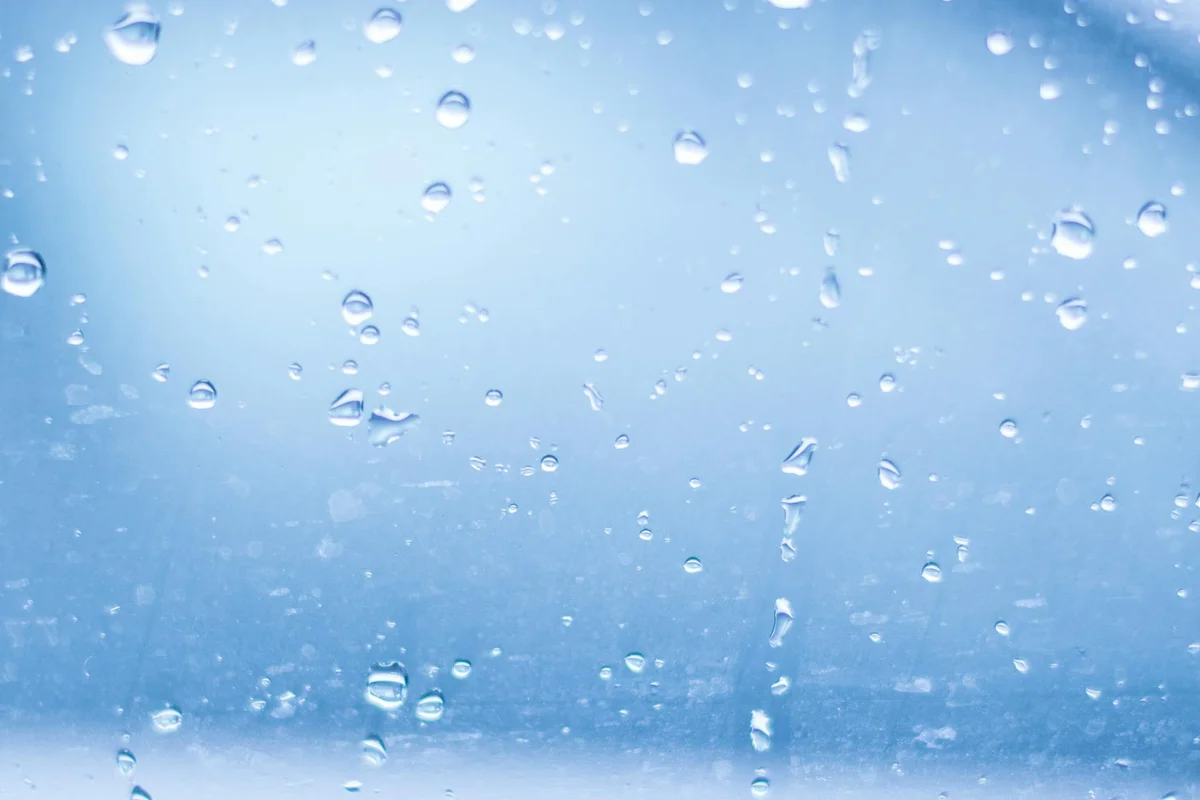
You see this in a classic visual test. Place a drop of water on a 100% polyester jacket. It beads up into a perfect sphere and rolls around. It sits on the surface.
This fundamental resistance to water makes polyester great at repelling oily stains, as oil adheres well to its surface, but a challenge for water-based stains like mud or juice, which can’t penetrate to be cleaned easily. You often need surfactants in detergent to break the surface tension and force water into the fabric.
How do hydrophobic fabrics interact with water? They repel it at a molecular level, causing beading and slow absorption, which is why they dry so quickly but can feel clammy during sweat.
What Does Hydrophilic Really Mean at the Fiber Level?
Now picture a cotton fiber. Its cellulose structure is covered in hydroxyl groups. These are like tiny magnets with a positive and negative end that form instant hydrogen bonds with water molecules.
In that same visual test, a water drop on a cotton t-shirt vanishes. It’s absorbed, spreading through the fiber’s core and the spaces between them. The fabric feels damp to the touch.
This high absorbency is why cotton feels so comfortable against the skin; it pulls moisture from you. But there’s a trade-off. As those fibers swell with water, they can shrink dramatically if the fabric wasn’t pre-shrunk. A typical cotton knit can shrink 5-10% in a hot wash, especially when compared to linen-cotton blends.
How do hydrophilic fabrics interact with water? They attract and absorb it directly into their molecular structure, leading to a damp feel, high comfort, and a greater risk of shrinkage from fiber swelling.
The Magic Trick: How Capillary Action Moves Moisture
Capillary action is water’s talent for climbing through tiny tubes or gaps. Watch a paper towel pull a spill across a counter. That’s it.
In fabric, this happens primarily in the micro-gaps *between* yarns and fibers, not just inside them. It’s all about surface tension and the attraction between water and the fiber walls.
Modern performance fabrics engineer these capillary channels. A yarn might have a hydrophobic polyester core for strength, but its shape is textured to create permanent micro-channels. Sweat is pulled along these channels by capillary action, spreading it thinly across the fabric’s outer surface to evaporate fast, even though the fiber itself repels water.
What is the role of capillary action? It’s the primary physical force that “wicks” moisture through a fabric’s structure. What is the relationship between surface tension and wicking? The right balance of fiber surface energy (from hydrophilic treatments) and channel size creates the capillary pull that moves sweat away from your skin.
How Fiber Type and Fabric Build Change the Game
Why Natural Fibers Lean Hydrophilic (And the Exceptions)
Cotton, linen, and rayon (made from cellulose) are inherently hydrophilic. Their molecular blueprint is built to bond with water. This gives them superb absorbency, making them cool and comfortable in heat, though they dry slowly.
Wool is a fascinating exception. Its core is highly hydrophilic and can absorb a huge amount of moisture vapor without feeling wet. But its surface is covered in hydrophobic scales and, in its raw state, lanolin wax. This is why a drop of water can bead up on untreated wool initially, while the fiber underneath is actually absorbing humidity from the air. Washing often removes lanolin, making the wool feel more absorbent over time. Compared with silk, wool breathes differently, absorbing moisture while still feeling dry to the touch. The wool–silk contrast in moisture management is worth considering when evaluating overall breathability.
Silk sits in the middle. Its protein structure absorbs moisture, but less than cotton. It feels less clammy when damp and dries relatively quickly. Different silk fabrics—such as charmeuse, habotai, and dupioni—have distinct properties and care needs. Knowing the fabric type helps tailor cleaning and drying methods. I always hand-wash silk in cool water, as heat can damage these delicate protein bonds.
Why are natural fibers like cotton often hydrophilic? Their biological origins involve complex molecules (cellulose, protein) that contain polar groups water loves to bond with, a trait not engineered out of them.
Why Synthetic Fibers Lean Hydrophobic (And How We Change Them)
Polymers like polyester and nylon are created in labs. Their chains are smooth, even, and non-polar. Water finds them boring and repellent.
This gives them major practical advantages: they dry in a flash, and because they don’t swell with water, they have minimal shrinkage from washing. A polyester garment might shrink less than 1-2%.
To make these synthetics suitable for activewear, we apply chemical treatments called durable hydrophilic finishes. These are essentially microscopic coatings that temporarily give the fiber a water-attracting surface. They make the fabric feel hydrophilic for moisture-wicking, so sweat spreads for evaporation. Be aware, these coatings can wash out over 20-40 cycles, reducing the garment’s wicking power.
Why are synthetic fibers often hydrophobic? They are made from petroleum-based polymers designed for strength and stability, not for interacting with water. What is the purpose of chemical treatments? To temporarily alter the fiber’s surface chemistry, making it attract water for better moisture management and comfort.
The Power of the Blend and the Weave
Blending fibers lets us play with these properties. A classic activewear blend uses a bi-component yarn: a hydrophobic polyester core for durability and shape, wrapped in a hydrophilic cotton sheath for softness against skin. The cotton grabs the sweat, and the polyester helps it spread and evaporate, similar to other fabric blends like cotton and wool that balance comfort and function.
The fabric’s construction is equally critical. A loose, open jersey knit or mesh weave creates a highway of capillary channels, boosting breathability and wicking for any fiber type. This is why a loose-weave linen shirt feels so cool.
Contrast that with a tight sateen weave, where yarns are packed closely. It feels beautifully smooth and lustrous, but those capillary pathways are narrower and fewer. It wicks moisture more slowly as a result.
How does fabric construction influence moisture management? It dictates the number, size, and shape of the capillary channels available to move liquid. How does a fabric blend properties for activewear? It combines the durability and quick-dry ability of synthetics with the natural moisture-handling and comfort of hydrophilic fibers.
The Care Protocol: Washing for Optimal Moisture Performance
Think of washing as maintenance for your fabric’s engineered properties. Get it wrong, and you can permanently alter how a fiber handles moisture. I treat my laundry routine like a lab protocol-it makes all the difference, especially when dealing with wool-polyester blends.
Step-by-Step: Washing Hydrophilic Natural Fibers (Cotton, Wool, Silk)
These fibers love water, so washing seems straightforward. The risk isn’t getting them wet, it’s managing the physical stress water causes to their structure.
Cotton/Linen: Cotton is a thirsty sponge. In the wash, water swells the fibers. Agitation and heat then force them to relax into a tighter, shrunken configuration. To minimize this, use a gentle cycle with cool or warm water-not hot. A mild detergent prevents harsh chemical damage to the cellulose. Line drying is the single best way to limit cotton shrinkage, but a low-heat tumble dry works if you remove items while slightly damp. Ironing is easy; use high heat while the fabric is still damp to smooth the plant-based fibers.
Wool: Wool is a protein fiber with scales. Hot water and agitation cause those scales to lock together, a process called felting, which is irreversible shrinkage. You must hand wash wool in cool water with a wool-specific, pH-balanced detergent. Never wring or twist it. Instead, press the water out by rolling the garment in a clean towel. Always lay wool flat to dry, reshaping it to its original dimensions as it does. This preserves its springy loft and natural wicking ability.
Silk: Like wool, silk is a protein fiber, but its filaments are long and smooth. Harsh handling can break them. Hand wash silk fabrics in lukewarm water with a mild, pH-neutral soap. Rinse thoroughly to prevent detergent rings. Never wring silk—just gently press out water and roll it in a towel. Iron on the lowest setting while the silk is still slightly damp to avoid scorching the delicate fibers.
Remember this rule: Heat plus agitation plus hydrophilic fibers equals guaranteed shrinkage. Manage the first two, and you control the third.
Step-by-Step: Washing Hydrophobic Synthetics & Treated Fabrics (Polyester, Nylon)
Synthetics repel water, but that means oily body soils bind directly to the fiber surface. Your wash routine focuses on removing oils and preserving any applied chemical finishes.
You can usually machine wash these fabrics in cool or warm water. I use a detergent formulated for sports wear or one that mentions tackling oils. This is critical. You must avoid standard fabric softener and dryer sheets at all costs; they deposit a waxy coating that clogs the fibers and instantly ruins moisture-wicking treatments. If you need softness, use a vinegar rinse in the wash cycle instead.
Tumble dry on low heat and remove items promptly. High heat can melt or distort synthetic microfibers and set wrinkles permanently. Ironing is rarely needed, but if you must, use the lowest synthetic setting.
To protect durable water repellent (DWR) or wicking finishes, wash garments inside-out on a gentle cycle. This reduces abrasion. Avoid chlorine bleach, which can break down the chemical treatments.
Troubleshooting: When Wicking Fails or Odors Set In
Even with perfect care, problems arise. Here’s how I fix the most common issues in my own gear.
Problem: Your synthetic workout gear still smells funky right after washing. Cause: Oils and sweat proteins are trapped deep in the hydrophobic fibers. Normal detergent isn’t enough. Solution: Before your main wash, soak the garment for 30 minutes in a mix of one cup white vinegar to a basin of cool water. Or, use a sports detergent with enzymes that break down protein-based soils.
Problem: A cotton t-shirt feels heavy and soggy with sweat. Cause: This is not a failure. Cotton is doing its job-absorbing moisture directly into the fiber. Solution: This is simply the physics of a hydrophilic fabric. For an activity where you want moisture moved *away*, choose a different fabric, such as nylon for breathable and moisture-wicking properties.
Problem: A tech fabric that used to wick perfectly now just feels wet. Cause: Buildup from detergent residues, softeners, or body oils is coating the fibers. Solution: Strip the buildup. Wash the garment alone on the hottest setting the fiber allows (check the label!) with a tablespoon of washing soda or a commercial product like Granger’s Performance Wash. This clears the fibers without damaging them.
Choosing Your Fabric: Match the Physics to Your Purpose
Knowing how fibers interact with water lets you choose the right tool for the job. Don’t fight a fabric’s inherent nature; use it to your advantage.
- For intense sweat and fast drying: Pick a synthetic like polyester or nylon, especially one with a moisture-wicking finish. These hydrophobic fibers won’t absorb sweat but will move it along the surface to evaporate quickly. Blends that pair a hydrophobic fiber with a hydrophilic one (like polyester/cotton) can also create a clever pumping action.
- For everyday comfort and absorbency: Choose a natural hydrophilic fiber like cotton or linen. They absorb moisture directly into the fiber, which feels cool against your skin. Accept that they will stay damp longer-this is their design.
- For warmth when wet: Wool is your champion. Its fibrous core can hold water vapor without feeling liquid wet, and it traps heat brilliantly even when damp. It’s a hydrophilic fiber that doesn’t feel cold.
- For humid, sticky weather: Go for a lightweight, loosely woven linen. Its high breathability lets absorbed moisture evaporate more readily than dense cotton. Alternatively, a well-treated synthetic will keep moisture off your skin entirely.
- For low-maintenance durability: A standard hydrophobic synthetic like polyester is tough. It resists water-based stains, dries in a flash, and has minimal shrinkage. It’s the workhorse of easy-care fabrics.
Your final, most reliable guide is always the care label-it’s the manufacturer’s blueprint for maintaining the fabric’s intended performance over its lifetime. This is especially important when considering fabric shrinkage.
Putting Fabric Chemistry to Work
The most useful thing you can do is match your fabric’s chemistry to its job. Choose hydrophobic synthetics for a quick-drying shell and hydrophilic natural fibers for absorbing sweat close to your skin. Treat them according to their needs-skip fabric softener on your polyester gym gear to preserve its wicking power and use gentle heat for cotton towels to maintain their thirsty loft.
Your care choices extend a garment’s life and reduce waste. Learning how fibers interact with water, detergent, and heat lets you wash smarter, buy more intentionally, and keep your favorite pieces in rotation for years. Every fabric has a purpose, and understanding these basics turns your wardrobe into a reliable, high-performing toolset.
Expert Resources and Citations
- clothing – How can I avoid or lessen sweating in a rain jacket? – The Great Outdoors Stack Exchange
- Best Rain Jackets of 2026 | Better Trail
- Understanding Condensation and Perspiration in Rain Jackets – SectionHiker.com
- r/CampingandHiking on Reddit: Recommendations for rain jackets that are actually water proof?
- Men’s Rain Jackets & Gear | Carhartt
- 10 Best Rain Jackets | Tested & Rated
Florian Ventura
Florian is a high fashion blog writer, fashion and fabric expert and a keen expert in fabric, clothing and materials. She has worked in large textile and fashion houses for over 10+ years, engineering and working with various fabric types and blends. She is an expert when it comes to questions on any and all kinds of fabrics like linen, cotton, silk, jute and many more. She has also traveled around the world studying traditional fabrics and aims to bring them into the modern fashion use.