Why Is Your Linen a Different Color Than Expected?
If your new flax-colored linen sheets don’t match the pillowcases, or if your “natural” linen shirt has subtle streaks, don’t worry-you haven’t received a defective product. This natural variation is a hallmark of authentic linen and a direct result of the plant’s journey from field to fabric.
In this guide, I’ll walk you through why these beautiful inconsistencies happen and how to work with them. We will cover the natural spectrum of undyed linen, how processing creates unique shades, how to care for these variations over time, and your options for achieving a uniform dye color if you prefer it.
Executive Summary: The Quick Facts on Linen’s Natural Hues
Linen’s natural color is not one shade. It is a whole spectrum born from the earth.
You will find it ranging from a pale, creamy ecru to soft oatmeals, warm beiges, cool silvery greys, and even rich, earthy browns. These are not dyed colors but inherent hues locked within the flax plant itself.
Key Properties of Natural Linen Colors
- They are intrinsic to the flax fibers, not applied later.
- The final shade is a direct result of the plant’s genetics, its growing conditions, and how it was processed after harvest.
- These colors have a nuanced, heathered quality because of slight variations in the fiber bundle.
The Advantages of Choosing Natural Linen
There are real benefits to loving linen in its natural state.
- The unique, heathered look is impossible to replicate perfectly with dyes, giving your project an organic depth.
- These plant-based pigments are often more resistant to fading from sunlight and washing compared to some applied dyes.
- Choosing undyed linen is a zero-waste color process, perfectly aligned with biodegradable end-of-life for the fabric.
Practical Considerations
Working with natural colors requires a specific mindset.
- Batch-to-batch variation is normal. The linen from one field in Belgium may differ slightly from the next. Order extra fabric if you need a perfect color match.
- The fabric can sometimes show water spots or rings more visibly than a uniformly dyed piece. This evens out after a full wash.
Your main care takeaway is simple. Gentle washing in cool to lukewarm water preserves these subtle shades and minimizes the fabric’s natural shrinkage, which is typically 3-5% on a first wash. I always recommend a mild, pH-neutral detergent.
Why Isn’t Linen Just White? The Science of Plant-Based Color
To understand linen’s color, you must understand where it comes from. Cotton grows as a fluffy, nearly white boll around seeds. Linen is different. We make it from the long, sturdy stalks of the flax plant.
Think of a celery stalk. It has tough, fibrous strands and a natural green-grey color. Flax stalks are similar. The fibers we extract are bundles of cellulose, but they come wrapped in natural gums, pectins, and pigments that give them color. The plant needs this structure to stand tall, and it gifts the fabric its characteristic strength and hue.
The Influence of Terroir
Just like wine grapes, flax is influenced by its “terroir.”
- Soil quality changes everything. Richer, loamy soil might produce a deeper beige, while mineral-heavy soil can lead to greyer tones.
- Rainfall and climate during the growing season affect the plant’s health and the density of pigments in the stalk fibers.
This is why linen from Normandy has a different character than linen from the Netherlands. The land speaks through the fiber.
Comparing Fibers: Linen vs. Wool vs. Cotton
This plant-based origin sets linen apart from other natural fibers.
- Wool gets its color from animal pigment (melanin) in the sheep’s fleece, leading to blacks, browns, and greys.
- Cotton, in its pure state, is about 95% cellulose and is naturally a bright, creamy white, which is why it takes dye so vividly.
- Linen sits between them, with a built-in, variable palette determined by botany and farming, not animal genetics or a blank slate.
The Retting Process: Setting the Color
The first major processing step is called retting. This is where we break down the pectins that bind the fibers to the woody stalk.
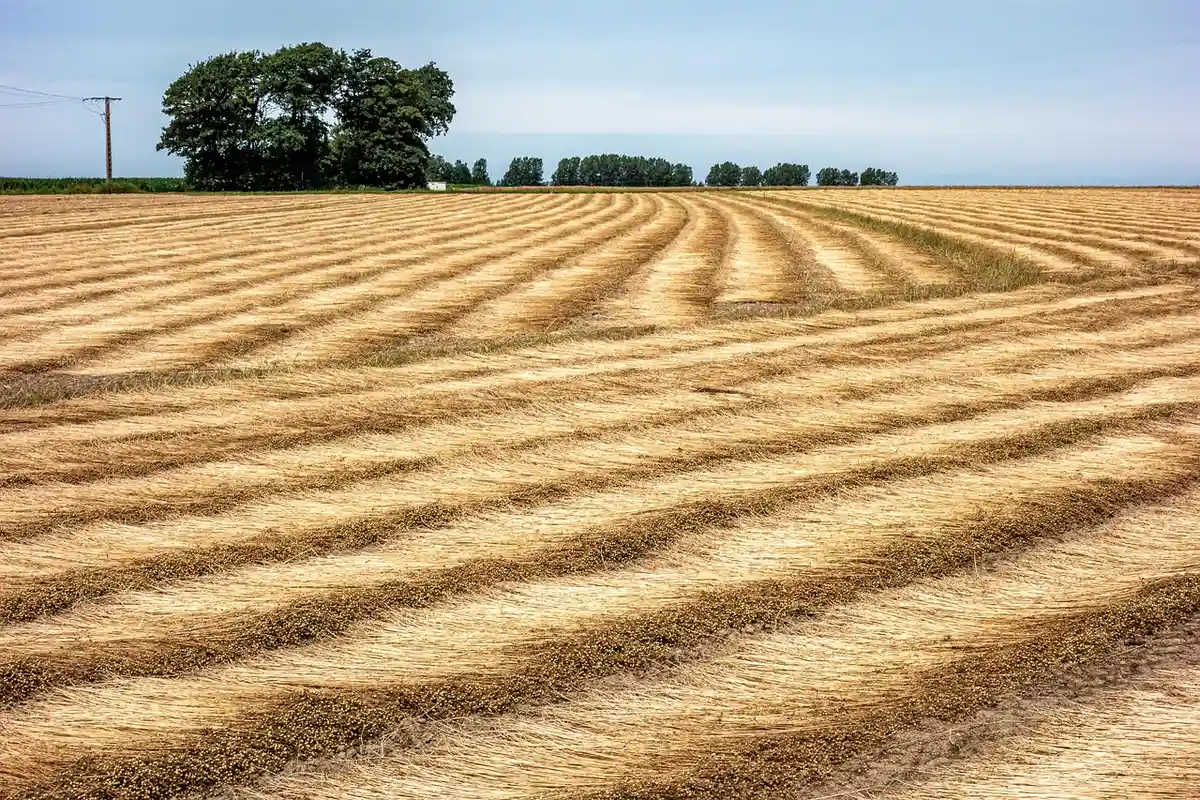
Farmers do this by laying the flax out in fields (dew retting) or soaking it in water tanks (water retting). As microbes work, they subtly alter the fibers. This biological process sets the base color you will see, locking in those earthy tones before any bleaching or dyeing could occur. Longer retting often leads to a darker, greyer color.
So, is “linen” a color? In common use, we describe a pale, neutral beige as “linen.” But technically, linen is the name of the fabric. The color family named after it pays homage to the most common and beloved natural shade of this beautiful, ancient textile. When you choose a natural linen fabric, you are choosing a specific plant’s story from a specific patch of earth.
The Natural Linen Spectrum: From Ecru to Taupe
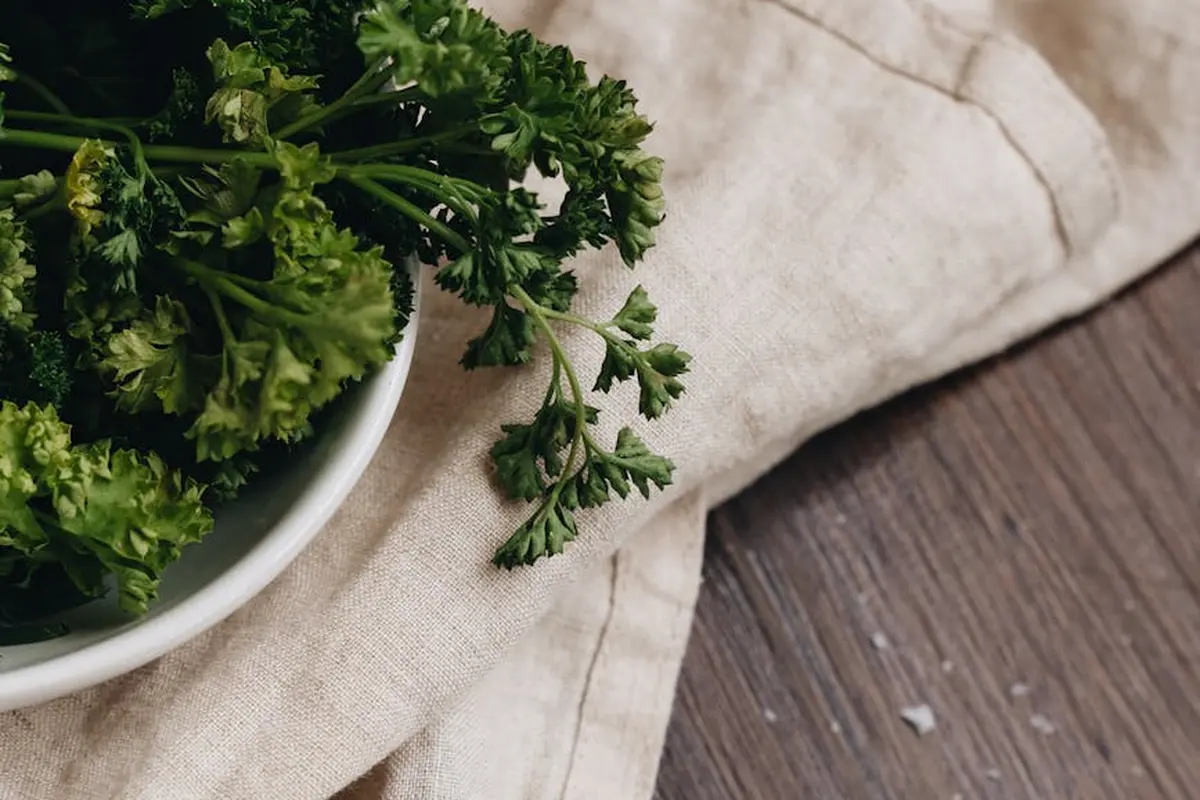
If you buy a piece of undyed linen, you’re getting the fabric’s true character. The color isn’t added in a vat. It comes from the flax plant itself, the soil it grew in, and how it was processed. This natural palette ranges from pale creams to deep browns, each with a unique, earthy beauty.
Ecru Linen: The Off-White Standard
Ecru is the classic, unbleached linen color. Think of a warm, creamy off-white. It’s the shade you get when you simply clean the fibers and spin them into yarn.
So, is linen ever a true, bright white? Not naturally. Pure optic white linen is always a result of chemical bleaching. The natural ecru hue comes from plant pectins and lignins that remain in the fiber. These can cast subtle yellow or grey undertones. I love this color for clothing. It gives a relaxed, lived-in look that feels intentional, not stark.
Oatmeal, Greige, and Grey: The Neutral Workhorses
Move deeper into the spectrum and you find the most versatile neutrals. Oatmeal linen is a mid-tone beige with a flecked, slightly nubby appearance. Greige is exactly what it sounds like-a perfect, dusty blend of grey and beige.
Natural grey linen is fascinating. It can come from specific flax varieties with darker stems, or from a longer retting process where the stalks are exposed to moisture and microbes for an extended time. This deeper fermentation affects the final color.
These subtle linen color variations dramatically affect a garment’s final look. An oatmeal linen dress has a casual, textured feel. A sleek greige linen shirt appears more refined and modern. Always check a swatch in natural light before committing to a project.
Brown and Taupe Linen: The Earthy Depths
At the richest end are the browns. These range from a soft tan to a deep, chocolatey brown. Unlike synthetic dyes, these natural shades are complex.
Look closely. You’ll often see green or olive undertones, much like you would in an earthy paint color. This complexity makes it beautiful and forgiving. These deeper, natural shades are excellent for high-use items like table linens or aprons, as they gracefully hide minor stains.
How Processing and “Dyeing” Change Linen’s Color Story
The journey from flax stalk to linen cloth involves several mechanical steps. Each one can tweak the color. During breaking and scutching-where the woody core is removed from the fiber-friction and cleaning can lighten the natural shade. Sometimes, it can slightly darken it if more plant matter is retained. These fibers come from the flax plant, grown specifically for strong, long bast fibers. When spun and woven, they become linen fabric.
Then there’s dyeing. The term “naturally dyed” linen usually means plant-based dyes like indigo, madder, or walnut hulls were used to color the ecru or oatmeal base fabric. This is different from synthetic fiber-reactive or vat dyes, which are commonly used on other natural materials.
Linen, being a plant-based cellulose fiber like cotton, absorbs dye readily, but the starting color acts as a base paint. Dyeing ecru linen with a yellow weld extract will give a bright, clear mustard. The same dye over a natural grey linen will result in a murkier, olive-toned yellow. This is not a flaw. It’s the beauty of working with a natural material.
A critical note for home dyers. Linen’s thirst for dye also means it can release dye if not properly set. Always test for colorfastness. Hem a small scrap or use an inside seam. Wash it as you plan to wash the final garment. This simple step answers the question “does linen colour run” before it ruins your masterpiece.
Step-by-Step Care: Washing and Drying Natural Linen
Testing and Sorting Your Linen
Before any linen touches water, I make two checks. First, I read the care label. Second, I do a colorfastness test. The natural tannins and pigments in undyed or plant-dyed linen can sometimes release in water.
Find an inside seam. Dampen a white cloth with cool water and a bit of your mild detergent. Press it firmly against the seam for 30 seconds. If any color transfers to the cloth, wash that piece separately the first few times. Even similar natural shades, like ecru and oatmeal, should be washed together initially to avoid subtle tinting.
The Gentle Wash Cycle
Heat and harsh chemicals are the enemies of linen’s natural beauty. I always use cool to lukewarm water, never exceeding 30°C (85°F). Hot water can set stains and accelerate shrinkage.
Choose a mild, neutral pH liquid detergent. Powder detergents can sometimes leave residues on the fiber’s textured surface. Use the gentle or delicate cycle on your machine with a low spin speed. This minimizes the abrasive agitation that causes surface fuzzing and color fading over time.
Never use chlorine bleach on natural linen, especially ecru or cream shades, as it will cause permanent yellowing. For stain treatment or whitening, a soak in oxygen-based bleach (like sodium percarbonate) with warm water is a safer choice. For bleaching linen safely, opt for gentler methods and follow label directions to protect fibers and color. Always test a hidden area or fabric swatch first before full treatment.
Drying for Minimal Shrinkage and Softness
Linen does shrink, and understanding how is key. Think of the fibers like a sponge that compresses. Most shrinkage happens on the first wash, typically 3-5% in width and 1-3% in length. This is normal and is the fabric settling into its final state. Understanding the causes helps you prevent shrinkage with proper care. The next steps will cover practical prevention fixes.
For the best color and least distortion, air-dry your linen. Lay it flat on a drying rack or hang it on a line. Air drying prevents the hard, set creases a dryer can create and allows the fabric to relax naturally. Line-drying in fresh air also gives linen that wonderfully crisp, fresh hand we all love.
If you must use a dryer, select the lowest heat setting. Remove the items while they are still slightly damp. This makes ironing much easier and prevents the fibers from becoming brittle and harsh.
Handling Pro-Tip: Sewing, Matching, and Storing Linen Colors
Choosing and Matching Fabric for Projects
When sewing with natural-colored linen, always buy all the fabric you need for one project at the same time, and check that it’s from the same dye lot. Batches can vary slightly in shade due to differences in the raw flax or dye bath.
View your fabric in natural daylight. Artificial light can dramatically shift how you see warm grey or brown undertones. It’s just like choosing a paint color for your walls. The true character of ‘natural white’ or ‘flax grey’ is only revealed under the sun.
These earthy, complex colors interact beautifully with linen’s natural properties. A crisp, tightly woven linen in a deep slate holds structured pleats perfectly. A softer, looser weave in a warm oatmeal has a fluid, drapey quality ideal for relaxed silhouettes.
Ironing and Storing for Long-Term Color Health
To achieve that smooth, lustrous finish, iron linen while it is still slightly damp. Use a hot iron on the appropriate setting. The steam from the damp fabric helps the fibers relax and flatten. You’ll see the natural sheen of the fibers intensify with a proper press, especially when using a steam press on linen fabric.
For storage, think cool, dry, and dark. Linen is strong but its natural colors are sensitive to prolonged light exposure, which will cause gradual fading over years. Store linen in a closet or cupboard away from direct sunlight to preserve its original shade for decades.
Always ensure linen is completely dry before storing it. A musty smell from trapped moisture is very difficult to remove from these plant fibers. A cotton pillowcase or breathable fabric bag is perfect for keeping pieces ready for the next season.
When Natural Colors Change: Troubleshooting Guide
Even the most beautiful natural shades can shift over time. Don’t worry, this is often part of the fabric’s character. Let’s walk through common issues and their fixes.
Addressing Yellowing in Ecru Linen
That lovely creamy ecru turning a dull yellow is a common frustration. I see this most often from three causes.
- Residue: Body oils, lotions, or detergent left in the fibers can oxidize and yellow.
- Sunlight: Prolonged, direct sun can act like a slow, uneven bleach.
- Chemical Reaction: Using a chlorine-based bleach on linen is a surefire path to yellowing. It damages the cellulose fibers.
The solution is usually an oxygen-based bleach soak. This is gentler and lifts stains without harming the fiber.
- Fill a clean sink or tub with warm water.
- Dissolve oxygen bleach (like sodium percarbonate) according to the product’s label-usually 1 scoop per gallon.
- Submerge the linen item fully and let it soak for 1-8 hours.
- Wash as usual with a mild detergent in cool water.
This soak breaks down the oxidized residue that causes yellowing, restoring a brighter, cleaner ecru.
Understanding Wash-to-Wash Color Variation
You might notice your natural brown linen shirt looks slightly different after one wash. This is normal. These plant-based pigments aren’t bonded with synthetic dyes; they sit within the fiber. Washing gently coaxes a tiny bit more out each time, leading to subtle, even fading that adds a lived-in patina.
To slow this graceful fading, always wash natural-colored linen in cold water on a gentle cycle and air dry it away from direct sunlight. This minimizes the agitation and heat that release the natural pigments. The variation you see is a hallmark of true, undyed linen. To prevent fading cotton linen, store items away from bright light. Use a color-safe detergent when washing.
Does Linen Colour Run or Bleed?
Pure, natural-colored linen from the flax plant is extremely colorfast. Those tannins and flavonoids are locked in tight. The risk comes from dyes used elsewhere.
- Blended Fabrics: A linen-cotton blend might have a dyed cotton component that could bleed.
- Dyed Trims & Threads: A natural linen dress with a colorful embroidered design is a classic example. Those threads are often dyed with different, less stable dyes.
Always check for colorfastness first. Dampen a white cloth and press it on a hidden seam or hem for a minute. If color transfers, wash the item alone. If a bleed stain happens, act fast. Rinse the stain from the back with cold water-never hot, as heat sets dyes.
Refreshing Faded Natural Linen
If your linen has faded more than you’d like, you have two main paths: brightening or re-dyeing.
A white vinegar rinse can help restore brightness by dissolving mineral and detergent buildup that dulls fibers. Add 1/2 cup of white vinegar to the fabric softener dispenser during the final rinse cycle of a wash. This mild acid treatment cleans the fiber’s surface without affecting its natural color, making it appear brighter and feel softer.
For a more uniform color or a deeper shade, re-dyeing is a great option. Linen, being a plant fiber, takes fiber-reactive dyes (like those for cotton) beautifully.
- Use a dye bath larger than your item and keep it simmering (not boiling) on the stove.
- Constantly stir the linen for the first 30-60 minutes to ensure even color uptake.
- Rinse in cool water until it runs clear, then wash with a mild detergent.
This lets you embrace a new, solid color while keeping the beloved texture of your linen piece.
Integrating Shrinkage Fixes
Linen can shrink, typically 3-5% on its first wash, especially in hot water or a hot dryer. If your item comes out smaller than hoped, you can sometimes coax it back. However, even with care, it’s essential to wash, dry, and iron linen properly to prevent shrinkage in the first place.
While the linen is still damp from washing, lay it flat on a towel. Gently but firmly stretch it back to its original shape and dimensions, working from the center outwards. Pin it in place with rust-proof pins or weights and let it air dry completely. This works because the hydrogen bonds in the damp cellulose fibers can be repositioned before they fully set during drying. You won’t recover 100%, but you can often regain most of the fit. For severely shrunk items, re-wetting and using a steam iron with gentle tension can help, but test a seam first.
Working With Linen’s Natural Character
Embrace the natural color variations in your linen as part of its authentic beauty, not a manufacturing flaw. To preserve its unique, undyed appearance and texture, always wash linen in cool water with a gentle detergent and avoid chlorine bleach, which can strip its character and weaken the fibers. If you dye delicate fabrics, wash with care in cold water to protect color. Consider running separate cycles to keep dyes vibrant.
Your mindful care of this durable natural fabric extends its life, reducing waste and honoring the plant’s journey from field to cloth. Apply this same thoughtful approach to all your textiles, learning how fibers like cotton, wool, and synthetics each have their own needs for washing, dyeing, and repair.
Related Guides and Information
- What Color Is Linen | MagicLinen
- What Color is Linen Fabric? | Linen Fabric Store
- What Color is Linen? Natural Linen Explained – Son de Flor
- What Color is Linen? | LinenMe News
- Linen Color: Hex Code, Palettes & Meaning | Figma
- What Color Is Linen?
Florian Ventura
Florian is a high fashion blog writer, fashion and fabric expert and a keen expert in fabric, clothing and materials. She has worked in large textile and fashion houses for over 10+ years, engineering and working with various fabric types and blends. She is an expert when it comes to questions on any and all kinds of fabrics like linen, cotton, silk, jute and many more. She has also traveled around the world studying traditional fabrics and aims to bring them into the modern fashion use.