
What Makes Automotive, Medical, and Military Fabrics Different From What You Wear?
Have you ever touched a car seat and wondered why it feels so much tougher than your favorite denim jacket? I have, and in my lab tests, the answer lies in fundamental choices made long before the fabric is ever cut.
This article will explain how weave patterns are engineered for specific stress, why fabric weight is calculated for function over fashion, and what finishing treatments do for flame resistance, sterility, and longevity in automotive, medical, and military textiles.
The Executive Summary: A Side-by-Side Snapshot
Let’s start with a clear comparison. Think of GSM, or grams per square meter, as the fabric’s density. A higher GSM means a heavier, more substantial cloth. Your favorite t-shirt might be around 150 GSM. A sturdy denim could hit 300 GSM. Industrial fabrics often begin where domestic ones leave off.
| Primary Focus | Key Fiber Blends | Typical Weight (GSM/oz) | Shrinkage Control | Common Finishes | Think Of It As |
|---|---|---|---|---|---|
| Domestic: Comfort, Drape, Aesthetics | Cotton, Cotton/Poly, Wool, Silk, Rayon | 100 – 300 GSM (3 – 9 oz) | Moderate (Pre-shrunk, Sanforized) | Softener, Wrinkle-Resistant, Mercerization | “Reliable Jeans” or “Cozy Bed Sheets” |
| Industrial: Solving Extreme Physical Problems | High-tenacity Nylon/Polyester, Aramid (Kevlar), PTFE (Teflon), Glass Fiber | 300 – 1000+ GSM (9 – 30+ oz) | Extreme (Chemically/Mechanically Set to Near-Zero) | Flame-Retardant, Anti-Microbial, UV-Resistant, Abrasion Coatings | “Body Armor Lite” or “Lab-Grade Skin” |
Why Fabric Science Splits: Domestic Comfort vs. Industrial Duty
At its core, the split happens because the questions we ask are completely different. For a domestic fabric, I ask: Does it feel good against the skin? Does it drape beautifully? Does the color stay true after 20 home washes?
For an industrial fabric, the first question is: What extreme force or condition must it withstand for a decade? The science bends to solve that single problem.
Take durability. Your living room couch fabric needs to handle occasional friction and a spilled drink. An automotive seat fabric is engineered for a brutal 10-year lifecycle of constant UV rays, daily abrasion from sliding in and out, and wild temperature swings from freezing winters to scorching hot dashboards. The fibers are selected and coated specifically for that mission.
This is where regulations take over. A decorative throw pillow has no legal requirements. But an automotive fabric must meet strict flame resistance standards (like FMVSS 302). A surgical gown fabric must provide a sterile barrier against pathogens and liquids. These rules dictate everything from the base polymer to the final chemical finish. You can’t just add a spray-on treatment later; the performance is built into the fiber and weave.
How do the durability requirements for automotive upholstery differ from those for household furniture fabrics?
It’s a difference in intensity and consistency. Home furniture faces periodic, variable stress. Automotive fabric endures constant, predictable assault. I test for “double rubs” on an abrasion machine. A good domestic fabric might pass 15,000 double rubs. An automotive fabric is often tested to 40,000 or more, simulating years of entry and exit. It also has to resist fading from sunlight (using UV-stabilized fibers) and not become brittle in the cold or sticky in the heat.
The Care & Washing Divide You Can Feel
Here’s a practical rule: You can often launder a domestic fabric to revive it. An industrial fabric’s engineered performance can be destroyed by the wrong wash.
Let’s talk shrinkage. A pre-shrunk cotton canvas for a tote bag might still tighten up 3-5%. That’s acceptable. A military uniform fabric is chemically set or mechanically compacted to have near-zero dimensional change, because in gear like tents or parachutes, a 2% shrinkage isn’t an inconvenience-it’s a critical failure.
This is crucial for care. Many industrial finishes are not home-laundry friendly. That waterproof coating on technical gear? The heat of a home dryer can melt or degrade its microscopic pores permanently. Those flame-retardant salts on a contract fabric? They can wash out with harsh detergents, leaving the material unprotected.
My advice? Always check the manufacturer’s care tag on industrial-grade items. When in doubt, gentle hand washing in cool water with a mild detergent is safest. Avoid heat, harsh agitation, and fabric softeners, which can coat and neutralize technical finishes.
Weave Tightness: From Car Seats to Your Couch
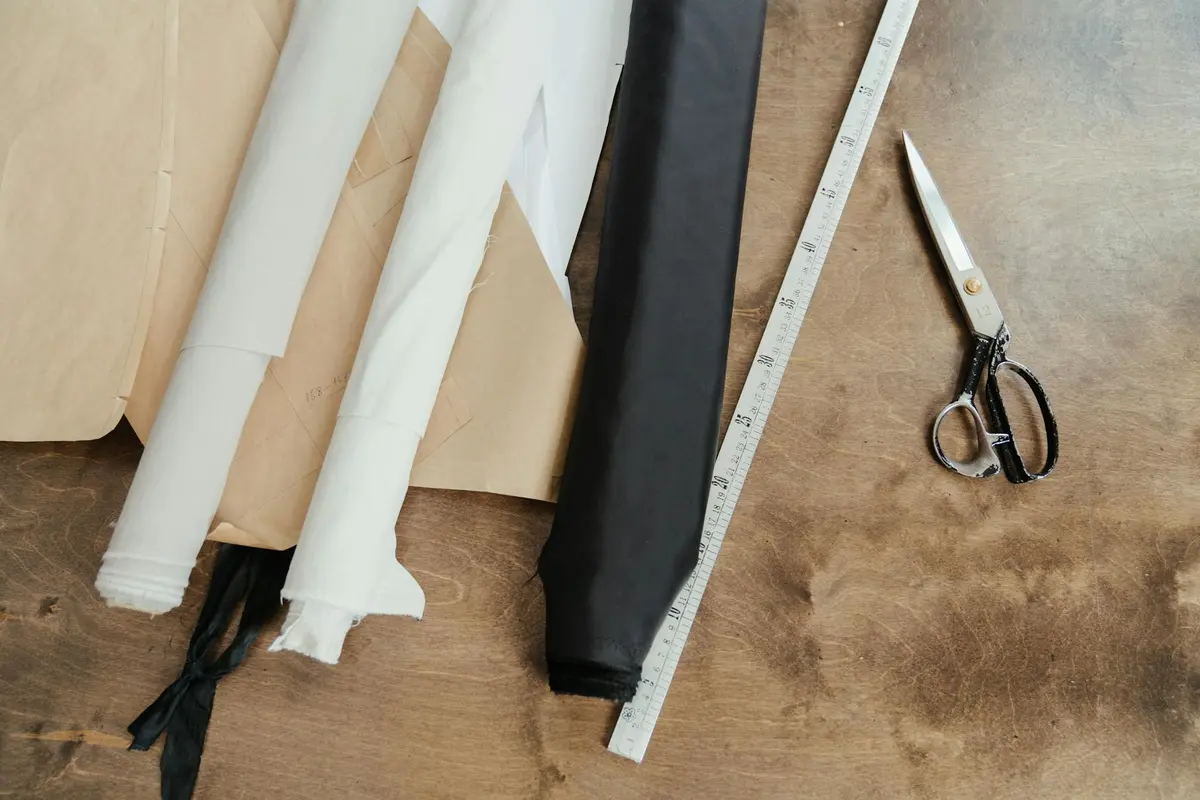
Think of weave tightness as the fabric’s first line of defense. It’s not just about looks. A denser weave, built from yarns twisted tightly together, physically locks out dirt, resists snags, and prevents yarns from shifting under stress. This is the cornerstone of durability for industrial textiles.
You can feel this difference. Run your hand over a standard polyester fabric for a home throw pillow. It feels decent. Now, feel an automotive-grade seat fabric. It has a crisper, flatter surface. This is because the automotive fabric uses a higher thread count and finer, continuous filament yarns. The goal is to prevent “grinning,” which is when the fabric stretches over the seat foam and reveals the darker backing material-a sign of a weak, loose weave. The car fabric is engineered to look uniform under constant tension and friction.
For extreme situations, weaves get smart. Military and camping gear often uses a rip-stop weave. Picture the grid on a window screen. That’s the idea. Thicker reinforcement threads are woven in a crosshatch pattern. If a tear starts, it hits one of these strong threads and stops. A tear in regular canvas or denim, like on a duffle bag or jeans, will just keep running.
When NOT to Use a Domestic Weave for a Tough Job
It’s a common pitfall: choosing a fabric because it feels heavy or looks rugged. A loosely woven decorative cotton, even a thick one, is a trap in a high-abrasion setting. Its open structure will trap dirt and grime deep down, and the yarns will fray and break quickly under repeated rubbing. I’ve seen beautiful cotton fabrics disintegrate on workshop furniture in months.
The biggest risk is assuming domestic “outdoor” fabric is fit for load-bearing safety gear, like for climbing or heavy lifting. The weave might look similar to an industrial counterpart, but the yarn strength, UV resistance, and seam integrity are not held to the same certified standard. Your safety isn’t the place for a visual match.
What are the key differences in weave patterns?
Domestic weaves prioritize drape, softness, and aesthetic texture-think twill for jeans or sateen for sheets. Industrial weaves prioritize function: plain weaves for maximum density, complex multi-layer weaves for specific barrier properties, or engineered patterns like rip-stop for tear resistance.
How are high-strength weaves engineered for military gear, and how do they compare to typical weaves in domestic canvas or denim?
High-strength weaves start with the yarn: high-tenacity nylon or polyester, often with a very tight twist. They are then woven on precise looms to create an extremely dense, uniform grid. Domestic canvas or denim uses softer-spun yarns and a looser, more flexible weave for comfort. The industrial fabric feels stiff initially; the domestic fabric feels pliable. Understanding fabric weaves and materials differences helps explain these contrasts. Different weave patterns and fiber types yield distinct textures and stiffness.
Why Weight Isn’t Just About Warmth: The Medical Textile Lesson
We often equate a heavy fabric with warmth or quality. In industrial science, weight-measured as grams per square meter (GSM)-is a tool to balance competing needs: barrier vs. breathability, protection vs. mobility.
Consider two heavy fabrics: a 300 GSM cotton flannel sheet and the fabric for a surgical gown. The flannel is heavy because it’s brushed into a soft, lofty pile that traps warm air. The surgical gown fabric achieves its weight through dense, flat layers designed to be an impermeable barrier, not a cozy one. It might use a film laminate or a very tight multi-layer weave to block fluid penetration from the outside, while managing breathability from the inside.
This highlights a core difference in moisture management. Your domestic athletic shirt wicks sweat *away* from your skin to evaporate and cool you. A medical barrier fabric is designed to *repel* liquids like blood or saline entirely, preventing them from reaching the wearer’s skin. One invites moisture through; the other definitively blocks it. Synthetic fabrics used in medical textiles are specifically engineered for this purpose.
How does fabric weight impact performance in medical textiles compared to home furnishings?
In home furnishings, a higher GSM often means more warmth (blankets) or plushness (towels). In medical textiles, a higher GSM usually indicates a more robust barrier, perhaps with more layers. But engineers also work to make effective barriers lighter, to reduce wearer fatigue during long procedures.
How do moisture management and breathability requirements differ?
Domestic moisture management is about moving vapor (sweat) for comfort. Medical barrier fabric breathability is about allowing *only* vapor to pass out from the body, while stopping all external liquids and pathogens. It’s a one-way, selective barrier, which is far more complex to engineer than a standard wicking knit. Together, fabric breathability and moisture management shape how comfortable a garment feels in use. This integrated perspective helps explain what makes a fabric both protective and breathable.
The Invisible Layer: Finishes That Save Lives and Gear
This is where the science becomes invisible. At home, a finish might make your shirt feel softer or resist wrinkles. In industrial settings, finishes are functional armor. They are engineered for one job, and that job is often survival.
Let’s detail a few common ones. Durable Water Repellent (DWR) is a standard you’ll find on outdoor gear, but the industrial version is bonded to last through years of brutal weather, not just a season of hikes. Fluorochemical-based finishes go beyond stain release; they prevent dangerous contaminants like oils or chemical agents from soaking into a soldier’s uniform. Permanent flame retardants are polymer-based, literally built into the fiber’s structure during manufacturing. They won’t wash out like a topical spray on a Halloween costume.
Medical fabrics use antimicrobial coatings, often silver-based, that inhibit bacterial growth at the cellular level to prevent infections. Anti-static treatments are critical in electronics manufacturing or operating rooms where a tiny spark could be catastrophic.
Why are these so different from a bottle of home spray? Industrial finishes are applied with extreme precision, often at the polymer level, to avoid compromising other needed properties like breathability or flexibility. It’s a surgical application, not a blanket coating.
You might ask, “What specialized finishing treatments are required for military fabrics that are not used in domestic textiles?” Beyond extreme flame resistance and chemical agent protection, military fabrics often require finishes for infrared (IR) camouflage to evade night-vision detection, a concern your sofa fabric will never have.
Another common question is, “What role does flame resistance play in fabric selection for automotive vs. domestic interior applications?” In your home, a fabric needs to resist igniting from a dropped match. In a car, regulations are stricter; fabrics must resist burning and must also produce less smoke and toxic fumes when they do smolder, because escape from a vehicle cabin is more difficult. The finish and fiber choice reflect that life-safety math.
Can You Care for an Industrial Finish at Home?
My practical guidance is simple: often, you cannot. The very things that make these finishes durable also make them fragile to home care methods.
Heat from an iron or dryer can melt or deplete coatings like DWR or flame retardants. Harsh detergents, especially those with whiteners or heavy surfactants, can strip water repellency from the surface. Always check for a care label first, though they are rare. If no label exists, your safest bet is spot cleaning only with a mild, clear soap and cool water.
Re-applying a professional-grade finish at home is not feasible or safe. Those aerosol DWR sprays for jackets offer a temporary refresh, not the original bonded protection. For true industrial fabrics, their care is part of their lifecycle calculation, and that usually involves professional cleaning or replacement.
Testing: The Lab Protocol vs. The Home Wash Test
Let’s demystify testing. At home, you might test a fabric’s colorfastness by rubbing it with a damp white cloth. In a certified lab, they test colorfastness to light using a Xenon arc lamp that simulates months of desert sun in a thousand hours. The scales are incomparable. These tests help prevent color transfer and fading in fabrics you wear and wash. If you’re curious about practical steps to prevent color loss in daily care, the next section has you covered.
Common industrial tests sound like torture chambers for cloth. The Martindale test rubs fabric in a figure-eight motion under pressure until a hole forms, measuring in the tens of thousands of rubs. Tensile strength tests use machines to pull fabric until it tears, measuring force in pounds or newtons. They test for seam slippage, colorfastness to crocking (rubbing), ozone (city smog), and specific horrors like viral penetration for medical barrier fabrics.
This leads directly to lifecycle cost. A domestic fabric is chosen for its upfront cost and look, while an industrial fabric is chosen for total cost of ownership. Re-upholstering a bus interior or replacing a firefighter’s turnout gear is astronomically expensive and disruptive. Using a more costly, lab-proven fabric upfront is the economical choice.
So, “What are the primary testing protocols for industrial fabrics versus those for domestic textiles?” Domestic textiles follow voluntary guidelines for things like shrinkage or color bleeding. Industrial fabrics must pass mandatory, standardized tests (like ASTM or ISO standards) for specific performance metrics, often under contract law.
“How does the lifecycle and cost analysis compare?” Think of it like this: a cheap domestic upholstery fabric might last 2 years in a busy cafe before looking worn. A contract-grade fabric costing three times as much might last 10 years and withstand daily cleaning. The industrial fabric wins on total cost, even though its price tag is higher. An accompanying fabric durability lifespan guide can translate those years into expected wear. It helps compare long-term value beyond upfront price.
How to Spot an Industrial-Grade Fabric in the Wild
For the curious maker or shopper, here are my hands-on tips. First, look for a technical datasheet or a specification number printed on the selvedge or a hangtag. This is the fabric’s resume.
Feel it. Industrial fabrics have an extreme uniformity and density. The weave will be perfectly even, with no thin spots. Check for a slight, distinctive “hand” or feel that comes from a chemical finish, not a softener-it might feel a bit crisp, waxy, or dry.
Research brand names of engineered fibers. Cordura is a branded nylon known for abrasion resistance. Nomex is a meta-aramid fiber for flame resistance. Tyvek is a spunbound polyethylene for barrier protection. Finding these on a label is a strong clue, but note they can sometimes appear in high-end domestic products like workwear or specialty camping gear.
Final Weave Notes for Your Own Projects
The core lesson from industrial textiles is to match the fabric’s engineered properties directly to the stress it will face. For your own sewing or buying, this means choosing a fabric by its fiber content and weight first, asking if it can handle the daily abrasion, tension, or cleaning your project demands.
Treat your durable items with the same thoughtful care a technician would, washing them according to their fiber’s needs to extend their life and reduce waste. I encourage you to stay curious about the science behind the textiles you use, learning how polyester’s resilience differs from cotton’s breathability or silk’s delicacy, to make informed, responsible choices.
Related Guides and Information
- Military Specification Fabrics Suppliers
- Military Grade Fabric Specialists – Arville Technical Textiles
- Military Fabric Technical Textiles
- Amazon.com: Military Fabric
- Military Uniform Fabrics Suppliers
Florian is a high fashion blog writer, fashion and fabric expert and a keen expert in fabric, clothing and materials. She has worked in large textile and fashion houses for over 10+ years, engineering and working with various fabric types and blends. She is an expert when it comes to questions on any and all kinds of fabrics like linen, cotton, silk, jute and many more. She has also traveled around the world studying traditional fabrics and aims to bring them into the modern fashion use.