
Is Nylon Waterproof? Your Complete Guide to Care & Washing
You just bought a great nylon jacket or backpack, and now you’re wondering if a downpour will ruin it-or if your laundry routine will.
This guide will give you clear, actionable answers. We will cover nylon’s true waterproof nature, how to wash it correctly, the best drying methods, and steps for long-term care.
Executive Summary: Nylon’s Quick Profile
Let’s get straight to it. Is nylon waterproof? No. Nylon is water-resistant, not inherently waterproof. Think of a light rain shower versus being submerged. Water beads up and rolls off a nylon jacket at first, but persistent wetting will soak through.
Its personality is defined by a few standout traits. Nylon is incredibly strong for its weight, which is why climbing ropes are made from it. It dries faster than most natural fibers and resists abrasion, meaning it doesn’t wear out easily from friction. You also get minimal shrinkage, a win for laundry day.
You’ll find nylon doing the heavy lifting in gear that needs to be tough and light. That includes activewear, windbreakers, backpacks, luggage, carpets, and car seat upholstery. Its durability is its superpower.
Caring for nylon is straightforward, with one major rule: it’s an easy-care synthetic that absolutely hates high heat. A hot dryer or iron can melt or permanently scorch the fibers. Treat it gently with warmth, and it will last for years.
Nylon’s Fiber Physics: Why It Acts the Way It Does
To understand nylon’s care, you need to picture its structure. At a microscopic level, nylon is a long, smooth chain of synthetic polymers. Imagine a bundle of perfectly smooth, plastic spaghetti. This smoothness means there’s nowhere for water to cling initially, and it makes the fiber less absorbent than cotton or wool.
This is its innate “hydrophobic” or water-fearing nature. A drop of water on a clean nylon fabric will ball up, trying to minimize its contact with the fiber. It’s like water on a freshly waxed car. This bead-up effect is the water resistance you see.
How does it feel compared to its cousins? Next to polyester, nylon often feels softer and has more flexibility or “give,” which is why it’s favored for stockings and sleek activewear. Compared to silk, it offers a similar sleek, smooth hand, but it’s a cooler, synthetic version without silk’s natural warmth and humidity response.
The weave of the fabric changes its job entirely. A tightly woven nylon taffeta creates a crisp shell for jackets. A ripstop weave, with its reinforced grid pattern, is the hero of tents and gear that must not tear. A fine tricot knit makes for excellent, smooth linings. The fiber is versatile, but the construction dictates its final role. Different fibers and weaves change how a fabric behaves—durability, weight, and drape depend on material and weave. Recognizing fabric weaves materials differences helps tailor choices for each use.
The Water Test: Water-Resistant vs. Waterproof vs. Water-Repellent
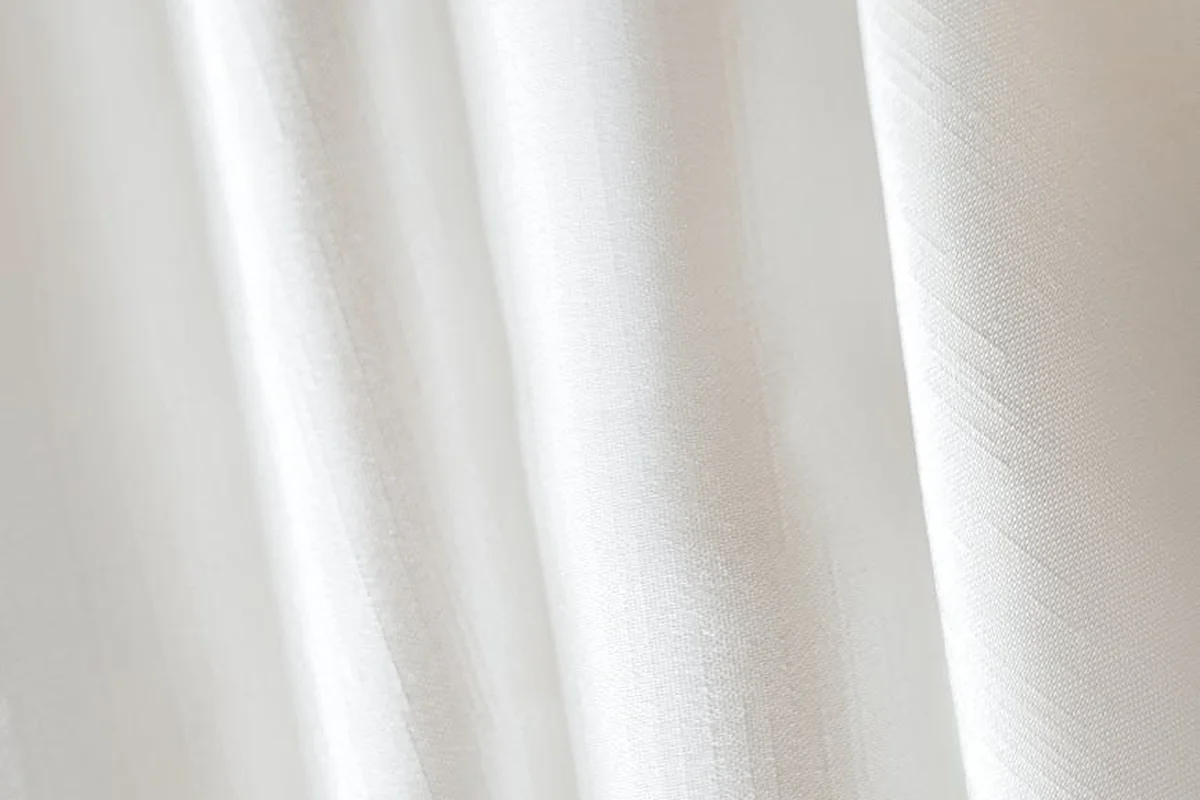
Let’s clear up the confusion. These terms get tossed around, but they describe very different behaviors. Think of it like this: a screen door is water-resistant, a sealed window is waterproof, and a well-seasoned cast iron skillet is water-repellent.
Pure nylon yarn is hydrophobic. It doesn’t like water. But the fabric’s construction-how tightly it’s woven or knitted-determines what happens next. Here’s how the three main categories break down.
| Term | What It Means | Water Bead-Up | Pressure Resistance | Breathability |
|---|---|---|---|---|
| Water-Resistant | Slows water penetration but can’t stop it under pressure or over time. This is the default state of most tightly woven nylon. | Yes, for a short time. | Low. A steady rain or direct spray will soak through. | Usually good, as the fabric weave remains open. |
| Waterproof | Prevents water penetration entirely, even under high pressure. This is never the base nylon fabric alone. | Yes, completely. | Very High. Can withstand prolonged, heavy rain or immersion. | Often poor, unless a specialized breathable membrane is used. |
| Water-Repellent (DWR) | A chemical treatment applied to the fabric’s surface that causes water to bead up and roll off. It’s a finish, not a structure. | Excellent, when new. | Moderate. Protects the fabric beneath but will fail under enough pressure. | Unaffected, as it’s just a surface coating. |
So, are nylon backpacks, bags, boots, and coats waterproof? Here’s the direct answer you’re looking for: the nylon shell itself is almost never waterproof.
That durable, packable nylon in your jacket or hiking boots provides the strength and wind resistance. The waterproofing comes from a separate, added layer. This is either a waterproof coating (like a polyurethane layer applied to the back of the fabric) or a laminated waterproof membrane (like Gore-Tex). These layers create the actual barrier. The water-repellent (DWR) finish on the outside just helps the rain bead off so the coating or membrane doesn’t get overwhelmed.
For “all-weather” gear like flags or lightweight backpack straps, water-resistance is the key feature. The tight nylon weave will shed a brief shower or morning dew beautifully. Prolonged wetness, however, leads to saturation as water finds its way through the tiny holes between the yarns. Think of it like a very fine sieve-it holds back water momentarily, but if you leave it in a bucket, the water will eventually get through. That’s why for true, all-day rain, you need that built-in waterproof barrier.
The Hands-On Care Protocol: Washing, Drying, Ironing
Nylon is strong, but its care needs a gentle touch. Heat is its main enemy. I treat all nylon with the same rule I use for a delicate plastic container, using cool temperatures and mild soap to preserve its shape and performance.
Your Step-by-Step Washing Guide
Always check the garment’s care label first. It holds the final say. For most nylon items, follow this protocol.
Machine Washing
- Close all zippers, Velcro, and fasteners to prevent snags.
- Turn the garment inside out. This protects the outer surface from abrasion in the drum.
- Use a gentle or permanent press cycle. The slower agitation is key.
- Set the water temperature to cold or a maximum of 30°C (86°F). Warm water can relax fabric coatings and set stains.
- After the cycle, remove the item promptly to avoid setting wrinkles.
Hand Washing
- Fill a clean sink or basin with cool water and a small amount of mild detergent.
- Submerge the item and gently agitate it with your hands for a few minutes.
- Never wring or twist the fabric. This can distort its weave or knit.
- Rinse thoroughly under cool running water until the water runs clear.
- Press the fabric against the side of the basin to remove excess water. Do not twist.
Choosing Your Detergent
Use a mild liquid detergent formulated for delicates or technical fabrics. Powder detergents can sometimes leave residues that trap dirt. Avoid chlorine bleach completely, as it will yellow and weaken nylon fibers over time. Skip fabric softener, too. It leaves a coating that can reduce the fabric’s moisture-wicking ability and damage any waterproof membranes.
How to Dry Nylon Safely
Air drying is always the safest bet. Lay the item flat on a clean towel or drying rack, reshaping it to its original dimensions. If you must use a dryer, select the lowest heat setting or an air-only (no heat) cycle. High heat is a disaster for nylon. It can cause the fibers to melt slightly, leading to permanent, crisp wrinkles and a stiff, glazed texture. For activewear or jackets, tumble drying on low for 10-15 minutes can help fluff the fabric before air-drying the rest of the way.
The Right Way to Iron Nylon
You often won’t need to iron nylon if you dry it properly. If wrinkles persist, use the lowest possible heat setting on your iron. I never iron nylon directly. Always place a thin cotton press cloth, like a clean pillowcase, between the iron and the nylon fabric. Move the iron quickly and keep it moving. Direct heat, even on a low setting, can quickly scorch, glaze, or melt the fibers, leaving an irreversible shiny patch.
Troubleshooting Common Nylon Issues
Nylon is tough, but it has its quirks. Knowing how to handle these common problems will keep your gear looking and performing its best for years.
Stain Removal
Nylon’s smooth fibers have a sneaky attraction to oil and grease. I’ve seen backpack straps and jacket cuffs hold onto pizza stains like a magnet. Water alone won’t cut it. You need a degreaser.
For fresh oil or grease, apply a drop of clear dish soap directly to the stain, gently rub it in, and let it sit for 10 minutes before washing as usual.
Sweat stains are a different beast. They mix salts, oils, and minerals that can dull color. A simple alkaline paste helps lift them.
- Mix baking soda with a little water to form a thick paste.
- Apply it to the stain, particularly in the underarm area of shirts or sports bras.
- Let it sit for 30-60 minutes, then brush it off and launder the item.
Pilling
You might think strong fibers don’t pill, but they sometimes do in a specific way. Nylon’s durability is the issue. When a soft fabric, like a nylon blend sweater, rubs constantly against a rough surface like a backpack or car seat, the strong nylon fibers don’t break. Instead, they get tugged loose and wrap around themselves, forming tight, abrasive little balls.
These “abrasion pills” are best removed with a battery-powered fabric shaver or a gentle sweater stone, not by pulling them off by hand.
Pulling can snap threads and damage the fabric’s weave. For prevention, turn bags inside out before tossing them in the car trunk, and be mindful of friction points.
Odor Retention
Synthetic fibers don’t absorb moisture like cotton, but they can trap body oils and bacteria close to the fabric surface. This is why workout gear can start to smell even after a wash. The detergent misses the oils bonded to the fiber.
A mild acid soak breaks down this bond. My go-to method is simple and effective.
- Fill a sink or basin with cool water.
- Add one cup of white distilled vinegar.
- Soak the smelly garment for 30-60 minutes.
- Wash normally with detergent. The vinegar smell will rinse completely away.
This vinegar soak is a game-changer for technical jackets, leggings, and socks, reviving them without harsh chemicals.
Color Fading
Nylon takes dye beautifully, but its biggest enemy is the sun. Ultraviolet (UV) radiation attacks the dye molecules and the nylon polymer itself, leading to faded colors and fabric weakening. It’s a slow bleaching process. That’s why fabric dye permanence matters—it measures how long color lasts under sun, washing, and wear. Choosing dyes with strong permanence helps prevent fading.
You can drastically slow this down with two habits. First, always wash nylon items inside out. This protects the outer colored surface from agitation in the wash. Second, avoid line-drying in direct, harsh sunlight for extended periods.
For long-term storage of colorful nylon items, like a backpack or flag, keep them in a dark, cool place away from UV exposure.
Scuff Marks
Those dark grey marks on a light-colored nylon suitcase or shoe aren’t usually deep stains. They’re often just transfers from asphalt, concrete, or other surfaces. The material is literally rubbed onto the fiber.
Since the mark is on the surface, you can often lift it right off. Try the gentlest method first. A clean white pencil eraser can abrade the mark away without liquids. For more stubborn scuffs, a tiny bit of isopropyl (rubbing) alcohol on a cloth can dissolve the transfer.
Always test any cleaner, including alcohol, on an inconspicuous seam first to check for colorfastness.
Blot, don’t scrub, to avoid spreading the mark or damaging any fabric coatings.
Textile Expert’s Pro-Tip: Handling, Sewing, and Longevity
Working with nylon, whether you’re sewing a raincoat or maintaining a backpack, requires a slightly different mindset than natural fibers. Its slick, strong nature is an asset if you know how to handle it. In nylon fabric activewear, its stretch and quick-drying properties directly affect comfort and performance. That’s why understanding these traits helps tailor patterns and care for active pieces.
Seam Sealing for True Waterproofing
If you’re making or repairing a waterproof item like a tent or rain fly, remember this: the fabric might be waterproof, but the needle holes in the seams are not. Water will wick through those tiny punctures. To create a fully waterproof barrier, you must seal the seams after sewing. From my workbench, I recommend seam sealing tape (also called waterproof tape). It’s a heat-activated polyurethane tape that you iron onto the inside of the seam. For repairs or DIY projects, a liquid seam sealant (look for brands like Gear Aid Seam Grip) applied carefully along the stitch line works wonderfully.
Sewing Nylon Like a Pro
Sewing slippery nylon can be frustrating. It likes to slide and pucker. Here’s how to get clean results:
- Needle: Use a sharp Microtex or denim needle, size 70/10 or 80/12. A universal needle can push the fabric down into the machine, causing skipped stitches.
- Thread: Polyester thread is your best friend. It has similar stretch and strength to nylon fabric, so your seams won’t pop under tension.
- Stitch: Lengthen your stitch slightly to 2.5-3.0mm. A shorter stitch creates too many perforations in the fabric, which can weaken it and create a leak path.
- Tip: If the fabric is grabbing or sticking to your presser foot, place a layer of tissue paper or a special teflon presser foot on top. Tear the paper away after sewing.
The Durability and Delicate Side of Nylon Upholstery
That crisp, vibrant nylon in your car seats or office carpet is incredibly durable. The fibers resist abrasion and stains exceptionally well. Its main weakness is not wear, but harsh chemical cleaners. Strong solvents or alkaline cleaners can break down the dyes and even the polymer structure of the fiber over time, leading to fading and brittleness. Avoid excessive scrubbing with stiff brushes, which can fray the surface. For cleaning, a mild detergent in lukewarm water and a soft brush or microfiber cloth is almost always sufficient. Blot, don’t rub, to lift stains.
Restoring Water-Repellency (DWR) to Jackets
Notice your rain jacket soaking through instead of beading water? The durable water repellent (DWR) coating has worn off. Don’t worry, you can revive it. First, wash the jacket with a technical cleaner to remove body oils and dirt that block the coating. Then, apply a heat-activated DWR spray or wash-in treatment. The heat step is non-negotiable; it re-activates and sets the new coating. Tumble dry on a warm, gentle cycle for 20-30 minutes, or use an iron on a warm, no-steam setting, moving it constantly over the fabric. You’ll see the water bead up again.
Blends and Special Finishes: What Changes?
Pure nylon has its own rules. But when it’s blended with other fibers or treated with a special finish, the care routine needs a tweak. Think of it like a recipe. Adding a new ingredient changes how you cook it.
Nylon and Spandex (Activewear, Swimwear, Leggings)
This is one of the most common blends. The nylon provides the durable, quick-drying shell. The spandex (also called Lycra or elastane) gives you that essential stretch and recovery. Your care focus shifts slightly to protect that elasticity.
You can wash it like regular nylon—cool water, gentle detergent. The real difference comes with drying. You must air dry anything with spandex to keep it from losing its snap, especially when dealing with polyester-spandex fabric. The heat of a dryer, even on low, permanently damages the spandex molecules over time. Your leggings will become baggy.
- Wash in cool water on a gentle cycle.
- Use a mild detergent; avoid heavy enzymes or optical brighteners.
- Always, always lay flat or hang to air dry.
- Never use chlorine bleach; it yellows nylon and destroys spandex.
Nylon and Cotton Blends
This blend combines nylon’s strength with cotton’s soft breathability. You might find it in some t-shirts, jackets, or workwear. Here, the cotton component calls the shots for potential shrinkage. For fabrics like polyester-cotton-spandex blends, shrinkage and fit can shift with washes and heat, so care guidelines matter.
While the nylon won’t shrink, the cotton fibers certainly can. Wash nylon/cotton blends in cool or cold water to minimize the cotton’s natural shrinkage. I typically keep it at 30°C (86°F) or lower. A warm or hot wash will trigger that cotton to contract, potentially puckering the fabric or altering the fit. Learn more about fabrics that shrink the least during washing.
The good news? Once any initial minor shrinkage from the cotton happens (usually 2-5%), the blend becomes quite stable. You can tumble dry on low if needed, but line drying is gentler and saves energy.
Coated Nylons (Raincoats, Bags, Technical Gear)
This is where the “waterproof” concept for nylon often comes from. A polyurethane (PU) or thermoplastic polyurethane (TPU) coating is applied to the fabric, creating a water-resistant barrier. Caring for it is totally different.
Machine washing a coated nylon is the fastest way to ruin its waterproofing. The agitation and detergents degrade the coating from the inside, making it crack and peel. For items like waterproof jackets, ski pants, or duffel bags, spot cleaning is king.
- Wipe the surface with a damp cloth and a tiny drop of mild soap.
- Rinse the cloth and wipe again to remove soap residue.
- Hang to air dry completely.
- For a full refresh, follow the manufacturer’s instructions for reapplying a DWR (Durable Water Repellent) finish after a year or two of use.
Flame-Retardant or Antimicrobial Finishes
These are chemical treatments applied to nylon for specific uses, like some work uniforms, healthcare textiles, or home furnishings. Understanding nylon fabric chemicals safety helps you gauge potential hazards and proper care. It also clarifies how certain finishes may affect wash methods, heat exposure, and durability. The care label is your absolute law here.
These functional finishes can be washed out with harsh detergents or improper cleaning, so you must follow the labeled instructions precisely. Common guidelines include using a gentle, dye-free, and perfume-free detergent. Avoid fabric softeners entirely, as they coat the fibers and can neutralize the special finish. Often, line drying is recommended over machine drying to prevent heat from breaking down the chemicals prematurely.
If the care tag is missing, assume the worst-case scenario. Wash in cool water with a very mild soap and air dry. This gentle approach gives you the best chance of preserving the fabric’s special properties.
Nylon’s Lasting Utility
The most vital rule with nylon is to treat its durability with respect. Wash it gently in cool water and let it dry in an airy shade, and this resilient fabric will protect you for seasons to come. Heat is its main adversary, both in the washer and the dryer. The same care applies to blends like rayon, nylon, and spandex. For fabrics labeled ‘wash dry rayon nylon spandex’, follow the same cool-water, air-dried routine to preserve stretch and color.
Every fabric, from delicate silk to sturdy cotton, has its own language of care. Apply the same curious, gentle approach you use for nylon to your wool sweaters and polyester blends, always opting for kinder, cooler methods that extend a garment’s life and honor its resources. For wool-polyester blends, laundry care benefits from a gentler cycle and cooler wash. This balanced approach helps preserve fiber integrity and softness across your wardrobe.
References & External Links
- Nylon Fabric Care Tips: Washing, Drying and Maintenance – UK Fabrics Online Blog
- Is Nylon Fabric Waterproof? – Fabric Material Guide
- How to Waterproof a Nylon Jacket
- Nylon Fabric Care Guide: How to Wash, Dry & Store Nylon Clothing & Gear – Players Underwear – Free Shipping Over $75
- IVY OAK – Care Guide Polyamide | Timeless Styles, Made to Last
- How to Wash Nylon Lingerie and Sleepwear – Shadowline Lingerie
Florian Ventura
Florian is a high fashion blog writer, fashion and fabric expert and a keen expert in fabric, clothing and materials. She has worked in large textile and fashion houses for over 10+ years, engineering and working with various fabric types and blends. She is an expert when it comes to questions on any and all kinds of fabrics like linen, cotton, silk, jute and many more. She has also traveled around the world studying traditional fabrics and aims to bring them into the modern fashion use.