
What Are the Different Types of Velvet Fabric and Their Uses?
Unsure which velvet to choose for your project or how to keep it looking lush? I have tested piles and dyes for years, and I am here to give you clear, practical advice.
We will cover the key velvet types from silk to polyester, how their construction creates unique drapes and feels, smart selections for upholstery versus garments, and step-by-step care to manage shrinkage and cleaning.
Executive Summary: The Velvet Cheat Sheet
Velvet is not one single fabric. It’s a category defined by its structure. Think of it as a woven or knitted base with a dense, short pile added on top. This pile is what gives velvet its signature plush, soft surface.
Many people confuse velvet with chenille because they’re both plush. The key difference is in the pile: velvet has a cut, upright pile, while chenille is made from tufted, twisted yarns that create a longer, fuzzier, and less uniform texture. Chenille is generally less durable for high-friction uses like upholstery seams.
Velvet has distinct advantages and drawbacks you should know before you buy or sew with it.
- Pros: It has an unmatched, luxurious drape that flows beautifully. The pile traps light, creating incredibly rich, deep colors. It’s naturally insulating, providing warmth. With proper care for its fiber type, it can be surprisingly durable.
- Cons: The pile can permanently crush or “bruise” under pressure. It is prone to water spotting, especially on silk or rayon versions. Cleaning is not straightforward; it often requires professional care. Its behavior-from shrinkage to stain resistance-varies wildly based on whether it’s made of cotton, silk, polyester, or a blend.
You’ll find velvet used where its luxury and texture shine.
- Upholstery: Here, durable blends like polyester-cotton or nylon dominate. They resist abrasion from sitting.
- Eveningwear & Formal Garments: Silk velvet is the gold standard for drape, while more affordable rayon velvet offers a similar fluid look.
- Drapery & Home Decor: Cotton velvets are common, offering a more casual, heavy drape for curtains.
- Accessories: From shoes to bags, velvet adds a tactile, rich element.
So, is velvet a knit or a woven? The traditional answer is woven, where the pile yarns are woven into a backing cloth and then cut. But modern “knitted velvet” or “velour” is absolutely a thing. It’s made on a knitting machine, often includes spandex for stretch, and has a different recovery than woven velvet.
What Exactly is Velvet? (It’s Not a Color)
First, let’s clear this up: velvet is a fabric construction, not a color. We associate it with deep emerald, royal blue, or burgundy because the pile makes dyes look so intense, but you can find velvet in any color, including white.
The magic is in the pile. Imagine a field of grass. If you let it grow in loops and then mow it off evenly, you get a soft, uniform surface. That’s essentially velvet. The pile consists of thousands of cut fiber ends standing vertically from the backing cloth, creating that soft, light-absorbing texture.
This leads us to the “nap.” The pile doesn’t stand perfectly straight; it naturally leans in one direction. This nap changes how light hits it. Run your hand over velvet. One direction will feel smooth and look darker; the opposite direction will feel slightly rough and look lighter. You must cut and sew all your pattern pieces with the nap running in the same direction, or your finished item will have mismatched shading.
Is velvet a luxury fabric? Historically, yes. Silk velvet was extraordinarily labor-intensive and symbolized opulence. Today, while silk velvet is still a luxury item, velvets made from cotton, rayon, and polyester have made the texture accessible for everyday projects and home decor.
This brings us to fiber content. Is velvet a synthetic fabric? It can be. The velvet structure can be made from almost any fiber.
- Natural Fibers: Silk (luxurious, delicate), Cotton (absorbent, heavier, can shrink).
- Synthetic Fibers: Polyester (durable, resistant to crushing, easy-care), Nylon (very strong, common in upholstery).
- Regenerated Fibers: Rayon or Viscose (excellent drape and dye, but prone to water spots).
- Blends: Polyester-cotton (common for upholstery, balances durability and natural feel).
The care instructions for your velvet depend entirely on this fiber content, not just the fact that it’s “velvet.” A polyester velvet can often be gently machine-washed, while silk velvet must be professionally cleaned.
Finally, construction matters. Woven velvet is the classic. It’s stable, has little to no stretch, and the pile is firmly anchored. Knitted velvet (velour) is built on a base of interlocking loops. I find it has more stretch and recovery, which is great for fitted garments, but the pile can be less dense. Always check the fabric’s stretch before choosing a pattern.
A Textile Scientist’s Guide to Velvet Types: Fiber & Construction
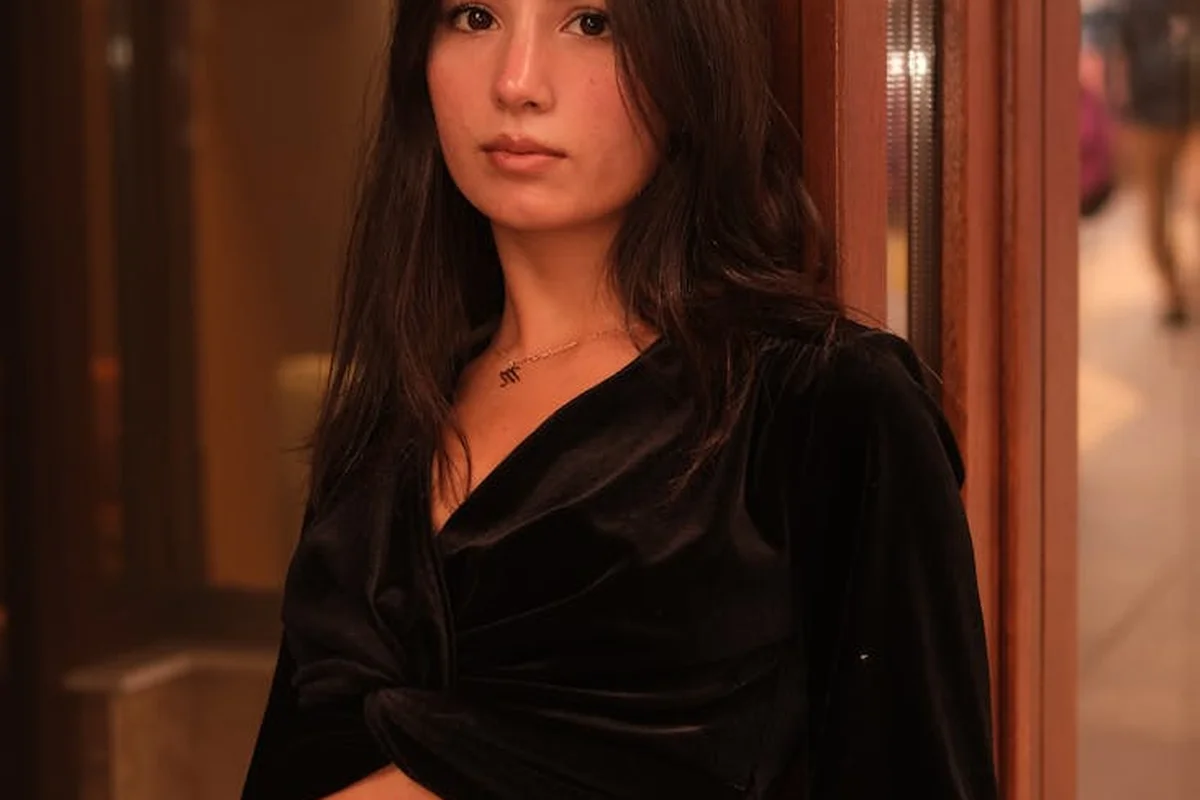
Let’s get specific. Not all velvet is the same. I group them by what makes them unique: their finish, their base fiber, or how they’re built. This changes everything about how they feel, wear, and need to be cared for.
Crushed Velvet
This is all about the finish. After weaving, the fabric pile is mechanically twisted and pressed in different directions. This creates a patterned, shimmering look that changes with the light. Crushed velvet is a finish, not a fiber, and is most common on polyester or rayon bases, making it affordable and low-maintenance. That signature crush is permanent, so you don’t have to worry about losing the texture in the wash.
Panne Velvet
Panne is a knit velvet where the pile is permanently flattened in one direction using intense heat and pressure. This gives it an exceptionally high, slick sheen. The flattened pile gives panne velvet an incredible fluid drape, which is why it’s a classic for dancewear, lingerie, and flowing evening gowns. Because the pile is set, it’s less prone to marking than other velvets, but that same knit construction means it can lose its shape if stretched too much.
Stretch Velvet
This one is defined by its construction. It’s a knit velvet that includes spandex (Lycra), usually between 5-15%. That spandex is what gives you comfort and a fantastic fit for bodycon dresses, leggings, and fitted tops. The key with stretch velvet is respecting the elastane; always wash in cool water and avoid high heat drying, as heat will degrade the spandex and kill its recovery. I recommend laying it flat to dry to maintain its shape.
Velveteen
People often confuse this with velvet, but the construction is different. Velveteen is woven with a short, dense pile made from extra loops of the weft yarn, which are then cut. Understanding velvet velour velveteen pile construction helps explain these texture and finish differences. In particular, pile height and the way the loops are formed and cut influence texture, drape, and durability. Velveteen is typically cotton, making it flatter, stiffer, and with a more matte finish than traditional silk or rayon velvet. It’s wonderfully durable, has minimal drape, and is perfect for structured jackets, children’s clothing, and home decor projects like pillows. Expect it to soften beautifully with washing.
Silk Velvet
This is the luxury benchmark. Silk velvet has an unparalleled, fluid drape and a luminous, deep sheen that synthetic fibers struggle to mimic. As a protein fiber, silk velvet is delicate; it requires cold water hand-washing or professional dry cleaning and must be stored away from direct sunlight to prevent weakening. Behind the luxury drape is the craft of silk fiber production—from silkworms to filament spinning. This production stage greatly influences the texture and sheen of the silk velvet fabric you wear. If you choose silk, I strongly advocate for checking sourcing to ensure ethical and sustainable production practices are in place.
Polyester or Nylon Velvet
To answer the common question: yes, most affordable velvet today is polyester. These synthetic velvets are workhorses. Polyester and nylon velvets offer outstanding durability, strong stain resistance, affordability, and easy machine-washing care, making them a top choice for daily-use items and families. Looking at polyester vs nylon performance fabrics, nylon can offer higher strength and abrasion resistance. Polyester often excels in colorfastness and moisture management. The trade-off is breathability; they can feel less airy than natural fibers and are prone to static cling, especially in dry weather.
Embossed & Burnout Velvet
These are specialty finishes that create pattern. Embossed velvet has a design permanently heat-pressed into the pile. Burnout, or devoré, uses a paste to dissolve away parts of the fiber. Burnout velvet is often made from a blend like polyester-rayon, where the chemical eats away the cellulose (rayon), leaving a sheer pattern against the remaining velvet. Those dissolved areas are fragile. Handle burnout fabric gently and consider lining the garment to protect it.
Choosing & Using Velvet: From Sofas to Evening Dresses
Your project decides the fabric. Let’s match the right type of velvet fabric to your job, thinking about wear, care, and the final look you want.
For Upholstery (Sofas, Chairs)
You need fortress-level durability. Look for a high “double rub count” (a measure of abrasion resistance) and a dense, tight weave. For upholstery, synthetic fibers like polyester or nylon, or a robust cotton-polyester blend, are the top choices for resisting pet hair, spills, and daily wear. Avoid very long, plush piles as they will show traffic patterns and are harder to clean. A medium-pile velvet will hide seams and wear more evenly.
For Dresses, Blouses, and Tailoring
Here, drape and comfort are king. You want the fabric to move with you. For beautiful flowing dresses, the best velvety fabric types are silk velvet, rayon velvet, or a lightweight stretch velvet that moves with your body. Always pay attention to the nap (the direction the pile lies). Cut all your pattern pieces in the same nap direction, usually with the pile running upwards, for a consistent, rich color. Sewing with the nap feels smoother.
For Drapery and Curtains
Velvet curtains are about drama and function. You need weight for a good hang and light-blocking. A medium-weight cotton velvet or cotton blend provides the perfect structure for drapes, adds significant room-darkening ability, and even improves room acoustics by absorbing sound. The dense pile also adds a layer of insulation at your windows. Line them to protect the fabric from sun damage, which can fade and degrade fibers over time.
For Accessories (Bags, Shoes)
These items face constant abrasion. Durability is non-negotiable. Choose the most durable options: densely woven polyester or nylon velvets with a very short, tight pile that resists crushing and scuffing. For shoes, look for velvets specifically marketed as “upholstery” or “millinery” weight. For bags, consider treating the fabric with a fabric protector spray to add a layer of stain and water resistance.
The Velvet Care Protocol: Washing, Drying & Ironing by Fiber Science
Your velvet’s longevity starts with one non-negotiable step. Always check the care label first, because the fiber content is king. Silk velvet, polyester velvet, and cotton velveteen have completely different relationships with water, heat, and agitation. I treat the care tag as the first line of textile science data for any piece, especially when it comes to silk fabrics.
Step-by-Step Home Washing Guide
Before any water touches the fabric, you need a plan. This method protects the plush pile that gives velvet its soul.
- Test for colorfastness on a hidden seam. Dampen a white cloth, press it firmly on an interior seam for 30 seconds, and check for dye transfer. If you see color, professional cleaning is safest.
- Turn the item completely inside out. This shields the pile surface from friction and snagging during the wash process.
- Select your detergent carefully. Use a gentle, neutral pH liquid detergent. Avoid bleach (it destroys fibers and dyes) and fabric softener (it leaves a coating that can mat the luxurious pile flat).
- Choose your wash method. Machine washing is only for stable, often heavier weaves like cotton velveteen or some robust polyester blends. Use a cold, gentle cycle with a low spin speed. For silk velvet, rayon velvets, or any delicate or vintage piece, hand washing in a basin of cold water is the only safe choice.
- Remove water with care. Never wring or twist velvet. Lay it flat on a thick, absorbent towel, roll it up, and press gently to let the towel soak up the moisture.
Drying & De-Wrinkling
Heat is the enemy of a good nap. My golden rule is to avoid direct, intense heat at all costs.
- Always lay velvet flat to dry on a mesh rack or fresh towel. Keep it away from radiators, direct sunlight, and dryers. Reshape the garment while it’s still damp to its original dimensions.
- To remove wrinkles, use steam, not pressure. Hang the item in a steamy bathroom after a shower. For more control, use a garment steamer held 3-4 inches away from the fabric, never touching it.
- If you must iron, you need a barrier. Use the absolute lowest heat setting (cool for silk, low for polyester). Place a thick, nubby terry cloth towel over the velvet. Iron on the reverse side, using a lifting motion with no pressure. You are heating the towel to create steam, not pressing the pile.
Stain Removal & Shrinkage Behavior
Act fast, but act gently. For most spills, immediately blot (never rub) with a clean, cold, damp cloth. Rubbing grinds the stain into the pile. For oil-based stains, a sprinkle of cornstarch can help absorb the oil before you take it for professional cleaning. For anything beyond simple water-based spills, I default to a professional cleaner who specializes in delicate fabrics.
Shrinkage depends on the fiber’s memory. Natural fiber velvets like cotton and silk can shrink between 3-7% on their first wash because the fibers themselves contract. Think of it like a natural sponge tightening. Synthetic velvets (polyester, nylon) and many blends are much more dimensionally stable. If you are sewing with velvet, always pre-wash your fabric yardage exactly how you’ll wash the final garment. This simple step saves heartache later.
Handling Pro-Tips: For Makers and Menders
Working with velvet is a tactile joy that demands specific techniques. Here is what I’ve learned at the sewing table and in the dye lab.
Before you cut a single piece, establish the nap direction. Run your hand over the fabric. It will feel smooth one way and slightly resistant the other. The smooth direction is typically “nap down.” You must cut all your pattern pieces with the nap running in the same direction, usually downward on the garment. If you don’t, the light will hit the pile fibers differently, and your pieces will appear to be mismatched shades.
When sewing, a regular presser foot can fight you. The lush pile creates friction between your fabric layers. I always use a walking foot or a roller foot on my machine. These feet help feed the top and bottom layers through at the same rate, preventing shifting and puckering.
Mind your pins. Use sharp, fine pins and place them only within the seam allowances. Pinning in the main body of the fabric can leave permanent holes in the pile that won’t spring back.
To repair a crushed spot, you need to reintroduce moisture to the fiber’s memory. Hold a steam iron or garment steamer several inches above the area. Let the steam penetrate, then gently brush the pile back upright with your fingers or a very soft bristle brush. Patience is key.
Thinking of dyeing? The rules are especially strict for velvet fabric and based on fiber chemistry.
Final Notes on Choosing and Caring for Velvet
Your most important step with any velvet is to check its fiber label before you do anything else. How you care for it—from washing temperature to ironing heat—depends entirely on whether its backbone is silk, cotton, or a synthetic like polyester. Always treat the pile gently, pressing from the back and cleaning spills quickly to preserve that luxurious texture.
Great fabric care is a form of respect, for the material’s history and for the resources used to make it. I encourage you to feel the nap, test a swatch for shrinkage, and keep learning about how fibers like wool, nylon, and their blends behave; this knowledge turns any garment into a longer-lasting treasure.
Relevant Resources for Further Exploration
- A Guide To Different Types of Velvet Upholstery Fabric
- r/sewing on Reddit: What type of velvet do I use?
- Velvet fabric: Types – Uses and Colors | Al-Nassaj
- What Is Velvet? A Guide to the Different Types of Velvet – 2026 – MasterClass
Florian Ventura
Florian is a high fashion blog writer, fashion and fabric expert and a keen expert in fabric, clothing and materials. She has worked in large textile and fashion houses for over 10+ years, engineering and working with various fabric types and blends. She is an expert when it comes to questions on any and all kinds of fabrics like linen, cotton, silk, jute and many more. She has also traveled around the world studying traditional fabrics and aims to bring them into the modern fashion use.