
What Are the Standard Fabric Bolt Dimensions?
You’ve finally found the perfect fabric, only to get home and realize you’re not sure if a single bolt holds enough for your project. I’ve seen that moment of doubt in the fabric aisle more times than I can count.
We will clear up the confusion by looking at typical fabric bolt lengths, the standard widths for quilting cotton, apparel fabrics, and knits, how the width changes your project layout, and how to factor in properties like shrinkage before you buy.
Executive Summary: Your Quick Bolt Blueprint
Let’s clear up the confusion right away. A fabric bolt is two things: the physical cardboard tube you see in a store and a commercial unit of sale. It is not one fixed size, which is why asking “how wide is a standard bolt of fabric” doesn’t have a single answer. The dimensions change based on what the fabric is made of and how it’s made.
Here’s your core takeaway. Width is the critical, fixed measurement. Length is the variable, commercial quantity. For example, a bolt of quilting cotton is typically 44 or 45 inches wide. A bolt of home decor fabric is often 54 or 55 inches wide. Upholstery or curtain fabric might be 60 inches wide. The length on that bolt can be anywhere from 10 to 100 yards, depending on what the mill produced and the retailer ordered.
The fiber and construction dictate the standard width. Looms and knitting machines are built for certain widths. A delicate silk chiffon woven on a narrow loom has different needs than a sturdy cotton canvas for a sofa. I always check the width first because it determines what I can make from it.
Material Data Table: How Bolt Width Shapes Your Project
| Fabric Type | Common Bolt Width | Why This Width? & Project Impact |
| Quilting Cotton | 44″ / 45″ | Designed for easy handling and piecing. A narrower width means more seams in large projects like bedding, influencing layout. |
| Apparel Wovens (Lawn, Poplin) | 45″ / 60″ | A 60″ wide cotton allows for voluminous skirts or one-piece dress cuts with less waste, directly affecting drape and airflow. The 45″ width is better for fitted tops or sleeves. |
| Linen & Linen Blends | 54″ / 55″ | Suits structured garments and home items. The extra width accommodates wider napkin sets or full curtains without a center seam. |
| Knit Fabrics (Jersey, French Terry) | 58″ / 60″ | Knitted in tubes then slit open. The width accounts for potential curl and shrinkage, and is ideal for t-shirts where the width becomes the garment’s length. |
| Upholstery (Heavy Cotton, Poly Blends) | 54″ / 60″ | Width is planned to cover standard cushion depths and chair widths, minimizing seams on visible surfaces. |
| Silk Charmeuse, Habotai | 45″ / 54″ | Narrower widths (45″) are common for delicate, expensive fibers to reduce loom waste. This affects pattern placement for garments like slip dresses. |
The Anatomy of a Bolt: Width, Length, and What They Really Mean
When we talk about bolt of fabric dimensions in inches, we’re usually asking about width. The width is the measurement from one finished selvage edge straight across to the other, a number locked in by the machinery that made the cloth. This is what you see on a bolt’s end label. In practice, you’ll often convert yards to meters for these measurements, which helps when comparing fabrics from different markets. The length is simply how many yards of that width are wound onto the tube.
How to Measure Fabric Width on a Bolt
You can do this at home or in a store. Never trust a torn or stretched edge. Here’s my lab-tested method:
- Lay the fabric flat, if possible. If it’s on the bolt, unroll at least one full turn to get past any crushed edges.
- Find the selvage. It’s the tightly woven, often denser edge that runs the length of the fabric.
- Place your tape measure at the very inner edge of one selvage (where the “body” of the fabric begins).
- Stretch the tape straight across to the inner edge of the opposite selvage. That number is your true usable width.
Always measure in at least three places along the bolt’s length, as weaving can sometimes “bowed” or vary slightly. I’ve seen differences of up to half an inch, which matters for precise pattern matching.
How to Estimate Remaining Length on a Partial Bolt
You’ve bought a cut, and now you have a partial roll. How much is left? You don’t need to unroll it. Use this quick calculation I use in my workshop.
- Measure the circumference (all the way around) of the fabric roll. Let’s say it’s 20 inches.
- Measure the diameter of the empty cardboard bolt core. A standard core is about 3 inches in diameter, so its circumference is about 9.5 inches (3 x 3.14).
- Use the formula: Approximate Yards Remaining = (Roll Circumference + Core Circumference) x Roll Circumference ÷ 288.
For our example: (20 + 9.5) x 20 = 590. 590 ÷ 288 = approximately 2.05 yards remaining. This gets you a reliable estimate for planning your project.
So, when you hear “bolt of fabric dimensions,” remember: width is the physical limit of your canvas, set by fibers and machines. Length is just how much of that canvas you have to work with. Choosing the right width for your project is your first and most important step in making something that fits, drapes, and lasts. Beyond width and length, fabric weave and material differences shape drape and durability. Different weaves and fibers—knits vs. wovens, cotton vs. synthetics—affect how your project behaves.
Standard Dimensions by Fiber & Fabric Type
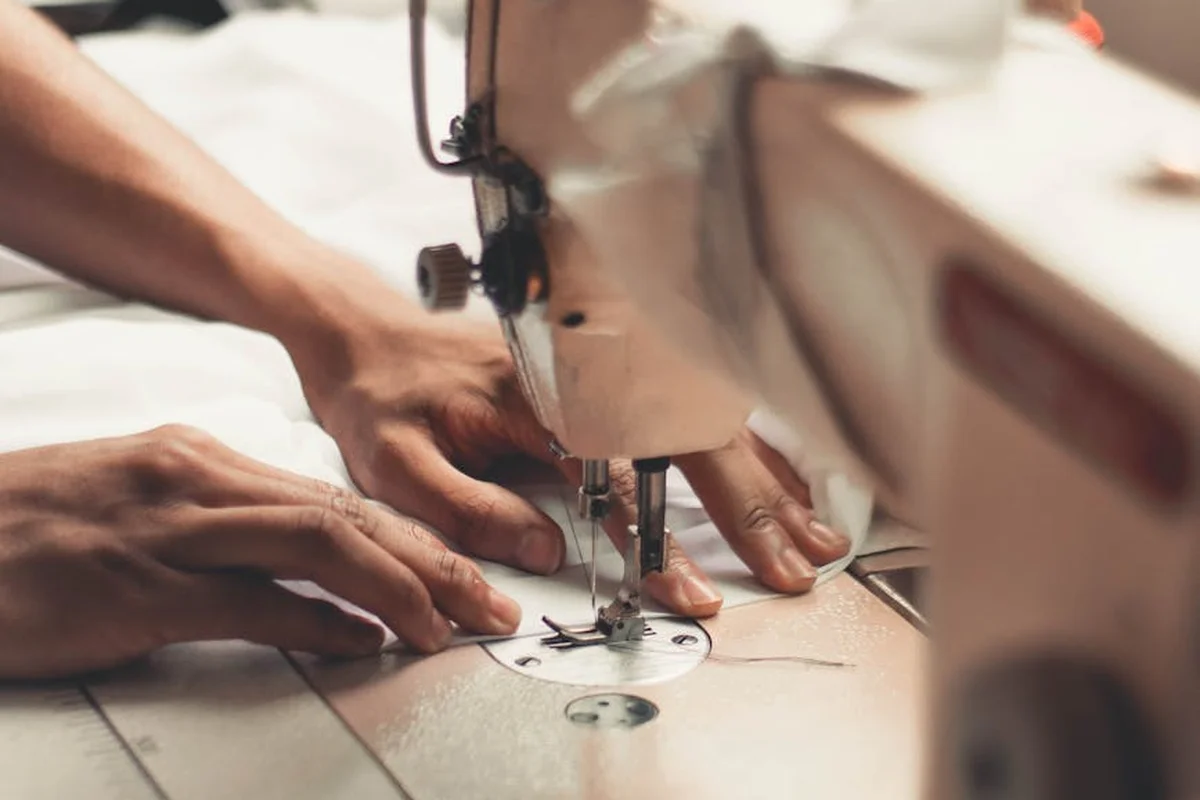
Bolt widths aren’t random. They are the direct result of production machinery, fiber properties, and the fabric’s intended end use. Knowing the standard size for your material saves time, money, and frustration, especially when comparing with standard fabric sizes and measurements.
Natural Fiber Bolt Sizes
Natural fibers have widths dictated by tradition, loom technology, and the physical limits of the fiber itself.
Cotton is the most familiar. For apparel and quilting cotton, the classic width is 44/45 inches. This width is perfect for cutting garment pieces and standard quilt blocks. When you move into home decor, the widths expand. You’ll find sturdy canvas and decorator fabrics at 54 or 55 inches wide, perfect for drapes without a center seam. For bedding, sheeting cotton is often woven at 60 inches, and can go as wide as 108 inches for seamless duvet covers. The width tells you the job the fabric was born to do.
Wool fabrics for suiting and coating are most common at 54/55 inch and 60 inch widths. The fiber’s natural loft and the heavy milling or felting processes used for coatings require robust, wider looms. A narrower width would be inefficient for cutting the large pieces of a coat or the long lengths of trousers. The standard width minimizes waste when laying out pattern pieces.
Silk often comes in narrower widths, which surprises many first-time buyers. You’ll see 45 inches for habotai, but many silks like dupioni or shantung are 36 inches wide. Specialized silks, such as Japanese kimono silk, can be a mere 22 inches wide. This is due to the delicate, high-value nature of the filaments and traditional weaving methods. A narrower silk bolt means you must buy more yards for a project, directly impacting your total cost and requiring careful pattern placement.
Synthetic & Blend Bolt Sizes
Synthetic fibers are born from extruded polymers, allowing manufacturers to dictate width with incredible precision for specific functions.
Polyester and nylon widths are entirely application-driven. For apparel linings, you’ll see the familiar 44/45 inch width—similar to what you’d find for quilting and apparel fabrics. For activewear knits and performance fabrics, 54 to 60 inches is standard, accommodating the wide cuts of leggings and tops. Their most dramatic use is in wide-width applications: think sheer curtain voile or event banners on bolts up to 120 inches wide, eliminating visible seams.
So, how wide is a bolt of fleece fabric? It’s almost always 58/60 inches wide, optimized for cutting cozy blankets and hoodies. How wide is a bolt of upholstery fabric? It’s typically 54 inches, a width that balances durability on the loom with efficient cutting for furniture panels. The extrusion process for synthetics allows for these extreme, consistent widths, which you can compare with other conventional fabric widths and roll sizes, which is why you see them used in large-scale industrial settings where seams are a liability.
Bolt Dimensions in Practice: Planning, Shrinkage, and Care
Knowing the width on the label is just the start. The real skill is using that number in your project and accounting for what happens when you care for the fabric.
Calculating yardage hinges on bolt width. A wider bolt means you can fit wider pattern pieces across it, often reducing the yardage you need to buy. Always check your pattern’s “fabric width requirement” chart. If your chosen fabric is wider than the pattern assumes, you can frequently buy less.
This brings us to the most critical step: pre-washing. That 45-inch wide quilting cotton can easily shrink to 42 or 43 inches after a warm machine wash and dry. I never skip this. You must pre-wash and iron your fabric, then re-measure its true width before you cut a single piece. Your entire project depends on this accurate, post-shrinkage measurement.
Here is my step-by-step method for measuring and reporting shrinkage. First, before washing, measure and mark the exact width and length of a one-yard piece with safety pins or basting stitches. Wash and dry the fabric using the method you plan to use forever. Lay it flat, smooth it out, and measure again. Calculate the percentage lost. For example, a 45-inch width that becomes 42 inches has shrunk roughly 6.7% in width. Report both the original dimensions and the final, stable dimensions when discussing your project.
Storing partial bolts properly preserves your investment. I fold fabric with the selvedges together, then roll it around a cardboard tube (like from wrapping paper) to prevent sharp creases along the fold lines. For very wide or delicate fabrics, I roll them fully onto the tube. Store rolls upright in a bin. This prevents edge damage and weight stress on the fibers.
Textile Expert’s Handling Pro-Tip: On wide bolts, finding the straight grain-the threads running parallel to the selvedge-is crucial. Pull a thread across the width and cut along that line; this is your true straight grain. Ensure it’s correctly aligned to avoid twisting seams in knits. If you must piece narrower widths together to get enough breadth, know that the seam can affect the drape, making a skirt or curtain hang with less fluidity. Finally, bolt width is everything for pattern matching stripes or plaids. A wider bolt gives you more room to shift your pattern pieces to align motifs perfectly, reducing fabric waste but requiring more planning before you cut.
Buying by the Bolt: A Science-Backed Guide
When you move from buying a few yards to purchasing a full fabric bolt, you’re shifting from a project mindset to an inventory one. The price per yard drops, sometimes significantly. That wholesale discount exists because you’re taking on the risk and cost of storage that the retailer normally handles. You must have a clean, dry, and ideally climate-controlled space to store that much material properly. A bolt of cotton sateen might be a joy to have on hand, but a bolt of untreated silk charmeuse left in a damp basement is a tragedy waiting to happen.
Key Questions for Your Supplier
Never assume the numbers on the bolt are the numbers you get to use. Your first cuts will go to testing for shrinkage and colorfastness. Ask these questions before you commit:
- “What is the exact usable width after a standard pre-wash?” For woven cottons and linens, I budget for a 3-5% width loss. For some knits, it can be 8% or more.
- “Is the length on the bolt a true linear yard, or does it include the roll’s circumference?” Some mills measure over the roll, which can short you several inches per listed yard. A reputable supplier measures the flat, unrolled length.
- “Can you confirm the dye lot number for the entire bolt?” Consistency is critical for large projects.
Full Bolt vs. A Cut: The Trade-Offs
Buying a full bolt guarantees you have fabric from a single, consistent dye lot. This is non-negotiable for anything requiring color matching, like a suite of bridesmaid dresses or upholstery for multiple chairs. The hidden risk with a full bolt is that you can’t inspect the inner layers until you’ve bought it. I’ve unrolled bolts to find a water spot or tension mark buried three layers deep. When you buy a cut, you typically see the exact piece you’re getting.
A cut is perfect for a single project. The trade-off is that if you need more later, the dye lot will almost certainly be different. Even with synthetic fibers like polyester, dye batches can have subtle shifts in tone. For natural fibers like cotton or wool, these shifts are more pronounced.
Understanding How Fabric Bolt Dimensions Affect Pricing
You don’t need a special fabric bolt dimensions calculator, just simple math. The price of a project is about yield, not just cost per yard. Let’s break it down.
Imagine two bolts of fabric with the same cost per yard. Bolt A is 60 inches wide after shrinkage. Bolt B is only 45 inches wide. To cut a 40-inch long skirt panel, you can fit it across the width of Bolt A with room to spare. For Bolt B, you must cut it lengthwise, using more yards. The usable width of a fabric bolt is a primary driver of its real-world value, directly affecting how much yardage you need to purchase. Always design your pattern layout with the post-shrinkage width in mind, especially when using fabrics like linen that tend to shrink more.
The Critical Importance of End-of-Bolt Labels
That cardboard tag or printed selvedge is your fabric’s birth certificate. Trustworthy fabric science starts here. I never cut into a new bolt without first photographing this label.
- Fiber Content: This dictates everything. A “100% Cotton” label tells you to expect shrinkage and to use cellulose-reactive dyes. A “55% Cotton 45% Polyester” blend signals less shrinkage but requires different dyes (like all-purpose dyes) for recoloring.
- Care Instructions: The suggested wash temperature is a good starting point. For a crisp cotton, I might follow it. For a wool coating, I will always opt for professional steaming or gentle cold water soak, regardless of the label, to prevent felting.
- Lot/Dye Number: This is your key for matching. Store this number with your leftover fabric scraps. If you ever need more, this number, not just a photo, is what a supplier needs to find the correct match.
For animal fibers like wool, I also look for welfare certifications. This aligns with a responsible approach to material sourcing. The label is the first step in a long relationship with your material. Read it carefully.
Working With What You Measure
The single most important practice is to pre-wash your fabric the same way you plan to wash the finished item. This simple step accounts for shrinkage and sets the fiber’s final dimensions before you ever cut a pattern piece. It turns an unknown bolt of cloth into a predictable, stable material you can trust.
Treating fabric with this level of care is a form of responsible ownership, directly reducing waste from misfit projects. I keep a notebook on how different fibers and weaves behave after washing and dyeing; this ongoing log is where true textile science becomes personal, useful knowledge. Silk, with its delicate fibers, benefits from gentle washing and careful handling, a detail I add to the log alongside other fabrics. Including silk fabric care washing in this ongoing record keeps the science practical and personally actionable.
Deep Dive: Further Reading
- What is the standard width of a bolt of fabric? – Quora
- The Beginner’s Guide to Understanding Fabric Quality and Bolt Sizes – FrawstedCreations
- How Wide Are Fabric Rolls Typically? – CV Linens™
- r/sewing on Reddit: trying to figure out how much fabric I need for my first ever pattern. What does 45″ and 60″ mean?
Florian Ventura
Florian is a high fashion blog writer, fashion and fabric expert and a keen expert in fabric, clothing and materials. She has worked in large textile and fashion houses for over 10+ years, engineering and working with various fabric types and blends. She is an expert when it comes to questions on any and all kinds of fabrics like linen, cotton, silk, jute and many more. She has also traveled around the world studying traditional fabrics and aims to bring them into the modern fashion use.