
Is Modal Fabric More Breathable Than Cotton for Clothing?
You’re deciding between a modal blouse and a cotton tee, wondering which will keep you cooler. I test fabric breathability in my workshop, and the answer isn’t as simple as a yes or no.
We will explore the science behind this common question. We will cover how fiber structure dictates air flow, the real-world feel and performance of each fabric, and the care routines that preserve their breathability over time.
Executive Summary: Your Quick-Answer Guide
Here is the direct answer from the lab: Modal fabric is generally more breathable than standard cotton. This is because the fiber structure of modal is engineered to be exceptionally smooth and porous, allowing air to move through it more easily. If your priority is maximum airflow against the skin, modal often has a slight edge.
- Modal Pros: Superior breathability, excellent moisture-wicking that feels cool and dry, a silky-smooth hand, and great drape. It’s also less prone to wrinkling than cotton.
- Modal Cons: Can feel too slick or clingy for some, less durable when wet (prone to stretching or tearing if handled roughly), and often requires more gentle washing cycles.
- Cotton Pros: Consistently good breathability, a dry and crisp classic feel, high durability (especially when wet), and it handles higher heat for washing and ironing.
- Cotton Cons: Wicks moisture more slowly, holding dampness longer. It wrinkles easily and can feel stiff, especially before it’s broken in.
Choose modal for lounge wear, summer tops, soft underwear, and draping skirts where a cool, sleek feel is key. Choose cotton for structured shirts, durable denim, workwear, bed linens, and towels where you want classic texture and resilience. For a blend of both, modal-cotton fabric combines the best of both worlds for clothing that is soft yet sturdy.
Think of the feel this way: high-quality cotton has a dry, papery crispness that softens with wear, while modal offers a consistently slick, cool drape that feels like a second skin.
Material Data Table: Modal vs. Cotton at a Glance
| Property | Modal | Cotton |
| Breathability Score | Excellent | Good to Excellent |
| Moisture Wicking | Excellent. It pulls sweat away quickly and feels dry. | Moderate. It absorbs well but dries more slowly. |
| Shrinkage Rate | Low to Moderate. Shrinks primarily in high heat. Wash cool, tumble dry low or air dry. | Moderate. Can shrink 3-5% on first hot wash/dry. Pre-wash if sewing. |
| Heat Tolerance (Ironing) | Medium heat (around 300°F / 150°C). Use a pressing cloth to prevent shine. | High heat (up to 400°F / 200°C). Can handle a hot, steamy iron. |
| Stretch Factor | Inherently more pliable and drapey; often blended with elastane for added stretch. | Low inherent stretch. Woven cotton has little give; knit cotton (jersey) has mechanical stretch. |
Both fibers originate from plants: Modal is a type of rayon made from reconstituted beech tree pulp, while cotton comes from the seed bolls of the cotton plant. This makes them both natural-based, biodegradable options. For dyeing, both work beautifully with fiber-reactive dyes (like Procion MX) for vibrant, wash-fast colors, though modal’s smoother surface can sometimes result in a slightly deeper shade saturation. Understanding the differences among viscose rayon (including modal), cotton, and polyester helps in selecting the right fabric for a project. These contrasts influence texture, drape, durability, and how dyes take to the fiber.
What You’re Actually Wearing: Fiber Science Made Simple

Let’s get up close with the fibers. I’ve spent hours looking at them under a microscope, and the differences explain so much about how your clothes behave.
Cotton is a natural seed fiber. Picture the fluffy boll on the plant. Each fiber is like a tiny, flattened, hollow drinking straw. It’s also twisted, which gives it a natural roughness. This structure is why cotton is a champion absorber. It can hold over 25 times its weight in water right into that hollow core.
Modal is a different beast, though it starts with a similar natural base. It’s a regenerated cellulose fiber, made by breaking down beechwood pulp into a liquid “soup” and then forcing it through tiny holes (spinnerets) to form new fibers. This process creates a fiber that is much smoother, more uniform, and round in cross-section compared to cotton’s irregular shape.
Here’s my go-to analogy: Think of cotton fibers as a bundle of rough, absorbent twine. Think of modal fibers as a bundle of smooth, strong silk threads made from trees. This fundamental difference in texture is what you feel against your skin.
You’ll often see cotton-modal blends, like a 60/40 mix. This blend aims to get the best of both worlds: the soft, drapey coolness of modal with the sturdy, absorbent structure of cotton, often at a lower cost. Proper care is essential to maintain the fabric’s handfeel. The blend ratio tells you which character will dominate the fabric’s handfeel.
The Breathability Breakdown: A Side-by-Side Lab Test
First, let’s define “breathability” in a way that matters when you’re wearing the garment. It’s not just about air flow. It’s a fabric’s ability to allow heat and water vapor (your sweat) to pass through it and escape into the air. A breathable fabric helps you stay cool and dry.
So, how do our two contenders manage this?
Cotton’s breathability comes from its porous, rough structure. Those twisted, hollow fibers create millions of tiny air pockets in the yarn. Air circulates through these pockets, and the fiber itself wicks moisture. It’s an effective, time-tested system.
Modal’s breathability works differently. Its sleek, smooth fibers pack together more densely, but they are excellent at absorbing and releasing moisture vapor directly. Think of it as a more efficient, direct highway for vapor to escape, rather than relying on air pockets.
This brings us to the core question: is modal more breathable than cotton? The nuanced truth is that both are among the most breathable fabrics you can choose, but modal often has a subjective edge in perceived coolness, especially when you first put it on. Its silky-smooth surface feels cooler against dry skin. In terms of pure moisture vapor transmission, high-quality modal can slightly outperform cotton, but for most everyday wear, the difference is minimal. Yes, modal breathes like cotton-it’s in the same top-tier league.
When you’re comparing modal vs cotton for breathability in clothing, the fabric construction often matters more than the fiber alone. A tightly woven cotton percale sheet will be less breathable than a loose, lightweight cotton gauze. Similarly, a dense modal knit will trap more heat than an open, breezy modal weave.
For activewear or base layers, a jersey knit (common for t-shirts) in either fiber is breathable, but a mesh construction will always win. Always consider the weave and weight listed on the tag-it’s as crucial as the fiber content.
Real-World Wear: Underwear, Sheets, and Sweaty Situations
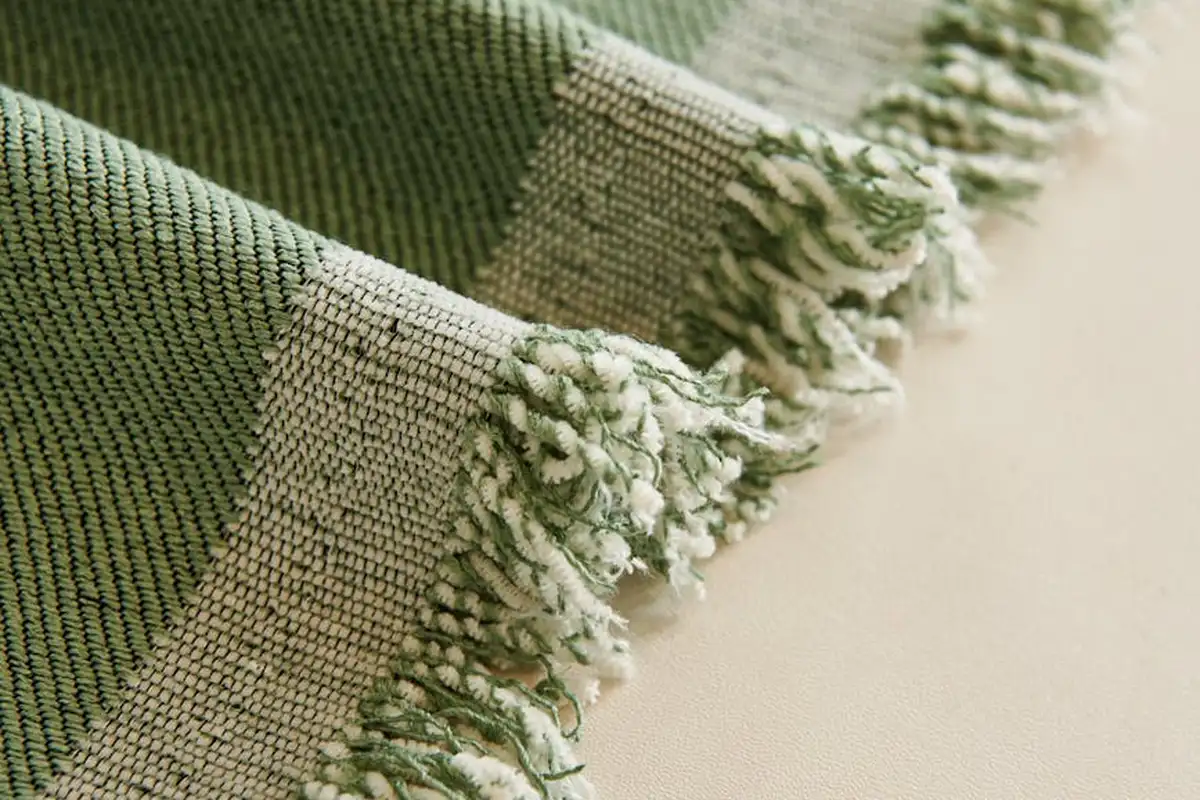
Let’s move from theory to your wardrobe and linen closet. Where does this breathability difference actually matter?
Are Modal Underwear and Base Layers Breathable?
Yes, modal underwear is breathable. But its real advantage is in moisture management. Modal fibers wick sweat away from your skin quickly and spread it across the fabric surface to evaporate. The result is that silky, dry-to-the-touch feel you don’t get with many other fabrics.
Compare that to cotton. A cotton undershirt absorbs sweat well, holding it within the fibers next to your skin. In moderate conditions, this feels fine. But during high activity or in humidity, cotton can stay damp, leading to that clammy, cold sensation. For base layers, modal’s wicking action often provides a more consistently comfortable, dry feeling than cotton’s absorbent but slower-drying nature.
Do Modal Sheets Breathe?
Modal sheets are exceptionally breathable and excel at temperature regulation. They have a fluid, cool hand that drapes closely, which many find ideal for warm sleepers or summer months. They lack the initial crisp “pop” of premium percale cotton but offer a sleek, weightless feel.
Traditional cotton sheets, especially in percale weaves, provide a classic crispness and structured breathability. They are more forgiving of body heat spikes. Your choice here is about texture preference: the fluid coolness of modal versus the airy crispness of cotton.
For Exercise and Hiking: A Clear Winner
This is where focusing only on “breathability” can lead you astray. You need to think about moisture management. For activities like hiking or running, cotton is a notorious poor choice. It absorbs your sweat, becomes heavy, and loses its insulating properties. When wet, cotton can rapidly draw heat from your body, leading to dangerous chilling.
Modal, with its superior wicking, moves that moisture away to keep you drier. You’ll see this reflected in countless forum threads where users ask about “modal vs cotton breathability pants” for travel or the gym. The consensus leans heavily toward modal or other synthetic performance fabrics for anything involving sustained sweat. For activewear, modal’s ability to stay drier and lighter under stress makes it a safer, more comfortable choice than cotton.
Care & Handling Protocol: Keeping Them Breathable for Years
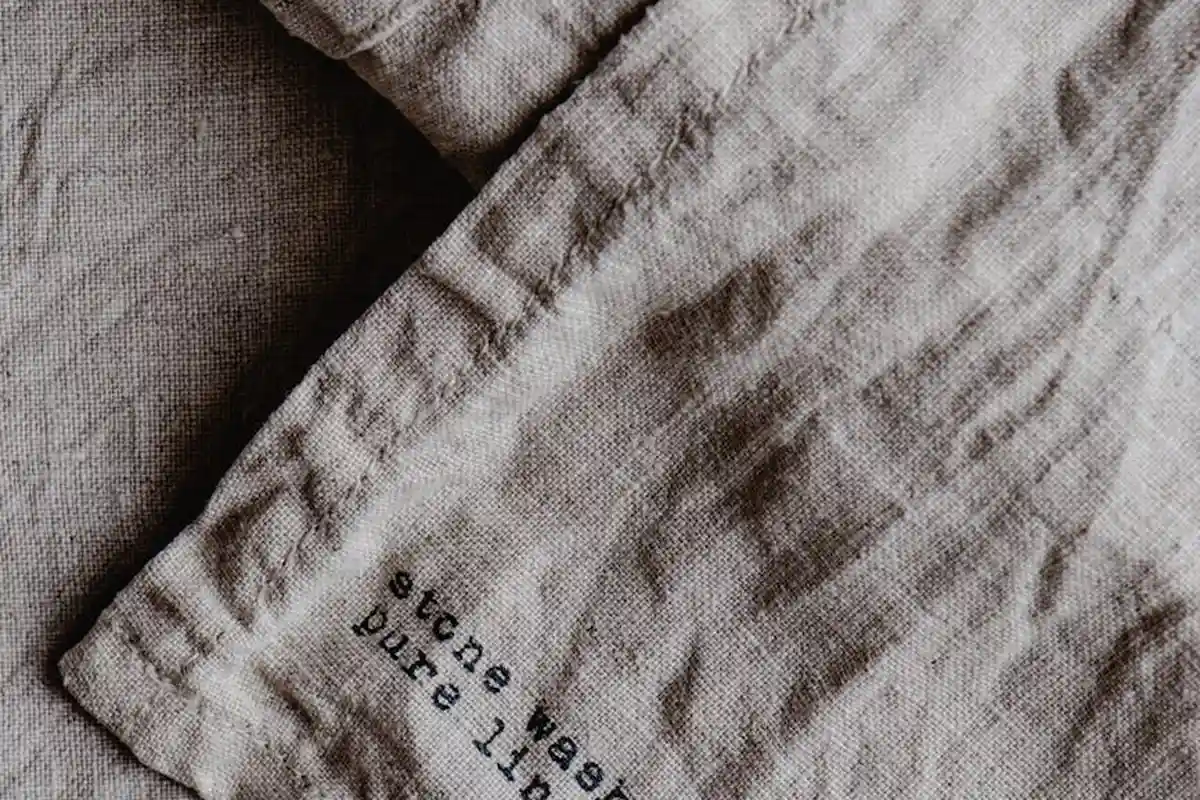
How you care for these fabrics directly impacts their longevity and performance. Follow these guides to preserve their breathability and feel.
Modal Fabric Care Guide
Modal is a form of rayon, and its regenerated cellulose fibers are more delicate when wet. Heat is its enemy. The goal is to maintain that smooth fiber structure.
- Washing: Use the gentle or delicate cycle with cold water. A mild detergent is best. Avoid harsh chemicals like chlorine bleach, which will dissolve the fibers.
- Drying: Line drying is ideal. If using a dryer, select the lowest heat setting (air fluff or tumble dry low) and remove while still slightly damp. High heat will cause irreversible shrinkage, hardening, and damage.
- Ironing: If needed, use a low heat setting (silk/rayon). Iron the garment inside-out while it is still slightly damp for best results. Excessive heat doesn’t just cause wrinkles; it fundamentally damages the molecular structure of modal, destroying its signature smoothness and drape.
Cotton Fabric Care Guide
Cotton is far more robust but has one main foe: uncontrolled shrinkage. Its care is about managing that natural tendency. Understanding cotton fabric characteristics and materials helps tailor care to the fiber. This links shrinkage management to the fiber’s inherent properties.
- Washing: You have options. Warm or hot water cleans best and sanitizes, but it promotes shrinkage. Cold water washes minimize shrinkage and color fading. For items like sheets and towels, a hot wash is fine. For a fitted cotton tee, cold is safer.
- Drying: High heat drying causes the most dramatic shrinkage. For a pre-shrunk garment, it’s less risky. To maximize shrinkage control, tumble dry on medium or low and remove promptly. Line drying eliminates heat shrinkage entirely.
- Ironing: Cotton can handle a high heat iron. Use steam liberally to remove stubborn wrinkles.
Why The Care Differs So Much
The difference comes down to fiber structure. Cotton’s natural fibers are physically strong and can swell with water, but their basic structure is locked in. Heat forces them to contract violently.
Modal’s fibers are chemically regenerated into a smooth, engineered structure. Agitation and high heat can break the hydrogen bonds that give modal its integrity, leading to weakening, fuzzing, and permanent distortion. It’s less about shrinking and more about the fiber losing its very form.
Handling Modal and Cotton Blends
This rule is simple: always defer to the care needs of the most delicate fiber in the blend. A 60% cotton / 40% modal blend should be treated like pure modal. Use cold water, gentle cycles, and low heat. The modal portion will be the first to fail if treated harshly, causing pilling and fabric breakdown. For modal fabrics, follow wash dry care modal fabric guidelines to maintain softness and longevity.
Troubleshooting: Fixing Common Problems
Even the best fabrics can act up. Here’s how to handle the most common issues with modal and cotton, based on their unique personalities.
Modal: Managing Stretch and Pilling
Modal’s drape comes from fibers that are hydrophilic and relaxed. Think of them like a very relaxed spring; they can stretch out if treated roughly. The key to maintaining modal’s shape is to control moisture and heat carefully.
If your modal top or dress has become too loose, you can often coax it back.
- Wash it alone in cool water using the gentle cycle.
- After washing, gently squeeze out water-never wring.
- Lay the garment flat on a clean towel. While it’s damp, gently pull and pat it back to its original dimensions and shape.
- Let it air dry completely, away from direct heat or sunlight.
Pilling isn’t common on pure modal, but it happens on blends, especially with polyester or cotton. The pills form where friction is highest, like under arms.
- Use a fabric shaver or a fine-tooth sweater comb. I prefer a battery-powered fabric shaver for quick, clean results.
- Always shave pills on a flat surface, pulling the fabric taut.
- To reduce future pilling, wash modal blends inside out and avoid overloading the machine.
Cotton: Controlling Shrinkage
Cotton shrinks because its fibers relax and contract when heat and agitation release tensions from manufacturing. Pre-washing fabrics before sewing or wearing can prevent shrinkage. Pre-shrinking cotton fabric or a new garment is the single best way to ensure a predictable fit.
Here’s my lab-tested method for pre-shrinking:
- Wash the fabric or garment in warm water (40°C / 104°F) using a standard cycle.
- Tumble dry on a medium heat setting until completely dry.
- For precision sewing, I then iron the fabric to remove any wrinkles before cutting. This accounts for the tiny amount of shrinkage that happens during pressing.
What if you’ve already shrunk a favorite cotton item? You might recover some size.
- Soak the garment in a mix of lukewarm water and a tablespoon of hair conditioner or fabric softener for 15 minutes. This relaxes the fibers.
- Without rinsing, gently stretch the garment back to shape while it’s saturated.
- Rinse in cool water, then roll it in a towel to remove excess moisture.
- Lay it flat to dry, continuing to nudge it back to size as it dries.
For Both Fabrics: Color and Odor Care
Vibrant colors are wonderful, but dye bleed can ruin a load of laundry. Always test for colorfastness before the first wash, especially with rich reds, navies, and blacks.
My quick test: dab a hidden seam (like an inside hem) with a cotton swab dipped in cool water. Press a white paper towel against the spot. If any color transfers to the towel, wash the item alone or with similar colors in cool water.
For removing stubborn odors from exercise gear or kitchen towels, skip harsh chemicals. White vinegar or baking soda are effective, fiber-friendly deodorizers.
- For vinegar: Add ½ cup (120 ml) to the rinse cycle. The smell dissipates as it dries.
- For baking soda: Add ½ cup (120 ml) directly to the drum with your detergent. It helps neutralize odors gently.
Choosing the Right Detergent
Your detergent choice should match the fiber’s needs.
For modal, use a mild, liquid detergent. Powders can sometimes leave residues on its sleek surface. Look for detergents labeled for “delicates” or “wool.” Avoid heavy stain removers or bleach on modal unless the care label specifically states it’s safe.
For cotton, you have more flexibility. Powder, liquid, or pod detergents all work well. Powder can be excellent for lifting ground-in dirt from cotton towels or jeans. For white cottons, you can occasionally use a bleach alternative like sodium percarbonate, following package instructions.
Choosing Your Everyday Fabric
The best fabric depends entirely on the day you have planned. For high-heat activities and sensitive skin, the superior durability and heat absorption of a crisp, long-staple cotton is your safest, most breathable bet. For moderate climates and a desire for sleek comfort, modal’s exceptional smoothness and moisture-wicking make it a compelling, luxurious choice.
Your most sustainable choice is always the garment you already own, cared for correctly. Treat every piece as a long-term investment by following its care label, and you’ll build a practical, enduring understanding of how fibers perform in your own life.
Further Reading & Sources
- Modal Fabric vs Cotton: Key Points to Consider – 2023
- Modal vs Cotton Underwear: Which Fabric Wins? – Q for Quinn
- modal vs cotton – Superior Softness & Enhanced Breathability
Florian Ventura
Florian is a high fashion blog writer, fashion and fabric expert and a keen expert in fabric, clothing and materials. She has worked in large textile and fashion houses for over 10+ years, engineering and working with various fabric types and blends. She is an expert when it comes to questions on any and all kinds of fabrics like linen, cotton, silk, jute and many more. She has also traveled around the world studying traditional fabrics and aims to bring them into the modern fashion use.