
What Truly Separates Viscose, Rayon, Modal, Cotton, and Polyester?
Choosing the right fabric can feel confusing when labels list viscose, rayon, or modal. I’ve tested these materials for years, and I’ll help you understand what each one really is.
This guide will explain how each fiber is made, its unique feel and performance, typical shrinkage, best washing methods, dyeing behavior, and my hands-on care advice.
Executive Summary: Your Quick Fabric Guide
Think of these five fabrics in three families. Cotton is a natural fiber. Viscose, rayon, and modal are regenerated cellulose, born from wood pulp. Polyester is a synthetic, crafted from petroleum. Each family behaves differently in your hands, your wardrobe, and your washing machine.
- Cotton is a seed fiber, a classic natural material.
- Viscose, Rayon, and Modal are made from dissolved wood pulp that is extruded into fibers.
- Polyester is synthesized from petrochemicals.
Your top practical takeaway? Choose cotton for reliable breathability and strength. Rayon (including viscose) offers a beautiful, fluid drape but demands gentle care to prevent major shrinkage. Modal is rayon’s more stable, softer cousin. Polyester is your go-to for durability, shape retention, and activewear that wicks moisture.
Yes, viscose and rayon are essentially the same. “Rayon” is the broad category; “viscose” is the most common type. Modal is a specific, upgraded type of rayon known for better strength when wet. Now, let’s get into the details that will help you choose and care for them.
Material Data Table: Breathability, Shrinkage, Heat & Stretch
This table is your cheat sheet. Use it to quickly predict how a fabric will feel, react to washing, and handle an iron.
| Fabric | Breathability (Rate 1-5) | Shrinkage Rate | Heat Tolerance (Iron Temp) | Stretch Factor |
|---|---|---|---|---|
| Cotton | 5 (High) | Medium | High (Cotton Setting) | Low |
| Viscose/Rayon | 5 (High) | High | Low (Rayon/Cool Setting) | Low |
| Modal | 5 (High) | Low | Medium | Low |
| Polyester | 2 (Low) | Very Low | Medium (Low Setting) | None to Low |
Reading the data tells a story: breathable fibers like cotton and rayon often trade that comfort for higher shrinkage. Polyester stands almost alone with minimal shrinkage. For care, that low heat tolerance for rayon is critical. I always test on an inside seam first.
Here’s what those ratings mean for your laundry routine. A “High” shrinkage rate, like with viscose, can mean 5-10% shrinkage in the first warm wash. Always hand-wash or use a cold, delicate cycle. “Medium” shrinkage for cotton is more manageable, typically 3-5%, and it can often be stretched back while damp.
Polyester’s very low breathability is why it can feel clammy, but that same property makes it great for wicking sweat away from the skin in performance gear. Its heat tolerance is medium, but be cautious. Too hot an iron can melt or glaze the fibers, leaving a shiny, permanent mark.
Fiber Origins: Natural, Regenerated, and Synthetic
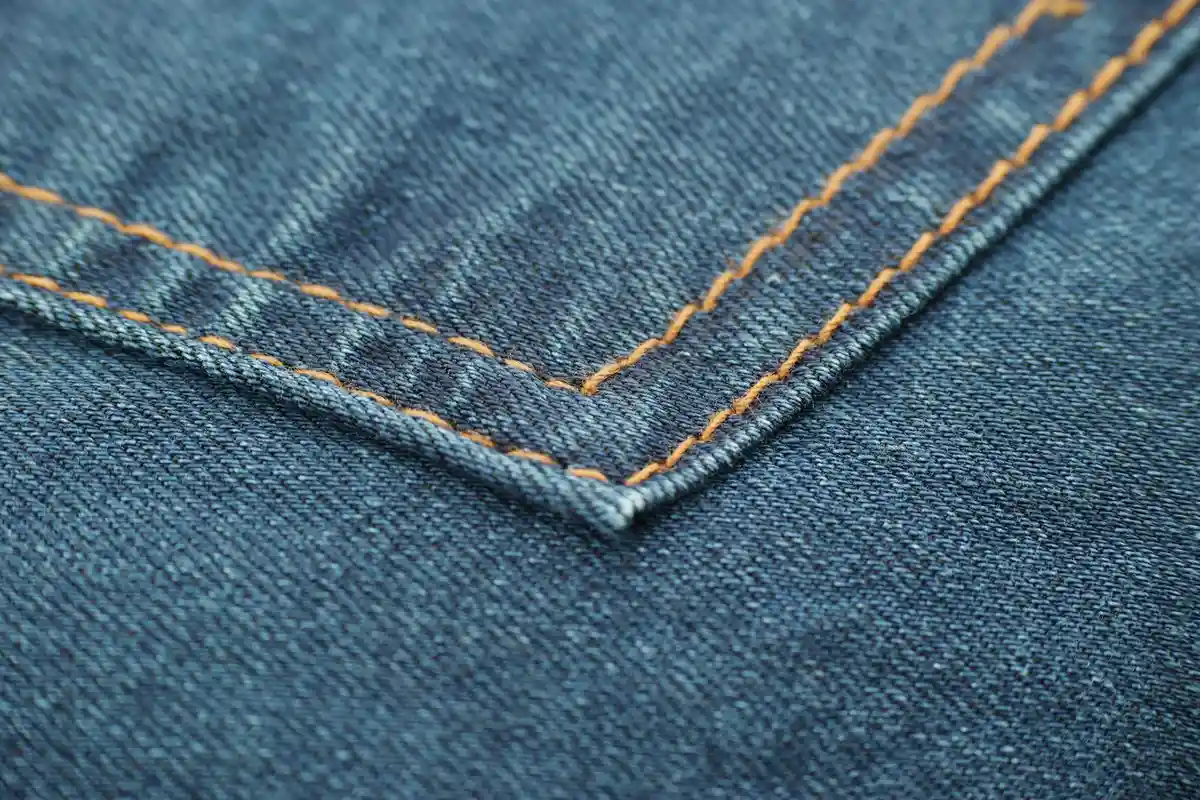
Think of how these fibers are born. It’s like three different ways of getting a thread: farming, papermaking, and mining.
Cotton is farmed. It grows as fluffy, white bolls on a plant. We harvest it, clean it, and spin the short, staple fibers into yarn. Polyester is mined and manufactured. It starts as crude oil, refined into a plastic called polyethylene terephthalate (PET), melted into pellets, and then extruded through a spinneret to form a continuous filament. It’s like forcing Play-Doh through a tiny hole to make a string.
Viscose, rayon, and modal are a different story-they are regenerated cellulose fibers, a process akin to advanced papermaking. You start with wood pulp from trees like beech or eucalyptus. That solid pulp is dissolved into a viscous, honey-like liquid using chemicals. This liquid is then forced through spinnerets into a chemical bath, where it solidifies back into a fiber. We’ve taken a natural material, broken it down, and rebuilt it into a new thread.
The Rayon Family Tree
The names can be confusing. Here’s the simple breakdown: “Rayon” is the umbrella term for all fibers made from regenerated cellulose. These are commonly called rayon synthetic cellulose fibers, since the cellulose comes from natural sources but is chemically processed into fibers. This places rayon between natural materials and fully synthetic polymers in terms of production.
All viscose is rayon, but not all rayon is called viscose. “Viscose” is the most common type of rayon, named for the viscous liquid stage of its process. It’s what you’ll find in most flowy blouses and linings. It’s breathable, drapes beautifully, but has a key weakness: it loses up to 50% of its strength when wet. Handle a wet viscose garment carefully to avoid tearing.
Modal is a type of rayon, but it’s a branded, premium version. The process is modified, often using beechwood pulp and a different spinning technique. Modal is engineered for higher wet strength and greater softness, making it more durable for regular washing. So, are viscose and modal the same? No. They are siblings from the same family, but modal is the stronger, more resilient one, especially in your washing machine.
Care for the rayon family is specific. They are prone to shrinkage and can be weakened by harsh agitation. I hand-wash or use a delicate machine cycle in cold water. Proper drying techniques are crucial to maintain their integrity. Never wring them out; instead, roll them in a towel to press out moisture. They dye brilliantly with fiber-reactive dyes, the same type used for cotton.
Cotton and Polyester: The Classics
Cotton’s journey from field to fabric is more straightforward. After ginning and cleaning, the short fibers are combed, aligned, and twisted-a process called spinning-to create a strong, absorbent yarn. That absorbency is why cotton feels cool and is a joy to dye, but it also means it can shrink. Expect 3-5% shrinkage on the first hot wash, sometimes more if it’s not pre-shrunk.
Polyester is born from fire and chemistry, extruded as a continuous, super-strong filament. This gives it incredible durability and resistance to wrinkles and shrinkage. That strength is a double-edged sword; while the fabric itself is tough, the fibers can be damaged by high heat from an iron, which can melt or glaze the surface. It’s also hydrophobic-it repels water-which makes it quick-drying but a challenge to dye at home, requiring special disperse dyes and near-boiling water.
In your daily care, treat cotton with warm water and tumble dry low. You can be fairly robust with it. For polyester, use cool to warm water and a low-heat dryer. High heat is the enemy, as it can set oily stains permanently and cause pilling by melting the fiber ends together.
Touch and Performance: Comparing Fabric Hand and Durability
Let’s move from chemistry to what you can feel. The “hand” of a fabric is its tactile personality-how it feels against your skin and how it moves. This is where you really start to see their differences.
The Feel of Each Fabric
Run these fabrics between your fingers. You’ll notice distinct textures. Cotton has a natural, matte crispness that can range from a soft, worn-in tee to a stiff, freshly ironed poplin. Viscose and rayon feel cool and silky with a fluid, heavy drape that makes skirts and blouses flow beautifully. Modal is even softer, often described as buttery or cloud-like. Polyester feels smooth and often slightly slick; high-quality versions mimic silk, while cheaper ones can feel plasticky.
Breathability and Moisture
This is crucial for comfort. Both “viscose” and “rayon” refer to the same regenerated cellulose fiber, so they share the same core properties: they are very breathable and absorbent. They can absorb moisture, but they don’t wick it away quickly, which can leave a damp, clammy feeling against your skin if you sweat heavily. Modal, as a type of rayon, handles moisture better and feels drier. Cotton is the champion of breathability and absorption, pulling moisture away to evaporate. Polyester, a synthetic, does not absorb water. It relies on wicking, where moisture spreads across its surface to evaporate, which works well in performance gear but can feel clingy in humid weather.
Strength and Pilling Tests
Durability varies wildly. When a fabric is dry, cotton is strong and resilient. Polyester is exceptionally strong and resists abrasion. Rayon and viscose, however, are weakest when wet. You can test this yourself on an inside seam. Gently pull the fabric on either side of a seam when it’s dry. Now, dampen the same spot with water and pull again-you’ll feel it has lost much of its strength and can tear easily. This is why you must never wring out a wet rayon garment; always roll it in a towel to press out water. For pilling, rub a piece of fabric against itself for 15 seconds. Cotton may form a little fuzz, while polyester and its blends are notorious for forming those tiny balls on areas of friction, like under arms.
Common Uses in Your Wardrobe and Home
These inherent properties dictate where each fabric shines:
- Rayon/Viscose: Perfect for flowing dresses, blouses, and linings where drape is everything. You’ll rarely find it in structured suits or heavy-duty items.
- Cotton: The everyday workhorse. It’s in your t-shirts, jeans, bed sheets, and towels because it’s comfortable, durable, and easy to care for.
- Polyester: The king of activewear, outdoor gear, and suit linings due to its strength and wrinkle resistance. It’s also common in blends to add durability or reduce cost.
- Modal: Often used for luxury t-shirts, underwear, and bedding where supreme softness is the goal, especially in blends like modal cotton fabric clothing.
Viscose vs. Rayon: Which is Better?
Since they are the same fiber, this question is really about context. If you see “viscose” on a label, it often indicates the standard type. “Rayon” is the broad category. The better choice depends entirely on your project: choose it for unparalleled drape and a silky feel, but avoid it if you need easy, machine-friendly care. For a dress that needs to flow, viscose/rayon is superior. For a shirt you want to toss in the washer and dryer without a thought, cotton or a cotton-poly blend is the wiser, more durable choice.
Shrinkage Stories: Predicting and Preventing Fabric Changes
Shrinkage isn’t magic. It’s physics. Each fiber type reacts to water, agitation, and heat in its own way. Knowing this lets you predict a fabric’s behavior before it ruins a favorite piece—especially when dealing with delicate blends like silk, polyester, and nylon.
For cotton, shrinkage is about fiber relaxation. Cotton fibers are like a bundle of tiny, twisted ropes. During manufacturing, they get stretched and strained. When you wash cotton in warm water, those fibers relax back to their natural, shorter state. The first warm wash is where most cotton shrinkage happens, making the fabric denser and often softer.
Rayon and viscose tell a different story. These fibers are notorious for extreme water absorption. Think of the wood pulp fibers swelling like a dry sponge. This swelling makes the yarns thicker and shorter. Mechanical agitation in the washer then felts these swollen fibers together, causing dramatic and often irreversible shrinkage. Rayon’s love for water is its greatest weakness in the laundry.
Polyester is the stable friend in the group. As a synthetic, its polymer chains are set during production. Water doesn’t affect its structure. Shrinkage is minimal and usually only occurs if you apply excessive heat from a dryer or iron that exceeds its heat-setting temperature.
How to Pre-Wash and Measure Shrinkage at Home
Don’t guess. Test. This simple method gives you real data on how a fabric will behave. I do this with every new batch of fabric before I start a project.
- Cut a square at least 12 inches by 12 inches from an inconspicuous area, like a seam allowance or fabric end.
- Using a washable fabric marker or a simple basting stitch, mark a precise 10-inch by 10-inch square in the center.
- Wash and dry this swatch exactly as you plan to treat the final garment. Use your standard detergent, water temperature, and dryer setting.
- Let the swatch rest flat. Measure the marked square again. Note the new dimensions.
If your 10-inch square is now 9.5 inches, you have 5% shrinkage. You must account for this when cutting your fabric. This ten-minute test can save an entire garment.
Actionable Tips to Stop Shrinkage
- For Rayon & Viscose: Wash in cold water only. Never wring it out. Gently press water out between towels. Always, always air dry flat. The dryer is your enemy.
- For Cotton: To minimize further shrinkage after the first wash, use cool or warm (not hot) water. Tumble dry on a low heat setting and remove while slightly damp to finish air drying.
- For Polyester: You have more freedom. Medium heat is generally safe, but high heat can melt or shrink it. When in doubt, use low heat.
- For Modal: While more stable than viscose, treat it with the same care as rayon for the longest life. Cold wash and air dry is the safest policy.
Viscose vs. Rayon Shrinkage: What’s the Difference?
In practical terms, not much. “Viscose” and “rayon” are often used interchangeably for the same basic fiber. Both come from regenerated cellulose and both have a very high risk of shrinkage due to water absorption. Modal, however, is a type of rayon made from beechwood pulp with a different molecular structure. Modal is engineered to be stronger when wet and has significantly better resistance to shrinkage than standard viscose rayon. It will still benefit from gentle care.
The Role of Polyester Blends
Blending polyester with a natural fiber like cotton or rayon is a common strategy to control shrinkage. The polyester acts like a stable scaffold, limiting how much the natural fiber can contract. A 50/50 cotton-polyester blend, for example, will shrink far less than 100% cotton. That polyester content adds dimensional stability, making the fabric easier to care for with less dramatic change. Some blends also include a touch of spandex, which adds elasticity and helps the fabric recover its shape after washing. In polyester-cotton-spandex blends, this elasticity can further reduce shrinkage while maintaining comfort. Remember, the care label for the blend will guide you, but the presence of polyester usually allows for more forgiving washing and drying conditions.
The Care Routine: Step-by-Step Washing and Drying for Each Fabric
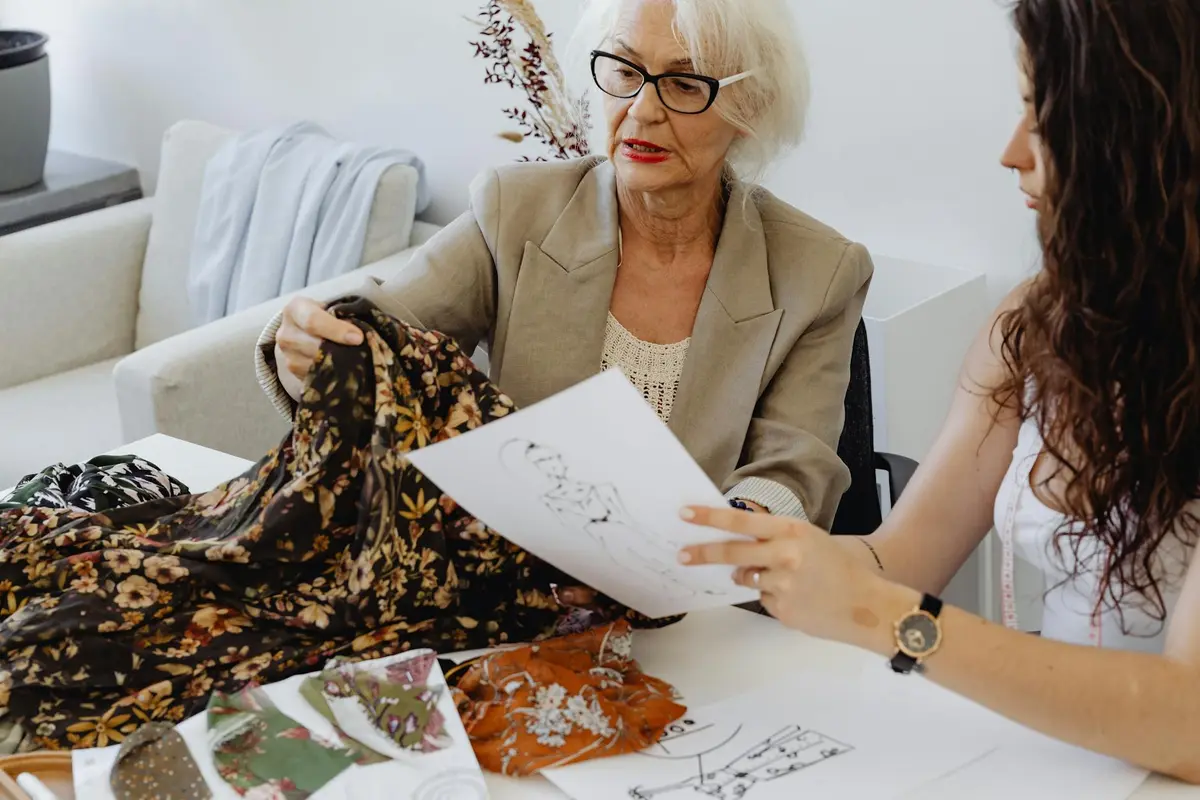
Knowing what a fabric is made of is only half the battle. How you clean and maintain it determines its longevity and appearance. I treat care instructions like a recipe for preserving my clothes. Let’s walk through the exact steps for each fiber family.
Caring for Rayon, Viscose, and Modal
Handle these regenerated cellulose fibers with a gentle touch. When wet, they are at their most vulnerable, losing up to half their strength. Always treat rayon, viscose, and modal as delicate items, even if the garment feels sturdy when dry.
Here is my lab-tested method for washing viscose and its cousins safely at home:
- Check the Care Label First: Some viscose is labeled “dry clean only” for a reason, often due to construction or dyes. When in doubt, follow the label.
- Turn the Garment Inside Out: This protects the surface from abrasion in the wash.
- Use Cold Water Only: Cold water minimizes the risk of shrinkage and dye bleeding. Hot water can cause severe, irreversible shrinkage.
- Select the Gentle/Delicate Cycle: This cycle uses a slower, gentler agitation.
- Add a Mild Liquid Detergent: Avoid powder detergents (they can leave residues) and never use chlorine bleach or fabric softener. Bleach destroys the fibers.
- Wash Alone or with Similar Colors: The first few washes, I wash these items alone to check for color runoff.
For drying, you must skip the dryer’s heat. The tumbling action combined with heat is a recipe for a shrunken, misshapen garment.
- Immediately after the wash cycle ends, remove the garment.
- Gently squeeze out water. Do not wring or twist, as this can stretch the fabric permanently.
- Lay the item flat on a clean, dry towel on a drying rack. Reshape it to its original dimensions.
- Allow it to air dry completely away from direct sunlight or heat sources.
Ironing is often necessary to restore a smooth finish. Always iron rayon, viscose, or modal while the fabric is still slightly damp. Use the lowest heat setting marked for rayon or synthetic (cool). I place a thin cotton press cloth between the iron and the fabric to prevent scorching and shine marks.
Caring for Cotton
Cotton is a workhorse, but it’s not indestructible. Proper care prevents excessive shrinkage and keeps colors bright. Pre-washing cotton fabric before sewing is a non-negotiable step I always take to pre-shrink it and prevent any surprises later on. Expect 3-5% shrinkage on the first warm wash.
- Sort by Color: Separate darks, lights, and brights. Cotton, especially darker dyes, can bleed in the first few washes.
- Water Temperature is Key: For everyday cleaning and colors, use warm water. For bright or dark colors you want to preserve, or to prevent shrinkage, use cold.
- Cycle Selection: Use a regular or permanent press cycle for most items. Use gentle for delicate weaves like voile or lace.
- Detergent: Any standard detergent works. You can use oxygen bleach (color-safe bleach) on whites if needed.
- Address Stains Immediately: Cotton holds onto stains. Pre-treat with a stain remover or a dab of detergent before washing.
You can safely machine dry cotton, but control the heat to manage shrinkage.
- For minimal shrinkage, remove items while still slightly damp and air dry the rest of the way.
- For full drying, use a medium or low heat setting. High heat is the main cause of severe cotton shrinkage.
- Remove promptly to avoid deep wrinkles.
Ironing cotton is straightforward. It can handle high heat. Use the hot cotton/linen setting on your iron, and iron while the fabric is still slightly damp or use the steam function for best results. This smooths wrinkles effortlessly.
Caring for Polyester
Polyester’s care routine is all about managing its synthetic nature-preventing heat damage and static cling. Polyester is very heat-sensitive; too much heat from washing, drying, or ironing can melt or glaze the fibers.
- Wash in Cold or Warm Water: I always recommend cold water. It saves energy, is safe for colors, and prevents setting oily stains.
- Use a Standard or Permanent Press Cycle: The fabric is durable and can handle regular agitation.
- Choose a Standard Detergent: Avoid using fabric softener regularly. It can coat the fibers, reducing their moisture-wicking ability and attracting more dirt over time.
- For Odor Removal: Polyester can hold body odors. Add half a cup of white vinegar to the rinse cycle or use a sports detergent to break down oils.
Air drying is the safest and most energy-efficient method for polyester. It dries quickly.
- If using a dryer, select the lowest heat setting (Low or Delicate).
- Remove items immediately once dry to prevent wrinkles and buildup of static electricity.
- Adding a dryer ball (like a wool one) helps reduce static without chemical softeners.
Ironing should be done with caution. Use a warm iron setting-the synthetic or polyester setting. If needed, use a press cloth. High heat will cause the fibers to melt, shrink, or become shiny and stiff. A quick steam is often enough to release wrinkles.
Color and Dye: How to Keep Fabrics Vibrant (or Change Them)
Understanding how a fabric accepts and holds color starts with its fibers. Think of a fiber’s structure like a sponge or a sealed piece of plastic.
How Different Fibers Accept Dye
Cotton, viscose, and modal have a spongy, absorbent molecular structure. They readily soak up water-based dye solutions. Fiber-reactive dyes bond directly to the cellulose molecules in these fibers, creating a permanent, vibrant color that resists fading through washing. This is why you find such deep, rich hues in cotton jeans and rayon blouses.
Polyester is the sealed plastic. Its synthetic polymers are hydrophobic and have no natural sites for dye to bond. To color it, you need special disperse dyes and a lot of heat. The dye essentially vaporizes in a hot dye bath (often near boiling) and diffuses into the softened polyester fiber. Carrier chemicals are commonly used to help ferry disperse dyes into the fiber at these high temperatures. The effectiveness of this heat-assisted dyeing depends on selecting the right carrier and maintaining consistent heat. Dyeing polyester at home is difficult because achieving and maintaining the required high temperature is a challenge with standard equipment.
Keeping Your Colors Bright: Care Tips
To slow down fading and prevent dye from running, your laundry routine is key. Follow these simple rules:
- Wash dark or brightly colored items inside out. This protects the outer surface from abrasion against other clothes and the drum.
- Use cold water. Heat opens up fibers and encourages dye molecules to escape. Cold water keeps them locked in.
- Limit soak time, especially for rayons. Prolonged wetness can cause these fibers to swell and release dye. If you must soak, make it brief and use cold water.
- Choose a mild detergent. Harsh detergents and bleach break down dye bonds over time.
Color loss is often a slow process of abrasion and chemical breakdown, not a single event you can always stop, but these habits will significantly extend a garment’s vibrant life.
Safe Home Dyeing Practices
If you want to change a color, safety comes first. Always treat dye powders and liquids with respect.
- Wear rubber gloves and old clothes you don’t mind staining.
- Work in a well ventilated area, like near an open window or outdoors.
- Use dedicated pots and utensils that will never again be used for food preparation.
- The single most important rule is to match the dye type to the fiber content. Using a cotton dye on polyester will result in a stained tub and a barely tinted garment.
Can You Dye Polyester at Home?
Yes, but it is not straightforward. You need a dye formulated for synthetic fibers, like disperse dye. The process requires heating the dye bath to 200-210°F (93-99°C) and maintaining that temperature for 30-60 minutes. Most home stovetops can manage this in a large pot, but it demands constant attention.
Even then, results can be uneven. Polyester, especially in woven fabrics, is often treated with water resistant or stain release finishes that can block dye. I find that polyester dyes best from a pale shade to a darker one, and achieving light, pastel colors on white polyester is much more reliable than trying to change a dark garment to a light color.
The Reality of Dyeing Blended Fabrics
A 50/50 cotton polyester blend is the classic example of a dyeing puzzle. In a single dye bath, the cotton fibers will eagerly absorb fiber reactive dye, while the polyester fibers will not. You would need two separate dye types and a complex process to color both fibers the same shade.
This is why, when these blends are over dyed with a single type of dye, you get a heathered or tonal effect. The cotton takes the color deeply, while the polyester remains a lighter, contrasting shade, creating a muted, dimensional look. If you’re dyeing a blend, test on a hidden seam first to see if you like the two tone result.
Final Thoughts on Choosing and Caring for Your Fabrics
Your best tool is always the care label. I treat it as a fast cheat sheet to the fabric’s personality-its fiber blend tells me how it will feel and behave, and the symbols tell me how to keep it happy. When you match your care routine to the fiber’s inherent properties, you prevent most common fabric disappointments like shrinkage, pilling, and fading.
Treating your garments with knowledge extends their life, which is the most sustainable choice you can make. I encourage you to keep exploring textile science, whether it’s mending a favorite shirt or testing how a new blend reacts to a cold wash-every bit of hands-on experience builds your fabric intuition.
Industry References
- Rayon, Viscose, Modal – SustainYourStyle
- What is the difference between Modal, Viscose & Rayon? Please explain? – The Foundation Lingerie
- The Complete Guide to Rayon Fabrics: Viscose, Modal, Lyocell & Tencel | Order Fabric Onlin – Yardblox Fabrics
Florian Ventura
Florian is a high fashion blog writer, fashion and fabric expert and a keen expert in fabric, clothing and materials. She has worked in large textile and fashion houses for over 10+ years, engineering and working with various fabric types and blends. She is an expert when it comes to questions on any and all kinds of fabrics like linen, cotton, silk, jute and many more. She has also traveled around the world studying traditional fabrics and aims to bring them into the modern fashion use.