
Does Rayon or Viscose Fabric Stretch? Your Guide to Care and Blends
If your rayon dress feels baggy after a day out or your viscose blouse shrunk in the wash, I understand your frustration from my time testing fabrics in the lab.
We will cover rayon’s true stretch and recovery, why it shrinks so dramatically, the best methods for washing and drying, safe dyeing principles, and how to care for rayon mixed with cotton, polyester, or spandex.
Rayon vs. Viscose: A Quick Science Lesson
Let’s clear up the name confusion first. Rayon is the broad category name. Viscose is the most common type of rayon you’ll find in stores. For you, the person buying or caring for a garment, they are essentially the same fiber.
Both start as plant cellulose, usually from wood pulp. This pulp is dissolved with chemicals and then extruded through tiny holes to create fibers. This process makes it a semi-synthetic. It’s not fully natural like cotton, nor fully synthetic like polyester from oil.
You might hear about other rayon types like modal (softer, from beech trees) or lyocell (like Tencel®, known for strength). They are fantastic, but today we’re focusing on standard viscose rayon, the workhorse of the category.
Think of rayon as a tree transformed into a fabric; it breathes like cotton but drapes like silk. This unique combination is why it’s so popular for flowing dresses and blouses.
The Stretch Truth: What Happens When You Pull It?
Here is the direct answer: 100% rayon or viscose has almost no inherent, elastic stretch. If a label says 100% rayon, don’t expect it to behave like jersey knit.
The reason is in its molecular structure. Regenerated cellulose fibers are smooth and long, but they aren’t coiled like springs. They lack the chemical structure of elastane (spandex) that allows true snap-back recovery.
What you might feel is “mechanical” stretch or distortion. The fibers can slide past each other slightly when pulled, especially when the fabric is wet and weaker. It might give a little, but it won’t spring back to its original shape. This often leads to permanent stretching or sagging.
Let’s compare it to linen, since many ask “does 100 linen stretch” as well. Like linen, rayon is a plant-based fiber (cellulose). They share this non-elastic character. Linen might feel stiffer initially, but both fibers will distort under tension rather than stretch elastically.
So, to the frequent search “is viscose rayon stretchy,” the clear answer is no, not in a useful, elastic way. Any real comfort stretch comes from a blend.
What About Rayon Blends and “Stretch” Rayon?
Any noticeable, recovery stretch in a rayon garment comes from a blended fiber. You are almost always looking at a small percentage of spandex (elastane), typically between 3% to 5%. Sometimes polyester is blended in for durability and wrinkle resistance.
A “rayon viscose stretch top” is usually woven or knitted with corespun yarns-a spandex filament wrapped in rayon. This gives the fabric its fluid drape with added give. The care label is your first clue: look for “98% Rayon, 2% Spandex” or a similar composition.
I test this at home by gently pulling the fabric widthwise. If it stretches smoothly and rebounds, spandex is present. If it just distorts and feels limp, it’s likely 100% rayon.
This is also true for specific weaves. Challis fabric, a lightweight, soft plain weave, is traditionally 100% rayon and will have no elastic stretch, though it may drape and move with the body.
Material Data Table: Rayon & Viscose at a Glance

| Breathability | High. Wicks moisture and feels cool, similar to cotton. |
| Shrinkage Rate | High (5-10%). Prone to significant shrinking, especially with heat and agitation. |
| Heat Tolerance | Low. Can scorch, melt, or become brittle above 300°F (149°C). |
| Stretch Factor | Very Low (0-2% mechanical give). True stretch requires a blend. |
Breathability comes from the fiber’s ability to absorb water vapor, making it a favorite for warm weather. The high shrinkage rate is due to the fiber’s structure relaxing and contracting permanently when wet and agitated. Its low heat tolerance means irons and dryers are its biggest enemies. The minimal stretch factor is because rayon fibers themselves have no natural elasticity.
The Stretch Truth: Why Rayon Feels Rigid
Let’s be clear. A piece of 100% rayon or viscose fabric has almost no inherent stretch. You might get a tiny amount of mechanical “give,” about 1-2%, if the fabric is woven very loosely. But that’s not real elasticity. It’s just the threads sliding over each other before the fabric resists and holds its shape.
Think of it like a paper bag. You can pull on the corners a little, but it wants to snap back to its original form. It won’t expand and recover like a rubber band. Rayon fibers are long, smooth filaments that don’t coil or spring back, which is the fundamental reason for its lack of stretch.
If your “rayon” garment stretches comfortably, you are almost certainly dealing with a blend. The most common partner is spandex (also called Lycra or elastane). Even a small amount, like 5% spandex, introduces the missing recovery. You’ll also find rayon blended with polyester or nylon, which can add a slight improvement in dimensional stability, though not true stretch.
How to Check for Stretch at Home
Use this simple two-step test on a seam or hem allowance.
- First, look at the fabric’s construction. Is it a knit (looks like tiny, connected loops) or a weave (crisp, crisscrossed threads)? Rayon knits will have more inherent give than woven rayon.
- Second, gently pull the fabric widthwise and lengthwise. True stretch will spring back immediately to its exact original size. If it just distorts and feels limp, you’re experiencing that minimal mechanical give of pure rayon.
Caring for Pure Rayon: A Gentle Regimen
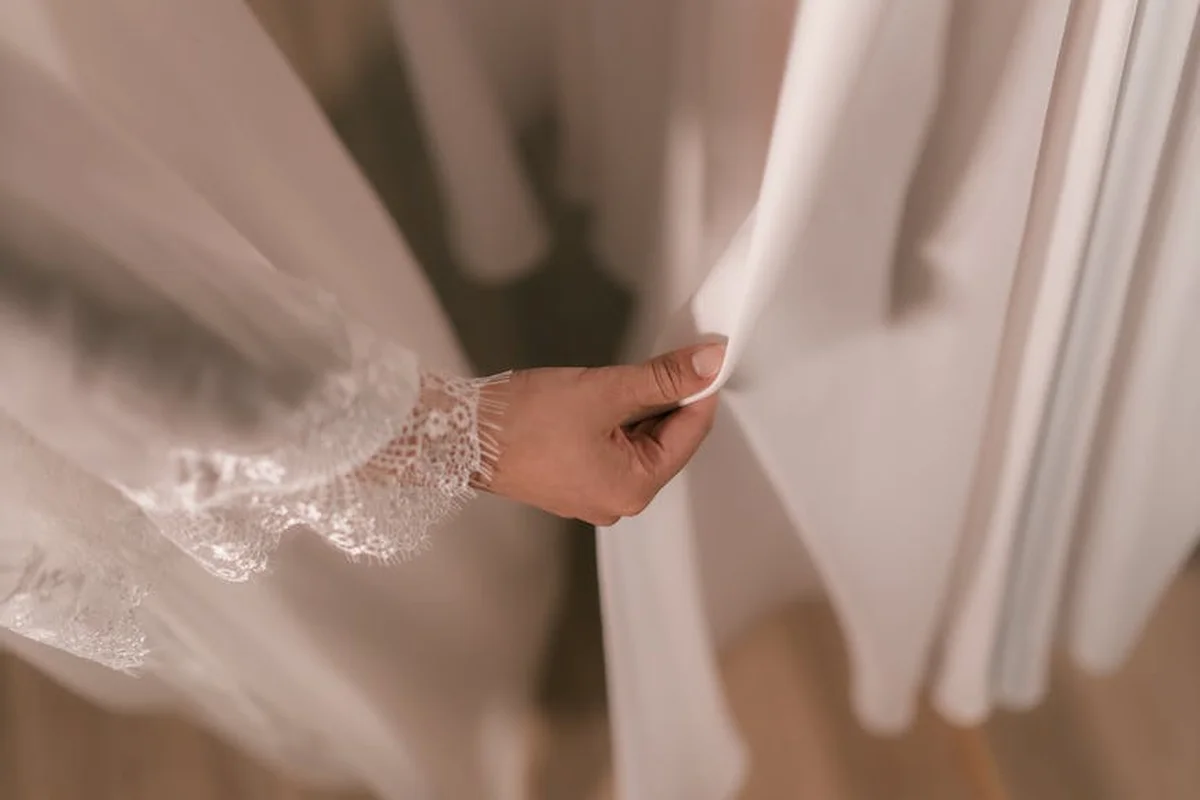
Rayon is a delicate, plant-based fiber that requires a soft touch. I treat it more like silk than cotton. The core principle is to avoid three things: heat, agitation, and harsh chemicals.
Washing & Drying: The Cold & Calm Method
Always check the label first. When in doubt, hand wash.
- Use cool or cold water. Hot water is the primary trigger for shrinkage.
- Choose a mild, neutral pH detergent. Avoid heavy enzymes or optical brighteners meant for cottons.
- Swirl the garment gently. Do not wring, twist, or scrub. Let it soak for no more than 30 minutes.
- Rinse thoroughly in cool water. Press the water out by rolling the garment in a clean, dry towel.
- Always air dry flat and away from direct heat or sunlight. Never use a tumble dryer. The tumbling action felts the fibers and heat sets shrinkage permanently.
For machine washing, use a delicate or hand-wash cycle with cold water and place the item in a mesh bag for protection. Turn the garment inside out to minimize surface friction.
Ironing & Stain Removal
Iron rayon while it is still slightly damp. Use the lowest heat setting (often the “silk” setting). I always use a press cloth-a thin cotton handkerchief works perfectly-between the iron and the fabric to prevent scorch marks.
For stains, act quickly with cool water. For oil-based stains, a tiny drop of mild dish soap on the spot can help. Gently dab, don’t rub. For stubborn stains on dyed fabric, take it to a professional cleaner who understands cellulose fibers. Avoid chlorine bleach at all costs; it will dissolve the fabric.
Caring for Rayon Blends: Follow the Minority Fiber
Blends change the game. Your care routine should prioritize the needs of the most delicate fiber in the mix. With rayon, it’s often still the most vulnerable component.
Rayon/Spandex Blends (e.g., Rayon 95%, Spandex 5%)
This blend gives you drape and breathability with added comfort stretch. The spandex is sensitive to heat and chlorine. Care for this blend exactly as you would pure rayon: cold wash, air dry, low iron. The high heat of a dryer will degrade the spandex fibers over time, causing them to snap and the garment to bag out permanently.
Rayon/Polyester Blends
Polyester adds durability, wrinkle resistance, and reduces shrinkage. You can often machine wash these blends on a gentle cycle with cool water. Tumble drying on a low, cool setting is usually safer than with pure rayon, but I still recommend air drying to preserve the garment’s shape and finish. Polyester can hold oil stains, so pretreating is wise.
Dyeing Rayon and Rayon Blends
Rayon, as a plant-based cellulose fiber, accepts dye beautifully. It works best with fiber-reactive dyes (like those for cotton) or all-purpose dyes. The key is to maintain a steady, moderate heat and allow for full dye absorption.
You cannot reliably dye a rayon blend to a single, solid color. The different fibers (like polyester or nylon) will take the dye differently. For a rayon/spandex blend, the rayon will take the dye while the spandex may remain a lighter shade, creating a heathered effect. For a rayon/polyester blend, you need a dye blend specifically formulated for “natural/synthetic” mixes, and results can be unpredictable.
The Real Challenge: Shrinkage, Not Stretch
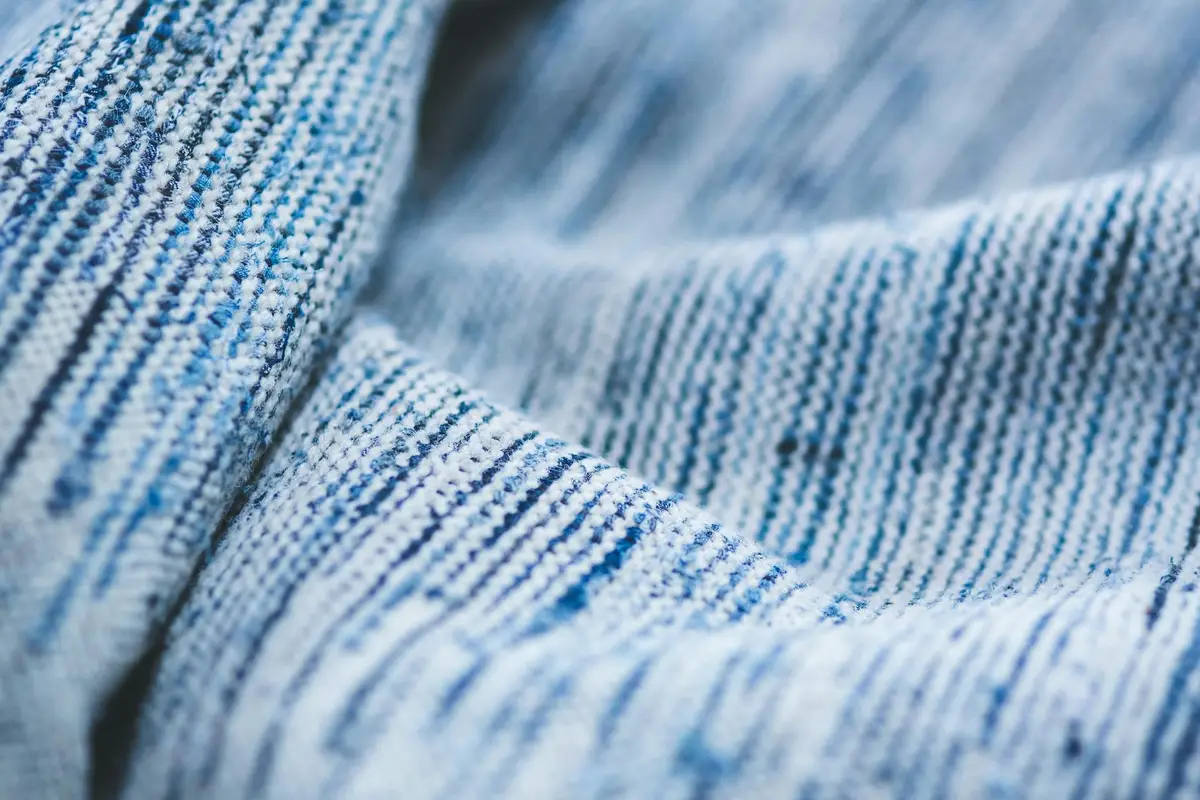
When people ask if rayon stretches, they are often worried about fit. The real problem is usually the opposite. A rayon garment that fits perfectly today might not fit after one wrong wash. Shrinkage is the primary threat, not a lack of give.
Rayon shrinks dramatically because of its fundamental chemistry.
The science is in the bonds. Rayon is made of regenerated cellulose, similar to the plant fibers in cotton or linen. Each cellulose molecule has tiny, positively and negatively charged spots. When the fabric is wet and agitated with heat, these spots form new connections with each other, called hydrogen bonds. Think of it like the fibers getting a chance to shake hands and decide to hold on tightly. They reform their structure in a tighter, more compact arrangement. Once those new bonds set as the fabric dries, the shrinkage is permanent.
Here’s a practical way to picture it. A stretchy knit bounces back like a spring. Rayon does not do that. Rayon behaves more like a dense sponge that permanently compresses after a hot, wet squeeze. The structure collapses inward and stays that way.
So, can you stretch viscose after it shrinks? Technically, maybe. Practically, it is very difficult and risky. You cannot simply pull it back to shape like you might with a damp wool sweater. Applying force to dry, shrunken rayon often leads to torn seams, distorted weaves, or visible damage to the fabric’s surface. The fibers are not elastic; they are brittle when stressed. Even if you try to fix shrinkage, it might not return to its original form.
If you must attempt to recover a shrunken piece, gentle re-wetting and blocking is the only method I’ve seen work occasionally.
- Fill a sink with cool water and a generous amount of hair conditioner or fabric softener. This lubricates the fibers.
- Soak the garment for 30 minutes, then gently press out water-do not wring.
- Lay it flat on a towel. Gently, patiently, stretch and pat it back toward its original dimensions.
- Let it air dry completely. The result is often imperfect, but it can sometimes regain an inch or two.
Prevention is always better than a repair attempt that could ruin the fabric. This leads us directly to the single most important care rule for pure rayon or viscose: hand-wash in cool water or use the delicate cycle with cold water, and always, always air dry flat.
Handling Pro-Tip: Working with Rayon’s Drape
If you love sewing with rayon, you already know its magic lies in that fluid, graceful drape. But that same quality makes it a fiddly fabric to handle. I have spent many hours in my studio wrestling with slippery rayon challis, and I can tell you, a few smart techniques make all the difference.
Rayon yarns are smooth and densely packed, which gives the fabric a sleek, almost liquid hand. This smoothness is why it slides around so easily on your cutting table. It can shift and distort if you’re not careful, leading to pieces that don’t hang right once sewn. Treat rayon like the delicate, flowing material it is, and you will be rewarded with a garment that moves beautifully.
For accurate cuts, forget pins for holding your pattern down. They can drag and distort the fine fibers. I always use pattern weights instead. A set of washers or small metal weights holds everything flat without pressure. Then, use your sharpest fabric shears or a rotary cutter. A blunt blade will push the fabric instead of slicing it.
When you move to the sewing machine, your needle choice is critical. A universal needle can cause snags or runs in the tight weave. Switch to a sharp Microtex needle in a size 70/10 or 80/12. This needle has a very fine, tapered point that pierces cleanly. I also set my stitch length slightly longer than for cotton, to about 2.5 to 3 mm. A shorter stitch can perforate and weaken the rayon fibers, making seams more prone to tearing. For stretch woven fabrics, use a stretch or ballpoint needle in a similar size to accommodate the fabric’s give. This helps prevent snagging and skipped stitches, keeping seams smooth.
Rayon frays, and it frays a lot. This happens because the manufactured cellulose fibers are cut to a precise length and then spun. The ends aren’t sealed like synthetic fibers, so they easily work loose from the weave. You must finish your seams. My go-to method is using a serger for a clean, enclosed edge. If you don’t have one, a simple zigzag stitch on a regular machine works. For a couture touch on lightweight rayons, French seams are perfect. They completely encase the raw edges inside a neat, second seam.
Cut rayon with the grain perfectly straight; its beautiful drape depends on it. If you cut it off-grain, the fabric will twist on your body. To find the grain, gently pull a thread along the cut edge or use the fabric’s printed line as a guide. Take your time here. Rushing the cutting is the most common mistake I see, and it sets the stage for every problem that follows.
Care Protocol: Washing and Drying Rayon Safely
Rayon is born from wood pulp, but it behaves like a thirsty plant when wet. Its fibers absorb water and swell, weakening dramatically. Treating it with this knowledge prevents most laundry disasters.
Follow these steps in order. I treat my rayon pieces this way, and they last for years without losing their shape or softness.
Step 1: Read the Label & Pre-Treat
The care label is your first and best source of truth. A 100% rayon garment has different needs than a rayon-spandex blend. Blend instructions override generic rayon rules, as the synthetic fiber changes the fabric’s behavior completely.
Address stains before the main wash. Dab (don’t rub) the stain with a bit of the same mild detergent you’ll use for washing, or use a dedicated gentle stain remover. Let it sit for 15 minutes before proceeding.
Step 2: Choose Hand-Wash or Machine Delicate
I always recommend hand-washing for pure rayon. It gives you the most control. Use cold or lukewarm water-never hot. Hot water is the fastest way to shrink, distort, or felt the fibers.
If you must use a machine, the rules are strict. Use the delicate or hand-wash cycle with cold water only. A zippered mesh laundry bag is non-negotiable; it protects the fabric from snagging and the agitation of the spin cycle.
Step 3: Select Detergent
Your detergent choice matters. You want a mild, liquid detergent with a neutral pH. Look for terms like “for delicates” or “wool wash,” especially when washing cashmere.
Avoid heavy-duty detergents packed with enzymes, optical brighteners, or bleach. These are designed for cotton and can degrade rayon’s delicate fibers over time, making them brittle and dull.
Step 4: The Drying Rule
This is the most critical step. Heat and weight are rayon’s enemies here. Never, under any circumstances, place a rayon garment in a tumble dryer. The heat will cause severe shrinkage, often irreversibly.
After washing, do not wring the fabric. Wringing twists and stretches the weak, wet fibers, permanently distorting them.
Instead, lay the garment flat between two clean, absorbent towels. Roll the towels up and press gently to blot out the excess water. Then, lay the garment flat on a drying rack, gently reshaping it to its original dimensions. Hanging a wet rayon item will cause it to stretch dramatically under its own weight, like wet paper.
Ironing and Steaming: Restoring the Smooth Finish
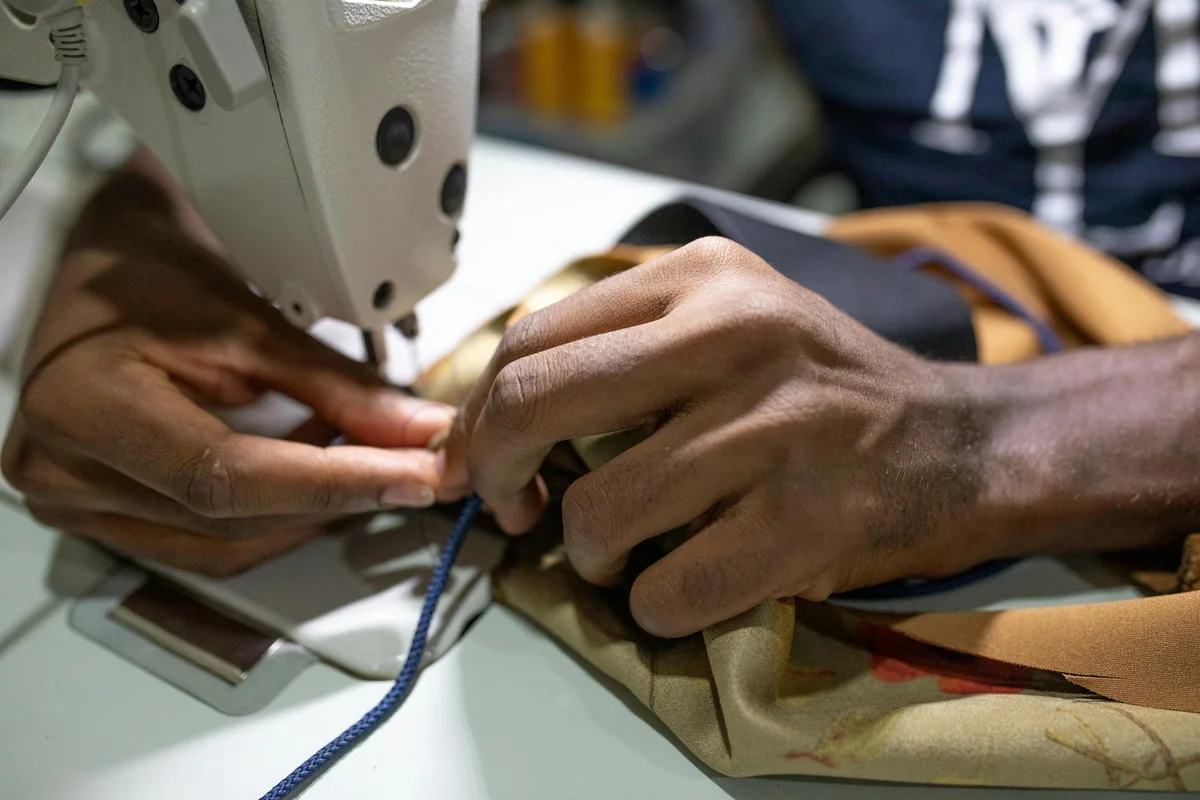
Many people ask me, “Can you steam rayon?” My answer is an immediate yes. In my experience, steam is not just an option-it’s often the superior choice over direct iron contact. Applying pressure with a hot iron can crush rayon’s delicate fibers and leave behind a shiny, polished mark called a “glass.” Steam gently relaxes the molecular chains without this harsh pressure.
The Right Way to Iron Rayon
If you must use an iron, precision is everything. Rayon has a surprisingly low tolerance for heat. I treat it with the same caution I use for silk.
- Set your iron to the absolute lowest heat setting, often labeled for silk or rayon.
- Always iron the garment while it is still slightly damp from washing. If it’s dry, lightly mist it with water from a spray bottle. Dry heat is a direct path to scorching.
- Turn the garment inside-out. This is your first line of defense against shine.
- For the right side of the fabric, always use a pressing cloth. A clean, thin cotton handkerchief or muslin cloth works perfectly. This thin barrier diffuses the heat and protects the surface.
Work in smooth, quick strokes and never let the iron sit in one spot, as the scorch mark will appear in seconds.
The Gentle Power of Steam
For everyday wrinkles, a steamer is your best friend. The method is simple but effective.
Hang the garment on a hanger. Fill your garment steamer with distilled water to prevent mineral spotting. Hold the steamer nozzle a few inches away from the fabric. Let the jet of hot vapor wash over the wrinkled area. You will see the fibers relax and the wrinkles melt away without any pressing at all.
If you’re using an iron’s steam function, do not let the plate touch the fabric. Hold it an inch or two above and use bursts of steam, gently tugging the fabric flat with your other hand. This no-contact method eliminates the risk of shine and is ideal for delicate pleats or textured rayon weaves.
A Crucial Warning on Heat Tolerance
Rayon is a cellulose fiber, and it can scorch or even melt surprisingly easily. That tell-tale brown burn mark or a stiff, brittle patch is usually permanent. The damage happens faster than with cotton or linen. If you are ever unsure, test your iron’s temperature on a hidden seam allowance or inside a hem. When in doubt, use a lower temperature and more steam. Your patience will preserve the sleek, smooth hand of the fabric for years to come.
Caring for Rayon Blends with Spandex or Polyester
Blending rayon with other fibers is common to balance its drape with stability or stretch. Your care routine must adapt to this mix. The most delicate fiber in the blend sets the rules for care-with rayon, that usually means gentle everything.
Rayon and Spandex (Lycra/Elastane) Blends
You find this blend in jersey knits, stretchy woven pants, and figure-hugging dresses. The rayon provides the soft, fluid drape, while the spandex (often just 2-5% of the content) gives you that comfortable recovery stretch.
Both fibers are highly sensitive to heat. Rayon can shrink and weaken, while spandex’s elastic polymers permanently break down under high heat, leading to bagging and sagging.
Your care routine must protect both:
- Always use cold water for washing and rinsing.
- Use the gentle or delicate cycle. The agitation of a regular cycle can stress the spandex fibers over time.
- Never use high heat. Tumble dry on a no-heat/air-only setting at most, but I always recommend air drying flat.
- Skip the iron if you can. If you must press, use the absolute lowest heat setting (often the “synthetics” or “rayon” mark) and iron the garment inside out. Never hold the iron in one spot.
Rayon and Polyester Blends
This blend aims to give you rayon’s beautiful hand with polyester’s durability. You’ll see it in many blouses and flowy skirts. The polyester adds strength, reduces overall shrinkage, and improves wrinkle resistance slightly, especially when compared with nylon blends.
But don’t let the polyester content fool you into aggressive washing. The rayon portion remains vulnerable.
Treat these blends as you would regular rayon, with one small allowance:
- Cold or warm (not hot) water washes are generally safe. I still prefer cold.
- You can often use a permanent press cycle, which is gentler than regular but has a cool-down phase to reduce wrinkles.
- Air drying is still best. If you must machine dry, use low heat and remove the item while slightly damp to minimize wrinkles.
- Ironing is easier. Use a medium heat setting, as the polyester can tolerate it, and it helps smooth the rayon.
Preserving “Rayon Viscose Stretch” in Garments
To keep that springy spandex doing its job in your favorite stretchy rayon items, you need a mindful routine. It’s about avoiding fatigue.
Washing and drying with heat fatigues the spandex. Wringing or twisting the garment while wet strains the elastic fibers in a stretched state.
Follow these specific tips:
- Wash garments inside out in a mesh laundry bag. This reduces friction and snagging.
- After washing, never wring. Gently press water out by rolling the item in a clean, dry towel.
- Always air dry flat on a drying rack, reshaping the garment to its original dimensions. Hanging heavy, wet stretch knits can cause them to permanently lengthen.
- Store these items folded, not on thin wire hangers, which can create permanent “shoulder horns” as the stretched fabric relaxes.
With this care, the spandex fibers maintain their ability to snap back, and the rayon retains its sleek drape for many more wears.
Putting Rayon Care into Practice
Handle rayon and viscose by washing in cold water and drying flat away from heat to manage their water-loving, shrink-prone nature. This simple routine preserves the fabric’s drape and prevents permanent distortion, especially in blends with stretch fibers like nylon or elastane. That same wash-dry approach applies to blends like rayon-nylon-spandex. It helps preserve the fabric’s stretch and shape across those fibers.
Extending a garment’s life through proper care is a direct act of environmental stewardship. I urge you to apply this same curious, hands-on approach to all fibers-study how cotton shrinks, why silk dyes vibrantly, or how polyester blends wear-to build a durable, thoughtful wardrobe.
Research and Related Sources
- Rayon/Viscose Fabrics | FABRICS & FABRICS NYC – Fabrics & Fabrics
- Amazon.com: Viscose Rayon Spandex Jersey Knit Fabric by The Yard – Coral 11.5 oz. Made in The USA : Arts, Crafts & Sewing
- Viscose Rayon Fiber | Core Fabrics
Written by Florian Ventura. Florian is a high fashion blog writer, fashion and fabric expert and a keen expert in fabric, clothing and materials. She has worked in large textile and fashion houses for over 10+ years, engineering and working with various fabric types and blends. She is an expert when it comes to questions on any and all kinds of fabrics like linen, cotton, silk, jute and many more. She has also traveled around the world studying traditional fabrics and aims to bring them into the modern fashion use.