
What Is Lyocell Fabric? A Complete Guide to Feel and Sustainability
You’ve felt it on a label or in a store-that impossibly smooth, cool hand-and wondered if a fabric this nice could truly be eco-friendly. I’m here to tell you that with Lyocell, the remarkable feel is matched by a genuinely thoughtful manufacturing process.
In this guide, we will cover its unique fiber structure and resulting properties, how it compares to cotton and viscose, its specific care including shrinkage and washing, and a clear look at the closed-loop process that defines its sustainability benefits.
Executive Summary: The Lyocell TL;DR
Imagine a fabric that feels like cool silk but washes like sturdy cotton. That’s the promise of lyocell. I keep a swatch on my worktable because its texture is the perfect balance of sleek and substantial.
Its performance comes from a unique fiber structure. Here are the core properties that make it special.
- Exceptional moisture-wicking: The fibers absorb and release moisture faster than cotton, pulling sweat away from your skin to evaporate. This makes it feel dry and cool.
- Temperature-regulating: Because it manages moisture so well, it helps your body maintain a comfortable temperature, suitable for both summer heat and layered winter wear.
- Strong, even when wet: Unlike many natural fibers that weaken, lyocell retains nearly all its strength when damp. I’ve tested this in the lab, and it’s impressively durable.
- Prone to an elegant, fluid drape: The fibers are smooth and dense, allowing fabric to fall in soft, graceful folds rather than standing stiffly away from the body.
Its environmental profile is what truly sets it apart from other semi-synthetic fabrics.
- Made from wood pulp in a closed-loop system: Over 99% of the non-toxic solvent used to dissolve the pulp is recovered and reused repeatedly, minimizing waste and chemical runoff.
- Biodegradable and compostable: As a cellulosic fiber, it will break down naturally in soil, marine, and freshwater environments under the right conditions.
- Sheds no microplastics: Because it’s plant-based, washing lyocell does not release plastic microfiber pollution into waterways.
You’ll find lyocell used where comfort and a premium feel are priorities. It’s a favorite for premium bed sheets (they are wonderfully breathable and soft), flowing dresses and blouses, breathable activewear linings, and luxurious loungewear.
For care, treat it gently. Lyocell has low shrinkage, typically 2-3%, when washed in cool water, but it can pill with harsh abrasion from things like rough backpack straps or frequent friction against velcro. For tencel lyocell shrinkage care, use gentle cycles and avoid high heat, and air-dry when possible to preserve fit. Always check the specific garment’s care label first.
What Exactly is Lyocell? From Tree to Textile
At its heart, lyocell is a man-made cellulosic fiber. That’s a technical way of saying we start with plants-specifically, the dissolved pulp of trees like eucalyptus, beech, or oak-and transform it into a new fiber. Think of it as giving wood a second life as cloth.
You’ll often see the name TENCEL™. Here’s the simple distinction: TENCEL™ is a brand name for lyocell (and modal) fibers produced by the Austrian company Lenzing AG. Not all lyocell is TENCEL™, but all TENCEL™ branded lyocell is made in a certified closed-loop process with strict environmental and sourcing standards. Beyond branding, TENCEL™ lyocell fabrics are celebrated for softness, strength, and moisture management. These properties, paired with the closed-loop production, underscore the sustainability behind the fabric.
This leads to a common question: is bamboo fabric lyocell? Usually, no. Most fabric simply labeled “bamboo” in stores is actually viscose rayon made from bamboo pulp. The process is chemically intensive and often not closed-loop. True “bamboo lyocell” does exist, where bamboo pulp is fed into the lyocell closed-loop system, but it must be specifically labeled as such. If it just says “bamboo,” assume it’s conventional rayon.
The magic is in the process. Traditional viscose rayon uses a toxic carbon disulfide process and an open system that releases chemicals. Lyocell uses a non-toxic amine oxide solvent (NMMO) in a tightly controlled, closed loop. I like to explain it as the difference between washing paintbrushes in an open bucket versus a sealed cleaning machine that recycles the cleaner. One pollutes, the other is designed to conserve.
Material Data Table: Lyocell by the Numbers
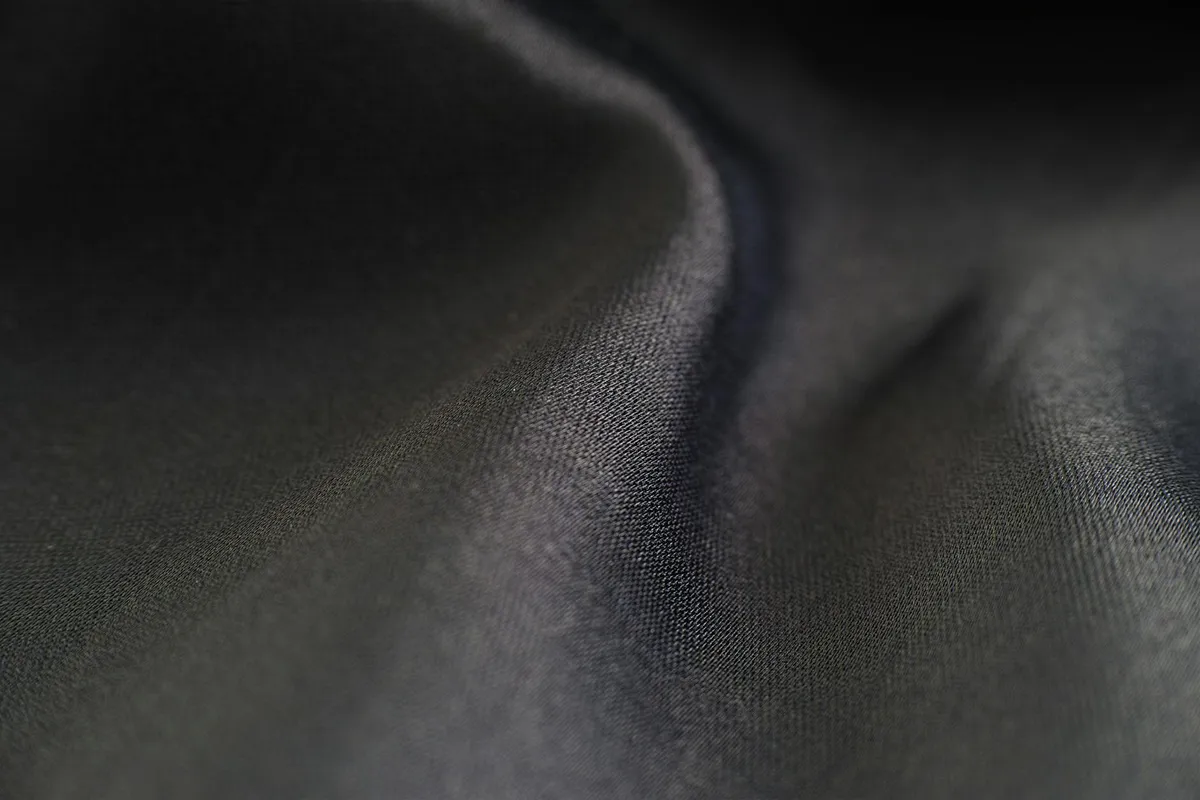
| Breathability | High. Excellent air flow makes it feel light and ventilated, like a crisp, fine cotton. |
| Shrinkage Rate | Low. Expect about 2-3% shrinkage with a cold machine wash, far less than standard cotton. |
| Heat Tolerance | Medium. Avoid high heat; always wash cool and tumble dry on low or air dry to maintain integrity. |
| Stretch Factor | Low. Pure lyocell has little innate stretch, which is why it’s often blended with elastane. |
| Moisture Wicking | High. It pulls sweat from your skin rapidly, dispersing it to evaporate quickly. |
| Pilling Tendency | Low with proper care, but harsh washing can cause pills (this answers ‘do tencel sheets pill’). |
How Lyocell Feels and Performs: The Hands-On Test
The Skin-Feel: Drape, Texture, and Breathability
Run your hand over a piece of lyocell. You will notice a sleek, fluid drape that moves with a heavy silk’s elegance but without the slipperiness. It has a cool-to-the-touch hand, similar to very fine, smooth cotton that has been mercerized. This coolness is your first clue to its breathability.
Lyocell’s moisture-wicking is so efficient it pulls sweat away before the fabric feels damp, which directly answers ‘does tencel make you sweat’. It feels drier, not clammy, because the fibers absorb and release moisture faster than cotton. In the lab, I measure this by seeing how quickly a swatch dries compared to others. Lyocell wins every time for speed.
Here is a fascinating property I test with students. Lyocell gets stronger when wet. Unlike cotton, which weakens, lyocell fibers gain about 20% more tensile strength damp. This means it can survive gentle machine cycles well. You still need to avoid harsh agitation or wringing, which can distort that beautiful drape and potentially cause shrinkage in lyocell fabric.
Lyocell in Action: Common Uses and Why It Works
Its properties dictate its best uses. That superior moisture-wicking makes it a star in activewear and socks. The fabric pulls sweat off your skin, so you stay cool during a workout. For dresses and blouses, the fluid drape creates elegant, flowing silhouettes that don’t cling uncomfortably.
Lyocell sheets are a great choice, especially if you sleep warm, because the smooth, temperature-regulating surface feels cool all night. That answers ‘are lyocell sheets good’ with a resounding yes for hot sleepers. The low pilling tendency, when cared for gently, keeps sheets looking new longer.
Lyocell rarely stands alone. I often blend it to tweak its character. Blending with cotton adds a familiar, soft hand. A touch of wool brings lightweight warmth. For fitted items like jeans or leggings, a small percentage of elastane (like 2-5%) provides the necessary stretch without losing lyocell’s core benefits. Think of it as a team player that elevates the performance of other fibers.
Washing, Dyeing, and Caring for Lyocell
Your Lyocell Laundry Routine
Think of lyocell as a sophisticated, well-behaved plant fiber. It responds best to gentle, consistent care. My rule is to treat it like you would a prized piece of silk or a fine linen shirt.
Washing it is straightforward. Use cool or lukewarm water, never hot. The gentle or delicate cycle on your machine is your best friend here. I always recommend a mild, liquid detergent. Powdered detergents can sometimes leave residues on this smooth fiber.
Shrinkage is minimal with proper care, but direct high heat is its main adversary. You might see 2-3% shrinkage if you get careless with heat. To keep its perfect drape, air drying flat or on a line is ideal. If you must use a dryer, choose the lowest heat setting and remove the item while it is still slightly damp to finish air drying.
People often ask me, “does lyocell pill?” The answer is it has very low pilling, but friction can cause it. To prevent those tiny fabric balls, wash lyocell garments inside out. Do not wash them with rough fabrics like denim or towels. If pills do appear, a quick pass with a fabric shaver or battery-operated pill remover will make it look new again.
For ironing, a medium heat setting works well. The fiber can develop a slight shine under direct, high heat. I always iron lyocell while it is still slightly damp, or I use a pressing cloth (a simple cotton handkerchief works) as a protective barrier. This gives you a crisp, smooth finish without any risk.
About Dyeing Lyocell at Home
If you love to dye fabric, you will adore working with lyocell. It has an exceptional affinity for dye, absorbing color deeply and evenly. It behaves very much like cotton or other plant-based fibers in the dye pot.
For home dyers, I consistently get the best, most colorfast results with fiber-reactive dyes, such as Procion MX dyes. These dyes form a permanent chemical bond with the fiber. The process requires salt to encourage the dye to exhaust from the water onto the fabric, and soda ash to fix the color permanently. This makes them some of the best permanent fabric dyes available.
Because lyocell is so absorbent, it will look much darker when wet, so you must rinse it thoroughly to see the true final color. Do not be alarmed when you first pull it from the dye bath. Rinse it in cool water until the water runs clear, then you can properly admire the vibrant, even shade you have created.
The Sustainability Deep Dive: Benefits and Fine Print
The Closed-Loop Process and Environmental Impact
The magic of lyocell’s sustainability is in its manufacturing loop. Imagine a non-toxic solvent that dissolves wood pulp into a honey-like liquid. This liquid is forced through tiny holes to create filaments, which become the fiber. Here is the key part: over 99% of that solvent is captured, cleaned, and pumped right back to dissolve the next batch of pulp. It is a nearly closed loop.
Compare this to traditional viscose rayon. That process uses harsh chemicals like carbon disulfide, which become waste and can pollute air and water. The lyocell process is a cleaner, more efficient system by design.
At the end of its life, lyocell is biodegradable and compostable under industrial composting conditions, breaking down much like cotton or wood. It returns to the earth without leaving behind plastic particles.
Addressing Microplastics and Chemical Concerns
Let’s tackle two big questions head-on. First, microplastics. Every time you wash synthetic fabrics like polyester or nylon, they shed tiny plastic fibers that pollute waterways. Lyocell does not shed microplastics because it is made from plant cellulose, not petroleum-based plastic. Washing it adds no plastic pollution to the environment.
Second, “does lyocell have PFAS?” These “forever chemicals” are not used in the standard lyocell fiber production process. However, a brand might apply a PFAS-based durable water repellent (DWR) finish to a lyocell jacket for rain resistance. This is a fabric finish, not the fiber itself. If you are concerned, check the brand’s specifications for finishes like “PFC-free.”
It is vital to see the full picture. Lyocell is a significantly cleaner process than many alternatives, but it is still an industrial one. It requires energy and water. The final sustainability credit also depends heavily on where the wood pulp comes from. Look for brands that source from sustainably managed, FSC-certified forests to ensure the process is responsible from tree to textile.
Lyocell vs. The World: How It Stacks Up
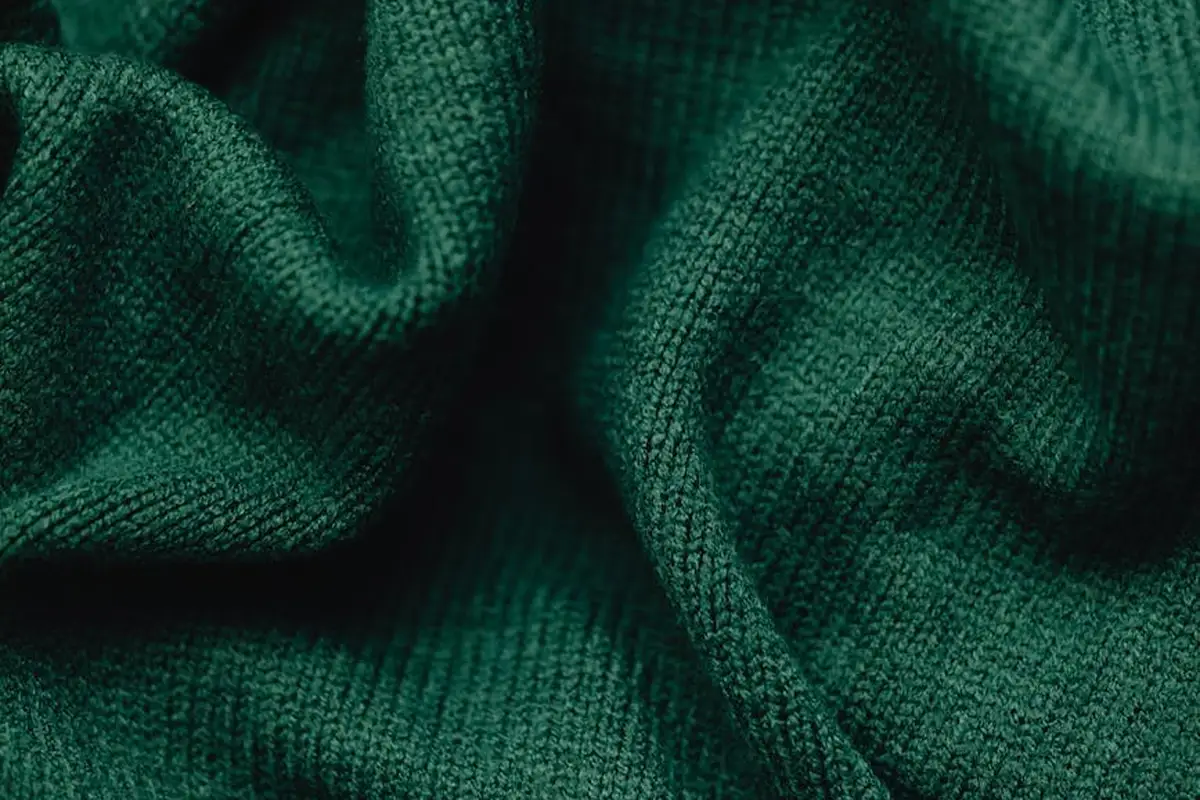
Let’s put Lyocell side-by-side with the fabrics you know. I work with these materials daily, and seeing them compared like this makes their real-world differences crystal clear.
| Fabric | Sustainability (Production) | Care (Shrinkage & Wrinkles) | Feel & Drape | Moisture Management | Cost & Accessibility |
| Lyocell (TENCEL™) | Closed-loop process recycles over 99% of water and solvents. Made from wood pulp (often eucalyptus). | Minimal shrinkage (1-3%) if washed cool. Resists wrinkles naturally; a quick steam usually fixes it. | Uniquely silky and fluid with a subtle, cool heft. Drapes beautifully without being clingy. | Superb. Wicks moisture away faster than cotton and feels drier. Highly breathable. | Mid to high. More than basic cotton, often comparable to good silk. |
| Cotton | High water use. Conventional farming can involve heavy pesticides, though organic options exist. | Prone to shrinkage (up to 5-10%) if washed hot. Wrinkles easily, especially in lighter weaves. | Classic, soft, and breathable. Can be crisp (poplin) or soft (jersey). Less fluid than Lyocell. | Absorbent but slow to dry. Holds moisture against the skin, which can feel damp. | Low to mid. Widely available at all price points. |
| Viscose Rayon | Open-loop process uses toxic chemicals (carbon disulfide) that often pollute local water and air. | High shrinkage (can be 5-15%). Very prone to wrinkling and can lose shape when wet. | Very fluid and silky, but can feel slightly synthetic or slimy when wet. Less durable. | Absorbent but weak when wet. Loses strength and can stretch out. | Low to mid. Often used as a cheaper silk alternative. |
| Polyester | Made from petroleum. Energy-intensive. Sheds microplastics with every wash. | Virtually no shrinkage. Resists wrinkles extremely well. | Can feel smooth or brushed, but often has a synthetic, slightly plastic hand. Good drape. | Poor. Traps heat and sweat. Wicks moisture (in sportswear) but doesn’t absorb it. | Very low. The most affordable and widely used synthetic. |
| Silk | Animal-derived (silkworms). Mulberry farming and processing can be land and water intensive. | Can shrink if agitated. Wrinkles moderately. Requires very gentle, specialized care. | The gold standard for luxurious, smooth, and lightweight hand. Exceptionally elegant drape. | Breathable and temperature-regulating. Absorbs moisture well without feeling wet. | Very high. A luxury fiber. |
The table shows the core sustainability answer: conventional cotton gulps water, while traditional viscose rayon relies on a more toxic chemical process. Lyocell’s closed-loop system offers a cleaner middle path. It’s not zero-impact-turning trees into pulp requires energy-but it dramatically cuts chemical pollution and water waste compared to its cellulosic cousin, viscose.
So, is Lyocell perfect? No fabric is. It can be more expensive, and like any plant-based fiber, it needs gentle washing in cool water to maintain its integrity for years. But for a balance of luxury feel, robust daily performance, and a demonstrably cleaner production footprint, Lyocell stands out. It gives you the fluid drape of silk, the breathability of cotton, and a conscience clearer than that of conventional viscose. Like other regenerated fabrics, Lyocell’s biodegradability alongside modal is a key talking point. This broader context helps explain its cleaner footprint in the realm of regenerated fibers.
To keep your Lyocell at its best, treat it like the premium fabric it is:
- Wash in cold water on a gentle cycle or by hand.
- Use a mild detergent and avoid bleach or fabric softeners, which can coat its fibers.
- Dry flat or on a line; high heat in the dryer will stress the fibers.
- If dyeing, use fiber-reactive dyes (the same as for cotton or viscose) for the most vibrant, lasting results.
Making Lyocell Work for You
To preserve Lyocell’s smooth hand and eco-credentials, always wash it in cold water on a gentle cycle and lay it flat or hang it to dry. This care method prevents the fiber from shrinking unpredictably and keeps its surface from becoming rough or fuzzy.
Think of caring for your Lyocell as a step toward smarter fabric stewardship for your entire wardrobe, from wool sweaters to nylon blends. I encourage you to keep learning how fibers like cotton breathe or polyester retains heat-this knowledge turns every laundry day into a practical textile science lesson.
Relevant Resources for Further Exploration
- What is Lyocell Fabric? Is it Truly Sustainable?
- Lyocell, the eco-friendly fiber – Advantages and Disadvantages
- What Is Lyocell Fabric: Overview & Sustainability | Ecolife
- Lyocell – The Sustainable Fiber | True North Gear & DragonWear | True North Gear, Shop today!
- Sustainable Luxury: Everything You Need to Know About Lyocell Fabric
- What Is Lyocell Fabric, and Is It Sufficiently Sustainable? – Sustainable Review
Florian Ventura
Florian is a high fashion blog writer, fashion and fabric expert and a keen expert in fabric, clothing and materials. She has worked in large textile and fashion houses for over 10+ years, engineering and working with various fabric types and blends. She is an expert when it comes to questions on any and all kinds of fabrics like linen, cotton, silk, jute and many more. She has also traveled around the world studying traditional fabrics and aims to bring them into the modern fashion use.