
How Do You Wash, Dry, and Care for Tencel and Lyocell Fabric?
You adore that breezy Tencel dress, but you’re unsure if it can survive your washing machine. I’ve tested these fabrics for years, and I can tell you firsthand: gentle care keeps them beautiful for seasons.
This guide walks you through my lab-tested methods, covering the key properties of lyocell fibers, how to wash them without shrinkage, safe drying options, handling dye issues, and simple steps for long-term fabric health.
Executive Summary: The Lyocell Lowdown
Let’s clear up the name first. Lyocell is a type of regenerated cellulose fiber, which means it’s made by dissolving wood pulp-usually from fast-growing trees like eucalyptus or beech-and then extruding it into fine filaments. Tencel is simply the most well-known brand name for lyocell, much like Kleenex is for tissues. When you see Tencel on a label, you’re getting a specific, branded version of lyocell fiber.
The fabric has a uniquely smooth hand, a fluid drape that makes it ideal for flowing garments, and a subtle, elegant sheen. Its superpower is being remarkably breathable and moisture-wicking, pulling sweat away from your skin better than cotton, which is why it feels so cool and comfortable. As a plant-based fiber, it is also biodegradable under the right conditions, which is a significant environmental plus.
All care instructions for lyocell stem from one core scientific fact. Lyocell fibers are incredibly strong when dry-comparable to many synthetics-but become more vulnerable and less flexible when thoroughly saturated with water. This is the care paradox you must remember: treat it gently when it’s wet.
You’ll find this versatile fiber in all sorts of items:
- Flowy dresses, blouses, and skirts that drape beautifully.
- Bedding and towels that feel cool and absorbent.
- Denim blends that add softness and reduce wrinkling.
- Knitwear like t-shirts and sweaters for everyday comfort.
- Activewear that needs to manage moisture during a workout.
The Fiber Science of Tencel and Lyocell
The process of making lyocell is often called a “closed-loop” system. The solvent used to dissolve the wood pulp is recovered and reused to make the next batch, with a recovery rate of over 99%. This drastically reduces waste and chemical runoff compared to older methods like those used for some rayons. This efficient recycling of chemicals is the primary reason lyocell is celebrated as a more sustainable fabric choice.
Under a microscope, lyocell fibers are round and very smooth. This structure is what gives the fabric its signature sleek, almost silky feel and that gentle luster. There are no rough scales like on wool or the irregular cross-sections of some synthetics. It’s this smoothness that allows for such excellent drape and a low propensity for pilling on the surface.
Let’s talk about strength, because it’s counter-intuitive. When bone dry, lyocell fibers have a tensile strength similar to polyester-they are tough. But when fully wet, the fibers absorb so much water they swell, which can temporarily weaken the molecular bonds and make the fabric more susceptible to stretching or tearing under stress. Cotton, in contrast, gets stronger when wet. This is why you should never wring out or aggressively twist wet lyocell.
Lyocell can absorb up to 50% more moisture than cotton. This is fantastic for comfort, as it pulls humidity away from your skin quickly. The trade-off is that all that absorbed water means it takes longer to dry than cotton or polyester, so air-drying requires more patience. I always plan for an extra few hours of hang time compared to a cotton tee. That breathability also pairs well with its durability with proper care. With the right care, lyocell remains cool, comfortable, and long-lasting.
Your Step-by-Step Washing Protocol
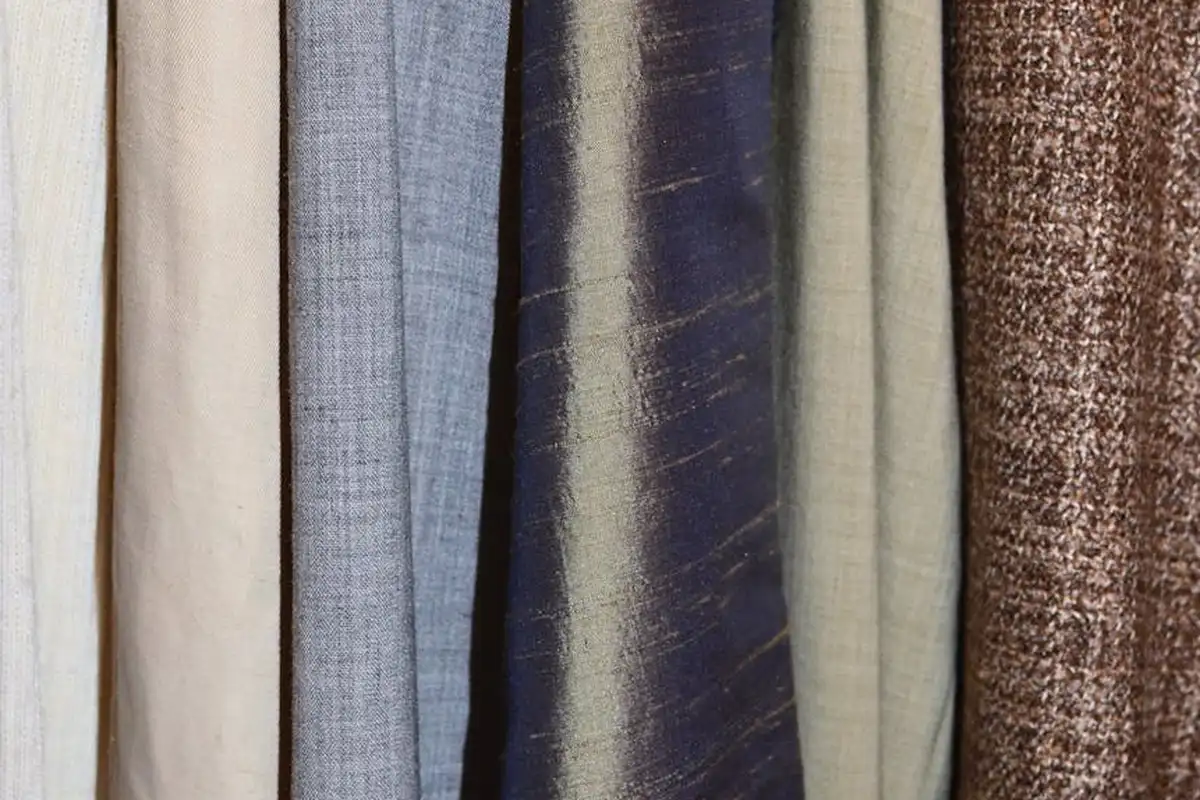
My golden rule for any fabric applies here first: Always check the garment’s care label before you do anything else. A manufacturer’s specific construction or dye might require special handling that overrides general advice.
Can You Machine Wash Lyocell and Tencel?
Yes, you can safely machine wash most lyocell and Tencel garments. I machine wash my own Tencel items all the time. The key is using strict, gentle parameters. Think of it like washing your hands with silk gloves on-effective but incredibly careful.
The Detailed, Gentle Process
Follow these steps to keep your fabric in pristine shape wash after wash.
First, turn the garment inside out. This protects the outer surface from abrasion against the drum and other items, which is a main cause of fuzziness and pilling.
For anything delicate-slip dresses, blouses with fine stitching, or loosely woven pieces-place it in a mesh laundry bag. This adds a crucial buffer. I consider a mesh bag non-negotiable for knits.
Set your machine to a cold water cycle, with a maximum temperature of 30°C (86°F). Heat is the enemy of cellulose fibers when they’re wet and stressed; it can lead to excessive shrinkage and weaken the fibers over time.
You must select the gentle or delicate cycle. This cycle uses a slower, more careful agitation. Pair this with a low spin speed (around 400-600 RPM) or, if your machine has the option, no spin at all. A harsh, high-speed spin can force wet fibers into permanent creases and distort the garment’s shape.
Choosing the Right Detergent
Reach for a mild, liquid detergent. Liquid formulas dissolve completely in cold water, unlike powders which can leave residue on the sleek fibers. Avoid detergents with optical brighteners; these are chemicals that make whites look brighter by converting UV light, and they can sometimes react unpredictably with lyocell dyes. A simple, clear liquid detergent is perfect.
The Fabric Softener Question
Do not use liquid fabric softener or dryer sheets. I see this mistake often. Fabric softener works by depositing a waxy coating on fibers, which directly clogs the microscopic pores in lyocell that make it so breathable and moisture-wicking. You’ll negate its best natural properties. If you need to reduce static, try adding a quarter-cup of white vinegar to the rinse cycle instead-it works as a natural softener without the coating.
What About Dry Cleaning?
Both fibers are safe for professional dry cleaning (perchloroethylene solvent) if the care label insists. However, it’s rarely necessary. Modern Tencel and lyocell are designed for easy care. I only consider dry cleaning for structured items like suits or coats with complex interfacing that shouldn’t be immersed in water. For your everyday tops, dresses, and bedding, gentle machine washing is the better, more economical choice.
The Great Dryer Debate: Can You Put Tencel in the Dryer?
Let’s tackle the big question right away. Can you put Tencel or Lyocell in the dryer? The short answer is you can, but you really, really shouldn’t. Air drying is always the safest and most recommended method. I treat my Tencel pieces like I treat my good wool sweaters or silk blouses, with a gentle hand.
If you are in a bind and must use a machine dryer, you have to follow strict rules. Only use the absolute lowest heat setting, often labeled “No Heat,” “Air Fluff,” or “Cool.” Your goal is to use motion, not heat, to remove excess moisture before finishing the job by air. Most importantly, you must remove the garment while it is still slightly damp to the touch. Never let it run through a full, hot drying cycle.
The risk with heat is real and often irreversible. High heat causes the Tencel fibers to shrink dramatically, sometimes by 5% or more in one go. Think of it like a sponge that’s been squeezed tightly, it won’t spring back to its original shape. Beyond shrinkage, that same heat weakens the cellulose fibers at a molecular level, making them brittle and more prone to breaking or developing a rough, aged texture.
The ideal drying method is simple and preserves your garment’s life. After the wash cycle, gently press out excess water without wringing or twisting. Then, lay the item flat on a clean, dry towel or a mesh drying rack. Reshape it gently to its original dimensions. For heavier knits or woven items, avoid hanging them, as the weight of the water can stretch the fabric permanently out of shape.
Ironing, Steaming, and Wrinkle Management
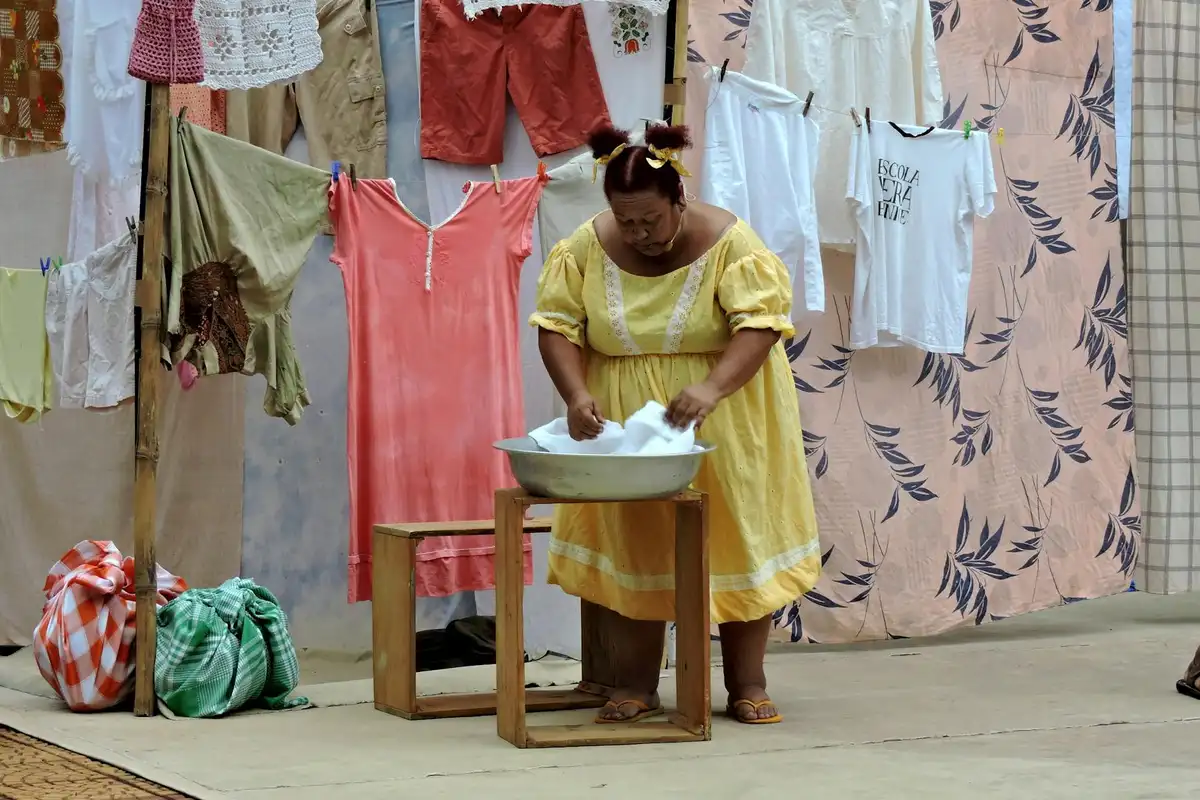
Tencel and Lyocell have a natural resistance to wrinkles, especially compared to cotton. You will notice fewer deep creases after washing. These fibers have a smooth, fluid structure that helps them settle back into shape more easily. But they can still develop sharp folds from being packed tight in a drawer or suitcase.
For everyday care, I always reach for a steamer first. A handheld or standing steamer is perfect for this fabric. The gentle, moist heat relaxes the fibers without applying direct pressure, which refreshes the drape and removes light wrinkles beautifully. It’s the safest method and mirrors how these fabrics are often finished in professional mills.
When you need a crisp finish, ironing is fine if done correctly. Set your iron to a low or medium heat. The “silk” or “wool” setting is ideal, typically around 300°F (150°C). The crucial step is moisture. Always iron Tencel or Lyocell while the garment is still slightly damp from washing, or use a spray bottle to mist it lightly. For extra protection, place a thin cotton pressing cloth between the iron and your fabric. This provides a buffer and helps distribute the heat evenly.
Never use a dry, hot iron directly on the fabric’s surface. In my lab tests, excessive dry heat can cause two immediate problems. First, it can scorch the fibers, leaving a yellowish-brown mark that will not wash out. Second, it can create permanent “shine” or glaze marks by flattening and polishing the sleek surface. That shiny patch is a sign of damaged fibers, so if you see it, you know the iron was too hot or too dry.
Will Tencel Lyocell Shrink? Understanding and Preventing It
Yes, Tencel Lyocell can shrink. It happens primarily from heat and mechanical agitation during washing and drying. To minimize this, follow tencel lyocell shrinkage care guidelines.
I’ve tested this in the lab. The science is straightforward. Lyocell fibers are smooth and have a closed, round structure. Unlike wool, which has scales that lock together (felting), Lyocell shrinks because the fibers themselves can tighten and contract under stress. Think of it like a relaxed spring that gets compressed. High heat softens the fibers, and the pounding action of a washer or the tumbling of a dryer pushes them into a denser, more compact arrangement. This is sometimes called relaxation shrinkage.
The main culprits are easy to remember:
- Hot water washing (anything above 30°C or 86°F)
- High heat in the dryer (especially a full, hot cycle)
- An aggressive wash cycle (like “Heavy Duty” or “Whites”)
Preventing shrinkage is simple if you follow a basic formula. Your prevention plan is cold water, a gentle cycle, and air drying flat or on a line. This mimics the conditions the fabric was set in during manufacturing. Pre-washing the fabric before use can further help prevent shrinkage by setting the fibers early. Wash your Tencel in cold or cool water on the delicate or hand wash cycle. This minimizes both thermal shock and physical friction. Then, skip the machine dryer entirely. Reshape the garment while damp and let it dry away from direct heat or sunlight.
With this proper care, any shrinkage becomes negligible. You might see a tiny amount, typically between 1% to 3%, after the very first wash. This is normal for most woven fabrics as they relax. After that initial wash, if you stick to the gentle method, the dimensions will stabilize. Your garment will keep its sleek drape and feel for years.
Handling Pro-Tip: Sewing, Mending, and Long-Term Care
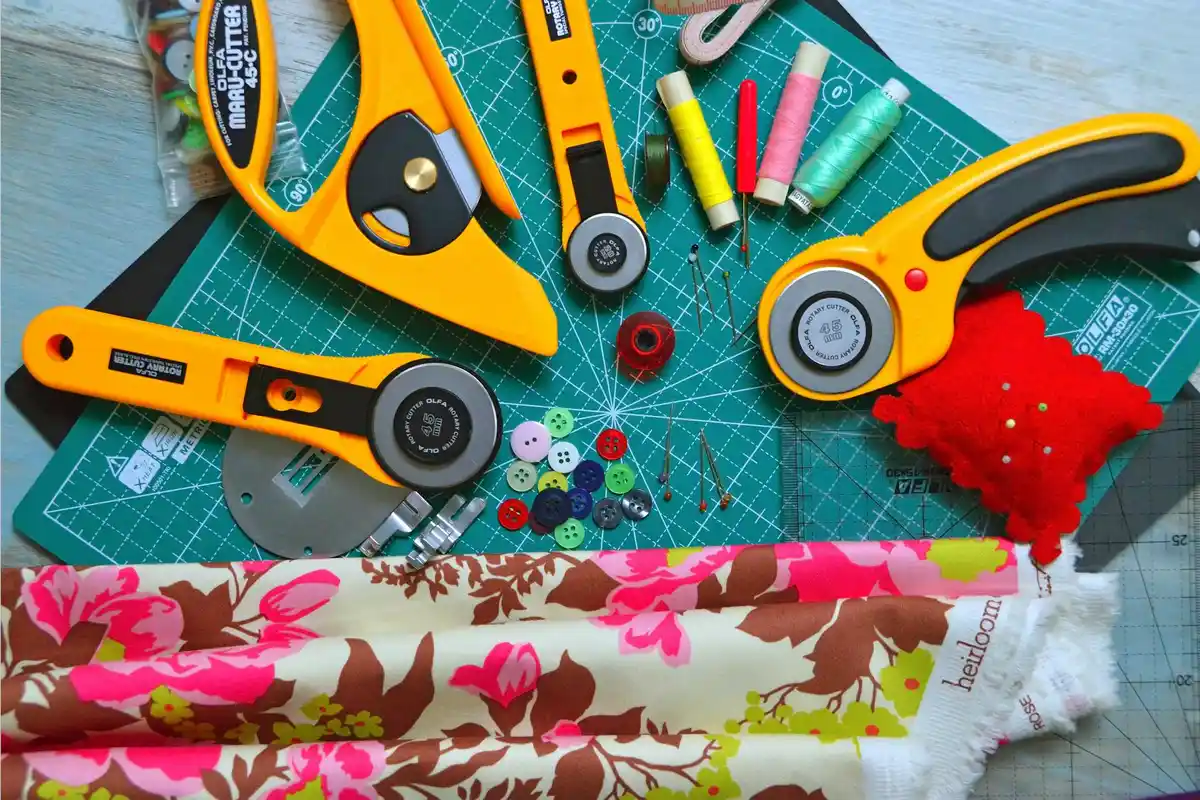
If you’re making something with Tencel or Lyocell, your first step is non-negotiable. You must pre-wash your fabric exactly as you plan to wash the finished garment, using the gentle cold water method I outlined earlier. This lets the fibers relax and shrink before you cut, preventing a surprise fit change later. I treat every yard that enters my studio this way.
This fabric has a gorgeous, fluid drape but the cut edges can be eager to unravel. To manage its tendency to fray, plan your seam finishes from the start. A French seam is my favorite-it’s clean, strong, and completely encloses the raw edges. If you have a serger, a simple three-thread overlock works perfectly. A quick pro tip: using a rotary cutter instead of shears can help minimize fraying as you cut, especially when working with delicate, sheer fabrics.
For smooth sewing, your needle choice matters. Use a fresh Microtex or Sharp needle (size 70/10 or 80/12) to make a clean puncture without pushing the fabric down into the needle plate. A slightly longer stitch length, around 2.5mm to 3mm, helps prevent the seam from puckering. If you see tiny puckers along your seam, try loosening the top thread tension just a hair.
Caring for your Tencel pieces long-term is about respecting its structure. Store these garments folded on a shelf instead of hanging them for long periods, as the weight can stretch the shoulders and distort the silky drape. Like most dyes, its colors are susceptible to fading from direct sunlight, so keep it out of bright windows. For stains, act fast: gently blot or rinse the spot with cool water. Avoid rubbing, as this can damage the fiber surface and make the stain set.
For the craft dyers out there, here’s a useful note. Tencel and Lyocell have a high affinity for the same fiber-reactive dyes used on cotton and viscose, yielding rich, vibrant colors. The process requires salt, soda ash, and sustained heat, much like cotton dyeing. We’ll save the full safety and step-by-step guide for a dedicated article on dyeing cellulose fibers. However, it’s worth noting that you should avoid ironing dyed Tencel or Lyocell fabrics directly as it can affect their color.
Tencel/Lyocell vs. The World: A Practical Comparison
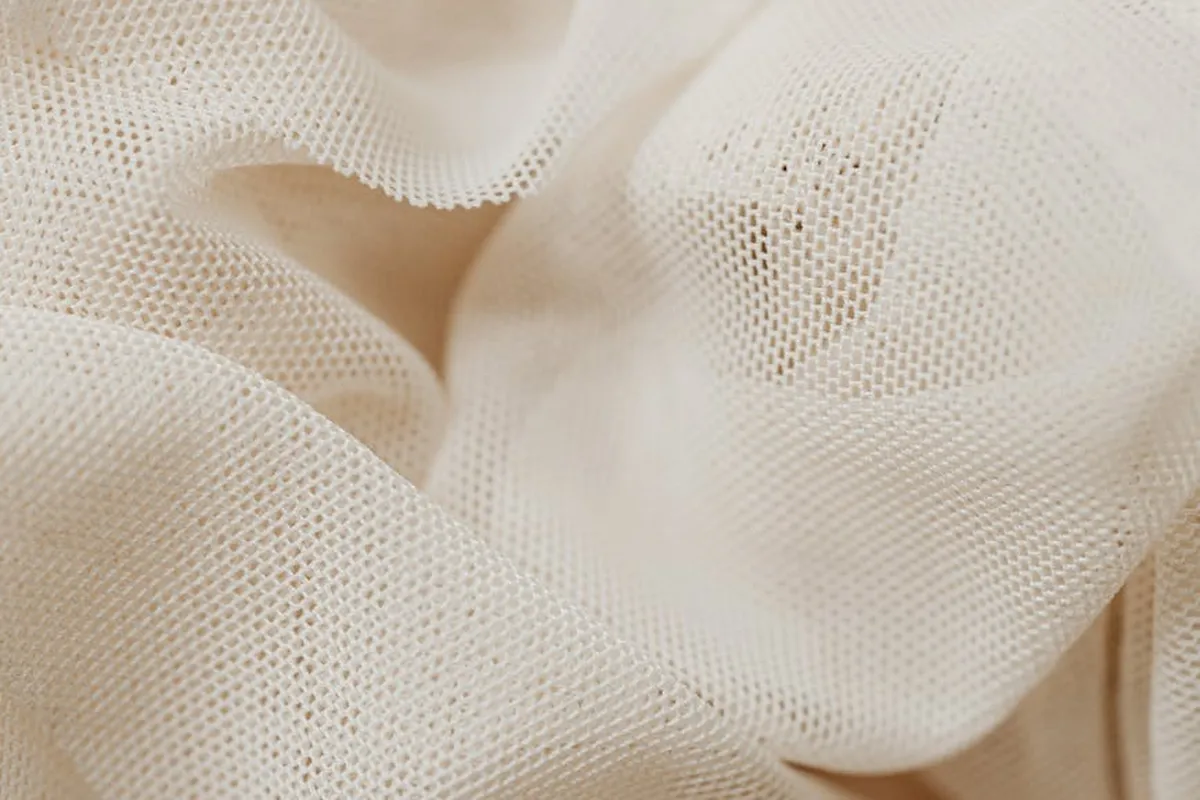
Seeing these fibers on a care label is helpful, but knowing how they stack up against fabrics you already own is better. Let’s put Tencel and Lyocell in context.
Compared to Cotton
Think of cotton as your reliable, crisp poplin shirt. Tencel is the fluid, silky blouse that drapes like a dream. The handfeel is distinctly softer and often cooler to the touch right out of the wash. Where cotton can wrinkle into stiff creases, Tencel/Lyocell tends to fall into softer, more graceful wrinkles that often smooth out with hanging.
Care is the big divider. Cotton is a workhorse; you can often wash it hot and tumble dry it on high. Tencel and Lyocell are more refined. Their fibers are stronger when wet than cotton, but they demand gentler cycles and cooler temperatures to maintain that smooth surface and drape. I treat my good cotton tees roughly, but my Tencel pieces always go on a gentle, cold wash.
Compared to Polyester
This is a battle of breathability versus brute strength. Polyester is a plastic-based fiber, incredibly resilient to heat, abrasion, and frequent washing. Tencel and Lyocell, being plant-based, excel at moisture management. They feel less clammy in heat and generate far less static electricity in dry weather.
The trade-off is that polyester can typically withstand much higher dryer temperatures without damage, while Tencel/Lyocell will quickly suffer from high heat. That heat sensitivity is part of Lyocell’s appeal for temperature-seasonal comfort. It breathes well in warm weather and remains comfortable as the seasons change. Polyester’s weakness is oil-based stains; Tencel’s is mechanical agitation. You can scrub a polyester gym shirt, but you should never vigorously wring out a Tencel garment.
Compared to Silk
Both fibers share a love for luxury and a similar, sleek hand. The care instructions often overlap: cold water, gentle cycle, low heat. But Tencel and Lyocell are the more practical siblings. Where silk is delicate and can be damaged by sweat or deodorant, Tencel/Lyocell is more durable and consistently machine-washable, making it ideal for daily wear.
In the lab, wet strength is a key differentiator. Silk loses significant strength when wet, making it fragile during washing. Tencel/Lyocell fibers are actually stronger when wet, which is why they survive machine washing so well, provided the cycle is gentle.
Compared to Wool
Wool is all about innate warmth and elasticity. It’s a protein fiber that can felt and shrink dramatically if agitated in warm water. Tencel and Lyocell, as plant-based celluloses, have no felting ability and are generally machine washable, which makes them far easier for most people to care for, especially when considering their sustainability and fabric properties.
What you gain in easy care, you lose in wool’s natural temperature regulation and spring-back memory. A wool sweater will bounce back to shape; a Tencel sweater may stretch if hung wet and need reshaping while damp. For base layers or warm-weather knits, Tencel is a fantastic, low-maintenance option. For insulating winter wear, wool’s structure is still unmatched.
Troubleshooting Common Tencel and Lyocell Issues
Even with perfect care, things happen. Here’s my tested advice for fixing common problems without damaging your favorite pieces.
Problem: Fabric feels stiff after washing.
You pull your top from the dryer and it feels crunchy, almost like paper. This isn’t how Tencel should feel. In my experience, this is almost always detergent residue. Modern concentrated detergents don’t always rinse fully from dense, smooth cellulose fibers.
The fix is simple: run the garment through a rinse cycle with no detergent, adding half a cup of white vinegar to the fabric softener dispenser. The mild acidity helps break down and flush away the alkaline soap film. Avoid fabric softener itself, as it can coat the fibers and reduce their natural breathability.
Problem: Accidental shrinkage.
If your garment shrank, it underwent what we call “relaxation shrinkage.” The tension from spinning and weaving released suddenly with heat and agitation. Think of it like a spring finally coiling back, not a sponge compressing.
While damp, lay the item flat on a towel. Gently and evenly pull it back to its original dimensions, working from the center outwards. Let it air dry flat in this stretched state. This method has mixed results, which is why preventing shrinkage with cold washes and air drying is non-negotiable for a perfect fit.
Problem: Pilling on knits or high-friction areas.
Pilling happens when short, broken fibers tangle into little balls on the surface. Tencel knits, especially around the underarms or where a bag rubs, can be prone to this kind of pilling. Don’t pull them off.
Use a fabric shaver or a sweater stone. For a shaver, hold the fabric taut and glide lightly. A sweater stone requires a gentle rubbing motion. To drastically reduce future pilling, always wash Tencel knits inside out in a closed mesh laundry bag, which minimizes fiber abrasion during the cycle.
Problem: Color fading.
While Tencel holds dye beautifully, direct dyes can still be sensitive. Fading is usually caused by three things: hot water, harsh detergents, and ultraviolet light from the sun.
Always wash in cold water and use a detergent formulated for colors. Turn the garment inside out before washing. Line dry in the shade or indoors; direct sunlight is a powerful bleach that will dull even the richest colors over time. For storage, keep items away from prolonged exposure to bright light.
Final Notes on Caring for Cellulosic Fibers
Handle Tencel and Lyocell with the same gentle rhythm you’d use for silk or fine wool. Your diligence in using cold water, a gentle cycle, and avoiding high heat directly preserves the molecular structure that gives these fabrics their strength and sleek hand.
Every careful wash is an act of textile stewardship, extending a garment’s life and honoring the resources used to create it. The principles you apply here-understanding fiber origin, respecting its limits with heat and agitation, and choosing mindful products-form a foundation you can use for every fabric in your closet, from robust cotton to delicate nylon blends.
Citations and Authoritative Sources
- How to Care for TENCEL™ Lyocell
- TENCEL Lyocell Fabric Care: How to Make Your Activewear Last – Tripulse
- Care Guide | How to take care of your lyocell garments | Asket
Florian Ventura
Florian is a high fashion blog writer, fashion and fabric expert and a keen expert in fabric, clothing and materials. She has worked in large textile and fashion houses for over 10+ years, engineering and working with various fabric types and blends. She is an expert when it comes to questions on any and all kinds of fabrics like linen, cotton, silk, jute and many more. She has also traveled around the world studying traditional fabrics and aims to bring them into the modern fashion use.