
What Is Modal Cotton Fabric and How Do Its Blends Affect Care?
You’ve found a super-soft shirt labeled “modal cotton” and now you’re worried about washing it. I get it, and from my years in textile labs, I can tell you this fabric is simpler to care for than you might think.
This guide will walk you through what modal cotton actually is, how its silk-like feel comes from science, the way blends with polyester or wool change its behavior, and my hands-on advice for washing, preventing shrinkage, and choosing dyes.
Executive Summary: Your Quick Guide to Modal Cotton
Think of modal cotton as a fabric partnership. It’s a deliberate blend of two cellulose fibers: modal, made from dissolved beech tree pulp, and classic cotton from the cotton plant. This mix aims to give you the best qualities of both.
- It feels noticeably softer and silkier against your skin than standard cotton.
- It has excellent moisture-wicking, pulling sweat away from your body quickly.
- The fabric has a fluid, graceful drape that moves with you.
- It’s less prone to wrinkling straight from the dryer compared to 100% cotton.
The biggest advantage is how it marries modal’s luxurious, smooth hand with cotton’s familiar, breathable structure.
The trade-off is that modal cotton blends need gentler handling during washing to prevent permanent stretching or losing their shape.
You’ll find this fabric used where comfort and softness are priorities: in premium underwear, soft-touch t-shirts, cozy loungewear, lightweight cardigans, and in breathable sarees or summer scarves. It is especially popular in underwear and sleepwear for its comfort.
The Core Question: Is Modal a Type of Cotton?
No, modal is not a type of cotton. They are distinct fibers, though they share a common building block. Understanding this difference is key to caring for them properly, especially when comparing modal to cotton and other fabrics.
Modal is a regenerated cellulose fiber. It starts as wood pulp, usually from beech trees. This pulp is dissolved through a chemical process into a viscous liquid, which is then forced through tiny spinnerets (like a showerhead) to form new, continuous filaments. This makes it a type of rayon. The process creates a very smooth, consistent fiber structure.
Cotton is a natural cellulose fiber. It grows as a fluffy boll around the seeds of the cotton plant. Its fibers are short staples with a natural twist and a rougher, more textured surface under a microscope. These traits help shape cotton fabric characteristics and its performance as a material. They influence softness, breathability, and dye uptake in cotton fabrics. This structure is what gives pure cotton its classic matte feel and crispness.
So, when you see “cotton modal” on a label, it answers the question “what does cotton modal mean?”-it simply denotes a fabric made by blending these two fibers together, yarn by yarn. For our German-speaking readers wondering “was ist modal für ein material,” the answer is the same: it’s a regenerated cellulose fiber from wood, often blended with cotton for optimal performance.
From Trees and Plants to Thread: How Modal and Cotton are Made
Let’s start at the very beginning. The journey of these fibers explains so much about how they feel and how you should care for them.
Modal begins not in a field, but in a forest. Specially harvested beechwood trees are chipped into a pulp. That pulp is then dissolved using a chemical solvent to create a thick, honey-like liquid called cellulose “dope.” This dope is forced through tiny showerhead-like devices called spinnerets, solidifying into long, fine filaments as it hits a chemical bath. I’ve worked with this fiber right off the production line, and its inherent smoothness is remarkable from the start.
Many modal producers use a “closed-loop” system, where over 99% of the water and solvents used are captured and recycled back into the process. This significantly reduces waste and is a key reason it’s often marketed as a more sustainable viscose.
Cotton’s origin is more familiar. It grows as fluffy bolls on plants, which are harvested and then sent through a gin. The ginning process violently separates the valuable cotton fibers (lint) from the seeds and plant debris. Those fluffy fibers are then aligned and twisted-spun-into yarn.
So how do they become one fabric? Blending almost always happens at the yarn stage, before any fabric is woven or knitted. Manufacturers will combine predetermined ratios of cotton fibers and other materials, such as modal filaments—say, 60% cotton and 40% modal—and spin them together into a single, unified yarn. This intimate mixing is what gives the blend its consistent properties throughout the garment.
The Feel and Function: Properties of a Cotton Modal Blend
This blend is where the magic happens. It takes the best qualities of both fibers and mitigates some of their weaknesses.
Run your hand over a 100% cotton tee. It feels familiar, crisp, and dry. Now feel a 100% modal item. It’s supremely soft, heavy, and has a fluid, silky drape that can sometimes feel a bit slippery or clingy. A cotton-modal blend strikes a perfect balance: you get modal’s incredible softness and improved drape over cotton, but the cotton fibers add a bit of “grip” and breathability, making it feel more substantial and less prone to static. It’s my go-to recommendation for people who find pure modal too slinky for everyday wear. You can find a variety of cotton-modal blends that are perfect for casual and professional settings.
Their moisture behaviors complement each other beautifully. Modal is a superstar at wicking-it pulls moisture (sweat) away from your skin along its surface. Cotton is highly absorbent, soaking that moisture up. In a blend, this creates a efficient moisture-management system that keeps you feeling drier than cotton alone.
Pure modal, especially in loose knits, can be delicate and prone to stretching out or developing pulls. Cotton fibers add strength and recovery. The cotton backbone in the blend drastically reduces pilling and improves the garment’s overall durability and shape retention. You’ll see far fewer of those annoying little fabric balls on a blend than on a 100% modal sweater.
This combination makes for exceptional year-round staples. The blend breathes well for summer, but the modal component also has a slight insulating quality, trapping a bit of warm air. I find a 50/50 cotton-modal cardigan or scarf is perfect for spring and fall layering-it adapts without overwhelming you.
Finally, the color. Modal fibers have a much higher affinity for dye than cotton. They absorb dye deeply and evenly, resulting in rich, vibrant hues. When blended, the brilliantly dyed modal filaments make the entire fabric look more saturated and luminous, elevating the appearance of the more matte cotton fibers. This is why colors in these blends often look so lush and deep.
The Care Protocol: Step-by-Step Washing, Drying & Ironing
Treating your modal cotton garments well is simple once you understand the fibers. Modal is a type of rayon, which means it’s a regenerated cellulose fiber from wood pulp. It behaves differently than pure cotton, especially when wet. This guide keeps your items looking new.
Step 1: Decoding the Label
Always check the care tag first. Look for symbols indicating gentle or delicate care. You will commonly see the washtub with a single underline (gentle cycle) and a circle with an X over it (no tumble drying). A symbol with a flat iron and one or two dots points to a low or medium heat setting. These symbols are your first and most reliable guide, as the blend ratio can vary between brands.
Step 2: Sorting and Pre-treatment
Sort by color. Even though modal takes dye beautifully, dark or vibrant blends should be washed with similar colors for the first few washes. To check colorfastness, dab a hidden seam with a wet white cloth. If color transfers, wash that item alone. For stains, use a mild detergent or stain remover. Gently dab, don’t rub harshly, as this can damage the smooth surface of the modal fibers.
Step 3: Machine Washing
Use a gentle or delicate cycle with lukewarm water, never exceeding 30°C (86°F). Cold water is even safer. Choose a mild, neutral pH detergent. Avoid chlorine bleach and optical brighteners completely, as they can weaken the fibers and cause yellowing over time. Turning the garment inside out before washing protects the outer surface from friction and pilling.
Step 4: Drying
This is the most critical step. You must air-dry modal cotton blends. The heat of a dryer relaxes the long-chain polymer structure of modal fibers, making them permanently stretch out of shape. Never hang a wet modal cotton knit, like a sweater or cardigan. The weight of the water will pull it down, causing it to stretch several inches. Instead, gently press out excess water (never wring) and lay it flat on a drying rack or clean towel, reshaping it to its original dimensions. For a delicate modal cotton scarf or saree, I hand wash in cool water and roll it in a towel to absorb moisture before flat drying.
Step 5: Ironing
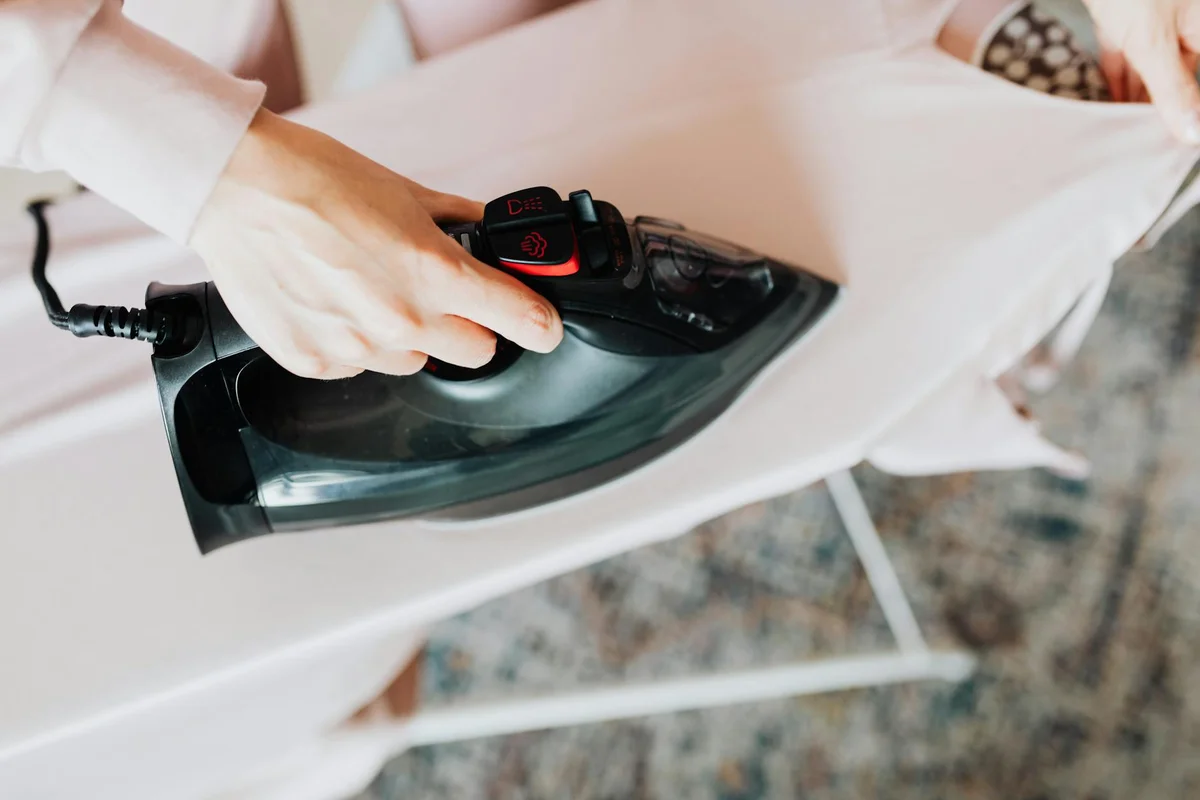
Iron while the garment is still slightly damp for the best results. Use a medium to low heat setting (the synthetic or silk setting). Modal fibers can scorch or develop a shiny glaze under direct, high heat. For safety, I always use a thin pressing cloth, like a cotton handkerchief, between the iron and the fabric. This provides a perfect buffer and prevents any chance of heat damage.
Shrinkage, Stretching, and Long-Term Shape
People often ask me, “Does modal cotton shrink like my old cotton t-shirts?” The answer is reassuringly different.
Pure cotton shrinks because its fibers swell with water and then contract violently during high-heat drying. Modal fibers are engineered to be highly stable and shrink-resistant. In a blend, the modal component will not shrink. The cotton component might undergo minimal shrinkage, typically 1-3%, if subjected to high heat. Your main concern with a modal cotton blend is not shrinkage, but stretching and losing its shape.
When wet, modal fibers become more pliable and can elongate under weight. Imagine a spring that’s been softened; it holds its shape if supported flat, but will pull out if hung. This is why flat drying knits is non-negotiable. Woven fabrics, like modal cotton shirts, are more stable but can still stretch at stress points like shoulders if hung wet.
If your favorite modal cotton cardigan has become a bit slouchy, you can often revive it. Wash it gently by hand or on a delicate cycle, then while it’s uniformly damp, lay it flat and meticulously reshape it, patting and smoothing it back to its original size and proportions. Let it dry completely in this position. This resets the fibers.
Textile Expert’s Note: Handling, Sewing, and Pro Tips
If you are making or mending modal fabrics, a few simple tricks make all the difference. I keep a dedicated project box for modal and other slippery fabrics-it saves my sanity.
When cutting, your shears must be razor-sharp. Dull blades will snag and pull the fibers, leaving a jagged edge. Modal has a beautiful, fluid drape that is perfect for bias cuts, which enhance its elegant movement. Lay the fabric on a large, clean surface and use pattern weights instead of pins to prevent shifting.
Sewing modal requires a gentle touch. For knit modal, always use a ballpoint or stretch needle. A universal needle can pierce and break the lyocell fibers. Set your machine to a slightly longer stitch length, around 3mm, for a secure but flexible seam. If the fabric is slippery, I place a layer of tissue paper underneath it while sewing; you just tear it away afterward.
Pressing is about patience. Use the steam setting sparingly. Never slide the iron back and forth. Instead, use a press-and-lift motion to avoid stretching the fabric while the fibers are warm and vulnerable. A pressing cloth is your best friend here. That awareness translates to fabric stretch control in sewing, keeping seams stable and measurements true. With careful handling, you’ll minimize drift as you stitch.
For storage, think about preserving the shape and avoiding creases. Fold knit sweaters and dresses to prevent those stubborn shoulder bumps from hangers. For delicate woven modal items like scarves or sarees, I prefer rolling them. It keeps the fabric smooth and saves space.
Beyond Cotton: How Other Modal Blends Change the Care Rules
Blending modal with other fibers creates fantastic fabrics, but it changes the care instructions completely. The rule is simple: the most delicate fiber in the blend sets the rules. Here is a clear guide to what each partner brings and how to care for it.
| Blend Type | Key Properties It Adds | How Care Changes |
|---|---|---|
Modal-Wool Blend |
Adds softness, reduces the itch factor, improves drape, and lightens the fabric’s weight. | Wool dictates the care here. Always hand wash in cold water with a detergent made for wool. Lay flat to dry. The modal makes it less prone to severe felting than 100% wool, but heat and agitation are still the enemies. |
Modal-Silk Blend |
Boosts durability, adds a soft matte luster, and makes the silk component more machine-washable. | This blend often allows for a gentle machine wash cycle where pure silk cannot go. Use a mesh laundry bag, cold water, and a mild detergent. Iron on the lowest silk setting. |
Modal-Polyester Blend |
Increases wrinkle resistance, adds strength, reduces cost, but can slightly affect breathability. | This is the easiest-care blend. It can tolerate warmer wash temperatures (up to 40°C/104°F) and a low-heat tumble dry. For the longest life and best color, I still recommend cool washes and air drying. |
Modal-Nylon Blend |
Adds significant durability and abrasion resistance, making it ideal for activewear and leggings. | Care is similar to polyester blends. Wash in cool to warm water. Avoid high-heat drying, as it can damage nylon’s elasticity and shape over many cycles. Air drying is best for performance wear. |
Final Notes on Modal Blends
Your single most important step is always to check the fiber content label before washing or dyeing. This percentage breakdown is your direct guide to how the fabric will feel, perform, and react to heat and moisture.
Treating your Modal-blend garments with thoughtful care extends their life and honors the resources used to make them. I encourage you to keep exploring how fiber science shapes the durability, texture, and care of everything from cotton tees to wool coats and sleek nylon jackets.
References & External Links
- Cotton-Modal Care Guide: Silky Softness Meets Natural Breathability – DRESSFRESH
- How to Wash and Care for Modal Clothes
- Modal Fabric vs Cotton Fabric: Key Points to Consider – NeceSera
- Fabric Guide: What Is Modal Fabric? Understanding How Modal Is Made and Whether Modal Is an Environmentally Conscious Choice – 2026 – MasterClass
- What kind of fabric is Modal? | The pros and cons | House of U
Written by Florian Ventura. Florian is a high fashion blog writer, fashion and fabric expert and a keen expert in fabric, clothing and materials. She has worked in large textile and fashion houses for over 10+ years, engineering and working with various fabric types and blends. She is an expert when it comes to questions on any and all kinds of fabrics like linen, cotton, silk, jute and many more. She has also traveled around the world studying traditional fabrics and aims to bring them into the modern fashion use.