
Lyocell vs. Cotton: Which Fabric is Right for You?
You’re likely weighing lyocell’s smooth hand against cotton’s familiar comfort, unsure which will keep you cooler or last longer. I’ve worked with both fibers in mills and labs, and I’m here to share clear, tested facts.
In this article, we will cover breathability, durability, and care, giving you the practical knowledge to choose wisely.
Executive Summary: The 30-Second Fabric Comparison
Think of lyocell as a sleek, moisture-managing fiber born from trees, while cotton is the classic, absorbent champion grown from a seed pod. I tell my students there is no universal “best” fabric, only the best fabric for your specific project and what you value most.
- Lyocell wins on a smooth, silky hand-feel, strong wrinkle resistance, and very predictable, low shrinkage. Its drape is fluid and elegant.
- Cotton wins on initial affordability, straightforward home dyeing with fiber-reactive dyes, and a high tolerance for heat during washing and ironing. It feels familiar and robust.
On sustainability, lyocell is typically made in a closed-loop chemical process that recycles over 99% of its solvent, while conventional cotton farming has a significant water footprint. This is a critical difference, but the full picture depends on forestry practices and cotton sourcing (like organic or recycled), which we’ll explore later.
Material Data Table: Lyocell vs. Cotton at a Glance
| Property | Lyocell (e.g., Tencel™) | Cotton (e.g., Combed Pima) |
|---|---|---|
| Breathability | Excellent. It wicks moisture away from the skin efficiently. | Excellent. It absorbs moisture directly into the fiber. |
| Shrinkage Rate | Low to Moderate (3-5%). Shrinks primarily in the first wash and then stabilizes. Cold washing minimizes this. | Moderate to High (5-10% for non-pre-shrunk). Can shrink progressively over multiple hot washes/dries. |
| Heat Tolerance | Low. Avoid high-heat dryers and high iron settings. Heat can cause harsh wrinkles and fiber damage. | High. Can handle hot water washes and a hot iron, which is useful for sanitization and pressing. |
| Stretch Factor | Low (in woven form). Has little natural give; stretch comes from fabric construction like knits or blending with elastane. | Low (in woven form). Similar to lyocell, stretch is achieved through knit structures or blends. |
| Moisture Management | Superior wicking. Pulls dampness into the fiber and releases it to the air, keeping you feeling drier. | Superior absorption. Holds moisture within the fiber, which can feel cool but also damp if saturated. |
| Common Weights & Feels | Often found in lightweight, fluid fabrics: challis, crepe, light jersey. Has a characteristically sleek, soft hand. | Ranges widely: crisp poplin, soft jersey, napped flannel, airy gauze. The hand feel depends heavily on the weave and finish. |
The Deep Dive: Properties, Care, and Making Your Choice
Let’s move past the table and get into the practical details you need for sewing, washing, and wearing.
Breathability and Moisture: How They Really Feel
Both fibers are breathable, but they manage moisture in opposite ways. Think of a cotton t-shirt on a hot day. It soaks up your sweat, which is cooling, but it can become heavy and stay damp. Cotton absorbs moisture into the core of its hollow fiber, which is great for towels but can leave clothing feeling clingy when wet. That’s where fabric breathability and moisture management come into play for day-to-day comfort. In the next section, we’ll look at how different fabrics balance airflow and wick moisture to stay dry.
Lyocell works differently. In the lab, under a microscope, its surface is smoother with tiny grooves. This structure pulls moisture (like sweat) along the fiber’s surface and spreads it out to evaporate quickly. Lyocell’s magic is in moving moisture away from your skin, so you feel the cooling effect without the wet fabric sensation. For activewear or base layers, this wicking action is a clear advantage.
Durability and Daily Wear: Pilling, Strength, and Longevity
In terms of pure tensile strength, lyocell fibers are actually stronger than cotton, especially when wet. This means a well-constructed lyocell garment can be very durable. However, that smooth surface has a downside. The same sleek fibers that resist wrinkles can, in some knit or textured weaves, be prone to fibrillating-where tiny filaments break and curl on the surface, creating a fuzzy or slightly pilled look over time.
Cotton is more forgiving here. It develops a soft, worn-in patina. While it can pill in loose weaves, it’s generally less prone to the specific fibrillation of lyocell. For hard-wearing items like work shirts or children’s clothes where abrasion is constant, a high-quality, dense cotton canvas or denim often outlasts a delicate lyocell weave.
Your Care Guide: Washing, Drying, and Ironing
Here is my tested, step-by-step guidance for keeping these fabrics in top shape.
Caring for Lyocell:
- Washing: Use cold or lukewarm water on a gentle cycle. A mild, liquid detergent is best. Turn garments inside out to protect the surface.
- Drying: Always air dry flat or on a line. If you must use a dryer, choose the lowest heat/no-heat setting and remove while still slightly damp. High heat is the fastest way to damage lyocell.
- Ironing: Iron on a medium setting while the fabric is still slightly damp. Use steam. If dry, use a pressing cloth to prevent creating a harsh, shiny surface.
Caring for Cotton:
- Washing: Can handle warmer water (good for stains and sanitizing). For colors or to prevent shrinkage, use cold water. Pre-wash yardage to account for shrinkage before sewing.
- Drying: Tumble dry on low or medium if you want to minimize shrinkage. For no shrinkage, air dry. Cotton can handle high heat, but it will accelerate wear, fading, and shrinkage.
- Ironing: Iron on a high setting with plenty of steam. It can take the heat, making crisp presses easy.
A Note on Dyeing at Home
This is a major practical difference. Cotton is a home dyer’s friend. It bonds beautifully with accessible fiber-reactive dyes (like Procion MX) in cold water, giving vibrant, wash-fast results. You can easily dye cotton in a bucket in your kitchen with reliable, lasting color.
Lyocell, while also a cellulose fiber, is often less straightforward. It can be dyed with the same fiber-reactive dyes, but the process sometimes requires more precise temperature control or different chemicals to achieve full color penetration and fastness. For consistent results, I recommend following a dye recipe specifically formulated for lyocell or Tencel™.
Making Your Final Choice: Project by Project
Ask yourself these questions:
- Do I want a fluid, draping dress that resists wrinkles? Choose a lyocell challis.
- Am I making crisp, structured shirts or need fabric that can handle a hot iron? A cotton poplin or broadcloth is ideal.
- Is this for activewear or bedding where moisture-wicking is key? Lyocell or a lyocell blend is superior.
- Is this a beginner sewing project or a first dyeing experiment? Cotton is more affordable and forgiving.
- Am I prioritizing environmental processing? Research brands that source lyocell from certified sustainable forests or opt for organic, recycled, or responsibly grown cotton.
In my studio, I use both constantly. I reach for cotton when I need dependable structure and ease. I choose lyocell when I want luxurious drape and smart moisture control. Understanding their personalities lets you make the perfect match.
What Are We Really Talking About? Fiber Science Basics
Let’s start with what these fibers are at a molecular level. Both are primarily cellulose, but their origin stories are worlds apart.
Lyocell is a regenerated cellulose fiber. I’ve worked with the pulp in the lab-it starts as wood, usually from eucalyptus, beech, or spruce trees. This wood is broken down into a pulp, dissolved using a non-toxic solvent, and then extruded through tiny holes to form new, continuous filaments. The closed-loop process recovers and reuses over 99% of the solvent, making it one of the most eco-conscious man-made fibers available. When you see “Tencel” on a label, that’s the brand name for lyocell made by the company Lenzing. Beyond the process, lyocell fabrics are soft, breathable, and strong, with excellent moisture management. This combination of performance and eco-conscious production makes lyocell a standout choice in sustainable textiles.
Cotton is a natural cellulose fiber. It grows as a fluffy boll around the seeds of the cotton plant. After ginning to remove the seeds, the fibers are spun into yarn. Unlike the long, man-made filaments of lyocell, individual cotton fibers are short “staples” that must be twisted together.
This creation method is the core difference. Lyocell fibers are long, smooth, and uniform, like a single, polished river stone. Cotton staples are shorter, with a more convoluted, fuzzier surface, like the crumb of a soft, fresh-baked biscuit. That fundamental texture dictates almost everything that follows.
Hand Feel and Wear: Which Fabric Feels Better?
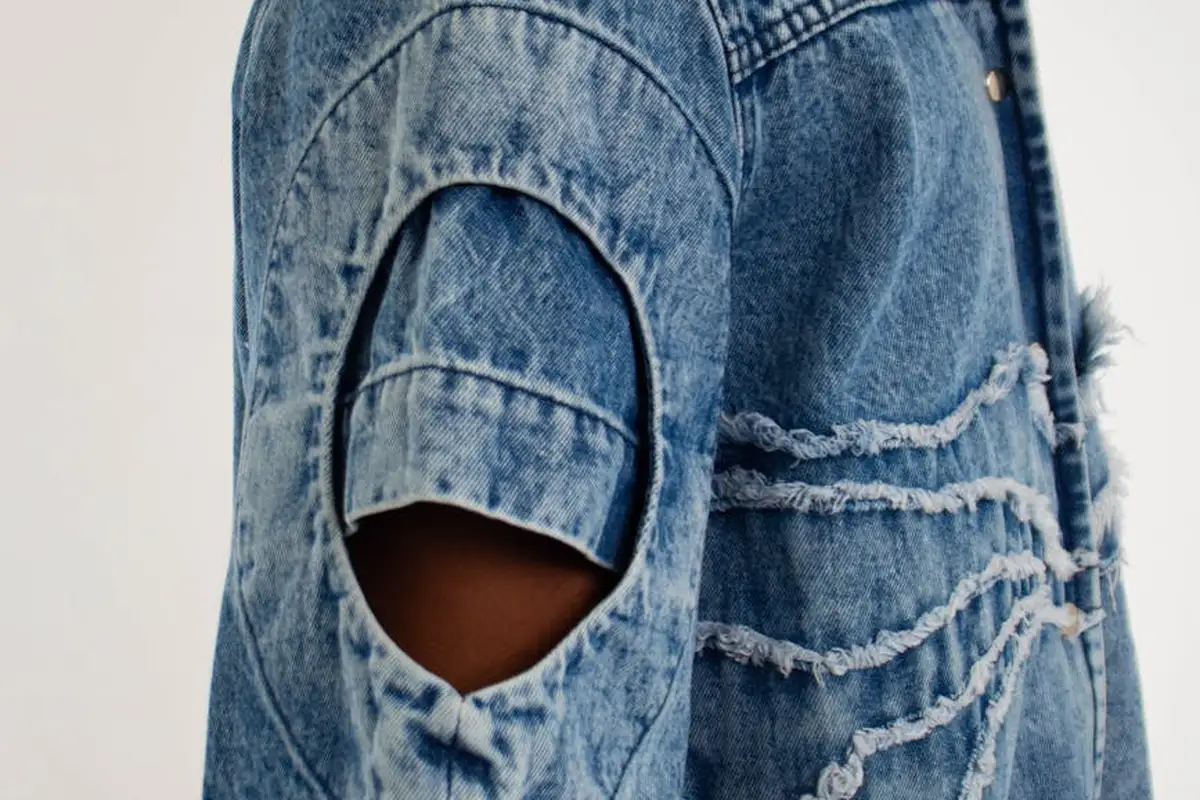
Slip your hand into a lyocell garment. The first thing you’ll notice is the cool, slick glide. It has a heavy, fluid drape that moves with you, often feeling luxurious and silky. This inherent smoothness means lyocell has what we call a “sleek hand”-it feels refined against the skin with very little friction.
Cotton’s feel is more variable and familiar. A well-worn cotton tee is the definition of comfort. But fresh from the store, it can be crisp (like in a poplin shirt), slubby and textured (like in a linen-weave), or fuzzy-soft (like in flannel). Its character is built by the weave and finish. Different cotton fabric varieties carry distinct weights, textures, and drape, shaping how a fabric wears. Familiarity with cotton fabric varieties characteristics helps you choose the right cloth for any project.
Both fibers are excellent for sensitive skin, as cellulose is generally non-irritating. However, if you find some cottons slightly prickly, lyocell’s seamless fiber surface often eliminates that micro-itch completely. It’s a common choice for sensitive skin and allergy-friendly bedding for this exact reason.
Breathability is where their paths truly diverge in practice. Imagine a hot, dry day. Cotton absorbs your sweat readily, holding it within the fibers-this feels cooling at first. On a humid day, however, that same cotton can become saturated, clingy, and slow to dry. Lyocell manages moisture differently. Its fibers are fantastic at wicking-pulling moisture along their surface and dispersing it to evaporate quickly. This means lyocell often feels consistently drier and less clammy in a wider range of conditions, especially high humidity. In the lab, we see lyocell absorb moisture more efficiently than cotton, which is why it rarely feels soggy.
Shrinkage and Durability: How Do They Hold Up?
Think of cotton like a sponge and lyocell like a spring. Their shrinkage comes from different places.
Cotton fibers are natural, short staples. When they get wet, they swell up. In the heat and agitation of a dryer, these swollen fibers can tangle and mat together, a process called felting. This irreversible felting is why cotton often shrinks for good on that first hot wash. Expect 5-8% shrinkage in cotton on the first hot wash and dry cycle if it wasn’t pre-shrunk by the manufacturer.
Lyocell is made from long, smooth filaments. The fibers do absorb water and swell, but the main cause of shrinkage is different. During production, the filaments are stretched under tension. When you wash lyocell for the first time, that tension releases, and the fibers relax to their natural state. This “relaxation shrinkage” usually happens once, and then the fabric stabilizes. Lyocell often shrinks 3-5% initially, then stops.
Putting Strength to the Test
Durability isn’t just about lasting years. It’s about how a fabric behaves under stress, especially when wet.
Grab a wet corner of a cotton t-shirt and pull. It feels weaker, right? That’s because cotton loses about 20% of its tensile strength when saturated. Lyocell does the opposite. The hydrogen bonds in lyocell actually get stronger when wet, making it more resistant to tearing in the wash than it is when dry.
Pilling is another battle. Those little fabric balls form when short fibers work loose and tangle. Since cotton fibers are short, they can pill, especially in lower-quality weaves or blends with synthetics. Lyocell’s long, continuous filaments have fewer loose ends to start with. You’ll see far less pilling on a pure lyocell garment compared to a similar cotton one.
Quick Fiber Check: The Burn Test
If a tag is missing or you doubt the blend, a simple burn test can help. Always do this safely outdoors with a snippet of seam allowance.
- Cotton: Burns quickly with a yellow flame, smells like burning paper, and leaves soft, gray ash.
- Lyocell (a type of rayon): Also burns quickly, smells similarly like paper, but may leave a harder, darker gray bead that crushes to ash.
Remember, this test is less reliable for complex blends, but it clearly distinguishes plant-based fibers like these from wool or synthetics.
The Care Protocol: Washing, Drying, and Ironing Steps
Your care routine directly controls shrinkage and extends a garment’s life. Here is your manual.
Lyocell Care: Preserve the Drape
With lyocell, your goal is to be gentle and avoid high heat, which can distort its beautiful silky hand.
- Always turn the garment inside out before washing. This protects the surface.
- Use cold or lukewarm water. I never go above 30°C (86°F).
- Select the gentle or delicate cycle on your machine with a mild, liquid detergent.
- Remove the item from the washer promptly after the cycle ends. Reshape it gently by hand.
- Dry flat on a rack for best results. If using a dryer, only use the absolute lowest heat setting and remove while still slightly damp. Never use high heat.
- Iron on a medium-low setting while the fabric is still slightly damp. Use steam if needed, but avoid pressing hard on dry lyocell.
Cotton Care: Manage Shrinkage and Sanitize
Cotton is robust, but how you treat it determines its final size and softness.
- You can wash cotton in warm or hot water. Hot water is excellent for sanitizing whites and towels but can set stains or cause more shrinkage. Always check for colorfastness first.
- Cotton can handle a regular wash cycle, but using a gentle cycle reduces abrasion and helps clothes last longer.
- Tumble drying on medium or high heat is common for cotton. This is where most shrinkage occurs, so accept a smaller, softer garment if you choose this path. For minimal shrinkage, dry on low or line dry.
- Ironing cotton is easy. Use a high heat setting with plenty of steam for crisp, smooth results.
The core difference is simple. High heat is the main enemy for lyocell’s shape and smoothness, while agitation and high heat are the combined enemies for cotton’s original size. Treat lyocell like your delicate silks, and cotton like your hardy canvas, and you’ll master their care.
Dyeing and Stain Removal: A Maker’s Notes
From my dye vat to your washing machine, here’s how these two cellulose fibers behave when faced with color and spills.
Dye Affinity and Results
Both lyocell and cotton are plant-based, which means they bond beautifully with the same family of dyes. Fiber-reactive and vat dyes work wonderfully for creating lasting color.
Lyocell’s smooth, non-porous fiber structure acts like a perfectly prepared canvas, accepting dye evenly and producing vibrant, brilliant colors with a subtle sheen. The color saturation you can achieve is consistently impressive.
Cotton, with its more textured and hollow fiber, also dyes well. It can reach deep, rich shades. The finish is often more matte, which many people love for its natural, grounded look.
Stain Removal Strategies
Your approach to a spill must match the fiber’s personality.
- For Lyocell: Speed is your friend. Blot (don’t rub) the stain immediately with cool water. Rubbing can rough up the smooth surface, creating a permanently damaged spot. Use a gentle detergent and avoid harsh solvents or vigorous scrubbing.
- For Cotton: You have more leeway. Pretreatment sticks, enzyme-based detergents, and even a careful hot water soak are usually safe. Cotton’s robust structure can handle more aggressive tactics, though you should still avoid chlorine bleach on darker colors.
My non-negotiable rule: before any treatment, test your stain remover or detergent on a hidden seam allowance and let it dry completely to check for color change or damage. This simple step has saved countless projects in my studio.
Which Fabric Fits Your Life? Project-by-Project Breakdown
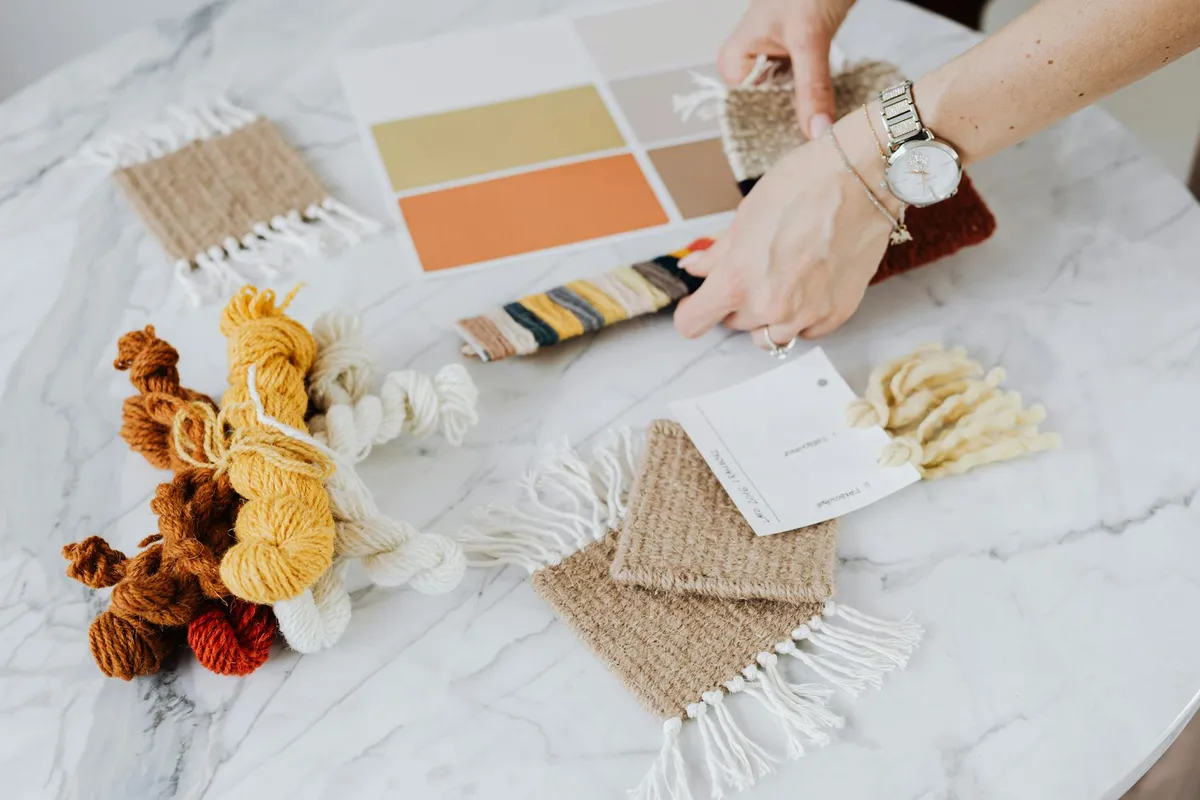
Choosing between them isn’t about which is better, but which is better for the job. Let’s match the fiber to the function.
For Bed Sheets
This choice defines your sleep.
Lyocell is my pick for hot sleepers or anyone seeking a slick, cool-to-the-touch feel. Its superb moisture management pulls sweat away, helping to regulate temperature all night. The drape is fluid and luxurious.
Cotton offers classic versatility. Choose a high-thread-count percale for crisp, cool sheets, or a brushed flannel for cozy warmth. It’s a breathable, trusted standard for various fabrics.
For Everyday T-Shirts
Think about your day.
A lyocell tee has an elegant, weighty drape that resists wrinkling. It looks dressier straight out of the dryer. I find it feels especially smooth against the skin.
Cotton is the affordable, casual champion, offering unmatched breathability for everyday wear. It’s the workhorse you can wash repeatedly, though expect some shrinkage (typically 3-5%) on the first hot wash if it’s not pre-shrunk.
For Jeans and Denim
This is about tradition versus innovation.
Cotton is the undisputed king of authentic denim. It breaks in perfectly, develops personal fades, and provides that rigid durability we expect from jeans. Understanding cotton fabric characteristics and materials explains why it breaks in so well. These intrinsic properties—fiber strength, breathability, and texture—shape how denim wears over time.
Lyocell is often blended with cotton or elastane to add incredible softness from day one and improve stretch recovery. These blends are comfortable but may not satisfy if you’re chasing that classic, stiff denim feel.
For Underwear and Activewear
Performance is key here.
Lyocell’s ability to wick moisture rapidly and resist odor-causing bacteria makes it a top-tier choice for base layers and athletic wear. It keeps you drier by moving sweat to the fabric’s surface to evaporate.
Cotton is highly absorbent, which can be a drawback for intense activity. It soaks up moisture and holds it against your skin, feeling clammy. For lounging or low-impact days, its softness is still a comfort.
For Button-Down Shirts
Consider your itinerary.
Pack a lyocell shirt for travel. It resists creasing remarkably well and offers a luminous, silky sheen that looks polished. It drapes elegantly rather than standing stiffly away from the body.
A well-made cotton poplin or oxford cloth shirt delivers a crisp, professional, and traditional structure. It conveys authority and can handle frequent washing, though ironing is often needed to maintain that sharp look. Poplin itself is a cotton fabric, known for its durability and finely ribbed texture.
Troubleshooting Common Problems
Even the best fabrics need the right care. Let’s solve some frequent issues you might face with lyocell and cotton.
Problem: “My lyocell garment got stiff and rough after washing.”
That harsh, almost crunchy feel isn’t the fabric failing. Lyocell’s super-absorbent nature makes it a magnet for minerals in hard water, which then coat the fibers and create that gritty stiffness. I see this often in areas with very hard tap water. The solution isn’t more detergent-it’s a gentle acid wash to dissolve the deposits.
Here’s my lab-tested method:
- Fill a clean sink or basin with cool water.
- Add 1 cup of plain white distilled vinegar (this is the acid) and mix.
- Submerge the stiff garment and let it soak for 45-60 minutes. You might see the water cloud.
- Rinse thoroughly with cool, fresh water.
- Reshape and air dry. The soft, drapey hand should return.
For maintenance, consider using a water softener in your wash or doing a vinegar soak every few months.
Problem: “My cotton shirt shrank in the dryer.”
This is classic cotton behavior, especially with fabrics that weren’t pre-shrunk (sanforized). Heat and agitation cause the relaxed cotton fibers to tighten and curl back up. You can often regain some, if not all, of the lost size by working with the fabric while it’s damp and pliable. Think of it like gently persuading a spring back into shape.
Try this recovery:
- Wash the shirt again in cool water and remove it while sopping wet.
- Lay it flat on a clean towel. Gently but firmly pull and stretch the fabric back to its original dimensions, focusing on the length and width of the body and sleeves.
- Pat the towel to remove excess moisture, but don’t wring. Let it air dry flat, checking occasionally to maintain the stretch.
Prevent future shrinkage by always washing in cool water and skipping the dryer-tumble dry on low heat if you must, but air drying is safest.
Problem: “Pilling on my cotton sweater.”
Those little fuzzy balls, or pills, form on cotton from friction. Shorter cotton fibers work their way out of the yarn twist and tangle together. It’s common on softer, brushed cottons like in sweatshirts. Pilling is a surface issue, not a sign the garment is worn out, and it’s easily managed.
For removal, a battery-powered fabric shaver (or a careful pass with a safety razor) works wonders. Shave gently in one direction. To prevent rapid re-pilling:
- Always wash the garment inside out. This protects the outer surface.
- Use a gentle or delicate wash cycle with cold water.
- Avoid washing with rough items like denim or bags with zippers.
A liquid detergent is better than powder, as it rinses away more completely without leaving residue that can bind fibers. These steps help remove pills and prevent pilling in fabrics over time. Consistent care keeps garments looking smoother longer.
Problem: “Wrinkles in lyocell.”
Lyocell wrinkles easily because of its smooth, dense fiber structure-it likes to hold a fold. Direct, dry heat from an iron can scorch or create a harsh shine on lyocell, so steam is your best and safest tool.
My preferred methods:
- Garment Steamer: This is ideal. Hang the item and pass the steamer head downward, letting the heat and moisture relax the wrinkles without touching the fabric.
- Bathroom Steam: Hang the garment in the bathroom while you take a hot shower. The ambient steam will ease most wrinkles.
If you must use an iron, set it to the lowest “silk” or synthetic setting. Always use a pressing cloth (a thin cotton tea towel works) between the iron and the lyocell, and iron on the reverse side of the fabric. Never let the iron sit in one spot.
Your Practical Fabric Care Checklist
Let the fabric’s inherent properties dictate your care routine every time. Shield lyocell’s sleek drape with cold water washes and air drying, while leveraging cotton’s sturdy nature for warmer, sanitizing cycles when needed. For wash, dry, care specifics on tencel lyocell, consult our care guide. It outlines gentle washing, air drying, and temperature tips to preserve the fabric.
I view responsible ownership as a daily practice of care and continuous learning. Build your fabric science knowledge, from how nylon blends resist abrasion to the gentle washing silk requires, always prioritizing animal welfare by seeking certified humane sources or plant-based alternatives.
Related Guides and Information
- Lyocell Sheets vs. Cotton Sheets: What’s the Difference? | Saatva
- Lyocell vs Cotton | Globaltex Fine Linens News blog | Globaltex Fine Linens
- Lyocell vs Cotton: Which is More Sustainable & Comfortable?
- Lyocell vs Cotton Sheets – 2026 Ultimate Guide
- r/Bedding on Reddit: Are lyocell bed sheets actually worth it or just marketing hype?
Florian is a high fashion blog writer, fashion and fabric expert and a keen expert in fabric, clothing and materials. She has worked in large textile and fashion houses for over 10+ years, engineering and working with various fabric types and blends. She is an expert when it comes to questions on any and all kinds of fabrics like linen, cotton, silk, jute and many more. She has also traveled around the world studying traditional fabrics and aims to bring them into the modern fashion use.