
Is Linen Sustainable, Biodegradable, and Vegan?
You’re drawn to linen for its crisp texture and cool feel, but you’re wondering if its environmental reputation holds up. Let’s look at the fiber science behind those claims.
We will cover how linen is made from flax, its true environmental footprint, the facts on biodegradability, and the vegan and ethical considerations for this ancient fabric.
Linen at a Glance: Your Quick Fiber Facts
Linen is a bast fiber, which means it’s made from the long, strong stalks of the flax plant (Linum usitatissimum). You can think of it as nature’s built-in reinforcement rope. This structure gives linen its distinct character.
Its core properties are what make it a summer and home staple for centuries.
- Strong and Durable: Linen is one of the strongest natural fibers, often stronger than cotton.
- Highly Absorbent and Breathable: It wicks moisture away from the body quickly and allows air to circulate, keeping you cool.
- Low Elasticity: It has little natural stretch, which is why it can crease easily. I see this not as a flaw, but as part of its relaxed, lived-in charm.
- Softens with Age: With every wash and wear, linen fibers break in and become softer and more supple, developing a wonderful drape.
So, to your burning questions: Is linen sustainable? Yes, it is one of the more sustainable natural fibers available. Is it biodegradable? Generally, yes, as it’s a plant-based cellulose fiber. Is it vegan? Yes, but always check for blended fabrics or finishes that might not be. We’ll explore the nuances behind these short answers next.
You’ll find linen in clothing (shirts, dresses, trousers), luxurious bed sheets, elegant tablecloths, and home decor like curtains. Its strength also makes it a favorite for sturdy craft projects, including punch needle canvases.
What Makes Linen a Sustainable Fabric?
The sustainability story of linen starts in the field with the flax plant. Flax cultivation is notably low-impact compared to other fiber crops, particularly in its thirst for water. It thrives on rainfall alone in many regions (like parts of Europe), requiring little to no irrigation. It can also grow in poor-quality soil that isn’t suitable for food crops, making efficient use of land. These growing practices are tied to the long history of linen production—from fiber harvest to cloth weaving. Exploring flax cultivation thus opens a window into centuries of linen trade and textile heritage.
Flax is what I call a “zero-waste” crop in traditional processing. The seeds are harvested for linseed oil and food (like flaxseed). The stalks are then processed for the long linen fibers. The shorter tow fibers and woody parts (shives) are used for paper, insulation, or composite materials. Very little of the plant is discarded.
When we compare linen’s pesticide and fertilizer needs to conventional cotton, linen typically requires far less. This leads to a common question: does linen need to be organic? Not necessarily for basic environmental footprint, as its default cultivation is often cleaner. Organic linen certification matters most if you are concerned about specific chemicals used in retting or bleaching, or if you want to support farming practices that strictly enhance soil health and biodiversity.
Processing flax into spinnable fiber does require energy. The steps-retting (breaking down pectin to separate fibers), scutching (removing woody parts), and hackling (combing)-are largely mechanical but can be water-intensive in traditional water retting. The total energy footprint, however, remains a fraction of what’s needed to create synthetic polymers from petroleum.
So, can linen be organic? Absolutely. Certified organic linen follows strict rules: non-GMO seeds, no synthetic pesticides or fertilizers, and regulated, environmentally responsible processing methods. Look for certifications like GOTS (Global Organic Textile Standard) which covers the entire textile chain.
Linen’s End-of-Life: Biodegradability and Recycling
Let’s tackle the end of the line. Does linen decompose? Yes, because it is made of cellulose, a natural polymer that microorganisms in soil recognize as food. In a home compost pile or soil with good oxygen and moisture, a pure linen fabric can break down in a matter of weeks to a few months.
Timeline is key. In a landfill, buried under layers of trash without oxygen (anaerobic conditions), decomposition slows dramatically and can produce methane. For linen to biodegrade effectively, it needs to be in the right environment, not sealed away in plastic in a landfill.
What about recycling? Can linen be recycled? Yes, through mechanical recycling. Worn linen is sorted by color, shredded back into a fibrous state (called “shoddy”), and re-spun, often blended with other fibers for strength. Like all mechanically recycled fibers, linen fibers shorten with each cycle, limiting the number of times it can be recycled without adding virgin material.
For your home, can bed linen be recycled? First, consider repurposing: old sheets make excellent rags, quilt backings, or craft fabric. If they’re truly worn out, check for a local textile recycling program-many accept clean, dry textiles regardless of condition. Some brands also offer take-back schemes. This keeps it out of the landfill and in the material loop longer.
Is Linen Truly a Vegan Fabric?
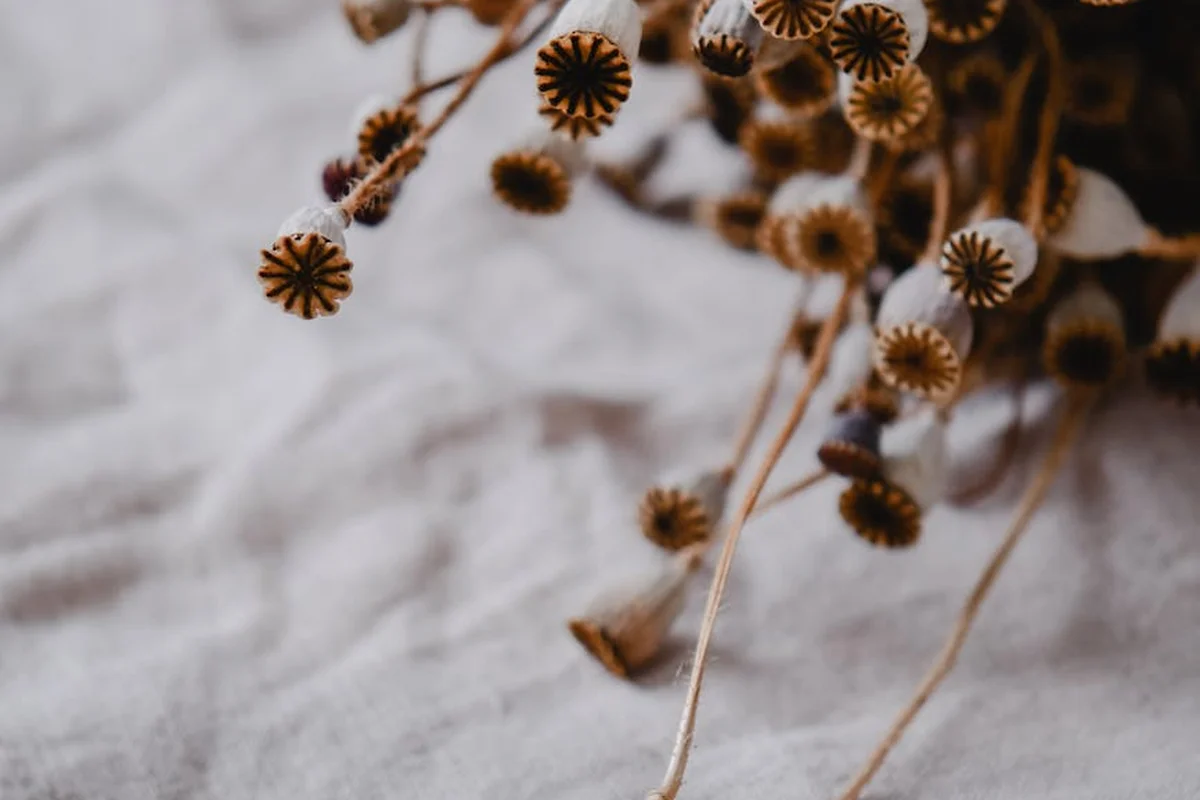
Yes, at its core, linen is a vegan fabric. It is woven from the cellulose fibers of the flax plant, making it entirely plant-based. I work with flax fibers often, and they have a distinct, crisp character straight from the stalk.
The critical nuance for a strict vegan lifestyle comes from processing and blends. While the fiber itself is vegan, some traditional finishing processes use beeswax to add a soft, subtle sheen and water resistance. A linen garment might also be blended with animal fibers like wool for warmth or silk for sheen.
My advice is always to check the label first. Look for “100% linen” to be sure. If you’re buying from a small maker or a brand that values transparency, don’t hesitate to ask about finishing agents. At Moda Material, we believe clear labeling is a cornerstone of ethical fashion and animal welfare, allowing you to make choices that align with your values.
The Science of Linen: How Its Properties Dictate Care
Everything about caring for linen starts with its fiber structure. Flax fibers are long, smooth bundles of cellulose. This gives linen its renowned strength, that crisp hand-feel, and excellent resistance to pilling.
Those long fibers have very low elasticity. Think of them like straight, sturdy rods. Unlike wool, which springs back like a coil, linen fibers stay where you bend them, which is why it wrinkles with such charming ease and has a relaxed, fluid drape.
Its structure also creates tiny pockets in the fabric. This makes linen highly absorbent and breathable, pulling moisture away from your skin and allowing air to circulate. That’s why it’s my top recommendation for summer clothing and bed linens. Speaking of sheets, many people ask: are linen cotton blend sheets good? A blend can be a great introduction. Pure linen sheets are famously breathable and get softer over years, while a linen-cotton blend feels softer immediately straight from the bag and often wrinkles a bit less.
Flax fibers are naturally resistant to degradation by sunlight (UV resistant) and have a gentle, natural luster. This is why vintage linen tablecloths can still look beautiful after decades.
For crafters wondering, can you use linen for punch needle? Absolutely. Its stability and high tensile strength make it an excellent choice for punch needle and other heavy embroidery, as it won’t distort easily under the tension of the stitches.
Understanding Linen Blends
Pure linen is wonderful, but blends are created to balance properties, cost, and care. Here’s what happens in common linen blends:
- Linen-Cotton: This is a classic. Cotton mellows linen’s initial crispness, adding softness and reducing the pronounced wrinkled look. It often makes the fabric more affordable and easier to iron.
- Linen-Polyester: Polyester is added for durability, wrinkle resistance, and to lower the price. It helps linen blends hold their shape and require less ironing.
- Linen-Rayon/Viscose: Rayon, made from plant cellulose, adds a beautiful, fluid drape and a softer, silkier hand to the linen’s body.
Blends fundamentally change care and environmental impact. A linen-cotton blend can usually be treated like a robust cotton, often tolerating machine drying better than pure linen. A linen-polyester blend will be easier care but will shed microplastics in the wash and will not biodegrade. Always wash synthetic blends in a Guppyfriend bag or similar filter to catch microfibers, regardless of whether they are plant-fiber blends or synthetic.
Your Linen Care Protocol: Washing, Drying, and Ironing
Here is the golden rule of linen care that many find surprising. Linen gets better with washing. Unlike delicate silks or structured wools, linen softens, becomes more absorbent, and develops a beautifully lived-in hand with each gentle clean. Your goal is not to baby it, but to wash it correctly.
For machine washing, follow this simple guide. Use cool to warm water, between 30-40°C (85-105°F). Select the gentle or delicate cycle on your machine. Always use a mild, neutral pH detergent. Avoid heavy detergents with optical brighteners or bleach, as they can weaken fibers over time.
Agitation is less concerning for linen than for fabrics like wool because of its incredible tensile strength. Those long flax fibers can handle the tumble of a gentle cycle. The real enemy is high heat. High heat in the washer or dryer causes the most shrinkage and can permanently weaken the fabric. I always air dry or use a no-heat tumble.
This is where commercial laundry machines shine for linen longevity. Industrial machines use precisely controlled water temperatures and specialized, gentle wash formulas that home machines can’t replicate. They achieve a thorough clean with minimal mechanical stress. At home, mimicking those cool, gentle conditions is your best strategy.
Managing Linen Shrinkage and Wrinkles
Most linen shrinkage happens in the first wash. This is called “relaxation shrinkage.” Think of the woven threads like a loosely packed sponge. When heat and agitation hit them, they tighten up and settle into their permanent state. Linen shrinkage can often be avoided with proper care.
You can expect 3-5% shrinkage for pre-washed (sometimes called “stonewashed”) linen. For raw, “loom state” linen, expect up to 10% shrinkage. Always pre-wash your fabric if you are sewing.
If a piece shrinks more than you like, you can often fix it. While the garment is still damp from washing, lay it flat on a towel. Gently stretch it back to its original shape and dimensions with your hands. Let it air dry flat in this position. This works well for minor over-shrinking.
Wrinkles are part of linen’s character, but you can manage them. For a crisp look, iron linen while it is still slightly damp. Use a hot iron with steam. If the fabric is dry, use your iron’s steam setting generously. Or, simply embrace the relaxed, textured look. The casual wrinkle is part of linen’s enduring charm. To prevent or remove wrinkles more effectively, use gentle, even strokes and appropriate steam. Next, explore how to prevent, remove, and iron wrinkles in linen.
How to Dye Linen at Home
Linen dyes beautifully. Its cellulose structure, similar to cotton, readily accepts color. For the most permanent, wash-fast results, I recommend fiber-reactive dyes (like Procion MX) or natural dyes with a proper mordant. They work especially well on plant-based fibers such as cotton, linen, and hemp.
The basic process for fiber-reactive dyes is straightforward. First, scour the fabric by washing it in hot water with a bit of detergent to remove any finishes. Then, in a dye bath, use the required amount of salt to help the dye absorb and soda ash (sodium carbonate) to chemically bond the dye to the fiber. Maintain a consistent, warm heat for the time specified by your dye instructions.
A crucial safety note for natural dyeing: some mordants are toxic and require careful handling. Common and relatively safer mordants include alum (aluminum potassium sulfate) and iron (ferrous sulfate), but you must still use gloves, a mask, and dedicated pots. Always research your mordant fully before starting.
Making Linen Last: Repair and Long-Term Storage
Linen’s durability is legendary. It’s common for a linen garment to outlast its style, fading gracefully from a tablecloth to napkins to cleaning rags over decades. That same rugged endurance shines in linen bedding and clothing, keeping sheets cool and strong through countless washes. It’s a natural choice for durable sheets, duvet covers, and everyday wear. This long life is central to its true sustainability.
Repairing small tears or worn areas is simple. For a clean fix, use a lightweight patch behind the area. For a visible mend, try darning with a thread that matches the fabric’s weight. Sashiko-inspired mending with a contrasting thread can turn a weak spot into a decorative feature.
Before storing linen long-term, make sure it is completely clean. Any residual body oils or food stains can attract pests and cause permanent staining. Never store linen in plastic bags, as trapped moisture leads to mildew. Instead, use breathable cotton bags or simply place folded items in a cool, dry, dark cupboard.
Proper care and repair directly support linen’s sustainable credentials by extending its usable life for many years, reducing the need for new replacements. When you mend a linen shirt, you’re not just saving a garment, you’re honoring the resourcefulness baked into this ancient fiber.
Linen’s Care and the Broader Textile Picture
From my hands-on experience with fibers, treating linen gently is the key to honoring its sustainable nature. Wash your linen in cool water and let it air-dry to minimize shrinkage and preserve its biodegradable qualities for years. This simple routine reduces energy use and keeps the fabric’s texture robust through countless wears.
Apply this same thoughtful care to every fabric you own, from cotton’s absorbency to silk’s dye sensitivity. Knowing how wool felts, polyester releases microfibers, or nylon blends react to heat turns routine washing into an act of environmental stewardship. Your ongoing curiosity about textile properties is a direct step toward reducing waste and advocating for kinder materials.
Related Guides and Information
- Is Linen Really the Most Sustainable Fabric in Fashion? – Immaculate Vegan
- How Linen Clothing Helps You Be More Sustainable – Sand Snow Linen
- Material Guide: How Sustainable Is Linen? – Good On You
- Is Linen Sustainable? | Fabric & Clothing Guide | Percival Menswear
- The Organic Sustainable Linen & Hemp Collection – Immaculate Vegan
- Is Linen Vegan + Sustainable?
Florian Ventura
Florian is a high fashion blog writer, fashion and fabric expert and a keen expert in fabric, clothing and materials. She has worked in large textile and fashion houses for over 10+ years, engineering and working with various fabric types and blends. She is an expert when it comes to questions on any and all kinds of fabrics like linen, cotton, silk, jute and many more. She has also traveled around the world studying traditional fabrics and aims to bring them into the modern fashion use.