
How Is Cotton Fabric Made? From Plant to Your Wardrobe
You love your cotton t-shirt for its softness, but maybe you’ve noticed it shrank or feels different after many washes. That’s because the journey from a fluffy boll to your favorite fabric is a science, and every step changes how it will behave for you.
We will walk through the entire process, from field to finishing mill. You’ll see how each stage shapes the final fabric in your hands. We will cover harvesting and ginning the raw fiber, spinning it into yarn, weaving or knitting the cloth, and the crucial finishing treatments that determine its feel, performance, and care needs.
Executive Summary: Your Cotton Fabric Fact Sheet
You know the feeling-that soft, breathable t-shirt or crisp, cool bedsheet. That’s cotton. Let’s trace its journey from a fluffy boll to the fabric in your hands.
Here’s what makes cotton so beloved and where you’ll find it most.
- Key Pros: Breathable, highly absorbent, strong (especially when wet), biodegradable, and gentle on skin.
- Key Cons: Wrinkles easily, can shrink significantly, dries slowly, and is prone to mildew if left damp.
You’ll find cotton everywhere because it’s so adaptable to different weaves and finishes. Its most common uses include everyday apparel like t-shirts, jeans, and dresses, home textiles such as towels, sheets, and upholstery, and a wide range of crafting and quilting projects. Its versatility makes it a favorite among various materials.
The transformation from plant to cloth follows four core stages: Ginning (cleaning the fiber), Spinning (making yarn), Weaving or Knitting (making fabric), and Finishing (adding color, softness, or performance traits).
Material Data Table: Cotton’s Core Properties
| Property | Rating & Explanation |
|---|---|
| Breathability | High. The fiber’s hollow core and natural crimp allow excellent air flow, like a screen door on a breezy day. This makes it feel cool and comfortable. |
| Shrinkage Rate | Moderate to High (3-10%). This is primarily “relaxation shrinkage.” The yarns are stretched under tension during manufacturing, and the first wash lets them relax back to their natural state. |
| Heat Tolerance | High. Cotton can handle hot water washes and high iron temperatures, which is a major reason for its popularity. You can safely iron it on a cotton/linen setting. |
| Stretch Factor | Low (unless knit or blended). A basic woven cotton has little inherent “give.” It doesn’t spring back like a wool knit; it stretches out over time with wear, which is why woven cotton garments can become baggy. |
From Field to Fiber: The Start of Cotton’s Journey
It all starts with a shrubby plant and its fruit, called a boll. Imagine a green, walnut-sized pod that cracks open to reveal a fluffy wad of white fibers. That’s the raw cotton lint, and it’s clinging to seeds inside the boll.
Harvesting can be done by machine or by hand. Large-scale mechanical harvesters are fast but can pick more leaf trash and soil, which must be cleaned later. Hand-picking is gentler and often results in cleaner, higher-grade fiber initially, but it’s labor-intensive.
The first major factory step is ginning. This process violently separates the precious lint fibers from the seeds. I like to think of it as combing giant, stubborn knots out of hair. The gin pulls the fibers through narrow slots, leaving the seeds behind. Those seeds aren’t waste; they’re crushed for cottonseed oil or used for animal feed.
After ginning, the fibers are graded. Two terms matter most to you: staple length and grade.
- Staple Length: This is the average length of the individual fibers. Longer staples (like those from Pima or Egyptian cotton plants) create smoother, stronger, and more lustrous yarns. Shorter staples make yarn that’s fuzzier and more prone to pilling.
- Grade: This refers to the color and cleanliness of the fiber batch. Whiter, cleaner lint gets a higher grade.
You might wonder how cotton from different countries compares. The scale and focus vary. The U.S. and Australia are known for high-tech, large-scale production of reliable upland cotton. India is a massive producer, often growing shorter-staple varieties suited to its climate. Regions like Egypt and the American Southwest specialize in the prized long-staple cottons. The environmental footprint, from water use to farming practices, differs greatly from one region to another, which is a key part of a fabric’s life cycle story.
Spinning, Weaving, and Knitting: Building the Fabric
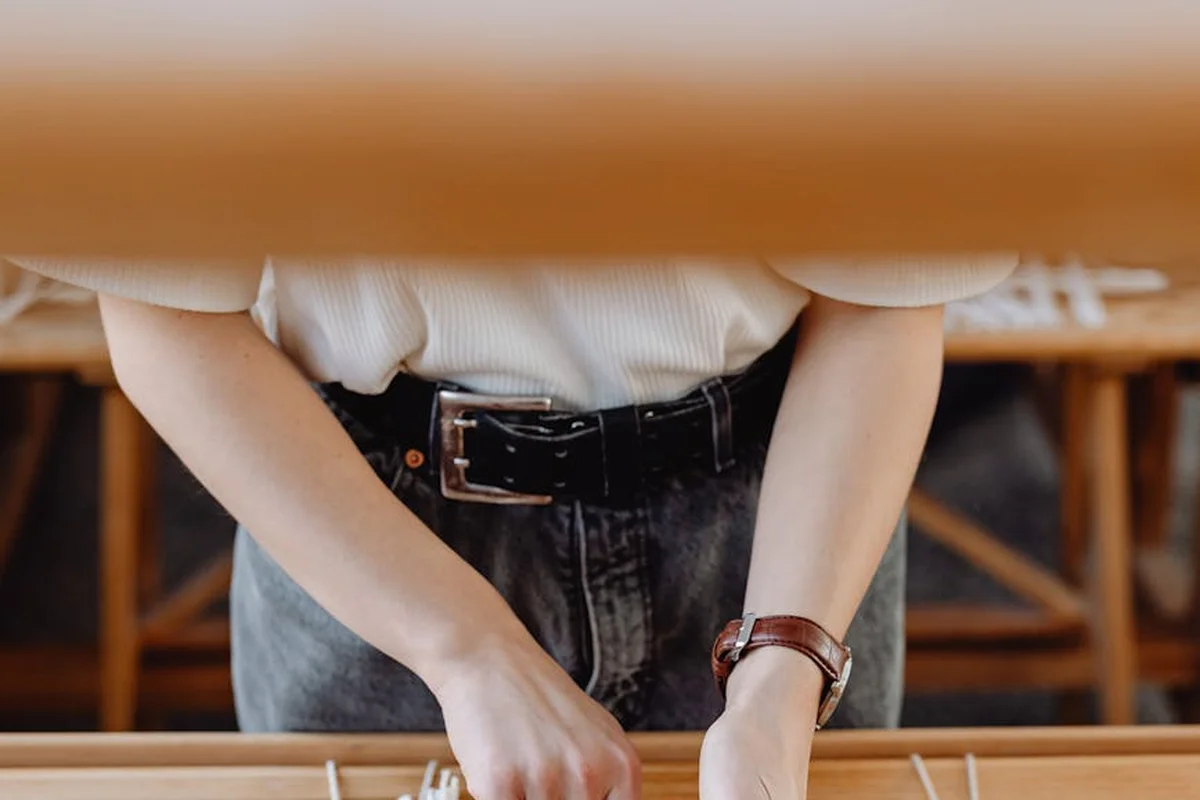
Now we have clean, fluffy bales of cotton fibers. The next step is to turn that cloud-like lint into something you can build with: yarn. This process is called spinning.
Imagine you’re trying to hold a thick rope. A loose bundle of fibers has no strength, it just pulls apart. But if you twist those fibers tightly together, they grip each other, creating continuous strength. That’s spinning in a nutshell. Machines draw out the fiber mass, align the strands, and impart a twist. A high-twist yarn feels firm and creates crisp fabrics, while a low-twist yarn is loftier and softer.
The amount and direction of the twist fundamentally change the yarn’s character and what it can become.
With your new yarn, you can create fabric. The two primary methods are weaving and knitting, and they yield completely different results. Knitted fabrics tend to be more stretchy and flexible compared to woven ones.
Weaving: The Over-and-Under Grid
Picture a simple grid. Weaving involves interlacing two sets of yarns at right angles. The lengthwise yarns are the warp (they need high strength to withstand the loom’s tension). The crosswise yarns are the weft or filling. By changing the pattern of over-and-under, we get different weaves:
- Plain Weave: Every other yarn. It’s simple, strong, and flat. Think of percale bedsheets (crisp) or chiffon (sheer).
- Twill Weave: Creates a diagonal rib. This structure is durable and hides soil well. Your denim jeans and cotton chinos are classic twills.
- Satin Weave: Warp yarns “float” over multiple weft yarns. This creates a smooth, lustrous surface but can be prone to snagging. Sateen bed sheets use this weave for a silky hand.
- Oxford Weave: A basket-style variation of plain weave, often using thicker yarns. It has a characteristic nubby, breathable texture perfect for button-down shirts.
Knitting: Interlocking Loops
Instead of a grid, knitting forms a series of interconnected loops, like hand-knitting with giant needles. This structure gives inherent stretch and drape. A knit fabric will recover after stretching, while a woven fabric, once distorted, often stays misshapen. Exploring sewing stitches techniques for stretch knit fabrics can help preserve that inherent give when you assemble garments. Knowing the right stitches and techniques for knit materials ensures durable seams without restricting stretch. Common cotton knits include:
- Jersey: The smooth, familiar face of most T-shirts. It has a distinct right and wrong side.
- Rib Knit: Vertical ridges that provide excellent crosswise stretch, used for cuffs, collars, and cotton leggings.
- Terry Cloth: Loops are left uncut to create that absorbent, fluffy pile on towels and bathrobes.
Finishing Touches: Why Your Cotton Feels the Way It Does
The fabric coming off the loom or knitting machine is called “gray goods” or “greige goods.” It’s often rough, discolored, and not yet ready for you. Finishing is the magic that transforms it.
Finishing encompasses every chemical and mechanical process applied to gray goods to make it usable, beautiful, and functional.
The Deep Clean: Scouring and Bleaching
Gray cotton contains natural waxes, pectins, and seed fragments. Scouring is a hot, alkaline bath that strips these away, making the cotton highly absorbent. Bleaching then removes the natural creamy tint. I think of this as giving the cotton a blank canvas. Without proper scouring, dyes and finishes would apply unevenly, leading to splotchy color and poor performance.
The Game Changer: Mercerization
This is one of my favorite processes. Cotton yarn or fabric is treated under tension with a cold sodium hydroxide (lye) solution. The fibers swell, their cross-section becomes rounder, and the surface smoothes out. The result is permanent:
- Increased strength and durability.
- A luminous, silky sheen.
- Greatly enhanced affinity for dye (colors become richer and more vibrant).
It’s like giving cotton fiber a perm. Once mercerized, the changes do not wash out.
Mechanical and Chemical Finishes
This is where specific textures and properties are engineered:
- Brushing/Sueding: Brushes or abrasive rollers raise the surface fibers to create a soft, fuzzy nap. This is how cotton flannel and cozy sweatsuit fleece are made.
- Calendering: Fabric is passed between hot, heavy rollers to polish the surface, producing a smooth, slight sheen (like on some high-thread-count sheets).
- Sanforization: A controlled compressive shrinkage process. Fabrics labeled “sanforized” or “pre-shrunk” are mechanically forced to shrink most of the way before you buy them, promising minimal further shrinkage (typically under 1%).
- Wrinkle-Resistant (Easy Care): A chemical cross-linking resin is applied to the fibers, helping them “remember” a smooth shape. This often comes with a slight trade-off in fabric strength and absorbency.
Adding Color: Dyeing and Printing
Now the prepared fabric gets its color. Cotton’s cellulose fibers love water-based dyes, particularly reactive dyes, which form a strong covalent bond with the fiber molecule. This makes for good colorfastness. Dyeing can happen at any stage, and different fabrics—cotton, wool, and synthetics dye with distinct approaches. Knowing how each fiber takes dyes helps tailor the process.
- Yarn-Dyed: Yarns are dyed before weaving/knitting (think denim, plaids, striped knits). This yields the most color-fast fabrics.
- Piece-Dyed: The finished gray fabric is dyed in one solid color. This is common and efficient.
Printing, like on a floral cotton dress, applies color in localized patterns. The key to caring for dyed cotton is that first wash: use cool water with a color-catcher sheet to trap any loose dye, and always wash darks separately. The bond is strong, but excess dye on the surface needs to be rinsed away. For delicate fabrics, use a gentler cycle and mild detergent in cool water. This helps preserve color on finer textiles.
Cotton in Your Hands: Properties, Projects, and Practical Care
Think of a single cotton fiber like a twisted ribbon made of cellulose. This cellulose is hydrophilic, meaning it loves water. That molecular love affair is the secret behind cotton’s superpowers.
Because it seeks out water molecules, cotton is incredibly absorbent. It can hold up to 27 times its weight in moisture. This is also why it’s so breathable. The fiber pulls sweat from your skin into its structure, and then the moisture evaporates into the air, cooling you down. The feel, or “hand,” is comfortably soft because those twisted fibers don’t have a slick, plastic-like surface.
This absorbent, breathable nature is exactly why cotton feels so good against your skin, especially in warm weather or for bedding.
Now, that same structure has a downside. When cotton gets wet and is then agitated or heated, the hydrogen bonds between its cellulose molecules break and re-form in new positions. They don’t spring back. This is why cotton wrinkles so easily and shrinks.
It lacks the molecular resilience of a synthetic fiber like polyester. A polyester fiber is like a coiled spring; it can be deformed and will bounce back. Cotton is more like a sponge that compresses and stays that way.
This is where cotton-polyester blends come in handy-the polyester adds wrinkle resistance and reduces shrinkage by providing that springy molecular memory cotton lacks.
Let’s talk about a specific project. Yes, you can absolutely make a no-sew tie blanket with cotton fabric like flannel. It’s soft and breathable, but note it will fray more than fleece. Pre-wash to manage shrinkage before you cut and tie. I recommend using pinking shears to cut your strips, as the zigzag edge significantly slows down fraying compared to a straight cut.
Step-by-Step Care & Handling Protocol
Caring for cotton is straightforward once you understand its simple physics. Follow this protocol to keep your cottons looking their best for years.
Washing
Use warm water (around 40°C or 104°F) for white cottons and heavily soiled items. The heat helps lift oils and ground-in dirt. For colored cottons, always use cold water to lock in the dye and prevent color bleeding.
Any standard detergent works well. Cotton actually gets stronger when wet, so don’t be afraid of a good machine agitation cycle. That motion helps the fibers flex and release trapped soil.
The agitation in your washing machine is beneficial for cotton, using its wet strength to help get things clean.
Drying
You can tumble dry cotton on a medium setting. Remove items promptly while they are still slightly warm to minimize deep-set wrinkles. If you want to stop shrinkage in its tracks, air-dry items flat or on a line.
Most shrinkage happens in the dryer. The combination of heat and tumbling allows the relaxed cellulose chains to form new, tighter bonds.
Ironing
Cotton can handle high heat. For the easiest ironing, do it while the fabric is still slightly damp from the wash or use your iron’s steam function. The moisture helps the hydrogen bonds in the cellulose loosen, allowing you to reshape the fabric flat before it cools and dries.
Shrinkage Management
If you are sewing or crafting, always pre-wash your fabric. I run it through the washer and dryer exactly as I plan to care for the finished item. This gets all the shrinkage out upfront, which is a crucial step to prevent shrinkage in fabric.
Look for terms on the fabric bolt. “Pre-shrunk” or “P-Shrunk” means it has undergone a compressive shrinkage process at the mill, but it can still shrink a little more (typically 2-5%). “Loom-state” or “greige” goods have had no finishing and will shrink significantly, sometimes over 10%.
Pre-washing is non-negotiable for sewing projects; it transforms unpredictable loom-state fabric into a stable material you can trust.
Stain Removal
Cotton’s durability makes it a champion for stain removal. You can use pre-treatment sticks, liquid stain removers, or even rub a bit of detergent directly onto a fresh stain. Its fibers can handle gentle scrubbing.
Always test your stain removal method on an inside seam or hidden area first, especially on dark or bright colors, to ensure it doesn’t strip or fade the dye.
Caring for Cotton: A Fabric Scientist’s Final Note
The most practical advice I can give you is to always pre-wash any new cotton fabric in warm water before you use it. This accounts for its natural shrinkage from the manufacturing process, locking in the size and saving your projects from fitting issues later.
View every textile you own, from sturdy cotton to delicate silk or durable nylon blends, as a commitment to mindful care. When it comes to silk, understanding its different types, properties, and care requirements helps preserve its luster and longevity. Deepening your knowledge of fabric properties and care needs is the true path to sustainable, long-lasting clothing.
Related Guides and Information
- Cotton: From Field to Fabric- Fabric Manufacturing
- Cotton – Wikipedia
- How Is Cotton Obtained To Make Fabrics And How Are …
- How Cotton is Processed in Factories | How It’s Made – YouTube
- What is Cotton Fabric: Properties, How its Made and Where | Sewport
Florian Ventura
Florian is a high fashion blog writer, fashion and fabric expert and a keen expert in fabric, clothing and materials. She has worked in large textile and fashion houses for over 10+ years, engineering and working with various fabric types and blends. She is an expert when it comes to questions on any and all kinds of fabrics like linen, cotton, silk, jute and many more. She has also traveled around the world studying traditional fabrics and aims to bring them into the modern fashion use.