Is Bamboo Fabric Actually More Moisture-Wicking Than Cotton?
You’ve probably heard bamboo is a cooler, drier alternative to cotton, but the truth about how it handles sweat is more nuanced than marketing claims suggest.
As a textile scientist, I’ll break down the real-world performance of each fabric. We will cover the science of moisture movement, how each fabric feels against the skin, long-term durability, predictable shrinkage, proper care methods, and the full environmental picture from field to closet.
Executive Summary: Your Quick Guide
Bamboo viscose pulls moisture away from your skin slightly faster than cotton, making it the winner for pure moisture-wicking feel. The environmental story is much more complicated, where organic cotton often has clearer, better-regulated credentials than most bamboo rayon.
- Feel: Bamboo is consistently softer with a sleek, silky hand, while cotton offers a range from crisp to brushed.
- Breathability: Both are excellent, but they work differently. Cotton’s natural fiber is porous, and bamboo’s manufactured structure has micro-gaps.
- Shrinkage: Cotton shrinks predictably on the first hot wash. Bamboo viscose can shrink dramatically if exposed to heat or agitation.
- Best Uses: Choose bamboo for silky bedsheets, drapey loungewear, and activewear base layers. Choose cotton for crisp shirts, durable towels, denim, and everyday staples that need to withstand frequent hot washing.
Be wary of greenwashing with bamboo. The common “bamboo” fabric is a chemically processed rayon, and its production can involve harsh solvents. Look for third-party certifications like Oeko-Tex Standard 100 for chemical safety or FSC certification for sustainably sourced wood pulp. Even then, consider the environmental cost of bamboo viscose.
Your final choice hinges on one question: do you prioritize a specific silky, performance-oriented feel, or do you want verified eco-friendly production you can easily research?
Material Data Table: Bamboo Viscose vs. Cotton
| Property | Bamboo Viscose (Rayon) | Cotton |
|---|---|---|
| Breathability | Very High | Very High |
| Shrinkage Rate | High (5-10%) | Moderate (3-5%) |
| Heat Tolerance | Low | High |
| Stretch & Drape | Moderate stretch, excellent drape | Low stretch (unless knit), structured drape |
Breathability: Both fabrics score high, but their mechanics differ. A cotton fiber is like a twisted ribbon with a hollow core, pulling moisture along its surface. Bamboo viscose has micro-gaps in its manufactured structure, which can create a slight cooling effect as moisture evaporates.
Shrinkage Rate: Cotton shrinks mainly due to the relaxation of tensions from weaving. You can expect 3-5% shrinkage, mostly in length, on the first hot wash and dry. Bamboo viscose is more prone to felting and fiber tightening. Improper care can lead to 5-10% shrinkage, often irreversibly. Always pre-wash bamboo in cold water and lay flat or tumble dry on no-heat.
Heat Tolerance: Cotton is robust. It can handle hot water washes and a hot iron, which also helps sanitize it. Bamboo viscose is delicate. High heat weakens the fibers, causing them to become brittle and break. Stick to cold water washes and absolutely avoid high-heat dryers.
Stretch Factor: Woven cotton has minimal inherent stretch. Bamboo viscose fibers have a natural springiness and flexibility, giving knits a moderate recovery and woven fabrics a fluid, forgiving drape that moves with you. Understanding stretch in textiles is key when selecting fabric for specific projects.
A quick note: When we say “bamboo fabric” here, we’re referring to the most common type: bamboo viscose or rayon. A different, much rarer fabric called bamboo linen is made by mechanically crushing the woody stalks, similar to flax for linen. It has a texture like hemp and entirely different care needs. Looking at their structure reveals key differences: bamboo viscose is chemically processed from cellulose, while bamboo linen is mechanically extracted from the stalks. This structural contrast also influences texture and care requirements.
The Fiber Science: What You’re Actually Touching
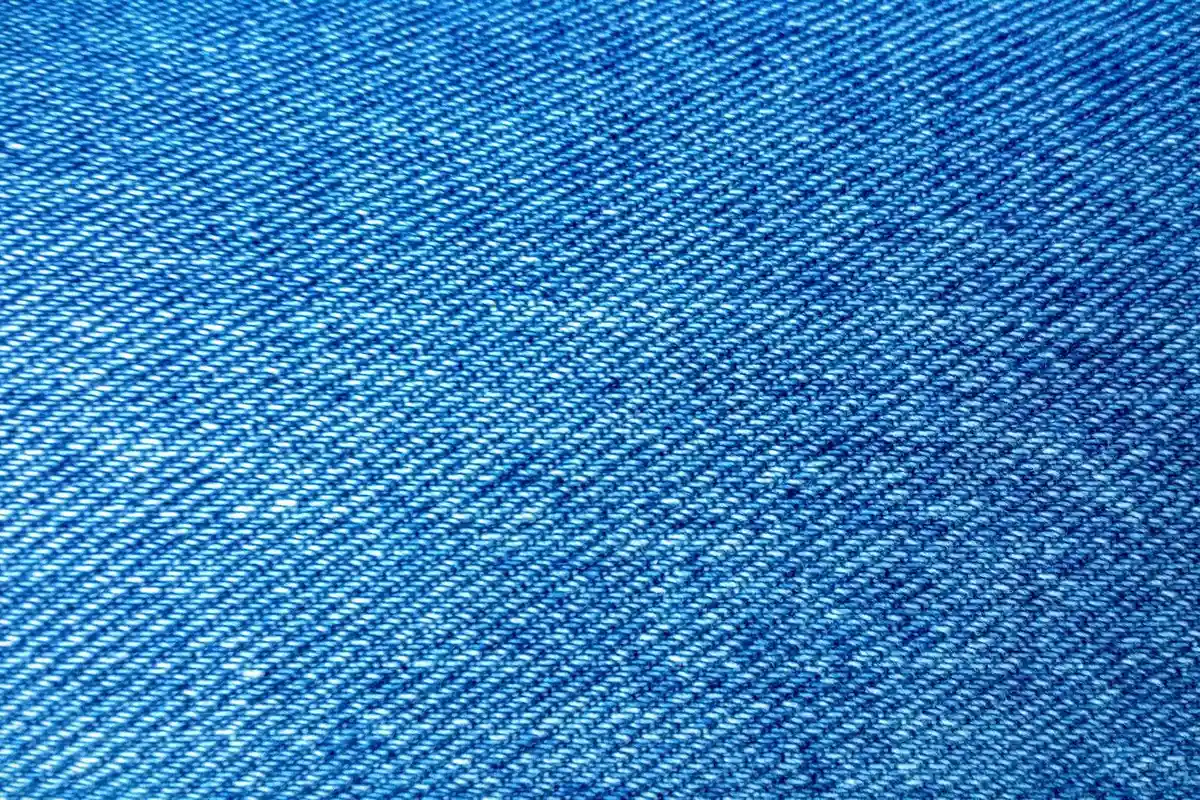
Let’s get this out of the way first. When you see “bamboo fabric” on a tag, you are almost never touching pure bamboo strands woven together. What you have is a regenerated cellulose fiber, typically viscose rayon, made from bamboo pulp. I treat it in the lab the same way I treat viscose from trees.
Now, compare that to cotton. Cotton grows as a soft, fluffy seed hair. Under a microscope, it looks like a twisted, flattened ribbon. That natural twist gives cotton its strength and its characteristic matte, sometimes slightly nubby texture. Bamboo viscose, however, is extruded through spinnerets. This creates fibers with a much smoother, rounder cross-section.
This fundamental structural difference is why they feel so distinct in your hands. Bamboo’s round, smooth fibers slide past each other easily, creating that signature sleek, fluid, and almost silky drape. Cotton’s twisted, irregular shape gives it more grip and a drier, more substantial hand. Think of the difference between a polished stone and a piece of raw chalk. These ideas extend to viscose, rayon, modal, cotton, and polyester blends, where fiber-structure differences shape drape and hand. Understanding those differences helps explain why some blends feel silkier and others more textured.
I should note there is a more sustainable, mechanically processed bamboo sometimes called “bamboo linen.” It’s closer to lyocell (Tencel) and is much rarer. For this comparison, we’re talking about the bamboo viscose that fills store racks, because that’s what you’re most likely buying and need to care for.
Moisture-Wicking Showdown: Lab Talk vs. Real Feel
So, which is better for moisture-wicking, bamboo or cotton? The short answer is bamboo viscose, but with critical real-world context when compared to other plant fibers used in activewear.
First, what is “wicking”? It’s not just absorption. True wicking is a fabric’s ability to pull liquid (sweat) from your skin, move it along the fiber, and spread it out so it can evaporate quickly.
Here’s my go-to analogy from the workshop. Think of a high-quality cotton jersey like a thirsty sponge: it absorbs a huge amount of water and holds it well, which can leave you feeling damp. Bamboo viscose acts more like a slightly slick, grooved surface; it grabs the moisture and moves it along faster, feeling less soggy against your skin during sustained activity.
This is also why bamboo fabric feels cool to the touch. That smooth fiber surface and its structure transfer heat away from your skin more efficiently-a property called thermal conductivity. It’s a genuine sensation, not just marketing.
For your wardrobe, this means choosing based on the job. I recommend bamboo viscose for the layer right next to your skin in hot weather or during exercise, like in underwear, camisoles, or lightweight activewear tops. It manages persistent dampness better. Cotton’s superb absorbency makes it my choice for things like towels, washcloths, or a soft t-shirt for lounging when you’re not pouring sweat.
Never forget that the weave or knit is as important as the fiber. A tightly woven cotton canvas won’t wick at all, while a loose, open-knit bamboo viscose tee will excel. Always consider the fabric construction. For the bamboo viscose you own, handle it gently. It’s stronger when wet than cotton, but it can lose shape easily. Wash it in cool water on a delicate cycle and lay it flat to dry to keep that lovely drape intact.
Environmental Impact: The Full Lifecycle Story
You asked which fabric has a lower environmental impact, bamboo or cotton. This is a great question because the answer isn’t simple. To get it right, we need to look at the entire story, from field to fabric. I split this analysis into two clear parts: the plant and the processing.
The Plant: Growth & Farming
As a plant, bamboo has impressive natural advantages. It’s one of the fastest-growing plants on Earth, sometimes shooting up several feet in a single day. It typically requires no pesticides and very little irrigation to thrive. Bamboo can also grow on slopes and marginal land where food crops can’t, which is a major point for sustainable land use.
Conventional cotton has a different history. It’s a thirsty crop, often linked with high water use and significant pesticide application. This has improved in many regions, but the legacy is there.
The critical factor here is certification. An organic cotton t-shirt certified to the Global Organic Textile Standard (GOTS) ensures strict rules on water, pesticides, and fair labor. For bamboo, look for the Forest Stewardship Council (FSC) label, which indicates the bamboo was harvested from responsibly managed forests, not clear-cut wild ecosystems.
The Processing: The Chemical Reality
This is where the story flips. The bamboo grass in the field bears little relation to the silky fabric in your closet. To become soft, drapey bamboo viscose, the tough plant pulp must be dissolved using chemicals like sodium hydroxide and carbon disulfide.
This is a heavy industrial process. Standard cotton processing also uses chemicals for scouring and bleaching, but the fundamental step-getting a spinnable fiber-is mechanical (ginning) for cotton and chemical for bamboo viscose.
Not all bamboo processing is equal. You might see two terms:
- Conventional Viscose Process: The older method. It can be polluting if the factory doesn’t have strict chemical recovery and wastewater treatment systems.
- Closed-Loop Lyocell Process (often branded as Tencel Lyocell): A newer, cleaner technology. It recycles over 99% of the solvents and water in a tight loop.
The true environmental impact of a bamboo shirt depends almost entirely on the mill that made it, and that information is rarely on the tag. This hidden stage is why I tell people to look past the “bamboo” label. Trust independent certifications that check the final product. The Oeko-Tex Standard 100 certification means the fabric has been tested for a wide range of harmful chemicals, giving you peace of mind. Pair that with an FSC label, and you have a much clearer, greener picture.
How to Wash, Dry, and Care for Bamboo & Cotton
These two fibers behave very differently in your laundry room. Following these steps will keep them looking and feeling their best for years.
Washing Bamboo Viscose
Treat bamboo viscose like the delicate fiber it is. Its structure is more fragile when wet.
- Always use cold water. Heat starts to break down the fibers.
- Choose a gentle, neutral pH detergent. I use the same liquid detergent I use for my wool sweaters.
- Turn the garment inside out. For knits like bamboo t-shirts or underwear, place them in a mesh lingerie bag. This prevents snags and stretching.
- Avoid bleach and fabric softener completely. Bleach destroys the fibers. Fabric softener coats them, clogging the pores that make bamboo so breathable.
Washing Cotton
Cotton is the workhorse of the laundry room. It’s robust and forgiving.
- You can use warm water for whites, sheets, or towels where sanitization is a goal. For colored cottons, cold water is best to prevent fading.
- A standard detergent works perfectly. For stains, always pre-treat on dry fabric before washing.
- Fabric softener is optional. I skip it because it leaves a coating that reduces cotton’s natural absorbency and crisp hand feel.
Drying and Ironing
This is the stage where the most dramatic mistakes happen, especially with bamboo.
For Bamboo Viscose:
You must air dry it. Lay it flat on a drying rack or hang it on a line. Never, ever put bamboo viscose in a tumble dryer. The heat causes severe, irreversible shrinkage, often up to 10-15%. If you need to iron it, use the lowest heat setting possible (silk/wool setting) and iron it while it’s still slightly damp.
For Cotton:
Tumble drying on a medium heat is generally fine. To minimize wrinkles, remove items promptly while they’re still slightly warm and shake them out. Ironing is most effective on cotton when the fabric is still damp. Use a high heat setting.
So, do bamboo fabrics shrink? Absolutely. Heat is their enemy. If you are sewing with bamboo jersey or woven fabric, always pre-wash and air dry it exactly as you plan to care for the finished garment. This pre-shrinks the fabric so your final project keeps its size.
Dyeing Notes: Color and Chemical Affinity
At their core, both bamboo viscose and cotton are cellulose fibers. This means their chemical makeup is similar, so they accept the same families of dyes. Fiber-reactive dyes, direct dyes, and all-purpose dyes like Rit will work on both.
Bamboo viscose often dyes with a more intense, vivid color than cotton, and it does so faster. I see this clearly in the lab. The reason is its structure. While cotton’s fibers are highly crystalline and ordered, the viscose process creates a more amorphous, open structure in bamboo fiber. Think of it like a sponge versus a tightly woven basket; the sponge (bamboo) soaks up the dye solution more readily.
If you’re dyeing at home, you can use the exact same dyes and procedures recommended for cotton, but you will likely achieve a richer color with less dye powder or liquid. Start with a slightly smaller amount than the instructions suggest for cotton, as you can always add more to deepen the shade.
This same open structure has a downside: colorfastness. Those deep, saturated colors on some commercial bamboo items can be less stable. The dye molecules aren’t always locked in as securely. I always treat new, dark-colored bamboo clothes as potential bleeders.
Always wash new dark bamboo items, like navy leggings or a black t-shirt, separately in cold water for the first few cycles to check for dye release. This simple step can save a whole load of laundry.
On an industrial scale, dyeing both fibers carries a significant environmental weight. The process consumes vast quantities of water and, if not managed with closed-loop systems, can lead to chemical runoff. The impact here isn’t about bamboo versus cotton, but about the dyeing practices of the specific mill. This ties directly back to evaluating a brand’s overall sustainability claims.
Final Fabric Care Insights from the Lab
When choosing between bamboo and cotton, let moisture management guide you: bamboo viscose pulls sweat away faster for active use, but you must wash it in cold water and skip the dryer to avoid shrinkage. I treat my bamboo pieces like silk, with gentle handling to maintain their smooth hand and wicking power over time.
Carry this fabric awareness to every fiber in your closet, from wool’s need for cool washes to polyester’s stain resistance. Learning how materials like cotton breathe or nylon dyes empowers you to care for clothes properly, reducing waste and making mindful choices.
Sources and Additional Information
- r/Fabrics on Reddit: Bamboo fabric question
- Bamboo Clothing for Men & Women | Free Fly Apparel
- Bamboo Fabric Moisture Wicking Benefits – The Bamboo Pillow
- NC-1788 100% Organic bamboo fiber moisture wicking fabric | fabric manufacturer,quality,taiwan textiles,functional fabric,Nylon,wicking textiles,clothtex
- Bamboo Fabric is Thermo Regulating + Moisture Wicking! – BambooYou
Florian is a high fashion blog writer, fashion and fabric expert and a keen expert in fabric, clothing and materials. She has worked in large textile and fashion houses for over 10+ years, engineering and working with various fabric types and blends. She is an expert when it comes to questions on any and all kinds of fabrics like linen, cotton, silk, jute and many more. She has also traveled around the world studying traditional fabrics and aims to bring them into the modern fashion use.