Is Acrylic Warmer Than Wool? A Fabric Scientist’s Breakdown
You’re looking at two sweaters, one wool and one acrylic, and you need to know which one will truly keep you warm and which you can actually care for. I get it-I’ve tested these fibers in the lab and worn them on cold days.
This article will compare them head-to-head, focusing on warmth and performance, everyday care and durability, and the material’s impact on people and the planet.
Executive Summary: The 30-Second Fiber Snapshot
Let’s break this down to the basics. Acrylic is a plastic-based synthetic. Picture a fine, fuzzy straw. Wool is a complex, protein-based animal fiber. Think of a springy, scaled tube.
Their quick pros and cons tell two different stories.
- Acrylic is affordable, easy-care, and colorfast, but it can pill, hold body odors, melt under high heat, and shed microplastics.
- Wool is temperature-regulating, moisture-wicking, naturally odor-resistant, and durable, but it requires more careful washing, can felt and shrink aggressively, and its sourcing requires ethical consideration.
Your primary use case decides the winner. Choose acrylic for budget-friendly, brightly colored items you can toss in the wash without a second thought. Choose wool for performance, longevity, and natural comfort in sweaters, socks, and coats.
The Core Physics: What Are You Actually Wearing?
The warmth, feel, and care of these fibers come straight from their microscopic structure.
Acrylic is a long chain of molecules called polyacrylonitrile. Factories extrude it as a liquid through a spinneret, like squeezing Play-Doh, then cut and crimp it to mimic wool’s loft. This structure gives it very low moisture absorption. Water beads on it or sits between the fibers.
Wool is made of keratin, the same protein in your hair. Its magic is in its natural wave, or crimp, and its scaly surface, called the cuticle. These scales point in one direction. When you add heat, moisture, and agitation, they lock together like Velcro. That’s felting, and it’s irreversible shrinkage.
Run your fingers over them. Acrylic can feel uniformly soft, almost too perfect, sometimes with a subtle plasticky slickness. Wool has a huge range. A coarse wool can feel prickly, while merino is luxuriously soft against your skin.
For anyone choosing acrylic vs wool yarn, this structure is everything. Acrylic yarn is consistent, cheap, and great for practicing stitches. Wool yarn has memory and bounce, giving finished projects a better shape and drape.
Acrylic: The Synthetic Stand-In
Production starts with petroleum or coal-based chemicals. Through chemical reactions, we get a polymer solution that is then extruded into long filaments, cut to staple length, and crimped. The goal is to build a fiber from scratch that acts like wool.
Its key properties define its care. It has high strength, meaning it’s hard to tear. It takes dye brilliantly, holding those bright colors wash after wash. It is thermoplastic, so a hot iron or dryer can melt it into a shiny, hard patch. That low absorbency means sweat doesn’t get pulled away from your skin. It sits there, which is why acrylic can feel clammy and hold odors.
Wool: Nature’s Engineered Fiber
Wool comes from the fleece of sheep. I always look for brands that are transparent about responsible sourcing, like those certified by the Responsible Wool Standard or those guaranteeing mulesing-free practices. Animal welfare is a non-negotiable part of the conversation.
Its properties are wonders of natural engineering. Wool is hygroscopic. It can absorb up to 30% of its weight in moisture vapor from your skin without feeling wet, which is how it regulates temperature. It’s elastic, stretching and bouncing back. It’s naturally flame-resistant, smoldering instead of melting. And at the end of its life, it biodegrades. Compared with silk, wool breathes better than silk as it manages moisture more effectively. This matters for comfort when your skin’s moisture changes with activity.
Not all wool is the same. Fine merino, from Merino sheep, is the softest for next-to-skin wear. Lambswool, from a lamb’s first shearing, is exceptionally soft and fine. Coarser wools from other breeds are incredibly durable and are better for outerwear or rugs. The type directly affects the feel and the price.
The Warmth Test: Insulation, Weight, and Why You Sometimes Feel Colder
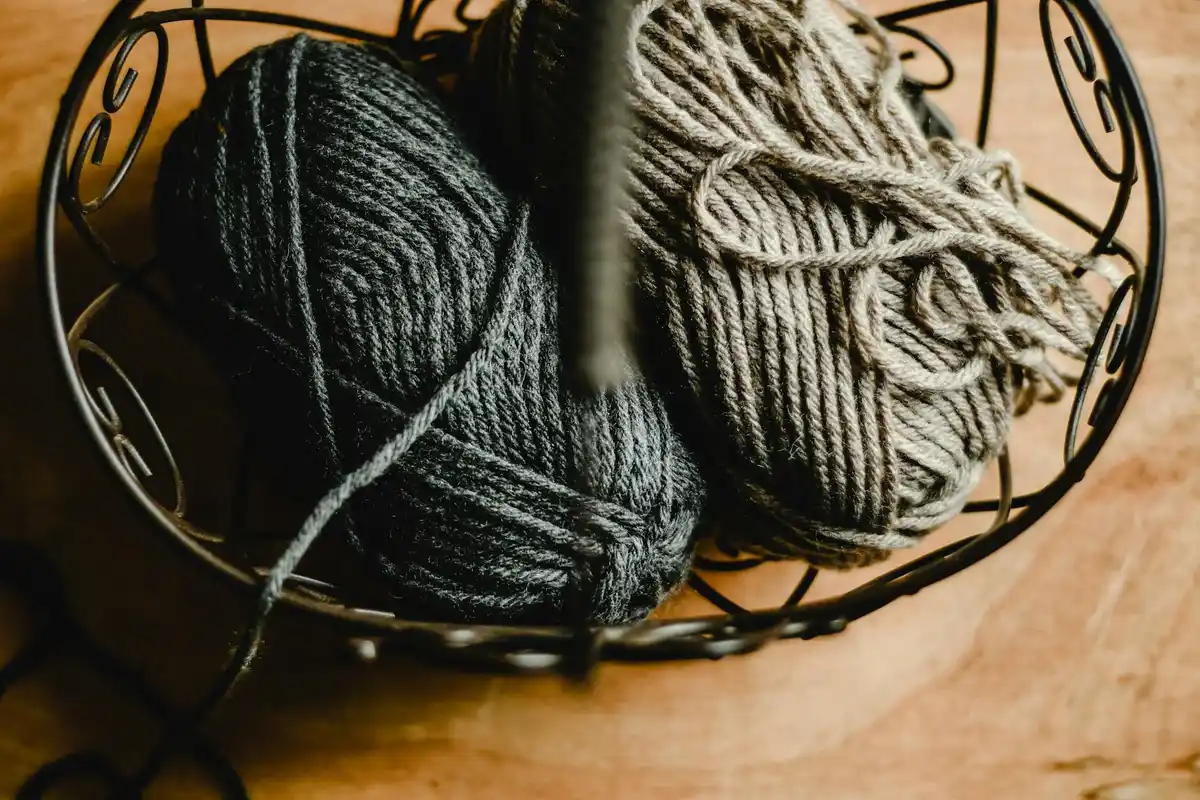
So, is acrylic as warm as wool? The short answer is no, not in the same way. To understand why, we need to talk about what “warmth” really means in a fabric.
Warmth is thermal insulation. It’s not the fiber itself that heats you up, but its ability to trap your body heat in pockets of still air. The more stable those air pockets, the warmer you stay.
This is where wool’s structure shines. Each wool fiber has a natural, three-dimensional crimp. Think of it like billions of tiny springs. These springs push against each other, creating a lofty, springy fabric full of resilient air spaces. Even when compressed or damp, wool tries to bounce back, maintaining its insulating layer.
Acrylic fiber is manufactured to mimic wool’s crimp, but it’s a copy, not the original. Under weight, compression, or, crucially, when wet, acrylic’s crimp can collapse and stay collapsed, flattening those precious air pockets and reducing insulation right when you need it most.
The biggest difference lies in moisture management. Wool is hygroscopic; it actively wicks moisture vapor (like sweat) into the core of the fiber, leaving the surface feeling dry. Acrylic is hydrophobic-it repels water. Instead of moving moisture away, sweat forms droplets on the fabric or gets trapped against your skin. That wet layer conducts heat away from your body 25 times faster than dry air, creating a clammy chill.
Breathability ties directly into this. Wool’s complex structure allows it to breathe, regulating your microclimate. Acrylic is less breathable, which can lead to overheating, sweating, and then that subsequent chill. It’s a rollercoaster, not a steady state.
When Acrylic Wins on Warmth (And When It Doesn’t)
I will give acrylic credit where it’s due. In consistently dry, cold, and static conditions-think a brisk walk on a dry winter day-a thick, densely knit acrylic garment can feel very warm, even cozy. Its initial loft traps air effectively. Beyond warmth, acrylic can feel soft against the skin. Many find its lightweight, smooth hand adds daily comfort.
The “clammy” downfall arrives the moment you become active or encounter dampness, whether from weather or your own perspiration. That’s when its performance diverges sharply from wool. For sedentary, dry cold, acrylic can work. For variable conditions or activity, it often disappoints.
Wool’s Smart Heat: Beyond Basic Insulation
Wool doesn’t just sit there. It reacts. The fibers absorb and release moisture as the humidity around you changes, a process that actually generates tiny amounts of heat. In a damp, chilly environment, moisture-wicking fibers help you stay comfortable.
Then there’s odor. Wool’s scaly outer layer and moisture-wicking ability make it resistant to bacteria growth, the source of sweat smells. You can wear a wool base layer for days on a hiking trip without it becoming offensive. Acrylic, however, tends to lock in oils and moisture, creating a perfect breeding ground for odor-causing bacteria. That “off” smell in a synthetic gym shirt? That’s the fabric itself holding onto the problem.
The Care Protocol: Washing, Drying, and Avoiding Disaster
Let’s tackle the big fear: shrinkage. Yes, both can shrink, but for completely different reasons.
Wool shrinks and felts due to heat, agitation, and sudden temperature changes. Each wool fiber has microscopic scales. Agitation and heat cause these scales to lock together like Velcro, tightening the fabric permanently into a denser, felted mass. A hot wash and a high-heat dryer can turn a sweater into a toddler-sized felt toy.
Acrylic, as a plastic polymer, shrinks or distorts from high heat. It doesn’t felt, but it can soften, melt, or permanently stretch out of shape. I’ve seen acrylic blankets pucker and stiffen after a too-hot dryer cycle.
Here’s how to care for each to avoid these fates.
How to Wash Acrylic (The Easy, But Careful, Routine)
Acrylic is generally low-maintenance, but heat is its enemy.
- Turn the item inside out. This reduces pilling and friction wear on the surface during the wash.
- Use cold or warm water (never hot). A standard gentle detergent is perfectly fine. You don’t need specialty cleaners.
- Machine wash on the gentle or delicate cycle. The goal is to minimize agitation.
- Dry flat away from direct heat or tumble dry on the absolute lowest heat setting possible. Air-drying is safest. High heat from a dryer, radiator, or hair dryer will permanently deform, stiffen, or even melt acrylic fibers.
- Ironing is rarely needed. If you must, use a very cool iron (the synthetic setting) and always use a pressing cloth between the iron and the fabric.
How to Wash Wool (The Respectful Ritual)
Caring for wool is about preventing the scales from locking. Your first step is always the label.
- Read the label first. “Superwash” wool has been chemically treated to smooth its scales, making it machine-washable (usually on gentle, in cold water). Treat non-superwash wool with more caution.
- For non-superwash wool, hand washing is best. Fill a basin with lukewarm water and use a wool-specific detergent. These are pH-balanced to protect the fibers.
- Soak the garment for 10-15 minutes. Gently press the water through the fabric. Do not rub, scrub, wring, or agitate. Imagine you’re handling a delicate cloud.
- Rinse by refilling the basin with water of the same lukewarm temperature. Sudden cold water on warm wool causes “thermal shock,” which can trigger felting.
- Press out the water gently. Do not wring. Roll the garment in a clean, dry towel to absorb excess moisture. Then, reshape it to its original dimensions and dry it flat on a drying rack. Never hang a wet wool sweater-the weight of the water will stretch it irreparably.
For storage, ensure wool is perfectly clean and dry before folding and placing in a drawer or box. Cedar blocks or sachets help deter moths naturally. Never store wool in plastic, which can trap moisture and lead to mildew.
The Sustainability Profile: From Farm (or Factory) to Microfiber
This isn’t about declaring a winner. True sustainability means looking at the entire life of a material, from its source to its final resting place. Both fibers have significant impacts, just of very different natures.
Acrylic’s Environmental Footprint
Acrylic is a synthetic polymer, which means it starts as a fossil fuel. Turning petroleum or natural gas into those soft, colorful fibers is an energy-intensive process involving several chemical reactions.
The manufacturing footprint is heavy, relying on non-renewable resources and significant industrial energy.
Once it’s in your home, the main concern is microplastic pollution. Every time you wash an acrylic item, it sheds tiny plastic fibers that escape wastewater treatment and enter waterways.
I always recommend washing synthetics in a Guppyfriend bag or with a Cora Ball to capture these fibers. At the end of its life, acrylic faces a tough road. It won’t biodegrade in any meaningful timeframe, and textile-to-textile recycling for acrylic is still rare and technically challenging.
Wool’s Environmental Balance Sheet
Wool is a renewable resource-sheep grow a new fleece each year. But its environmental story is a spectrum, deeply tied to farming practices.
On one end, you have intensive farming with concerns about land degradation, water use, and methane emissions. On the other, regenerative practices use sheep to improve soil health, sequester carbon, and enhance biodiversity. The difference is profound.
For me, ethical sourcing-knowing the sheep were treated well-is a non-negotiable part of wool’s sustainability equation.
During use, wool is a champion of longevity. A well-cared-for wool sweater can last decades, reducing the need for new purchases. It sheds too, but those are biodegradable natural fibers. At its end of life, untreated wool can be composted or will naturally decompose, returning nutrients to the soil.
Your Project Guide: Choosing Between Acrylic and Wool
Let’s get practical. Your choice should hinge on the item’s purpose, your budget, and your care tolerance. Here’s my fabric-scientist take on common projects.
For Socks and Base Layers
For anything worn during activity, wool wins. Merino wool, in particular, wicks moisture away from your skin and retains heat even when damp, making it superior to many synthetic athletic wear.
This means wool socks keep your feet warm and dry, while acrylic socks will trap sweat, leaving you clammy and cold.
Wool’s natural anti-odor properties are a bonus you won’t get from acrylic. Save acrylic socks for strictly decorative or very low-intensity use.
For Sweaters, Beanies, and Scarves
Choose wool when you want an heirloom. A good wool sweater develops a beautiful patina over years. It breathes, regulating your temperature far better than acrylic, which can feel plasticky and trap heat without ventilation. Even compared to polyester or cotton blends, wool offers superior warmth and comfort.
If you find wool itchy, look for labels specifying “merino” (finer fibers) or try a soft wool-cotton blend.
Acrylic is your pick for high-impact color, absolute budget constraints, or items for growing kids that will face the washer and dryer weekly. It holds dye brilliantly and withstands tough machine care.
For Blankets and Homewares
A dense wool blanket is an investment in decades of cozy, breathable warmth. Wool is naturally flame-resistant and durable. I have a wool camp blanket that’s seen 20 years of use and still looks great.
Acrylic blankets are lightweight, easy to wash, and a solid choice for those allergic to lanolin (the wax in wool) or for a casual throw on the couch.
They lack the weight and climate-regulating depth of wool but excel in easy-care convenience.
For Yarn (Knitting and Crochet)
This debate fills craft forums. For beginners, acrylic yarn is forgiving and affordable. It’s consistent from skein to skein, perfect for practice projects, toys, or baby items that demand frequent hot washing.
Wool yarn has memory and elasticity. Your stitches will look more defined, and a finished wool garment will block (shape with water) beautifully, holding its form. The finished hand-feel of wool is premium-it drapes and wears like a garment, not a costume. Exploring fabric textile yarn differences reveals how fiber type and twist affect memory, drape, and hand. This context will tie into the next steps with a deeper look at yarn choices.
For a gift that needs to be machine-washable, “superwash” wool is a fantastic middle ground-it’s treated to resist felting and shrinkage.
Final Weave: Choosing Your Fiber
The best choice between acrylic and wool starts with a simple question. Do you need consistent, easy warmth for everyday use, or do you require dynamic, breathable insulation for active, variable conditions? Think about how wool and cashmere differ in warmth retention and maintenance needs. Match the fiber’s inherent properties to your real-life demands, and you will be satisfied for the garment’s lifetime.
Treat every garment you own as a long-term investment in your wardrobe and our resources. Learning basic repair skills and exploring the secondhand market are profound acts of textile sustainability, extending the life of both synthetic and natural fibers far beyond their first purchase.
Research and Related Sources
- comparison different wool blends | Men’s Clothing Forums
- r/CrochetHelp on Reddit: Is acrylic warm enough ? And general questions about choosing the type of yarn
- Acrylic Yarn vs Wool: Which is Better? – Mary Maxim
- Which is better? Wool Vs Acrylic – TBCo
Florian is a high fashion blog writer, fashion and fabric expert and a keen expert in fabric, clothing and materials. She has worked in large textile and fashion houses for over 10+ years, engineering and working with various fabric types and blends. She is an expert when it comes to questions on any and all kinds of fabrics like linen, cotton, silk, jute and many more. She has also traveled around the world studying traditional fabrics and aims to bring them into the modern fashion use.