
Is Cotton Fabric Truly Sustainable and Eco-Friendly?
You love cotton for its soft, breathable feel, but you’re right to wonder if that natural comfort comes with a hidden environmental cost. The answer isn’t a simple yes or no.
As a textile scientist, I’ve spent years testing how fabrics like cotton behave from field to wardrobe. We’ll look beyond the basic labels and examine the water and pesticide footprint of conventional farming, the differences with organic and recycled cotton, how processing and dyeing add impact, and the crucial role your own care habits play in a garment’s true lifespan.
Executive Summary: Cotton at a Glance
Picture this: you pull on a soft cotton tee. It feels crisp, cool, and light against your skin. That’s cotton in a nutshell-a breathable, absorbent, and incredibly versatile workhorse. It’s the fabric you live in, from your favorite jeans to your bed sheets.
- Core pros: It’s a natural, biodegradable fiber. With proper care, it’s durable enough to last for years, softening beautifully with each wash.
- Core cons: Conventionally grown cotton is notoriously thirsty and relies on heavy pesticides. The fabric also has a well-known tendency to shrink if washed in hot water.
The quick verdict on sustainability is, frankly, complicated. A simple cotton t-shirt tells a complex story of water, chemistry, and land use, which we’ll unpack next.
You’ll find cotton everywhere: everyday clothing like t-shirts and chinos, home textiles such as towels and quilts, and as a comfortable base fiber blended with synthetics like polyester.
The Cotton Fiber: From Plant to Your Closet
Cotton is a biotic material, a natural cellulose fiber that grows as a fluffy boll around the seeds of the Gossypium plant. Think of each tiny fiber as a twisted, flattened ribbon. This unique structure is the key to its behavior.
Those twists create thousands of tiny pockets that grab onto water molecules, explaining cotton’s superstar absorbency. The same structure gives the fiber strength when spun into yarn but also makes it prone to wrinkling-the fibers can bend and don’t spring back like a synthetic would.
This foundational physics dictates how you care for cotton. Its affinity for water means it soaks up dye beautifully, especially with fiber-reactive dyes. That same love for water, combined with heat and mechanical agitation, causes the fibers to relax and contract permanently-this is why your cotton sweater shrank in a hot dryer.
The journey from field to fabric has clear environmental pinch points. After harvesting, the raw cotton is ginned (separating seed from fiber), which creates dust and waste. Spinning and weaving are energy-intensive. The most significant impacts, however, are locked in at the very beginning: the farming stage, which we’ll explore in depth later.
How cotton is woven changes its personality and care needs:
- Poplin/Percale: A simple, crisp one-over-one-under weave. Ideal for shirts and bed linens. It wrinkles easily but presses cleanly.
- Jersey: A soft, stretchy knit. Used for t-shirts and dresses. It can stretch out at the knees or elbows and may curl at the edges when cut.
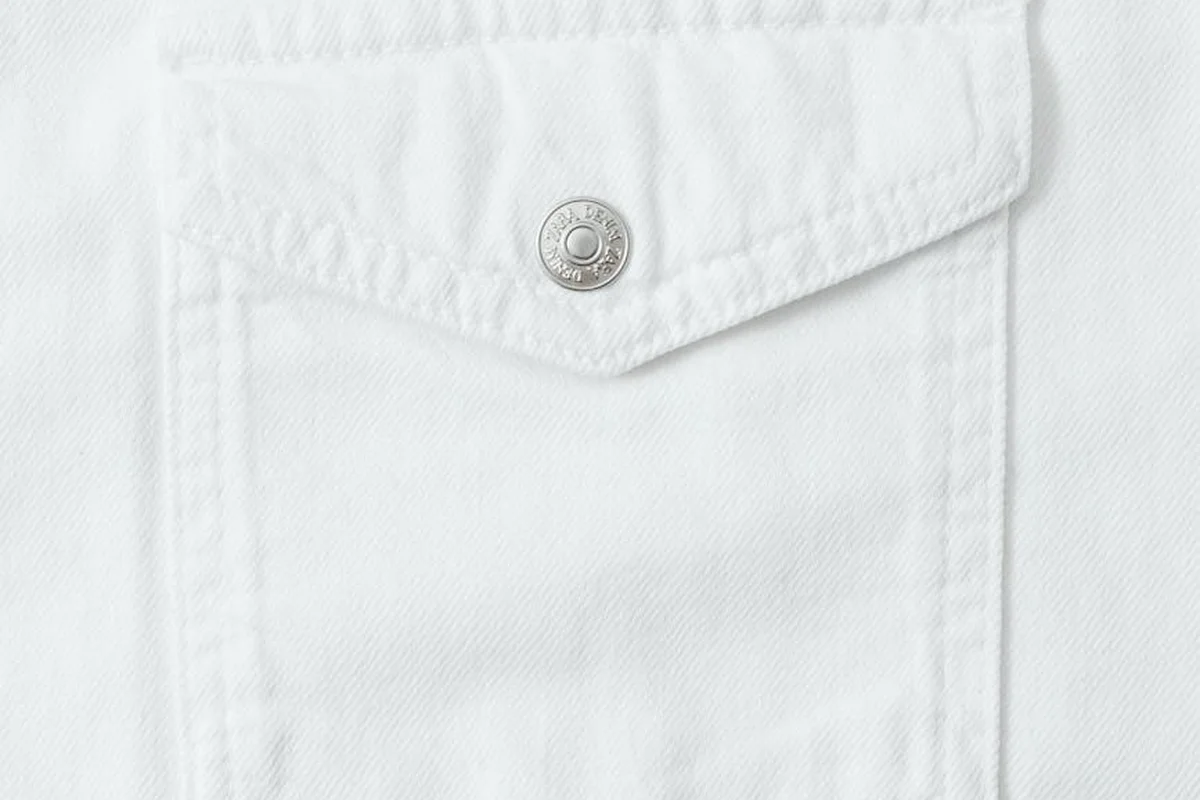
- Denim: A durable twill weave (you see the diagonal lines). Designed to be rugged, it fades with wear and often benefits from cold, infrequent washes.
- Flannel: Brushed to create a fuzzy, insulating surface. It releases lint in the dryer and gets softer over time.
Knowing your weave helps you predict how the fabric will behave in your laundry room and on your body. Beyond these basics, specialized cotton fabrics have unique properties that tailor their use. Understanding these properties helps you choose the right fabric for a project and anticipate care.
What Makes Conventional Cotton Problematic?

Let’s start with a simple fact: the fluffy white boll that becomes your favorite t-shirt requires a tremendous amount of resources to grow. Conventional cotton production is the starting point for most fabric, and it sets the stage for its environmental footprint.
Intensive Water and Chemical Use
Cotton is famously thirsty. Growing enough conventional cotton for just one t-shirt can require over 2,700 liters of water. That’s like filling a bathtub nearly 30 times. This high water demand often leads to irrigation in arid regions, depleting local freshwater sources.
The issue is compounded by the heavy use of synthetic pesticides and herbicides, which can run off fields and pollute waterways, harming ecosystems far beyond the farm. I’ve seen water samples from textile regions where the chemical runoff has created dead zones for aquatic life. The soil suffers too, becoming depleted and reliant on more chemicals in a damaging cycle.
Energy and Pollution in Processing
After harvesting, the raw cotton undergoes ginning, spinning, weaving, and finishing. These industrial steps are energy-intensive, contributing to a high carbon footprint. The real pollution culprit, however, is often dyeing and finishing.
Vast amounts of water are used to apply dyes and chemical finishes like wrinkle-resistance. This wastewater, if not properly treated, releases heavy metals, toxic chemicals, and salt into rivers. When you care for a vividly dyed garment, you’re interacting with the end result of this process; how you wash it directly affects how long that color lasts before it fades and enters your home’s wastewater stream. Washing in cold water with a gentle detergent is one of the best ways to preserve these dyes.
Social and Ethical Considerations
Beyond environmental metrics, the well-being of people in the supply chain matters. Conventional cotton farming can involve hazardous working conditions due to pesticide exposure and complex issues concerning fair wages and labor rights. Looking for certifications is one way to seek better guarantees for the people who make our cloth.
This isn’t about labeling all cotton as “bad.” Conventional cotton is the baseline, the standard system that has clothed the world for decades. Understanding these impacts is the first step toward choosing more responsible options and caring for the cotton goods we already own in a way that honors the resources they embody.
Paths to Better Cotton: Organic, Recycled, and Certified
Thankfully, the story doesn’t end with conventional practices. Several pathways lead to cotton fabric with a lighter touch on the planet. For makers and shoppers asking “is cotton sustainable fabric for clothes,” these alternatives provide a clearer yes.
Organic Cotton
Certified organic cotton is grown from non-GMO seeds without synthetic pesticides or fertilizers. Farmers rely on crop rotation, natural predators, and compost to maintain soil health. This system typically uses less water, as healthier, more organic-rich soil acts like a sponge, holding moisture better.
From a wearer’s perspective, organic cotton often has a wonderfully soft, crisp hand from the very first wash, as the fibers aren’t weakened by harsh chemicals during growth. It behaves like any other cotton when you sew or wash it-expect similar shrinkage rates (typically 3-5% on a warm wash) and care needs.
Recycled Cotton
This category turns pre-consumer fabric scraps or post-consumer garments back into new yarn. It dramatically reduces water use and diverts waste from landfills. There’s a key textile science point here: the recycling process shortens the cotton fibers.
Because the fibers are shorter, recycled cotton yarns are often blended with a small percentage of virgin cotton or a synthetic like polyester for strength. Fabrics made from it can be slightly less durable and more prone to pilling than virgin cotton. I love using it for projects like quilting, light tops, or tote bags where supreme longevity is less critical than the resource savings, especially when compared to other cotton fabric varieties.
Understanding Certifications
Labels can be confusing. Here’s what two major ones actually guarantee when you’re sourcing sustainable cotton fabric by the yard:
- GOTS (Global Organic Textile Standard): This is the gold standard. It certifies the organic status from harvest through environmentally and socially responsible manufacturing. A GOTS label on fabric means it’s at least 95% certified organic fibers and was processed under strict guidelines for chemical inputs, water treatment, and labor rights.
- BCI (Better Cotton Initiative): BCI focuses on improving conventional cotton farming, not organic certification. It trains farmers to use water more efficiently, care for soil health, and reduce harmful chemicals. It’s a step in the right direction, making mainstream cotton better.
Choosing GOTS-certified organic or high-content recycled cotton directly addresses the water, chemical, and waste issues of conventional production, making your fabric choice a more sustainable one. Availability of these specialty cottons does vary; in regions like the UK, EU, and Australia, demand is high and supply chains are robust, while sourcing specific weights or weaves might require more hunting elsewhere.
For your daily care, these cottons benefit from the same gentle treatment: wash in cool water, avoid harsh bleaches, and line dry when possible to conserve energy and extend the life of the fibers, no matter their origin story.
Your Cotton Care Protocol: Washing, Drying, and Ironing
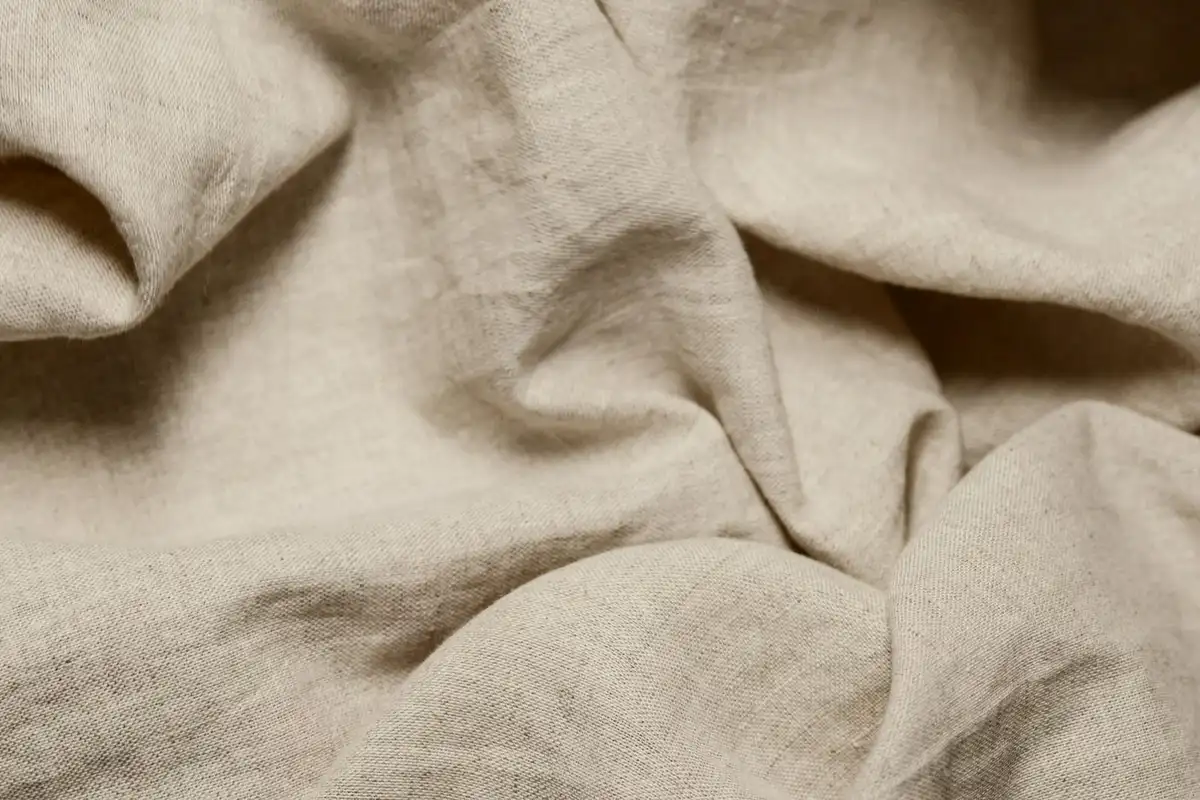
Step-by-Step: Washing to Prevent Shrinkage and Damage
Treating cotton right starts in the wash. I follow these steps in my own laundry to keep items fitting well and looking new.
- Check the label, but plan for shrinkage. Always read the care tag first. Even with that advice, assume any 100% cotton knit or woven can shrink between 3% to 10% on its first few washes. I pre-wash fabric for sewing projects for this exact reason.
- Use cool water and a mild detergent. Set your machine to a cold or lukewarm cycle. Keep the water temperature at 30°C (86°F) or lower. Hot water is the primary driver of shrinkage. A liquid, mild detergent is gentler on fibers and dyes than harsh powders.
- Choose a gentle cycle and don’t overload. Select the delicate or gentle wash setting. This reduces mechanical agitation. An overloaded drum creates more friction, which can weaken fibers, cause pilling, and contribute to shrinkage and distortion.
- Manage dyes with a simple test. For new, brightly colored items, test for colorfastness. Dampen a hidden seam, press with a white cloth, and see if dye transfers. Wash similar colors together, especially for the first few washes.
Here’s the simple science. Cotton fibers are like tiny, hollow spirals. Heat and agitation cause the hydrogen bonds within the cellulose to break and re-form. The fibers contract and then relax permanently into a shorter, shrunken state. Once this happens, you can’t stretch them back.
Drying, Ironing, and Storage for Longevity
How you dry and store cotton is just as critical as how you wash it.
Air-drying is the absolute best method for preserving size and fiber strength. Lay items flat on a rack or hang them on a line. This prevents the high heat and tumbling of a dryer, which further stresses and shrinks fibers. Flat drying also helps heavy items like sweaters keep their shape.
If you must use a dryer, select the lowest heat setting or an air-only cycle. Remove items while they are still slightly damp to the touch. This minimizes final shrinkage and makes ironing much easier. You can then finish by laying them flat or hanging to air dry completely.
Cotton irons beautifully. Use a high heat setting and employ the steam function to tackle stubborn wrinkles. For delicate prints or dark colors that might develop a shine, place a thin press cloth (like a muslin cotton handkerchief) between the iron and the fabric. Keep the iron moving to prevent scorching, as cotton can brown under sustained, direct high heat.
Always store cotton clean and completely dry. Cotton is a natural, cellulose fiber, which makes it a favorite food for mildew in damp conditions. A cool, dry closet or drawer is ideal.
Cotton vs. Other Fabrics: A Sustainability and Care Comparison
Cotton vs. Linen: The Plant-Based Rivals
People often ask me how linen is sustainable compared to cotton. Both come from plants, but their profiles differ. For summer textiles, linen vs cotton matters for comfort. Linen breathability keeps you cool, while cotton offers softness and versatility.
Linen, made from flax, typically requires less water and fewer pesticides than conventional cotton to grow. It’s also incredibly durable, often becoming softer and stronger with each wash. Linen generally has a lower environmental footprint in cultivation, but it can be more energy-intensive to weave and finish. Across centuries, flax cultivation and linen production shaped textile economies. Tracing this history reveals how flax farming birthed the modern linen industry.
Their care is similar. Both can shrink and benefit from cool, gentle washing. The main difference you’ll feel is that linen wrinkles far more easily than cotton. That crisp, rumpled look is part of its character. Ironing linen is easier when it’s still very damp.
Cotton vs. Polyester: Natural vs. Synthetic
This is a fundamental comparison between a natural fiber and a synthetic one.
- Water Use: Cotton (high), Polyester (low).
- Biodegradability: Cotton (yes, it will decompose), Polyester (no, it’s plastic and sheds microfibers).
- Typical Care: Cotton (can shrink with heat), Polyester (can melt under a hot iron, holds odors).
Cotton-polyester blends are very common. They aim to marry cotton’s breathability with polyester’s wrinkle resistance and strength. Care for a blend is a compromise-use cooler wash and dry temperatures to protect the polyester while managing the cotton’s shrinkage. The polyester component also slows down the biodegradation of the entire fabric. These quality benefits—comfort, durability, and easy care—are what make cotton blend fabrics popular. They also help explain the versatility of blends across clothing and home textiles.
Cotton vs. Wool and Silk
Compared to animal fibers, cotton is less elastic and insulating than wool, and less lustrous and delicate than silk. Wool excels at temperature regulation and silk has a unique, sleek hand.
Care diverges significantly. Wool requires cold water and minimal agitation to avoid felting (where fibers permanently mat together). Silk needs lukewarm water and a pH-neutral soap to preserve its protein structure. Cotton, by contrast, is far more forgiving and wash-and-wear, tolerating a wider range of soaps and more robust handling.
For those seeking alternatives to animal fibers, plant-based cotton can often fill a similar role. A heavy, brushed cotton flannel can provide warmth like a light wool, and high-quality cotton sateen offers a smooth, luminous feel for blouses or linings. Understanding how flannel cotton compares to wool can help you weigh warmth, weight, and care in your choice. Cotton flannel tends to be breathable and easy to wash, while wool offers greater warmth and classic durability. Choosing cotton or other plant fibers is a straightforward way to make an animal-friendly fabric choice.
Making Sustainable Choices: A Practical Toolkit
Let’s move from the big picture to your closet. Here’s how to put this knowledge into practice every day.
How to Shop with Intention
When you’re looking for new cotton items, your most powerful tool is the information on the label.
Prioritize certified organic cotton, especially with the Global Organic Textile Standard (GOTS) label. This is your best single signal. GOTS certifies the organic farming and also regulates the low-impact processing, dyes, and fair labor conditions. Other certifications like OCS 100 (Organic Content Standard) are a good start but only track the fiber, not the entire production process.
Look for items made from recycled cotton. This fabric gives pre-consumer waste (like mill scraps) or post-consumer textiles a second life, reducing the need for new water and land. Be aware that recycled cotton fibers are shorter, so they are often blended with a portion of new, longer fibers for strength.
Don’t be shy to ask questions. Email a brand or ask in a store: “Can you tell me where your cotton is sourced from?” or “Do you have a preferred supplier that uses regenerative practices?” Brands committed to sustainability will have this information ready.
How to Care for Longevity
How you wash and dry your cotton has a massive impact on its lifespan and your environmental footprint. The most sustainable garment is the one you already own.
Wash in cool or cold water-I rarely wash cotton above 30°C (86°F). This saves significant energy and is gentler on the fibers, minimizing shrinkage and color fade. For most everyday soil, a cold wash with a good detergent is perfectly effective.
Air dry whenever possible. Tumble dryers are incredibly harsh and energy-intensive. They cause abrasion (leading to pilling) and extreme heat stress, which weakens fibers over time. Hang drying preserves the fabric’s strength and shape. If you must use a dryer, choose the lowest heat setting.
Learn basic mending. A small hole in a beloved t-shirt isn’t the end. A simple stitch, a cute patch, or even visible mending (sashiko) can extend a garment’s life for years. This single act keeps textiles out of landfill longer than almost any other choice you can make.
Addressing End-of-Life
So, what happens when your cotton item is truly worn out?
Undyed, natural cotton fabric can be composted in a home compost system, breaking down into soil in a matter of months. It needs oxygen, moisture, and microbes. Avoid composting anything with synthetic dyes, prints, or blended fibers (like poly-cotton), as these can leave chemical residues or plastic fragments.
For dyed or finished 100% cotton, industrial composting is better, but access is limited. Textile-to-textile recycling for cotton is still emerging. While mechanical recycling exists (shredding fabric back to fiber), the supply chain is fragmented. Your best end-of-life action is usually to repurpose the fabric as cleaning rags or craft material first.
For items that are still wearable, donation is ideal. Just ensure they are clean and mended. For unsalvageable 100% cotton, some brands and municipalities offer take-back programs-check locally.
For Makers and Sewists
If you’re searching for “sustainable cotton fabric wholesale,” your approach is key. I source fabric for my own projects this way. When you’re ready to buy source cotton fabric, you’ll want options that align with your values and budget.
Focus your search on suppliers who are transparent about their mill partners and offer GOTS-certified or Oeko-Tex Standard 100 fabrics. Buying wholesale often means a larger minimum order, so invest in quality over quantity. A few meters of a beautiful, durable, certified organic poplin will yield garments you cherish for a decade, unlike a cheap bolt that pills and fades quickly.
Connect with smaller, specialty suppliers who often have direct relationships with mills practicing better water management. Ask for swatches to test the hand and weight before committing to a large purchase.
Making a difference doesn’t require perfection. Every informed choice-a certified organic tee, a cold wash, a mended seam-adds up. You have more power in your laundry room and at your sewing machine than you might think.
Sustainable Care for Your Cotton Fabrics
The most impactful way to boost cotton’s eco-credentials is to care for the cotton you already have. I always wash my cotton in cold water and line-dry it; this simple routine drastically cuts energy use and helps the fabric last for years.
Apply this principle of longevity to every fabric in your closet, whether you’re managing wool’s shrinkage, silk’s dye sensitivity, or polyester’s oil-based stains. Your ongoing curiosity about how fibers behave during washing, dyeing, and wear is what builds a truly responsible and effective approach to textiles.
Expert Resources and Citations
- Category: Eco-Friendly
- Sustainability – Cotton | The Fabric of Our Lives
- How Sustainable Are Cotton Fabrics? A Life-Cycle Analysis | Impactful Ninja
- Sustainable Fabrics, Ranked | Green America
- Material Guide: How Sustainable Is Cotton? – Good On You
Florian is a high fashion blog writer, fashion and fabric expert and a keen expert in fabric, clothing and materials. She has worked in large textile and fashion houses for over 10+ years, engineering and working with various fabric types and blends. She is an expert when it comes to questions on any and all kinds of fabrics like linen, cotton, silk, jute and many more. She has also traveled around the world studying traditional fabrics and aims to bring them into the modern fashion use.