
What Makes Fabric Stretch?
You love the comfort of stretchy clothes, but the labels can be confusing. As a textile scientist, I test these fabrics in my lab to cut through the jargon and give you clear facts.
In this guide, we will cover the two core types of stretch, how fiber content changes performance, and the essential care steps to keep your clothes fitting perfectly.
Executive Summary: Your Quick Guide to Stretch
Stretch fabrics are about freedom. You feel it in clothes that bend with your knees, expand with a deep breath, and never pinch. I choose them for projects where movement is non-negotiable.
That stretch comes from one of two places. First, mechanical stretch: the fabric’s own knitted structure creates give, like in a stretch jersey t-shirt. Second, fiber-added stretch: elastic threads like elastane are blended into woven cloth, such as stretch denim. Knowing which type you have is the first step to caring for it properly. For rayon viscose fabric stretch care, gentle washing and air drying help preserve elasticity and drape. Proper care keeps the fabric comfortable and looking new longer.
When you handle stretch fabric, you’re judging four key properties:
- Comfort: How it feels against your skin-soft, sleek, or springy.
- Fit: Its ability to contour to your body without gaping or pulling.
- Recovery: How completely it returns to its original shape after stretching.
- Durability: How well it resists pilling, sagging, or fiber breakdown over time.
The biggest win is obvious: unparalleled ease of movement. The trade-off often involves the elastane. Elastane fibers are sensitive to high heat and chlorine, which can degrade them and ruin the fabric’s recovery.
You’ll find engineered stretch in nearly every category now. It’s in everyday jeans and chinos, form-fitting dresses, supportive swimwear, and high-performance activewear that needs to wick sweat and move dynamically.
What Is a Stretch Fabric, Really?
At its core, a stretch fabric is any cloth engineered to extend and then return to its original shape. It’s not magic, it’s physics and fiber science. The stretch properties of synthetic woven fabrics are especially evident. By embedding elastane into the weave, manufacturers tune how far they can stretch and how quickly they spring back.
The fundamental divide is between knits and wovens. A knit fabric, like jersey or ribbing, stretches because of its looped structure. Pull on it, and the loops widen, then spring back. A woven fabric, like sateen or canvas, has a stable grid of threads. On its own, it has very little give. To make it stretch, we add elastic fibers like elastane (also called spandex or Lycra) into the weave or as a core for other yarns. The same questions apply to nonwoven textiles, where bonding and orientation influence stretch. Comparing knit, woven, and nonwoven stretch helps designers pick the right structure for performance, comfort, and durability.
Think of your hand-knit sock. It stretches over your heel because of how it’s made. Now, think of a traditional pair of jeans. To make them stretch, we weave in thin, rubbery elastane threads alongside the cotton, like stitching tiny rubber bands into the fabric. That’s the key visual: knit stretch is in the architecture, while woven stretch comes from an added component.
You’ll see these terms on bolt ends or clothing tags. A slight stretch fabric might give 10-15%, just enough for comfort in a tailored jacket. A medium stretch fabric offers 25-50% give, common in many leggings and jerseys. Recovery is the critical follow-up. It answers the question: after I stretch it, does it go back? I test this by gently pulling a swatch widthwise, holding for a few seconds, and seeing if it snaps back neatly or stays baggy.
The Two Families of Stretch: Mechanical vs. Elastane-Added
Mechanical Stretch Fabric (The Power of Knitting)
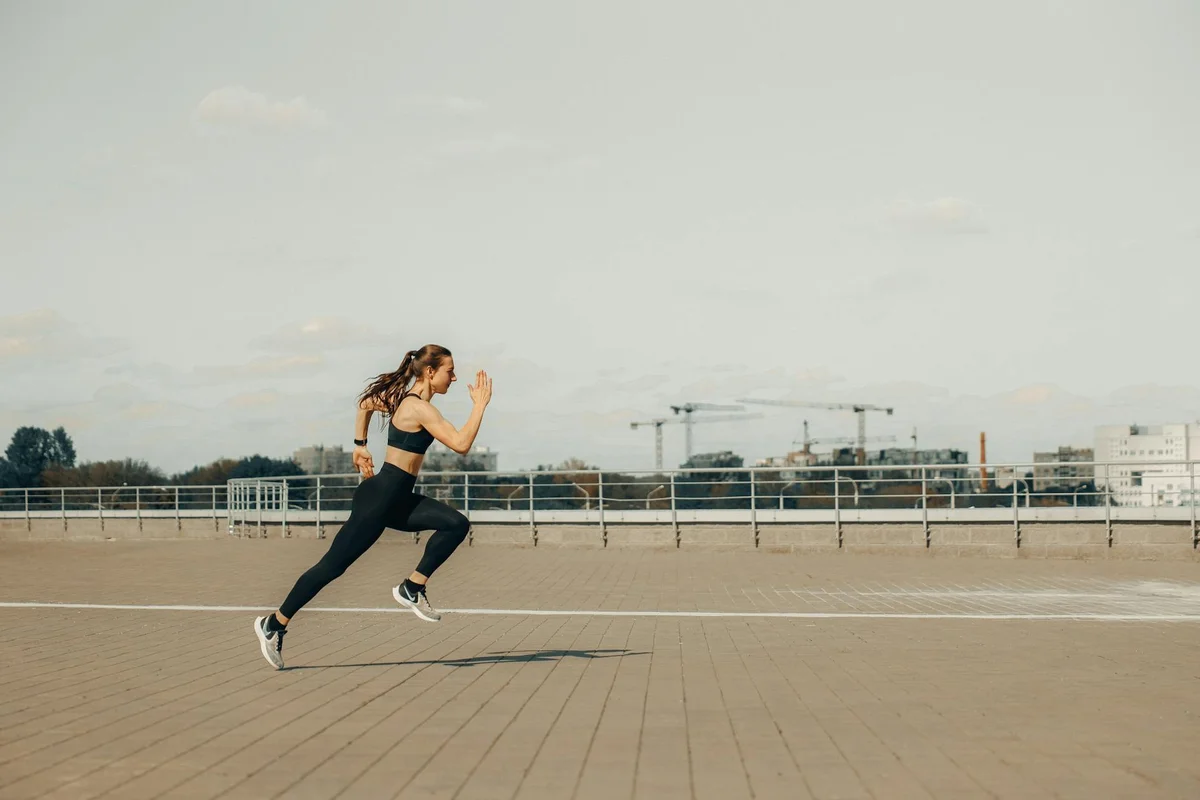
Mechanical stretch comes entirely from the fabric’s structure. Picture a series of interlocking loops, like the stitches in a sweater. This knit construction allows the loops to expand and contract. Jersey knit is the perfect example, where the loops act like tiny springs, giving the fabric its inherent give without any added synthetic fibers. I often tell my students to think of it like a flexible net-it moves because of how it’s built. When we compare Jersey vs interlock knit, we see different patterns of stretch due to stitch arrangement. Interlock typically offers a smoother, more uniform stretch and better stability.
The hand-feel is distinctively comfortable. It’s springy to the touch, softly forgiving, and has a cozy, breathable quality. You get that lived-in t-shirt feel right away.
Caring for mechanical knits is generally forgiving. These fabrics are often more resistant to heat damage from washers and dryers compared to elastane blends, but they have a different weakness: they can permanently sag or lose shape if overstretched when wet. I always wash my knit cottons in cool or warm water and lay them flat to dry. Avoid hanging heavy, wet knits, as the weight can pull them out of shape.
Elastane-Added Stretch (The Chemical Helper)
Elastane is a synthetic rubber fiber, also known as Spandex or Lycra. It’s the secret ingredient that makes rigid woven fabrics move. Manufacturers add tiny amounts, typically 2% to 10%, by wrapping it around cores of cotton, polyester, or other fibers during spinning. This core-spun yarn gives woven fabrics a memory to snap back.
Let’s clear up a common label confusion. “Lycra” is just a brand name for elastane, like “Kleenex” for tissues. There is no functional difference between Lycra, Spandex, or generic elastane-they all refer to the same synthetic rubber fiber. Don’t pay a premium for the branded term.
Elastane has one critical vulnerability. This fiber is highly sensitive to high heat and chlorine bleach, which break down its molecular chains and permanently destroy the stretch. I recommend always washing elastane blends in cold water, using a gentle detergent, and air-drying. Never use chlorine bleach on these fabrics.
Direction Matters: Two-Way vs. Four-Way Stretch Fabric
Stretch direction is just as important as the amount of give. Two-way stretch fabric moves primarily in one direction, usually crosswise (from side to side). You find this in many jersey knits and in stretch denim. It provides comfort for activities like sitting or bending.
Four-way stretch fabric moves in both the width and the length. This bi-directional stretch allows for maximum mobility and is designed for compression and full range of motion. It’s the standard for high-performance athletic wear, dance costumes, and foundation garments.
Choosing the right type depends on the garment’s purpose. Use two-way stretch for relaxed-fit tees or jeans where you need horizontal give. Reserve four-way stretch for projects like leggings, swimwear, or tops that need to move and recover in every direction you do.
A Closer Look at Common Stretch Fabrics
Stretch Jersey Fabric
Stretch jersey is the workhorse of comfortable clothing. It has a fluid drape and that classic, soft t-shirt hand. It can be a pure mechanical knit, like cotton jersey, or it may include a small percentage of elastane (often called “stretch jersey”) for better recovery and shape retention. I use it constantly for everyday tees, simple dresses, and lightweight loungewear.
From a making perspective, be aware that the cut edges of jersey knit tend to curl inward toward the right side of the fabric. To manage this when sewing, use a rotary cutter for clean cuts and finish seams with a serger or a zigzag stitch.
Stretch Woven Fabrics (Cotton, Sateen, Denim)
Stretch woven fabrics transform traditional materials by adding a small amount of elastane. Stretch cotton fabric is usually a plain or twill weave cotton blended with 1% to 3% elastane. This minor addition eliminates the rigidity of traditional woven cotton, making it ideal for fitted shirts, tailored shorts, and comfortable pants. These fabrics are often compared to stretch cotton-wool blends which offer a different texture and warmth.
Stretch sateen fabric offers a more luxurious feel. It combines the smooth, silky hand of a sateen weave with the subtle give of elastane, creating a fabric that is perfect for elegant, fitted blouses and skirts that require both structure and ease. It drapes beautifully and resists wrinkling better than plain stretch cotton.
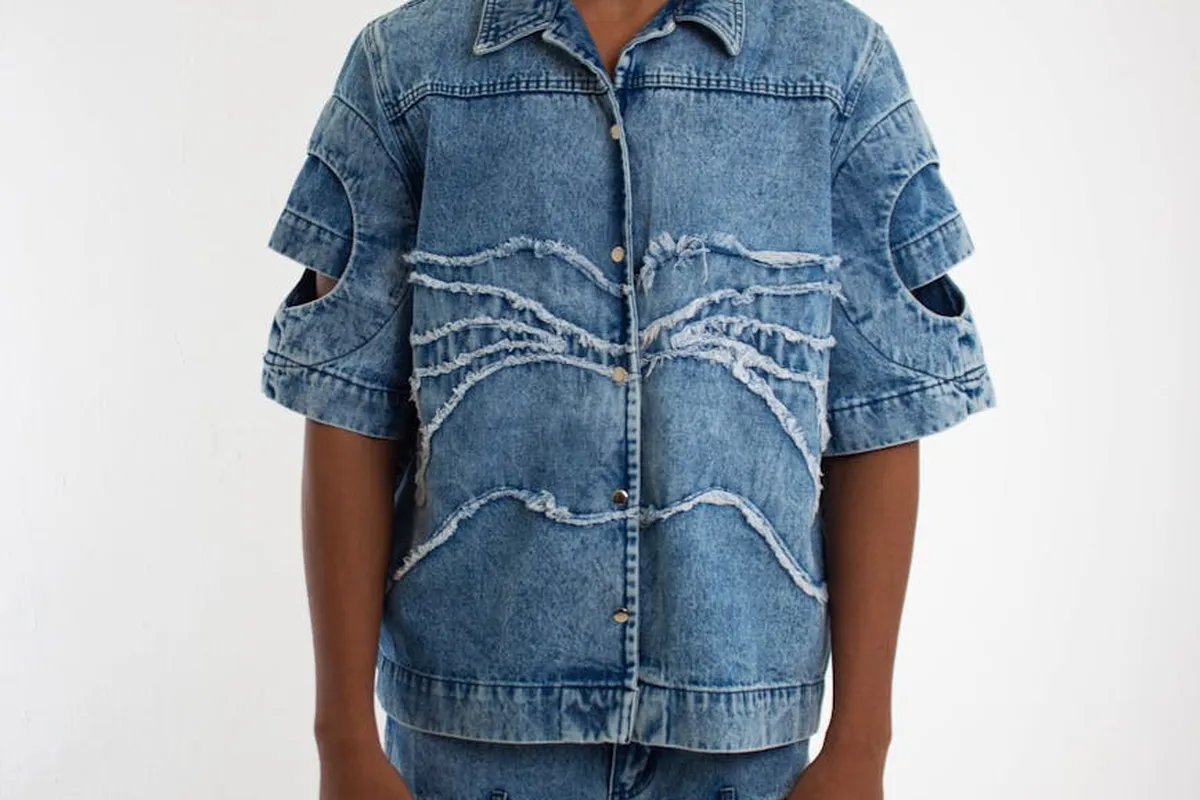
Stretch denim is now the norm for jeans. The elastane content, usually between 1% and 5%, provides the comfort we expect. A higher elastane content gives more immediate stretch but can lead to slower recovery over time, meaning jeans may bag out at the knees or waist with repeated wear. To prolong their life, wash stretch denim inside out in cold water and air dry whenever possible.
Other notable stretch wovens include delicate stretch chiffon for flowing evening wear and stretch wool for sophisticated, comfortable suiting that moves with the body. The care for these follows the same elastane rules: gentle, cold washes and no heat drying.
Material Data Table: Stretch Fabric Properties at a Glance
This table gives you a snapshot of how common stretch fabrics behave. I find a quick reference like this helps you predict how a new garment will feel, wear, and wash.
| Fabric Type | Primary Fibers | Breathability | Typical Shrinkage Rate | Heat Tolerance | Stretch Factor |
|---|---|---|---|---|---|
| Cotton Jersey (Mechanical) | 100% Cotton | High | 5-8% | Medium-High | Slight (2-way) |
| Cotton Poplin with Elastane | Cotton, Elastane (2-5%) | High | 3-5% | Low-Medium | Slight (2-way) |
| Stretch Denim | Cotton, Elastane/Lycra (1-3%) | Medium | 2-4% | Low | Medium (2-way) |
| Polyester Performance Knit | Polyester, Elastane (10-20%) | Low | 1-2% | Low | High (4-way) |
| Stretch Silk Charmeuse | Silk, Elastane (3-8%) | Medium-High | 2-4% | Very Low | Medium (2-way) |
The Science of Stretch: Understanding Key Properties
Let’s get tactile. You might wonder why some leggings feel like a second skin all day while other pants bag at the knees after one wear. It comes down to a few key properties you can feel and test.
Stretch and Recovery: The Bounce-Back Test
Recovery is the magic word. It’s the fabric’s ability to return to its original shape after being stretched. Good recovery is the single biggest factor that prevents your clothes from looking tired and baggy. Think of a fresh rubber band versus a brittle, old one. The fresh one snaps back; the old one just sits there, stretched out.
You can test this at home. Find an inner seam or hem. Gently stretch it widthwise, hold for ten seconds, and let go. Watch closely. Does it snap back immediately to its original position, or does it linger, looking wider? That lingering is poor recovery. High-quality elastane and a tight knit or weave structure are what give you that satisfying snap-back.
Shrinkage Behavior: Why It Happens
Shrinkage in stretch fabrics usually comes from one of two places: the base fiber relaxing or the elastane getting damaged. A 100% cotton jersey shrinks because the cotton fibers themselves swell and contract. It’s like a sponge tightening up. A fabric with elastane, however, faces a different risk. High heat from a dryer or iron can melt or degrade the elastane filaments, causing permanent, puckered shrinkage that no amount of stretching will fix. That’s why the heat tolerance for blended fabrics is often “Low.”
I often see this trade-off: a pure cotton knit might shrink more on the first wash, but a cotton-elastane blend can be ruined for good with one hot dryer cycle. To help prevent shrinkage, pre-wash fabrics before use. Pre-washing can relax fibers and remove finishes that cause shrinkage.
Durability and Pilling
Abrasion resistance is mostly about the fabric structure. A tightly woven poplin or dense knit will withstand friction far better than a loose, fluffy knit. No fabric is completely pill-proof in high-friction zones like inner thighs, underarms, or where a backpack rubs. Pilling happens when short fibers work loose from the yarn and tangle into little balls on the surface.
Polyester and nylon blends are often more abrasion-resistant than natural fibers, but when they do pill, the pills can be tougher and more noticeable. For everyday durability, I look at the fabric’s hand-if it feels dense and smooth, it will likely wear longer than something airy and soft.
Breathability and Moisture
This is a common point of confusion. The stretch component itself doesn’t block air. Breathability is almost entirely determined by the base fiber the stretch is blended with. Stretch cotton and stretch silk wick moisture and allow vapor to pass through. Stretch polyester does not; it’s a hydrophobic fiber, so it will trap heat and sweat against your skin, even if it stretches in four directions.
If you want a breezy, comfortable stretch for a summer dress, look to natural fiber blends. If you need a slick, sweat-wicking layer for a workout, a synthetic performance knit is designed for that job.
Step-by-Step Care & Handling Protocol

Think of elastane as the spring inside your fabric. My lab-tested method keeps that spring bouncy for years. It’s all about gentle handling and avoiding heat stress.
Washing: The Gentle Cycle Rule
Hot water is an elastane enemy. I always recommend cool to lukewarm water, under 30°C (86°F). This temperature protects the synthetic fibers that give stretch its recovery.
Your detergent choice matters. Use a mild, liquid formula. Powdered detergents can leave a gritty residue that grinds between fibers during wear. Fabric softeners coat fibers, which can make them slick and reduce their ability to grip and rebound.
Turn your garment inside out before washing; this protects the outer surface from pilling and friction.
Chlorine bleach is a hard no. It weakens and yellows elastane. For whites, look for a hydrogen peroxide-based bleach alternative.
Drying: Air is Always Best
Lay your garment flat to dry on a towel or rack. This is the gold standard. It prevents gravity from pulling and distorting the shape, especially on heavy knits or fitted items.
Need to use the dryer? Select the lowest heat setting possible-“No Heat” or “Air Fluff” are your only safe options. Always remove the item while it is still slightly damp to finish air drying flat.
High heat is the fastest way to melt, degrade, or permanently over-stretch elastane fibers, killing their recovery for good.
Ironing and Heat
If you must iron, set your iron to the temperature for the base fabric. For stretch cotton, use a cotton setting. For stretch silk, use the silk setting. Always err on the side of cooler.
Place a thin press cloth between the iron and the fabric. Never hold the iron in one spot. Steam can be risky, as the direct heat and moisture can relax elastane unevenly. I never steam directly onto elastane-heavy fabrics like swimwear or activewear, especially when compared to delicate natural fibers such as silk or linen.
Troubleshooting Common Stretch Fabric Problems
How to Prevent (and Fix) Stretched-Out Fabrics
A stretched-out neckline or saggy knees happens. The main causes are over-agitation in the washer, hanging a heavy knit to dry, or exposure to high heat in the dryer.
Prevention is straightforward: wash on gentle and always dry flat. For a knit that has already stretched, such as rib-knit cuffs, you can try blocking. While the garment is damp, gently massage it back to its original shape and dimensions on a flat surface. Let it dry completely.
Remember, fiber recovery has limits; if the elastane is heat-damaged or mechanically fatigued, it may not spring back fully.
Managing Shrinkage
Shrinkage in stretch fabrics usually comes from the natural fiber in the blend, like cotton or wool, tightening up. Once it happens, it’s very hard to reverse reliably.
Your best strategy is prevention. Stick to cool washes and air drying. Some people try to re-stretch a shrunk garment while wet, but this often stresses the seams and fibers, leading to a temporary fix at best.
Dyeing Stretch Fabrics: A Word of Caution
Dyeing a cotton-spandex blend at home is tricky. Most household dyes, like fiber-reactive dyes for cotton, will color the cotton but leave the elastane white or lightly stained.
This can result in a faded or heathery look. The bigger risk is the dye process itself. It requires sustained hot water and agitation, which can degrade the elastane, reducing its stretch and recovery.
For a valuable stretch garment, I recommend professional dyeing where they can use specialized dyes and controlled conditions. For a simple project, be prepared for a potential change in both color and hand-feel. While dyeing specialty fabrics at home might seem tempting, it often lacks the precision required for stretch materials.
Closing Notes on Fabric Performance
The most reliable advice I can give you is to always identify the base fiber first. Your stretch fabric’s behavior with heat, moisture, and wear depends far more on whether it’s cotton-spandex or polyester-spandex than on the elastane alone. Treat that primary fabric correctly, and you’ll preserve the stretch for the long term.
Caring for your clothes well is a quiet act of environmental responsibility, reducing waste through longer garment life. I encourage you to keep that curiosity alive-each care label is a small lesson in the practical science of the textiles you live in every day.
Deep Dive: Further Reading
- The Why and How of Stretch Fabrics – Refiber Designs
- What does Mechanical Stretch mean? – My Textile Fabric
- What is Mechanical Stretch Fabric and Why Use It
- Mechanical Stretch Fabrics: Flexibility Without Elastic Fibers – Definition & Explanation @ TextileGlossary.com
- Unraveling the Differences: Stretch Spandex Fabric vs. Mechanical Stretch Fabric
Florian Ventura
Florian is a high fashion blog writer, fashion and fabric expert and a keen expert in fabric, clothing and materials. She has worked in large textile and fashion houses for over 10+ years, engineering and working with various fabric types and blends. She is an expert when it comes to questions on any and all kinds of fabrics like linen, cotton, silk, jute and many more. She has also traveled around the world studying traditional fabrics and aims to bring them into the modern fashion use.