
Are Synthetic Fabrics Actually More Cost-Effective Than Natural Fibers?
You see a lower price tag and think you’re getting a deal, but the true cost of a fabric is measured over years, not at the checkout. I’ve tested hundreds of swatches to see which fibers really save you money long after you bring them home.
We will look beyond the initial price to compare real-world value, covering durability and pilling, care and shrinkage, dye longevity, and the environmental costs that eventually factor into your wallet.
Executive Summary: The Quick Cost Tally
Let’s cut straight to the chase. When you’re standing in a store, the price tag tells the first part of the story.
Synthetic fabrics like polyester and nylon almost always win on upfront price. They are less expensive to produce in bulk. They also win on pure durability-a polyester shell resists tears, moths, and mildew in ways a cotton tee can’t.
Natural fibers like cotton, wool, and silk often win on long-term comfort, breathability, and how they feel against your skin. Their real financial advantage, however, often shows up at the end of a garment’s life, as they decompose more readily than synthetic plastics.
This creates the core tension for any smart shopper or maker. The cheapest fabric to buy isn’t always the cheapest to own. A $5 polyester shirt that pills and smells funky after ten wears is more expensive per use than a $25 cotton shirt worn a hundred times.
That’s why we use “cost per wear” as our guiding metric. It’s the total price divided by how many times you actually wear and enjoy the item. Let’s break down the numbers behind that calculation.
Material Data Table: Fiber Financials at a Glance
Use this table as your cheat sheet. It shows why each fiber behaves the way it does, which directly impacts its long-term value and care costs.
| Fiber | Breathability | Typical Shrinkage Rate | Heat Tolerance (Iron Temp) | Stretch & Recovery | Initial Cost Trend |
|---|---|---|---|---|---|
| Polyester | Low | Very Low (<3%) | Medium-Low (148°C/300°F) | Good recovery if blended with elastane. Can stretch out permanently. | Low |
| Nylon | Low | Very Low (<3%) | Low (135°C/275°F) | Excellent recovery, very resilient. | Low to Medium |
| Cotton | High | High (5-10% on first wash) | High (204°C/400°F) | Low inherent stretch. Woven cotton has little give. | Medium |
| Wool | High (when loosely woven) | Very High if agitated (Felts up to 50%) | Medium with steam (148°C/300°F) | Excellent natural elasticity and memory. | High |
Here’s what this data means for your wallet. Polyester’s low shrinkage and high heat tolerance seem like a win for easy care. But that low breathability can make it uncomfortable, reducing how often you choose to wear it. Cotton’s high shrinkage rate is a major hidden cost, requiring pre-washing for sewing or buying a size up.
Wool’s high initial cost and felting risk demand a significant investment in gentle care (like hand-washing). For wool-polyester blends, gentle machine cycles with low heat can minimize felting. These blends can offer easier care without sacrificing performance. Yet, wool’s natural stretch and temperature regulation can make it a versatile, long-lasting workhorse in your wardrobe.
To test fiber content at home, try the burn test in a safe, ventilated area. Synthetic fibers like polyester melt and bead, smelling like chemicals. Natural fibers like cotton burn to a soft ash with a paper-like smell. This knowledge helps you verify what you’re really paying for.
The First Price Tag: What You Pay at the Register

What are the initial purchase costs? Let’s talk real numbers from the fabric store and the clothing rack. For a basic, mid-weight fabric, you might see polyester or nylon for $6 to $10 per yard. A comparable cotton often starts at $8 and can easily reach $15 or more for a good quality, dense weave. It’s important to buy quality cotton fabric to ensure durability, especially if you’re making garments that will see a lot of wear.
This price gap translates directly to finished garments. A simple polyester blouse can retail for $20, while a similar style in 100% cotton might be $35 to $50. The core reason is in how the fibers are born. Synthetic fibers come from a chemical factory process with petrochemical feedstocks; it’s a controlled, year-round production line. Natural fibers like cotton depend on an entire agricultural cycle-planting, water, land, harvesting-and commodities markets that fluctuate with weather and yield.
Blends, like a 50/50 cotton-polyester t-shirt, usually sit right in the middle, price-wise. Why? You’re getting a mix of the cheaper synthetic base with a percentage of the more expensive natural fiber. The manufacturer balances the desired feel and breathability of cotton with the cost-saving and wrinkle-resistance of polyester, landing on a compromise price point that feels accessible to most shoppers.
When Fabric Meets Friction: Testing Durability and Lifespan
What is the durability and lifespan? In the lab, we define durability as a fabric’s resistance to pilling, abrasion (surface wear), and tearing. You can do a simple version of this test at home. Take a fabric scrap and firmly rub it against a rough surface, like concrete or a brick, for twenty seconds. Now examine the surface. Is it covered in fuzzy pills and broken fibers? Or does it look mostly unchanged? For a broader understanding of how durability translates to lifespan, see our fabric durability lifespan guide. It ties at-home tests to real-world wear expectations.
Polyester and nylon fibers are like smooth, solid rods; they resist breaking down from friction. Their molecular chains are long and uniform, giving them high tensile strength. This makes them champions in items that get constant abrasion, like backpack straps, work uniforms, and athletic leggings.
Natural fibers have a more complex structure that can wear over time. Wool fibers have microscopic scales that can catch and mat. Cotton fibers are tiny, twisted ribbons that can break. This doesn’t mean they’re weak, but their lifespan in high-friction scenarios can be shorter. A 100% cotton sweater will often pill in the underarms faster than an acrylic blend.
It’s critical to separate fiber strength from fabric feel. A delicate silk chiffon is made from a strong protein fiber, but the sheer, open weave is fragile. A tightly woven cotton canvas or denim, using those same twisty cotton fibers, is incredibly strong and durable. The construction-the yarn spin and the fabric weave-is just as important as the raw material. A loosely knit polyester can snag, while a tightly woven cotton canvas can last for decades.
The Care Protocol: Washing, Drying, and the Cost of Your Time
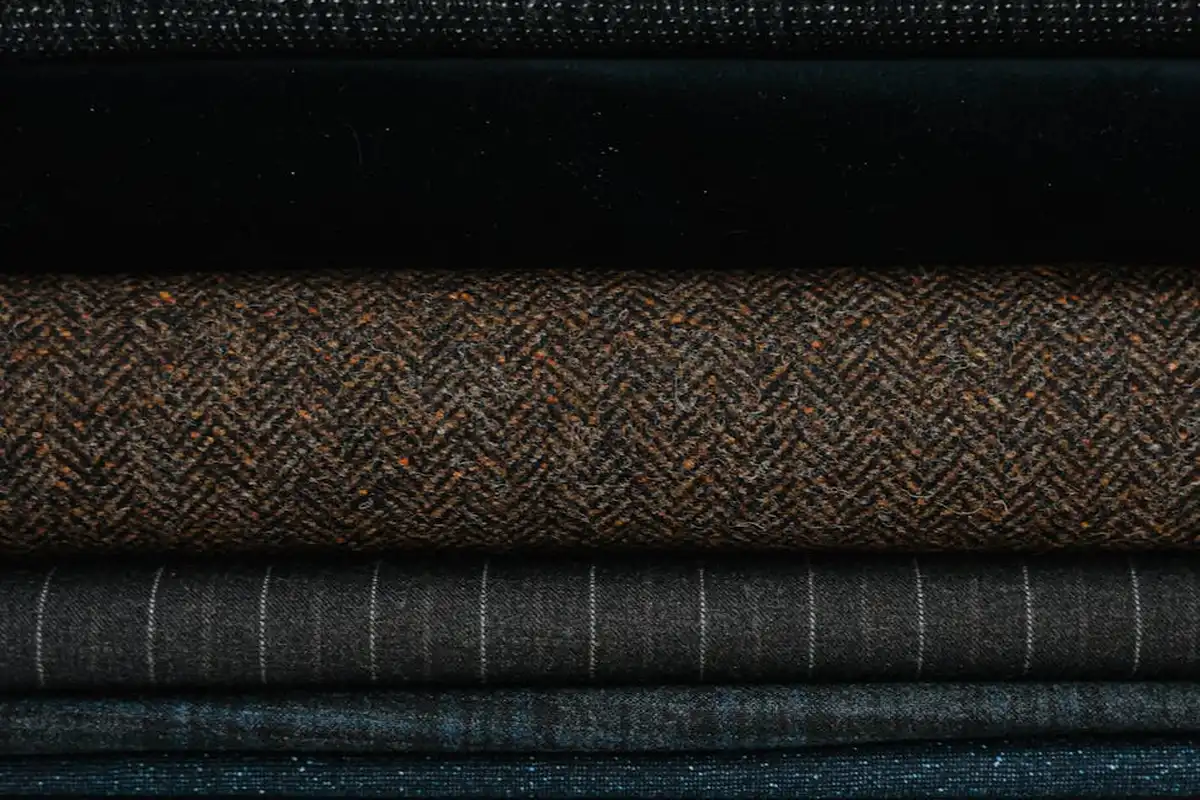
You asked how maintenance and care costs differ. The real cost isn’t just the water bill. It’s your time, attention, and the risk of ruining a garment. Let’s break it down fiber by fiber.
The Synthetic Care Routine
Caring for polyester, nylon, and similar waterproof synthetic fabrics is straightforward. Their polymer chains are resistant to water and heat, which simplifies your routine.
- Machine wash cold. I use cold water for all my synthetics. They hold dye exceptionally well due to their hydrophobic nature, so color bleed is rare. More importantly, they don’t experience the kind of shrinkage natural fibers do.
- Tumble dry low. A low heat setting is safe. High heat is the enemy here; it can melt or glaze the fibers, leaving a stiff, shiny patch that you can’t fix. If you’re unsure, air drying is a zero-risk option.
- Iron on low if needed. Always use a pressing cloth. The direct heat of an iron can quickly surpass the synthetic fiber’s melting point.
Cost analysis: This routine has a low time and energy cost. You can wash a full load on a quick, cold cycle. Modern detergents are formulated to work perfectly in cold water, saving on your water heater’s energy use. It’s a set-and-forget process.
The Natural Fiber Care Routine
Natural fibers are alive in their behavior. They react to water, heat, and agitation. This demands a more hands-on approach.
- Read the label, then think like a fiber. Cotton can often handle warm water and high heat. Wool and silk are different. They demand a gentle or hand-wash cycle in cold water with a mild detergent. The wrong setting damages them permanently.
- Manage shrinkage proactively. You have two main types. For wool, it’s felting: the scaly fibers lock together permanently with heat and agitation, shrinking a sweater from a large to a child’s size. For cotton, it’s relaxation shrinkage: the yarns swell and contract back tighter. A good cotton fabric might shrink 3-5% on its first warm wash.
- Air dry or dry flat. This is non-negotiable for wool and silk to maintain their shape and drape. For cotton, it prevents further shrinkage. The cost is your time and the physical space needed for drying racks.
- Iron with appropriate steam and heat. Cotton loves a hot, steamy iron to smooth its cellulose fibers. Silk requires a low, dry heat; steam can leave water spots. Wool often needs a press cloth and steam from above.
Cost analysis: This routine often carries a higher time and cognitive load. You’re sorting loads, selecting cycles, and handling damp garments. For structured wool blazers or delicate silk items, professional dry-cleaning becomes a recommended, recurring cost to preserve the garment’s integrity.
Performance Value: What the Fabric Does For You
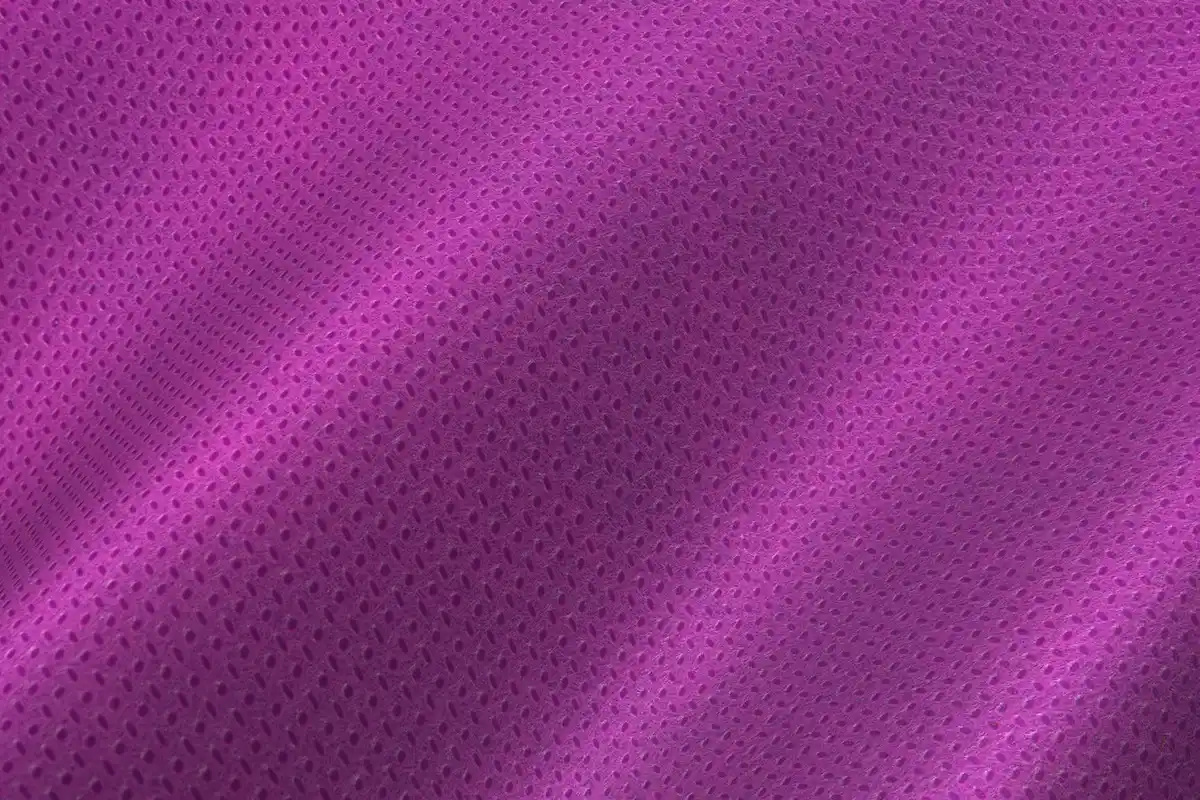
You asked how performance affects value over time. A fabric’s true worth shows up when you use it. Its physical properties directly translate to comfort, function, and how often you need to wash it.
Let’s compare moisture management. A classic polyester athletic shirt is engineered to wick. The fibers are hydrophobic, so they push sweat to the fabric’s surface where it evaporates quickly. You stay relatively dry. Cotton, in contrast, is hydrophilic. It absorbs moisture wonderfully, holding up to 27 times its weight in water. During activity, that means cotton gets saturated, feels cold and soggy against your skin, and takes forever to dry. For a runner, the synthetic’s quick-dry ability provides high value that justifies its cost through consistent performance in moisture-wicking.
Insulation works differently, too. Wool is a marvel. Its crimped fibers trap air for warmth, and it can absorb moisture vapor without feeling wet, so it insulates even in damp conditions. Synthetic fleece creates warmth by trapping dry air in lofty piles of brushed polyester. It’s warm until it gets wet, then it loses loft and dries slowly from the inside. The value of wool’s wet-weather performance is immense for hikers or outdoor workers.
Then there’s odor retention. This is a hidden performance cost. Polyester can hold onto body odor compounds more stubbornly than cotton or wool. Bacteria cling to its smooth surface. You might find a synthetic workout top needs washing after every wear, while a merino wool base layer can be aired out and worn multiple times. More frequent washing increases long-term wear and tear, subtly reducing the garment’s lifespan.
The Bill We Don’t See: Environmental and End-of-Life Costs
You often ask me, “What are the environmental and long-term sustainability costs?” This is where the price tag gets complex. The cheapest fabric at the checkout has costs that come due later, for all of us. Thinking about these long-term, societal costs is part of seeing the true value of what you buy.
The Synthetic Side of the Ledger
Polyester and nylon are petroleum products. Their creation relies on fossil fuels, which ties their price and environmental impact to the volatile oil market. But the real long-term bill comes from two places: what happens during use and at the end of life.
Every time you wash a synthetic jacket or shirt, it sheds tiny plastic fibers. I’ve seen them under the microscope-they look like multicolored dust. These microplastics flow from your machine into waterways. Using a special washing bag, like a Guppyfriend, helps catch many of these fibers, just like a sieve catches pasta.
The most sobering cost is that these fabrics simply don’t go away; a polyester garment can persist in a landfill for centuries, slowly fragmenting but not truly decomposing.
The Natural Fiber Balance Sheet
Natural fibers have a different set of long-term costs. Conventional cotton is famously thirsty, requiring significant water to grow. It also uses agricultural land and, depending on farming practices, pesticides. Wool production involves land use for grazing and methane emissions from sheep, a potent greenhouse gas.
Yet, these fibers carry a crucial, offsetting value. At the end of their long lives, cotton and wool will biodegrade, returning their nutrients to the earth instead of persisting as pollution. A cotton t-shirt buried in soil will break down in a matter of months. This natural cycle is a form of built-in value we often overlook.
Shifting the Cost Equation
You can alter this math by choosing different starting materials. Recycled polyester (often called rPET) uses post-consumer plastic bottles, diverting waste and reducing the need for new petroleum. It still sheds microplastics, but it addresses part of the problem.
Best-Use Cases: Matching Fiber to Function for Maximum Value
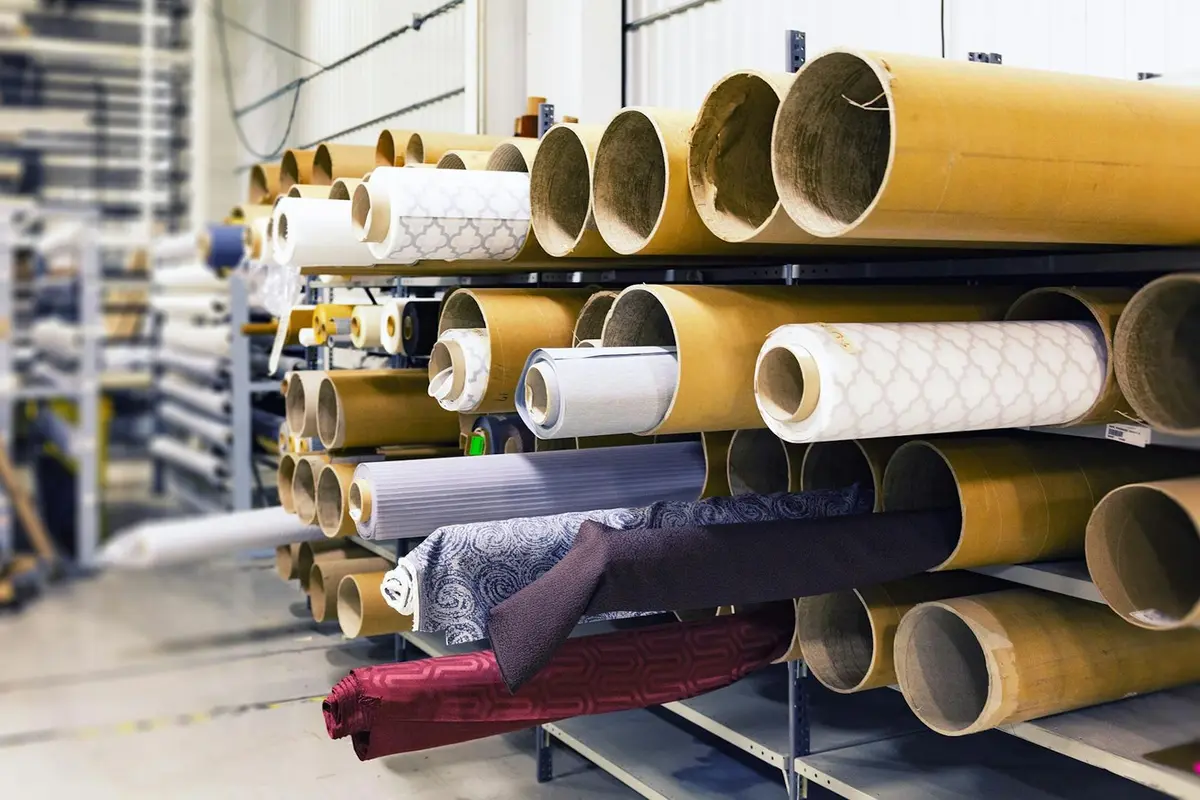
So, are there specific use cases where one fabric is more cost-effective? Absolutely. The most cost-effective fabric is the one that performs its job the longest with the least fuss. Let’s match fibers to their ideal tasks.
Raincoat: The Battle of the Barrier
- Nylon: A modern, tightly woven nylon with a waterproof coating is incredibly durable, lightweight, and reliably waterproof for years. It resists mildew and stains easily. The value is in its consistent, low-maintenance protection.
- Waxed Cotton: It has timeless style and develops a unique patina. But the wax coating wears off at creases and must be reapplied every season or two to maintain water resistance. The long-term cost includes your time and the cost of wax.
For pure, set-it-and-forget-it utility in constant wet weather, nylon’s durability usually wins on cost-effectiveness.
Everyday T-Shirt: Comfort vs. Endurance
- Cotton: It breathes, absorbs sweat, and feels soft against the skin. A well-made cotton tee is a comfort champion. However, it can shrink (typically 3-5% on a first warm wash), lose shape over time, and show wear at the collar.
- Polyester: It’s strong, resists shrinking, and dries incredibly fast. But it doesn’t breathe as well, which can feel clammy. Polyester is also prone to oil-based stains and can hold onto odors more than cotton.
For intense athletic activity where quick drying is key, polyester delivers value; for daily comfort and feel, a quality cotton jersey is often worth the extra care.
Winter Sweater: The Warmth Investment
- Wool: Especially merino, wool is a marvel. It insulates even when damp, resists odors naturally (meaning fewer washes), and is flame-resistant. It can felt and shrink dramatically if agitated in warm water, so it requires gentle care. When discussing wool, I always advocate for seeking out certifications like Responsible Wool Standard (RWS) or ZQ Merino, which ensure humane animal treatment. A sweater from ethically sourced wool is a long-term investment in warmth and conscience.
- Acrylic: It’s lightweight, inexpensive, and machine-washable. It provides good initial loft but can pill heavily over time and lacks wool’s temperature-regulating and odor-resistant properties. It’s also derived from fossil fuels.
For a sweater you’ll wear for seasons without frequent washing, wool’s performance offers superior long-term value, especially when chosen ethically. For a budget-friendly, easy-care option for kids or occasional use, acrylic has its place.
Bed Sheets: The Sleep Foundation
- Cotton: A good long-staple cotton, like Egyptian or Pima, gets softer with every wash. It breathes, wicking moisture away for a cool, comfortable sleep. With proper care (wash in warm water, tumble dry low), a set can last a decade.
- Polyester or Blends: They are wrinkle-resistant and very affordable. However, they don’t breathe as well, which can lead to a hotter, less comfortable sleep. They may also develop a slightly slick or static feel over time.
For a fundamental item used nightly, the breathability and enduring softness of quality cotton provide tangible value for your sleep and the product’s lifespan.
Troubleshooting the Cost-Savers: Common Pitfalls and Fixes
Getting the best value from any fabric means knowing how to rescue it when things go wrong. Here’s my hands-on guide to fixing the most common issues, based on what happens inside the fibers.
Pitfall 1: The Shrunken Wool Sweater
You pull a beloved wool sweater from the wash and it’s now a felted, toddler-sized version of itself. Can you fix it? The honest answer is usually no, and here’s why.
Wool fibers are covered in microscopic scales. Heat, agitation, and sudden temperature changes cause these scales to lock together permanently, a process called felting. Once felted, the fibers cannot be untangled; the shrinkage is irreversible. You might gently stretch a slightly shrunken garment while damp, but a fully felted piece is a new, thicker fabric now. Prevention is your only real tool: hand-wash in cool water with a wool-specific detergent, avoid wringing, and lay flat to dry.
Pitfall 2: Polyester Pilling
Those little bobbles on your favorite polyester fleece or blend tee aren’t a sign of poor quality, but of friction. Short surface fibers twist into tiny knots from rubbing against a backpack, seatbelt, or even another arm.
Pilling doesn’t mean the fabric is failing. You can safely remove pills to restore a smooth look.
- Use a fabric shaver or battery-powered pill remover. Glide it lightly over the fabric surface; don’t press hard.
- A disposable razor works in a pinch. Lay the fabric flat on a table and shave gently in one direction.
- Never pull pills off by hand, as this can snag and damage the underlying yarns.
Regular, gentle removal is part of maintaining synthetic fabrics for the long haul.
Pitfall 3: Dingy Synthetic Athletic Wear
Synthetic athletic wear (polyester, nylon, spandex blends) holds onto body oils and odor-causing bacteria in a way cotton doesn’t. These oils can trap smells and create a dull, grayish film.
Your regular detergent might not be enough. You need to break down the oils.
- Fill a sink or bucket with cool or warm water (not hot, as heat can set stains).
- Add one cup of white distilled vinegar OR a dose of an enzymatic detergent (look for “sport” or “bio” formulas). Both help break down oily residues.
- Soak the garments for 30 minutes to an hour.
- Wash as usual, but skip the fabric softener-it coats fibers and makes oil problems worse over time.
This monthly soak strips away oil buildup, revives brightness, and zaps stubborn odors for good.
Pitfall 4: Faded Cotton
A vibrant cotton tee fading to a pale shadow after a few washes is a classic disappointment. The dye isn’t washing out evenly from the fiber’s surface.
You can dramatically slow this process with one simple habit: always turn dark or bright cotton garments inside-out before washing. Washing inside-out reduces the friction and abrasion that wears dye off the visible face of the fabric. Combine this with using cold water on a gentle cycle, and your colors will stay true for years longer. For new, deeply dyed items like indigo jeans or red towels, a solo first wash in cold water helps rinse excess dye without contaminating other clothes—especially if they don’t pass fabric colorfastness tests.
The Final Takeaway
Cost-effectiveness isn’t just about the price tag. It’s about performance over years. A cheap shirt you ruin once is more expensive than a durable one you maintain for a decade. The most cost-effective fabric in your wardrobe is always the one you understand how to care for, matched perfectly to the job you need it to do. Use this knowledge, and you make every fabric, natural or synthetic, a better investment.
Your Fabric Stewardship Guide
From my years of testing, I know a fabric’s long-term value is decided by your care routine. Always let fiber science guide your hands: wash polyester and nylon in cold water to preserve their form, and use gentle warmth for cotton or wool to control shrinkage effectively.
Own your textiles responsibly by valuing durability and learning their language. Understanding how fibers like silk, polyester, and their blends react to washing, dyeing, and wear is your most powerful tool for reducing waste and making smarter choices.
Related Guides and Information
- Types of Fibers: Natural vs Synthetic
- What are the pros and cons of synthetic fabrics vs natural ones? : r/BuyItForLife
- Know Your Fibers: Natural, Synthetic or Semi-synthetic | Selfless Clothes
Florian is a high fashion blog writer, fashion and fabric expert and a keen expert in fabric, clothing and materials. She has worked in large textile and fashion houses for over 10+ years, engineering and working with various fabric types and blends. She is an expert when it comes to questions on any and all kinds of fabrics like linen, cotton, silk, jute and many more. She has also traveled around the world studying traditional fabrics and aims to bring them into the modern fashion use.