How Can You Tell If It’s Real Tencel or Just Generic Lyocell?
Finding a dreamy fabric labeled “lyocell” can be exciting, but you’re right to wonder if you’re getting the certified quality of Tencel or an unverified alternative. I’ve tested both in the lab, and the differences in feel, performance, and longevity are real.
This guide gives you the hands-on methods I use. We will cover simple at-home tests for fiber content and hand feel, how to decode labels and certification marks, and the distinct care, shrinkage, and dyeing behaviors that set genuine Tencel apart.
The Fiber Science: What Exactly Are You Looking For?
Let’s start with the basics. Lyocell is a regenerated cellulose fiber. That means it starts as wood pulp, usually from eucalyptus, beech, or spruce trees, and is dissolved into a liquid using a solvent. This liquid is then forced through tiny holes, called a spinneret, to create long, smooth filaments. Think of it like pushing honey through a sieve to make strands.
Here’s where it gets specific. “Tencel” is not a type of fabric like cotton or wool. It’s a trademark owned by the Austrian company Lenzing AG for their branded lyocell (and modal) fibers. When you buy something labeled as Tencel, you’re buying Lenzing’s specific product.
The biggest difference between generic lyocell and Tencel lies in the manufacturing process, specifically the solvent recovery system. Lenzing’s process recovers and reuses over 99% of the solvent and water in a closed loop. Many other mills have less efficient systems. This is the core of Tencel’s environmental claim, and a generic “lyocell” tag tells you nothing about how it was made.
You’ll often find Tencel blended with other fibers to balance properties. A common blend is Tencel with cotton for added strength, or with wool for drape and softness. When authenticating, your goal is to confirm the Tencel component within that blend.
The First Place to Look: Labels, Logos, and Language
Your investigation should always begin with the permanent care label. This is your most reliable source.
Legally, the fiber content label must list the generic fiber name, but brand names can be included in parentheses. Authentic Tencel will be listed in one of these ways: “Tencel™ lyocell,” “Lyocell (Tencel™),” or “55% Cotton, 45% Tencel™ lyocell.” If it only says “100% lyocell,” you have a generic product.
Look for the official Tencel™ branding. This often appears on a separate hangtag or woven label. The logo is a stylized, leaf-like swirl next to the word “Tencel” in a specific font. Counterfeit tags might use a similar visual style but often get the wording wrong, like just “Lyocell” in a fancy script.
Some high-end brands partner with Lenzing for fiber-level identification. This means the Tencel branding is physically embedded into the fiber itself and can be verified with special scanners. If a brand mentions this technology, it’s a very strong mark of authenticity.
Be wary of vague marketing language. Terms like “beechwood fabric,” “botanical fiber,” or “eco-lyocell” are designed to evoke naturalness but lack the certification of the Tencel™ trademark. They are red flags for generic lyocell, especially when compared to certified natural fabrics.
The Hands-On Feel Test: Texture, Drape, and Weight
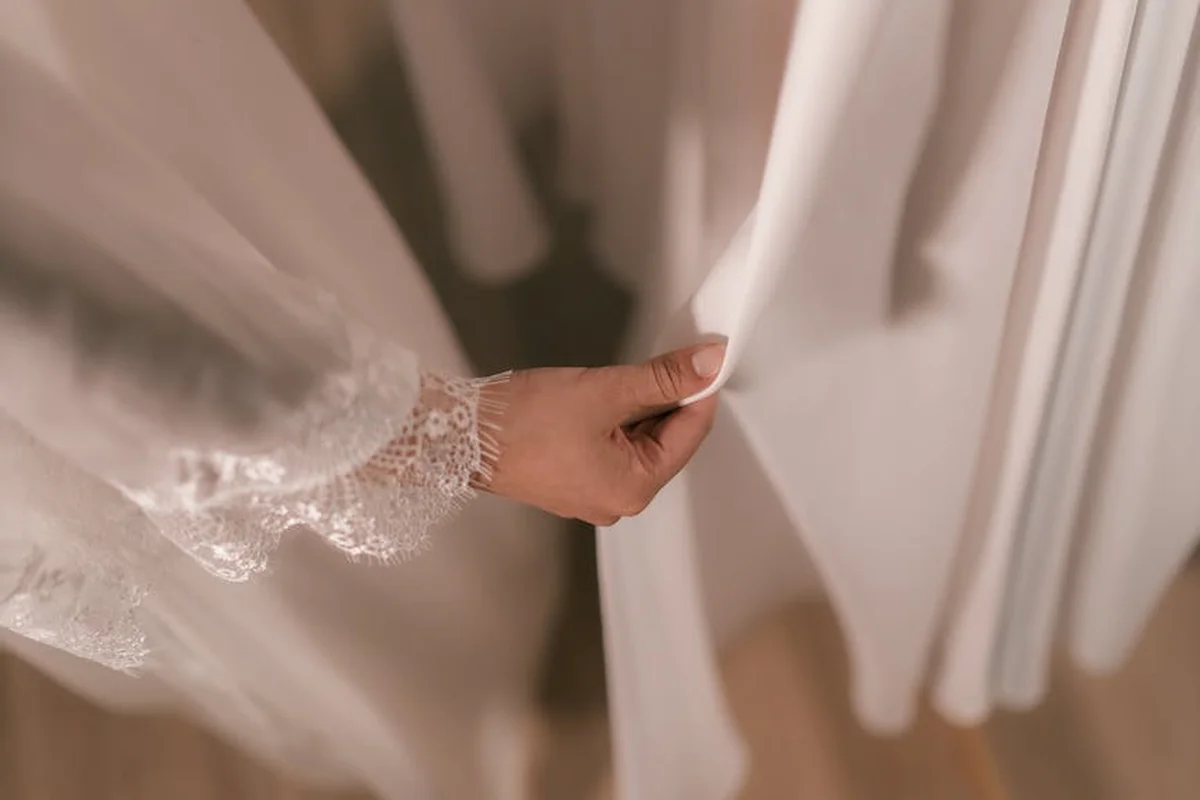
Close your eyes and run the fabric between your fingers. Authentic Tencel lyocell has a distinctive, luxurious hand. It feels smooth and cool to the touch, like high-quality, almost damp silk. The surface has a subtle, soft luster, not a shiny glare. When you gather it, it should feel fluid and substantial without being heavy or stiff.
I compare generic lyocell to this standard often in my work. While it can be nice, it frequently misses the mark. You might feel a slight roughness or a more pronounced, papery texture. The finish can be less consistent, sometimes feeling almost chalky in spots. That perfect, consistent smoothness is a hallmark of the controlled, closed-loop Tencel process. In practice, Tencel Lyocell is also known for its wrinkle-resistant properties, helping fabrics stay smoother with less ironing. This wrinkle-resistant performance is a natural extension of the same closed-loop approach.
Weight tells a story, too. True Tencel is engineered for performance at fine weights. You can find beautifully fluid, drapey viscose-like weaves that are surprisingly strong and resist pilling, unlike some cotton fabrics that vary in weight and thickness. If a fabric labeled “lyocell” feels coarse, stiff, or unnaturally thick, be skeptical. It could be a lower-grade fiber, a blend with something like polyester, or a much heavier weave that doesn’t showcase the fiber’s best qualities.
Textile Expert’s Note on Drape: This is my favorite quick test. Pinch a top corner of a fabric swatch or garment hem and let the rest hang free. Genuine Tencel falls in soft, consistent, graceful folds-it flows downward like water. If the fabric buckles, hangs stiffly, or falls in awkward, angular pleats, the drape is off. That graceful fall is a direct result of the fiber’s density and how it’s spun and woven.
The Paper Trail: Certifications and Supplier Trust
Your eyes can confirm what your hands suspect. Look for legitimate labels and certifications on the fabric bolt or garment tag. The most critical mark is the Tencel™ brand name itself, often accompanied by the Lenzing logo. This trademark is legally protected. Other supportive certifications include OEKO-TEX® Standard 100 (for harmful substance testing) and FSC® or PEFC™ labels, which verify the wood pulp comes from responsibly managed forests.
Here’s a key point: a generic lyocell fabric can also obtain an OEKO-TEX® certification. That alone doesn’t mean it’s Tencel. The powerful signal is the combination of the Tencel™ trademark with these other certifications, creating a full picture of responsible sourcing and production.
If you’re buying fabric by the yard, especially online, don’t hesitate to ask the supplier questions. A reputable supplier should be able to provide mill documentation or a certificate of authenticity for the fiber content. I ask for this routinely. If a seller is vague, calls it “Tencel-type,” or cannot provide any paperwork, consider it a red flag. Your trust should be in suppliers who are transparent about their chain of custody, especially when buying cotton fabric.
Lenzing publicly lists brand partners on their website. Checking if a clothing brand or fabric supplier is listed there is a useful verification step. Remember, this list isn’t exhaustive-many smaller, quality makers use Tencel but may not be formal partners. Use it as a helpful reference, not a definitive rule.
The Care and Performance Divide: Washing, Shrinkage, and Longevity
How you care for your fabric reveals its true nature. I treat my Tencel and lyocell pieces with a gentle routine that preserves their silky flow for years, following the proper wash and care instructions.
A Step-by-Step Care Protocol for Tencel and Lyocell
Follow this method to keep your garments looking their best.
- Machine wash in cold water on the gentle or delicate cycle.
- Use a mild, liquid detergent. Avoid powders that may not fully dissolve and optical brighteners that can alter color.
- Remove promptly after the cycle ends. You can tumble dry on the lowest heat setting for a short time to reduce wrinkles, but I always air dry flat or on a line.
- Iron while the fabric is still slightly damp using a medium heat setting. This smooths out creases effortlessly.
Always avoid high heat dryers and harsh chemicals like chlorine bleach, which can degrade the fibers and cause premature weakening.
What Shrinkage Tells You
In my tests, high quality lyocell from reputable mills shows minimal shrinkage, typically between 1% and 3% after the first wash when following the cold wash protocol. It behaves predictably. If a fabric labeled as lyocell shrinks dramatically, that’s a clear signal. Excessive shrinkage often points to a lower grade fiber with poor processing or a very loose, unstable weave that wasn’t properly finished. Think of it like a sponge that compresses versus a spring that returns to shape; good lyocell is the spring. For tencel lyocell shrinkage care, practical steps like cold washing and gentle cycles help maintain that spring. Skipping high heat and using a mild detergent further reduce the risk of shrinkage over time.
The Pilling Test: Fibrillation Control in Action
This is where the engineering of branded Tencel really shines. All lyocell fibers have a tendency to fibrillate, meaning tiny filaments peel away from the main fiber when abraded. Tencel fibers are specifically processed to control this. Branded Tencel garments are engineered for high fibrillation control, which translates to significantly less pilling over time compared to many generic lyocell versions or even natural fibers like cotton. A generic lyocell tee might start showing little pills under the arms after a dozen wears, while a Tencel one in the same weave will stay smoother for longer.
Notes on Dyeing at Home
If you’re a maker or looking to refresh a faded piece, here’s good news. Both Tencel and generic lyocell share the same cellulose structure as cotton, so they dye beautifully with the same fiber reactive dyes (like Procion MX). The authenticity of the fiber doesn’t change its fundamental dye affinity. The difference you might see is in consistency. Branded Tencel often has more uniform fiber thickness and preparation, which can lead to more even, predictable color uptake across a whole piece of fabric. With a generic source, you might see slight variations in shade. Just remember to avoid ironing dyed fabrics to prevent any damage.
Where to Shop Smart: Price Clues and Reliable Sources
Your shopping strategy is your first line of defense against low quality imitations. Price is the most immediate clue.
Authentic Tencel fabric or finished garments command a moderate to premium price, reflecting its branded quality and sustainable production process. If you see a “lyocell” dress or a length of fabric priced similarly to basic polyester or far below known Tencel products, that low price is a major red flag. The wood pulp, closed loop process, and quality control cost more than conventional viscose or generic lyocell production.
Finding Trustworthy Sellers
For finished garments, look to well known sustainable apparel brands that are transparent about their materials. They will often proudly state “Tencel™” on the tag and detail their sourcing on their website. For fabric by the yard, your best bets are specialty fabric stores catering to knowledgeable makers, both online and brick and mortar. These suppliers stake their reputation on accurate labeling—especially when it comes to Lyocell fabrics.
I advise extreme caution when buying from vague online marketplaces with sellers who have no brand history or fiber documentation. Descriptions like “lyocell like” or “similar to Tencel” are deliberate attempts to blur the lines.
For serious makers, the most reliable long term strategy is building a relationship with a trusted fabric supplier. When you find a source that provides consistent, high quality material with verifiable documentation, stick with them. This relationship is more valuable than any one time bargain, as it ensures the genuine materials you need for your projects.
Caring for Your Authentic Tencel
Always confirm your fabric with a quick burn test and a label check before you assume its care needs. This simple verification lets you wash Tencel correctly in cool water, which protects its smooth hand and minimizes shrinkage from the start.
I view caring for Tencel as part of a larger practice-whether you’re handling wool’s elasticity or polyester’s colorfastness, informed care extends a garment’s life and honors its resources. Keep questioning how fabrics work, and you’ll naturally make choices that are kinder to your clothes and the planet.
Industry References
- TENCEL™ Lyocell Vs TENCEL™ Modal: Which Is Better?
- What’s the Difference?: Tencel, Lyocell, Lenzing, Modal, Cupro and Bemberg » BERNINA Blog
- r/Fabrics on Reddit: Is there any downside to Tencel? Is it really natural?
- What are TENCEL™ Lyocell and Modal Fibers
Florian is a high fashion blog writer, fashion and fabric expert and a keen expert in fabric, clothing and materials. She has worked in large textile and fashion houses for over 10+ years, engineering and working with various fabric types and blends. She is an expert when it comes to questions on any and all kinds of fabrics like linen, cotton, silk, jute and many more. She has also traveled around the world studying traditional fabrics and aims to bring them into the modern fashion use.