Natural or Synthetic Dyes: What’s Best for Cost, Sustainability, and Washability?
Choosing dyes for your fabric can feel overwhelming with so many claims about natural and synthetic options. I’ve mixed vats of both for years, and I can tell you the real differences that matter for your projects.
We will cover cost, sustainability, and washability to give you a clear, practical comparison based on textile science.
| Factor | Natural Dyes | Synthetic Dyes |
|---|---|---|
| Cost Per Project | Moderate to High (materials + mordants) | Low |
| Colorfastness | Fair to Good (requires care) | Excellent |
| Environmental Notes | Renewable source, but high water/energy use | Petrochemical origin, but highly efficient |
| Best For Fabrics | Wool, silk, cotton, linen | All, especially polyester & nylon |
There is no single “better” dye. The best choice depends on your priorities for color, budget, care routine, and environmental footprint.
I love the earthy, almost vegetal smell of a simmering madder root dye bath. It feels like alchemy. Opening a packet of synthetic dye is a different experience: a clean, predictable promise of a specific blue or red. That sensory difference hints at the deeper practical divide between them.
Cost & Practical Realities: What You Pay For in Time, Color, and Consistency
When we talk cost, we must talk about everything you spend: money, time, and energy. A jar of synthetic all-purpose dye might cost a few dollars and dyes a pound of fabric in an hour. For a natural dye, the dye stuff is just the beginning.
You need a mordant, a metallic salt like alum or iron, to help the color stick to the fiber. You often need an assistant, like cream of tartar, to even out the color. If you’re not foraging plants, you’re buying dried roots, bark, or insect-derived cochineal. Then you simmer the dye extract, sometimes for hours, before you even add the fabric.
Are natural dyes more expensive to produce and apply than synthetic dyes? For the home dyer, almost always, when you account for all the inputs. A small natural dye kit with materials for one color can easily cost five times more than a synthetic dye kit for the same weight of fabric.
Synthetic dyes are engineered for vibrancy and range. They give you electric pinks, true blacks, and fluorescents that the natural world simply doesn’t offer in a stable, washable form. Their chemistry is designed for maximum color yield.
Consistency is another huge factor. With a synthetic dye, “Scarlet Red” is the same today, next month, and in another country. Natural dyes are living chemistry; the final hue depends on the plant’s growing conditions, the mineral content of your water, and even the season it was harvested. This variation can be beautiful, but it’s not reproducible in an industrial sense.
Upfront Price Tag vs. Hidden Effort
Let’s compare a project to dye a silk scarf a rich red. A single bottle of synthetic acid dye for silk might cost $8 and take 45 minutes. To get a similar red with natural dyes, you’d buy $12 of madder root, $10 of alum mordant, and $5 of cream of tartar. Your active time stretches to a full afternoon of simmering and monitoring.
This isn’t a flaw. It reframes the activity. Natural dyeing is a slow, engaged making ritual. Synthetic dyeing is a faster, results-focused coloring task. One isn’t superior, but your choice sets the pace of your project.
The Color Story: Earth Tones vs. The Full Spectrum
Natural dyes have a specific friendship with fiber types. Protein fibers like wool and silk have sites in their molecular structure that bond easily with natural dyes (especially with a mordant’s help). Cellulose fibers like cotton and linen are more resistant, often yielding softer, lighter colors.
- On Wool/Silk: Madder root gives rusty reds. Cochineal gives vivid crimson. Weld gives sunny yellow. Indigo, through a vat process, gives classic blue.
- On Cotton/Linen: Those same dyes yield paler, often dustier versions of those colors. Avocado pits might give a blush pink on silk, but a faint beige on cotton.
Synthetic dyes work by design, not affinity. Chemists create different dye classes to target specific fibers. Acid dyes for wool and silk. Direct or fiber-reactive dyes for cotton. Disperse dyes for the slick, non-absorbent chains of polyester and nylon. This is why you can’t dye a polyester shirt with onion skins; the dye molecules have no way to penetrate and bond with the plastic-based fiber. Synthetic dyes unlock the full spectrum for every fabric type.
The Sustainability Profile: It’s More Complicated Than “Natural = Good”
People often ask me which dye is more sustainable. My answer is never simple. The real story is in the details of how each dye is sourced, applied, and what happens when we’re done with the fabric.
You can’t label one as universally “better”; it depends entirely on the specific dyes, mordants, and industrial practices used.
Natural dyes come from plants, insects, or minerals. Farming dye plants like indigo or madder uses large amounts of agricultural land and water. To dye the world’s jeans with natural indigo alone would require farmland the size of a small country. Some synthetic dyes start with petroleum, a non-renewable resource, and their manufacturing can produce chemical runoff if not strictly controlled.
Biodegradability is another layer. When a cotton shirt dyed with, say, onion skins finally composts, the dye molecules break down naturally. But if that shirt was mordanted with a heavy metal like chrome, those toxic metals persist in the soil. Many modern synthetic dyes are designed to be chemically stable, which means they don’t readily break down in landfills.
Water, Land, and Chemical Footprints
Water pollution is a major concern for both types. Large-scale synthetic dyehouses have historically been big polluters, though modern regulations and closed-loop systems are improving this. The flip side is often missed.
A natural dyer dumping an iron mordant bath into the backyard can contaminate groundwater just as surely as industrial waste. Responsible disposal matters for everyone.
I love the clever use of food waste for dyeing-avocado pits, pomegranate rinds, onion skins. It gives new life to discards. At a cottage industry scale, this is a beautiful, circular practice. But for mass production, the pressure to cultivate acres of a single dye plant creates a monoculture, with all the pesticide and water-use issues that come with it.
The Mordant Factor: The Hidden Chemistry in Natural Dyeing
This is the part most beginners don’t see coming. A mordant is a metallic salt that acts as a chemical bridge. It bonds to the fiber on one side and grabs onto the dye molecule on the other, locking it in place and enhancing the permanence of fabric dyes.
You almost always need a mordant for natural dyes, especially on plant-based fibers like cotton or linen. Animal fibers like wool and silk have more natural binding sites. Mordants play a crucial role in natural dyeing.
Not all mordants are created equal. I only use and recommend potassium aluminum sulfate (alum). It’s relatively low-toxicity and can be handled safely. I avoid tin and chrome mordants in my studio; they are toxic and their environmental impact is severe. Iron (ferrous sulfate) modifies color and can weaken fibers over time, so I use it sparingly. The choice of mordant turns a “natural” process into a chemical one. Choosing the safest chemistry is key.
Washfastness & Long-Term Care: How to Keep Your Colors Alive
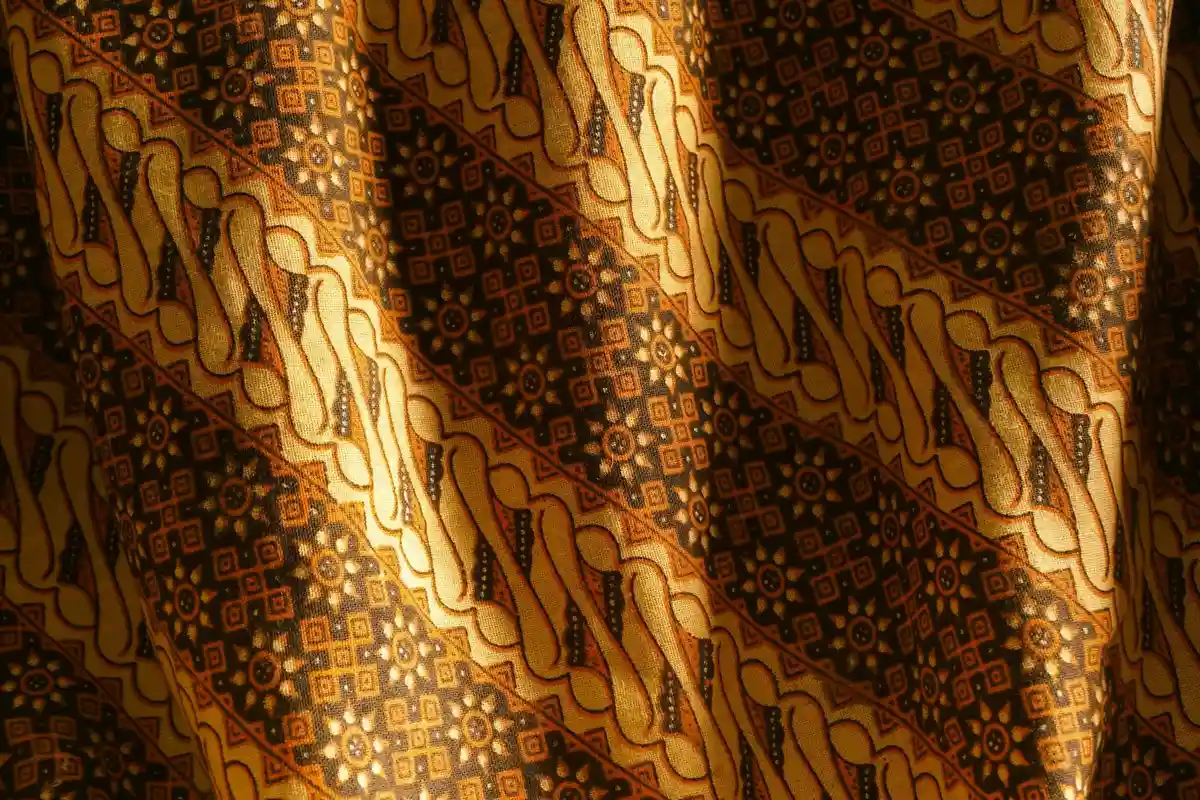
So, which holds up better in the wash? Generally, modern synthetic dyes win on pure washfastness. Here’s the science behind it.
Most synthetic dyes, like fiber reactives for cotton or acid dyes for wool, form covalent bonds with the fiber. Think of this as a super-strong glue attaching the dye directly to the fiber molecule.
Natural dyes work differently. The dye molecule sits inside the fiber’s structure, held there by the mordant bridge. This bond is more of a physical trap or a handshake. It’s strong, but often not as permanent as covalent glue, especially with friction and pH changes.
Caring for naturally dyed items is a gentle art. Here is my lab-tested protocol for hand-washing:
- Use cool or cold water. Heat shocks the dye molecules loose.
- Use a pH-neutral, gentle soap like a dedicated wool wash or castile soap. Harsh detergents are alkaline and can strip color.
- Agitate minimally. Swish gently, then let it soak for no more than 15-20 minutes.
- Rinse thoroughly in water of the same temperature until it runs clear.
- Press water out by rolling the item in a towel. Never wring.
- Dry flat, away from direct sunlight.
How they fade tells another story. Natural dyes tend to mellow and soften with time, a change many find beautiful. A madder red might become a dusty rose. Some synthetic dyes can fail dramatically-a bright red might bleach to a pink or transfer color to other fabrics in the wash.
Testing for Colorfastness at Home
Don’t guess. Test first. Find an inside seam or hidden area of your dyed garment.
Take a white cotton cloth and dampen it with water. Place it over the hidden part of the dyed fabric. Set your iron to a medium, dry heat (no steam). Press the iron onto the white cloth for 10-15 seconds. Lift the iron and check the white cloth for any color transfer. Any stain means the dye is not fully fast and will likely bleed in the wash. These quick prep notes help you prepare for troubleshooting fabric dyeing. They set the stage for smoother dyeing and colorfast checks.
My cardinal rule: always wash naturally dyed items separately for the first three to five washes. This catches any loose dye without ruining other clothes.
Durability Against Sun, Sweat, and Agitation
Lightfastness is a huge differentiator. Many beloved natural dyes are fugitive. Turmeric will fade from bright yellow to beige in a few sunny afternoons. Cochineal pink is more resilient, but still no match for a polyester fabric dyed with UV-resistant pigments engineered for awnings.
Your fabric choice matters as much as your dye. Protein fibers like wool and silk have a molecular structure that naturally accepts and holds dye better than cellulose fibers like cotton or linen. That’s why a wool sweater dyed with weld often retains its color longer than a cotton t-shirt dyed with the same plant.
Sweat and agitation are the enemies of mordanted dyes. Alkaline sweat can weaken the mordant bridge over time. The mechanical action of a washing machine drum is far harsher than hand washing. For items that will see heavy use or need frequent washing, the durable bond of a synthetic dye is often the more practical choice.
A Fabric-by-Fabric Dyeing & Care Guide
The type of fiber in your fabric determines everything about how it takes color and how you must care for it afterwards. Here’s my practical, lab-tested breakdown.
Cotton & Linen (Cellulose Fibers)
Think of cotton and linen as thirsty sponges made of plant cellulose. They readily soak up both natural and synthetic dye molecules. For a 100% cotton shirt, a fiber-reactive synthetic dye will be the most washable and colorfast choice you can make at home. These dyes form a permanent covalent bond with the fiber, locking the color in. Natural fabrics like cotton and linen are ideal for such dyes.
Natural dyes like avocado pits or turmeric can stain cotton beautifully, but they sit on the fiber’s surface. They require a strong metallic mordant, like alum or iron, to act as a glue. Even then, expect more fading over time. I always warn dyers about cotton’s high shrinkage potential. The hot, prolonged simmering needed for many natural dyes will permanently shrink cotton fabric, sometimes up to 10-15%. Pre-wash and pre-shrink your fabric before you even think about the dye pot.
For care, machine washing is fine for synthetically-dyed cotton. Cotton dyed with natural pigments should be washed in cool water with a mild pH-neutral soap to preserve the color as long as possible.
Wool & Silk (Protein Fibers)
Wool and silk are protein-based, similar to our own hair. This makes them the friendliest canvas for natural dyes. The protein fibers have binding sites that naturally attract dye molecules from plants and insects, often requiring less aggressive mordants than cellulose fibers. Madder root and cochineal bond to wool with a warmth and depth that’s hard to replicate.
Synthetic acid dyes are also a perfect match for protein fibers. They work at lower temperatures (around 180°F) and produce stunningly vibrant, level colors. Wool dyed with quality acid-based synthetics can often handle a very gentle machine cycle on cold, while wool colored with natural dyes should always be hand-washed to prevent color loss.
The universal rule for these precious fibers is gentleness. Agitation, heat, and abrupt temperature changes cause wool to felt and shrink irrevocably, and can weaken sleek silk fibers. Always hand-wash in lukewarm water with a wool-specific detergent, press water out gently—never wring—and lay flat to dry.
Polyester & Nylon (Synthetic Fibers)
These petroleum-based fibers are a completely different story. Their slick, non-absorbent polymer chains generally only accept synthetic disperse dyes. Disperse dyes require near-boiling heat (over 200°F) to force the dye molecules into the tightly wound polyester or nylon fibers. This process is called “carrier dyeing” in a lab. Researchers test which carrier chemicals best facilitate dye diffusion at these temperatures. The combined effect of carrier chemicals and heat is central to effective polyester dyeing.
This is the main reason home dyeing of a polyester dress or nylon jacket is so often disappointing. Your stovetop cannot safely or consistently maintain the precise, high temperature needed long enough for proper dye penetration. The result is often a weak, splotchy color that rinses right out. For reliable results, these fabrics need professional equipment.
Care is straightforward because the dye is locked deep inside the fiber. You can machine wash them without fear of color bleeding. The primary concern is preventing pilling and static, so turn garments inside out and use a cooler dryer setting. However, when it comes to delicate fabrics, extra caution is needed during washing.
Blends (Like Polyester-Cotton)
Blends present the ultimate dyeing challenge because each fiber component behaves differently. A classic 50/50 polyester-cotton blend will dye unevenly with a single dye type. The cotton will absorb fiber-reactive or natural dye, while the polyester will remain mostly untouched unless you use a high-heat disperse dye, which could damage the cotton. The final result is a muted, heathery look where the white polyester threads mix with the dyed cotton ones.
If you must dye a blend, use a dye formulated for blends (often a mixture of dye types) and manage your expectations. The color will always be less intense and more complex than on a pure fiber. I insist on testing a hidden seam or fabric scrap first. Always follow the care instructions for the most delicate fiber in the blend after dyeing.
A Practical Framework for Choosing Dyes
Choose your dye based first on the fiber content of your fabric and second on the garment’s purpose. I recommend natural dyes for their connection to history on protein fibers like wool and silk, and modern synthetic dyes for the consistent, wash-fast color demanded by daily-wear cottons and activewear blends. That same framework applies to dyeing fabrics such as cotton, wool, and synthetics. It keeps choices practical across fiber types for durable, wash-fast results.
Treat every dye project as a chance to learn more about how color interacts with fabric structure, shrinkage, and long-term care—especially when dealing with specialty fabrics. The most sustainable and animal-welfare-friendly choice is often the garment you already own, maintained with knowledge and dyed with intention.
Sources and Additional Information
- Synthetic Dyes vs. Natural Dyes – KENT | super natural basics
- Natural versus synthetic dyes: Consumers’ understanding of apparel coloration and their willingness to adopt sustainable alternatives – ScienceDirect
- Synthetic vs. Natural Dyes
- Natural Dyes vs. Synthetic Dyes: 8 Differences – themazi
- Natural Dyes comparison | Wild Colours natural dyes
Florian is a high fashion blog writer, fashion and fabric expert and a keen expert in fabric, clothing and materials. She has worked in large textile and fashion houses for over 10+ years, engineering and working with various fabric types and blends. She is an expert when it comes to questions on any and all kinds of fabrics like linen, cotton, silk, jute and many more. She has also traveled around the world studying traditional fabrics and aims to bring them into the modern fashion use.