
How Can You Preserve Vintage Silk and Bring Back Its Shine?
You’re right to handle that heirloom blouse or scarf with care, fearing one wrong move could cause irreparable damage. I’ve worked with silks from all eras in the lab, and I can assure you that with a few fabric-science principles, you can protect its beauty for good.
This guide shares my hands-on methods for caring for these delicate textiles. We will cover why vintage silk is so fragile, how to stop further degradation with proper storage and handling, gentle cleaning techniques for aged fibers, and safe steps to restore lost luster.
What Makes Vintage Silk So Delicate?
Think of silk as a protein necklace. Each fiber is a long, organized chain of amino acids, folded in a way that gives silk its incredible strength and smooth feel. This protein structure is both its gift and its curse. It’s sensitive to the same things that break down proteins in our food: light, harsh chemicals, and prolonged moisture. Unlike a synthetic fiber that just sits there, silk reacts.
I often get asked how it compares to wool, another protein fiber. Wool has a scaly surface and a springy, crimped structure. This lets it bounce back from compression and hides some abrasion. Silk is a smooth filament with no crimp, so any damage to its sleek surface-like scuffing or chemical pitting-is immediately visible as a dull spot. Different silk fabrics—such as charmeuse, satin, and chiffon—have different textures and drapes. Knowing their types, properties, and care helps you keep that sheen. A wool sweater can fuzz and still be cozy; a silk charmeuse jacket with a scuff loses its soul.
You won’t see vintage silk shrink like a cotton t-shirt. The damage from heat is more insidious. Extreme heat doesn’t make the fabric contract dramatically; it fries the protein, making the fibers brittle. They don’t shrink, they shatter. I’ve seen a 1920s silk blouse where the underarm fabric crumbled into confetti because of decades of body heat and stress.
One more critical point: the dyes. Vintage silk, especially pieces pre-1950s, was often colored with natural or early synthetic dyes. These can be beautifully nuanced but notoriously fugitive. That glorious peacock blue might be one wash away from fading to gray, so cleaning choices become about preserving color as much as cleaning fiber.
Key Properties That Demand Gentle Care
Silk’s legendary shine comes from its physical shape. The fiber is a triangular prism that acts like a tiny mirror, refracting light. When that perfect surface gets scratched by a rough nail or coated with old perfume, detergent residue, or skin oils, the light scatters. The silk goes from luminous to matte. Restoring shine is about gently clearing that debris, not polishing the fiber.
Feel a piece of dry vintage silk. It should feel strong, with a dense, cool hand. Now imagine it wet. When silk absorbs water, the protein chains swell and the fibers can lose up to 20% of their strength. A vintage garment is weakest when it’s damp, which is why you should never wring, twist, or hang it heavy with water-the weight alone can cause tears along seam lines.
How Does Silk Degrade Over Time? Spotting the Early Signs
I tell people to think of their vintage silk as a roommate. It doesn’t like direct sun, sauna-like humidity, desert dryness, or being stuffed in a plastic prison. The common culprits are ultraviolet light, high humidity, heat, and poor storage.
Your eyes and hands are your best tools. Look for a uniform yellowing, especially in whites and ivories-a sign of oxidation. Check for fading, particularly on folds exposed to light. Run your fingers over the fabric. Does it feel dry, crispy, or powdery? That’s fiber degradation. Hold it up to a bright light. Look for tiny, straight-line splits in the weave, called shattering. Finally, does it drape like it should, or does it hang stiffly, like paper?
Fibers expand and contract with temperature and humidity changes. Over decades, this constant, minute flexing fatigues the material. It’s like bending a paperclip back and forth-eventually, it weakens and breaks. This cyclical stress is why a dress stored in a non-climate-controlled attic often fares worse than one in a stable closet.
To me, a perfect piece of vintage silk is like a dried flower pressed in a book: breathtakingly beautiful, capturing a moment in time, and incredibly fragile to any pressure. Your job is to remove the pressure.
How Can You Store Silk to Prevent Damage? A Textile Scientist’s Method
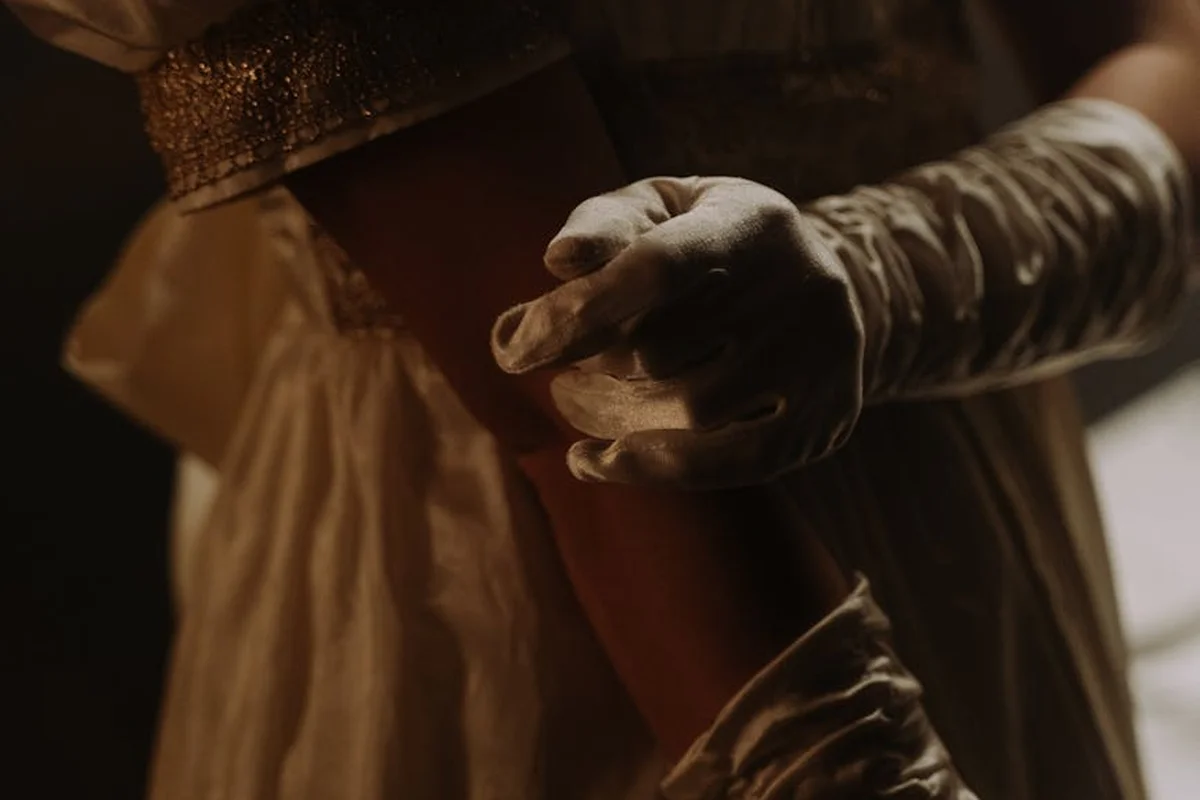
Light and humidity are silk’s two biggest enemies in storage. Think of light as a slow bleach that fades dyes and weakens fibers over years. Humidity invites mold and can cause something called ‘silk rot,’ where the protein fibers begin to degrade. You want a space that feels like a comfortable room, not a damp basement or a hot attic.
The single best thing you can do for long-term storage is to ensure the item is perfectly clean before you put it away. Even invisible body oils or dust can attract pests and cause permanent staining over time.
Your Step-by-Step Storage Protocol
- Clean First: Follow the cleaning guidance below. Never store a worn or soiled silk piece.
- Pad with Care: Loosely stuff sleeves and bodices with acid-free, un-buffered tissue paper. Regular tissue or newspaper contains acids that will yellow and weaken the silk. I use this for museum-grade storage.
- Choose the Right Container: Place the item in a breathable, plain white cotton pillowcase or a special archival textile bag. Never use a plastic garment bag or bin for long-term storage. Plastic traps moisture and leads to mildew.
- Select the Final Spot: Store the bag flat in a dark, cool, and dry place. A sturdy box under a bed (away from exterior walls) is better than a humid closet or a hot garage.
Common Household Items That Damage Silk
Be vigilant about what touches your silk. Many common storage helpers are actually harmful:
- Plastic Bins & Bags: They create a non-breathable microenvironment. Condensation forms, and mildew follows.
- Cedar Chests or Wooden Trunks: The natural oils in the wood, while moth-repellent, can transfer to silk and cause stains that are impossible to remove.
- Rubber Bands: They degrade and leave sticky, corrosive marks on the fibers.
- Newsprint or Colored Tissue Paper: The inks are acidic and will transfer, causing permanent yellowing or staining.
Make a note to check on your stored silks once a year for any musty smells or unexpected, sharp creases that could become permanent stress points in the fiber. A quick visual check takes minutes but can save a decades-old piece.
What’s the Safest Way to Clean Vintage Silk? A Step-by-Step Guide
My first rule, learned from a costly mistake in my early career: always, always perform a colorfastness and fiber integrity test on a hidden seam or hem before any cleaning method touches the main fabric. Dampen a white cotton swab with your chosen cleaner and gently blot. Check for dye transfer or any change in the fabric’s hand.
The dry cleaning versus hand-washing decision hinges on the garment’s structure and dye stability. I send structured pieces-like tailored suits, jackets with interlinings, or elaborate beaded gowns-to a professional conservator. The solvents can handle soil without disturbing the construction. For a simple silk blouse, scarf, or slip with stable dyes, careful hand washing is often perfectly safe and more gentle. Careful hand washing becomes especially important for dyed delicate fabrics, where color stability can vary. Understanding how dyes respond to water helps you decide if a gentle wash suffices or if professional care is better.
Step-by-Step Hand Washing for Delicate Silk
- Fill a clean basin with lukewarm water-think baby bath temperature, never hot. Hot water shocks the fibers and can cause shrinkage or loss of sheen.
- Add a small amount of a pH-neutral soap like a fine-wash liquid or even a gentle, sulfate-free hair shampoo. Agitate the water to create suds.
- Submerge the silk. Swirl it gently for no more than 1-2 minutes. Let it soak for a maximum of 5 minutes. Prolonged soaking weakens the fibers.
- Drain the soapy water. Refill the basin with clean lukewarm water of a similar temperature to rinse. Repeat until the water runs completely clear.
- Never wring, twist, or pull wet silk. Instead, lay it flat on a clean, absorbent white towel. Roll the towel up like a jelly roll to press the water out gently.
- Lay the garment flat on a drying rack, away from direct sunlight, radiators, or heat. Reshape it to its original dimensions. Hanging a heavy, wet silk garment can permanently stretch and distort the delicate weave.
Treating Stains Without Causing Further Damage
The golden rule for stains on silk is simple: blot from the outside of the stain inward, never rub. Rubbing grinds the substance deeper into the fibers and can damage the surface texture.
- Water Spots/Rings: These are often mineral deposits. Try holding a garment steamer at a distance (do not touch the fabric!) to gently reintroduce moisture to the entire area, which can sometimes even out the spot. Often, a full, gentle wash is the only complete cure.
- Fresh Grease or Oil: Immediately cover the spot with a generous pile of cornstarch or talcum powder. This draws the oil out. Let it sit for hours or overnight, then gently brush it away. Repeat if necessary.
- Old, Unknown Stains: This is the most dangerous category. If a stain has survived decades, home remedies are likely to set it permanently or damage the surrounding dye. For precious pieces, this is the moment to consult a textile conservation professional. Their expertise is worth the cost.
How Do You Restore Shine and Repair Minor Damage?
You can often bring back a surprising amount of luster with simple, gentle methods. The key is understanding why the shine left in the first place.
That beautiful, natural sheen of silk comes from the triangular structure of the fibroin protein. When this structure is coated with residue or crushed flat, the light scatters instead of reflecting smoothly. In most cases, a loss of shine is not permanent damage but a layer of grime, old detergent, or hard water minerals sitting on the fibers.
Dissolving Residue with a Final Rinse
After a proper, gentle wash, a final rinse is your secret weapon. I use distilled water to avoid adding new minerals and a single teaspoon of clear, white household vinegar per gallon.
- Fill a clean basin with cool, distilled water.
- Add the vinegar and swish to mix.
- Submerge the rinsed silk garment and gently agitate for a minute.
- Lift it out, do not wring, and roll in a clean towel to remove excess moisture.
The mild acidity helps dissolve alkaline soap residue and mineral deposits without harming the silk. You’ll feel the difference-the fabric will have a crisp, clean hand.
Reviving Luster with Heat and Steam
Never iron silk directly to restore shine. The concentrated heat of an iron plate can scorch the proteins in seconds, leaving a permanent shiny burn mark.
Steaming is the safer choice. The gentle, ambient heat relaxes the fibers, allowing them to return to their natural shape and reflect light better. Hang the garment and use a steamer or the steam function of your iron held an inch away. You’ll see the luster return as the wrinkles fall out, especially when treating delicate fabrics like linen.
If you must iron, you need a barrier.
- Ensure the garment is still slightly damp.
- Set your iron to the lowest “silk” or “cool” setting (under 150°C/300°F).
- Place a clean, thin cotton press cloth (like a muslin dish towel) over the silk.
- Iron with quick, light strokes. Never leave the iron in one spot.
Stabilizing Tiny Splits and Weaknesses
Over time, especially along creases or stress points, you might find tiny splits or thin areas. For a small split (under 1/4 inch), you can stabilize it to prevent further tearing.
- With Thread: Use a fine, 100% silk thread and a sharp needle. Work from the back (wrong side) and make tiny, loose whip stitches to hold the edges together. Don’t pull tight, as that creates more stress.
- With Fusible Web: For a less visible mend on an unlined garment, a tiny dot of lightweight, sheer fusible web (like Soow) can work. Place it between the fabric and a Teflon sheet, and use a low-heat iron for just 3-5 seconds to activate the adhesive.
These are stabilization methods, not invisible repairs, and are only suitable for minor damage you’ve caught early. For anything larger, like a torn seam or a shattered area where the fabric is brittle and breaking, stop. This is the moment to call a professional.
When Should You Call a Professional Conservator?
Call a professional when the garment’s historical, sentimental, or monetary value outweighs the risk of a DIY attempt. If you hesitate, it’s usually a sign you need an expert.
Clear Scenarios Requiring a Conservator
You should seek professional help for:
- Severe Discoloration or Yellowing: This is often caused by oxidized residues or degraded silk proteins. A conservator can test to identify the cause and may use specialized solvent baths or light bleaching techniques that are not safe or effective at home.
- Large Tears, Shattering, or Fragile Fabric: If the silk crumbles to the touch or has a tear longer than an inch, it needs specialized support. Conservators use methods like stitching onto a stabilization fabric (crepeline) or using reversible adhesives.
- Precious Heirlooms: Any item of irreplaceable sentimental value deserves a conservator’s assessment, even if it looks okay. They can identify hidden weaknesses.
- Garments with Complex Construction: Dresses with beading, sequins, metallic thread (lamé), or multiple linings require disassembly for proper cleaning and support-a meticulous process best left to experts.
What a Professional Can Do That You Cannot
My lab work showed me the gap between home care and conservation. A professional textile conservator has tools and training for:
- Controlled Humidification: They can slowly reintroduce moisture to a brittle garment in a sealed chamber, relaxing fibers without causing water stains or mildew.
- Chemical Stabilization: They can apply pH-adjusting solutions or consolidants to halt the chemical degradation (called hydrolytic degradation) that makes silk powdery—something that can happen from alkaline or acidic laundry treatments.
- Documentation and Reversible Methods: Every step is documented, and every repair is made to be reversible with future technology, preserving the item’s integrity for decades more.
Finding and Talking to a Textile Conservator
Start by searching the directory of a professional organization like the American Institute for Conservation (AIC) or your country’s equivalent. When you contact them:
Be ready to describe the item clearly, note all damage with photos, and state your goal—like “I want to wear this for a wedding” versus “I want this stabilized for archival storage.” This helps them provide accurate advice and estimates. Expect to discuss costs openly; conservation is a skilled, time-intensive craft that saves your treasured pieces for the future.
Silk Handling Pro-Tips for Makers and Wearers
Your daily habits make the biggest difference for silk. I always start with clean, dry hands. The natural oils on your skin can transfer to the fabric, leading to subtle stains over time. That’s where silk care simplified guidelines come in. You’ll find quick, practical steps to keep silk looking its best.
After wearing, let the garment breathe overnight on a padded hanger before returning it to the closet; this allows any moisture from your body to evaporate and helps fibers recover their shape. If you notice a perfume or deodorant mark, address it immediately with a damp, white cloth-don’t let it sit.
Your Long-Term Storage Strategy
For long-term preservation, how you store silk is critical. Never use plastic garment bags, as they trap moisture and can promote mildew. I use unbleached, acid-free muslin or tissue paper. This approach also applies to other fabrics you store—cotton, wool, and silk alike. Using breathable, archival wraps helps protect them.
Fold the garment loosely with the tissue to prevent sharp creases, and place it in a ventilated cardboard or cedar box. For heirloom pieces, I add a packet of silica gel desiccant to control humidity, but never let it touch the fabric directly. Check stored items every six months for any signs of change.
How to Prevent Wrinkles Without Damage
Ironing silk is a last resort. The direct, dry heat of an iron can scorch the proteins in the fiber, leaving a permanent shiny patch or, worse, a burn. A garment steamer is your best friend. The gentle, moist heat relaxes the fibers without flattening their natural loft. It’s especially important to use caution when ironing silk or other delicate fabrics.
When traveling, rolling is the only method I use. Lay the garment flat, fold sleeves in, and gently roll it from the hem upward; this minimizes creases and puts far less stress on the fibers than folding at the same sharp lines repeatedly. Place the rolled silk in the center of your suitcase, surrounded by softer items.
Managing Wear and Tear on Vintage Pieces
Vintage silk is often more fragile than new silk. Rotate your pieces to give the fibers time to rest between wears. Persistent stress on the same seam, especially under the arms or at the waistline, will lead to tears.
Be mindful of what touches the fabric. Apply perfume, hairspray, and deodorant well before dressing, and let them dry completely to avoid direct contact with the silk. The alcohol and other solvents in these products can break down silk fibers and strip dye. For underarm protection, I sew in lightweight, breathable silk-cotton blend shields that can be removed and washed separately.
Caring for Silk is an Ethical Choice
Preserving a vintage silk garment is a profound act of sustainable practice. It honors the resources and craftsmanship originally invested and keeps a beautiful item in use for decades longer. Every vintage piece we maintain is one less new item needing to be produced, which aligns with a mindful, low-waste approach to fashion that considers the environmental impact of silk fiber production. By learning to care for these textiles, we become stewards of both art and material, extending their life and story far into the future.
Last Notes from the Conservation Lab
The best care for vintage silk happens before any stain or tear appears. Store it flat, away from light, in a breathable cotton sheet-this simple act prevents most physical stress and slows the chemical aging you cannot see.
Treating this silk with respect extends the life of a resource already in the world, a core principle of caring for any textile. What you learn about silk’s reaction to light, moisture, and pH directly applies to understanding wool’s sensitivity to alkalinity or polyester’s resilience, building a deeper knowledge for all your fabrics. That care extends to silk fabric care washing—gentle handling, cool water, and mild detergents to protect its sheen. Mastering these basics also informs how you care for other fibers, supporting a cohesive approach to fabric longevity.
Citations and Authoritative Sources
- How to Restore Old Silk Dress: Soft & Shiny Again – Anielska Aniela
- r/VintageFashion on Reddit: How do I clean Antique Silk?
- Taking care of your Vintage Treasures- Silk | Vintage North
- Care of Vintage: How to Clean Vintage Clothing – denisebrain vintage
- How to Wash a Vintage Silk Scarf – VCG
- How to Clean & Wash Vintage Silk
Florian is a high fashion blog writer, fashion and fabric expert and a keen expert in fabric, clothing and materials. She has worked in large textile and fashion houses for over 10+ years, engineering and working with various fabric types and blends. She is an expert when it comes to questions on any and all kinds of fabrics like linen, cotton, silk, jute and many more. She has also traveled around the world studying traditional fabrics and aims to bring them into the modern fashion use.