
Is Spandex Safe for Your Skin, Health, and the Environment?
You see spandex in everything from leggings to swimwear, and it’s natural to wonder if that stretch comes with a cost. I’ve tested this fiber for years, and I can guide you through the real risks and realities.
This article draws from my work in textile labs and hands-on care experience. We will cover spandex’s basic properties and skin contact, potential health considerations, its full environmental footprint, and practical washing and care to keep you and your clothes safe.
Is Spandex Safe for Your Skin?
Let’s get straight to the point. Pure spandex fiber is chemically inert and non-toxic. The polymer itself is unlikely to cause a reaction. The real issues for skin come from three main areas: mechanical irritation, hygiene traps, and chemical additives from manufacturing.
Think of a too-tight spandex blend. It constantly pulls and presses on your skin. This friction can cause chafing, folliculitis (inflamed hair follicles), and general discomfort. It’s not the fiber attacking you, it’s poor fit doing the damage.
Then there’s breathability, or the lack of it. Spandex does not wick moisture. In a high-polyester or nylon blend, sweat gets trapped against your skin. This warm, damp environment is perfect for bacteria and yeast to grow, potentially leading to rashes or infections. For daily wear, a blend with a breathable natural fiber like cotton or merino wool is a smarter choice.
Finally, consider what’s on the fiber. Spandex is often treated with formaldehyde-based resins or dyed with certain allergenic colorants. These residual chemicals can cause contact dermatitis. If you have sensitive skin, wash any new spandex-containing garment before wearing it. This removes some surface finishes.
My practical advice for skin safety:
- Prioritize fit. Your activewear or jeans should feel supportive, not strangling.
- For long-term wear, choose blends with high natural fiber content (e.g., 95% cotton/5% spandex).
- Change out of sweaty spandex-based activewear promptly after your workout.
- Always pre-wash. Use a gentle, fragrance-free detergent for that first wash if you are sensitive.
The Environmental Cost of Stretch
This is the heavier side of the spandex equation. As a synthetic derived from petroleum, its environmental footprint starts with fossil fuels and energy-intensive processing. The lifecycle of spandex presents two persistent challenges: microfiber pollution and a lack of recyclability.
Every time you wash a nylon/spandex legging or polyester/spandex shirt, tiny plastic microfibers shed. These bypass water treatment plants and enter our waterways. A guppy pump filter or a washing machine lint trap designed for synthetics can catch some, but not all, of this shed.
Then, at the end of its life, spandex is a recycling nightmare. The strong chemical bonds that make it so durable also make it nearly impossible to separate from other fibers in a blend. Most spandex-blend clothing ends up in landfill, where it will persist for centuries.
So, what can you do? You make informed choices:
- Wash spandex blends less often and only when full. Spot clean when possible.
- Use cooler wash temperatures (30°C/85°F max) and gentler cycles to reduce fiber stress and shedding.
- Air dry exclusively. The heat of a dryer degrades the spandex elastomers over time, weakening the stretch and releasing more fibers.
- Buy quality over quantity. A well-made garment that lasts five years has less overall impact than three cheap ones that pill and warp in one.
- Look for new technologies. Some brands are now using recycled polyester or nylon in their blends, and plant-based elastane alternatives are emerging, though not yet mainstream.
How to Care for Spandex Blends to Maximize Safety & Longevity
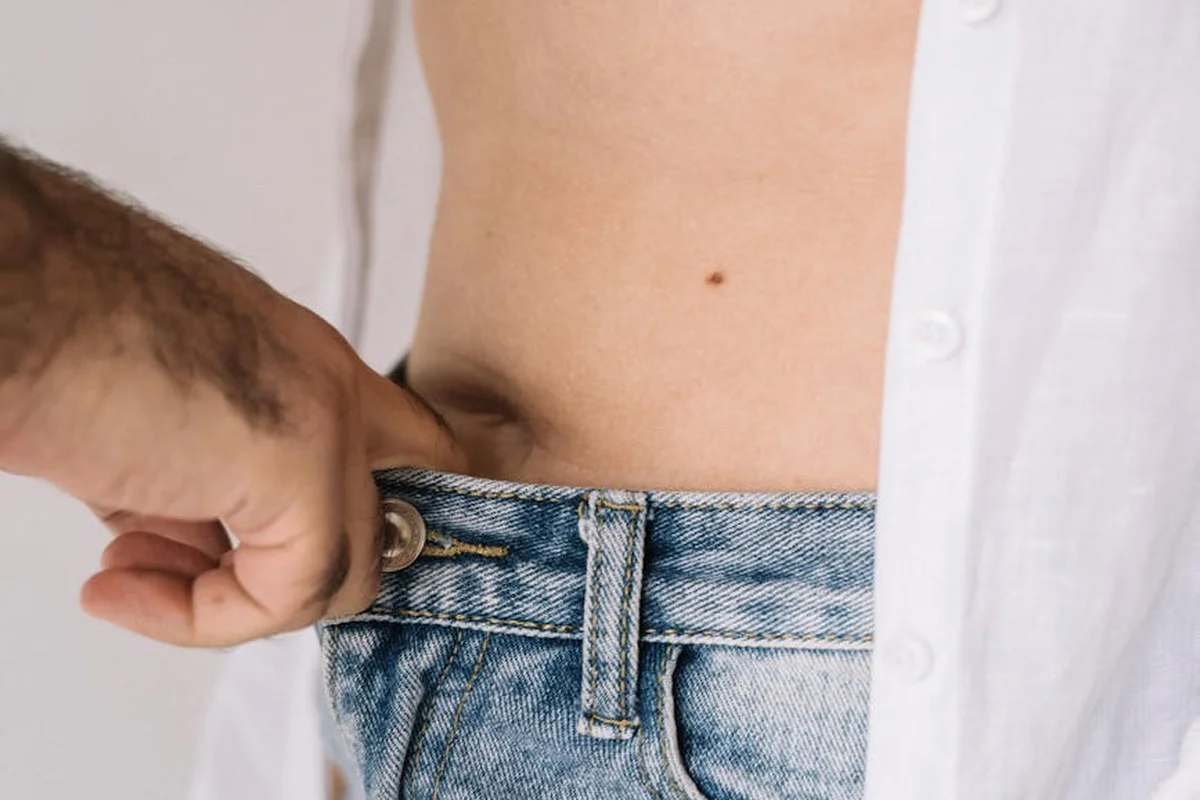
Proper care is your best tool for managing both skin and environmental concerns. Heat is spandex’s enemy. It breaks down the polyurethane chains, ruining its recovery.
Your golden rules for washing and drying are simple: cold water, gentle detergent, and always air dry. I never put spandex in the dryer. The tumbling action causes friction and heat that permanently damage the elasticity.
For stains, avoid chlorine bleach completely. It will yellow and degrade the fiber. Instead, try a oxygen-based bleach on cotton/spandex blends, or a targeted pre-wash stain remover. Always test on an inner seam first.
What about dyeing? This is tricky. Spandex has a different chemical affinity than the fibers it’s blended with. Using a standard fiber-reactive dye on a cotton/spandex blend will color the cotton but leave the spandex white, creating a heathered look. For a solid color, you need a specialized disperse dye that works on synthetics, which requires very hot water and is best left to professionals.
A quick home test for spandex content? The burn test is unreliable here due to blends. Your best bet is to check the fabric care label. If it says “air dry” and warns against high heat, you can bet there’s spandex in the mix.
Spandex vs. Natural Alternatives for Stretch
Is there a natural fiber that stretches like spandex? Not exactly. But some alternatives provide comfortable ease and recovery for certain uses.
Wool, especially merino, has a natural crimp that gives it excellent elasticity and bounce-back. It’s breathable, temperature-regulating, and resists odors. For base layers or light activity wear, it’s a fantastic, skin-friendly option.
Specialty knit constructions can also create mechanical stretch without elastane. A finely ribbed knit in cotton or Tencel lyocell will stretch across the body. You can find these types of soft, stretchy fabrics in many comfortable clothing items. The recovery won’t match spandex, but for a loose-fitting tee or dress, it’s often enough.
For high-performance compression or swimwear, however, there is currently no direct plant-based replacement that matches spandex’s strength and chlorine resistance. The choice becomes about balancing your need for extreme performance with your personal values around synthetics and microplastic shedding. For everyday comfort, natural fibers in smart knits are worth exploring.
Skin Deep: How Spandex Interacts with Your Body

Let’s get straight to the most common worry. Can spandex cause a rash? Yes, but the culprit is usually not the spandex fiber itself.
Rash Reactions: Allergy vs. Irritation
True allergic contact dermatitis to pure spandex polymer is extremely rare. The reaction you’re more likely to experience is irritant dermatitis. Think of the difference this way: an allergy is your immune system overreacting to a specific substance, while an irritation is your skin getting angry from physical stress.
Irritant dermatitis is common and happens when tight spandex blends rub against your skin, trap sweat, and create friction, much like a mild, constant chafe. The skin’s protective barrier breaks down, leading to redness, itching, or bumps, especially in areas like the inner thighs or underarms.
Allergic reactions, when they do occur, are almost always linked to chemical residues left on the fabric from manufacturing. These can include certain dyes, formaldehyde-based wrinkle-resistant finishes, or other processing aids. If you get a rash that aligns perfectly with the seams or panels of a garment, a chemical sensitivity is possible.
The Breathability Truth
Spandex fibers themselves do not “breathe” or wick moisture in the way natural fibers like cotton or wool do. Its job is to stretch and recover, not to manage humidity. I test this in the lab by comparing fabric samples. A 100% cotton tee feels open and airy because the fibers absorb moisture and the weave has space for air circulation.
A high-spandex workout top feels different. It’s sleek and compressive. That tight fit, while supportive, can create a warm, moist microclimate next to your skin if the other fibers in the blend (like polyester or nylon) are also poor at moisture management. This is why the choice of companion fiber matters so much. A polyester-spandex blend will feel less breathable than a merino wool-spandex blend.
Spandex, Moisture, and Yeast Infections
Does wearing spandex lead to yeast infections? The fiber itself does not cause infections. However, clothing choices can influence your body’s environment. Yeast thrives in warm, moist, airless conditions.
Tight, non-breathable clothing like spandex-heavy leggings or underwear can contribute to creating that exact environment, especially if worn for prolonged periods during activity or in heat. The risk isn’t the spandex thread, but the overall garment’s lack of breathability and its snug fit. For daily wear, choosing loose-fitting natural fiber blends for underwear and changing out of sweaty workout clothes quickly are the best preventative steps.
Special Use Cases: Durags and MRIs
For specific uses, spandex isn’t always the best choice. Take spandex durags, for example. The constant tension and friction from the high stretch can cause hair breakage and put stress on your hairline over time. For hair protection and reducing friction, a fabric with a smoother, less grippy surface is better. I recommend silk or satin for this purpose.
One critical warning: you absolutely cannot wear spandex in an MRI machine. Many spandex fibers are produced with metallic components in their catalyst systems, which can make them conductive. In the powerful magnetic field of an MRI, conductive materials can heat up rapidly, posing a serious burn risk. Always follow clinic instructions and change into provided gowns.
How to Test for Chemical Sensitivity at Home
If you suspect a new garment is causing a chemical rash, try this simple patch test before wearing it fully.
- Wash and dry the garment once as you normally would. This removes some surface residues.
- Cut a small, inconspicuous square of the fabric (from an inside seam allowance if possible).
- Moisten the square with a bit of warm water and tape it to the soft skin on the inside of your elbow.
- Leave it in place for 48 hours, keeping the area dry.
- Remove the patch and check the skin immediately and again 24 hours later.
If you see significant redness, swelling, blistering, or intense itching precisely where the fabric was, you may have a sensitivity to a finishing chemical on that specific garment. A mild pink outline is normal from the tape and occlusion. If you react, discontinue use of that item. For future purchases, look for garments labeled as Oeko-Tex certified, which limits harmful chemical residues.
The Chemical Backbone: What’s in Spandex?
Let’s get into the lab. Spandex, or elastane, starts its life as a liquid soup of chemicals that gets spun into the springy fibers we know. Think of it like making bread: you start with basic ingredients, mix and react them, and end up with a finished product that’s very different from its parts.
The main starting block is a polyurethane prepolymer. This is a fancy term for short chains of molecules that are ready to be linked together into one long, elastic chain. To extend that chain, we add chain extenders, often chemicals from a group called diamines. This reaction needs to happen in a solvent, like dimethylformamide (DMF), which acts as a bath to keep everything mixed and manageable before the fiber is spun.
Here’s the key point for your skin’s safety: during production, these components chemically bond to form the final spandex polymer. Once formed, the polymer chains are largely “locked in,” meaning the raw starting chemicals aren’t freely floating in the fabric you wear. The elastic fiber itself is chemically stable and inert for most people.
The primary concern shifts from the fiber to the process. The real focus is on chemical residues from processing, like leftover solvents or catalyst metals, and the environmental impact of manufacturing those chemicals in the first place. Traces of solvents or other processing aids could potentially remain on the fiber if it’s not thoroughly washed during production.
This is where third-party certifications become your practical tool. Look for OEKO-TEX Standard 100 or Bluesign certifications on garments containing spandex; these indicate the finished textile has been tested for a wide range of regulated harmful substances, keeping residue levels in check. It doesn’t solve the upstream environmental issue, but it directly addresses the “safe for skin” question for the product in your hands.
Environmental Impact: The Lifecycle of a Synthetic Spring
Spandex is a miracle of modern chemistry, but its environmental story is complex. Let’s trace its journey from oil to your wardrobe, and eventually, to its final resting place.
Is Spandex Biodegradable?
No. Spandex is a type of plastic, specifically a polyurethane. In a landfill, it will not break down naturally like cotton or wool. Think of it like a plastic bottle; it will persist, essentially unchanged, for hundreds of years. Unlike natural fibers that can compost and return nutrients to the soil, spandex is designed for permanence, which becomes a problem at the end of its useful life.
Microplastic Shedding: The Invisible Fallout
Every time you wash a synthetic garment, it sheds tiny plastic fibers. A 95% cotton/5% spandex t-shirt sheds far less than a polyester fleece, but it still contributes to microplastic pollution.
I tested this in my own wash. A guppyfriend bag filter caught fine lint from blended leggings after just one cycle. While spandex itself is less “fluffy” and sheds less than some synthetics, any washing of synthetic blends releases microfibers into our waterways. These fibers are now found everywhere, from the deepest oceans to our food chain.
You can reduce shedding with two simple steps:
- Wash synthetic blends less frequently and only with full loads.
- Use a microfiber-catching laundry bag or a washing machine filter.
Production Pollution: Energy and Chemicals
Making spandex is energy-intensive. It starts with petroleum, which is refined and processed using significant heat and power. The chemical process to create the stretchy fibers also involves solvents and catalysts.
When managed in a state-of-the-art facility with strict controls, the environmental impact is contained. However, the potential for hazardous chemical release exists if wastewater or air emissions are not properly treated. The production footprint is tied directly to fossil fuels and industrial chemical synthesis, unlike plant or animal-based fibers.
Can Spandex Be Recycled?
This is the biggest challenge. In practical terms, most spandex garments cannot be recycled through standard systems.
Spandex is almost never used alone. It’s a core thread wrapped in another fiber like nylon or polyester. This intimate blend is what makes recycling so difficult. Mechanical recycling-shredding old fabric into new fiber-severely weakens the spandex’s elasticity. The resulting recycled material has very little stretch.
Chemical recycling, which breaks the fabric down to its molecular building blocks, can handle blends, but it’s complex, expensive, and not widely available for post-consumer clothing. For you and me, tossing a pair of worn-out leggions into a store take-back bin doesn’t mean they will be reborn as new leggings; they are far more likely to be downcycled or landfilled.
The takeaway? Buy spandex-blend garments you love and intend to keep for a long time. Their environmental cost is front-loaded in production, so extending their life is the most sustainable choice you can make.
Practical Care: Washing, Drying, and Making Spandex Last

Think of spandex as the spring in your fabric’s step. To keep it bouncing back, your care routine needs to protect that elasticity. Heat and harsh chemicals are its main enemies, especially when it comes to latex and spandex blends. I handle my activewear and blends with a gentle, cool touch, and you should too.
Washing Spandex Correctly
This is your first and most important line of defense. Getting washing right prevents most problems before they start.
- Water Temperature is Key: Always use cold water, never warmer than 30°C (86°F). Hot water relaxes the spandex polymer chains and can cause permanent set, meaning your leggings won’t snap back to their original shape.
- Cycle and Preparation: Use the gentle or delicate cycle on your machine. I always turn garments inside out before washing. This protects the outer surface from abrasion against other fabrics and the drum. For delicate items like swimsuits or supportive underwear, a mesh laundry bag is a must.
Choosing your detergent makes a real difference in the long-term health of the fabric.
Avoid powdered detergents and any product containing bleach (chlorine or oxygen). These can degrade the fibers. Fabric softeners are also a no-go. They leave a waxy coating that smothers the spandex fibers, reducing their ability to stretch and recover. Instead, opt for a mild, liquid detergent formulated for delicates or activewear.
Will Spandex Shrink?
This is a common point of confusion. Pure spandex fibers do not absorb water and therefore do not shrink in the traditional sense like cotton or wool. The real danger from heat isn’t shrinkage-it’s melting and permanent damage to the elastic recovery. In everyday fabrics, blends like polyester-cotton-spandex are common. In these blends, shrink behavior can vary and care guidelines differ.
Exposing spandex to high heat (from a dryer, iron, or even hot wash water) can cause the fibers to melt slightly, lose their spring, and become brittle. Once that molecular structure is altered, it cannot be fixed. The cotton or nylon it’s blended with, however, can still shrink. This mismatch often causes puckering, distortion, and a garment that never fits the same way again.
How to Dry Spandex Fabrics
Your dryer is the single biggest threat to your spandex garments. The best practice is to avoid it altogether.
- Air Dry Flat: Gently squeeze out excess water without wringing or twisting. Lay the garment flat on a clean towel or drying rack, reshaping it to its original dimensions. Keep it away from direct sunlight and heat sources like radiators, as UV rays and dry heat also degrade elasticity over time.
- The Dryer Rule: Never use a high-heat setting. If you must use a dryer, select the lowest possible heat or an air-only (no heat) tumble cycle for a short duration. I tell people that even low heat is a cumulative stress-each cycle does a tiny bit of damage that adds up.
Can You Iron Spandex?
The answer is a firm, unequivocal no. The soleplate of an iron is far too hot and will melt the fibers on contact, leaving you with a shiny, sticky, ruined patch—especially if you’re dealing with delicate fabrics like nylon. If you need to remove wrinkles, use a garment steamer. Hold it several inches away from the fabric and use a gentle, low-setting burst of steam. The heat is more diffuse and much less likely to cause damage.
Storing Your Spandex Garments
Proper storage between wears preserves the lifespan you’ve protected through careful washing.
Always fold spandex-rich clothing like leggings, swimsuits, and athletic tops; do not hang them long-term. The constant pull of gravity on a hanger will stretch out the elastic fibers, especially at the shoulders and waistbands, leading to a permanently baggy fit. Store them in a drawer or shelf away from direct sunlight, which slowly breaks down the polymers, making them weak and less elastic.
When Spandex Goes Wrong: Troubleshooting Common Problems
Even a great fabric has its quirks. Spandex is incredibly useful, but it asks for specific care. When issues pop up, they’re often linked to how we treat the spandex blend, not the spandex fiber itself. Here’s how to handle the most common complaints I see in the lab and in my own laundry.
Pilling: The Fuzz You Didn’t Want
Spandex almost never pills on its own. Those little fabric balls form on the surface fibers it’s blended with, like polyester or nylon. The friction from wear causes the longer polyester fibers to break, tangle around the spandex core, and form pills on the surface. Don’t pull them off; you’ll yank out more fiber. I use a battery-powered fabric shaver, holding the garment taut and gliding it gently over the surface. A disposable razor in a pinch works, but go slow to avoid nicks.
Loss of Stretch (Bagging Out)
Nothing is sadder than leggings or a swimsuit that loses its snap. This happens when the spandex polymer chains are damaged and can’t spring back. Heat is the primary culprit-a too-hot dryer or wash cycle melts the bonds permanently. Poor quality spandex with a low percentage of the fiber will also bag out quickly. I’m sorry to say this damage is irreversible. Prevention is your only tool: wash in cool water and always, always air dry.
Yellowing: The Stain of Time and Chemistry
That dingy yellow tint on white sports bras or the underarms of tops is a chemical reaction. Body oils, sweat (which is slightly acidic), antiperspirant residues, and even some laundry detergents can cause it. Pre-treat yellowed areas with a thick paste of baking soda and a little water, gently rubbing it in and letting it sit for 30 minutes before a cool wash. For stubborn yellowing, I sometimes add half a cup of hydrogen peroxide to the wash with my regular detergent. Never use chlorine bleach on spandex blends; it weakens fibers and can turn them a sickly yellow.
Persistent Odors: When the Funk Won’t Leave
Synthetic blends can trap odor molecules in their fibers. If your workout gear still smells after a wash, it’s time for a reset. Soak the item in a solution of cool water and one cup of white vinegar for 30 to 60 minutes before a normal wash cycle. The mild acidity helps break down the alkaline salts in sweat that hold smells. I avoid long baking soda soaks here, as its high alkalinity can, over time, degrade the spandex’s elasticity. For regular maintenance, wash activewear immediately after use.
A Crucial Dyeing Note
Many people ask me about dyeing faded black leggings or changing a garment’s color. Here’s the hard truth from the dye lab: You cannot successfully dye pure spandex or the spandex component of a blend with any consumer dye product. The fiber is a synthetic polymer designed to be chemically resistant. In a cotton-spandex blend, for example, the dye will only bond to the cotton. The spandex will remain its original color, often leading to a speckled, faded, or uneven result. It’s best to love your spandex items in the color you bought them.
Material Alternatives: Finding the Right Stretch for You
You don’t have to choose between comfort and fit. Blending spandex with natural fibers often gives you the best of both worlds.
For Comfort and Breathability
For everyday clothes like t-shirts, leggings, and casual dresses, a natural fiber blended with a little spandex is my top recommendation. The natural fiber handles breathability and moisture, while the spandex (usually just 2-5% of the fabric) provides the fit.
A 95% cotton / 5% spandex jersey is a classic. The cotton absorbs sweat and lets your skin breathe, while the spandex keeps the garment from bagging at the knees or elbows. Wash these blends in cool water and tumble dry low to protect the spandex’s elasticity and minimize cotton shrinkage, which typically ranges from 3-5%.
For cooler weather, wool or merino wool blends are exceptional. Wool naturally regulates temperature and resists odors. Adding 2-3% spandex to a wool knit prevents it from stretching out of shape over the day. Hand wash these blends in cold water with a wool-specific detergent and lay flat to dry to maintain their springy loft. This is especially important for wool-synthetic blends.
For Performance
When you need extreme stretch and snap-back for athletic wear, no natural fiber alone matches spandex. Its molecular recovery is unique. The goal here is to find smarter synthetic blends.
Look for fabrics where spandex is paired with textured polyester or nylon. These engineered yarns can wick moisture better than basic versions. There are also emerging bio-based elastanes, like Lycra’s T400, which is made partly from renewable resources. These are a step forward, but it’s vital to know they are still plastic polymers and will shed microfibers. Their care is identical to conventional spandex: cold washes, skip the dryer, and use a microfiber filter bag.
For Minimal Stretch
If you want to avoid synthetic fibers entirely but need a bit of give, you have clever options. Mechanical stretch is your friend.
Certain knit structures, like a rib knit or a single jersey with a special loose loop, create fabric that stretches without any elastic fiber. A 100% cotton ribbed tank top is a perfect example. Another method is the bias cut, where woven fabric (like silk charmeuse or cotton poplin) is cut at a 45-degree angle to the grain. This allows the weave to relax and stretch diagonally. Bias-cut garments drape beautifully and move with you, though they require careful sewing and gentle cold-water washing to prevent distortion.
A Mindful Approach to Elasticity
More spandex doesn’t mean better quality. In fact, a garment with 10% spandex will often wear out and lose its shape faster than one with 5%. The plastic fibers break down from heat, chlorine, and oils.
My advice is to buy less, but choose better. Look for well-constructed seams on stretch garments-they should lie flat and use a stretch stitch. Washing less frequently is the single most effective way to reduce microfiber shedding from any synthetic blend. Spot clean when you can. When you do wash, make it a full, cold, gentle cycle without fabric softener, which can coat fibers and reduce elasticity.
When NOT to Use Spandex: A Fabric Scientist’s Warning
Spandex is a brilliant tool, but like any tool, it has a wrong place and time. Based on years of testing garments and seeing how fibers behave on real bodies, here is my practical guidance on when to choose something else.
Don’t use high-spandex garments for all-day, everyday wear if you have sensitive skin or are prone to irritation.
That second-skin feel comes at a cost: minimal air circulation. Spandex itself is a non-absorbent polymer, and when woven or knitted tightly for compression, it traps heat and moisture against your skin. This creates a warm, damp environment. For sensitive skin, this can lead to chafing, folliculitis (irritated hair follicles), or general irritation.
I also consider the chemical processing. To achieve those bright, lasting colors on synthetic blends, heavy-duty dyes and chemical finishes are often used. These can sometimes irritate skin, especially in areas of constant friction and sweat. If you have eczema, dermatitis, or simply reactive skin, prioritize natural, breathable fibers like cotton or linen for your daily basics.
Don’t use it for sleepwear or loungewear where breathability and moisture-wicking are priorities.
Your body temperature fluctuates during sleep. The goal of sleepwear is to help regulate that, not hinder it. A spandex-heavy nightshirt or tight lounge set will hold in body heat. You might overheat or wake up feeling clammy.
For true comfort at rest, you want fibers that pull moisture away from the skin and let it evaporate. Think cotton, bamboo, or lightweight wool (which is surprisingly temperature-regulating). Save spandex for its purpose-activity and shape-not for rest and recovery. A soft, loose-knit cotton with 2% spandex for slight recovery is fine, but a 15% spandex “compression” lounge set is not ideal for sleeping.
Don’t expose it to high, direct heat (dryers, irons, hot car interiors).
This is the fastest way to ruin a spandex-blend garment. Spandex fibers are like tiny, heat-sensitive springs. High heat melts the polymer’s molecular structure, permanently damaging those springs. They lose their ability to snap back.
You’ll see this as:
- Bagging at the knees and elbows on leggings.
- A waistband that no longer hugs.
- General sagging and loss of shape.
The heat from a car dashboard on a sunny day is enough to cause this damage. Always air-dry spandex blends away from direct heat sources, and if you must iron, use the lowest possible synthetic setting with a pressing cloth. Tumble dry on no-heat or air-fluff only if the label permits.
Don’t assume a garment with spandex is machine-washable-always check the care label of the primary fiber.
Spandex is almost always a blend. How you care for the garment depends on the other fiber in the mix. The spandex component just adds a specific requirement: avoid high heat and harsh bleach. With cotton as the other fiber in many blends, the fabric gains softness and breathability while keeping stretch. Understanding cotton spandex fabric composition properties helps explain care and performance differences across blends.
For example:
- A cotton/spandex tee can typically handle a gentle machine wash.
- A wool/spandex knit blazer almost certainly requires hand-washing in cool water. Machine agitation will felt the wool, and the heat will damage the spandex, causing irreparable shrinking and distortion.
- A silk/spandex slip dress needs the delicate care you’d give silk-likely hand-wash in a mild, neutral pH detergent.
The rule is simple: find the primary fiber on the label and follow its care instructions, while adding the extra caution of using cool water and no heat drying to protect the spandex. This hybrid approach keeps every fiber in the blend happy and extends the life of your garment.
Sustainability Profile: Spandex vs. Other Fibers
Let’s talk about what happens when a garment’s life is over. A fabric’s end-of-life story is a key part of its environmental footprint. Here’s a straightforward look at how spandex compares to other common fibers.
| Fiber | End-of-Life Profile |
|---|---|
| Spandex (Elastane) | Non-biodegradable. Very low recyclability due to its complex chemical structure and blend with other fibers. |
| Cotton | Biodegradable and compostable under the right conditions (needs oxygen, moisture). |
| Wool | Biodegradable and compostable; it even adds nutrients back to soil as it breaks down. |
| Polyester | Non-biodegradable, similar to spandex. Recyclability is higher, but it still sheds microplastics. |
Seeing this, you might think avoiding synthetics is the only answer. I don’t see it that way. For most of us, the biggest opportunity to reduce impact isn’t in the landfill phase-it’s in the long life of the garment in our closet.
How you care for a spandex-blend item has a massive effect on its environmental footprint, far more than the fiber content alone. Every wash cycle wears the fabric, and for synthetics, that means shedding microfibers. Your care routine is the lever you control.
- Wash in Cold Water: This is the single most effective thing you can do. Heat degrades the spandex fibers faster, weakening them and increasing microfiber shed. Cold water cleans effectively and preserves elasticity.
- Use Full Loads & Gentle Cycles: A full washer reduces friction between garments. The gentle cycle is less abrasive than a heavy-duty spin.
- Try a Microfiber Filter Bag: Washing spandex-blend activewear or leggings in a specially designed filter bag can capture a significant portion of shed microfibers before they enter the water system.
- Air Dry Whenever Possible: Skip the dryer. The heat damages spandex, and the tumbling action mechanically breaks fibers. Air drying extends the life of the garment dramatically and uses zero energy.
Chasing a perfectly sustainable fabric is a moving target. Real-world sustainability comes from making informed choices, not perfect ones. Now that you know how spandex works-its strengths and its environmental trade-offs-you can use it wisely. Choose it for the performance you need in workout gear or fitted garments, and then commit to caring for it responsibly to make that garment last for years. That mindful approach is what truly reduces impact.
Last Threads on Spandex Care
My top piece of advice from years in the lab is to always check the care label first and treat Spandex blends with a gentle touch. Washing in cool water with a mild detergent and skipping the dryer dramatically reduces skin irritation and fiber breakdown over time.
Being a mindful clothier means extending the life of every garment, whether it’s a resilient polyester jacket or a delicate silk blouse, through proper care. I urge you to keep asking how fabrics like cotton, wool, and nylon respond to washing, dyeing, and wear, building your own practical fabric science for a more sustainable practice.
Expert Resources and Citations
- The Dangers of Spandex – Cottonique – Allergy-free Apparel
- Is Spandex Toxic? What Are The Alternatives? – Sustainably Kind Living
- The Environmental Impact of Spandex – One Green Planet
- 4 side-effects of wearing spandex you should not ignore | TheHealthSite.com
- Fire Safety of Spandex Fabric: What You Need to Know – Begoodtex
- Is Spandex Flammable? Elastane Flammability & FR Safety Guide
Florian Ventura
Florian is a high fashion blog writer, fashion and fabric expert and a keen expert in fabric, clothing and materials. She has worked in large textile and fashion houses for over 10+ years, engineering and working with various fabric types and blends. She is an expert when it comes to questions on any and all kinds of fabrics like linen, cotton, silk, jute and many more. She has also traveled around the world studying traditional fabrics and aims to bring them into the modern fashion use.