
What Fabrics Are Soft, Stretchy, and Feel Best?
It’s frustrating when clothes feel stiff, scratchy, or restrict your movement. You’re looking for that perfect balance of cozy comfort and flexible ease, and it all starts with the fiber science.
We will cover the inherent softness of different fibers, how true stretch is engineered into fabric, and the practical care that keeps these materials feeling their best.
Executive Summary: Your Quick Fabric Guide
When you want softness, stretch, and a great feel all in one fabric, you are typically looking at knits or carefully engineered woven blends. Based on my time testing fabrics for hand and recovery, these categories consistently deliver.
- Cotton-Spandex Knits (Jersey, Rib Knit): The everyday champion. The cotton provides breathability and a familiar, often brushed softness, while a small percentage of spandex (5-10%) adds lasting, comfortable stretch.
- Rayon (Viscose) or Modal Blends with Spandex: For a drapey, luxe feel. These plant-based regenerated fibers are incredibly smooth and cool to the touch, mimicking silk. Blended with spandex, they create fluid, stretchy garments for dresses and loungewear.
- Fine Wool or Wool Blend Knits (Merino, Lambswool): For temperature-regulating softness. Fine merino wool is naturally springy, resists odors, and provides inherent stretch through its crimped fiber structure. Blends with nylon can enhance durability.
- Tencel Lyocell or Modal Knits: A superb plant-based alternative. These fibers are made from sustainably processed wood pulp. They feel silky-smooth, are highly breathable, and when knit, have a beautiful, heavy drape with some natural give.
- French Terry or Fleece (Cotton or Cotton Blends): For cozy, casual comfort. These are loop-backed or brushed knits that prioritize plush, cloud-like softness. Stretch comes from the knit structure and often added spandex.
The choice always involves a trade-off: natural fibers like cotton and wool offer superior breathability and often a more pleasing hand, but they may shrink or require more careful washing. Synthetics like polyester and nylon are durable and resist wrinkles, but they can feel less breathable and may hold onto body odors.
You can achieve incredible softness without animal fibers. For that cashmere-like cloudiness, look for high-quality, brushed organic cotton or blends with Tencel. For a silky drape, bamboo lyocell or certain rayons are excellent, conscious choices.
Remember, the “best” feel is deeply personal and depends on the garment’s purpose. The soft, breathable stretch of a cotton jersey is perfect for a daily t-shirt, while the sleek, compressive stretch of a nylon-spandex blend is what makes athletic leggings perform.
What Makes a Fabric Soft and Stretchy? The Textile Science of Touch
Softness, what we in textiles call the “hand,” isn’t just one thing. It’s a result of three factors working together: the fiber, the yarn, and the fabric construction.
First, fiber fineness. Imagine a strand of merino wool versus a coarse sheep’s wool. The finer the fiber, the softer it feels against your skin. Next, yarn twist. Loosely twisted yarns create a loftier, softer feel, while tightly twisted yarns are stronger and crisper. Finally, the fabric structure. Knitted fabrics, made from interlocking loops, are naturally softer and more flexible than woven ones, where threads cross at right angles.
Stretch comes from two main sources. Inherent stretch is built into the fabric’s structure, like the springy give you get from a wool knit or the recovery of a knitted rib cuff. Mechanical stretch comes from elastic fibers like spandex (also called Lycra or elastane). These are pure synthetic rubber threads that are wrapped with another fiber and provide powerful, consistent recovery. Most comfortable stretch fabrics use a small amount of spandex (rarely more than 10-15%) to add movement without feeling restrictive.
The molecular structure of a fiber dictates how it feels. Polyester fibers are smooth, continuous polymer chains. This makes them feel sleek and even slippery, but it also means oil and odor molecules slide along their surface easily, which is why polyester can feel less fresh. Wool, in contrast, has a surface of tiny overlapping scales. This creates friction, which leads to natural loft and insulation, and it’s why wool can feel warm and springy, not slick.
So, how do these common fabrics actually feel to wear?
- How does cotton fabric feel? It’s breathable and absorbent. It can feel crisp in a percale weave or deliciously soft in a well-worn, brushed knit. Cotton lacks inherent stretch, so for comfort, it’s almost always knitted or blended with spandex.
- How does polyester feel? It feels sleek, strong, and often smooth. It can be engineered to mimic other textures, but it tends to be less breathable than natural fibers. In knits, it provides excellent durability and wrinkle resistance, but it can sometimes feel clingy or static-prone.
- How does rayon fabric feel? Rayon (viscose) has a beautifully cool, heavy, and drapey hand. It’s often described as having a silky feel because its fibers are very smooth and absorbent. It’s a popular choice for flowing, comfortable garments, though it has little stretch unless blended.
To test stretch at home, gently pull the fabric widthwise. A knit will recover smoothly. Look for a content tag listing spandex, elastane, or Lycra for confirmed mechanical stretch. For softness, trust your skin-the inner forearm is a sensitive testing spot.
Material Data Table: Comparing Soft, Stretchy Fabrics
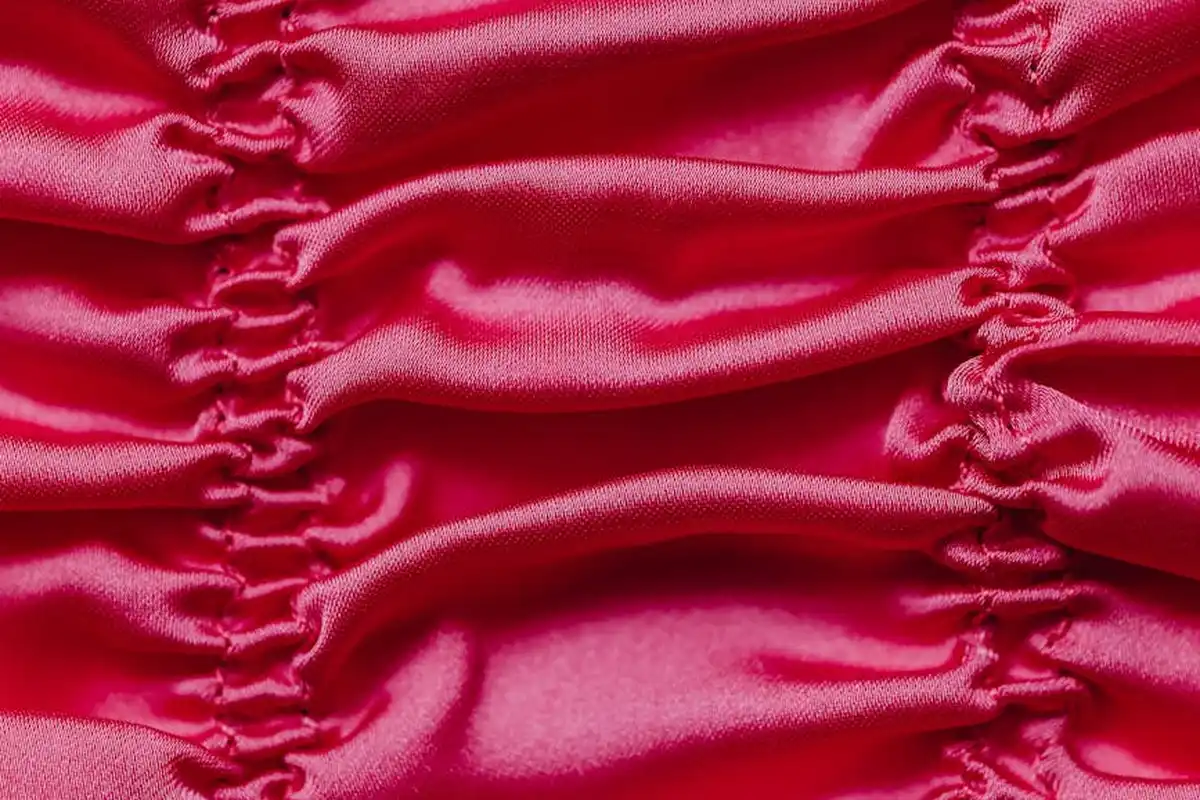
When you’re hunting for that perfect soft, stretchy feel, the fiber content tells you everything. I’ve tested these fabrics in the lab and in my own laundry for years. This table cuts through the noise to show you how they really behave.
| Fabric Name | Breathability | Typical Shrinkage Rate | Heat Tolerance (Iron) | Stretch Factor |
|---|---|---|---|---|
| Cotton Jersey | High | 5-8% | High (200°C/392°F) | Moderate |
| Polyester Knit | Low | 1-3% | Low-Med (148°C/300°F) | High |
| Rayon/Spandex Blend | Medium-High | 5-10% (Rayon shrinks) | Low (135°C/275°F) | High |
| Wool Knit (Merino) | High | 5-15% (with agitation & heat) | Medium (148°C/300°F) + steam | Moderate-High |
| Modal (Beechwood) | High | 2-4% | Medium (160°C/320°F) | Moderate |
Fiber Notes and Practical Care
Here’s what the data in the table means for your daily wear and care, straight from my workbench.
Cotton Jersey
Origin: Plant (cotton boll). That high breathability is why a cotton tee feels so good against your skin. The trade-off is significant shrinkage, which happens when the relaxed cotton fibers swell with water and then tighten up as they dry. Pre-wash your fabric if you’re sewing. To keep it soft, avoid high-heat drying; tumble dry on low and remove while slightly damp.
Polyester Knit
Origin: Synthetic (petroleum). Its low shrinkage and high stretch recovery make it very low-maintenance. The low breathability is why it can feel clammy; it doesn’t absorb moisture, so sweat sits on your skin. Pilling is its main flaw. Wash inside out on a gentle cycle to reduce friction. Use a cool iron only-polyester melts.
Rayon (Viscose) / Spandex Blend
Origin: Plant (regenerated cellulose from wood pulp). Rayon gives a gorgeous, fluid drape and softness, but it’s fragile when wet. The spandex (usually 2-5%) adds the stretch. This fabric shrinks the most because the rayon fibers are unstable; they contract dramatically with heat and agitation. Always hand-wash or dry clean. Never wring it out; roll it in a towel to dry. Iron on the lowest setting.
Wool Knit (e.g., Merino)
Origin: Animal (sheep fleece). Nothing matches its temperature regulation-it’s warm yet breathable. The stretch comes from the natural crimp in the fibers. Animal welfare is a key consideration; look for certifications like Responsible Wool Standard (RWS) which prohibits mulesing and ensures humane treatment. Shrinkage (felting) is caused by heat, agitation, and rapid temperature changes. Wash in cold water with a wool-specific detergent and lay flat to dry. The steam from your iron is your best friend for removing wrinkles.
Modal
Origin: Plant (regenerated cellulose from beechwood). Think of it as an upgraded, more stable version of rayon. It’s incredibly soft, breathable, and resists shrinkage much better. It holds dye beautifully, resulting in vibrant colors that last. Care is similar to cotton but gentler; use cool to warm water and low heat. It’s a fantastic, durable choice for everyday softness.
A Quick Word on Silk Knits
Silk (animal, from silkworm cocoons) can be knitted into a supremely soft, stretchy fabric. It breathes beautifully and feels luxurious. For animal welfare, peace silk or Ahimsa silk processes allow the moth to emerge naturally, which I advocate for. It requires dry cleaning or very gentle hand-washing. Heat will damage it, and it can water-spot. Handle it like the delicate treasure it is.
Natural Fibers: Breathable Softness from Plants and Animals
Cotton: The Versatile Favorite
Cotton’s feel changes completely based on how it’s woven or finished. A crisp poplin has a structured, clean hand, perfect for shirts that hold their shape. But take that same cotton and knit it into a jersey or brush it into french terry, and you get a soft, cozy fabric that drapes against your skin. The difference between a crisp weave and a soft knit is all about the structure, not the fiber itself. Studying cotton fabric varieties and their characteristics helps explain these differences. It also guides how you select fibers for different garments.
Pure woven cotton, like in a classic button-down, has almost no stretch. It’s like a tight grid of threads. Cotton gets its stretch from being knitted. Those interlocking loops act like tiny springs, letting the fabric move with you. For more flexibility in wovens, look for blends with a small percentage of spandex.
Cotton shrinks because the fibers relax and contract when they get wet and hot. I’ve measured up to 5% shrinkage in some untreated cottons after the first warm wash. To control this, always pre-wash your fabric by the yard before you cut and sew. Wash it in warm water with a gentle detergent, then tumble dry on low. This mimics the care the finished item will get and saves you from surprises later.
You know that soft bag made from printed fabric with cartoon characters? It’s likely a soft cotton canvas or twill. These weaves are sturdy enough for daily use but can be finished to have a wonderfully soft hand, making them ideal for accessories that feel good to carry.
Wool: Naturally Springy and Warm
Wool’s magic is in its natural crimp, which gives it a springy loft. In knits and felts, this translates to incredible stretch and recovery. Not all wool is the same, though. Coarse wools from some breeds can feel scratchy, while merino wool fibers are fine and silky, creating knits that are soft enough for base layers. The finer the wool fiber, the softer and more next-to-skin comfortable the fabric will be.
When working with wool, I prioritize ethical sourcing. Look for certifications like the Responsible Wool Standard (RWS) that ensure animal welfare. If you prefer to avoid animal fibers, high-quality acrylic or recycled polyester blends can mimic wool’s loft and warmth very well. They won’t have wool’s natural temperature regulation, but for a similar fuzzy, springy feel, they are excellent alternatives.
Wool’s biggest care risk is felting shrinkage. The fibers have microscopic scales that lock together permanently with heat and agitation. Always wash wool in cold water, by hand or on a gentle cycle, and never put it in a hot dryer. Think of it like washing your hair-gentle cleansing keeps it from matting. Lay wool flat to dry to maintain its shape.
Silk: The Luxury Standard
Silk has a signature smooth, sleek hand that’s hard to replicate. Charmeuse or habotai silk feels cool and liquid against the skin, with a luminous drape. Compare that to a silk shantung, which has a textured, nubby surface from irregular yarns-it’s still silk, but with a completely different, more casual character. The weave and finish define silk’s personality, from glossy formalwear to rustic tops.
On its own, silk has minimal inherent stretch. A woven silk blouse will have very little give. For stretch, silk is often used in knit constructions or blended with about 5-10% spandex. This gives you the luxury feel with the mobility you need for comfortable dresses or lingerie.
Many people ask, “does rayon feel like silk?” The answer is yes, it comes very close. Rayon, made from processed wood pulp, mimics silk’s cool, smooth drape and beautiful fall at a much lower cost. Rayon absorbs dye like silk, giving rich colors, but it requires similar gentle care as it can weaken when wet. For a silk-like experience on a budget, high-quality rayon is a fantastic choice.
Synthetic and Regenerated Fibers: Engineered for Comfort

Polyester and Nylon: The Durability Experts
You’ve probably wondered, does polyester feel like cotton? In my lab, the answer is a clear no. Under a microscope, cotton fibers are rough, twisted ribbons that soak up moisture. Polyester fibers are smooth, round rods that repel it. This is why polyester feels less breathable and can sometimes have a slick hand or cling with static. The fundamental difference is in moisture management: cotton absorbs, polyester wicks.
But technology has changed the game. I’ve tested modern micro-denier polyester, where fibers are split so finely they feel almost powdery. Brushed or sanded finishes can also create a fleece or velour with a cloud-like softness. These finishes prove that a fabric’s surface treatment is just as important as its base fiber for softness.
For stretch, polyester and nylon truly shine in blends. The high-stretch, soft fabric in your leggings is almost always a blend like 85% polyester and 15% spandex. The polyester provides durability and colorfastness, while the spandex (like Lycra or elastane) gives that springy, four-way stretch. Athletic blends are engineered for high movement and exceptional resistance to shrinkage, often showing less than 2% change after repeated hot washes. Just avoid high-heat drying, as it can degrade the spandex over time.
If you’re picturing a soft, stretchy fabric with small holes, you’re thinking of a mesh. This is usually a knit made from fine polyester or nylon yarns. The small holes are intentional gaps in the knit structure for maximum breathability and a lightweight, flexible feel. It’s a staple in athletic jerseys and base layers.
Rayon, Modal, and Lyocell: Plant-Based Silkiness
Let’s clear up the names first. Rayon is the general term for fibers made from dissolved and regenerated wood pulp. Modal is a type of rayon known for being stronger when wet and having a luxurious sheen. Lyocell (often branded as Tencel) is the most advanced, made in a closed-loop solvent process that’s highly sustainable. Think of it as a family: Rayon is the parent, Modal and Lyocell are the upgraded, more eco-conscious children.
How do they feel? Does rayon feel like polyester? Not at all. It’s far more absorbent and doesn’t build up static electricity like polyester can. Does rayon feel like cotton? There’s a similarity in their initial coolness against the skin, but rayon has a fluid, heavy drape that cotton often lacks. Rayon and its cousins have a sleek, silky hand that makes them drape beautifully, mimicking more expensive fibers at a lower cost.
Their softness in knits is superb, but they have a key weakness: water. These fibers can lose up to 10-15% of their length in a hot wash, a dramatic shrinkage. They also become much weaker when wet. I always handle them with care. Because regenerated cellulose fibers have low elastic recovery, they are almost always blended with 3-5% spandex to get that comfortable, bouncing stretch we love in t-shirts and dresses. For care, wash in cold water on a gentle cycle and lay flat to dry to preserve their size and softness. For dyeing, they take fiber-reactive dyes (the same as for cotton) brilliantly, often yielding very vibrant colors.
Smart Blends: Combining Fibers for the Perfect Hand
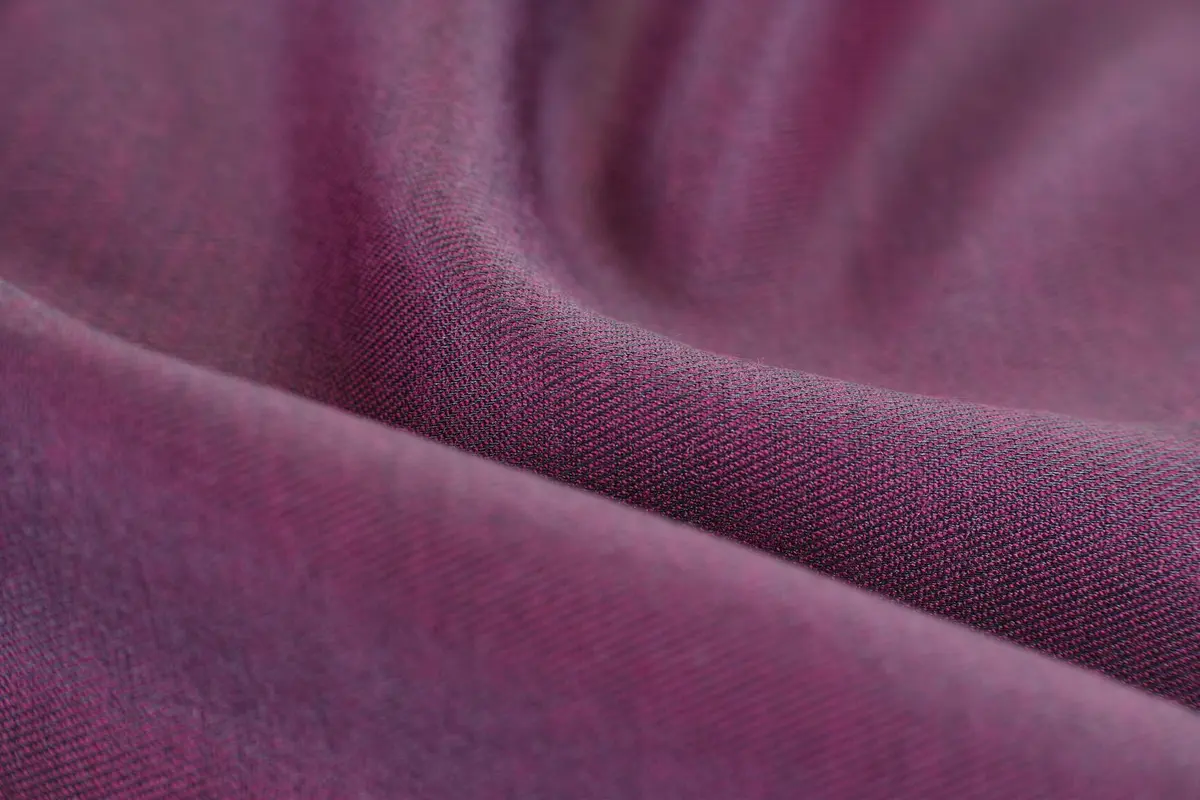
Sometimes, one fiber can’t do it all. Blending lets us combine the best properties of two or three materials into one superior fabric. The result isn’t just a compromise, it’s an upgrade.
Cotton-Spandex: The Everyday Hero
This blend is the quiet superstar of your wardrobe for a simple reason: it solves problems. Cotton brings its crisp, dry hand and superb breathability to the table. Spandex (also called elastane or Lycra) contributes just a few percent by weight, but it gives the fabric memory and bounce-back. Your t-shirt neckline doesn’t sag, and your leggings stay put.
Wash cotton-spandex blends in cool water on a gentle cycle to protect the spandex fibers from heat damage. I always turn them inside out to minimize surface abrasion and pilling. Never use chlorine bleach, as it eats away at the spandex, turning it brittle and yellow until it finally snaps and the garment loses all its recovery. Understanding how cotton and spandex fibers interact explains why these care steps matter. The blend’s composition governs stretch, recovery, and durability.
Any shrinkage you experience comes almost entirely from the cotton. Expect a well-made cotton-spandex knit to shrink 3-5% lengthwise on its first warm wash, then stabilize.
Wool or Silk Blends: Enhancing Performance
Pure animal fibers are luxurious, but blending them makes them more practical and durable for daily wear. A classic example is wool-nylon blends for socks or sweaters. The wool provides warmth, moisture wicking, and that springy loft. The nylon, a synthetic workhorse, adds tremendous tensile strength and drastically reduces pilling and abrasion. A 20% nylon content can triple the lifespan of a wool sock.
Silk blends, like silk-cotton or silk-modal, aim for easier care. Cotton tempers silk’s delicate nature, making the fabric less prone to water spotting and often machine-washable on cool. For any animal-fiber blend, always let the most delicate fiber dictate your care routine. If it’s a silk-wool blend, treat it as you would pure silk. If it’s a wool-acrylic blend, you can follow wool rules but with less fear of felting.
When sourcing these, I advocate for brands that prioritize animal welfare, like those using responsible wool or peace silk, or exploring high-quality plant-based alternatives like lyocell that mimic the drape and sheen.
Rayon Blends with Polyester or Spandex
Rayon (including viscose, modal, and lyocell) has a beautiful, fluid drape and a luxuriously soft hand, but it can be fragile when wet and loves to shrink. Blending it with polyester changes the game. The polyester acts like a sturdy scaffold within the fabric. It reduces overall shrinkage from a potential 10% down to 2-3% and fights wrinkles. The feel becomes more resilient, moving from slinky to smoothly robust.
For stretch, a touch of spandex is added. My favorite combination for a flowy, comfortable dress is a rayon (or lyocell) base with 3-5% spandex. You get that lush, heavy drape and a soft, almost peach-skin feel, with just enough give to make it move with you. Adding polyester to rayon creates a fabric that is easier to care for and more durable, while maintaining much of the desired softness.
Care for these blends is straightforward: machine wash cold, tumble dry low, or better yet, line dry. High heat is the enemy of both the rayon’s strength and the spandex’s elasticity. This is especially true when caring for delicate fabrics like rayon, nylon, and spandex blends.
Care Protocol: Step-by-Step Washing, Drying, and Ironing
You found the perfect soft, stretchy fabric. Now, let’s keep it that way. I treat every new garment like a science experiment in my laundry lab. The goal is to clean it without changing its hand or fit.
The Universal First Step: Decode and Test
Before anything touches water, do these two things. They take five minutes and save garments.
- Read the Care Label. This is your manufacturer’s best guess. It tells you the fiber blend and their recommended care, which is a great starting point.
- Perform a Colorfastness Test. Dyes can be unpredictable. Moisten a white cloth with cool water and a drop of mild detergent. Blot it firmly on a hidden seam or inside hem for 10 seconds. Check the white cloth for any color transfer. If you see dye, you must hand-wash the item alone in cold water.
This test prevents a pink shirt from turning your whole load pink.
Washing: It’s All About Temperature and Motion
Heat and agitation are the main forces that damage fibers and cause shrinkage. Your job is to manage them.
Water Temperature Guide
- Cold Water (Up to 30°C / 85°F): Use this for most items. It’s ideal for bright or dark colors to prevent fading, for delicate fabrics like silk and wool, and for any garment with elastane (spandex/Lycra). Heat destroys elastic fibers.
- Warm Water (40°C / 104°F): Reserved for sturdy, colorfast cottons, linens, or polyester blends that need a deeper clean, like bed sheets or workwear. It helps remove oils and grime better than cold water.
- Hot Water (50°C+ / 120°F+): Rarely needed at home. I use it only for sanitizing white cottons or removing stubborn grease stains as a pre-treatment.
Choosing Detergent and Cycle
Not all soaps are created equal for your fabrics.
- For protein fibers (wool, silk, cashmere), use a mild, neutral pH detergent labeled for delicates or wool. Harsh alkaline detergents (like many standard formulas) can felt wool and weaken silk.
- For synthetic blends (polyester, nylon, acrylic), a standard liquid detergent is fine. Powders can sometimes leave residues on synthetic fibers.
- Always select the gentle or delicate cycle. This uses slower agitation and slower spin speeds. For heavy knits or very stretchy fabrics, I often use the “hand wash” machine setting or actually hand-wash in the sink.
Drying: Where Shape is Won or Lost
This is the most critical step for maintaining the fit of your soft, stretchy items. The dryer’s heat is a powerful force.
- Lay Flat to Dry: This is non-negotiable for heavy knits, sweaters, 100% wool, and any delicate stretch fabric. Gravity will stretch a wet knit if you hang it. Lay it on a clean, dry towel or a mesh drying rack, reshaping it to its original dimensions.
- Tumble Dry Low: For cotton blends, terry cloth, or sturdy polyester items, this is usually safe. Remove items while still slightly damp to minimize wrinkles and prevent over-drying, which can make fabrics stiff.
- Never Use Heat with Elastane: High heat from any source-dryer, radiator, direct sun-bakes the elastic fibers, making them brittle. They lose their snap and the garment bags out. Always air dry anything with stretch.
For those “soft stretchy fabrics pant sale” finds, always air dry them laid flat or over a hanger at the waistband. The heat of a dryer will degrade the elastane in the knees and seat first, ruining the fit.
Ironing and Steaming: The Final Touch
Heat from an iron is more concentrated and controlled than dryer heat, but it can still scorch or shine fabrics if misused.
- Use a Press Cloth: A thin cotton cloth between your iron and the garment is your best friend. It protects delicate fibers like silk and wool from direct heat and prevents a shiny, scorched mark on synthetics and dark fabrics.
- Iron Temperature Guide by Fiber:
- Low Heat (Nylon, Acrylic, Elastane Blends): These synthetics can melt. Use the lowest setting and keep the iron moving.
- Medium Heat (Polyester, Silk, Wool): A medium setting with steam works well. For wool and silk, I always use a press cloth and steam generously to relax wrinkles without heavy pressure.
- Medium-High to High Heat (Cotton, Linen): These plant fibers can handle and often need higher heat. Dampen the fabric or use lots of steam for best results.
When in doubt, start low and test on an inside seam. A garment steamer is a fantastic, gentle alternative for de-wrinkling knits and stretch fabrics without any direct contact.
From Yard to Garment: Choosing and Using Soft Stretchy Fabrics
For Dresses and Tops
When you’re looking for soft stretchy fabrics for dresses, two main types come to mind: one for fluid drape and one for sleek structure. I keep both in my own fabric stash for different projects.
For a dress that moves with you, a rayon and spandex jersey is my top pick. Rayon (made from cellulose) gives a beautiful, heavy drape and a cool, silky feel against the skin. Adding just 3-5% spandex provides that gentle, forgiving stretch. This blend gives you the luxurious hand of a natural fiber with the practical ease of modern stretch. It’s perfect for wrap dresses, maxi skirts, and loose tops.
If you want a dress with more shape that still feels soft, look for ponte de roma. This is a double-knit fabric, usually a blend of polyester, rayon, and spandex. It has a beautiful, firm structure that resists wrinkling and doesn’t cling. The stretch here is more for comfort than dramatic drape. I’ve made sheath dresses and tailored tops from ponte that feel like wearing premium athleisure.
Fabrics like silk jersey or rayon challis can feel slippery when you’re cutting and sewing. Here’s my trick from the workroom: lay the fabric on a large sheet of tissue paper, pin your pattern through both layers, and cut them out together. The paper adds stability. You can sew right through it and then gently tear it away after stitching.
For Pants and Activewear
Soft stretchy fabrics for pants need to do more than just feel good. They must recover, meaning snap back to their original shape after stretching, and they must withstand abrasion.
For lounge pants or sweats, a cotton French terry with 5-10% spandex is wonderfully soft and breathable. The looped back side adds loft and warmth. For athletic leggings that need to perform, a nylon and spandex blend is the industry standard. The nylon provides incredible strength and a smooth, quick-drying surface, while the spandex (often 15-20%) offers serious compression and recovery. For pants, always prioritize recovery over initial softness to avoid a baggy knee or saggy seat after one wear.
Don’t overlook a fine-gauge wool knit for travel or winter pants. Merino wool blended with 2-5% lycra (another spandex name) is naturally temperature-regulating, resists odors, and has a gentle, resilient stretch.
That search for a ‘soft stretchy fabric bright pink pattern’ almost always points to a printed polyester or cotton knit. Bright pinks and reds are notorious for dye bleed. Before you commit, do a quick colorfastness test. Snip a small swatch, place it in a glass of warm water with a piece of white cotton fabric, and wait 15 minutes. If the white fabric picks up any pink tint, you’ll know to wash that vibrant fabric alone before making your garment.
Buying Fabric by the Yard
Finding the right soft stretchy fabric by the yard starts with your hands and a simple test. In a store, gently pull the fabric crosswise (from selvedge to selvedge). Does it stretch easily? Does it spring back immediately when you let go, or does it stay stretched out? That’s your recovery test.
To gauge the ‘stretch factor,’ mark a 4-inch section on the relaxed fabric. Stretch it gently to where it feels taut but not strained, and measure again. If that 4 inches stretches to 6 inches, you have 50% stretch ((6-4)/4 x 100). A 4-inch section stretching to 8 inches is 100% stretch. This number is crucial for choosing the correct sewing pattern and controlling the stretch in your sewing projects.
Always pre-wash your fabric by the yard exactly as you plan to wash the finished garment. This accounts for shrinkage, which is most significant in natural fibers. A cotton knit can shrink 5-8% in a warm wash and dryer cycle. For a fabric like rayon spandex jersey, I hand-wash cold and lay flat to dry to preserve its drape and prevent excessive shrinkage.
When you see a ‘soft stretchy fabric name’ online like “scuba knit” or “double brushed poly,” look past the marketing term. Find the fiber content breakdown. A “double brushed poly” is usually 95% polyester, 5% spandex-it will be incredibly soft but less breathable. Don’t hesitate to contact the retailer to ask for the exact percentage of spandex if it’s not listed. That small number makes all the difference in comfort and durability.
Final Notes on Fabric Hand and Care
The most reliable way to find fabrics that are soft, stretchy, and feel best is to trust your own hands and check the label. Always feel the material in person for its true “hand,” and look for specific elastic fibers like spandex or Lycra on the tag to guarantee lasting stretch and recovery. This simple two-step check saves you from disappointment after the first wash.
Your journey with fabric science continues every time you care for a garment. Learning proper washing, mending, and dyeing techniques for each fiber type is the most direct way to honor your clothes, reduce waste, and make thoughtful choices that align with your values.
Industry References
- Stretch Fabric By The Yard | Fabric Wholesale Direct
- High-Quality Spandex Fabrics: Stretch, Durability & Comfort
- Amazon.com: Stretchy Fabric
Written by Florian Ventura. Florian is a high fashion blog writer, fashion and fabric expert and a keen expert in fabric, clothing and materials. She has worked in large textile and fashion houses for over 10+ years, engineering and working with various fabric types and blends. She is an expert when it comes to questions on any and all kinds of fabrics like linen, cotton, silk, jute and many more. She has also traveled around the world studying traditional fabrics and aims to bring them into the modern fashion use.