
How Do You Repair, Cut, Sew, and Tie Nylon Fabric, Webbing, and Rope?
That frayed edge or melted cut on your nylon gear doesn’t mean it’s trash. I fix these issues every week in my workshop, and you can too with the right approach.
We will cover repairing tears and burns, cutting without fraying, sewing strong seams, and tying secure knots for nylon fabric, webbing, and rope.
Executive Summary: Your Nylon Cheat Sheet
Nylon is a petroleum-based polymer fiber. Picture its molecular structure not as a solid block, but as a long chain of linked springs. This spring-like setup is what gives nylon its incredible combination of strength and elasticity.
Its core properties define everything about working with it.
- Exceptional strength-to-weight ratio.
- High resistance to abrasion and wear.
- Very low moisture absorption (hydrophobic).
- Poor resistance to UV light, which causes it to weaken and yellow unless specially treated.
- A low melting point, typically around 428°F (220°C).
Compared to natural fibers, nylon is a world apart. Cotton absorbs water; nylon sheds it. Wool has a complex scale structure; nylon is smooth. Against other synthetics, the differences are subtler but critical. Nylon is generally stronger and more elastic than polyester, but polyester resists sun damage far better and has a slightly higher melting point. In polyester vs nylon performance fabrics, the trade-offs guide choices for outdoor gear and activewear.
You will find nylon doing the heavy lifting in specific forms:
- Lightweight ripstop nylon for windbreakers, parachutes, and ultralight tents.
- Densely woven packcloth for durable backpacks and luggage.
- Sturdy, seatbelt-like webbing for gear straps and harnesses.
- Kernmantle rope (a nylon core with a woven sheath) for climbing and safety.
Textile Expert’s Note: The single most important thing to know about nylon is its heat sensitivity. A too-hot iron or a dull blade creating friction can melt and fuse fibers instantly—especially in nylon activewear fabric. This isn’t like scorching cotton; it’s a permanent, plastic weld.
How Nylon Behaves: The Science Behind Your Gear
How nylon works comes down to its polymer chains. Under stress, these long molecular chains slide past each other and stretch. When the stress is released, they spring back. This action gives nylon its excellent stretch recovery.
Shrinkage in nylon is rarely about water. Nylon has minimal shrinkage from washing alone compared to other fabrics. The real threat is high, direct heat. A hot dryer or an iron can cause the fibers to thermally contract or even melt and distort permanently.
That stretch, or elongation, is a key feature. It’s why nylon is used in sheer hosiery and elasticated webbing. This elasticity means nylon fabric can stretch slightly as you sew it, leading to puckered seams if you don’t manage the tension. It also affects knot security in ropes and webbing; some stretch can help a knot bed down, but too much can make it loosen under changing loads.
Nylon’s resistances are a mixed bag. It has high resistance to abrasion (rubbing) and mildew (it doesn’t provide a food source). Its glaring weakness is to ultraviolet light. Prolonged sun exposure breaks down the polymer chains, making the fabric brittle and weak. Some nylon fabrics are engineered for UV resistance or treated to enhance sun protection, helping extend colorfastness and durability in sunlight. This directly impacts long-term care and storage.
Does nylon fabric get wet? It gets damp, but not water-logged. Nylon absorbs less than 5% of its weight in water. This is why your rain jacket sheds water and dries in minutes, but also why it can feel clammy against your skin-it doesn’t breathe moisture away like cotton or wool.
Nylon vs. The Rest: A Quick Comparison
Think of these fibers as characters. Nylon is the springy, tough athlete-strong, flexible, but sensitive to heat. Polyester is its more rigid, sun-resistant cousin. Cotton is the absorbent sponge that gets strong when wet. Wool is the insulating, temperature-regulating marvel that can absorb a huge amount of moisture without feeling wet.
The practical outcomes matter most. Understanding nylon vs polyester fabric differences helps predict heat tolerance and strength. That context shows why material choice matters for repairs. Nylon’s lower melt point versus polyester’s means you must use a cooler iron. Its raw strength versus cotton’s means a nylon patch will often outlast the fabric it’s repairing. Choosing the right thread is a perfect example: for repairing nylon gear, a polyester thread is often better than cotton because it matches the synthetic strength and has better UV resistance.
Care & Handling Protocol: Washing, Drying, and Storing Nylon
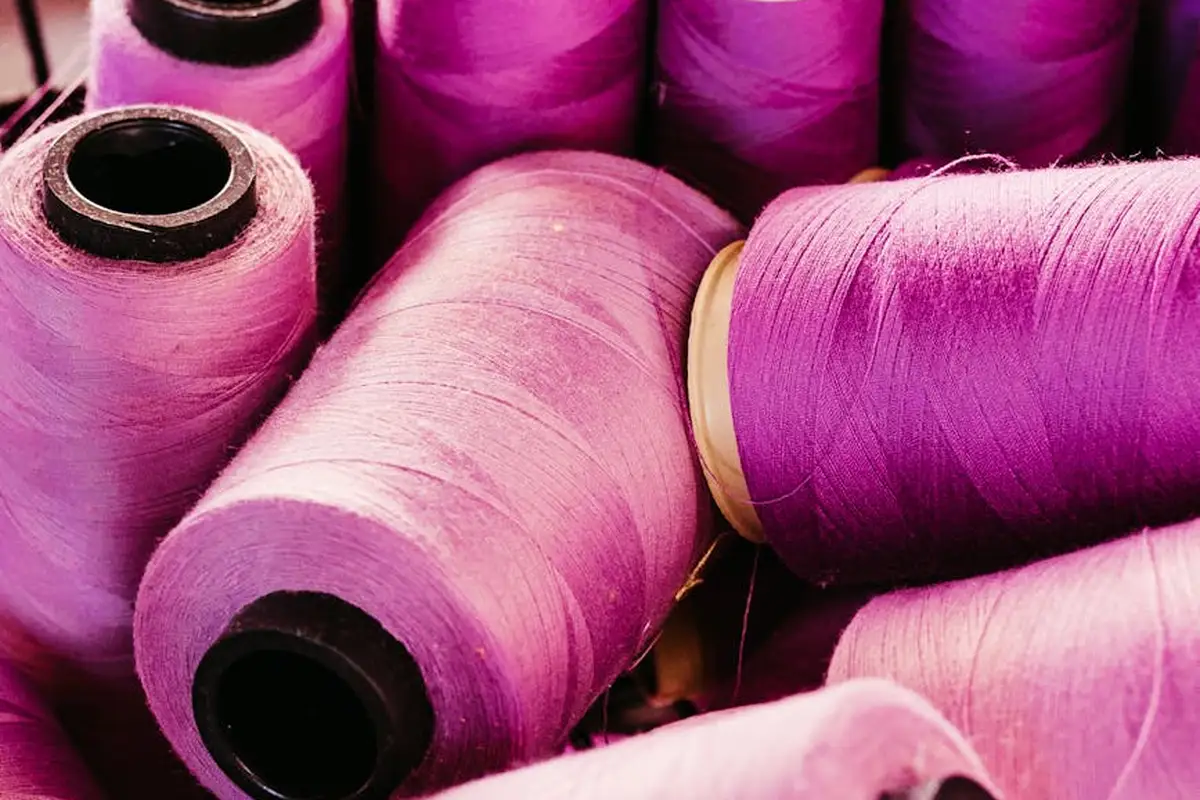
Proper care keeps nylon strong and looking new for years. The key is managing heat and abrasion. Nylon’s polymer chains are tough, but intense, direct heat can weaken those molecular bonds permanently, affecting the durability and performance of nylon fabric.
Here is my lab-tested, step-by-step method for cleaning everything from a sheer nightgown to a muddy hiking backpack.
- Check for stains and pretreat with a gentle detergent. Avoid chlorine bleach. I use a drop of clear liquid dish soap or a paste of laundry detergent and water. Gently rub it in. Chlorine bleach will yellow and degrade nylon fibers, so never use it.
- Machine wash cold on a gentle cycle. Use a mild detergent. Cold water prevents heat setting any stains and protects dyes. The gentle cycle minimizes the abrasion that causes pilling and fuzzing on the fabric surface.
- Air dry flat or on a line. This is the safest method. If you must use a dryer, select the lowest heat setting or no heat (air fluff) for only 10-15 minutes to remove the dampness, then hang to finish. High, sustained dryer heat is the fastest way to prematurely age and weaken your nylon gear.
- Ironing, if needed: Use the lowest synthetic setting (Cool). Always place a clean cotton pressing cloth between the iron and the nylon. Keep the iron moving. Letting it sit still, even on low, can melt the fiber and create a shiny, stiff patch.
A common question I get is how to get wrinkles out of nylon without an iron. Steam is your best friend. Hold a garment steamer a few inches away, or hang the item in a bathroom during a hot shower. For the dryer, toss the item in with a damp washcloth on the air fluff or lowest heat setting for 5-10 minutes. The ambient steam relaxes the wrinkles without direct heat contact. That same steam method can also remove wrinkles from polyester, rayon, and spandex without ironing.
For storage, ensure items are completely dry to prevent mildew. Store them loosely folded or hung in a cool, dark place away from direct sunlight, which can fade colors over time. For critical gear like climbing ropes or webbing, keep them in a breathable bag away from chemicals, oils, and prolonged UV exposure.
Repairing Nylon: Fixing Tears, Holes, and Zippers
Before any repair, start with this universal step. Clean and dry the damaged area thoroughly. Dirt or oils can interfere with adhesives and sewing, and a damp patch won’t fuse or stitch correctly.
How to Repair a Tear or Hole in Nylon Fabric
Nylon’s slippery, synthetic nature needs a specific approach. You have two reliable options, depending on the item’s use and your tools.
For a quick, no-sew fix, a fusible repair patch is your best friend. Use a patch meant for synthetics. Set your iron to the lowest synthetic or nylon setting-no steam. Always use a pressing cloth between the iron and the patch. Apply firm pressure for 10-15 seconds, let it cool, and check the bond. Too much heat will melt the fabric into a shiny, stiff mess.
For a permanent, heavy-duty repair, sewing on a patch is the way to go. Use a patch of similar weight nylon or polyester fabric. Thread your machine with nylon or polyester thread; cotton thread will abrade and break over time. A sharp microtex or universal needle (size 70/10 or 80/12) works best. Use a narrow zigzag stitch or a short, straight stitch to secure the patch’s edges, which prevents further fraying.
How to Repair a Seam in Nylon Fabric or Webbing
Seam failure is common, especially in gear and bags where stress concentrates on the stitches. To re-sew, you need a reinforced stitch. A triple straight stitch (if your machine has it) or a very short, tight zigzag stitch provides much more holding power than a standard straight stitch. Always sew directly over the old stitch holes to avoid perforating and weakening the fabric further.
A regular sewing machine can handle nylon webbing, but you must adjust your setup. You need a heavy-duty needle, like a size 16/100 or 18/110, to punch through the dense material without breaking. Slow your machine speed down significantly. I recommend using a walking foot attachment-it feeds the top and bottom layers of webbing evenly, preventing frustrating slippage and skipped stitches.
How to Fix a Nylon Zipper
Many zipper problems are fixable. If the slider moves but won’t catch the teeth, the slider’s interior jaws are likely misaligned. Gently squeeze the sides of the slider with pliers, trying to bring them closer together. Test frequently; a little adjustment goes a long way.
For a broken slider or missing teeth, replacement is the answer. You can buy a new slider of the correct size (#3, #5, #10) and thread it onto the existing tape. However, for high-stress items like a backpack or winter jacket, replacing the entire zipper tape is often more reliable and durable in the long run.
How to Repair Nylon Rope
Safety is paramount here. For any load-bearing rope used in climbing, towing, or safety applications, do not attempt to sew or splice a damaged section. You must cut out the damaged portion and retire the rope or shorten it for a less critical use. The core fibers bear the load, and any compromise is a hidden danger.
For decorative or light-duty rope, your goal is to prevent fraying. You can whip the ends by tightly wrapping them with a strong thread or cord. The classic method is to carefully melt the end. Hold the cleanly cut end near-not in-a flame until the fibers just begin to melt and fuse into a small bulb. Let it cool completely before touching. Work in a ventilated area to avoid inhaling fumes.
Cutting Nylon Cleanly: Stopping the Fray
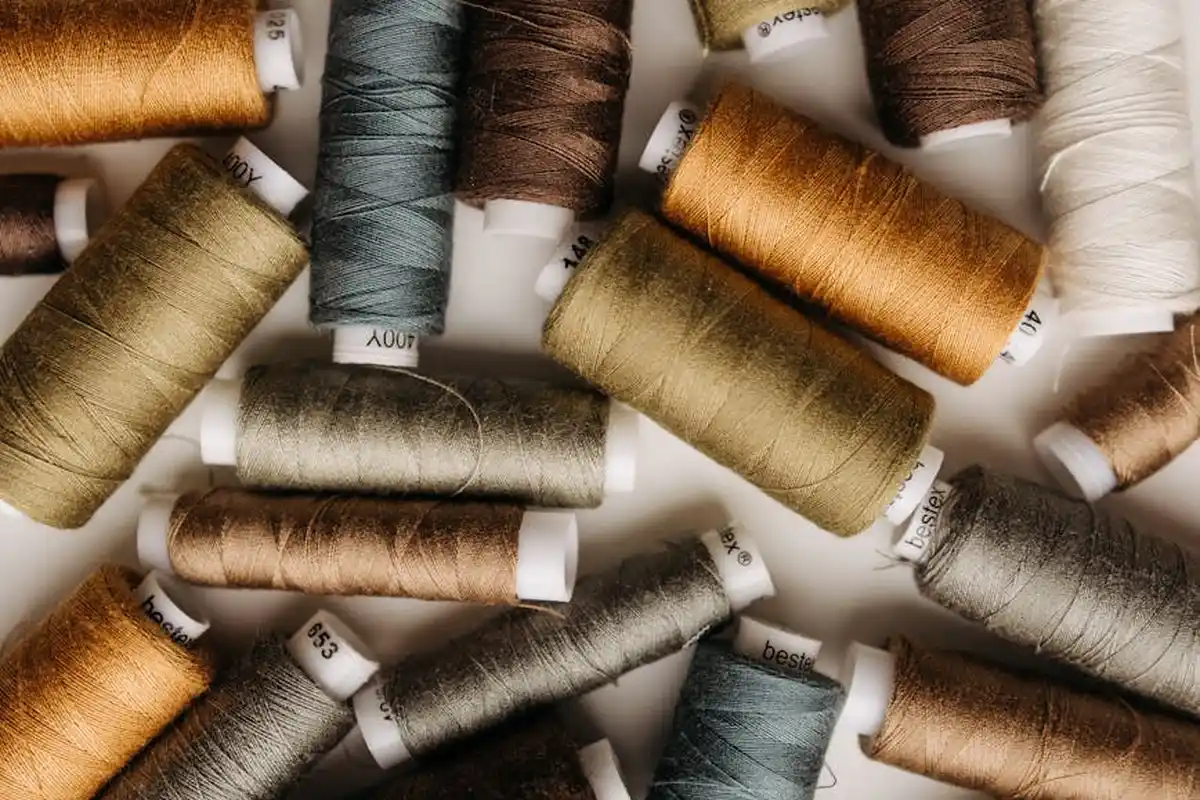
Nylon doesn’t behave like cotton or wool. Its synthetic fibers are smooth and resilient, which is great for strength but terrible for cut edges. A dull blade won’t slice cleanly. It will pull, snag, and generate enough friction heat to melt the fibers into a messy, fused clump. The single most important rule for cutting nylon is to use the sharpest tool you have.
How to Cut Nylon Fabric
Think of nylon fabric as a grid of slick, plastic threads. Your goal is to sever them cleanly before they have a chance to slip away from each other and unravel. I always reach for a rotary cutter with a fresh blade or a pair of dedicated, ultra-sharp fabric scissors that have never touched paper. Cut in single layers if your project allows; this gives you more control and a cleaner line.
Your job isn’t done with the cut. You must seal the raw edge immediately. Nylon will fray with any handling. You have a few trusted options:
- A hot knife or soldering iron: This is the professional method. It cleanly melts and fuses the edge in one pass. Always work in a well-ventilated area, as melting plastic releases fumes.
- A narrow zigzag stitch: If you can’t use heat, sew a tight zigzag stitch right along the cut edge. This traps the threads mechanically and is a great permanent solution for garment seams.
- A careful flame: For small projects, you can quickly pass the edge near a lighter flame. Use a swift, brushing motion to just melt the fibers, not burn them. This works best on tightly woven nylons.
How to Cut Nylon Webbing
Nylon webbing is denser and thicker than fabric, so a clean cut is critical for safety in gear like backpack straps or dog leashes. The principle is the same: cut clean, then fuse.
For the cleanest, most durable edge, a hot knife is unbeatable. It creates a smooth, rounded bead of melted nylon that will never fray. In my workshop, I use a commercial hot knife, but a heated blade from a wood-burning tool works too. If you’re making a quick repair at home, a sharp pair of heavy-duty scissors followed by carefully melting the end with a lighter is a solid alternative. Hold the flame briefly to the cut end, rotating it to melt evenly, and avoid letting soot from the flame blacken the nylon.
You might have seen a nylon strap and strapping gun used to secure boxes on a pallet. The industrial process uses tension and heat-sealing. When you’re hand-cutting webbing for your own gear, you’re applying the same core idea: create a fused, sealed end that can bear weight.
How to Cut Nylon Rope
Rope structure changes the game. For simple twisted or braided nylon rope, a very sharp blade or a dedicated rope cutter will do. The instant you cut, apply heat from a lighter or hot knife to the end to fuse the strands together into a solid tip.
Kernmantle rope (the kind with a braided sheath over a core of parallel fibers) requires a special trick. If you just cut it, the sheath instantly retracts from the core, leaving a useless, frayed mess. Here’s the field-tested method:
- Wrap the area where you want to cut tightly with masking tape or specialized rigging tape. Make it snug and several layers thick.
- Cut directly through the center of the taped section. The tape binds the sheath and core together during the cut, preventing separation.
- Seal the newly cut end with a hot knife or a clean, soot-free flame, melting the synthetic fibers into a unified, secure end. You can often remove the tape afterward once the seal has cooled and set.
This taping technique is non-negotiable for kernmantle rope; it’s the only way to get a safe, functional cut that maintains the rope’s integrity.
Sewing With Nylon: Needles, Thread, and Tension
Skipped stitches, puckered seams, and melted thread jams are frustrating. They are also almost entirely preventable with the right setup. Think of sewing nylon not as a fight, but as a careful collaboration with a slick, synthetic material. Getting your tools and machine settings right from the start is the key to smooth, strong seams.
Tools and Setup for Nylon Fabric
Nylon fabric is smooth and often tightly woven. A dull needle can push the fabric down into the needle plate instead of piercing it cleanly, causing skipped stitches. I always reach for a new, sharp needle.
For most woven nylons, a Sharp (Microtex) needle is your best bet, as its fine point parts the fibers neatly. A Universal needle works, but a Sharp is more precise. Match the needle size to your fabric’s weight: a 70/10 or 80/12 for ultralight ripstop or linings, and a 90/14 for medium-weight packcloth or coated fabrics.
Thread choice is non-negotiable. You must use a synthetic thread. Polyester thread is excellent and widely available. Nylon thread is even stronger but can be trickier to find. Never use cotton thread on nylon; it will abrade against the slick synthetic fibers and break down over time, leaving you with a failed seam.
This brings us to two common questions. Can you use nylon thread in a sewing machine? Yes, absolutely. Use a larger needle eye (like a 90/14) and go slowly to manage its slight stiffness. Can you use wooly nylon in a regular machine? Also yes, but with a specific role. Wooly nylon is that fluffy, textured thread meant for serger loopers. In a regular machine, it’s fantastic as a bobbin thread for decorative topstitching, where its loft creates a raised effect. Just remember to loosen your top tension significantly and test on a scrap first.
Speaking of tension, nylon’s slickness often requires a small adjustment. Slightly decrease your machine’s top tension to prevent the bottom thread from being pulled to the top, which causes puckering. Always, always sew a few lines on a fabric scrap first to dial in the perfect tension and stitch length.
Sewing Nylon Webbing and Attaching Hardware
When you move from fabric to webbing, you’re dealing with a dense, layered material. Your domestic machine can handle it, but you must respect its limits. A heavy-duty needle (100/16 or 110/18) and strong polyester or nylon thread are mandatory. A walking foot is a huge help, as it feeds the top and bottom layers evenly, preventing the webbing from creeping.
Straight stitches alone are weak on webbing. For any stress point-like where a backpack strap meets the bag-you need reinforcement. A box-stitch (a rectangle of stitching with an X inside it) or a dense bar-tack spreads the load over a wide area of thread. Backstitch thoroughly at the start and end of every bar-tack or box-stitch to lock those critical threads in place.
Attaching hardware to nylon cord or rope is a different skill. You don’t sew it; you mechanically secure it. For a clean clasp attachment on a hollow braided cord, you fold the cord end back, insert it into a metal crimp sleeve, and crush the sleeve with crimping pliers. For solid cord, knots are your hardware. The double fisherman’s knot is a secure, adjustable choice for creating loops. Remember, the security here comes from friction and compression, not from pierced fibers.
A quick note on specific terms: if you see “ES 335 nylon saddles” in a search, that refers to a molded part on a Gibson guitar, not a sewing project. It’s a good reminder that nylon’s applications go far beyond the sewing room, but our focus is on the textile forms you can stitch, cut, and knot yourself.
How to Tie and Finish Nylon: Knots and Seals

Nylon’s smooth, synthetic fibers have very little natural grip. This slickness is great for reducing friction in some uses, but it’s the main challenge when tying it. A simple knot that holds cotton rope will often unravel on nylon under load. You must use knots designed to cinch down and lock securely on themselves.
Tying Nylon Cord and Webbing
Choosing the right knot is a safety issue for gear like tents, harnesses, or climbing ropes. I keep a mental list of “trust” knots for nylon, ones I’ve tested and seen hold.
For Cord (Paracord, Rope):
- Double Fisherman’s Knot: This is my go-to for joining two rope ends permanently. It creates two interlocking knots that tighten under strain. Think of it as two hands gripping each other’s wrists they won’t let go.
- Bowline: Use this when you need a fixed loop that won’t slip or tighten (like securing a tarp to a pole). It’s quick to tie and untie, even after being under tension.
- Trucker’s Hitch: This is your knot for creating super-tight lines, like securing a load to a roof rack or tensioning a clothesline. It gives you a powerful mechanical advantage to pull things taut.
For Flat Webbing (Straps, Slings):
- Water Knot (or Tape Knot): This is the standard for joining two ends of nylon webbing. You follow the path of the webbing’s edge, creating a flat, secure join that distributes stress well.
- Ring Bend (or Girth Hitch): Perfect for quickly attaching a webbing loop to a carabiner, pole, or another piece of webbing. It’s simple, but it cinches tightly on nylon’s slick surface.
Avoid basic knots like a simple overhand or square knot for critical joins. On nylon, they can roll and capsize, turning into a slipknot that fails completely.
Finishing and Sealing Ends
Whether you’re cutting rope or fabric, an unfinished nylon end will fray into a messy, weak tassel. The fix uses nylon’s own property: it melts.
Heat-Sealing Cut Ends:
- For rope and webbing, use a small butane lighter or a dedicated hot knife. Briefly touch the flame to the freshly cut end until the fibers just melt and fuse into a small, smooth bead. Don’t hold it in the flame too long you’ll create a hard, brittle lump that can crack.
- My lab trick for precise work is a temperature-controlled soldering iron with a flat tip. It gives consistent heat without an open flame.
For Nylon Fabric (a non-melted finish):
Sometimes you don’t want a melted plastic edge on your garment. For that, you need to enclose the raw edge.
- A simple rolled hem: Fold the edge over twice (about 1/4 inch each fold) and stitch it down. This contains the fraying fibers neatly. Use a polyester thread, as it has similar strength and stretch to the nylon fabric.
- Bias binding: For curved edges or a more durable finish, sew on a strip of bias tape. It wraps the raw edge completely, giving a clean look and extra reinforcement.
Always store nylon gear clean, dry, and out of direct sunlight to maximize its lifespan. UV radiation is nylon’s other great weakness, breaking down its polymers and making it brittle over time. A closet is better than a sunny garage.
Last Notes on Nylon’s Longevity
When working with nylon, your most important tool is a cool head-and a cool iron. Always use a press cloth and the lowest heat setting to fuse seams or finish edges, as direct high heat is the fastest way to melt or weaken these synthetic fibers. This simple habit protects the polymer chains that give nylon its famous strength.
Good fabric care is a form of respect for your materials and the resources used to make them. By repairing your nylon gear instead of discarding it, and by learning how fibers like cotton, wool, and polyester each demand their own specific wash and dye methods, you build not only better gear but a more thoughtful practice.
Industry References
- Webbing, nylon, elastic and etc. Webbing fabric – strapworks.com
- Webbing – Wikipedia
- Flat Nylon Webbing – Knot & Rope Supply
Florian Ventura
Florian is a high fashion blog writer, fashion and fabric expert and a keen expert in fabric, clothing and materials. She has worked in large textile and fashion houses for over 10+ years, engineering and working with various fabric types and blends. She is an expert when it comes to questions on any and all kinds of fabrics like linen, cotton, silk, jute and many more. She has also traveled around the world studying traditional fabrics and aims to bring them into the modern fashion use.