
How Do You Stop Viscose and Rayon from Wrinkling?
You love the drape and feel of your viscose shirt, but hate how it holds every crease. I work with these fabrics every day, and I can tell you that managing their wrinkles is completely possible with a few smart habits.
This guide draws from my time testing fibers in the lab and caring for them at home. We will cover the simple science behind why these fabrics crease, my proven methods for preventing wrinkles during washing and storage, and safe, effective techniques for removing them with steam or an iron.
Executive Summary: Viscose & Rayon at a Glance
Viscose and rayon are semi-synthetic fibers made from regenerated plant cellulose, often sourced from wood pulp, bamboo, or eucalyptus.
Their key properties include a silky hand, excellent fluid drape, good breathability, and high moisture absorption. They are also notoriously prone to wrinkling.
The main challenge with wrinkles stems from the fiber’s fundamental structure. Viscose and rayon fibers are weak when wet and lack the natural elastic recovery or “memory” found in synthetic fibers like polyester.
The one rule to remember is this: handle wet viscose like delicate silk, and always use low, protective heat when ironing.
Why Viscose and Rayon Wrinkle So Easily: The Fiber Science
To understand the wrinkling, you need to picture the fiber on a molecular level. Like all plant-based fibers, the cellulose chains in viscose are held together by hydrogen bonds. These bonds are like tiny, weak handshakes between molecules. They give the fiber its initial shape and strength.
When water is introduced, it infiltrates the fiber structure and breaks these hydrogen bonds. The molecules can then slide past each other easily. As the fabric moves or is crumpled in this wet state, the molecules lock into new, often wrinkled, positions. When the water evaporates, new bonds form, setting the wrinkles in place.
Both 100% rayon and 100% viscose wrinkle, and they do so significantly more than many other fabrics. While they share a plant-based origin with cotton, the regenerated cellulose structure of viscose is smoother and less crimped. Think of cotton’s structure as a springy, twisted rope that can bounce back, while viscose is more like a smooth bundle of filaments that bends and stays bent.
Fabric construction plays a big role in wrinkle severity. A tightly woven fabric will show creases more sharply than a textured one. A viscose crepe or a fabric with a crinkled finish is designed to hide wrinkles within its inherent texture.
The Core Problem: Water Weakens the Fiber
This is the most critical point for care. A dry viscose fiber has moderate strength. When saturated, it can lose up to half of that tensile strength. It becomes limp and incredibly vulnerable to distortion.
Imagine the difference between a wet paper towel and a wet cotton dishcloth. The paper towel (viscose) becomes fragile, loses all form, and tears easily. The cotton cloth remains coherent and robust. This is why agitating or wringing wet viscose can permanently stretch or misshape it, setting deep wrinkles or even causing tears.
It’s Not a Flaw, It’s a Feature
The very reason viscose wrinkles is also why we love it. That ability for the molecules to slide and re-set is what gives viscose its fluid, beautiful drape and soft, luxurious hand against the skin.
You trade wrinkle resistance for that sublime, natural feel and movement. A polyester fabric might spring back from a crush without a crease, but it often lacks breathability and can feel plasticky. Viscose offers a breathable, absorbent, and elegant alternative, with the understanding that a little care is needed to keep it looking its best.
Your Wrinkle-Prevention Protocol: Washing and Drying
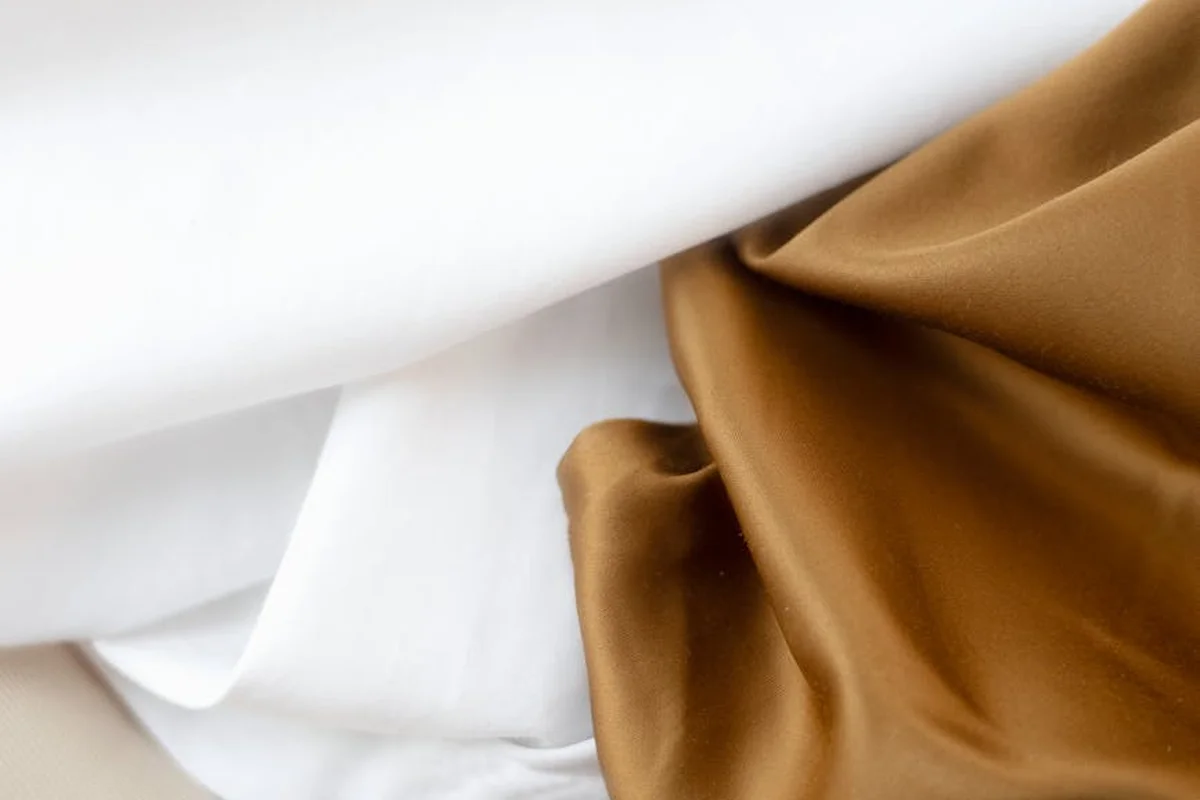
Think of wrinkles in viscose and rayon as a message from the fabric. They tell you the fibers are stressed and have lost their smooth molecular arrangement. Your goal is to handle them in a way that lets those fibers relax back into place. This routine is your first line of defense, especially when dealing with stretch in rayon or viscose fabrics.
How to Wash Rayon and Viscose (The Right Way)
Washing is where wrinkles begin. Agitation and improper water conditions force the fibers into new, unwanted shapes. Follow these steps to keep them calm and aligned.
Step 1: The care label is your contract with the garment-honor it first. While “hand wash” is the gentlest and most reliable method, some modern viscose blends may permit a machine wash. The label tells you the manufacturer’s tested safe method.
Step 2: Use cold water and a gentle, neutral pH detergent designed for delicates. Hot water weakens these regenerated cellulose fibers, making them more prone to distortion and shrinkage. Avoid chlorine bleach entirely; it can cause yellowing and rapid fiber degradation.
Step 3: If you must machine wash, use a mesh laundry bag and the delicate cycle with a slow spin speed. The bag reduces friction and tangling, which are primary causes of creasing and surface fuzz. I treat my viscose blouses this way and it makes a world of difference.
Many people ask, “Can you use fabric softener?” I don’t recommend it. Fabric softeners work by coating fibers with a waxy film. For absorbent fibers like viscose, this reduces their prized breathability and can make dyes look dull. For a natural softening alternative, try a final rinse with 1/4 cup of white distilled vinegar. It helps dissolve detergent residue and leaves fibers feeling supple.
The Critical Drying Stage: No Twists, No Heat
This is the most crucial phase. Applying force or heat while the fibers are plump with water will permanently set creases.
Step 1: Never twist or wring the garment to remove water. This stretches and misshapes the fabric. Instead, lay it flat on a clean, absorbent towel, roll the towel up, and gently press. The towel absorbs the excess moisture safely.
Step 2: Immediately reshape the garment on a flat drying rack or a fresh, dry towel. Gently tug the seams and hems back to their original lines. Smooth out the fabric with your hands. Letting it dry in a crumpled heap guarantees wrinkles.
Step 3: Dry away from direct sunlight, radiators, and forced air vents. Intense heat accelerates dye fading and causes uneven drying that stresses the fiber structure.
Let me be absolutely clear: putting rayon or viscose in a tumble dryer is the single most effective way to bake in deep, stubborn wrinkles that are a nightmare to remove. The tumbling action crushes the wet fibers, and the heat locks those creases in place. Just don’t do it.
Smart Storage to Keep Wrinkles at Bay
How you store your garments between wears determines if you’re starting from a smooth slate or fighting yesterday’s folds.
For knit viscose (like jerseys) and lightweight woven items, careful folding is best. Fold neatly along the garment’s natural seam lines to avoid creating sharp, new creases in the body of the fabric.
Use padded or wide, contoured wooden hangers for structured pieces like blouses and dresses. Avoid thin wire hangers at all costs-they create harsh, pointed creases at the shoulders that can become permanent over time.
Allow space in your closet. Overcrowding forces fabrics to crumple against each other. A cool, dry storage environment also prevents any potential moisture-related issues like mildew.
My favorite travel tip for these fabrics is to roll them, don’t fold them. Rolling distributes pressure more evenly than sharp folds. Place rolled garments in packing cubes to keep them compact and organized. When you arrive, hang the item in the bathroom while you take a hot shower. The gentle, ambient steam will relax any minor travel wrinkles beautifully.
How to Get Wrinkles Out: Safe Ironing, Steaming, and No-Heat Tricks
Think of this as your toolkit. I’ll start with the fastest, gentlest method and move to the more precise ones you can use at home.
The Steamer is Your Best Friend
For rayon and viscose, a steamer is my first choice every time. Steaming is the safest method because it relaxes the fibers with moisture and gentle heat without applying direct pressure. The heat allows the long cellulose chains in the fiber to loosen up, and the moisture helps them reset into a smooth position. It’s like giving the fabric a relaxing sauna.
Your technique matters. Hang the garment on a sturdy hanger. Hold the steamer nozzle about an inch away from the fabric. With your other hand, gently pull the section of fabric taut. Move the steamer slowly from the top down, following your pulling hand. The combination of steam and tension smooths wrinkles beautifully.
I get asked this constantly: “Can you steam viscose?” and “Can you steam rayon?” The answer is a resounding yes. Always do a spot test on an inner seam first, but I’ve never had a properly dyed piece react poorly to steam.
How to Iron Rayon and Viscose Without Damage
Sometimes you need a crisp, sharp press that only an iron can give. This is where caution is key, as too much heat can scorch, shrink, or melt the glaze on these fibers.
Follow these three rules in the lab and at home:
- Rule 1: Iron the garment while it is still slightly damp from washing, or use your iron’s steam function generously. Dry heat is the enemy.
- Rule 2: Set your iron to the lowest heat setting, marked for “Silk” or “Rayon.” Always, always use a pressing cloth. This thin layer of cotton or muslin disperses the heat and prevents a shiny iron mark called “scorching.”
- Rule 3: Turn the garment inside out. Iron on the wrong side of the fabric using quick, gliding motions. Never leave the iron sitting in one spot. Keep it moving.
Don’t have a pressing cloth? Use a clean, thin cotton pillowcase or a smooth tea towel. It works just as well. If you see any shine or change in texture, stop immediately-your iron is too hot.
Effective No-Iron Wrinkle Removal
No steamer? No iron? No problem. These methods use moisture and time to coax wrinkles out.
Method 1: The Bathroom Steam Shower. Hang your viscose dress or blouse on the shower rod (not directly in the water stream). Run a hot shower to fill the room with steam, close the door, and turn off the water. Let the garment sit in the humid room for 15-20 minutes. Afterwards, gently smooth it with your hands and let it air dry completely.
Method 2: Wrinkle-Release Spray. Commercial sprays or a homemade mix (one part fabric softener to three parts water in a spray bottle) work on the same principle. Lightly spritz the garment from about 6 inches away. Don’t soak it. Tug the fabric gently to smooth it, then hang it up to air dry. The water relaxes the fibers, and the light softening agent helps them hold the new, smooth shape.
Method 3: The Damp Towel Trick. Lay the wrinkled section of the garment flat on a clean surface. Place a damp (not dripping wet) hand towel over the wrinkles. Press down firmly and smoothly with the palms of your hands. The moisture from the towel transfers through cotton or wool fabrics. Let it air dry flat. This is excellent for targeted fixes on cuffs or hems.
Handling Blends: How Other Fibers Change the Game
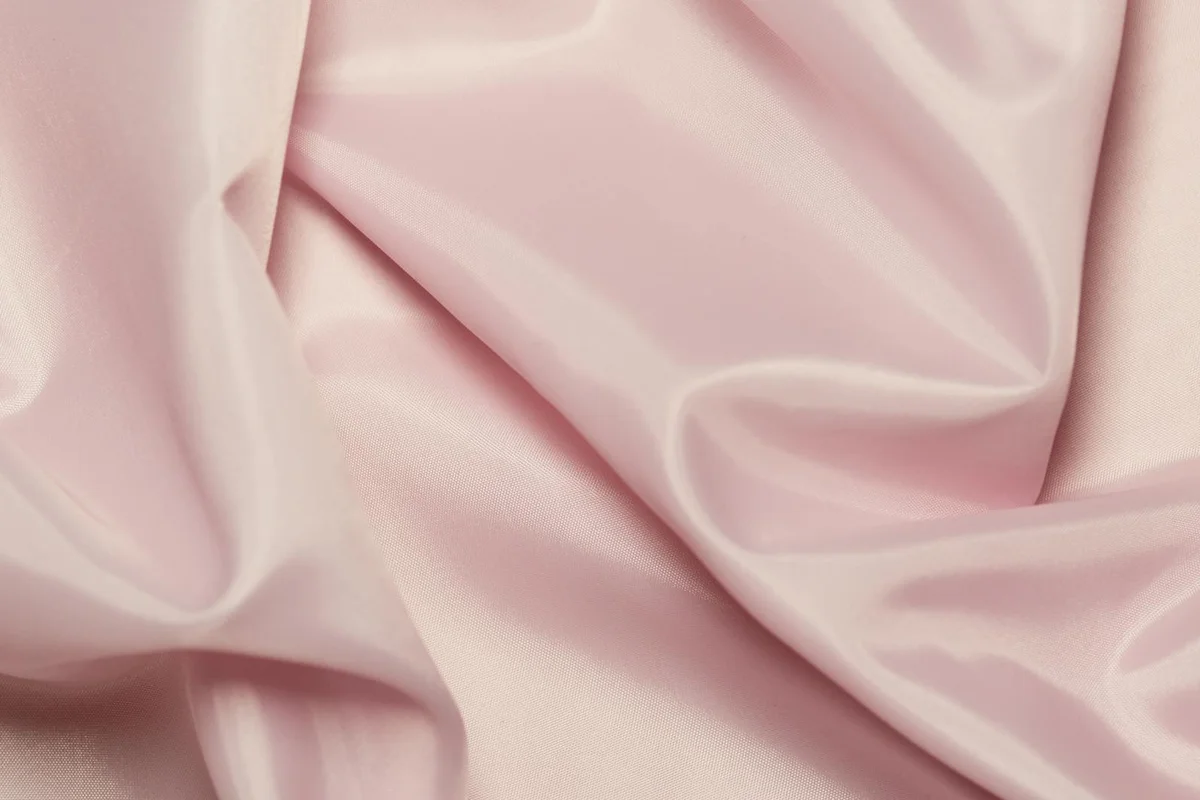
Pure viscose or rayon tells a clear story. Blends add a new chapter. When you mix fibers, you combine their properties. Wrinkle behavior and care instructions shift. Think of it like baking: adding a different ingredient changes the whole recipe’s texture and how you handle it.
Blending rayon with another fiber modifies its drape, recovery, and heat tolerance, which directly changes your approach to wrinkles.
Rayon/Spandex or Viscose/Elastane Blends (e.g., 95% Rayon, 5% Spandex)
That small percentage of spandex (also called elastane or Lycra) is a game-changer. Spandex is a synthetic elastic fiber. Its job is to stretch and bounce back. I see this a lot in fitted dresses and skirts.
So, does elastane and rayon wrinkle? Yes, it can. But the wrinkles are often less severe and deep-set. The spandex gives the fabric memory. After you wear it for an hour, many of the sitting or bending wrinkles will relax and spring back out. The fabric recovers on your body.
The critical care tip here is all about heat: avoid high temperatures in washing, drying, and ironing, as heat rapidly degrades spandex. Once spandex is damaged by heat, it loses its elasticity permanently. Your garment will bag out and not recover from wrinkles at all. I always wash these blends in cool water and let them air dry. If you must iron, use the lowest “synthetic” or “rayon” setting with a press cloth, and never let the iron sit in one spot.
Rayon/Cotton or Rayon/Linen Blends
These are my favorite blends for a relaxed, lived-in look. Both cotton and linen are natural cellulose fibers, like rayon, but they are stronger. A rayon/cotton blend feels softer and more fluid than plain cotton. A rayon/linen blend has that beautiful textural slub but is less stiff than pure linen. Cotton blends often offer the best of both worlds in terms of comfort and durability.
Does a linen rayon blend wrinkle? Does a cotton rayon blend wrinkle? Absolutely. They wrinkle readily. But the character of the wrinkle is different from pure rayon. Instead of looking limp and creased, the wrinkles often look more casual and crinkled, part of the fabric’s charm.
These blends can typically withstand slightly higher ironing heat than 100% rayon because cotton and linen are more heat-tolerant. You can often use a medium setting. I still recommend a bit of steam and a pressing cloth to be safe. Test on an inside seam first. They may also shrink less dramatically than pure rayon, but a cool wash and hang-to-dry routine is still your safest bet.
What About Bamboo or Hemp Fabric?
This is where label reading is everything. Most fabric sold as “bamboo” is actually rayon (viscose) made from bamboo pulp. The manufacturing process is nearly identical. So, does bamboo fabric wrinkle? If it’s bamboo rayon, yes, it wrinkles just like the viscose we’ve been discussing. Treat it the same way.
True hemp is a different beast. It’s a rugged, strong bast fiber known for getting softer with wear. Pure hemp wrinkles with a distinct, crisp character. A hemp-rayon blend, however, leans into rayon’s personality. A hemp-rayon blend will give you the beautiful, drapey fluidity of rayon with just a hint of hemp’s earthy texture, and yes, it will carry that wrinkly nature. Care follows the standard rayon rules: gentle wash, no heat dry, and a cautious iron. You can even soften the hemp fabric using mechanical or chemical treatments to make it more comfortable.
Textile Expert’s Note: Choosing and Living with These Fabrics
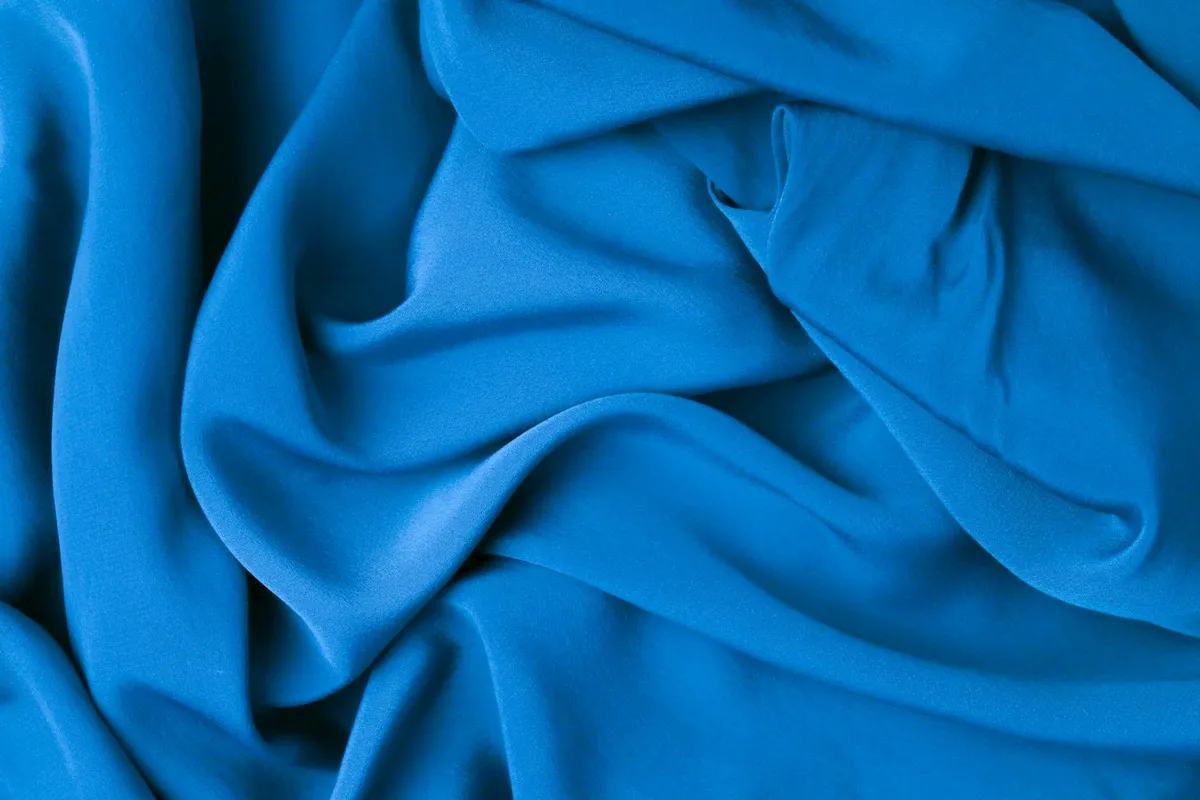
Basic care keeps viscose and rayon alive. Smart choices make them thrive. I handle these fabrics daily, and my advice is simple. Think about how a garment will live in your world before you buy or make it.
Selecting Styles for Easy Care
Not all wrinkles are a battle. Some styles welcome them. Your goal is to choose pieces where the fabric’s natural behavior is a feature, not a flaw.
Look for relaxed silhouettes with plenty of ease. A-line skirts, wide-leg trousers, and dolman sleeves are your friends. The gentle folds and drapes they create absorb and disguise creases beautifully. A wrinkle in a flowing maxi dress just becomes part of the drape, while the same wrinkle on a fitted pencil skirt looks like a mistake.
Consider the garment’s structure. A tailored rayon blazer can look impeccable, but it demands constant upkeep with a steamer. A long, draped rayon cardigan over a simple top offers a similarly polished look with zero stress. I always ask myself: “Am I willing to steam this every time I wear it?” If the answer is no, I opt for the draped version.
Pay close attention to the weave. A crepe weave is a brilliant choice. That pebbly, textured surface is designed to scatter light and hide minor wrinkles. A flat, smooth challis or satin-weave rayon will show every single crease. Choosing a textured weave like crepe is the easiest pre-emptive strike against visible wrinkling you can make.
Sewing and Handling Pro-Tips
If you’re making your own garments, a few key steps will save you frustration and lead to a better-looking final product. Rayon and viscose behave differently under the needle than cotton or polyester.
Cutting and sewing can be tricky because these fabrics are slippery. I use fine, sharp pins placed within the seam allowance to avoid marks. Pattern weights are even better. Always start with a fresh, sharp needle—a size 70/10 or 80/12 Microtex needle glides through the fibers cleanly without snagging. A dull needle will push the fabric down into the throat plate and cause puckered seams.
Pre-washing is non-negotiable. Rayon and viscose can shrink, typically between 3% and 8% on the first wash. You must account for this before you cut a single pattern piece. Wash your fabric using the gentle method you plan to use for the finished garment, then tumble dry low or air dry, and press it before cutting. This stabilizes the fabric and prevents a heartbreaking surprise later.
The edges of these fabrics fray easily, especially when working with delicate sheer fabrics. Simply sewing a seam isn’t enough. As you construct your garment, finish every seam allowance right away. A serger is ideal, but a narrow zigzag stitch on a regular machine works perfectly. For an elegant interior, you can use French seams or bias-bound seams. This extra step prevents frayed threads from peeking out and makes the garment far more durable.
Troubleshooting: Your Top Wrinkle Questions, Answered
Let’s tackle the common questions I get in my workshops. These answers cut straight to the practical science.
Quick-Comparison Questions
“Is viscose more wrinkle-prone than cotton?” Usually, yes. Here’s the fiber science behind it. Cotton fibers have a natural, crimped structure that gives them a bit of spring. Think of a tiny, coiled spring-it can compress and bounce back. Viscose and rayon fibers are smoother and more uniform. They lack that innate resilience, so when they’re bent or crushed, the wrinkles set in more easily. The weave matters too; a loosely woven viscose will wrinkle far more than a crisp, tight cotton poplin.
“Is rayon more wrinkle-prone than polyester?” Absolutely, and this is a perfect example of synthetic versus regenerated fiber behavior. Polyester is a thermoplastic. It has a plastic-like memory-when you heat it (like in a dryer or with an iron), the molecules can be “set” into shape. Rayon, born from cellulose, doesn’t have this molecular memory. It’s more like paper; once creased, it needs outside help (steam or moisture) to relax flat again. Polyester resists wrinkles by design, while rayon accepts them as a simple fact of its structure.
Care Questions Revisited
“Are there wrinkle-resistant versions?” Yes, but you need to read labels carefully. Some rayons, especially performance or travel-focused weaves, are treated with chemical resins (like dimethyloldihydroxyethyleneurea, but you’ll just see “easy-care” or “wrinkle-resistant” on the tag). Modal, a type of rayon from beechwood, often has better wet strength and can recover from wrinkles a bit more readily. Tencel Lyocell, another tree-based fiber, is also known for better wrinkle recovery than standard viscose. Even with these treatments, gentle care is non-negotiable-aggressive washing will break down any finish and cause severe wrinkling. For truly wrinkle-free wrinkle resistant fabrics, look for those labeled ‘no-iron’ or with durable finishes. These fabrics are designed to stay smooth through regular wear, though care labels should still be followed.
“What’s the single best tip for travel?” Pack a small, portable steamer. I never travel without mine. The gentle, pervasive heat from steam relaxes the hydrogen bonds in the cellulose fibers without the pressing pressure that can stretch fabric out of shape. For a quick fix in a hotel room, hang the garment in the bathroom during a hot shower. The key is to use moisture and heat to let the fibers relax, then let the garment air dry completely in its smooth, desired shape. Rolling garments instead of folding can also minimize deep creases in your suitcase.
Care Principles for Cellulosic Fabrics
To maintain viscose and rayon, always handle them damp and use steam instead of direct ironing heat. This method relaxes the fibers without risking the damage that causes permanent creases.
Carry this mindful approach to all your textiles, from springy wool to sleek polyester, to make your clothes last longer and reduce waste. I learn more with each garment I care for, and understanding fabric properties like shrinkage and dyeing is a powerful step toward sustainable ownership.
Deep Dive: Further Reading
- Does Viscose Wrinkle? | Boody Eco Wear – Boody US
- r/Fabrics on Reddit: How to prevent wrinkles from viscose pants?
- How to Iron Viscose Fabric to Get Wrinkles Out Effectively
Florian Ventura
Florian is a high fashion blog writer, fashion and fabric expert and a keen expert in fabric, clothing and materials. She has worked in large textile and fashion houses for over 10+ years, engineering and working with various fabric types and blends. She is an expert when it comes to questions on any and all kinds of fabrics like linen, cotton, silk, jute and many more. She has also traveled around the world studying traditional fabrics and aims to bring them into the modern fashion use.