Is Organic Cotton Softer, Stronger, or Just Greener?
If you’re weighing a pricier organic cotton shirt, you likely want to know if it will feel nicer on your skin or hold its shape better in the wash.
I’ve compared these fabrics under microscopes and in laundry tests, and here I’ll share how they differ in hand feel and durability, shrinkage control, color retention with dyes, and care for our planet.
Executive Summary: The Cotton Comparison Cheat Sheet
Reach for a conventional cotton t-shirt. It feels crisp and smooth in your hand, a product of chemical softeners and finishes applied after weaving. Now, pick up an organic one. The hand-feel is different. It often has a softer, slightly loftier texture from the start, but it can also feel a bit more substantial, even a tad rustic, because the fibers are processed with fewer chemicals.
Here’s a quick look at the core trade-offs.
Organic Cotton Pros & Cons:
- Pros: Softer initial hand-feel for many people. Generally higher thread integrity over time, leading to less pilling. More breathable due to minimal chemical residues. Much better for farm soil, water systems, and worker health.
- Cons: Higher cost per yard or garment. Can have a slightly higher and less predictable shrinkage rate. Limited color options with natural dyes, which are often less colorfast.
Conventional Cotton Pros & Cons:
- Pros: Lower cost and widely available. Often treated for easy care (wrinkle-resistant, pre-shrunk). Vast color selection with very stable, synthetic dyes.
- Cons: Can feel stiffer or have a chemical scent when new. Fibers may be weaker from harsh processing, leading to faster pilling. Chemical residues can reduce breathability and may irritate sensitive skin.
If fabric quality and easy long-term care are your top priorities, expect conventional cotton to perform predictably right away, while organic cotton often gets better and feels better the more you wash and wear it. The details in the next sections show you exactly why when compared to other cotton fabric.
Material Data Table: Key Properties at a Glance
| Property | Organic Cotton | Conventional Cotton |
|---|---|---|
| Breathability | Typically higher. Grown in healthier soil and processed without silicone softeners or formaldehyde-based finishes, the fiber’s natural structure allows for excellent air circulation. | Can be reduced. Chemical residues from pesticides and synthetic softeners can coat fibers, slightly impeding airflow. A hot wash before first wear can help. |
| Shrinkage Rate | Often 3-5%+. Lacks synthetic anti-shrink treatments. The fibers relax naturally when first washed, like a spring returning to its shape. Pre-washing your fabric is non-negotiable. | Often 1-3% (if pre-shrunk). Frequently treated with resin finishes that cross-link fibers to resist shrinkage. These finishes can wash out over time, leading to late-in-life shrinkage. |
| Heat Tolerance | Excellent, but be gentle. Can handle high heat, but fibers in their natural state are best preserved with warm washes and medium-heat drying to maintain longevity. | Good, but watch for finishes. The base cotton fiber is heat-tolerant, but chemical finishes (like wrinkle-resistance) can break down or yellow with repeated high heat. |
| Stretch Factor | Low, with a fluid drape. The longer, stronger staple fibers common in organic cotton (due to better soil health) create a sleek, less fuzzy yarn that drapes smoothly but has little inherent stretch. | Low, but can be blended. Shorter staple fibers from intensive farming can create a slightly hairier yarn. Pure woven cotton has no stretch unless mechanically or chemically treated (like with Lycra). |
The differences in organic cotton vs conventional cotton yield and farming directly cause these property changes. Healthier soil grows longer, stronger fibers (higher quality yield), which spin into more durable yarns. Fewer chemical interventions mean the fabric behaves more like a pure, natural material-it breathes superbly but also shrinks and wrinkles as nature intended.
For your projects: choose organic for next-to-skin layers in hot weather, or for heirloom-quality items you’ll cherish for years. Choose pre-shrunk conventional for precise sizing in crafts or for items where color brightness and cost are primary concerns. Always wash and dry a swatch first, no matter which you pick.
From Seed to Shirt: How Farming Methods Alter the Fiber
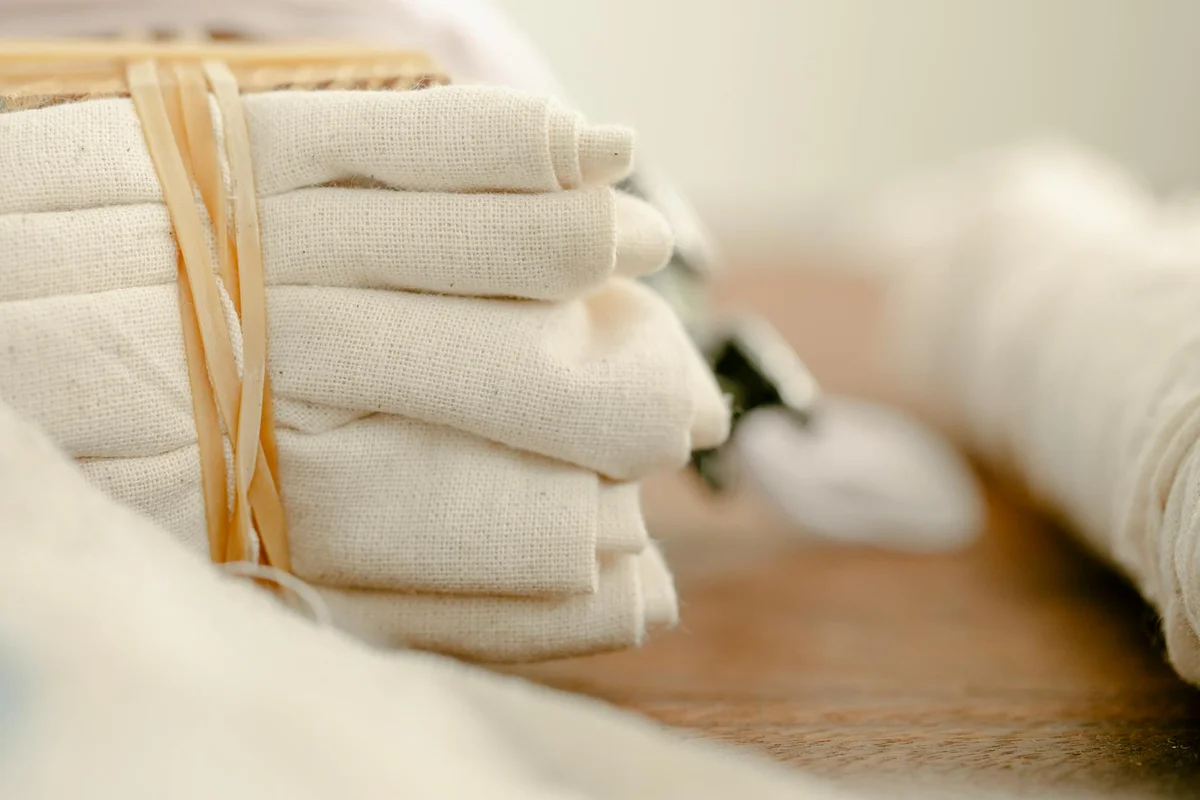
Think of conventional cotton farming as a forced growth sprint. Organic farming is more like a paced marathon. This fundamental difference in philosophy changes the cotton fiber itself before it ever reaches a loom.
The Fiber’s Foundation: Seeds and Soil
Conventional cotton typically starts with Genetically Modified (GMO) seeds engineered for high yield and resistance to specific herbicides. The field is treated with synthetic pesticides and fertilizers to maximize output. Organic cotton uses non-GMO seeds and relies on natural methods like crop rotation, beneficial insects, and compost to manage pests and nourish the soil.
This agricultural choice directly impacts the fiber’s structure and purity from the very first cell. A plant grown in balanced, healthy soil without chemical stressors often produces a fiber with more consistent cell wall development. I’ve seen under a microscope that fibers from stressed plants can have weaker, more irregular structures. The organic process aims for a purer, more intact natural fiber.
Early Processing: Ginning and Scouring
After harvest, cotton is “ginned” to separate the fluffy lint from seeds. Here, the paths diverge again. Conventional cotton lint often receives a chemical “scour” or wash using harsh alkaline solutions and surfactants to strip away natural waxes and any field contaminants.
Organic processing, especially under a standard like the Global Organic Textile Standard (GOTS), must use milder, environmentally friendly scouring agents. These are often peroxide-based or using certified biodegradable surfactants. This gentler cleaning preserves more of the cotton’s natural softness and waxes, which act as a built-in lubricant for the fibers.
Yield, Availability, and Cost
Conventional methods generally produce more fiber per acre. This higher yield is a primary reason for its lower cost and wider availability. Organic farming’s lower yield per acre, combined with stricter, more labor-intensive practices, contributes to the higher price you see for the final fabric. You’re paying for a different system of production, not just the fiber in your hand.
The Rulebook: Understanding Certifications
When you see a label like GOTS, it’s not just about the farm. It’s a rulebook that tracks the material from field to finished product. GOTS certification guarantees the organic status of the fibers and also sets strict environmental and social criteria for every processing step, including dyeing and finishing. It’s your best assurance that the “organic” claim is legitimate and holistic.
Hands-On Quality: Texture, Shrinkage, and Durability
You don’t need a lab to feel the difference. The real test is in how the fabric behaves in your hands, in the wash, and over years of wear.
Texture and Softness
Organic cotton often feels softer from the first touch. This is partly because the gentler scouring leaves more of the cotton’s natural waxes and oils intact. Conventional cotton’s harsh chemical wash can strip these away, leaving fibers slightly rougher. Over many washes, this difference can become more pronounced. The organic fibers, starting with a more lubricated surface, tend to maintain a plush, broken-in hand, while conventional can sometimes feel crisper or harsher as it ages.
Testing and Comparing Shrinkage
All woven cotton will shrink. The degree depends on the fabric’s initial tension and finishing. The same principle applies to linen fabric clothing. Linen can shrink when washed or dried, so pre-washing or testing can help you plan fits. Here’s how to test it yourself:
- Before washing, lay the garment flat and measure its width and length with a tape measure.
- Wash it in the manner you plan to always wash it (e.g., warm water, normal cycle). Tumble dry on medium heat if that’s your routine.
- Measure the same dimensions again while the item is still slightly damp.
Calculate the shrinkage percentage: [(Original Size – New Size) / Original Size] x 100.
While results vary by mill, organic cottons often show slightly less shrinkage, typically in the 3-5% range for a warm wash and dry, compared to 5-8% for some conventional weaves. This is because the fibers haven’t been subjected to as many harsh chemical processes that can create internal tension. Always pre-wash your cottons before cutting for sewing projects, especially when working with lighter or loosely woven cotton fabrics.
Durability and Pilling
A stronger, more consistently developed fiber from a healthy plant should, in theory, be more durable. In practice, for everyday items like t-shirts and bedsheets, you might notice this in resistance to pilling. Pilling happens when short, broken fibers tangle on the fabric’s surface.
Organic cotton fabrics often show less aggressive pilling because the individual fibers are less damaged from processing and can withstand friction longer. The fabric maintains a cleaner look after dozens of washes. For high-friction items like fitted sheets, this can mean a longer life before they look worn out compared to other fabrics that pile more aggressively.
Colorfastness and Dyeing
This is where processing really matters. The preparatory scouring (that initial deep clean) prepares the fiber to accept dye. Because conventional cotton is scoured so aggressively, it can sometimes accept dye very readily but also release it more easily if the dyeing process wasn’t optimal.
Organic cotton, with its milder scour, requires careful dyeing to achieve deep, even penetration. When done well under GOTS standards (which ban toxic dyes), the color can be exceptionally vibrant and stable. I’ve found that well-dyed organic cotton holds its color beautifully over time, with less fading from wash-induced friction.
Is the Difference Noticeable? Is It Worth It?
This is the core question from user forums. The answer is: it depends on the item and your sensitivity.
For a basic jersey t-shirt, the difference in initial softness might be subtle. For bed linens you sleep in every night or a baby’s onesie against sensitive skin, the softer, chemical-free hand of organic cotton is often immediately apparent and valued. The durability difference becomes clear over months and years, not necessarily on day one.
For many people, the choice extends beyond pure hand-feel to encompass the environmental impact and knowing their garment is free from pesticide residues. From a quality perspective, it’s an investment in a fabric that is both healthy and eco-friendly, often aging more gracefully, feeling softer and looking new for longer. You’re paying for the entire story of the fiber, not just its final form.
Care and Maintenance: Washing, Dyeing, and Longevity
Caring for cotton seems straightforward, but the farming and processing methods create subtle differences in how each type behaves in your laundry room and dye pot.
Washing and Daily Care
Both organic and conventional cotton benefit from similar gentle care to maximize longevity. The key difference often lies in the initial washes, where conventional cotton may release more chemical residues and show more pronounced shrinkage. Here is a side-by-side guide.
- Water Temperature: Use cold or lukewarm water for both. Hot water is the main driver of shrinkage and can set stains.
- Detergent: A mild, liquid detergent is best. For brand-new conventional cotton, I sometimes run an extra rinse cycle the first time to help wash away any residual processing chemicals.
- Cycle Settings: Use a gentle or permanent press cycle. Avoid heavy-duty cycles that cause excessive agitation and friction, which lead to pilling.
- Drying: Tumble dry on low if you must use a machine. Line drying is the single best practice for preserving the strength, color, and shape of any cotton fabric, organic or conventional. The fibers relax naturally without the harsh tumbling action.
Dyeing at Home: The Base Canvas Matters
If you enjoy dyeing fabric, the starting point is crucial. Imagine organic cotton as a clean, primed canvas and conventional cotton as one with a faint, oily sketch you need to erase first. When you shift to dyeing with natural materials, the fiber dictates how colors absorb. Natural fabrics like cotton, linen, and hemp respond differently to plant-based dyes.
Organic cotton typically has a higher affinity for natural dyes like indigo, madder, or turmeric because its fibers are free from silicones and other chemical finishes that can block dye absorption. The colors often bind more evenly and can appear slightly more vibrant.
Conventional cotton usually requires a thorough scouring step before dyeing. You need to wash it in very hot water with a pH-neutral soap or synthrapol to strip away any residual spinning oils, waxes, or easy-care finishes. If you skip this, your dye job may be splotchy or wash out quickly. Mastering this prep helps you troubleshoot fabric dyeing more effectively. With solid preparation, common dyeing issues are easier to diagnose and correct.
Troubleshooting Common Issues
- Minimizing Shrinkage: Pre-wash your fabric before sewing! Conventional cotton can shrink 3-8% on its first wash, while organic often shrinks a more predictable 2-5%. Wash and dry it exactly as you plan to care for the final garment.
- Reviving Softened Fabric: All cotton can become limp. Add half a cup of white vinegar to the rinse cycle. It helps dissolve detergent residue and restores a bit of crispness without harsh chemicals.
- Dealing with Stiffness: New conventional cotton can feel stiff from resin finishes. Multiple gentle washes will usually soften it. For persistent stiffness, a soak in a solution of warm water and a tablespoon of baking soda can help break down the residues.
Test for Residual Finishes
Wondering if your conventional cotton has a water-resistant or easy-care finish? Try the water drop test. Lay the fabric flat and place a few drops of water on it. If the water beads up and sits on the surface, a chemical finish is present. If it is absorbed quickly and spreads, the fabric is more likely finish-free. This tells you if extra scouring is needed before dyeing, especially when handling water-resistant fabrics.
Long-Term Care for Durability
How you dry cotton has the biggest impact on its lifespan. Machine drying causes incremental damage every cycle. The fibers rub, weaken, and the surface pills. Line drying eliminates this friction. Over years, line-dried cotton sheets or shirts will stay smoother and stronger than their machine-tumbled counterparts. Reserve the dryer for fluffing towels or when you’re short on time.
The Impact Factor: Environment and Community
Beyond how the fabric feels, the story of how it’s made is written into the land, water, and lives of the people who grow it.
Environmental Impact: Soil, Water, and Beyond
Both fibers are biodegradable, but their journeys back to earth differ.
- Biodegradability: A 100% cotton t-shirt will decompose. However, conventional cotton may carry pesticide and chemical dye residues that can leach into the soil as it breaks down, while organic cotton returns to the earth more cleanly.
- Microplastics: Pure cotton sheds no microplastics. The risk comes from blended fabrics (like cotton-polyester). This is a concern for both types, so look for 100% cotton if this is a priority.
- Chemical Processing: This is a major point of separation. Conventional cotton processing uses heavy metals, formaldehyde, and other toxic chemicals in dyes and finishes, which often pollute local water sources. Organic standards restrict these substances, favoring safer alternatives.
Water, Soil, and Farmer Health
Let’s talk about the three interconnected crises.
- Water: Organic cotton farming typically uses less blue water (from lakes and rivers) because healthy, compost-rich soil acts like a sponge, holding rainwater better. It also prevents the pollution of that water with agricultural runoff.
- Soil: Conventional farming degrades soil through monocropping and chemical use. Organic farming builds soil health through crop rotation and natural fertilizers, making the land fertile for future generations.
- Farmer Health: This is direct and personal. Farmers growing conventional cotton handle toxic pesticides and fertilizers, often without adequate protection. Organic methods eliminate this exposure, creating a safer work environment.
Social Impacts and Equity
The true cost of a cheap shirt isn’t just measured in dollars. Conventional farming can trap farmers in cycles of debt from buying expensive chemicals and genetically modified seeds each year. Organic farming can offer more economic independence and stability. When you choose certified organic cotton, you are often supporting a supply chain that prioritizes safer labor conditions and fairer wages.
Is Organic Cotton Healthier for Your Skin?
For most people, conventional cotton is perfectly safe to wear. If you have sensitive skin, eczema, or chemical allergies, organic cotton is a clearer choice because it guarantees the absence of specific irritating pesticide and finishing chemical residues. The fabric next to your skin is purer. If you react to new clothes with itchiness or redness, switching to organic basics can make a noticeable difference.
Making a choice between organic and conventional cotton isn’t about finding a perfect answer. It’s about aligning your values with your purchases. Consider the fabric’s performance for your project, but also weigh the kind of agricultural and industrial practices you want to support with your wallet—especially when looking into sustainable and eco-friendly cotton fabrics. Every garment is a vote for the system that made it.
Last Notes on Cotton Performance and Care
The most practical advice I can give is to always pre-wash organic cotton yardage in cool water before you start a project. This simple habit accounts for its initial shrinkage and prevents finished garments from becoming too small after their first proper wash.
Choosing a cotton fabric is just the first step in responsible fabric ownership-how you care for it, and all your textiles from wool to nylon, truly defines its impact. I encourage you to keep testing how fibers behave, because that hands-on knowledge is what turns a purchase into a lasting part of your wardrobe. Understanding cotton fabric varieties’ characteristics can help you pick fabrics that fit your climate and routine. This awareness completes the journey from purchase to daily care.
Further Reading & Sources
- The Truth About Organic Cotton Will Shock You – Prototype | Integrated Fashion Solutions
- Is Organic Cotton Really Softer Than Conventional Cotton? Let’s Find Out!
- Organic Cotton vs Regular Cotton: What’s the Difference?
- Is Organic Cotton Really Better? The Truth About Sustainability & Quality – Gentle Packing: Custom Packaging Manufacturer in China
- What Is Organic Cotton Fabric: Overview & Sustainability
Florian is a high fashion blog writer, fashion and fabric expert and a keen expert in fabric, clothing and materials. She has worked in large textile and fashion houses for over 10+ years, engineering and working with various fabric types and blends. She is an expert when it comes to questions on any and all kinds of fabrics like linen, cotton, silk, jute and many more. She has also traveled around the world studying traditional fabrics and aims to bring them into the modern fashion use.