
Nylon vs Polyester: What Are the Key Differences?
If you’ve ever felt a rain jacket and a workout shirt and wondered why they behave so differently, you’re asking the right question. I test fabrics like these every day, and the choice between nylon and polyester affects everything from comfort to longevity.
In this article, I will share my hands-on comparisons from the lab and laundry. We will cover fiber structure and feel, common uses and durability, shrinkage and heat response, washing and drying best practices, dyeing challenges, and straightforward care instructions.
Executive Summary: The Quick-Reference Sheet
Use this table to see their key differences at a glance.
| Property | Nylon | Polyester |
|---|---|---|
| Breathability | Low. Tends to feel clammy. | Very Low. Less breathable than nylon. |
| Shrinkage Rate | Low, but can shrink in high heat. | Very Low. Highly resistant to shrinking. |
| Heat Tolerance (Ironing) | Low. Use a cool iron (max 300°F/150°C). | Medium. Can handle a warm iron (max 325°F/160°C). |
| Stretch Factor | High. Excellent inherent stretch and recovery. | Low unless specially engineered (e.g., spandex blend). |
| Moisture Behavior | Absorbs some water, loses strength when wet. | Hydrophobic. Wicks moisture away, stays strong when wet. |
| UV Resistance | Poor. Degrades and yellows in sunlight. | Excellent. Highly resistant to sun damage. |
Here’s the simple truth:
- Think of nylon as a sprinter. It’s softer, stretchier, and moves with you, but it tires out faster in the sun.
- Think of polyester as a marathon runner. It’s tougher, holds its shape, and can withstand sun and water for the long haul.
Chemistry and Feel: How Their Building Blocks Change Everything
Their feel and performance start at the molecular level. Picture the long chains of molecules that make up these fibers.
Polyester chains are stiff and orderly, like rigid plastic links. This structure gives polyester its durability and that characteristically crisp, sometimes slightly papery hand. Nylon chains are more like flexible, springy coils. This coil-like structure is the secret to nylon’s softness and incredible stretch.
Run a piece of fabric through your fingers. Nylon often feels unmistakably silky and soft. Polyester tends to feel smoother but crisper. In the lab, I confirm this with a simple burn test.
You can tell nylon from polyester at home with a careful burn test. Always work over a non-flammable sink, use tweezers, and have water ready. Snip a few threads from a hidden seam.
- Hold the thread with tweezers and carefully ignite it with a lighter.
- Observe the flame and smell the smoke. Nylon burns with a blue base and orange tip, and it smells like celery or burnt hair. The melted bead is grey and hard.
- Polyester burns with a yellow, sooty flame and gives off a distinctly sweet, chemical smell, like phenyl. The melted bead is black and sticky.
To tell if tulle is nylon or polyester, use your hands and ears. Gently crush a section of the netting. Nylon tulle feels softer and more pliable; it makes a quiet, muffled sound. Polyester tulle is stiffer, holds a sharper shape, and makes a louder, crinkly noise when handled. The difference is night and day once you feel them side-by-side.
The Stretch, Strength, and Sun Test
Let’s put these fibers through three critical practical tests.
For pure elasticity, nylon wins. Those springy molecular coils let nylon fibers stretch up to 30% and bounce back beautifully. I think of it as a true mechanical stretch. Polyester has very little give on its own. Any stretch in polyester fabric usually comes from being woven with spandex.
Strength tells a different story when water is involved. When dry, both are incredibly strong. But get them wet, and nylon can lose up to 15% of its tensile strength. Those coils absorb water, which weakens the bonds between them. Polyester, being hydrophobic, stays just as strong wet as it is dry. This is why polyester is the go-to for outdoor ropes and sails.
For UV resistance, polyester is the clear champion. Its chemical structure is far more resistant to the breaking power of ultraviolet rays. Nylon, however, degrades quickly in direct sunlight. The polymers break down, the fabric loses strength, and it almost always develops a yellowish cast. If you’ve ever seen an old nylon tent or flag turned brittle and yellow, that’s UV damage at work. This makes it a key point in the overall polyester vs. nylon performance comparison.
Water, Weather, and Wear: Performance Face-Off
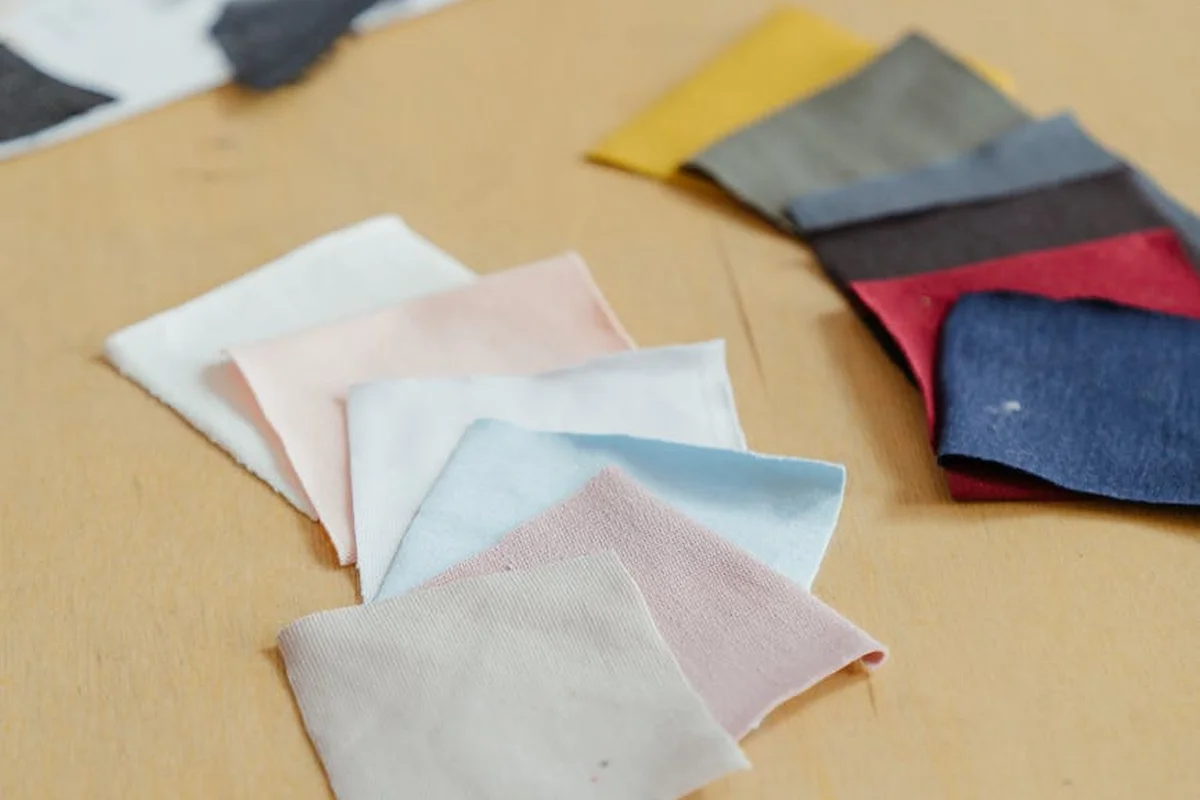
Let’s get practical. Both nylon and polyester are synthetic, which means they start life hydrophobic-they repel water. But the real story of water resistance happens in the fabric’s finish, not just its fibers. Think of the fibers themselves as the building blocks, and a durable water repellent (DWR) coating as the slick, water-shedding skin on top. A nylon shell with a good DWR will outperform an uncoated polyester one every time. Understanding waterproof properties fabrics means looking at how layers, membranes, and seams work together to keep water out. In the next steps, we’ll tie these ideas to practical tests and real-world performance.
So, which fabric dries faster? Nylon usually wins this race. The reason is in the shape. Nylon fibers often have a rounder cross-section, presenting less surface area to hold onto water droplets. Polyester fibers can be engineered into many shapes (like star-shaped cross-sections for wicking) that can trap a tiny bit more moisture. I test drying times by wringing out swatches-nylon often feels damp for a shorter period.
That brings us to workout gear. Pure, untreated nylon isn’t a great moisture mover; it tends to feel clammy. Polyester, however, is the champion of engineered wicking. Polyester is frequently spun into microfiber or given textured surfaces that actively pull sweat away from your skin to the fabric’s outer layer to evaporate. For your high-intensity gear, look for polyester or specific nylon blends designed for athletic use.
Choosing a jacket? Here’s my breakdown. For a hard-shell rain jacket, I lean toward nylon. Its exceptional strength-to-weight ratio means you get a durable, protective layer that isn’t heavy. For winter insulation, polyester is your friend. Think of the fuzzy, spongy fleece-that’s almost always polyester. It traps warm air beautifully and, crucially, retains its loft and warmth even when damp, unlike down. A winter system often uses a nylon outer shell for protection and a polyester fleece or insulated layer for warmth.
For ropes and cords, the difference is stark. Nylon absorbs a small amount of water (about 3-4% by weight), which can slightly reduce its strength when wet and make it sink. Polyester absorbs almost no water, staying stronger when wet and more buoyant. Polypropylene, another synthetic, is the most buoyant of all, often used for marine ropes. Choose based on whether you need buoyancy or absolute wet-strength.
Your Daily Guide: What to Use and When
Choose Nylon For:
- Hosiery and leggings: Its superb elasticity and smooth feel make it ideal.
- Swimwear and active swim layers: Great resistance to chlorine and sunlight degradation compared to other synthetics.
- Lightweight jackets, windbreakers, and umbrellas: That strength-to-weight ratio is key for durable, packable protection.
- Luggage, backpacks, and parachutes: Where high tensile strength and abrasion resistance are non-negotiable.
- Travel pants: Nylon blends (often with a little spandex) offer incredible packability, quick drying, and a comfortable, flexible drape perfect for motion.
Choose Polyester For:
- Fleece jackets, blankets, and linings: Its ability to hold air pockets creates warmth.
- Wrinkle-resistant shirts and blouses: Polyester blends help garments hold their shape and require little ironing.
- Outdoor furniture, curtains, and upholstery: Excellent resistance to sunlight (UV degradation) and stretching over time.
- Durable carry-on luggage: While nylon is lighter, polyester can offer a more rigid, structured shell that resists scuffs.
- High-performance athletic gear: For moisture-wicking base layers and breathable, durable jerseys.
- Structured work trousers: A polyester-wool or polyester-cotton blend adds durability, reduces wrinkling, and helps maintain a sharp crease.
How do they stack up against natural fibers? For breathability, neither nylon nor polyester can match cotton or linen on a hot, still day. Their advantage is in managed performance-moving moisture away during activity or providing a wind and water barrier. For care, synthetics win for easy maintenance: they resist wrinkles, dry quickly, and aren’t prone to moth damage. Cotton, while breathable, can shrink dramatically and takes much longer to dry. Always check blend labels; a cotton-polyester mix gives you the best of both worlds.
The Care Protocol: Washing, Drying, and Fighting Shrinkage
Your washing machine isn’t just cleaning clothes, it’s a chemistry and physics lab for your fabrics. To keep nylon and polyester performing, you need the right recipe. Here is my lab-tested method for each.
Nylon Care Steps
Nylon is strong but sensitive to heat. High temperatures can cause the fibers to yellow permanently and lose their strength over time. Treat it with a cool hand.
- Use cool water, never hotter than 30°C (86°F).
- Choose a mild, neutral pH detergent. Avoid anything with optical brighteners if you want to keep colors true.
- Never use chlorine bleach. It will catastrophically weaken the fibers. If you need to brighten whites, use an oxygen-based bleach.
- Dry on a low tumble dry setting or, better yet, air dry. High dryer heat is nylon’s main enemy.
- If you must iron, use the lowest “cool” synthetic setting and iron the garment inside out.
I’ve seen too many nylon windbreakers come out of a hot dryer looking brittle and tinged with yellow, a sign of heat damage you can’t reverse.
Polyester Care Steps
Polyester is nylon’s tougher sibling when it comes to heat. Its fibers have a slightly higher melting point, so it can handle a bit more warmth in your routine.
- Warm water is fine, up to 40°C (104°F). This helps release oils and grime.
- Most standard detergents are safe. You can use a bit more cleaning power here.
- Tumble dry on low. While more heat-resistant, high heat can still cause shrinkage or melting on delicate weaves.
- Iron on a “warm” setting. Using too hot an iron will cause the fabric to glaze and melt on contact.
Does Nylon Shrink Like Polyester?
The simple answer is no, not exactly. Both are synthetic polymers, so they don’t absorb water and shrink like a cotton t-shirt does. Their shrinkage doesn’t come from water, but from high heat which can distort or even melt the fibers. Think of it like a plastic bottle warping near a flame, not a sponge squeezing tight.
Polyester generally has a higher heat tolerance than nylon. That means a polyester garment might survive a warm dryer cycle that would permanently damage a nylon one. But neither is immune. Always err on the side of cool, especially when handling nylon and spandex blends.
Final Fabric Care Notes
The core choice between nylon and polyester comes down to moisture. Remember, nylon feels clammy when wet and needs gentler washing, while polyester stays drier and tolerates higher heat. In swimwear, these drying properties matter: polyester dries faster, typically between sessions, while nylon can cling with residual dampness. That quick-dry behavior makes polyester a better pick for frequent pool days. Use this single fact to guide your washing, drying, and activity selection.
Treating these fabrics with care extends their life significantly. Mastering proper washing, drying, and repair for your synthetics is a direct step toward more responsible consumption. Every fabric has a story written in its fibers, and learning to read them is a lifelong practice.
Sources and Additional Information
- Nylon Vs Polyester: Which Is The Better Fabric For Clothes In 2026? · Good Garms
- r/arcteryx on Reddit: Can someone break down the differences between polyester and nylon?
- What is the Difference between Polyester and Nylon Fabric? | EYSAN
- Nylon Vs Polyester – What Are The Differences? | Canvas ETC .
- Nylon vs. Polyester: Differences and Similarities
Written by Florian Ventura. Florian is a high fashion blog writer, fashion and fabric expert and a keen expert in fabric, clothing and materials. She has worked in large textile and fashion houses for over 10+ years, engineering and working with various fabric types and blends. She is an expert when it comes to questions on any and all kinds of fabrics like linen, cotton, silk, jute and many more. She has also traveled around the world studying traditional fabrics and aims to bring them into the modern fashion use.