
Fabric Adhesive vs. Sewing: Which Method Wins for Durability and Flexibility?
Staring at a rip or planning a new make, you likely ask: will glue or stitches last longer and bend better? I’ve tested both in the lab and at home to give you a clear, practical answer.
We will cover how bond strength and seam integrity change with washing, which fabrics work best for each method, and my step-by-step advice for choosing based on your project’s needs.
How Do I Choose: A Quick Guide to Picking Your Method
Let’s make this simple. Stop thinking “which is better” and start asking three specific questions about your project. The answers will lead you straight to the right technique.
Ask Yourself These Three Questions
First, what is the project’s purpose? A temporary pant hem for one night is a different beast than the side seam of a wool coat. Second, what is your fabric made of? The fiber content and weave change everything. Third, how will you care for the finished piece? Will it face a washing machine’s agitation or just gentle spot cleaning?
The fabric itself is your most important clue-always test an adhesive on a hidden scrap first to see how it reacts.
Clear-Cut Scenarios for Each Method
Here’s my practical breakdown from years of fixing and making.
Use a Fabric Adhesive For:
- Applying non-stress appliqués or patches to jackets and bags.
- Quick, temporary fixes like a fallen hem before an event.
- Bonding trims or ribbons to areas that won’t be stretched or pulled.
- Craft projects with non-washable materials like felt or paper-backed fabrics.
- Securing a seam allowance inside a garment where sewing would be bulky.
Use Sewing For:
- Any seam that bears weight or stress, like pants inseams or shoulder seams.
- Garments made from stretchy knits-thread moves with the fabric; adhesive cracks.
- Items you plan to machine wash and dry repeatedly, like bedding or children’s clothes.
- Heirloom pieces or valuable fabrics (silk, fine wool) where you want a reversible, damage-free repair.
- Constructing anything that needs to drape or flex naturally, not feel stiff at the seams.
Many people get stuck on the “adhesive vs sewing” question for simple hems. My rule: if it’s a natural fiber like cotton or linen that you’ll wash hot, sew it. If it’s a polyester curtain you’ll never machine wash, a quality adhesive tape can work. The care label isn’t just for washing-it’s a durability blueprint for your construction method too.
Durability Face-Off: Stress, Washing, and Time
In my lab, we define fabric durability as resistance to three types of stress. Mechanical stress is pulling, twisting, and abrasion. Chemical stress comes from detergents, sweat, and body oils. Thermal stress is the heat from washing and drying. Let’s see how our two methods hold up. Following this, our fabric durability lifespan guide explains long-term performance under these stresses. It helps translate lab results into real-world expectations.
A sewn seam is a team effort. Stress is distributed across hundreds of interlocking thread loops. If one thread frays, the others pick up the slack. An adhesive bond, even a great one, is a single line of defense. All the stress concentrates on that glued edge. Pull on it, and the entire bond fights the force at once.
Think of a sewn seam like a chain-link fence bending in the wind, while an adhesive bond is like a solid glue joint-strong until it reaches its snapping point.
The Washing Machine: The True Test
This is where adhesives often fail long-term. The combination of warm water, alkaline detergents, and mechanical agitation slowly breaks down most glue polymers. Heat from a dryer accelerates this. I’ve seen fusible tapes release completely after 10-15 hot cycles.
Sewing thread faces different challenges. Cotton thread can shrink in a hot wash, puckering the seam if the fabric behaves differently. Synthetic thread like polyester is stronger but can saw through delicate fibers like silk over time. Yet, a frayed seam can be re-stitched. A failed adhesive bond leaves a residue-coated mess that’s much harder to salvage.
Fabric shrinkage directly impacts this battle. Imagine gluing a cotton that will shrink 5% in the dryer. As the fabric contracts, it pulls ruthlessly on that rigid glue line, often causing it to fail or making the fabric pucker around it. A sewn seam has a little more inherent give, allowing the fabric to move slightly without catastrophic failure.
For any item that will see repeated washing, sewing provides a more predictable and, crucially, a repairable kind of durability. You can always run another line of stitching. You can’t easily re-activate a failed adhesive without dealing with stiffness and residue.
Flexibility and Drape: Which Method Moves With the Fabric?
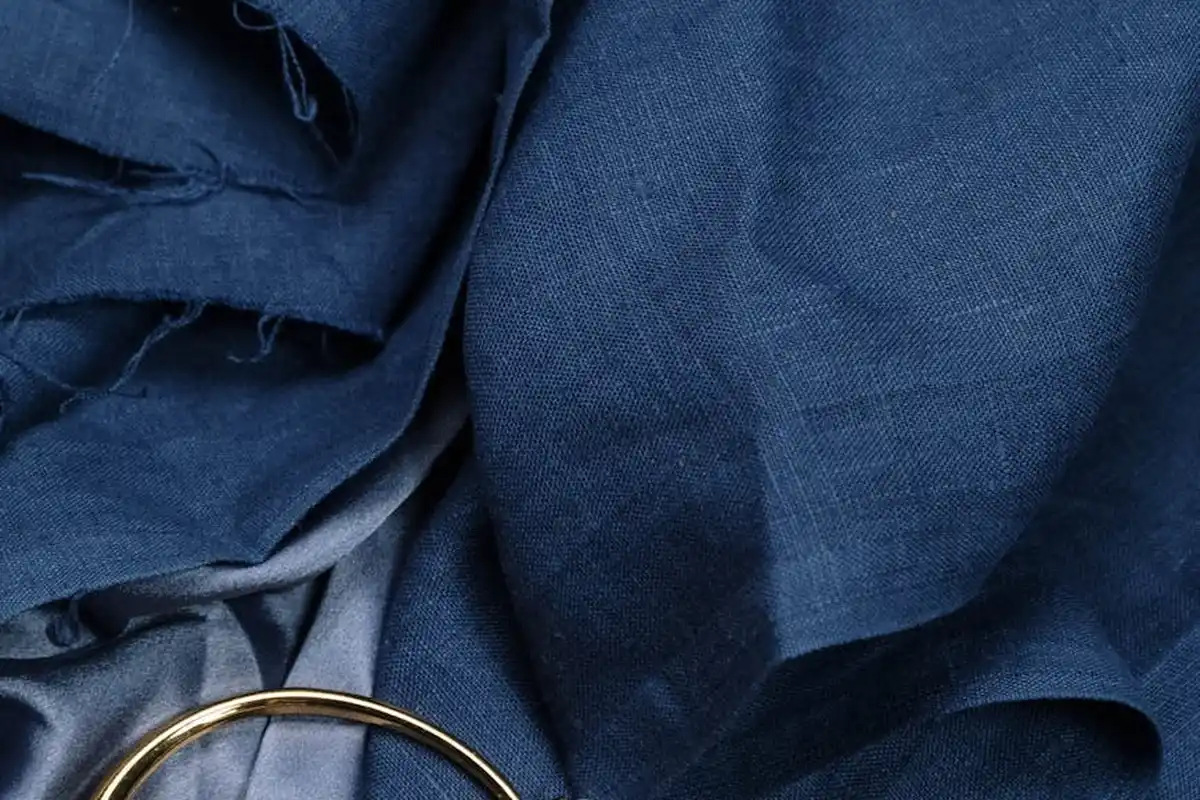
Think of flexibility as how a seam or bond lets the fabric bend, stretch, and flow naturally. A good join should disappear into the material, not fight against it.
Here’s my favorite way to picture it: a sewn seam acts like a hinged joint. The threads move with the fabric, allowing two pieces to pivot and fold freely at the stitch line. A rigid fabric adhesive, on the other hand, is more like a spot weld. It creates a fixed, unyielding point that can restrict the fabric’s natural movement around it.
This difference directly changes the fabric’s “hand,” which is our term for how it feels and falls. A line of glue, especially on a fine cotton voile or fluid silk, often leaves a crunchy, stiff spot. I’ve felt hems where the adhesive created a noticeable ridge. Machine or hand stitching typically preserves the original drape because it doesn’t saturate the fibers with a hardening polymer.
Stretch fabrics like jersey or knit blends are a special case. They demand a join that can elongate and recover. Sewing with a zigzag or stretch stitch is non-negotiable here – the thread itself has give. Most standard fabric adhesives will crack or pop the first time you put on that glued-together t-shirt. They simply can’t handle the repeated 20-30% stretch that a knit requires.
Testing at Home: Simple Ways to Predict Performance
You don’t need a lab to be a fabric detective. A little pre-work on scraps can save a finished project. Always test on a leftover piece of your actual fabric, lined with the same interfacing if you’re using it.
The Bond Strength Test
Apply the adhesive to two small fabric squares as directed, let it cure fully, and then try to peel them apart. Note the force it takes and if the glue tears the fabric fibers. Now, sew a simple seam on other scraps. Use a seam ripper to pick at the stitches. You’ll immediately feel the difference between a brittle adhesive bond and the flexible, interlocking hold of thread.
The Wash Test Protocol
This is critical. After making your test bonds and seams, subject them to your intended care routine.
- Mark the samples with a permanent pen to measure shrinkage.
- Wash and dry them exactly as you plan to care for the final item (e.g., warm wash, tumble dry low).
- After, check for three things: how much the fabric shrank (common for cotton or wool), if the adhesive bond failed or bled through, and if the sewing thread degraded or puckered the seam.
I find polyester thread holds up best to machine washing, while some cotton threads can shrink and cause puckering.
The Flex and Crumple Test
Grasp your test samples and repeatedly crumple them in your fist, then smooth them out. Do this 20-30 times. A weak join will reveal itself quickly through de-lamination, adhesive cracking, or thread breaking. This simulates the stress of wearing and moving in a garment over time.
Your specific fabric is the only true variable. A fusible web might work perfectly on a stiff polyester canvas but fail on a soft cotton lawn. Testing removes the guesswork.
Fabric-by-Fabric Guidance: Cotton, Wool, Silk, Polyester & Blends
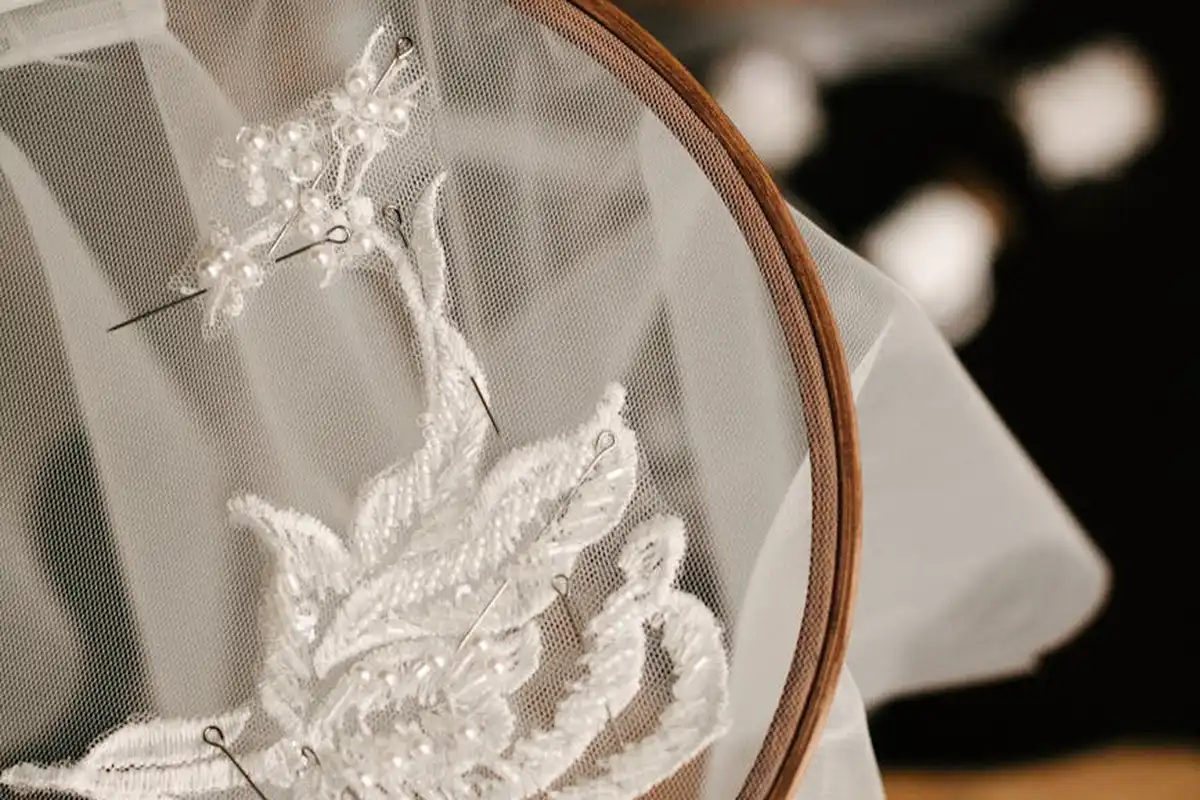
Your fabric’s fiber content is the single biggest factor in choosing a method. What works for a crisp cotton poplin can ruin a silk chiffon. Let’s break it down.
Cotton & Linen
These plant-based fibers have a textured, porous surface that adhesive loves to grip. I’ve found fusible web bonds to a medium-weight cotton quite securely in the moment.
The bond often creates a stiff, board-like panel that defeats the natural drape of the fabric. The real failure point is care. Cotton loves to shrink, especially linen. That first warm wash causes the fabric to contract, but the adhesive bond does not. This creates immense stress, leading to puckering and bond failure at the seams.
My recommendation is clear: for any cotton or linen garment you plan to wear and wash, sewing is the only reliable choice. Use cotton or all-purpose polyester thread. For craft projects like banners that won’t be laundered, adhesive can be a fast fix.
Wool & Silk (Protein Fibers)
I advise extreme caution with adhesives on these delicate, protein-based fibers. Many adhesive backings and glues can leave permanent, oily stains on silk or degrade the fine wool fibers over time.
For the integrity and long-term care of wool and silk, sewing with a fine, sharp needle is the non-negotiable standard. You must match your needle size to the fabric weight-a size 70/10 for silk habotai, a slightly heavier one for wool crepe. A dull needle will catch and break the yarns. For wool, I always recommend a press cloth when ironing seams to avoid shine, a concern you don’t have with glue.
Polyester, Nylon & Synthetics
Synthetic fibers present a unique case. Their smooth surfaces can resist some adhesives, but specific fabric glues are formulated to create a chemical bond with the plastic-based fibers.
Here’s the catch: that bond is often heat-sensitive. Applying a hot iron can remelt the adhesive, causing it to seep through the fabric or lose its hold entirely. If you use adhesive, follow the temperature instructions exactly.
If you sew synthetics, your thread choice is critical. Cotton thread will abrade and break against the stronger polyester fibers. Always use a good quality polyester thread. It moves and stretches with the fabric, creating a much more durable seam.
Blends (e.g., Poly-Cotton)
Blends are a guessing game. A 65% polyester, 35% cotton shirt will behave more like a synthetic but retain some cotton’s shrinkage. Your best path is to base your method on the dominant fiber (the one listed first on the label). Since cotton tends to shrink more than synthetics, even polyester-cotton blends require careful handling when washing.
No matter what, always test your adhesive or stitch on a hidden scrap of the actual fabric first. Wash and dry the test piece the way you plan to treat the final item. This tells you the truth about puckering, stiffness, and bond failure before you commit.
The Care Protocol: Washing, Drying, and Ironing Your Finished Project
How you care for the item decides its lifespan. The rules for glued projects are strict. Sewn items follow the fabric’s lead.
For Adhesive-Bonded Items
Treat these as delicate, hand-wash only items forever. Heat and agitation are the enemies of the bond.
- Fill a basin with cool or lukewarm water and a mild, non-bleach detergent.
- Submerge the item and gently swish it. Do not scrub, twist, or wring.
- Rinse thoroughly in water of the same temperature.
- Press excess water out by rolling the item in a clean, dry towel.
- Reshape and air dry it completely on a flat surface. Never use a clothes dryer.
- If ironing is necessary, use the lowest possible heat setting with a press cloth. Steam can reactivate some adhesives, so avoid it.
This method minimizes the mechanical stress and heat that cause adhesive seams to peel.
For Sewn Items
Your care routine here is liberated. You care for the fabric, not the seam.
- First, check the care label of your original fabric. Your sewn seam can handle whatever the fabric can.
- For machine washing, turn the garment inside out. This protects the outer surface and reduces friction on the stitches.
- Close all zippers, hooks, and buttons to prevent snagging.
- Wash according to the fiber’s needs: cool water for wool and silk, warmer water for sturdy cottons, etc.
- Dry according to the fiber: tumble dry low for polyester blends, lay flat for wool, line dry for silks and delicate linens.
- Iron at the temperature suitable for the fabric. Your sewn seams can be pressed crisp and flat.
The core difference is that a sewn seam is a physical interlocking of threads with the fabric, moving as one unit, while an adhesive bond is a surface-layer coating that heat and movement can separate. With sewing, you maintain the full care potential of your textile. With adhesive, you are permanently adding a point of fragility. Plan your care from the moment you choose your method.
Handling Pro-Tip: The Textile Scientist’s Workshop Advice
Let’s get specific. Here is my workshop advice, gleaned from years of testing seams and bonds under stress, heat, and the washing machine.
For Invisible Hems on Drapey Fabrics
You have a beautiful, flowing skirt made of silk crepe or a lightweight rayon. You want a clean, invisible hem. A fusible web tape is tempting-it’s fast and requires no needle.
I’ve used it. It can create a perfectly flat, crisp finish. But there’s a massive, non-negotiable condition: you must never, ever machine-wash that garment. The agitation and heat will break that adhesive bond. You’ll be left with a gummy residue on your fabric and a hem that’s failed.
For true durability that survives care and wear, invest time in learning the blind hem stitch by hand or with a machine foot. This stitch catches just a few threads of the main fabric, leaving the front nearly invisible, while creating a flexible, durable join. It’s the professional’s choice for a reason.
On Repairing Garments and Items
A tear in a favorite jacket or a split seam on a bag-your first instinct might be to grab a fabric glue. For a quick, temporary fix on a low-stress area, it might hold.
But understand this: a glued repair is almost always a one-time fix. The adhesive penetrates the fibers. If it fails, or if you need to adjust it, you cannot cleanly separate the fabrics. You’re often left with a stiff, stained patch that’s harder to fix properly later. This is especially true with super glue fabric fixes.
A sewn repair is renewable; you can carefully clip the threads, press the fabric, and re-stitch it, making it the only responsible choice for valuable, sentimental, or well-made items. This is crucial for heirlooms, wool coats, or quality linens where you want the repair to last decades, not just a few wears.
On Fabric Preparation: The Non-Negotiable Step
Whether you’re sewing or gluing, preparing your fabric is the most critical step for long-term success. Skipping this is the #1 reason projects fail later.
- For Sewing: You must pre-wash your fabric using the method you plan for the finished item. For a cotton quilt, that’s a hot machine wash and dry. For a silk blouse, it’s a gentle hand wash. This removes factory finishes (sizing) that can hinder sewing and, most importantly, allows for all shrinkage to happen before you cut. Cotton can shrink 3-5%, while wool can shrink over 10% if felted.
- For Adhesive: You must pre-clean the area. Any dirt, oil, or residue will prevent the adhesive from bonding directly to the fiber. Use a mild solvent like rubbing alcohol on a hidden spot first to test, then clean the area thoroughly and let it dry completely.
Failing to pre-treat fabric for either method guarantees a weak join that will likely distort or fail after its first real cleaning.
My Final, Strong Opinion
After testing hundreds of fabrics and joins, my rule is simple.
When in doubt, sew it. A thread seam has physical structure and flexibility. It distributes stress along a line. It can be pressed open to reduce bulk. Over time, it ages gracefully-it might fray slightly, but it can be restitched. An adhesive bond is a monolithic block. It stiffens the fabric, becomes brittle with age and washing, and fails catastrophically. For anything you want to last, to mend, or to love for years, the needle and thread are your truest tools.
Textile Insights for Lasting Fabric Repairs
Always let the fiber’s inherent behavior guide your choice between adhesive and thread. I recommend sewing for fabrics like cotton and wool that change with washing, and only use adhesives on stable synthetics like polyester for quick, non-critical fixes.
Treat every repair as an opportunity to respect the fabric’s life cycle, from how silk fabric is cared for and washed to how nylon tolerates heat. Building your knowledge of washing effects, shrinkage, and care for different materials is the true foundation of sustainable textile practice.
Citations and Authoritative Sources
- r/sewing on Reddit: How do y’all feel about using glue instead of sewing?
- No Sew Methods: Stitch Witchery vs. Fabric Glue
- Ultimate Guide to Fabric Adhesive Glue: Types, Application Tips, and B – MaggieFrames
Florian is a high fashion blog writer, fashion and fabric expert and a keen expert in fabric, clothing and materials. She has worked in large textile and fashion houses for over 10+ years, engineering and working with various fabric types and blends. She is an expert when it comes to questions on any and all kinds of fabrics like linen, cotton, silk, jute and many more. She has also traveled around the world studying traditional fabrics and aims to bring them into the modern fashion use.